manufacturing-software
(60)
Yash Sabharwal and the problem next door
An optical scientist learned to run companies, found himself wrestling with spreadsheets, and asked his neighbor to help. At QbDVision, Yash Sabharwal is still working on how knowledge travels - and when a founder should get out of its way.

Thomas Boucher-Charest and the value of what already works
A Montreal stock-market competitor grew into an investor and software operator. At Valstone, Thomas Boucher-Charest is helping build a manufacturing portfolio around a practical question: what should an acquisition preserve?
ProjectManager and the expensive art of guessing
A Queensland engineering firm, a Pennsylvania bank and a Hawai‘i space laboratory all ran into the same problem: work was scattered. ProjectManager sells a shared plan - and a reason to keep it honest.

Oden Technologies finds the factory hiding inside your factory
A cable maker thought its machines rarely stopped. Oden showed how long they stayed stopped - and built a business around getting useful answers to the people running the line.
Vericut finds the trouble before the metal does
A Mercedes F1 machining trial recovered 48 minutes from one component. Vericut’s larger proposition is to let manufacturers rehearse expensive decisions before the cutting starts.
Test Acuity Solutions and the chip that passed too easily
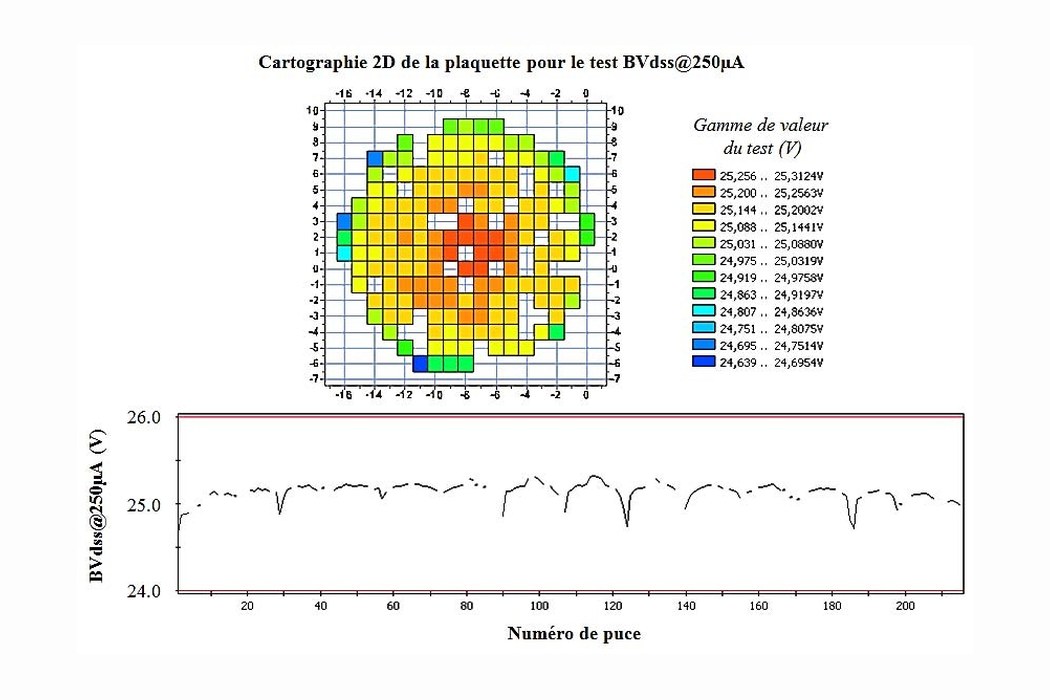
A passing chip can still be a questionable chip. Test Acuity Solutions built its semiconductor software business around the clues that ordinary pass-or-fail testing leaves behind.

Cin7 and the art of selling the last one
The sale is easy. Knowing whether you still have the thing you just sold is harder. Cin7 connects the stockroom, the storefront and the books - with a useful lesson about the limits of plugging software together.

Arena by PTC and the expensive art of getting the parts right
A cheaper magnet, a corroded switch, and a familiar manufacturing headache. Arena by PTC has built a cloud software business around a deceptively simple question: which version are we actually making?

Bista Solutions makes the software fit the business
An ERP subscription buys the tools. Bista Solutions tackles the awkward part: making orders, warehouses, accounts, and people work together.
Plex puts the factory floor on the balance sheet
A factory can survive a broken machine. A number nobody trusts is harder to repair. Plex by Rockwell Automation connects production, inventory and finance so the people making the goods and the people counting the money can agree.
Inductive Automation and the Price of One More Idea
A controls engineer grew tired of software that charged factories for growing. Ignition made room for more users, more data, and the occasional very expensive whiteboard.

Mastercam and the art of cutting corners
A machine can follow instructions perfectly and still make a mess. Mastercam has spent four decades helping manufacturers decide which instructions are worth following.

The Factory Asked for a Button. Digit Built a New Name.
A Georgia manufacturer could track its stock in a spreadsheet, but it could not make the spreadsheet agree with the warehouse. Digit built an ERP for that gap. In 2026, it renamed itself Sutton and gave operators a way to make the missing tools themselves.

Xometry put the machine shop in a shopping cart
A custom part used to begin with a hunt for someone who could make it. Xometry turned that hunt into software - and built a manufacturing marketplace with $687 million in annual revenue.

When the Shop’s Best Knowledge Walks Out at Five, Shawn LaVana Wants the System to Remember
After a career selling complicated software, ProShop ERP’s chief marketing officer has arrived at a wonderfully concrete brief: help precision manufacturers keep what their best people know.

The $44 Million Bet on the Factory Problem Hiding Before the Sawdust
INNERGY grew out of a cabinet shop's homemade operating system. Now it is stitching ERP, CAD/CAM and 220 specialist drafters into one unusually specific answer to an old manufacturing headache.

SourceDay Built a Control Room for the 52% of Purchase Orders That Refuse to Sit Still
A purchase order looks final right up until a supplier changes the date, quantity or price. SourceDay built its business in that unruly gap between the ERP's plan and the factory floor - then started teaching software to resolve the safest changes on its own.

Aras fired its sales team and made the software free. Airbus came calling.
The Andover software maker spent seven slow years selling PLM the usual way. Its 2007 reset - free software, paid certainty, and customizations that survive upgrades - turned a near-stall into an enterprise foothold.

Sarah McAuley Almost Passed on Manufacturing. Then She Saw What the Machines Were Making.
A Supreme Court campaign, three children, countless youth practices, and one supposedly dull software category. Sarah McAuley built a career by noticing how the small pieces fit together - especially after a factory floor changed the way she looked at the world.
Andrea Walter Put a Lean Factory Mindset Inside the Marketing Department
The Ease.io CMO has spent more than 20 years moving from brand campaigns to enterprise software. Her sharpest idea is also her simplest: marketing should work like a good production system - visible, useful and built to improve.

Propel Put the Product Record on Salesforce. Now It Wants AI to Do the Chasing.
The Redwood City software company made one unfashionable bet in 2015: the product record should live beside the customer record. A decade later, that shared data model is the pitch - and the price of making it real can run from five figures to nearly seven.
Paperless Parts Is Turning the Quote Desk Into Manufacturing's Control Room
A machine shop can make a perfect part and still lose money because the quote was wrong. Paperless Parts is building the software layer that catches the expensive details before metal meets machine.

Heather Boyd Took the Scenic Route to the C-Suite
A Bali-bound travel mix-up became an adventure. Heather Boyd has applied the same composure to a 20-plus-year marketing career spanning CEB, Oracle, Auctane and now Revalize.

Tom Hennessey Makes the Factory Floor Legible
The iBASEt CMO has spent a career turning factory complexity into plain language. His recurring argument is simple: reliable work begins when the right information reaches the right person at the right moment.

The Factory Software Behind Fighter Jets Has a New Assignment: Make AI Auditable
iBASEt spent four decades turning aerospace shop-floor paperwork into a digital record. Now it is betting that the same governed data can make factory AI useful without asking engineers to trust a black box.

Revalize Bought the Software Under the Factory Floor. Now It Has to Make the Pieces Fit
Revalize stitched together 19 specialist brands to give manufacturers one route from sketch to quote. The opportunity is large; so is the integration job.

The Quote That Ate Eight Weeks: How Tacton Turns Industrial Complexity Into a Five-Minute Sale
A turbine proposal once took eight weeks and 500 pages. Tacton's bet is that the same engineering truth can guide a salesperson, power a 3D buyer experience and reach the factory without getting mangled along the way.

The Factory Already Had the Answers. Seeq Made Them Take Minutes, Not Months.
Industrial plants were collecting oceans of sensor data and still waiting weeks for answers. Seeq built the missing analysis layer - and its best lesson is less about AI than about putting the people who know the process back in control.

The 48-Year-Old ERP Company Teaching Warehouse Software to Answer Back
VAI grew up writing code for IBM machines and stayed close to the distributors that run on it. Now the Long Island family business is betting that industry detail - plus an AI assistant - can beat a shinier generic suite.

For Life-Science Factories, Blue Mountain Turned Maintenance Paperwork Into a $2 Million Lever
A 35-year-old Pennsylvania software company found a valuable niche in the least glamorous corner of drug manufacturing: proving that every critical machine was maintained, calibrated and ready when the auditor arrived.