machine-learning
(766)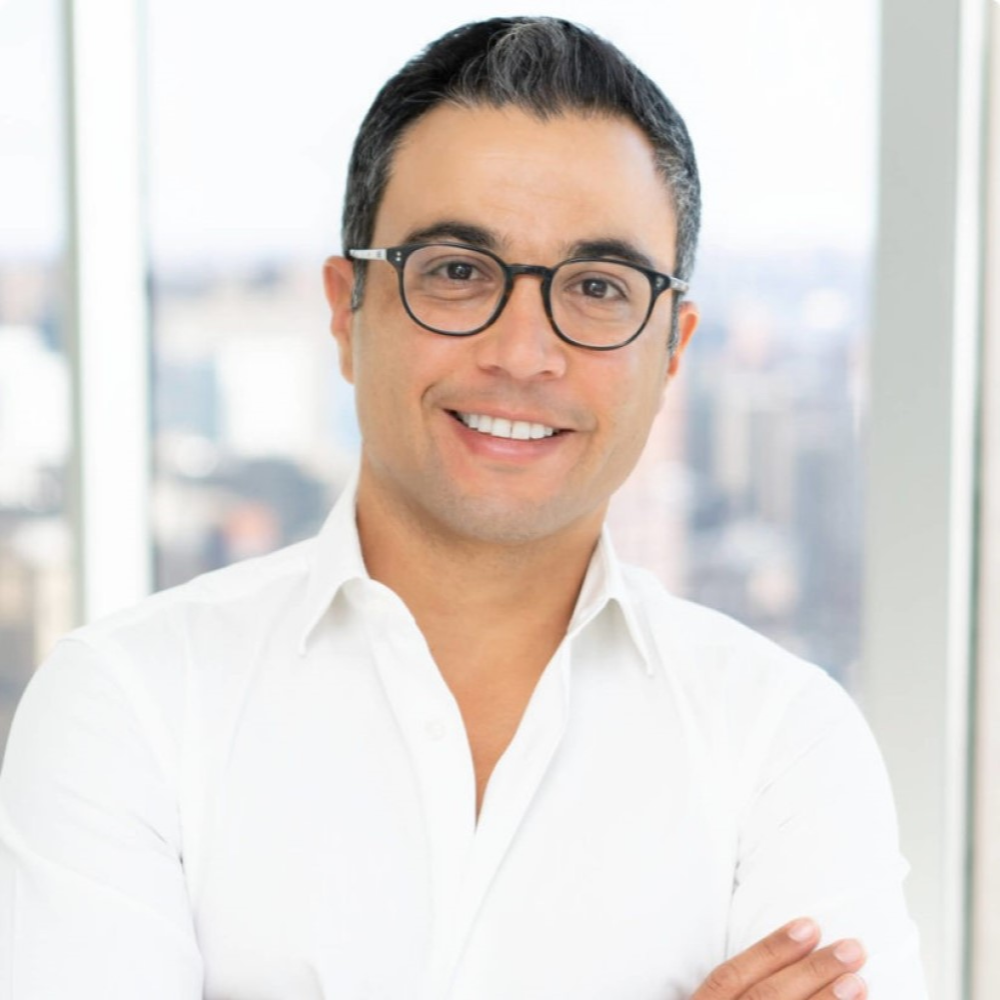
Avital Pardo and the long road to a second look
Before AI became a boardroom obsession, Avital Pardo was building algorithms to reconsider credit. His Pagaya story turns on a stubborn problem: persuading institutions to see what their existing systems miss.
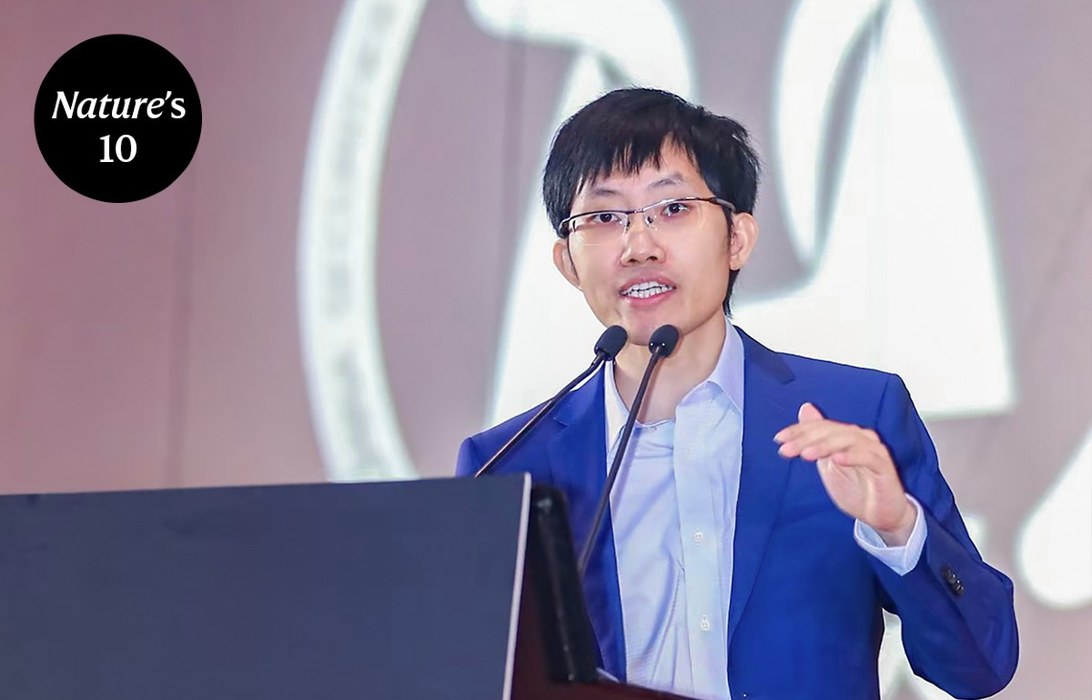
Liang Wenfeng and the expensive business of curiosity
Before DeepSeek became a global argument about the price of intelligence, Liang Wenfeng built a trading firm that could pay for his questions. Then he gave other people the means to explore the answers.
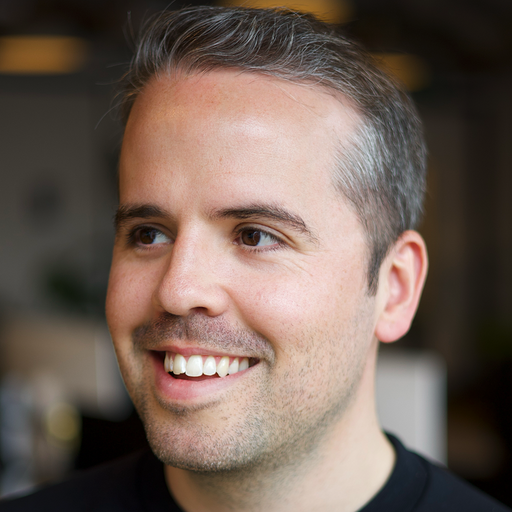
Stephen Whitworth and the trouble after the alarm
His first production deployment caused an outage. Years later, Stephen Whitworth co-founded incident.io to help teams handle what happens next - the decisions, the communication, and the work of putting things right.
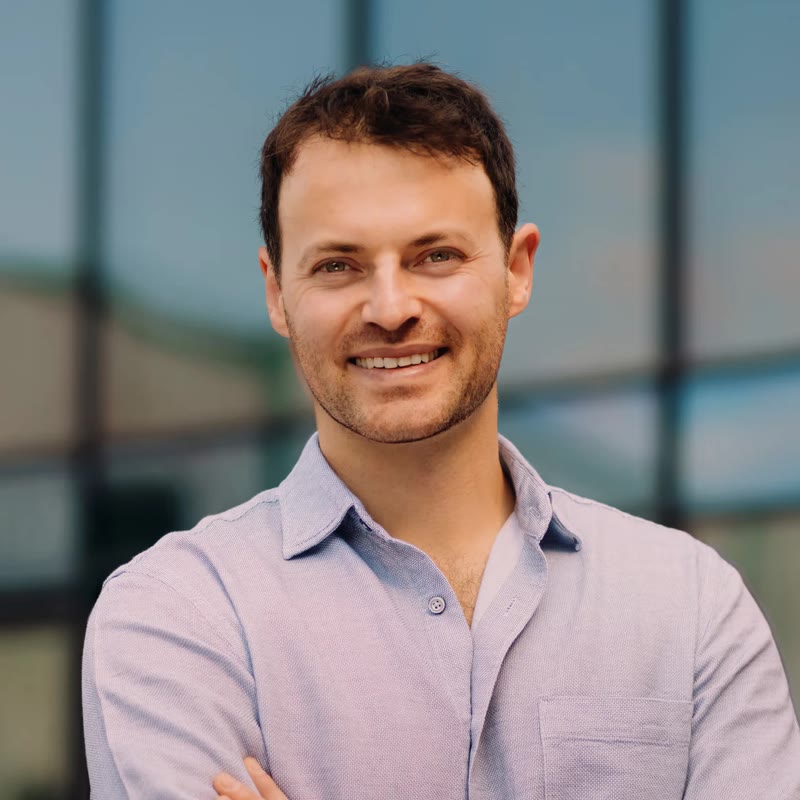
Alex Kendall’s car learned the wrong lesson.
An early Wayve experiment rewarded a car for distance travelled. It learned to zigzag. For Alex Kendall, the journey from that awkward lesson to production car agreements has been an education in what intelligence actually requires.
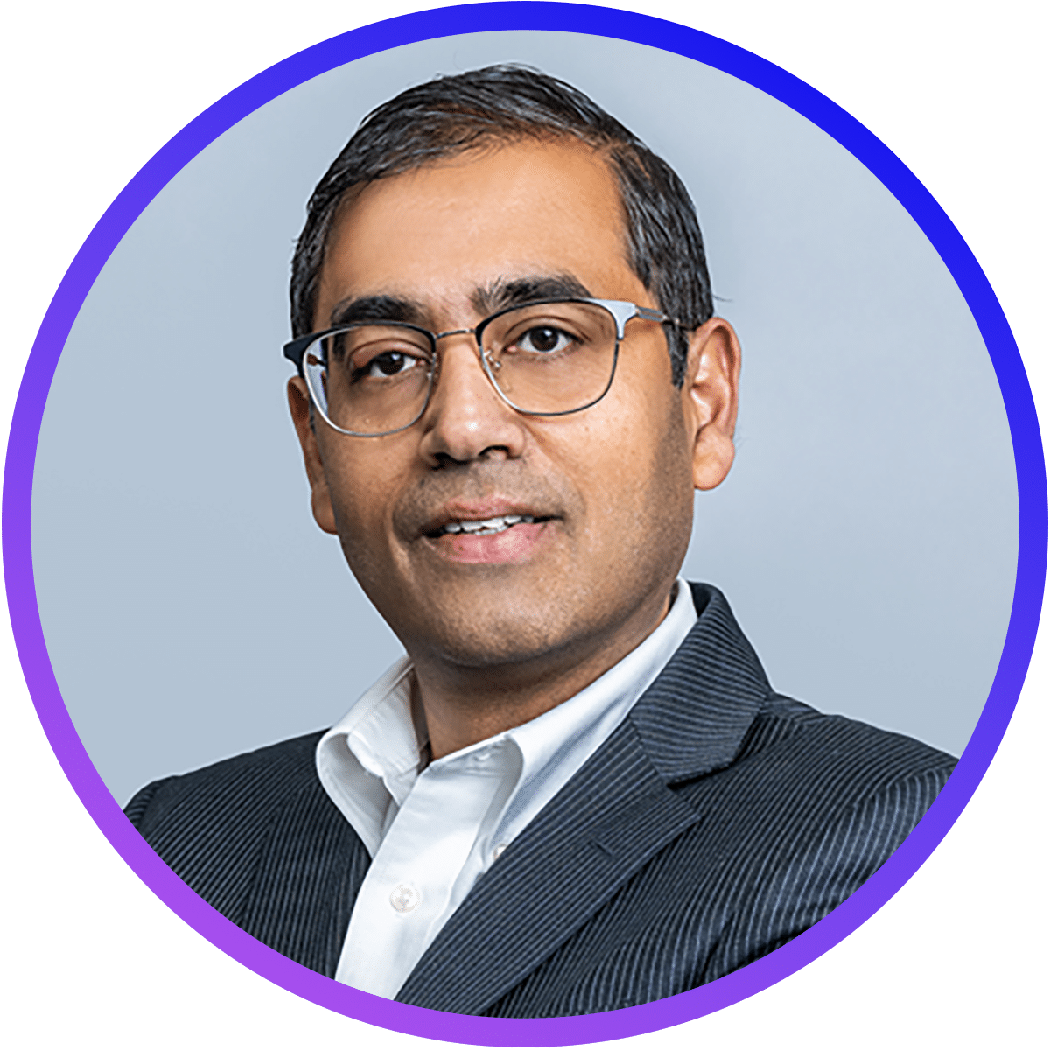
Ashutosh Garg and the three-month wait
Google did not respond to Ashutosh Garg’s application for three months. An introduction changed that - and helped shape his decade-long effort to make hiring see more than a résumé.
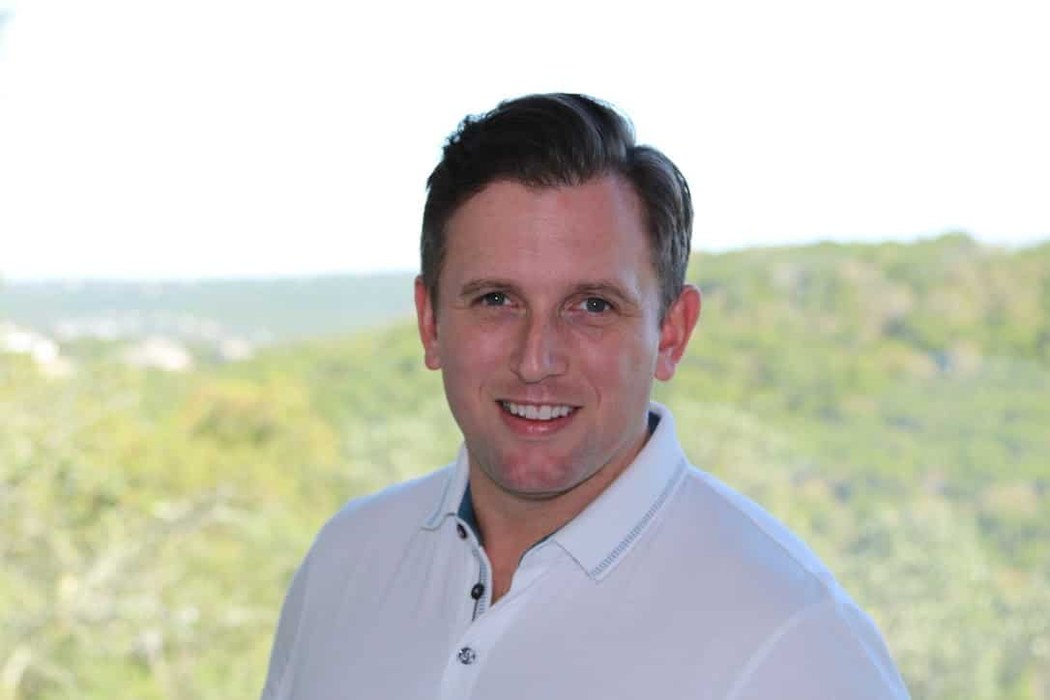
Greg Price and the trouble with knowing where everything is
At McKinsey, Greg Price saw companies with money, talent and surprisingly little idea where their freight was. Ten years into Shipwell, he is still working on what happens between knowing about a problem and getting it fixed.
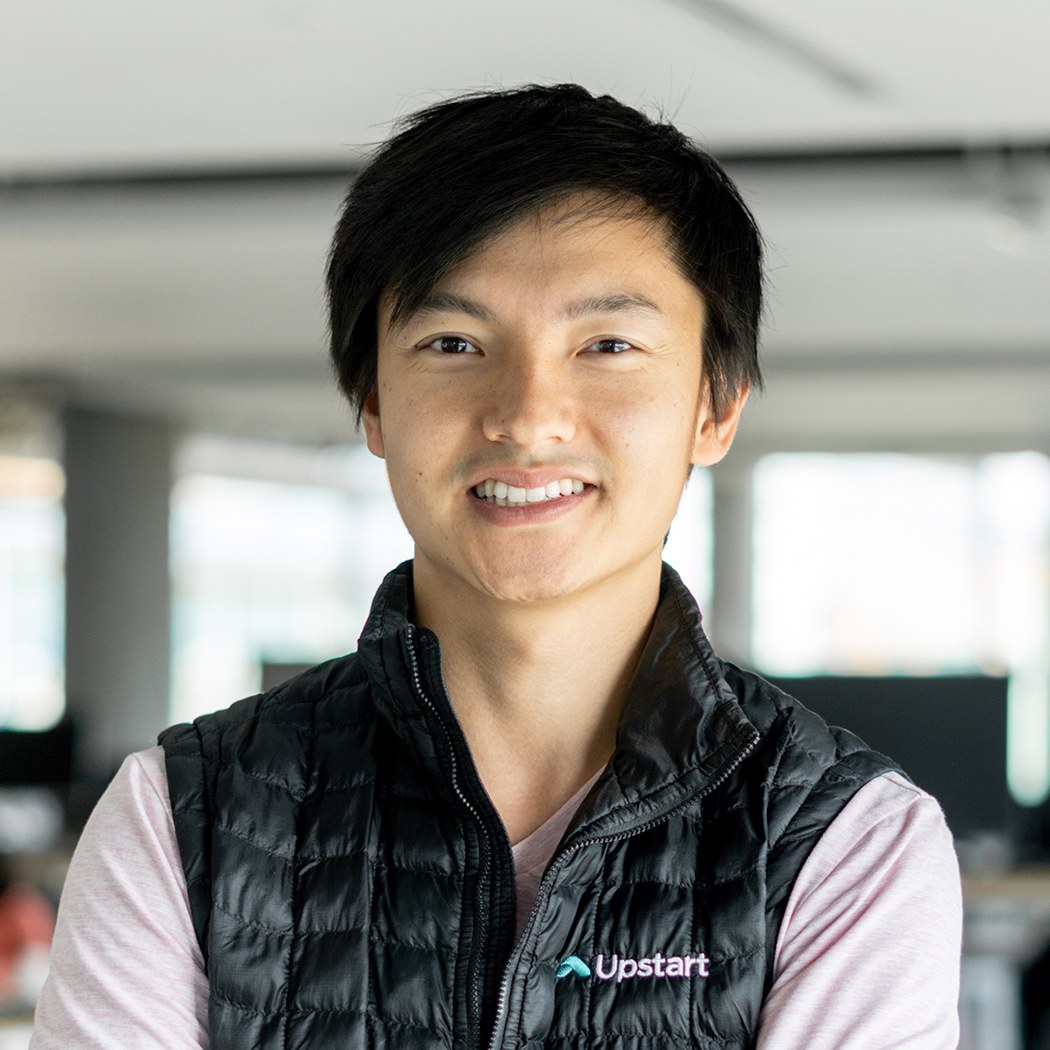
Paul Gu and the price of a future
He left Yale with a question about how to finance human potential. Fourteen years after co-founding Upstart, Paul Gu is now its CEO, still working out what a lender should see when it looks at a person.
Junaith Shahabdeen Thinks a Building Should Know When to Pay Attention
The Zan Compute co-founder spent years teaching computers to interpret the physical world. His next challenge was getting that knowledge to a cleaning team before the paper ran out.

Martin Sweeney and the problem that wouldn’t wait
At Hailo, Martin Sweeney needed to spot fraud before a taxi journey began. The problem became Ravelin, and a career spent deciding how to let the right customers through.
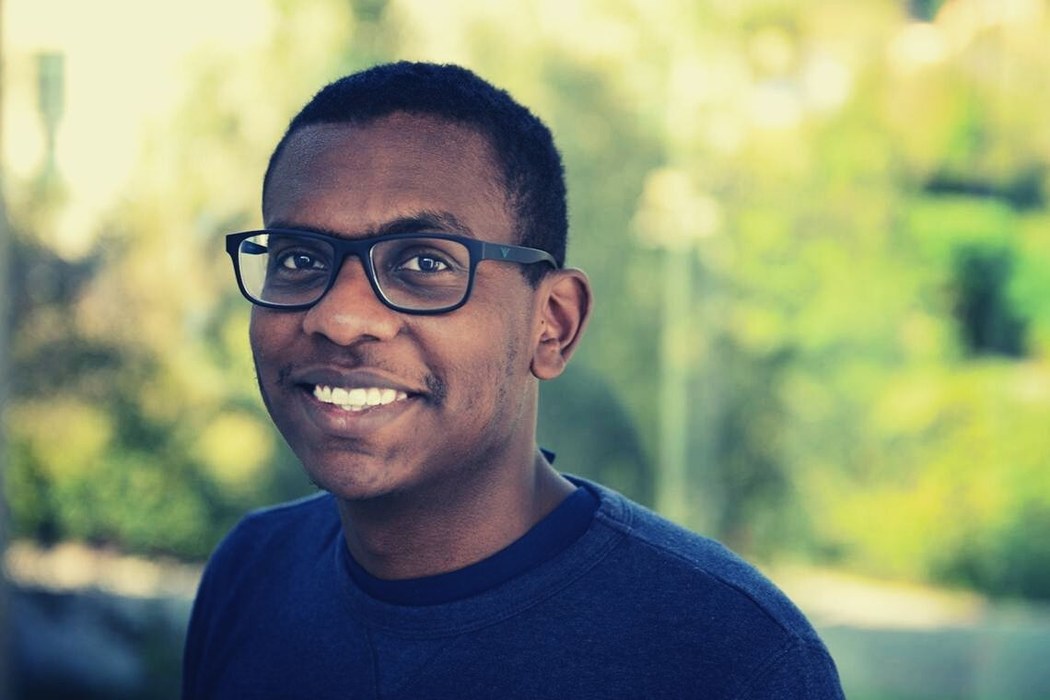
Gabriel Bayomi and the trouble with a perfect demo
A student prototype failed its first test. Years later, after working on Siri at Apple, Gabriel Bayomi co-founded Openlayer to help teams catch the failures that a convincing AI demo can hide.

John May and the tractor that learned to see
He spent years inside Deere’s factories, overseas operations and information systems. Now John May is asking a company built on iron to make its living from what its machines can notice.
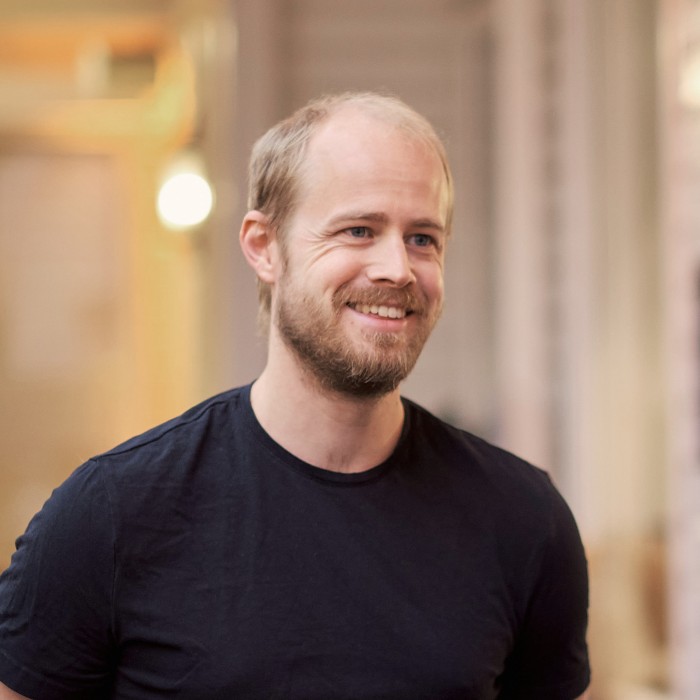
Lars Ropeid Selsås and the code he brought home
He left a master’s degree unfinished, spent three years in Silicon Valley, and returned to Norway with software worth building a company around. At boost.ai, Lars Ropeid Selsås has kept coming back to the same question: what actually works?
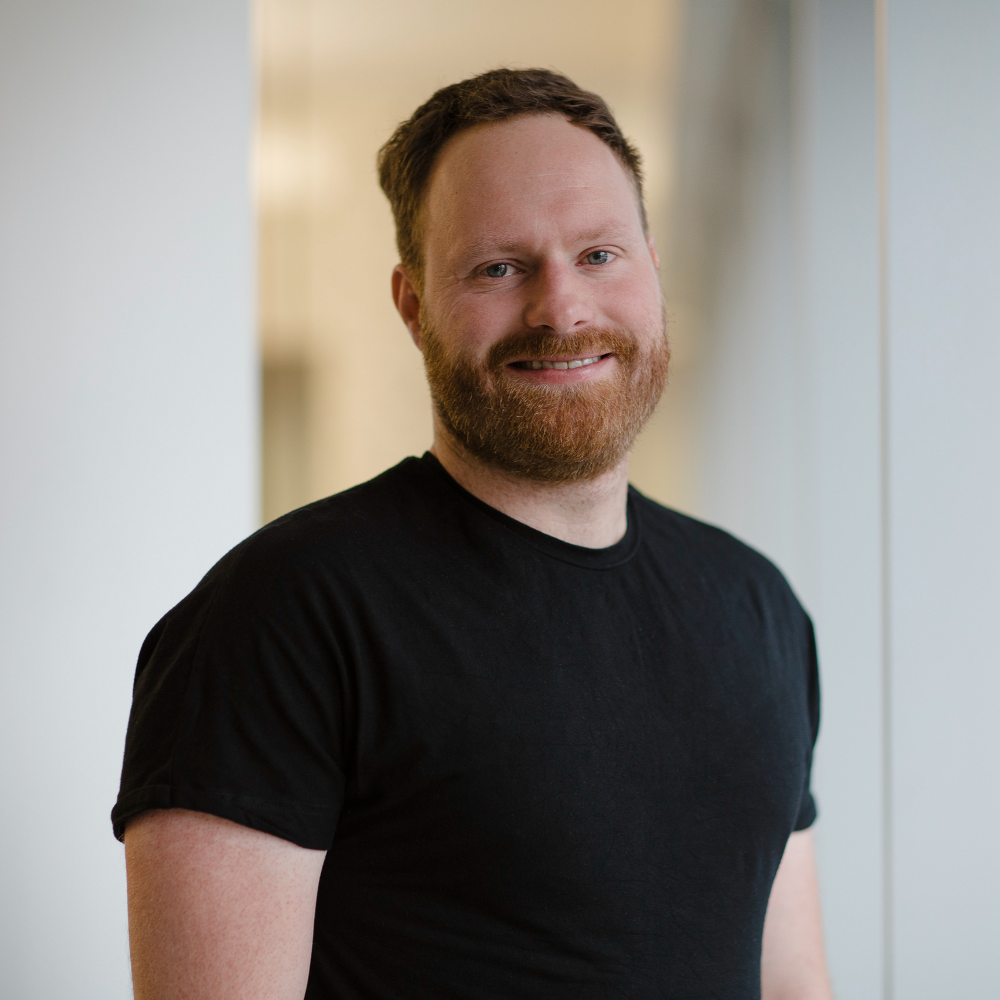
Tomáš Gogár and the value of a boring problem
He walked around Prague asking for invoices to train an AI. Nine years after Rossum’s founding, Tomáš Gogár’s experiment in understanding paperwork had become a company acquired by Coupa.
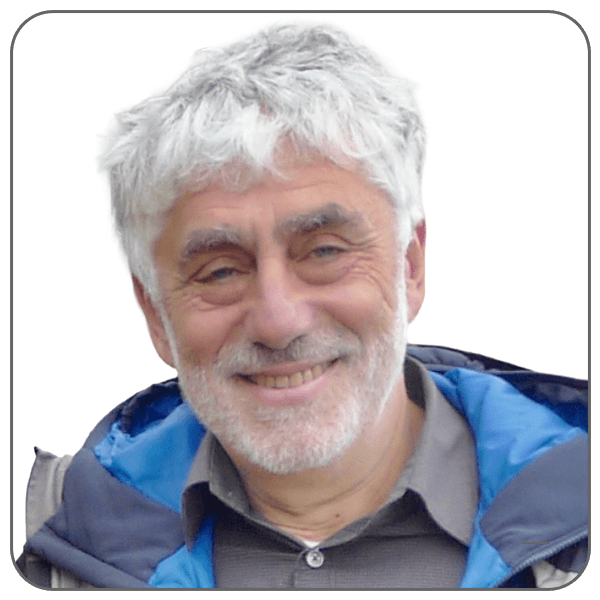
Boris Yamnitsky and the art of staying in the picture
He shipped his first effects software from a Cape Cod vacation rental. Three decades later, Boris Yamnitsky is still bringing the machinery of movie-making closer to the person doing the editing.
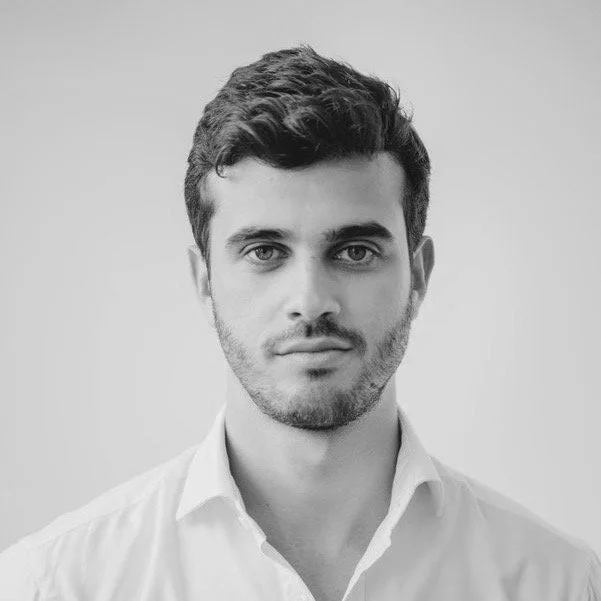
Alexandre Elkrief and the machinery of trust
Before he built financial infrastructure, Alexandre Elkrief tried to make the news more trustworthy. From Knowhere to August and Upshift, his career keeps returning to the same awkward question: what should people be able to check for themselves?

Joseph Shamir and the Trouble with Being Certain
A train ride, a physics degree and nearly three decades at ToolsGroup gave Joseph Shamir a particular view of business: the future comes in probabilities, and the warehouse should be ready for more than one of them.

Ajay Bidyarthy’s Case for Starting Small
Before founding Blackcoffer, Ajay Bidyarthy worked on network security and mathematical optimization. His route from research to consulting and hyperlocal networking reveals a recurring concern: making complicated information useful.
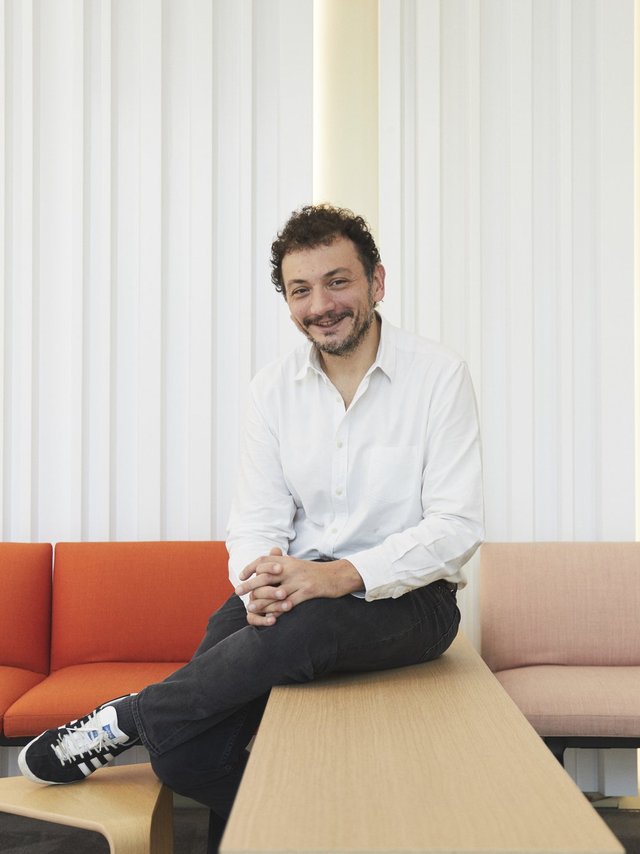
Florian Douetteau and the trouble with brilliant machines
Before co-founding Dataiku, Florian Douetteau spent years making sense of search engines, software and the people who use them. His enduring interest is what happens when artificial intelligence leaves the experts’ desks and joins the rest of the company.

Sourabh Deorah and the small business of feeling valued
A student deals venture, a Microsoft benefits card, and a question about why people stay. Sourabh Deorah has spent his career turning everyday rewards into a business with Smiti Bhatt Deorah.
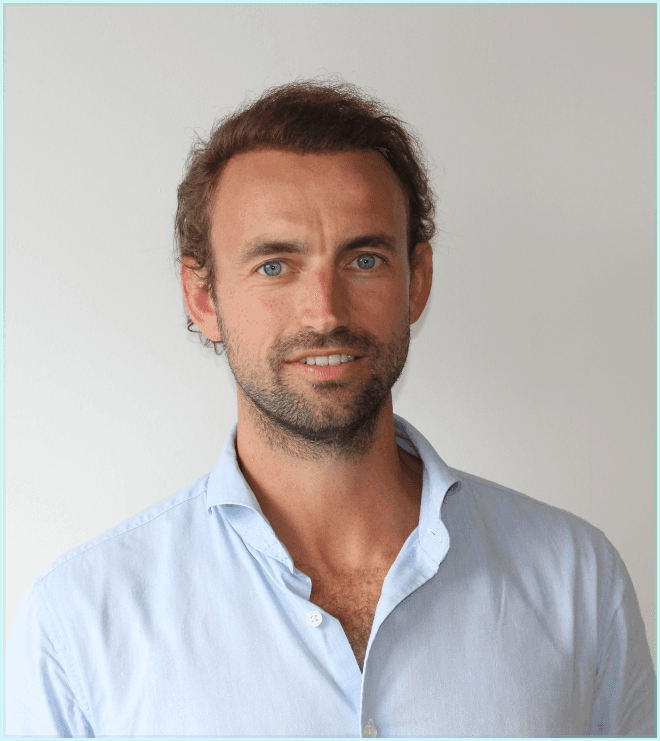
Michiel Doornenbal and the business of almost goodbye
A master’s thesis on customer cancellations became Churned. For co-founder and CEO Michiel Doornenbal, the harder question is what happens between spotting a departure and giving someone a reason to stay.

Charles K. Fisher and the trouble with being right
The Unlearn.AI co-founder trained as a physicist, built a company around generative models, and learned to question his own intuition. His next chapter asks how much of a career should be spent earning other people’s approval.
Motti Nisani and the Art of Leaving Less to Chance
Before emaze, Motti Nisani was already trying to teach software how to dress a slide. His career traces a persistent question: how much of good design can you put within everyone’s reach?
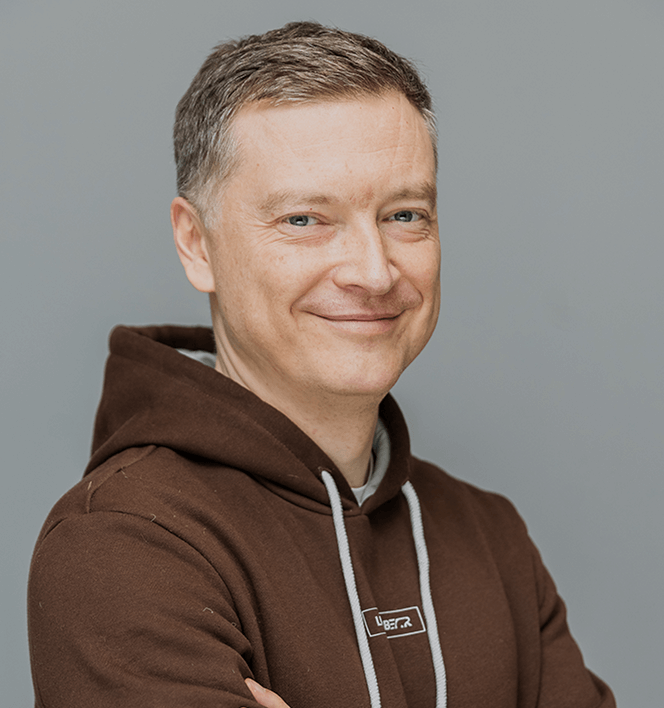
Alexander Starostin and the things a receipt remembers
Before he built First Data, Alexander Starostin sold digital communications. Then he began asking what a purchase could tell him that an audience profile could not.
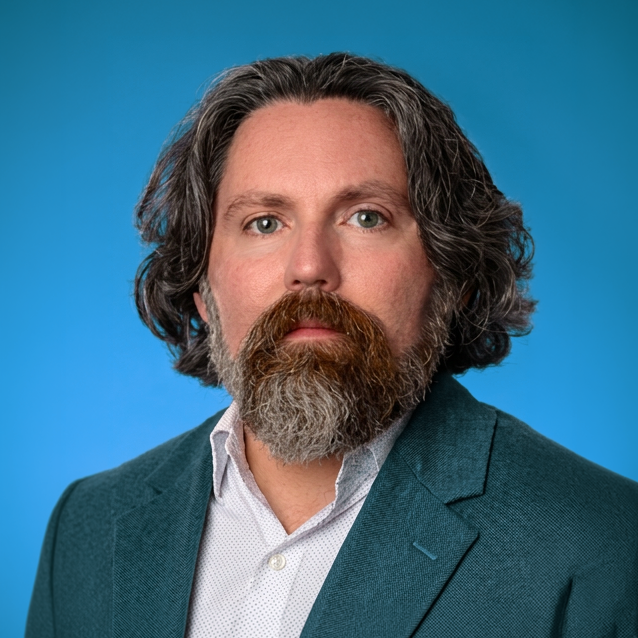
Chris Hart and the work before the algorithm
Before founding Creyon Bio, Chris Hart built the machinery that turns experiments into usable data. His route from research and policy to company building now continues as ProQR’s Chief Data and AI Officer.
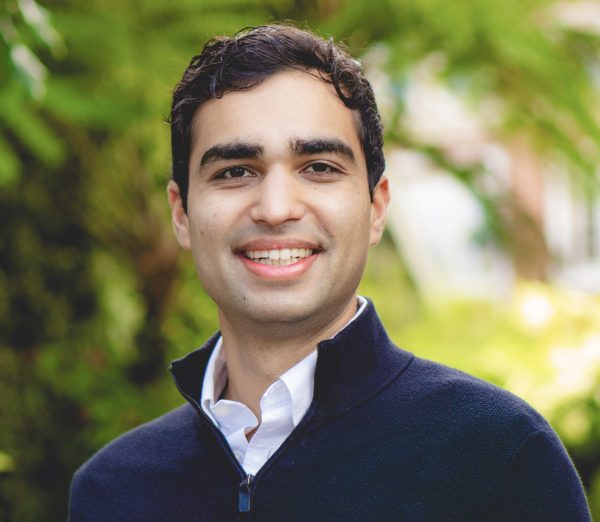
Devvret Rishi and the useful art of changing your mind
He joined Predibase after being introduced as a skeptic. Now at Rubrik, Devvret Rishi is following the practical questions that begin when an AI demo has to become somebody’s working day.

Matt Wytock and the Value of Sitting Out
He helped automate search advertising at Google, then turned to the electricity grid. At Gridmatic, Matt Wytock is building a power business around forecasts, batteries and the judgment to know when a model has met its limits.
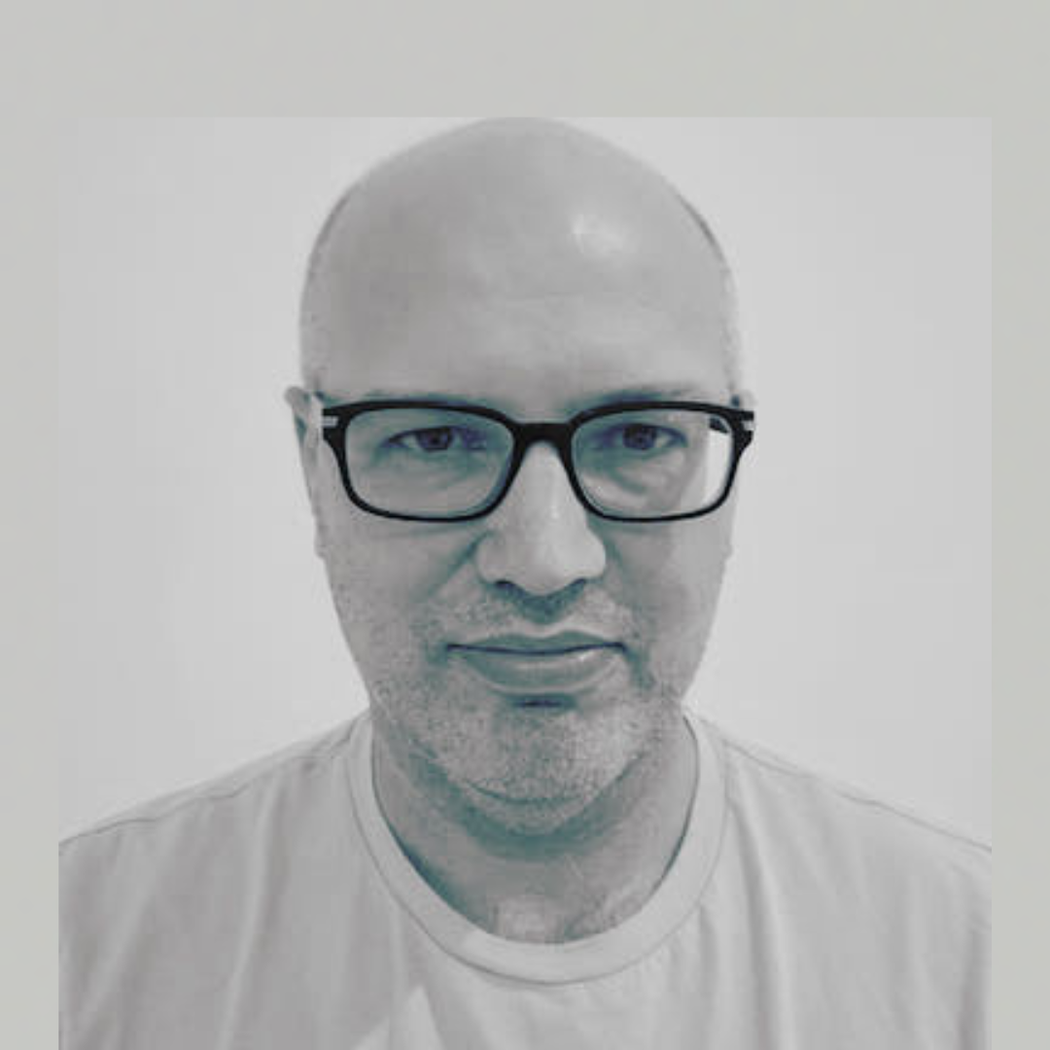
Oren Netzer and the Ad That Missed a Country
A Target ad in a Tel Aviv apartment gave Oren Netzer a question worth building a company around. From DoubleVerify to search marketing and machine learning, he has kept looking for the gap between what a system reports and what actually happens.

Maik Taro Wehmeyer and the value of 99 closed doors
Before Taktile raised $110 million in its Series C, Maik Taro Wehmeyer had to learn what bank customers were actually asking for. His answer put the people responsible for financial decisions back at the controls.

Alyona Medelyan and the problem hidden in plain text
Three companies asked Alyona Medelyan the same question. A Python script, a PowerPoint deck and years spent studying language became the beginnings of Thematic.

Manos Koukoumidis and the intelligence of small things
Before he helped bring Google Cloud’s PaLM to market, Manos Koukoumidis taught smartphones to read traffic lights. At Oumi, he is pursuing another coordination problem: how to let more people build AI they can own.