internet-of-things
(34)
Dave Wechsler Keeps Following the Signal
A reluctant job seeker became a serial founder, an insurance convert, a venture investor, and finally Plume's dealmaker. The thread through it all is simple: make connected technology do something useful.
David Weiss Built a Career by Explaining the Complicated
Before he became Hatch's president and COO, David Weiss was an engineer, a teacher and a translator between technical teams and everyone else. His operating philosophy still begins with the same modest idea: make the difficult understandable, then pick up a shovel.
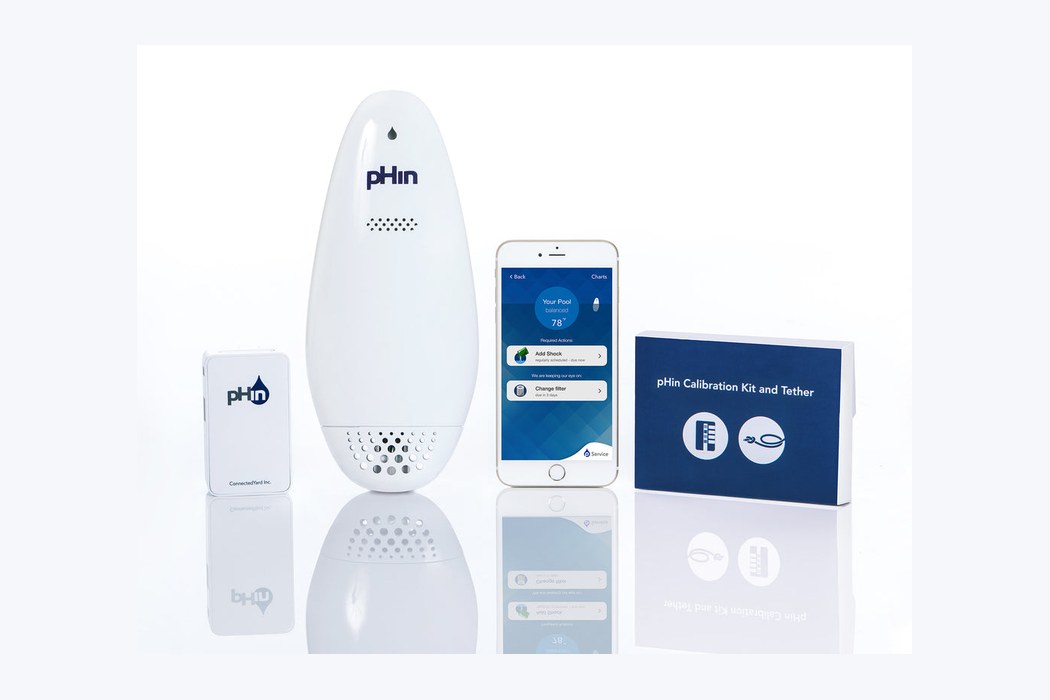
The Pool Boy That Lived in the Cloud
pHin made pool chemistry feel like checking the weather. Then the forecast disappeared - and a useful little machine became a lesson in where connected products really live.

Spark New Zealand Is Learning What to Let Go
The former Telecom has quit sports streaming and sold control of its data centres. Its next test is turning a narrower focus into better connections for New Zealanders.

Vodafone Idea finally adds subscribers. Now comes the expensive part.
After years of contraction, Vi has recorded its first quarter of net subscriber additions since its 2018 merger. Keeping that momentum means turning fresh funding into a network people choose to stay on.

REEN UK wants your bin crew to make fewer stops
Derby reported 53% fewer visits to trial street bins after adding fill-level sensors. REEN’s bigger proposition is to turn the humble rubbish bin into a better instruction for the people collecting it.

Eva Na Is Making the Invisible Infrastructure of AI Feel Useful
Tuya Smart's CMO has spent years translating clouds, protocols and connected devices into a human proposition. Her latest argument is simpler still: AI matters most when it leaves the screen and begins helping the physical world make better decisions.

How Chamberlain Turned the Garage Door Into a Software Business - and What Builders Can Copy
The 72-year-old hardware maker found a software business hiding in the most anxious sentence in suburbia: ‘Did I close the garage?’ Now it is taking the same access layer from driveways to front doors, apartment gates and loading docks.

Michael Holdmann Has Been Trying to Fix the Internet Since Before We Called It the Cloud
After five decades in telecom, cloud services, IoT and standards work, the PraSaga founder is making his longest bet yet: that blockchains need better objects, not more contracts.

James Ethington Is Making Farm Data Earn Its Keep
After helping turn Climate FieldView into a tool used across 50 million paid acres, the Arable CEO is chasing a harder prize: field intelligence simple enough to trust when water, yield, and livelihoods are on the line.

Fares Mubarak Is Making Wireless Sweat the Small Stuff
After three decades inside the chip business, Fares Mubarak is betting that the next computing bottleneck is not thought but conversation - the tiny, power-hungry wireless exchanges between intelligent devices.

Derrick Wolbert Builds for the Messy Middle Where Markets Refuse to Behave
He moved from embedded car computers to global telecom, then into payments, trade credit, and steel - a career built around making complicated markets feel less complicated to the people inside them.

Anirudha Surabhi Put the Intelligence Inside the Helmet
First he redesigned the material inside a helmet. Then he redesigned what a helmet could know. Anirudha Surabhi's career is a study in staying with one problem long enough for the technology - and the market - to catch up.

Adam Smithline Built a Smart Door. The Hard Part Was Learning When to Listen.
A ski-trip complaint became a smart pet door, then a long lesson in hardware, humility, and the expensive distance between a clean idea and a dependable product.

Ron Rock Keeps Taking the Machine Apart
From midnight eggs at Denny’s to sensor networks in airports and factories, the Microshare co-founder has spent four decades making complicated systems useful - usually by opening them up first.

Eric Adler Put a Speedometer on the Water Meter
A drought, three engineering students and one stubborn household mystery became Flume. Eric Adler's decade-long bet is that water changes when people can finally see it.

Junaith Shahabdeen Put Machine Learning to Work in the Messy Middle
Long before agentic AI became a boardroom phrase, the Zan Compute co-founder was wiring sensors, software and practical economics into the overlooked routines that keep buildings usable.

Tarjei Vassbotn Is Building a Memory for Work
After Google, wireless sensors and a conference-room pitch that went nowhere, Tarjei Vassbotn found his next problem hiding in plain sight: work remembers almost nothing.
David Friedman Has Spent 30 Years Finding the Bottleneck Before It Becomes Obvious
Before AI data centers ran into a wall of copper, David Friedman had already made a career out of standing where hardware, software and manufacturing collide. His latest act at Lumilens turns a founder’s oldest habit - spotting the constraint early - into an operations job measured in light.
Frank Greer Kept Rewiring Zipit Until the Market Caught Up
A pocket messenger became an IoT platform, then a strategic acquisition. Frank Greer's useful habit was not predicting the future perfectly - it was changing the company before the old answer became a trap.

The Startup That Turned Dinner Into a Barcode
A smart oven, a weekly box of meals, and one deceptively simple idea: let a barcode do the cooking. Here is how a University of Chicago class project shipped 40 million dinners.
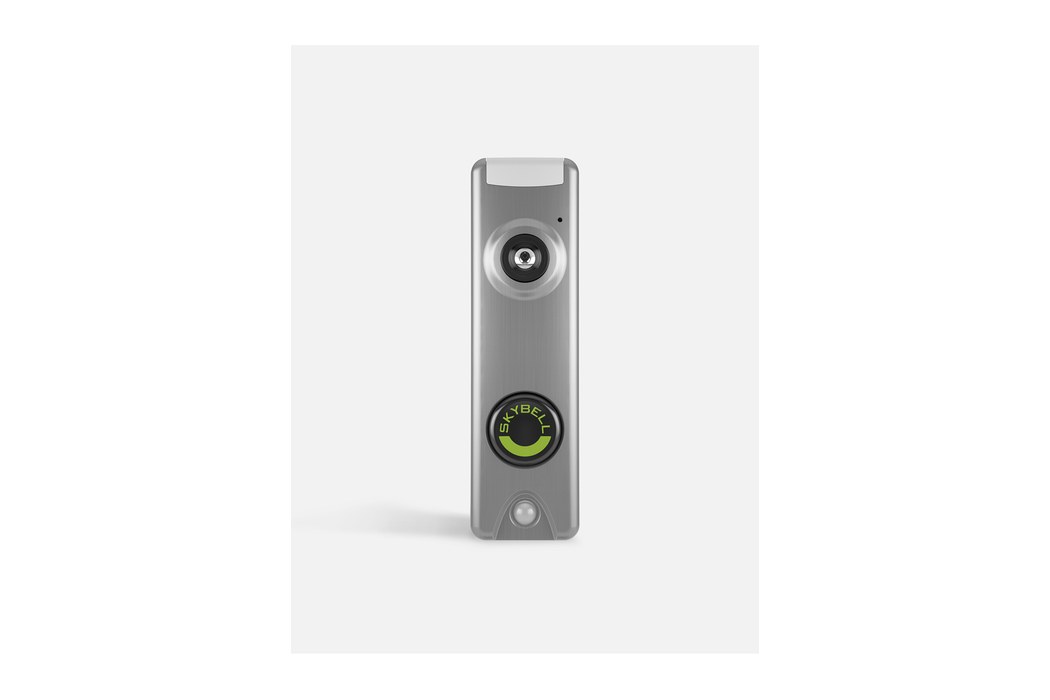
The Doorbell That Rang Before Ring
It crowdfunded $600K, out-patented its rivals, and put two million cameras on America's doorframes - then Amazon bought Ring and everything about the doorbell wars got louder.

The Spanish Company That Answers the Door for 85 Countries
Every apartment buzzer has a story. For millions of doors from Valencia to Sydney, the story starts at a Spanish radio-repair workshop that opened in 1949.

Jon Kornik Is Teaching the Grid to Ask Homes for Help
The Plentify co-founder spent a career financing clean energy. Then he found a cheaper grid resource hiding in plain sight: the household appliances already waiting to be told when to switch on.

L&T Technology Services
It is not the household name behind your car, your MRI machine, or your factory floor - but the outsourced engineering brain that helped design them just might be.

Leila Dillon
Leila Dillon has built a career explaining the systems most people notice only when they fail - from sensor-equipped city bins to the energy infrastructure beneath schools, governments and businesses.

Audax Labs
The Seattle-area technology company pairs consulting muscle with a shelf of homegrown products - betting that enterprise transformation works better when the people drawing the blueprint can also build the machinery.

Overdrive IOT Pte Ltd
Overdrive IOT is a Singapore-headquartered industrial IoT company that connects and monitors physical assets - vehicles, equipment, facilities and people - in real time on a single cloud platform. Founded in 2015 by Aston Chia and Zen Chin, it uses a mix of sensors, connectivity technologies and mesh networking to automate data sensing, then turns that data into tracking, alerting and command-centre visualisation for clients across aviation, logistics, construction and public services in Asia. Customers include Changi Airport, Sentosa, NTU, FedEx and Singapore's Ministry of Manpower. The company raised a US$2.9M Series A from Tin Men Capital.

Quantela Inc.
Quantela is a smart-city technology company that helps cities and communities digitize urban infrastructure through an AI- and IoT-powered data platform. Founded in 2015, it evolved from a dashboard tool into a full urban infrastructure platform spanning smart lighting, traffic, public safety, digital advertising and citizen services. Quantela is known for pioneering an 'outcomes-based' business model, funding projects up front in exchange for a share of the resulting revenue or savings, and operates across the Americas, EMEA, India and Asia-Pacific.

POM Safe
POM Safe is a Newark, New Jersey safety-technology company that builds a unified personal-safety platform for home health, hospice, and community-based care. It pairs a wearable, two-way communication device and mobile app with 24/7 dispatch, real-time GPS location, intake risk scoring, 'Check On Me' timers, and a compliance dashboard - giving caregivers who work alone in the field a discreet way to summon help and giving agencies the tools to prevent and document workplace violence. Founded after a campus-violence tragedy, POM Safe raised $3M in Series A funding in 2020 and works with major universities and healthcare providers.