internet-of-things
(19)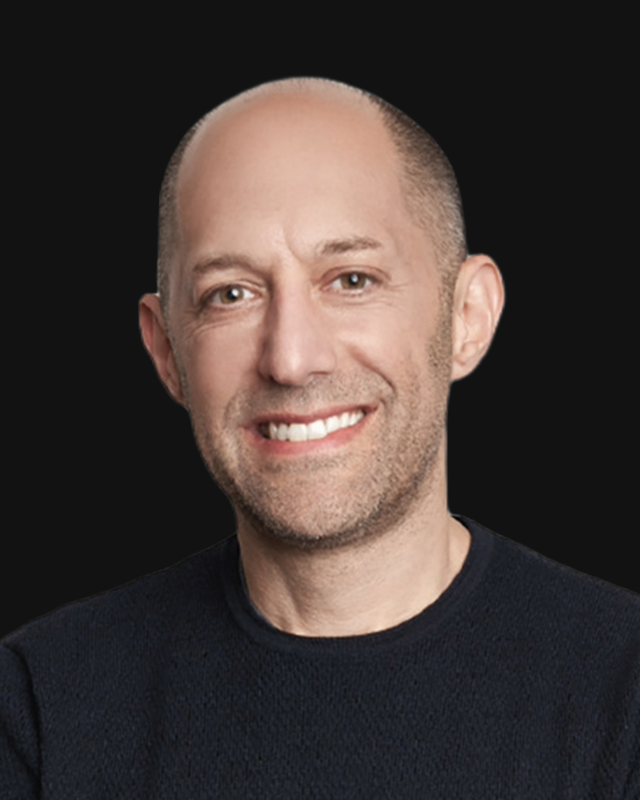
Dave Wechsler Keeps Following the Signal
A reluctant job seeker became a serial founder, an insurance convert, a venture investor, and finally Plume's dealmaker. The thread through it all is simple: make connected technology do something useful.
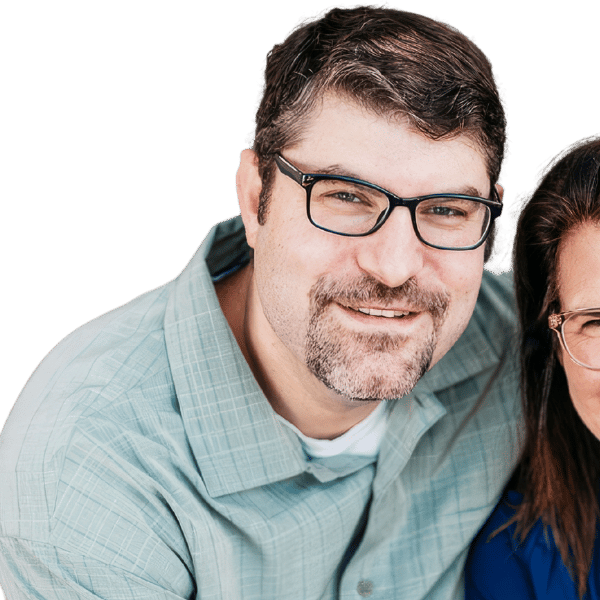
David Weiss Built a Career by Explaining the Complicated
Before he became Hatch's president and COO, David Weiss was an engineer, a teacher and a translator between technical teams and everyone else. His operating philosophy still begins with the same modest idea: make the difficult understandable, then pick up a shovel.
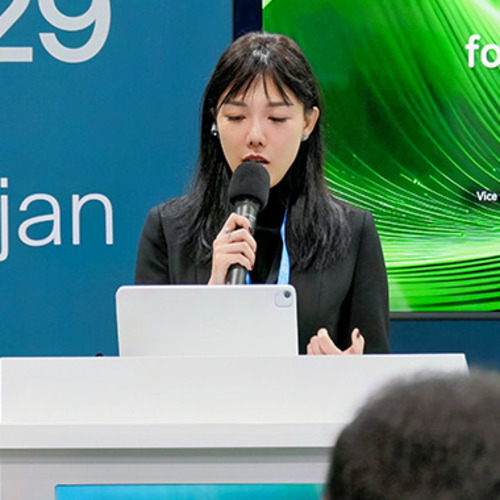
Eva Na Is Making the Invisible Infrastructure of AI Feel Useful
Tuya Smart's CMO has spent years translating clouds, protocols and connected devices into a human proposition. Her latest argument is simpler still: AI matters most when it leaves the screen and begins helping the physical world make better decisions.
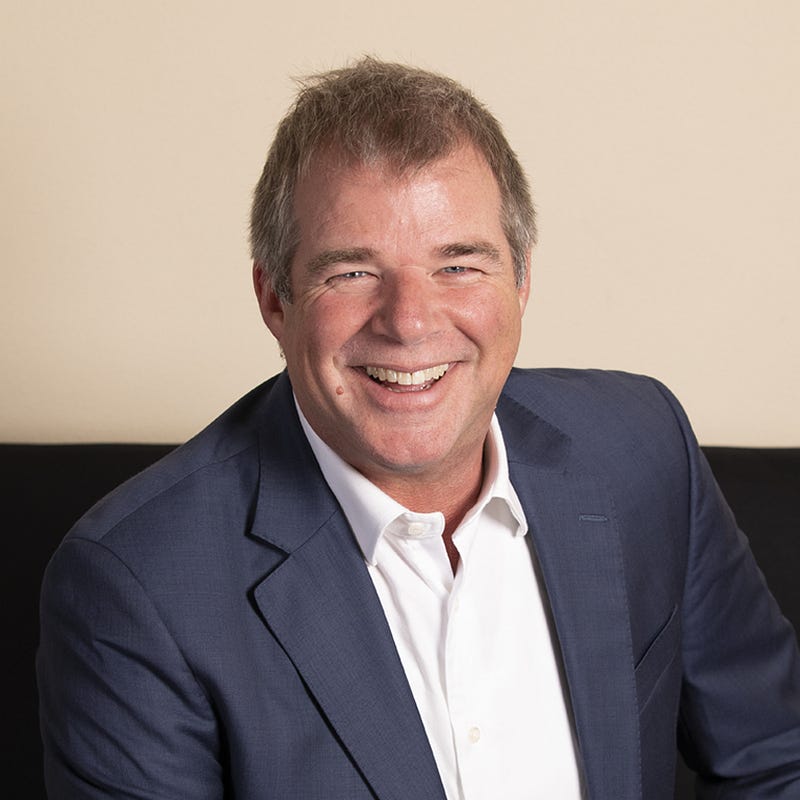
Michael Holdmann Has Been Trying to Fix the Internet Since Before We Called It the Cloud
After five decades in telecom, cloud services, IoT and standards work, the PraSaga founder is making his longest bet yet: that blockchains need better objects, not more contracts.

James Ethington Is Making Farm Data Earn Its Keep
After helping turn Climate FieldView into a tool used across 50 million paid acres, the Arable CEO is chasing a harder prize: field intelligence simple enough to trust when water, yield, and livelihoods are on the line.
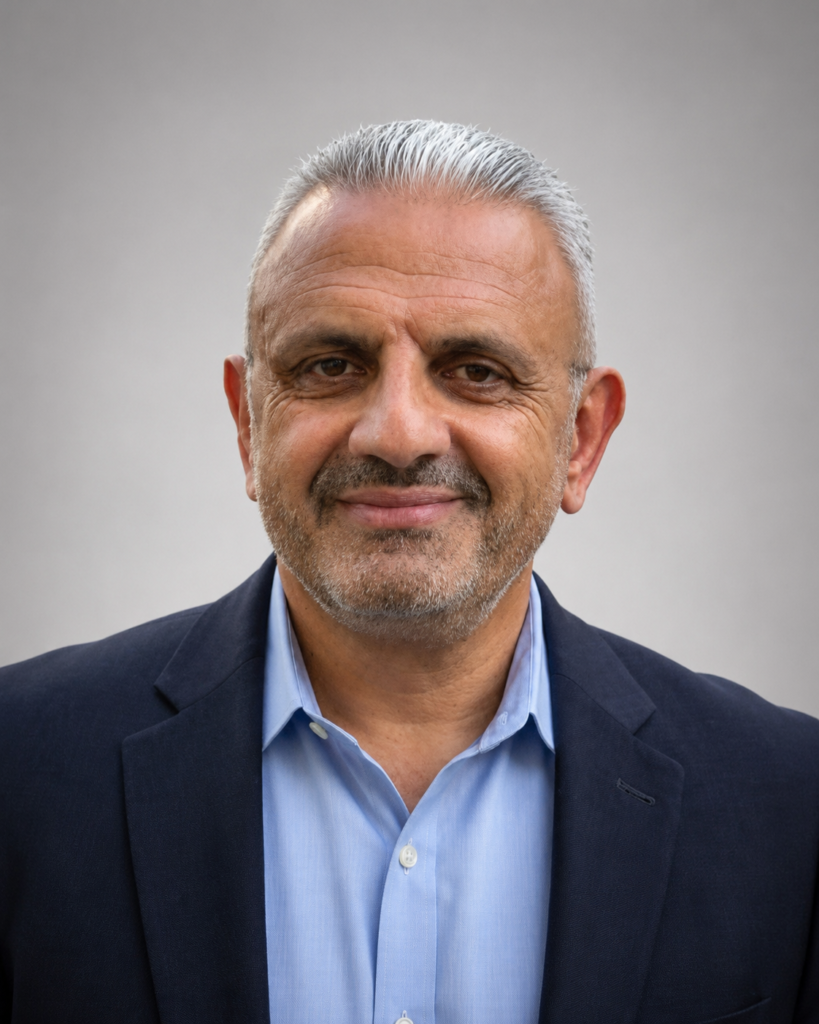
Fares Mubarak Is Making Wireless Sweat the Small Stuff
After three decades inside the chip business, Fares Mubarak is betting that the next computing bottleneck is not thought but conversation - the tiny, power-hungry wireless exchanges between intelligent devices.
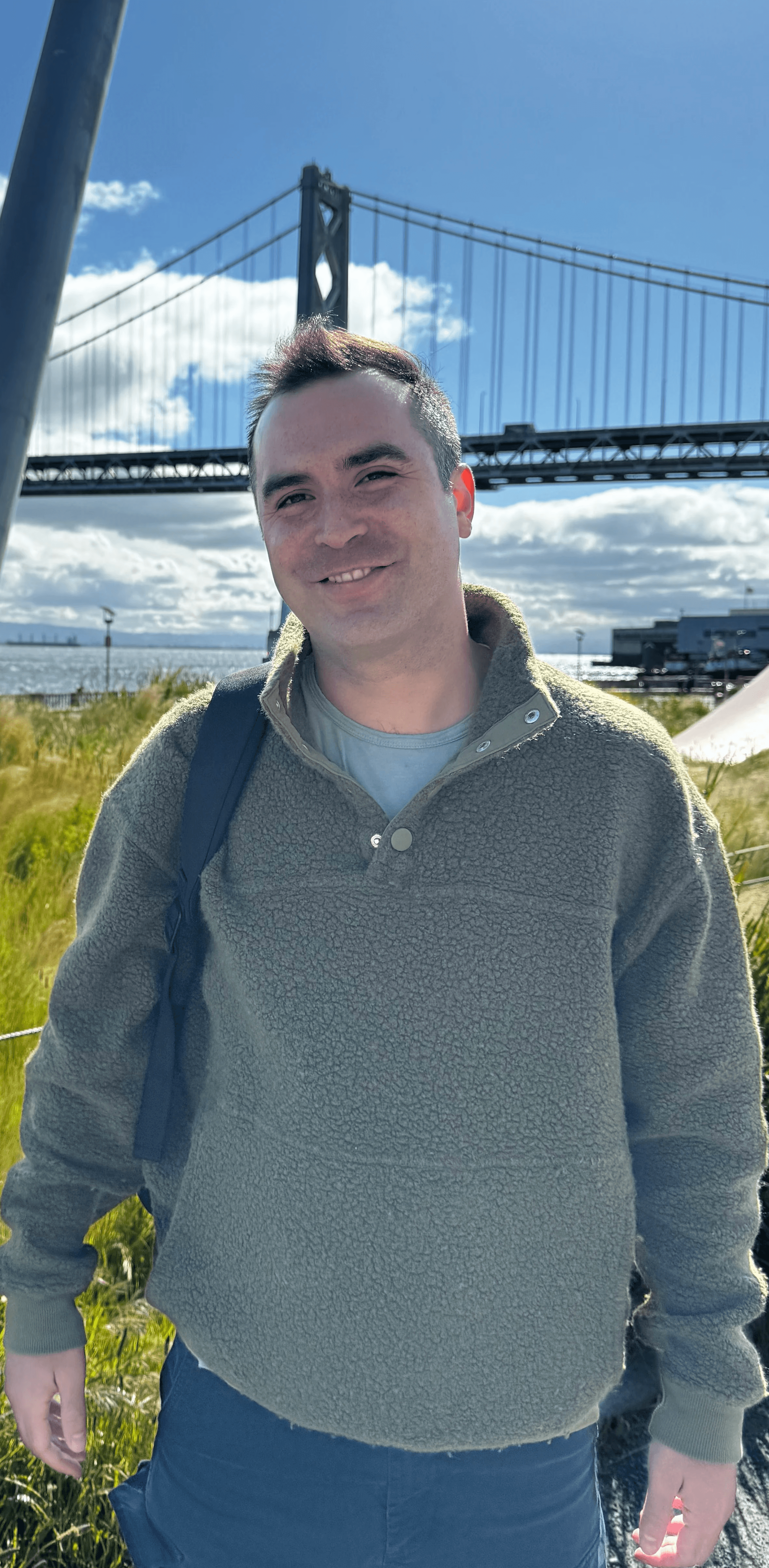
Derrick Wolbert Builds for the Messy Middle Where Markets Refuse to Behave
He moved from embedded car computers to global telecom, then into payments, trade credit, and steel - a career built around making complicated markets feel less complicated to the people inside them.
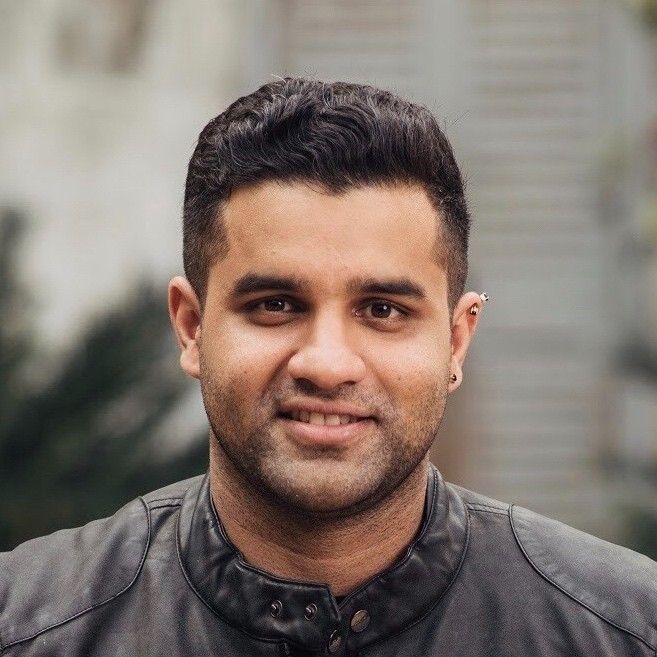
Anirudha Surabhi Put the Intelligence Inside the Helmet
First he redesigned the material inside a helmet. Then he redesigned what a helmet could know. Anirudha Surabhi's career is a study in staying with one problem long enough for the technology - and the market - to catch up.
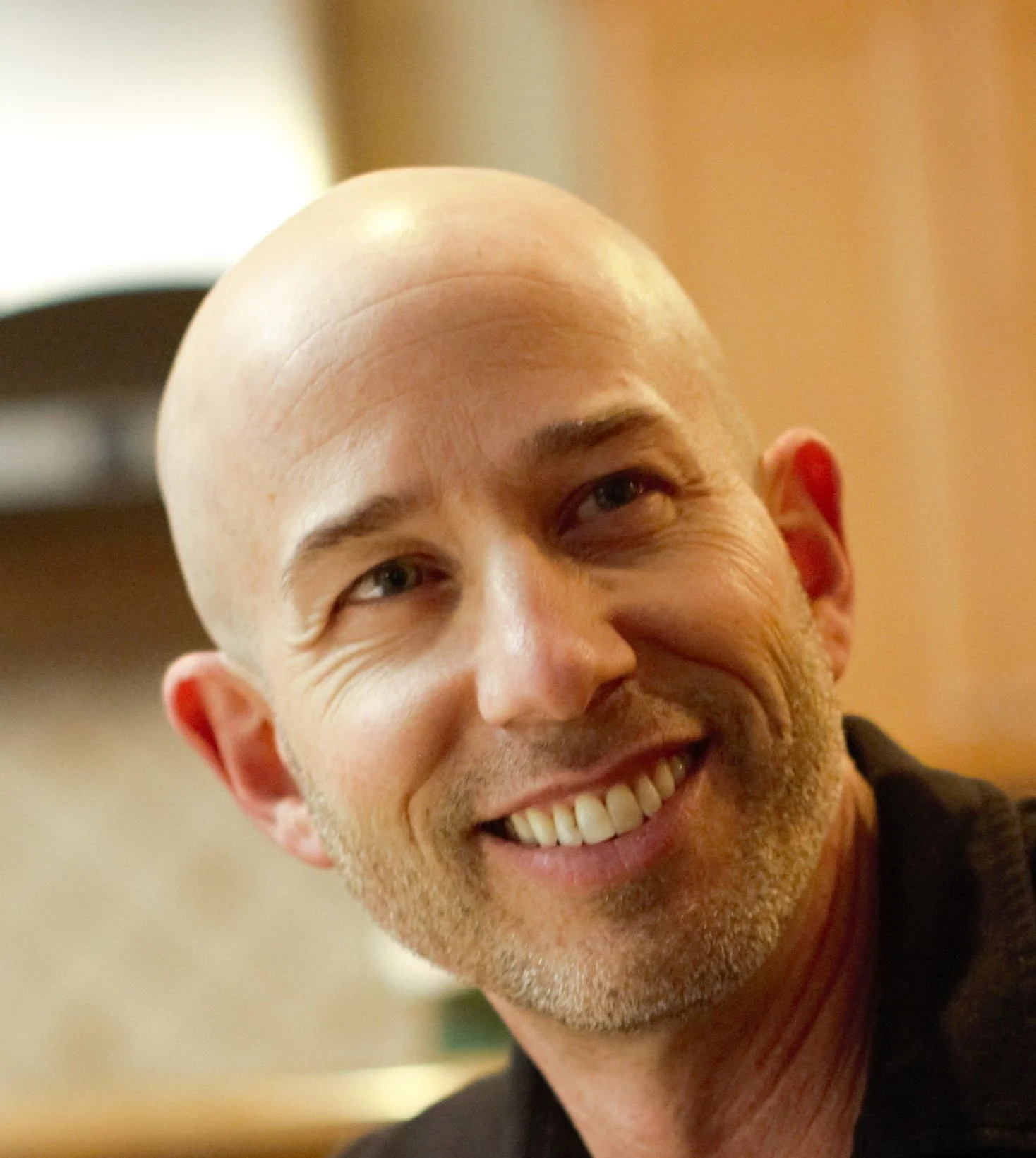
Adam Smithline Built a Smart Door. The Hard Part Was Learning When to Listen.
A ski-trip complaint became a smart pet door, then a long lesson in hardware, humility, and the expensive distance between a clean idea and a dependable product.
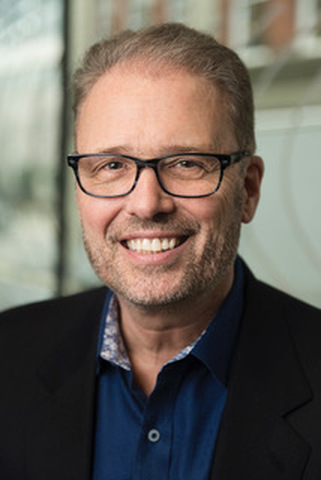
Ron Rock Keeps Taking the Machine Apart
From midnight eggs at Denny’s to sensor networks in airports and factories, the Microshare co-founder has spent four decades making complicated systems useful - usually by opening them up first.
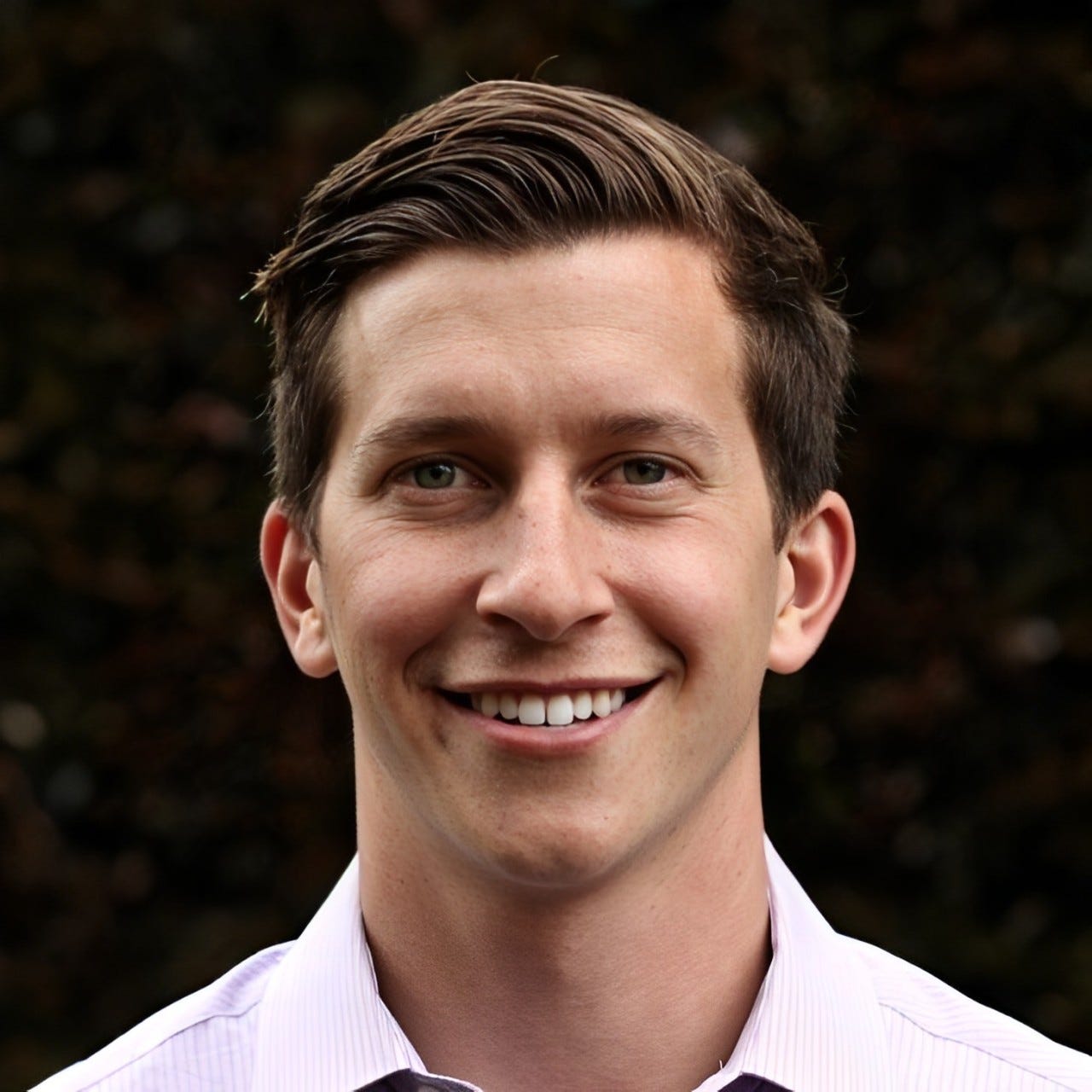
Eric Adler Put a Speedometer on the Water Meter
A drought, three engineering students and one stubborn household mystery became Flume. Eric Adler's decade-long bet is that water changes when people can finally see it.
Junaith Shahabdeen Put Machine Learning to Work in the Messy Middle
Long before agentic AI became a boardroom phrase, the Zan Compute co-founder was wiring sensors, software and practical economics into the overlooked routines that keep buildings usable.
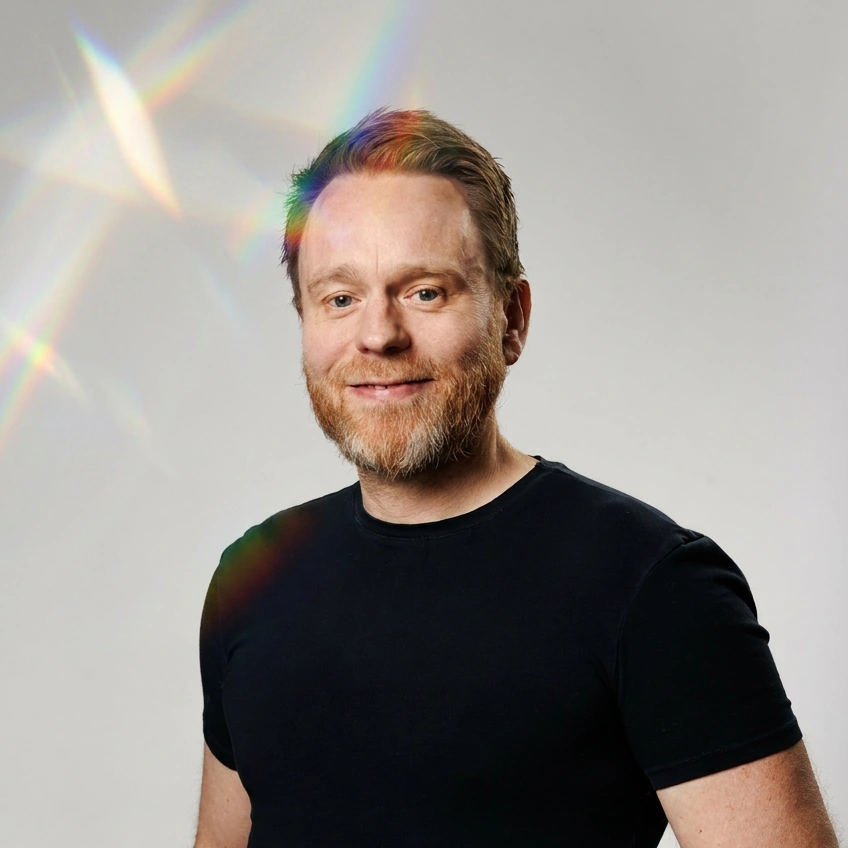
Tarjei Vassbotn Is Building a Memory for Work
After Google, wireless sensors and a conference-room pitch that went nowhere, Tarjei Vassbotn found his next problem hiding in plain sight: work remembers almost nothing.
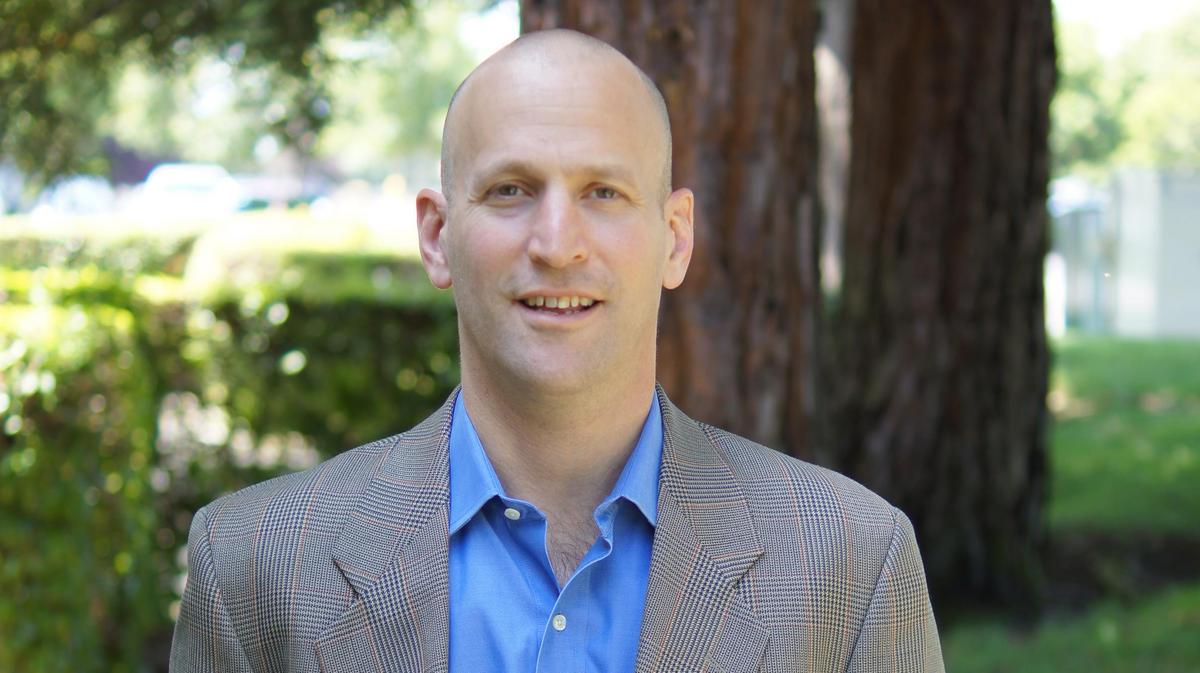
David Friedman Has Spent 30 Years Finding the Bottleneck Before It Becomes Obvious
Before AI data centers ran into a wall of copper, David Friedman had already made a career out of standing where hardware, software and manufacturing collide. His latest act at Lumilens turns a founder’s oldest habit - spotting the constraint early - into an operations job measured in light.
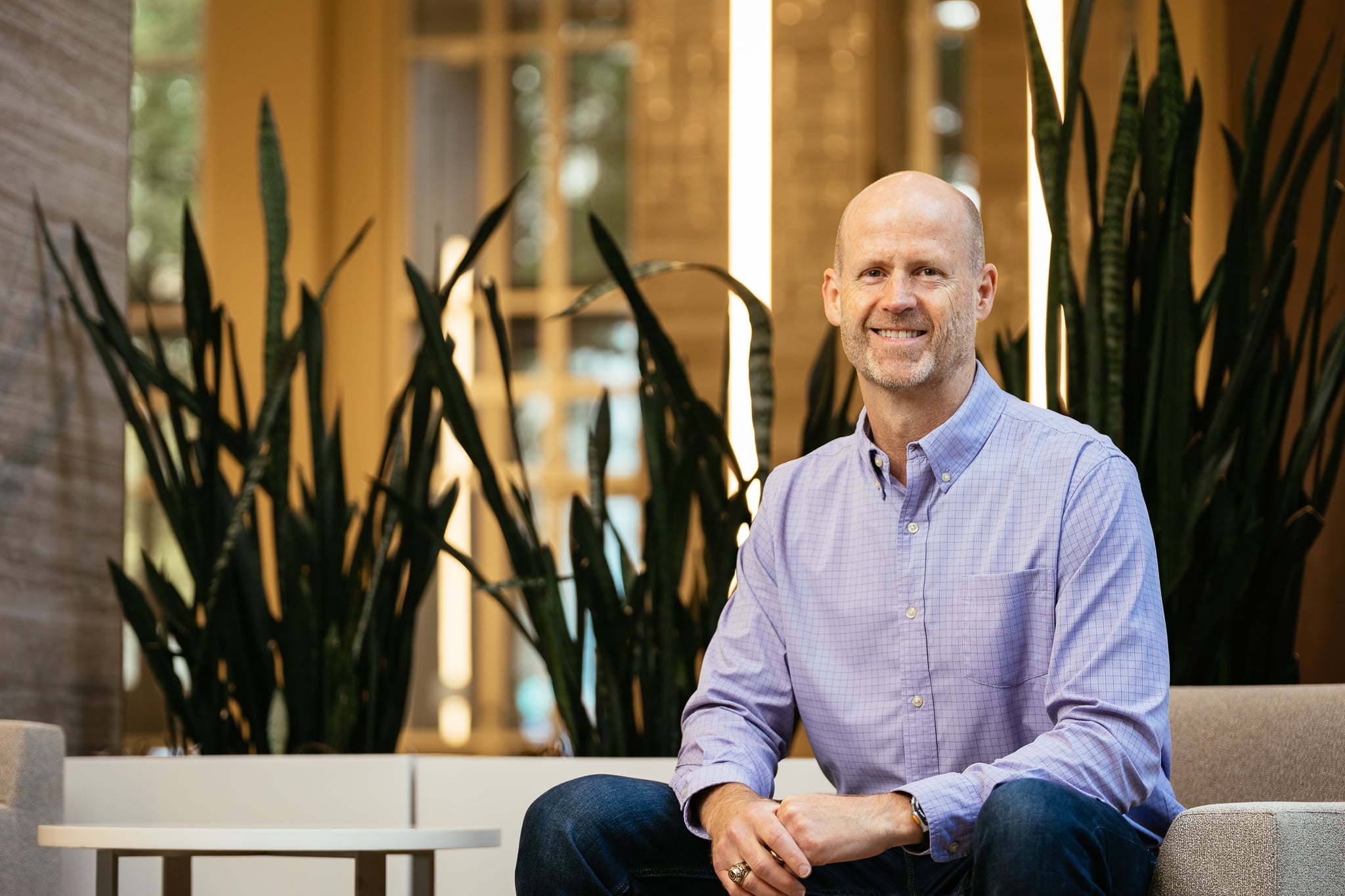
Frank Greer Kept Rewiring Zipit Until the Market Caught Up
A pocket messenger became an IoT platform, then a strategic acquisition. Frank Greer's useful habit was not predicting the future perfectly - it was changing the company before the old answer became a trap.
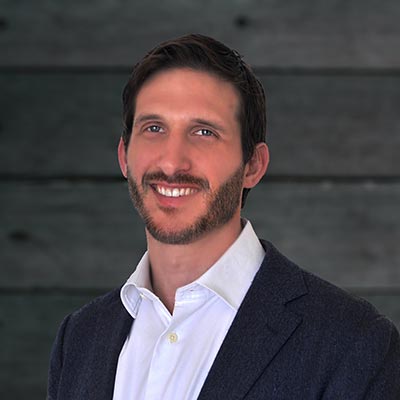
Jon Kornik Is Teaching the Grid to Ask Homes for Help
The Plentify co-founder spent a career financing clean energy. Then he found a cheaper grid resource hiding in plain sight: the household appliances already waiting to be told when to switch on.

Leila Dillon
Leila Dillon has built a career explaining the systems most people notice only when they fail - from sensor-equipped city bins to the energy infrastructure beneath schools, governments and businesses.
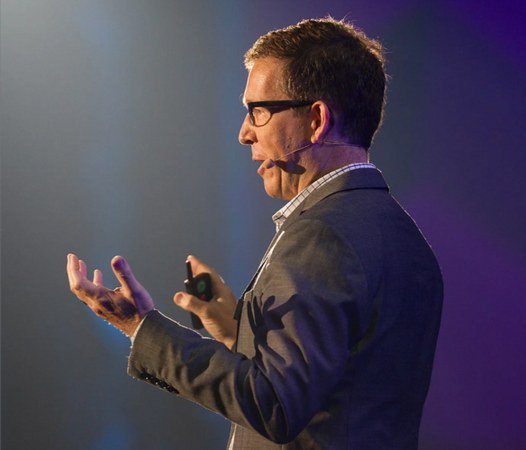
David Rose
David Rose is a five-time entrepreneur, author, and former MIT Media Lab lecturer who builds technology that disappears into everyday life. Today he is co-founder and CEO of LOOKOUT, a Boston marine AI company that fuses computer vision, radar, AIS and chart data into a single augmented reality view so boaters can spot vessels, debris, whales and people in the water before it is too late. Before LOOKOUT he invented the Ambient Orb (now in MoMA), built the cellular GlowCap pill cap, ran computer-vision pioneer Ditto Labs, led vision technology at Warby Parker, and wrote two influential books, Enchanted Objects and SuperSight.
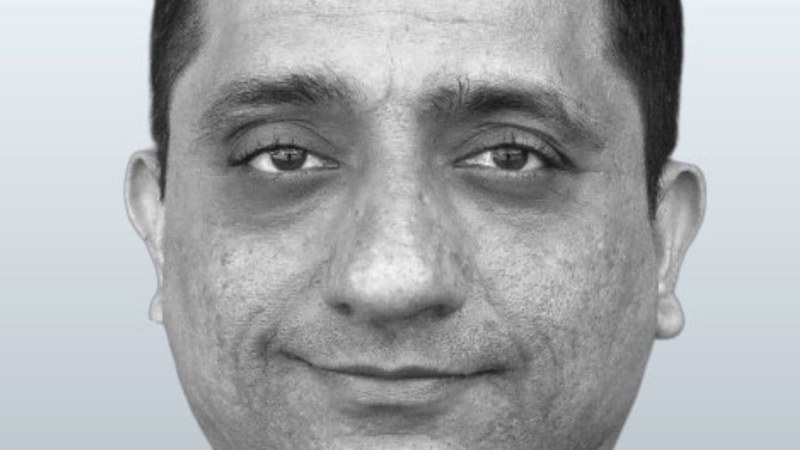
Deepak Nagpal
Deepak Nagpal is the CEO of Audax Labs, a Bothell, Washington-based technology innovation company he has led since 2016. With a career spanning over two decades across NTT DATA, Capital One, and Interra Information Technologies, and an MBA from Oxford's Said Business School, he has built Audax Labs into a multi-practice consultancy operating across AR/VR/MR, AI, IoT, cloud migration, and data analytics - serving industries from automotive and healthcare to BFSI and government, with partnerships spanning Microsoft, Google, Amazon AWS, Hitachi Vantara, Oracle, and Rocket Software.