edtech
(244)
Suryanarayanan Paneerselvam and the education that starts after the degree
He left an engineering job in America to help engineers in India put their knowledge to work. Skill-Lync grew from after-hours lessons into a funded business, bringing a larger test of the promise that started it.

Antti Korhonen keeps an old map for a new world
A 1970s map in a Helsinki meeting room offers a clue to the xEdu co-founder’s work: helping education entrepreneurs notice what has changed, and find the people who can help them catch up.
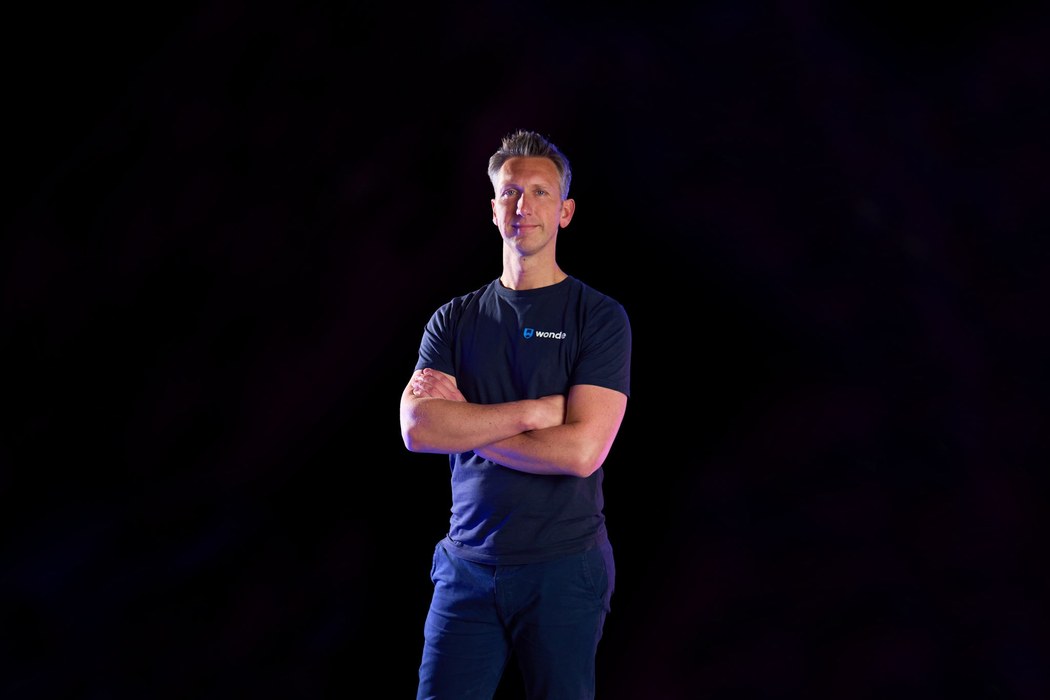
Peter Dabrowa and the value of turning the sign around
A printing accident in New Orleans captures something about Wonde co-founder Peter Dabrowa: he is willing to change the pitch when the customer reveals a better problem. His career in school technology has grown from the same habit of paying attention.

Vinay Mahadik and the laptop that went home
The Securly co-founder and founding CEO built a business around a school device’s life beyond the classroom. His next venture takes on another familiar problem: finding what an organization already knows.

Jeston George and the school news that never arrived
He wanted enough notice to see his nephew’s school events. Building Apptegy taught Jeston George that the larger opportunity was helping schools tell the stories already happening inside them.

Lefteris Ntouanoglou and the education of a company
He built Schoox between Thessaloniki and Austin, with an engineer’s attachment to the product. Now Lefteris Ntouanoglou wants workplace learning to answer a harder question: what changed after the course ended?

Mehdi Alaoui and the business of opening doors
He started by making mobile apps easier to build. With LaStartupStation, Mehdi Alaoui turned to a harder problem: helping African founders reach the people who can buy, back and use what they make.

James Gray and the book that took too long
A family business taught James Gray to get academic books to readers faster. Three decades, a Nashville detour and one return to Dorset later, the Kortext founder is still finding things that stand between students and learning.
Claudio Erba and the lesson that took nineteen years
He built Docebo from a classroom problem into a company listed in Toronto and New York. Then Claudio Erba handed over the CEO job and began giving the lessons away.

Al Kingsley and the art of the awkward question
He helps build the software schools buy, then sits at the table where school spending is questioned. For Al Kingsley, three decades in education technology have made asking better questions a working habit.
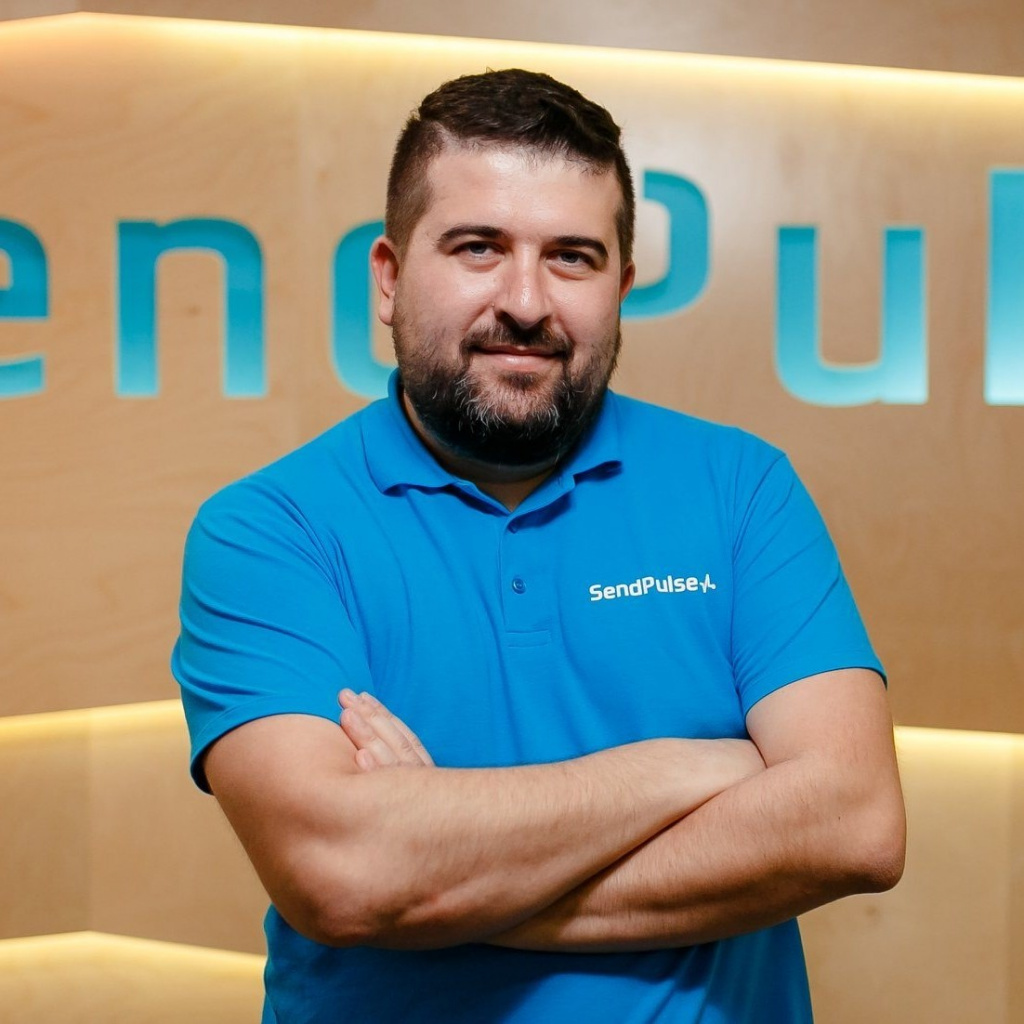
Kostyantyn Makarov’s $100,000 change of course
Kostyantyn Rozenshtraus-Makarov took SendPulse to New York and learned how expensive a reluctant customer can be. His path from Chernihiv programmer to software co-founder runs through Brazil, shared offices and a habit of reconsidering the plan.
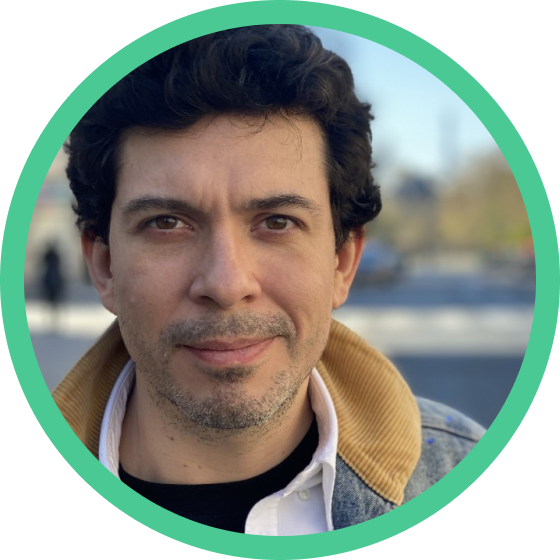
Nicolas Hernandez and the trouble with knowing best
He built 360Learning around a stubborn belief: the useful knowledge is already in the room. Now, as chairman and the founder of Jupi, Nicolas Hernandez is taking on the next question - who gets to decide?

James Chia and the trouble with three files
A civil-service induction gave him paperwork without context. Years later, the ArcLab co-founder is building training around the people who have the least time to sit through it.

Tom Sayer and the lesson Google couldn’t teach
He helped classrooms around the world use Google’s tools. At Ello, Tom Sayer is pursuing a more personal ambition: giving a child the kind of attention that money usually buys.

Abhay Saboo and the problem with an easy answer
He began tutoring before he finished school. At CoLearn, Abhay Saboo has spent years working on a harder assignment: getting students to want to do the work themselves.

Jan Rihak and the answers nobody hears
Before Classtime, Jan Rihak helped fund scholarships and built a career in finance. His next undertaking asks a deceptively simple question: what is everyone else in the classroom thinking?
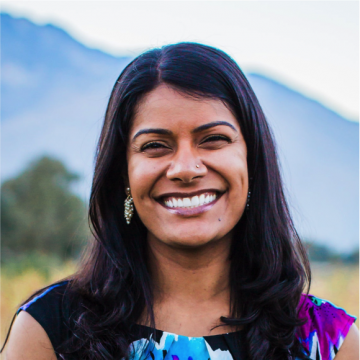
Rupa Chandra Gupta and the trouble with a beautiful dashboard
She built the charts, watched students shrug, and changed her mind. At Sown To Grow, Rupa Chandra Gupta is putting students inside the story their school data tells.
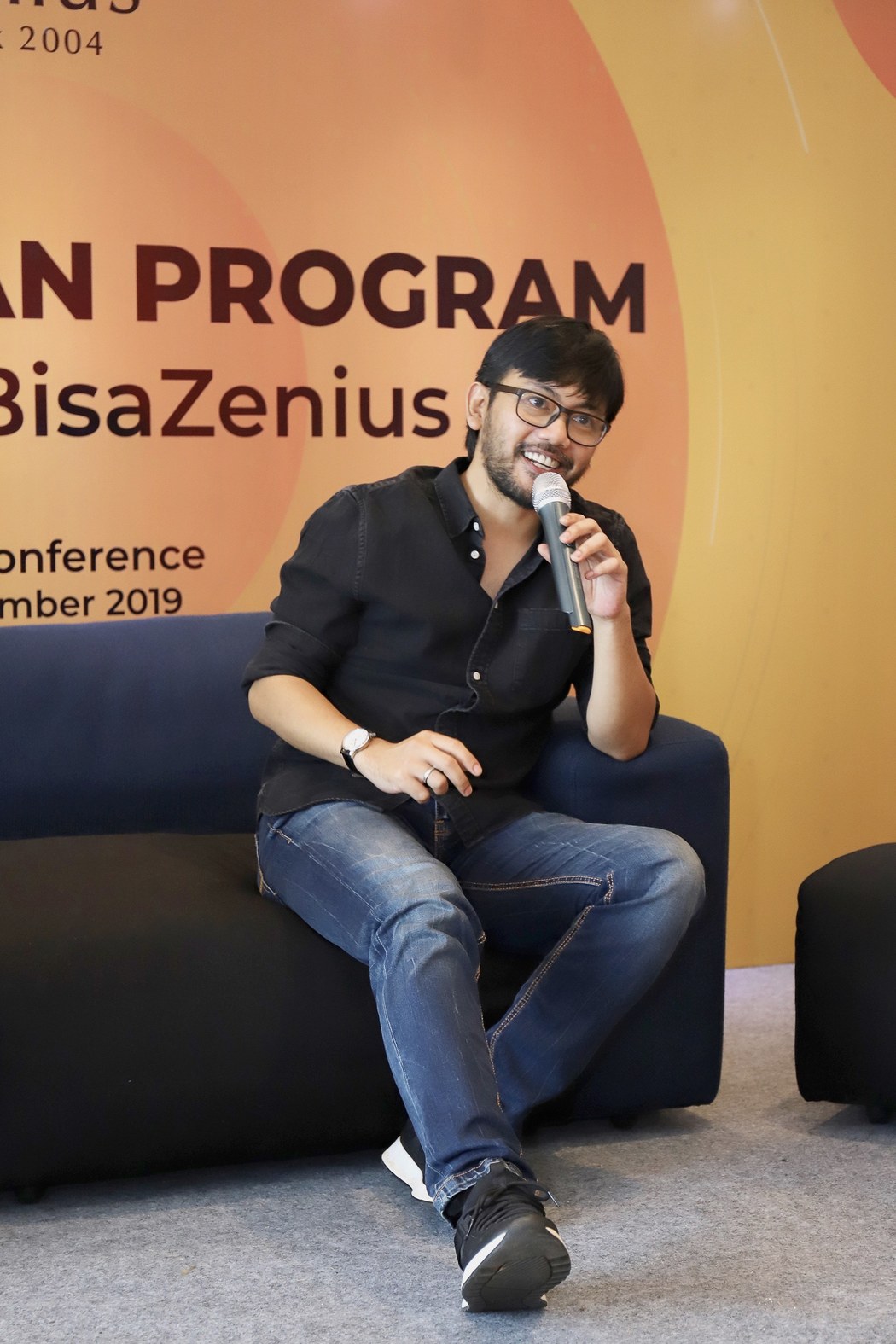
Sabda PS and the trouble with knowing the answer
The Zenius co-founder built a teaching business around a stubborn question: what if passing the test leaves you unable to think? From classroom fees and CDs to an operational pause and a return, his work keeps coming back to the foundations.

Robert Barakat and the case against “thus”
Before Atomi became a platform for schools, Robert Barakat had a theory about the words students wanted to hear. His career has been a long exercise in making a difficult lesson feel within reach.
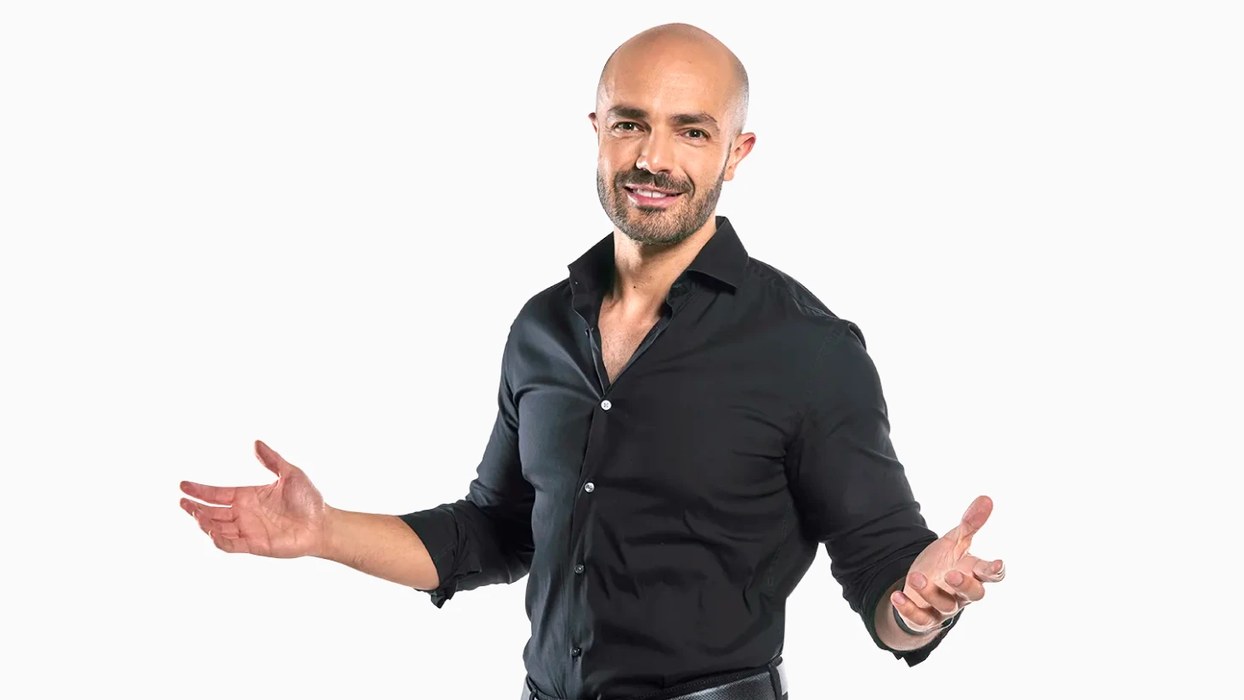
Andrés Moreno and the classroom that ran out of room
Before Open English, Andrés Moreno ran a language school that worked - until he tried to make it bigger. His answer took the classroom online, put him on television and eventually brought a country to the negotiating table.

Chip Ramsey and the education of a software company
Intellum began with a business plan that ate the budget. Twenty-six years later, its co-founder is asking what happens when the learning business has to learn all over again.
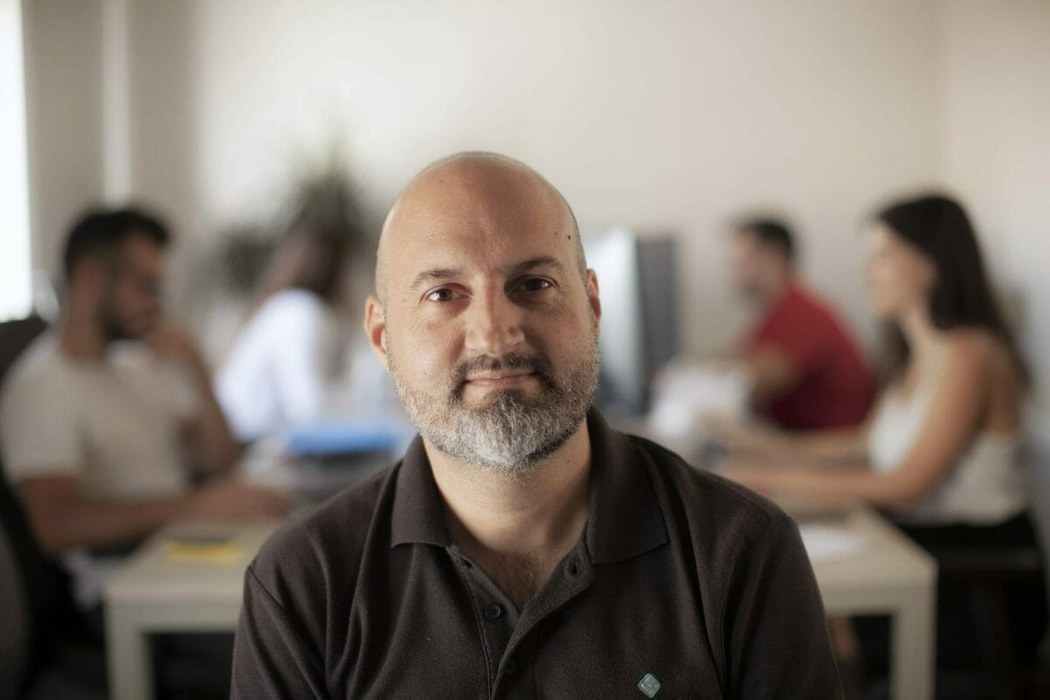
Panos Siozos and the lesson that wouldn’t pay
Three researchers built a learning platform and waited for customers to applaud. Panos Siozos’s education as a founder began when the applause failed to become a sale.

Michael Hansen and the price of keeping your options open
A German law graduate came to New York with two suitcases and a television-shaped idea of America. At Cengage, Michael Hansen has spent his tenure asking what education should cost, whom it should serve, and where it should lead.

Neo Zhizhong and the classroom that came back
He spent a decade in tuition before taking Geniebook online. Now Neo Zhizhong is bringing classrooms back, with a different idea of what a teacher should know before the lesson begins.

Adam Turaev and the rehearsal before the real conversation
Before Praktika, Adam Turaev built chatbots for businesses. Now he is building AI tutors for the moment a learner knows the words but needs practice saying them.

Andrew Grauer and the education of a study group
A Cornell student wanted a better way to find help with his coursework. Two decades later, Andrew Grauer is running Learneo and QuillBot, still working on the distance between a question and a useful answer.

Thomas O’Donahoo and the art of thinking small
Atomi began with a few maths videos. Its co-founder Thomas O’Donahoo has kept returning to the same question: how do you turn a difficult idea into a next step a student can take?
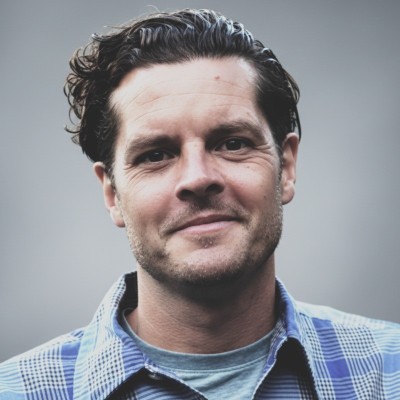
Michael Lombardo and the people a school runs on
He built BookNook to bring reading help to more children. Now Michael Lombardo is working on another school problem: finding, supporting, and valuing the adults who make the day possible.
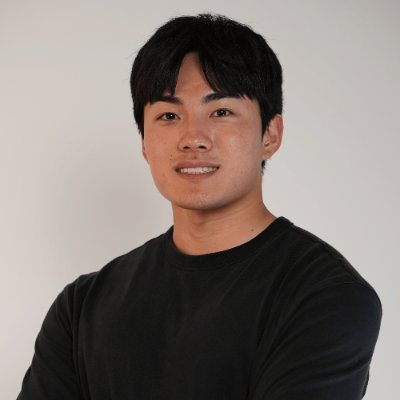
David Yu and the trouble with pressing play
A frustrating college lecture sent David Yu into a dorm-room building spree. YouLearn grew from that impatience into an AI tutor for millions, with a harder question at its center: what makes someone come back to learn?
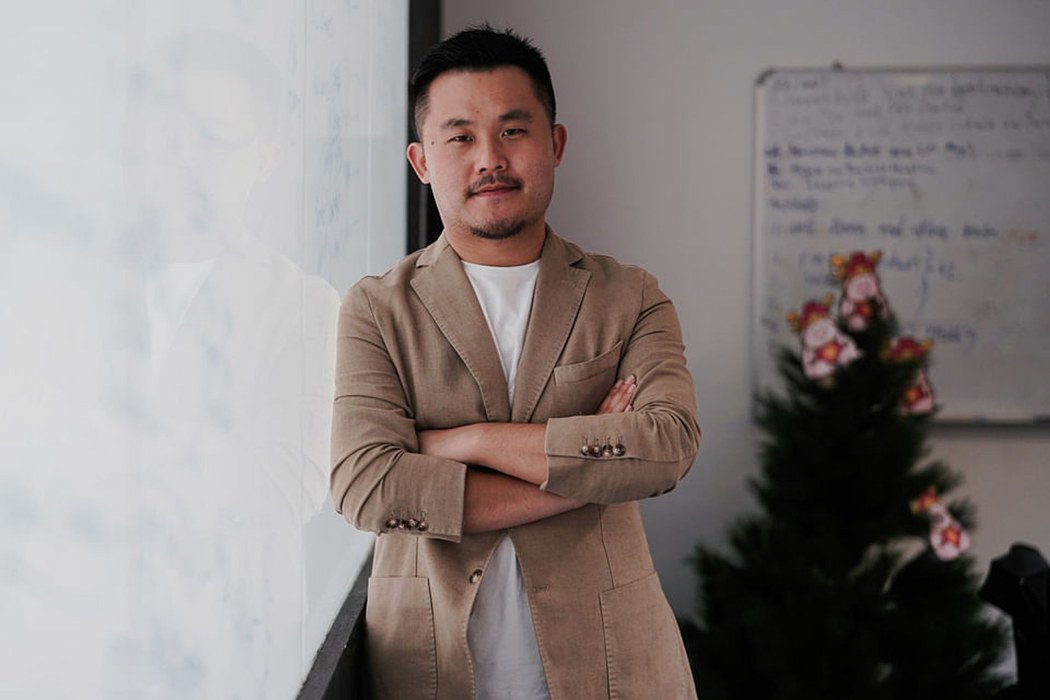
Bin Wang and the surprisingly human business of school automation
A request at an NUS robotics lab drew Bin Wang into the daily work of preschools. At Taidii, the engineer and co-founder has spent the years since connecting school routines, software and the people who use them.