digital-media
(81)
TechCrunch makes the startup world pay attention.
A blog about young companies became a place where founders meet investors. The business behind TechCrunch reveals what happens when a newsroom learns to gather its audience in the same room.
The Hustle sold a daily habit.
A conference email became a business-news ritual. Then HubSpot bought the audience - and gave the newsletter a different job.
Conversant and the art of remembering you
One shopper. Several screens. A very expensive case of mistaken identity. Conversant built its advertising business around joining the dots - and making the resulting sales count.

Pub built the button. The money ran out.
Pub wanted buying video rights to feel as simple as sharing a clip. Its license button made the idea visible; its founder’s account of the shutdown shows how much a button still leaves to solve.
Advance Local knows where the story lives
The company behind AL.com, NJ.com and MLive is moving beyond the printed newspaper. Its next chapter pairs local reporting with software that helps businesses find their customers.

AccuWeather sells the next move.
A $150 winter forecast became a business in knowing what to do next. Behind the familiar app is a company selling time to move people, protect factories, and stock the right shelves.
Clearlink makes the click count.
Behind the internet’s buying guides sits a company built to finish the sale. Clearlink’s story begins with two failed websites and a better way to pay for the third.

Bloomberg Media puts a price on attention
Bloomberg Media built a business around people whose decisions move money. Its bet: a reader who comes back is worth more than an ad that sends them away.

Wave Sports & Entertainment puts personality in play
The company behind athlete-led podcasts learned to turn a passing scroll into a weekly habit. Now its bet on people, rather than scoreboards, is taking it into comedy, culture and the gym.
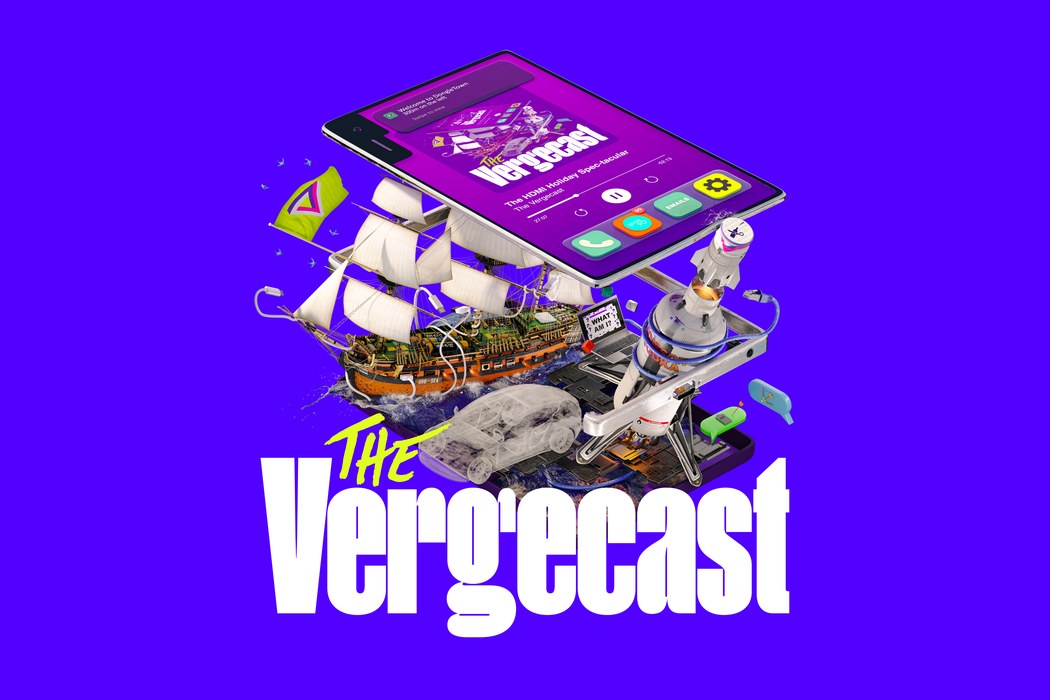
The Vergecast makes tech a conversation.
A newsroom, a microphone, and a healthy suspicion of the next big thing. The Vergecast turns gadget news into a daily argument worth listening to.

Doing Things turns the group chat into a business
A meme gets forwarded. A community forms. Doing Things has built a company around what happens next: shows, sponsorships, golf shirts, and reasons to leave the house.
WaitWhat turns a good conversation into a business
The company behind Masters of Scale treats a podcast as the beginning. Courses, partnerships and a $3,750 summit reveal what happens after people press play.

TriPlay wanted your music to travel without a passport
A family-photo problem became a bet on media that moves freely between devices. Two decades later, the owner of eMusic is taking that argument from personal collections to music royalties.

Men in Blazers turned soccer obsession into a media business
A podcast for American soccer obsessives became a network of distinct fan communities. Its expansion offers a useful lesson: let the people who know the game lead the conversation.
Stitcher: the podcast business that outlived its app
A borrowed iPhone helped Stitcher escape the desktop. A decade of deals turned it into a podcast business whose most valuable work could happen far from its own play button.
Kaleidoscope wants to make the future worth listening to
A stranded cosmonaut, an AI startup staffed by fake people, and the arguments in your group chat: Kaleidoscope turns science and technology into stories with human stakes.
DEFY Media had the audience. Who had the money?
Smosh, Clevver and Honest Trailers made DEFY Media hard to ignore. Its 2018 collapse exposed the awkward economics of owning the show while somebody else owns the screen.
NowThis killed the homepage. Can it build a habit?
The social-video publisher learned to meet people in their feeds. Its next wager is that a familiar show can make them come back - and give advertisers a reason to pay.
Brit + Co put creativity in a box. Then it had to rethink the business.
A craft kit, a collapsed traffic engine, and a school for women founders: Brit + Co’s story shows what happens when a publisher tries to turn inspiration into something people can use.

The Benefits Desk That Became a Newsroom
Military.com made itself useful at the exact moment a service member needed an answer. Its second act as a watchdog won prizes. A 2025 sale tested whether those two kinds of value could survive the same balance sheet.

The Home Improvement Site That Listened to the Wrong Customer
Hometalk began by putting homeowners in touch with professionals. Its users had another idea: show us how to do it ourselves. That small act of disobedience became a large DIY media business.

Topix: The Town Square That Became a Slideshow
A local news engine learned that its readers wanted to talk. Then it learned what their attention was worth - and changed the subject entirely.

The Cartoon That Survived the Crash
Mondo Media lost the web business it had built for the first internet boom. A cast of cheerful animals with terrible luck gave it something sturdier: characters that could travel wherever audiences went.
The Internet Priced Everything Except the Page
Zzazz wants every article, video and dataset to carry a live price. The strange part is not the number - it is the market the company hopes will form around it.

Initial Group and the Strange Advantage of Starting in the Middle
Most rollups begin with a spreadsheet. Initial Group began with a 25-year-old talent firm, then added the missing pieces around it - literary muscle, digital plumbing and music reach - without asking every company to wear the same name tag.

Realm Heard Its Readers Leave - and Followed Them Into Audio
Realm began as a clever way to make people read on their phones. Then its own audience delivered a less literary verdict: they wanted to listen. The company that survived was the one willing to hear it.
The Firm You Call Before the Story Calls You
ProActive Strategies built a business around an awkward truth: the most expensive sentence in public life is often the one nobody prepared to say. For nearly three decades, the Virginia firm has helped organizations decide what to say, who should say it, and what should happen next.

The Little Agency That Learned to Think Like a College
AccessU found its niche by treating colleges less like products and more like complicated communities. Thirty years later, its best work begins with a deceptively unfashionable move: listening before advertising.

Digital Brand Architects Put a Business Office Behind the Ring Light
Before “creator” was a respectable job title, DBA treated bloggers like talent. The bet grew into an agency that turns attention into contracts, products, podcasts and businesses - while exposing just how much work sits behind an effortless post.

Currents Management Is Building the Business After the Viral Hit
Most talent firms sell the next post. Currents wants to build what survives it - a product, a format, a career, and sometimes an entire company.