crm-integration
(66)
Gubagoo and the car deal that forgot its own price
A shopper builds a deal online. A salesperson starts it again in the showroom. Gubagoo has built a business around making those two encounters remember each other.
NeoITO and the trouble with a successful prototype
The first version wins you customers. The next version has to survive them. NeoITO has made a business of helping software cross that awkward border.

Chili Piper and the Customer Who Almost Got Away
A buyer asks for a demo. The company sends a thank-you page. Chili Piper built a business in that awkward gap - and is now chasing the interest that never reaches the form.
Acqueon and the Fortune in the Follow-Up
A missed call looks like a dead end. Acqueon built a business around what happens next - and Five9 paid approximately $173.8 million to bring that machinery inside its platform.

Ylopo and the Buyer Who Wasn't Ready
Real estate runs on timing. Ylopo has built a business around the awkward months between a buyer's first click and the day they finally want to talk.

BoardEx and the stranger you already know
The useful connection is often buried in somebody else’s career. BoardEx has spent decades making those overlaps searchable - and selling a shorter route to the people who matter.

The Call Center Has Left the Phone
A Colombian founder wanted call-center agents to be seen for good work. A decade later, the software built around that idea is helping companies count the work that calls never captured.

The Sales Chart That Refuses to Sit Still
Enterprise deals can fail because the seller knows the champion and nobody else. Centralize turns the missing names into a living map - then tries to show the next introduction worth making.

The Candidate Was Already There
Woo.io began by asking how a recruiter could find the right stranger. Its sharper question now is why the right person is so often hiding in the database already paid for.

The Spreadsheet That Learned to Say No
Accord began with a hand-drawn sales tool and a blunt idea: a deal is not real because a seller says so. It is real when the buyer has work in the plan.
The Inbox Born From a Very Bad Text
A stray late-night message exposed a quiet business problem: texting customers worked, but personal phones did not. Heymarket turned that mishap into a shared inbox - and then into an operating system for customer conversations.
The Million-Dollar Lead Was Already in the Phone
LocalizeOS built an AI to work the leads real estate agents have already paid for - especially the quiet ones. Its wager is that the next commission is hiding in yesterday’s inbox.
Navazon asks what happens after the click
A new website is easy to admire. A better path from visitor to customer is harder to see. Navazon builds both, with cameras, code, and an eye on the handoff.
The Company That Tells Sales Teams Who Looked but Never Knocked
Lead Forensics built a business around the 98 percent of B2B visitors who leave without raising a hand. The clever part is identifying the company; the hard part is turning that clue into a timely, tactful sales conversation.

The Email Tool That Learned to Read a Law Firm's Room
Concep found a durable business in the chores behind professional-services marketing: the RSVP that never reaches CRM, the partner who cannot see a click, the contact list already going stale. Then legal-tech consolidator Litera bought the plumbing along with the pipefitters.

La Growth Machine Turns Outbound Into a Switchboard
La Growth Machine choreographs LinkedIn, email, calls and voice notes from one canvas. The clever part is not sending more messages - it is knowing when to change channels, and when to let a human take over.

Wiza Makes the B2B Phone Book Earn Its Keep
Wiza is for salespeople who would rather wait a few seconds for a usable email than spend an afternoon apologizing for bounced ones. Its live-verification habit is the point; the credits, exports, and LinkedIn rules are the homework.

Snappy Kraken Put the Boring Parts of Advisor Marketing on Autopilot - Without Pretending Trust Can Be Automated
Seven thousand advisors use Snappy Kraken to keep prospects warm, clients informed and compliance teams out of panic mode. Its real product is not content - it is follow-through.
Customertimes Built a 1,000-Person Business on the Six-Second Fix
The New York consultancy’s unusual edge is part service firm, part software maker: it repairs the messy seams between Salesforce, SAP and Microsoft, then leaves field teams with tools that still work when the signal does not.

Language IO Wants One Support Team to Speak 150 Languages - Without Hiring 150 Teams
The Wyoming software company is betting that multilingual customer service should be infrastructure, not a staffing puzzle. Its proof is hiding in the help desk: fewer language silos, faster replies and, for some customers, sharply lower costs.

Klenty Turned the Cold-Email Grind Into a Sales System - Now It Wants AI to Pick Up the Busywork
Three founders started by fixing a problem they had lived: one-to-one prospecting stops scaling, but indiscriminate automation burns the people you want to reach. Klenty’s decade-long bet is that the winning system sits between those two mistakes.
Civic Champs Turned Volunteer Paperwork Into a Product - Then the World Stopped Volunteering in Person
The Indiana startup began with a clever geofenced check-in. COVID broke that premise almost overnight - and forced the team to build the broader operating system nonprofits had been asking for all along.
Unibuddy Built the Wrong Product Twice - Then Universities Gave It a 500-Campus Playbook
The edtech started with a high-school dashboard, tried to build its own marketplace, and kept hearing one awkward question: where is the traffic? Its answer - live inside university websites - turned a student chat idea into an enterprise enrollment platform.
Get The Referral Wants Contractors to Stop Hoping for Word of Mouth - and Start Running It Like Software
The San Diego company wraps referral links, project updates, CRM data and cash rewards into one contractor-focused system. The clever part is the software; the hard part is getting humans to use it.

The Startup That Turned Cloud Marketplace Paperwork Into a Product
Selling software through AWS, Azure, and Google Cloud is where the big B2B deals now happen - and also where the operational mess lives. Suger built the plumbing so vendors do not have to.
The Company That Makes 12 Business Systems Behave Like One
Net at Work has spent 30 years becoming the general contractor for the mid-market tech stack - the firm called when ERP, CRM, payroll, cloud, and security need to stop arguing and start working together.
Squaretalk
The cloud contact center platform trying to turn every outbound call into a smarter, faster, better-connected conversation - without the enterprise price tag.
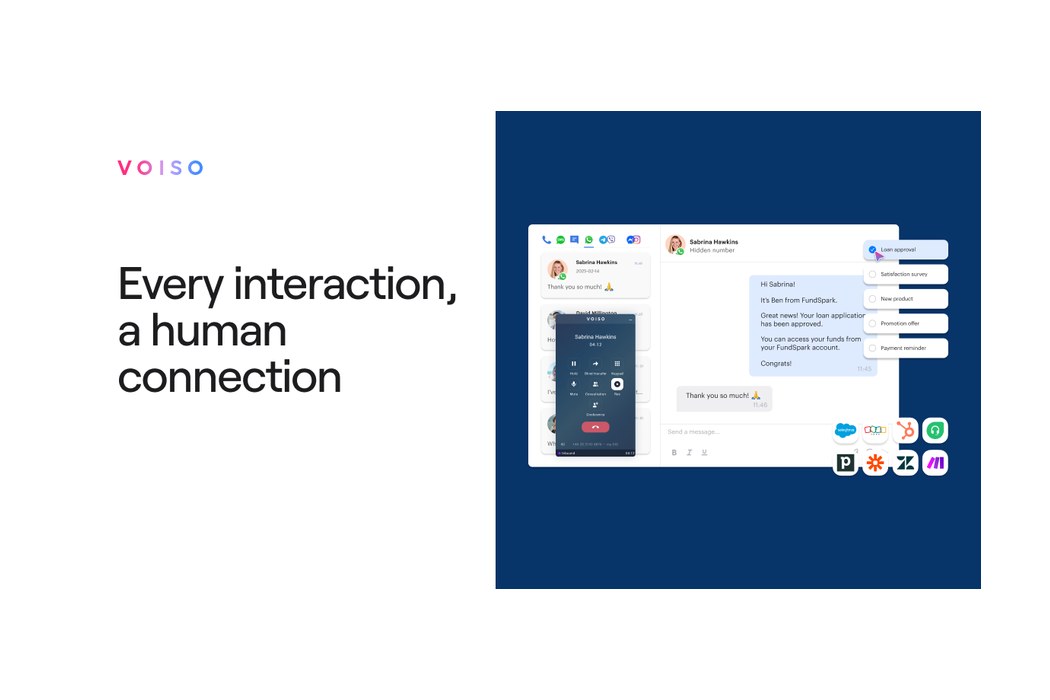
Voiso
Every interaction, a human connection.

Aircall
The Paris-born company turned the office phone into a line of software - and is now teaching it to answer calls on its own.

Vocalcom
For nearly three decades the French software maker has quietly wired the phones, chats and bots behind some of the world's busiest customer service desks. Now it is betting its future on an AI-ready cloud.