bitcoin
(55)
Igor Telyatnikov and the business of being invisible
From electronic security to a national Bitcoin wallet, Igor Telyatnikov built a career around the machinery other people rely on. The AlphaPoint co-founder’s story turns on a deceptively ordinary question: does it work when someone needs it?
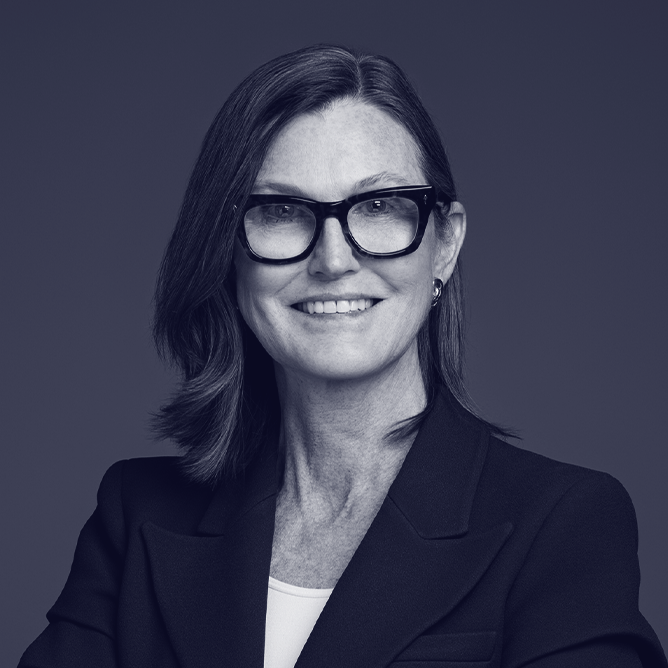
Cathie Wood and the trouble with being early
She spent decades inside investment firms before founding ARK in 2014. Her wager on technological change brought a following, sharp reversals, and a question that every forecast eventually has to answer: when?
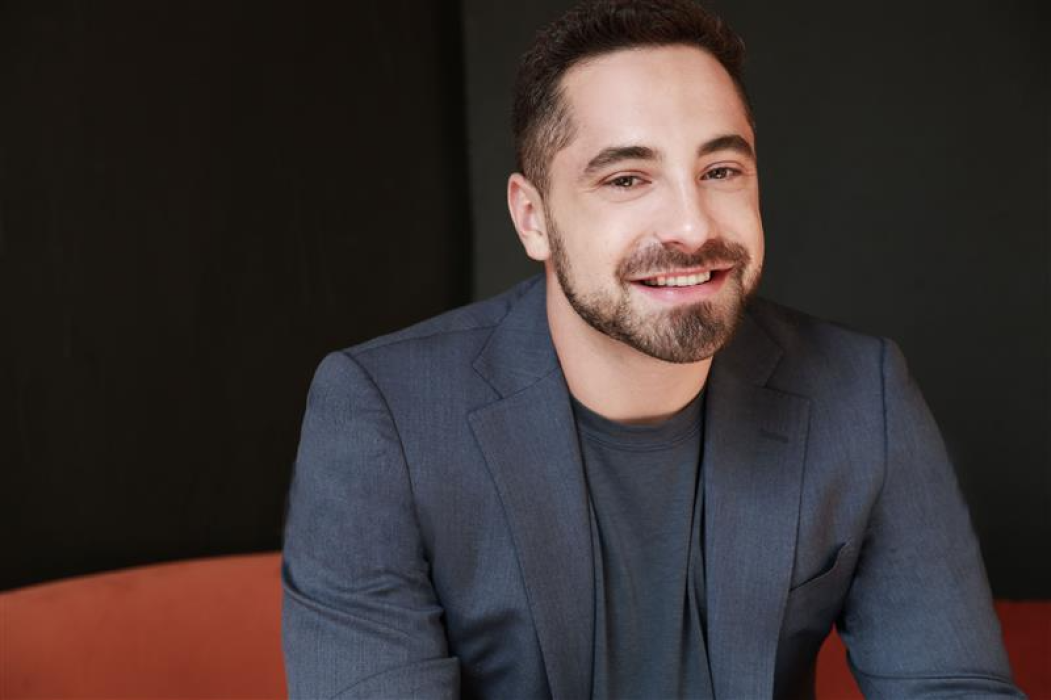
Ben Weiss and the surprisingly physical life of digital money
Ben Weiss helped build CoinFlip around a stubbornly ordinary habit: paying with cash. His route from a college Bitcoin wallet to thousands of kiosks runs through gas stations, bank accounts, and the work of earning trust.

Graham Krizek and the art of getting out of the way
He built Voltage because using Bitcoin meant doing too much other work first. Six years later, Graham Krizek is betting that the technology will travel further when fewer people have to think about it.

Valery Vavilov and the price of a promise
Growing up in Latvia, Valery Vavilov saw how quickly money and ownership could lose their meaning. At Bitfury, that memory became a business in chips, public records and, eventually, a $1 billion investment initiative.

Barry Silbert and the business of opening a closed door
Before bitcoin, Barry Silbert built a market for shares people could barely sell. At Yuma, the DCG founder is applying a familiar instinct to decentralized AI, with the achievements and unfinished disputes of his crypto career still in view.

Éric Larchevêque and the value of an open door
Before Ledger made a business of keeping things locked, its co-founder opened a place for strangers to meet. From Paris to Vierzon, Éric Larchevêque has kept returning to the same question: who should be in the room?

Adam Back put a price on junk mail. Bitcoin found another use.
In 1997, Adam Back asked computers to do a little work before sending an email. His Hashcash experiment became a building block of Bitcoin - and set the course for a career spent asking who gets to control the network.

Ki Young Ju and the trouble with being right
Ki Young Ju built CryptoQuant to follow the money behind Bitcoin. When the market contradicted him, the founder had another set of numbers to examine: his own.
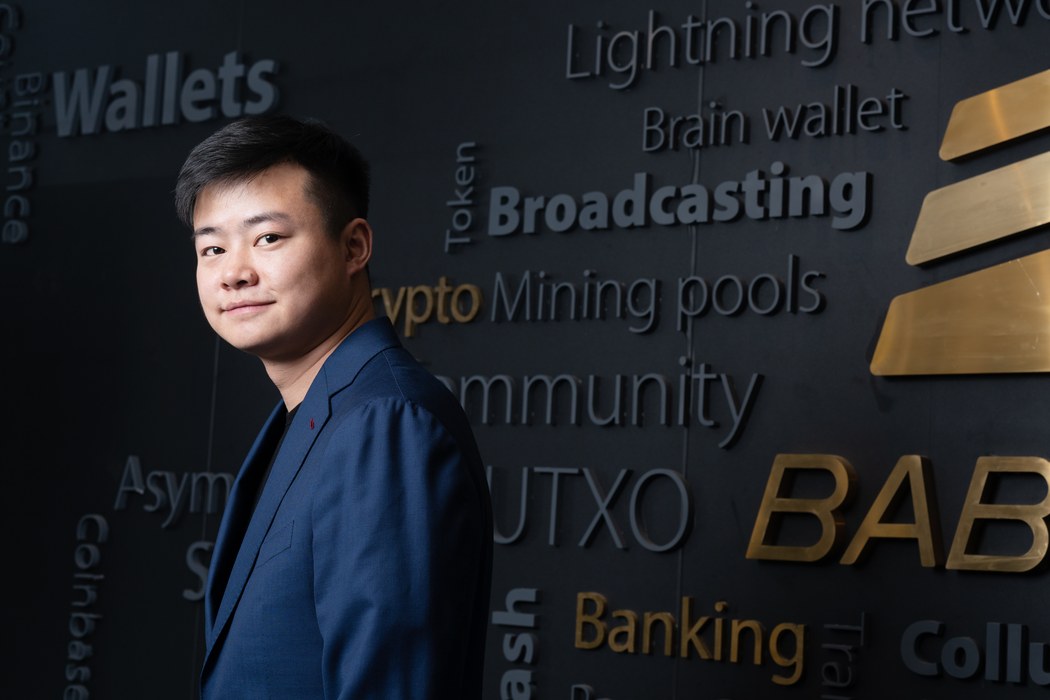
Del Wang and the 23 days between confidence and crisis
Del Wang helped build Babel Finance into a $2 billion crypto lender. His journey from conventional banking to frozen withdrawals, and a later court victory, turns on the uneasy distance between a long-term belief and a short-term obligation.
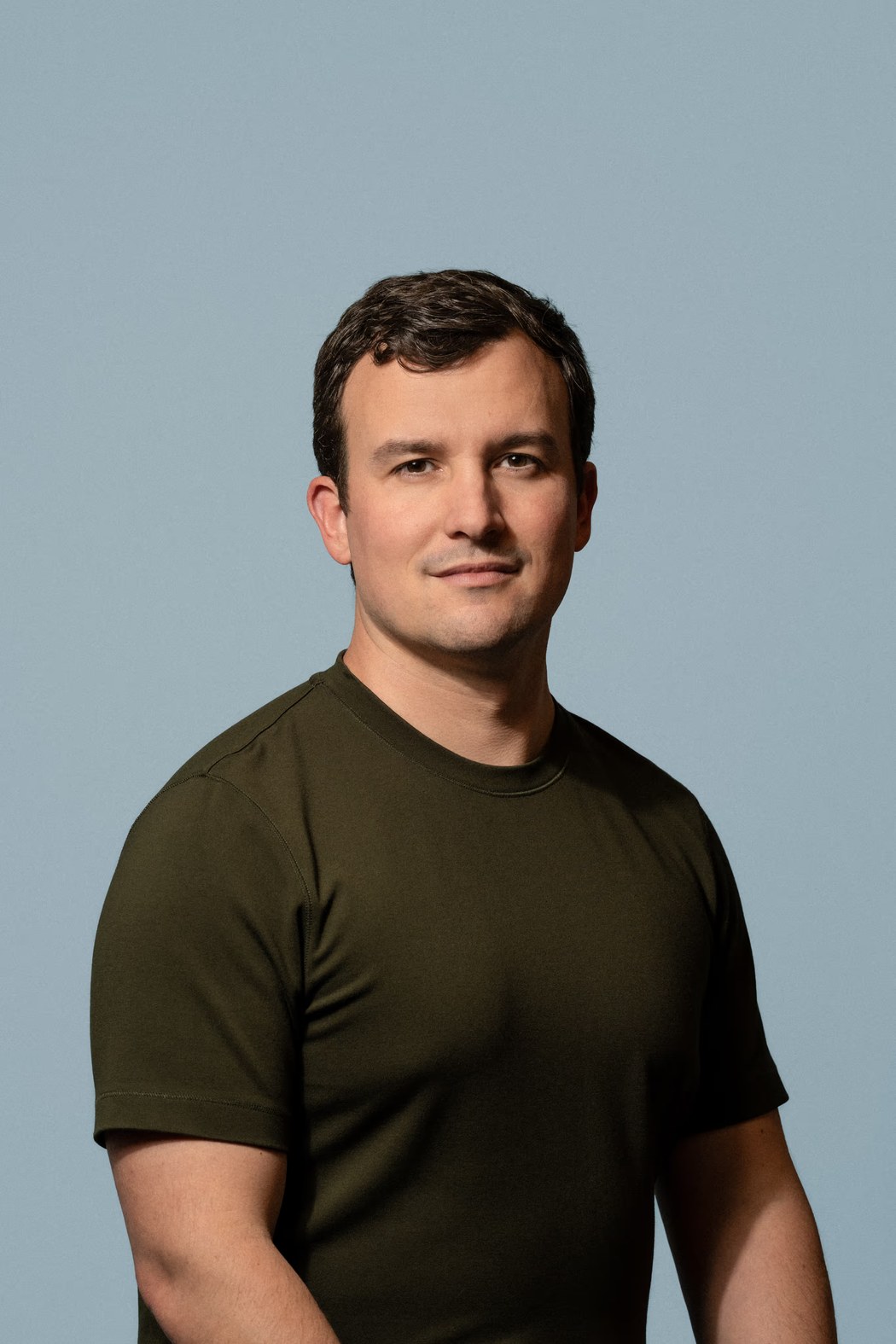
Joe Kelly and the useful limits of trust
A Craigslist job brought Joe Kelly to a physics department. Two companies later, he is still working on a problem that sounds simple until money enters the room: how much control should one person have?
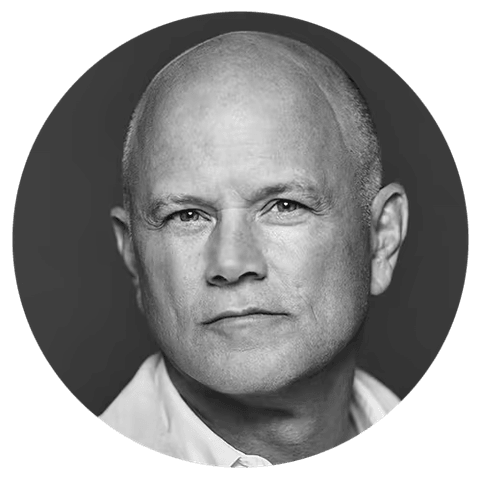
Michael Novogratz and the price of conviction
A Princeton wrestler became a Wall Street partner, then staked his next act on crypto. At Galaxy, Michael Novogratz is still learning how far belief can carry a business - and where it needs a balance sheet.

Jesse Powell and the price of admission
Before Kraken, Jesse Powell sold virtual swords and gave artists free studio space. His career keeps returning to the same question: who gets to participate, and who holds the keys?

Afnan Rahman and the price of saying no
OpenNode turned down $1.25 million to keep building on Bitcoin. Afnan Rahman’s career follows the consequences of that choice, from shop counters to a new company asking what makes digital money trustworthy.
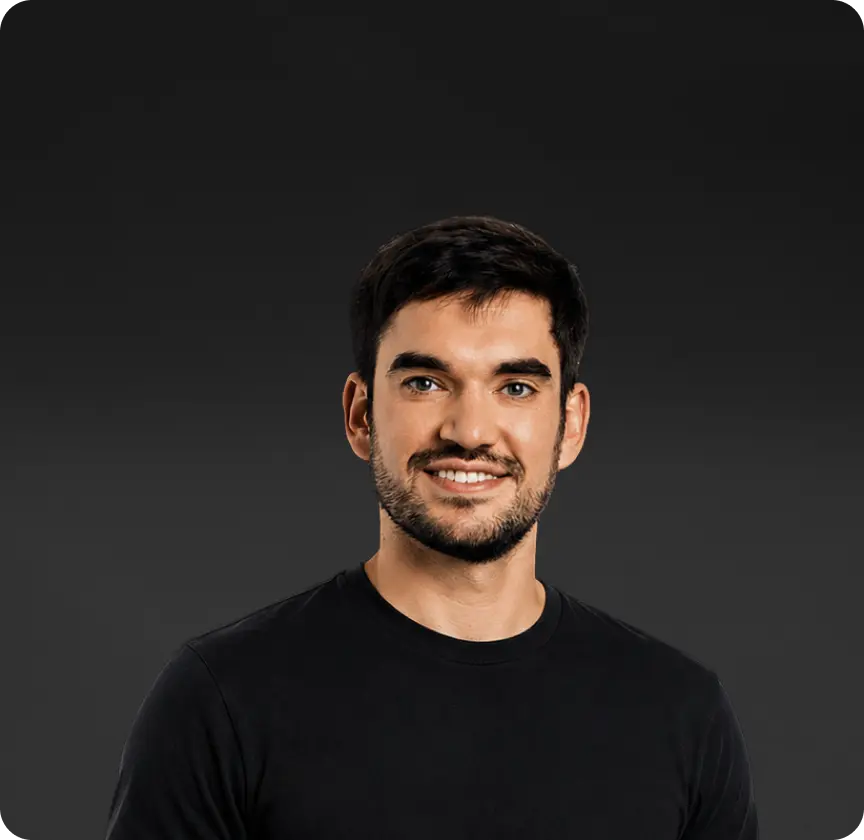
Alex Leishman and the patience of a Bitcoin builder
An aerospace graduate took a programming class, found Bitcoin, and changed careers. At River, Alex Leishman is still working through the same question: what would a financial institution built around it actually look like?

Nathan Montone and the year-long conversation about the future
An early Bitcoin investor found a co-founder in institutional finance. At M31 Capital, Nathan Montone has spent the years since connecting unconventional technology bets with the practical business of making them work.
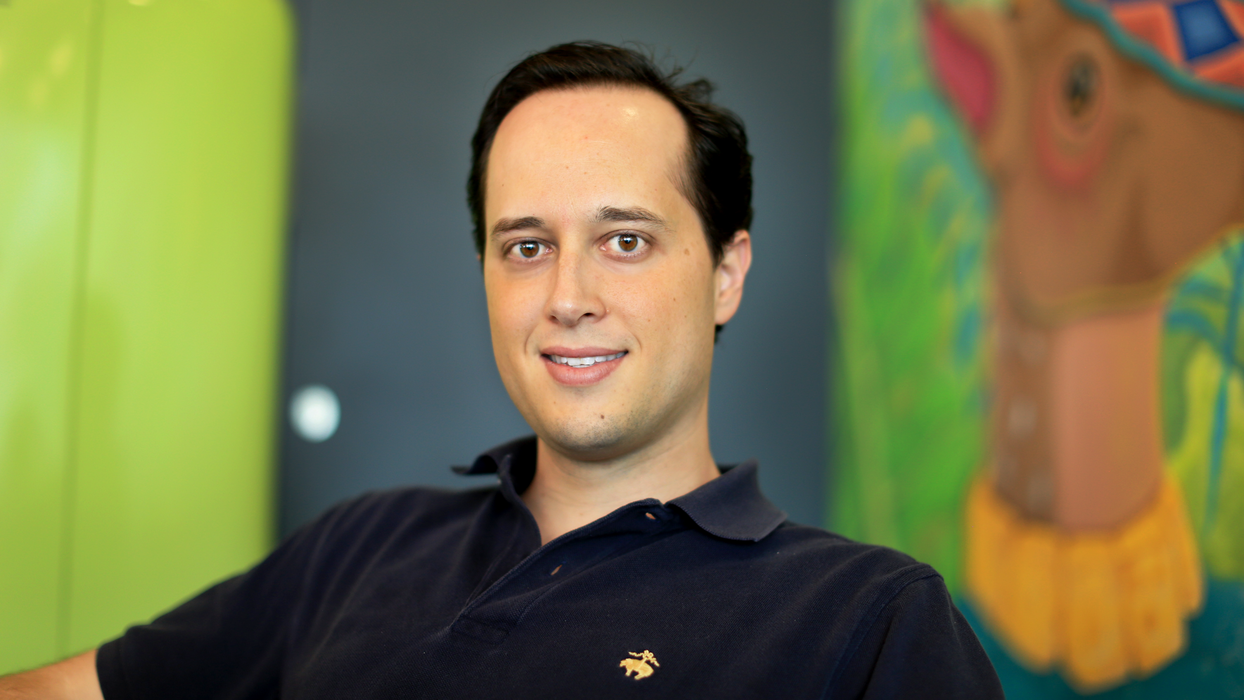
Daniel Vogel and the last mile of money
A failed remittance startup taught Daniel Vogel where digital money gets stuck. At Bitso, the Mexican engineer has spent the years since building the connections that let it move.
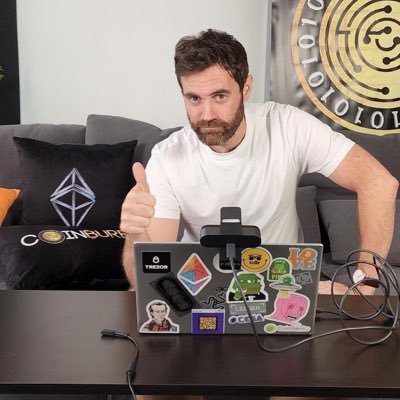
Guy Turner Found Bitcoin at a Pub. Then the Internet Found Him.
A sign behind an East London bar sent an English graduate down a Bitcoin rabbit hole. Years later, a search algorithm pushed his crypto blog toward the camera - and Coin Bureau became a global classroom.

Matt Luongo Keeps Building the Bitcoin He Was Promised
A pile of unwanted coffee cards led Matt Luongo to Bitcoin. A decade later, the Thesis* founder is still wrestling with the same question: how do you make digital money useful without turning it into another machine for middlemen?

Christopher King
Christopher King is the founder and CEO of Eaglebrook, a crypto investment platform that gives registered investment advisors (RIAs) direct access to bitcoin and digital assets through tax-optimized separately managed accounts (SMAs). A Penn State finance graduate who began investing in digital assets in 2014, King started his career in crypto-focused venture capital at Morgan Creek Capital Management before launching Eaglebrook in 2019. The New York and Miami-based company has grown into one of the largest crypto SMA platforms serving wealth managers, backed by investors including Castle Island Ventures, Brewer Lane Ventures, and Franklin Templeton.

Ki Young Ju
Ki Young Ju is the founder and CEO of CryptoQuant, a blockchain analytics firm that turns raw on-chain data into market intelligence used by traders, funds, and institutions. A South Korean engineer who started the company in 2018 after stints in cybersecurity and the ICON blockchain project, he built CryptoQuant into one of the most cited sources for Bitcoin exchange flows, miner activity, and whale tracking. He is widely followed on X for data-driven market commentary, and became a talking point across crypto media in 2025 when he publicly reversed his earlier 'bull cycle is over' call and declared that the traditional Bitcoin cycle theory no longer holds in an ETF- and institution-driven market.

Paul Snow
Paul Snow is the inventor of the Factom protocol and the architect of the Accumulate blockchain, currently building tokenization and digital-identity infrastructure at DeFi Devs and IDD Labs. He co-founded the Texas Bitcoin Conference, testified before the U.S. Congress on blockchain, and is listed as inventor on more than 40 patents that now underpin Accumulate.

Simanta Gautam
Simanta Gautam is the co-founder and CEO of Alpen Labs, a startup building zero-knowledge infrastructure to make Bitcoin scalable, private, and programmable. An MIT-trained engineer who earlier founded the airport-security computer-vision company Synapse Technology (acquired by Palantir, where he became AI Lead), he now leads a team turning Bitcoin's intentionally limited base layer into rails for global money. The mission traces to a personal detail: founders with roots in Nepal, where roughly a quarter of GDP arrives as remittances, saw firsthand how much money is lost to middlemen.
Matthew Fox
Matthew Fox is the CEO of OpenNode, a Bitcoin payments infrastructure company that lets businesses in 126 countries accept Bitcoin and send payouts over the Lightning Network with a few lines of code. A Dartmouth graduate who began his career in investment banking at Jefferies and later founded NGU Ventures, Fox took the helm of OpenNode in October 2022, months after the company closed a $20M Series A at a $220M valuation backed by Twitter, Tim Draper, Kingsway, and a Fidelity-affiliated fund.
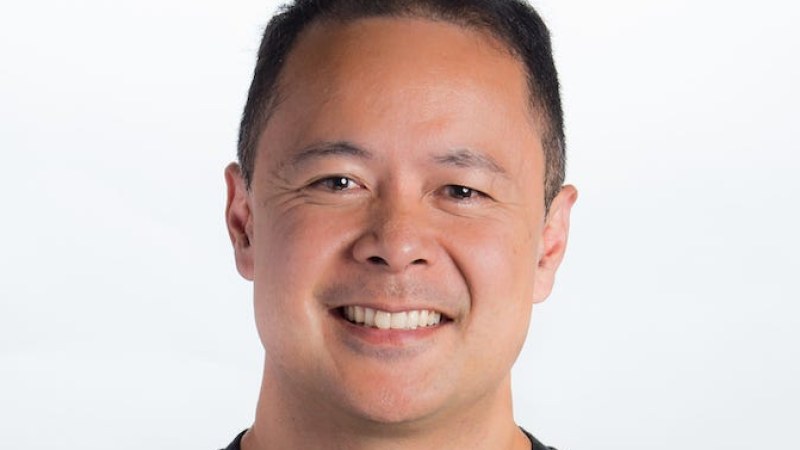
Paul Puey
Paul Puey is the CEO and co-founder of Edge, a San Diego-based self-custody crypto wallet and security platform. A UC Berkeley electrical engineering and computer science graduate who once shipped 3D graphics at Nvidia, he caught the Bitcoin bug in 2013 and launched Airbitz in 2014, rebranding it to Edge in 2017 as crypto moved beyond Bitcoin. His pitch is stubbornly simple: if you do not hold your keys, you do not own your coins, and security belongs on the edges of the network, in your hands, not on someone else's server.
Akash Sinha
Akash Sinha, who goes by 'Sky,' is a Web3 and DeFi commentator based in the San Francisco Bay Area. He builds an audience on LinkedIn around Bitcoin, decentralized finance, and the Solana and Ethereum ecosystems, posting frequently from crypto conferences like Solana Breakpoint and Token2049 and weighing in on tech-policy moments such as the TikTok ban debate.
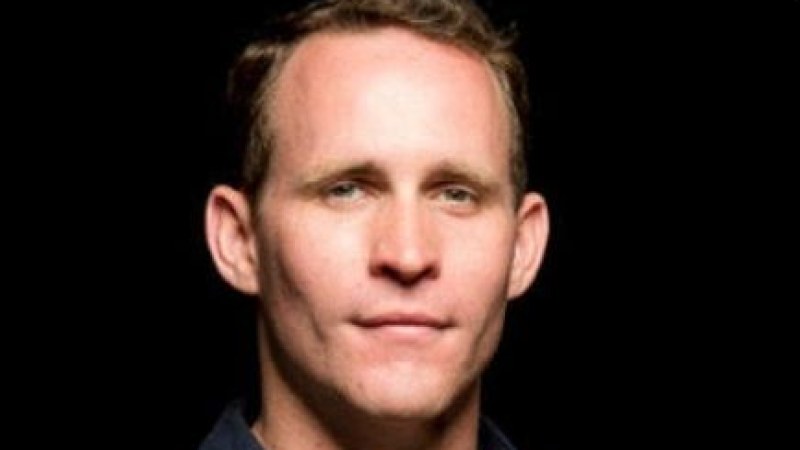
Will O'Brien
Will O'Brien is a serial entrepreneur, angel investor, and the CEO and co-founder of NFT Oasis, the metaverse platform owned and operated by Provenonce, Inc. A blockchain and gaming veteran, he co-founded and led Bitcoin security pioneer BitGo (later acquired by Galaxy Digital for $1.2B) and was named Bitcoin industry 'CEO of the Year' in 2014. Before that he ran corporate development at Big Fish Games and held operating roles at Keen IO and TrialPay. He has backed 70-plus early-stage startups, holds a Harvard computer science degree and an MIT Sloan MBA, and moonlights as an improvisational pianist.
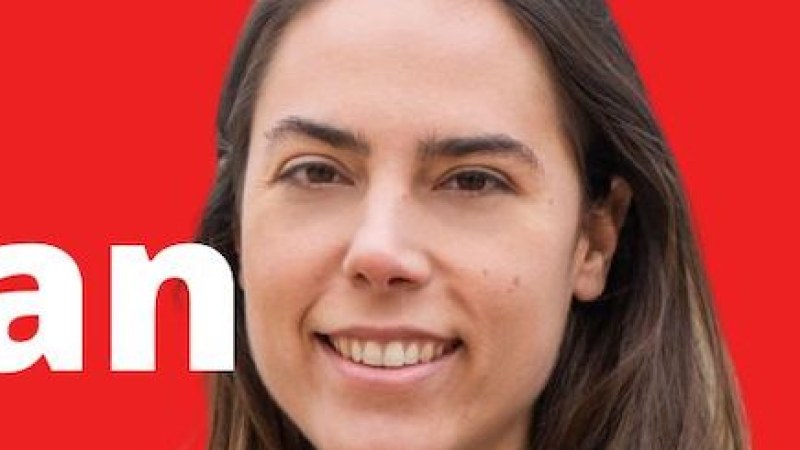
Ambre Soubiran
Ambre Soubiran is the CEO and chairman of Kaiko, the independent provider of institutional-grade, regulatory-compliant cryptocurrency market data and indices. After a decade structuring equity derivatives at HSBC in London and Paris, she walked away from traditional finance in 2016 to buy control of Kaiko - then a bright idea with no revenue and no staff - and built it into a global data business with roughly 130 people across New York, London, Paris and Singapore. She has raised over $80M and positions Kaiko as the trusted, neutral source of truth for crypto markets used by exchanges, asset managers and regulators.
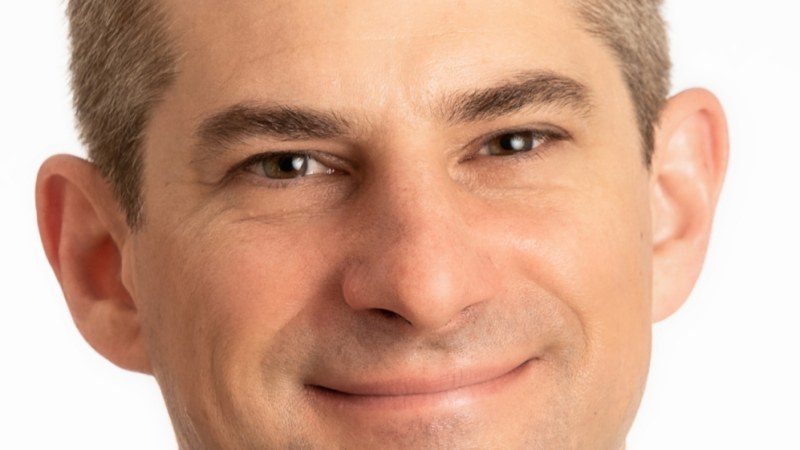
David Ripley
David 'Dave' Ripley is Co-CEO of Kraken, one of the world's largest and longest-running cryptocurrency exchanges. He joined via Kraken's 2016 acquisition of Glidera, a bitcoin wallet service he co-founded, and rose from COO to CEO to Co-CEO as Kraken expanded aggressively — completing $1.5B acquisitions, raising $800M in 2025, and filing confidentially for a U.S. IPO. A former BCG principal and electrical engineer turned crypto operator, Ripley has shepherded Kraken from a 50-person startup to a 2,600+ employee global exchange while navigating major SEC enforcement actions and a shifting regulatory landscape.
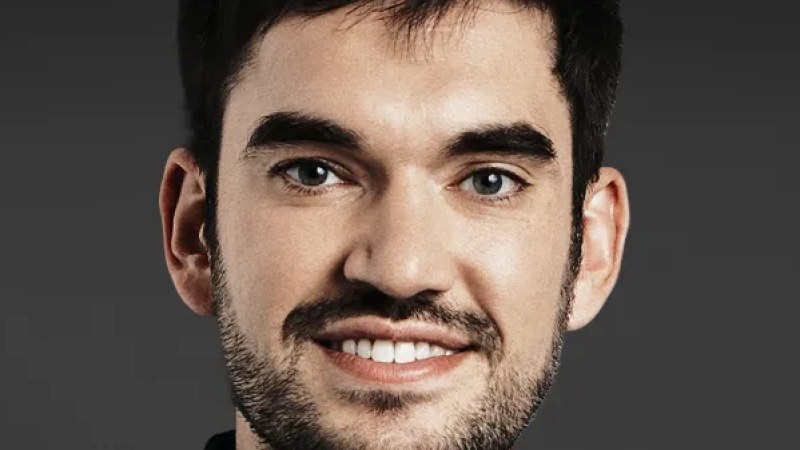
Alexander Leishman
Alexander Leishman is the Founder, CEO, and CTO of River, a Bitcoin-only financial institution built to provide brokerage, custody, and mining services to individuals and institutions. With a background spanning aerospace engineering at the University of Maryland, computer science at Stanford, and security engineering at Airbnb, Leishman co-founded River in 2019 after stints at MaiCoin, Deloitte, and Polychain Capital. River has raised over $17.7 million in venture funding and became the first Bitcoin-only exchange to publicly release its financial statements in April 2025. Leishman also serves on the board of Brink, a Bitcoin research and development nonprofit.