angel-investor
(430)
Andrey Horsev learned the product business one experiment at a time
From a web studio in Dnipro to ringtones, marketplaces and open data, the 908 co-founder has kept finding new uses for the internet. His career is a story of small conveniences, costly lessons and a willingness to start again.
David Ronick’s $5 lesson in listening
A submarine full of new customers helped change how the Stash co-founder understood his business. His career keeps returning to the same question: what do people actually need?
Adrian Aoun would rather rebuild the whole thing
He sold Wavii to Google, worked on Larry Page’s special projects, and spent eight years building Forward. His next chapters take the same appetite for reinvention into factories and firefighting.
David Decker and the business of saying yes
A former BYU third baseman helped build the payments business that became Nexio. His story runs through bank relationships, a regulatory reckoning, and the decision to hand over the CEO’s chair.

Brendan Gill wants your phone to tell the truth
He helped build Opensignal around a stubborn question: what does a mobile network actually feel like to use? From signal boosters to his latest role at Bondio, Brendan Gill keeps returning to the gap between a promise and a connection.
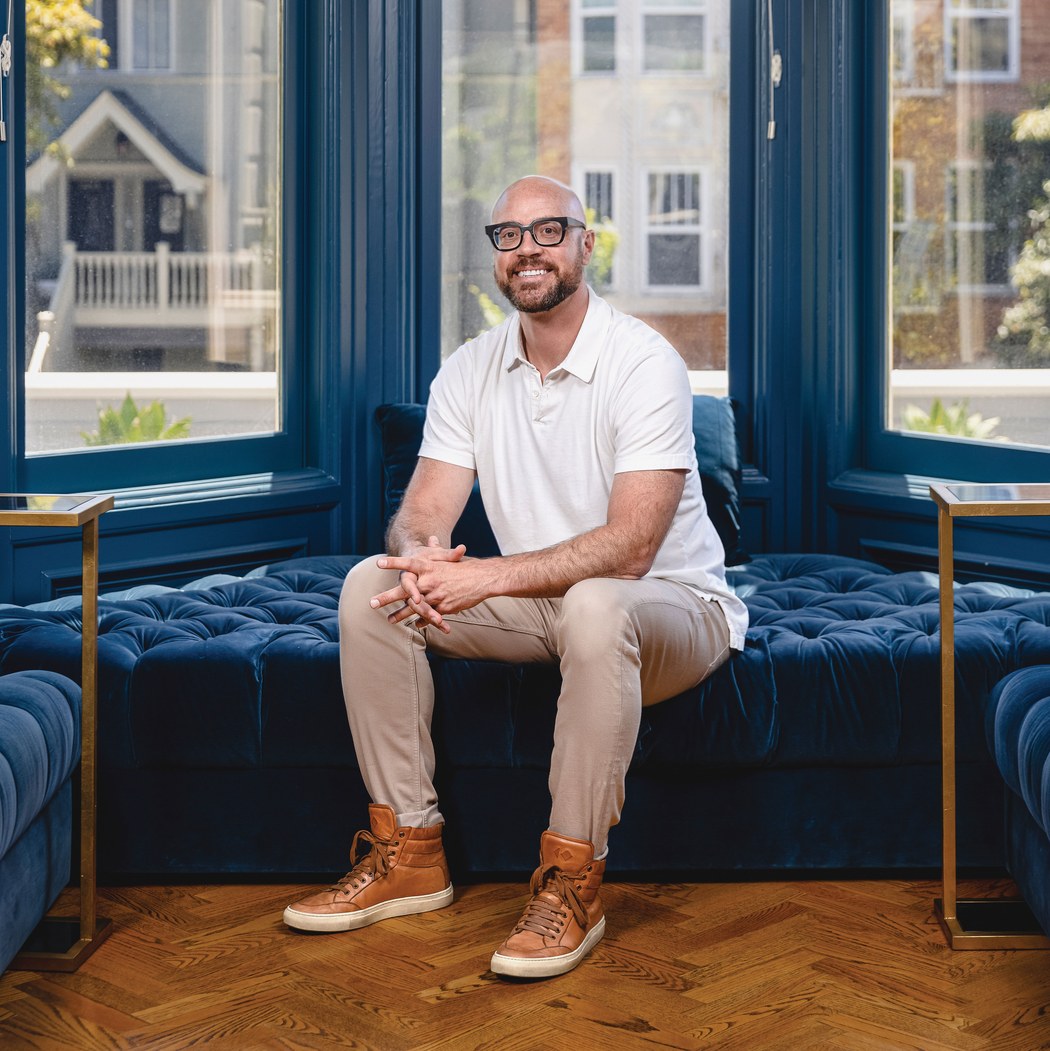
John Kobs keeps making room for the next idea
A miserable apartment hunt gave John Kobs a business to build. From Apartment List to digital art and Giant, his career keeps returning to a personal question: could this work better?
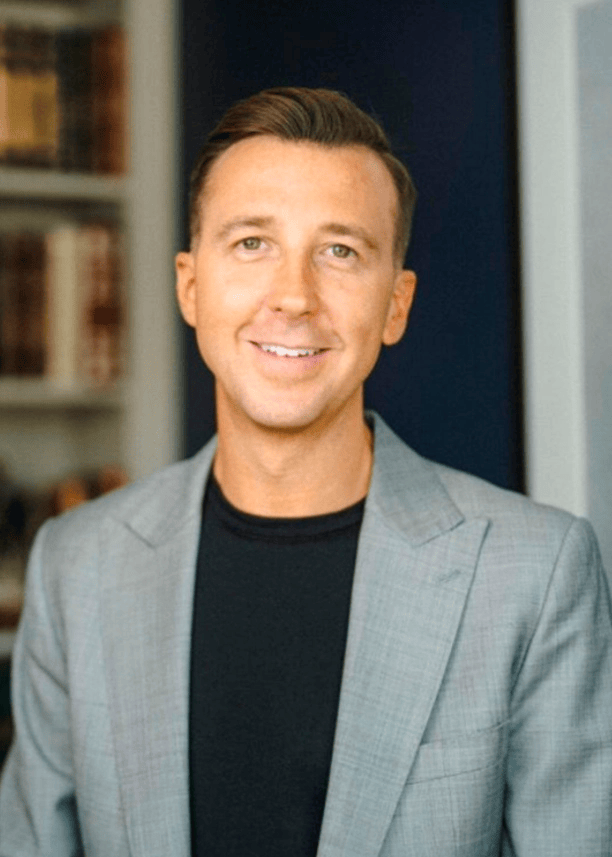
Ryan Westwood sold Simplus. Then he called the team back.
After the sale of Simplus to Infosys, Ryan Westwood returned to company building with familiar colleagues and a stake in Fullcast. His story begins with a ten-dollar trading-card venture and keeps coming back to who shares the winnings.
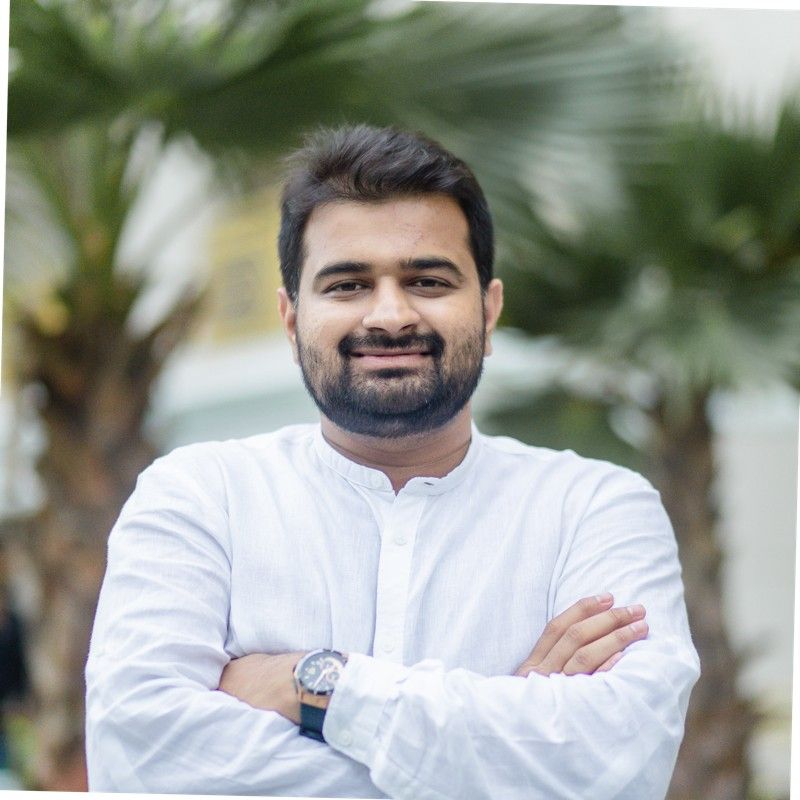
Yash Chouhan has two ideas about growing up
The American Chase co-founder has built a career around work and the people who do it. Becoming a father gave him another way to think about what growth asks of you.
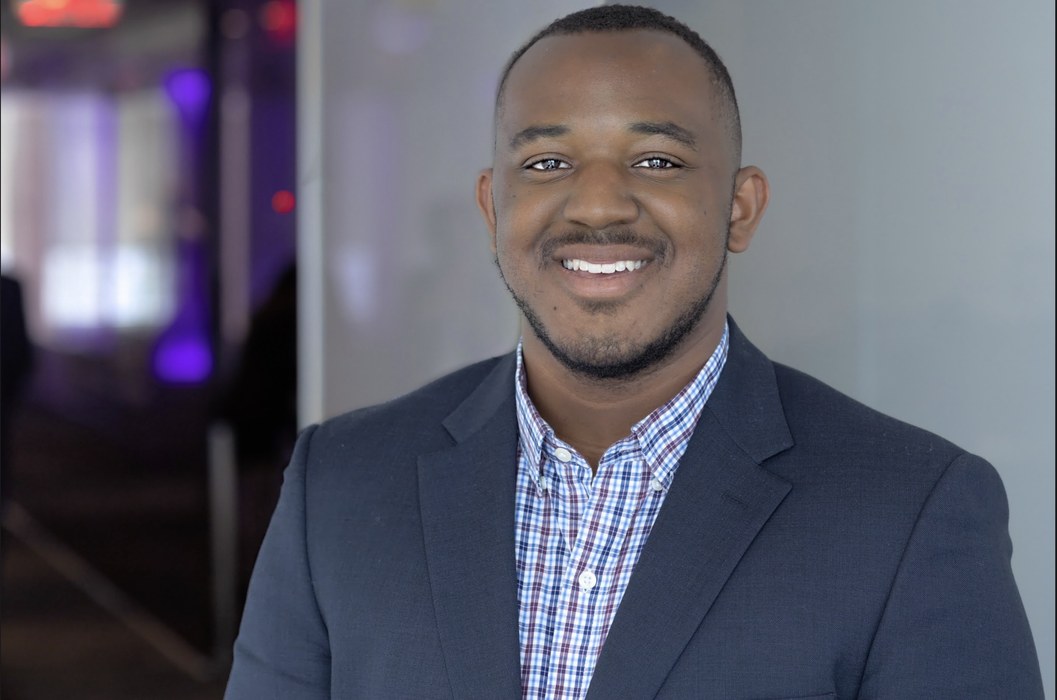
Michael Broughton turned a $10,000 rejection into a different kind of credit
A tuition shortfall led him to co-found Altro and make everyday subscriptions count toward credit. After its acquisition, he is building Growth Sync with a sharper appetite for revenue, smaller teams, and proof.

Amit Govil gave a founder three hours. Then he said yes.
Before backing Prowrrap, the Calance founder listened to a pitch without a deck. His career offers a longer view of the same proposition: businesses are built through the people willing to work together.
Vikas Kamran has a long-running argument with complexity
At Revel, Vikas Kamran set out to remove the bureaucracy between people and good work. Now president of Gradial, he is taking that argument into enterprise AI.
Brandon Card found a business in the fine print
A 95-slide contract chore helped push Brandon Card toward Terzo. The former Syracuse linebacker is now building AI to connect the promises companies sign with the money they actually spend.
Matt Pauker and the work between the headlines
From Stanford encryption research to 21/Earn.com and Ivy Invest, Matt Pauker keeps returning to the difficult middle of building a company. His essays explain what the acquisition announcements leave out.
Mian Ali and the deal he let go
He passed on HungryHouse while building TransData. His later backing of HalalEat reveals how a working relationship became an investment.
Anshu Sharma would like your data to stay put
After Oracle, Salesforce and years of backing founders, Anshu Sharma built Skyflow around a stubborn question: why should every application keep a copy of your private life? AI has given that question a new urgency.
Demetri Karagas had time for lunch. It didn’t last.
After Thirty Madison’s sale, Demetri Karagas took a break, travelled with his family and lingered over lunch. Now he is building Sentinel with a co-founder he met in his first week at NYU.
Josh Abramowitz built Bread by letting retailers keep the spotlight
A hedge-fund investor and Yale-trained lawyer, Josh Abramowitz co-founded Bread around a quiet proposition: the retailer should own the customer relationship. In 2020, Alliance Data agreed to buy the business in a deal valued at about $450 million at signing.
Rick Berry built a $423.5 million business out of everyday follow-ups
Demandforce made the routine work of keeping customers a business of its own. Its founder, Rick Berry, went from a garage startup to Intuit, then turned his experience toward backing and coaching other entrepreneurs.

Vishal Gondal’s Pepsi pitch came with a desktop
Before Indiagames reached phones around the world, Vishal Gondal carried a computer into Pepsi’s office. The GOQii founder’s career still turns on the same question: what would make somebody want to play?

Gaurav Kumar plays the long game
A conference badge, a stack of business cards and a job nobody wanted helped shape Beyond Codes. Its founder has since found another classroom for selling: the golf course.
Jeremy Schwach’s first business came with a VCR
From a college bus service to Bluetree and Hummingbird Healthcare, Jeremy Schwach keeps returning to a practical question: how do you build a company where people can do good work and tell you the truth?
Vlad Medvedovsky wants AI to earn its keep
The Proxet founder has spent his career helping other people’s software work. His next proposition: AI needs clearer instructions, better data, and humans who know what they are trying to build.
Blake Murray put the expense report on notice
A restaurant business gave Blake Murray a problem worth solving. With Alex Bean, he built Divvy around real-time spending control, then sold it to Bill.com for approximately $2.5 billion.
Jeff Fluhr put a guarantee on a stranger’s ticket
Before StubHub became a familiar name, Jeff Fluhr and Eric Baker had to make buying a stranger’s ticket feel sensible. The former CEO’s story runs from toy-store sales calls to a $310 million deal, then back to the pleasure of building.

Andrey Doronichev keeps going back to zero
He helped put YouTube in a billion pockets, then traded video for virtual worlds. Now the BIOPTIC co-founder is writing about the skill he keeps practising: becoming a beginner again.
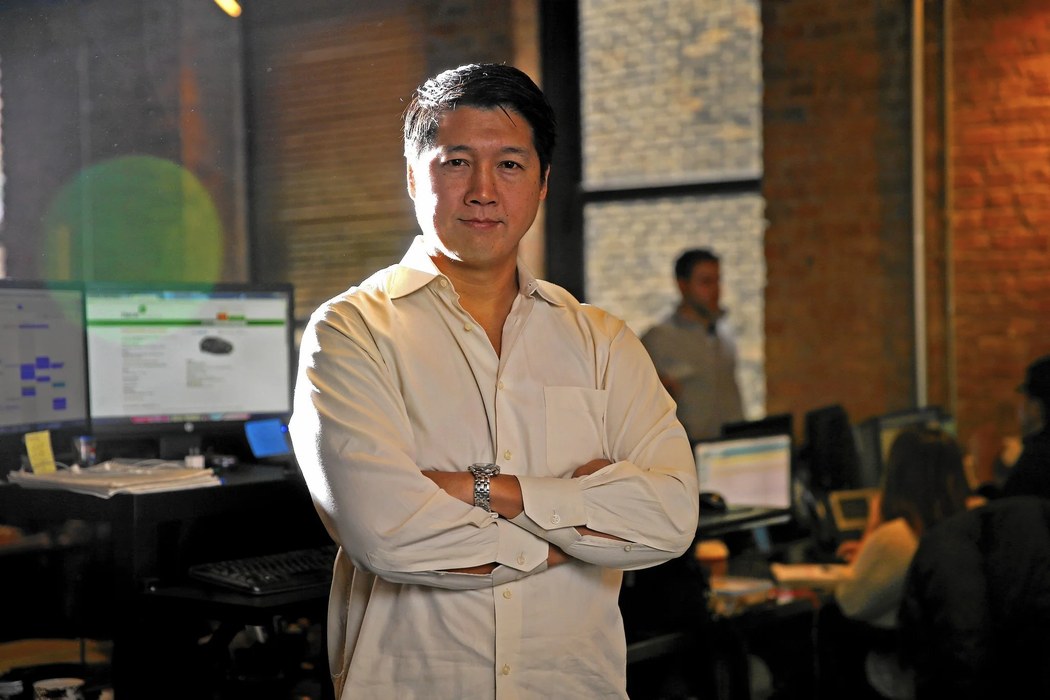
Eddie Lou knows what happens after the check clears
A failed dot-com, a second turn as a founder, and a search for his own successor at Shiftgig. Eddie Lou has built his investing life around the parts of entrepreneurship that a pitch deck leaves out.

Raghunandan G and the trouble with starting over
After TaxiForSure’s $200 million sale, Raghunandan G spent years backing other founders. A dinner in New York brought him back to building, with a question about why a person’s financial history cannot travel as easily as they can.

Dhruvil Sanghvi and the decisions between here and there
A family business taught him to watch the transaction. Building LogiNext taught Dhruvil Sanghvi to look at everything that happens before a delivery reaches the door.
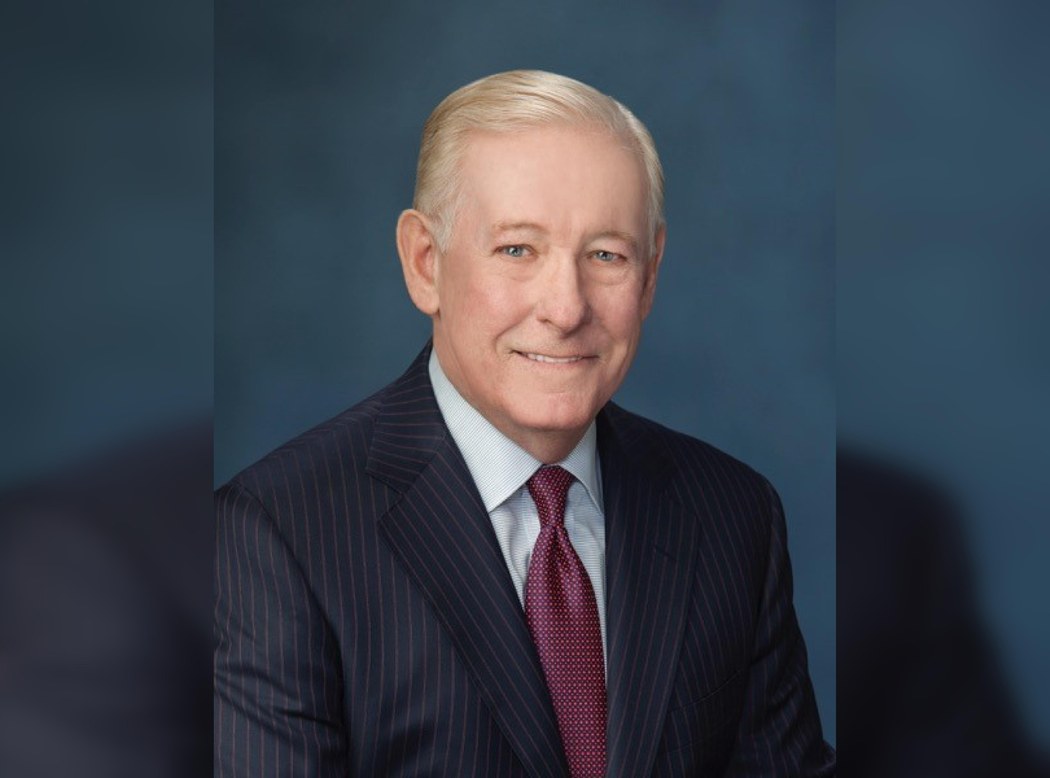
Larry Lawson and the business of the second act
Before he founded eCardio, Larry Lawson played keyboards in a Texas rock band. His next career took him through self-funded beginnings, a corporate merger, and a return to the business of helping other people start.
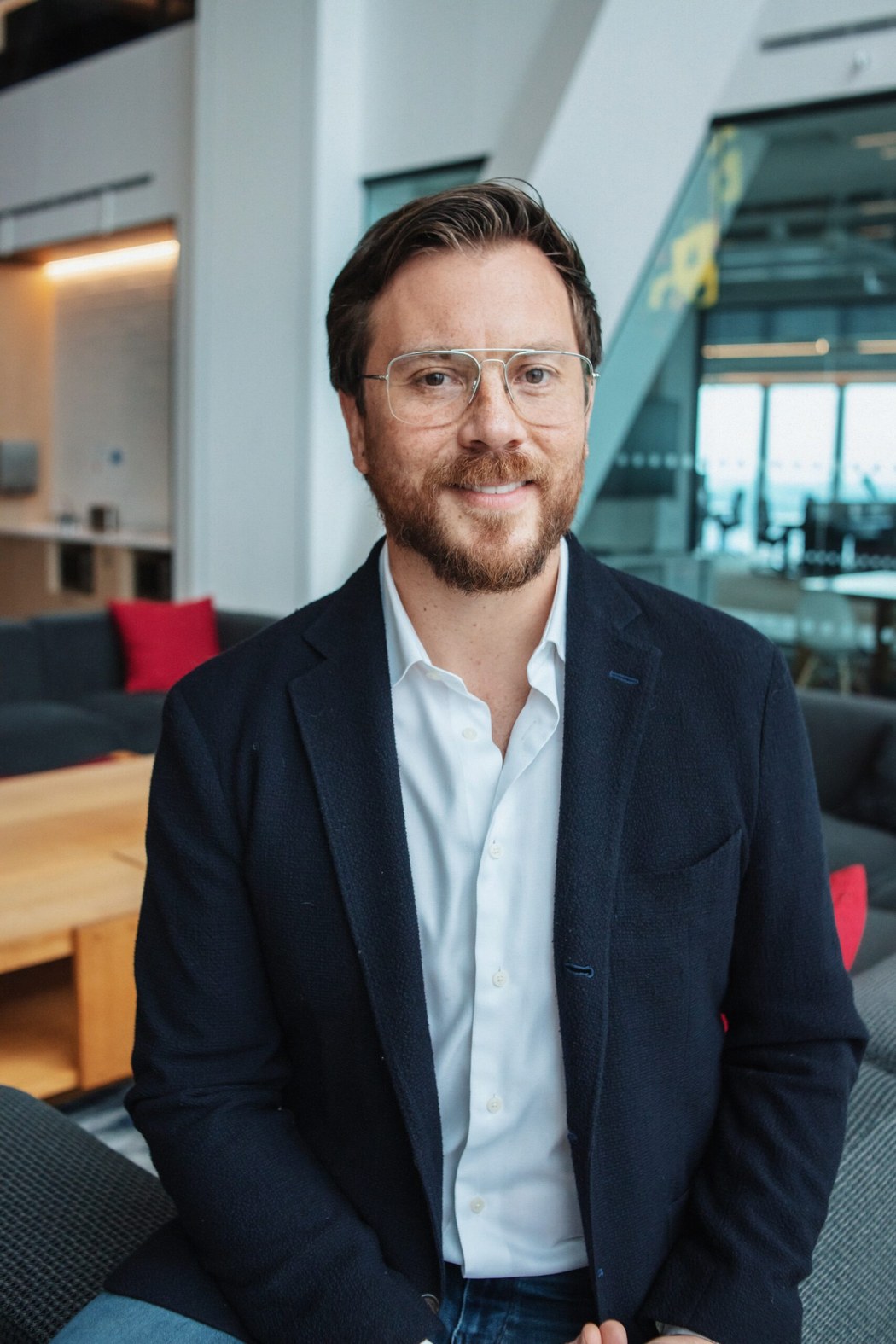
John Roa and the trouble with knowing what people want
He started by fixing computers in people’s homes, built a design firm that Salesforce bought, and founded AnthologyAI. Now John Roa is asking how much an AI should understand before we let it act for us.