agtech
(50)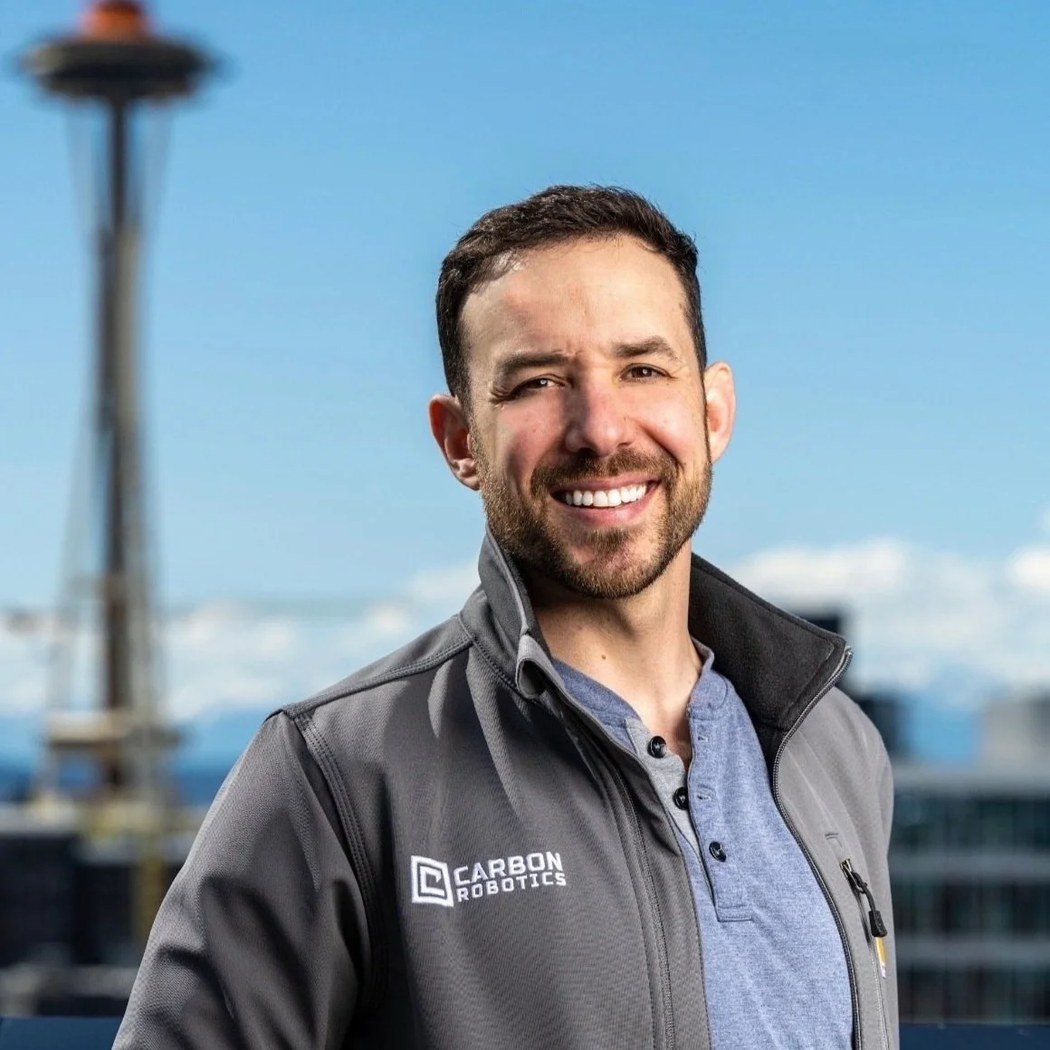
Paul Mikesell Took AI Out of the Cloud and Put It in the Dirt
After years spent scaling storage, databases and machine learning, the Seattle engineer found his most demanding computer at ground level - where dust, weather and skeptical farmers make every elegant idea prove itself.
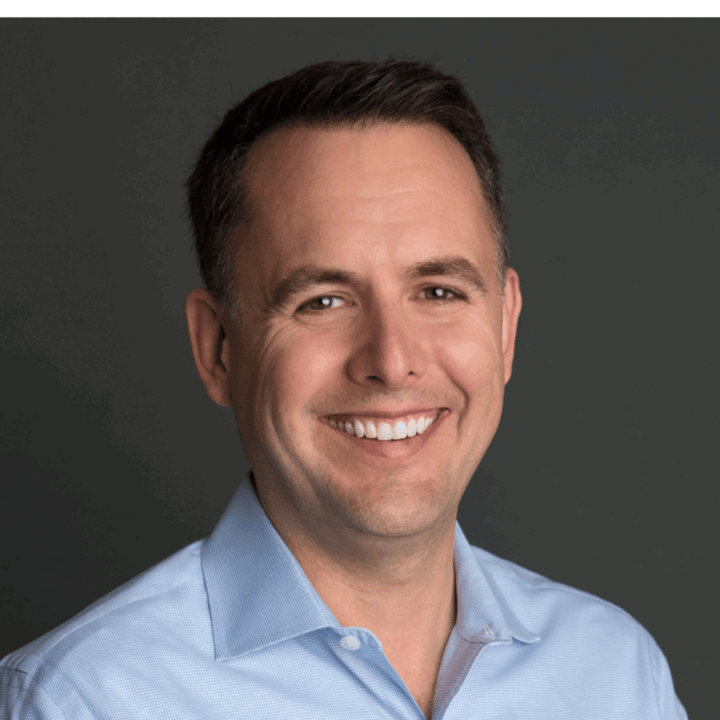
Rob Hranac Is Taking the Long Way Down to Scale Climate Tech
After years spent making roads legible, GPS precise and soil measurable, Rob Hranac has arrived at Loam Bio with a practical brief: turn microscopic fungi into something farmers can trust at field scale.
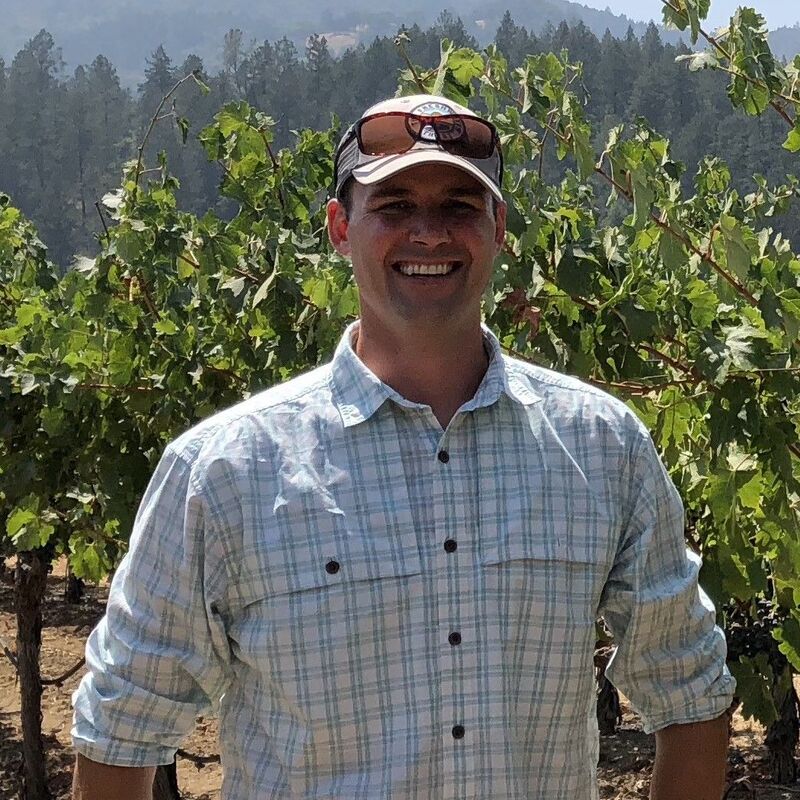
James Ethington Is Making Farm Data Earn Its Keep
After helping turn Climate FieldView into a tool used across 50 million paid acres, the Arable CEO is chasing a harder prize: field intelligence simple enough to trust when water, yield, and livelihoods are on the line.
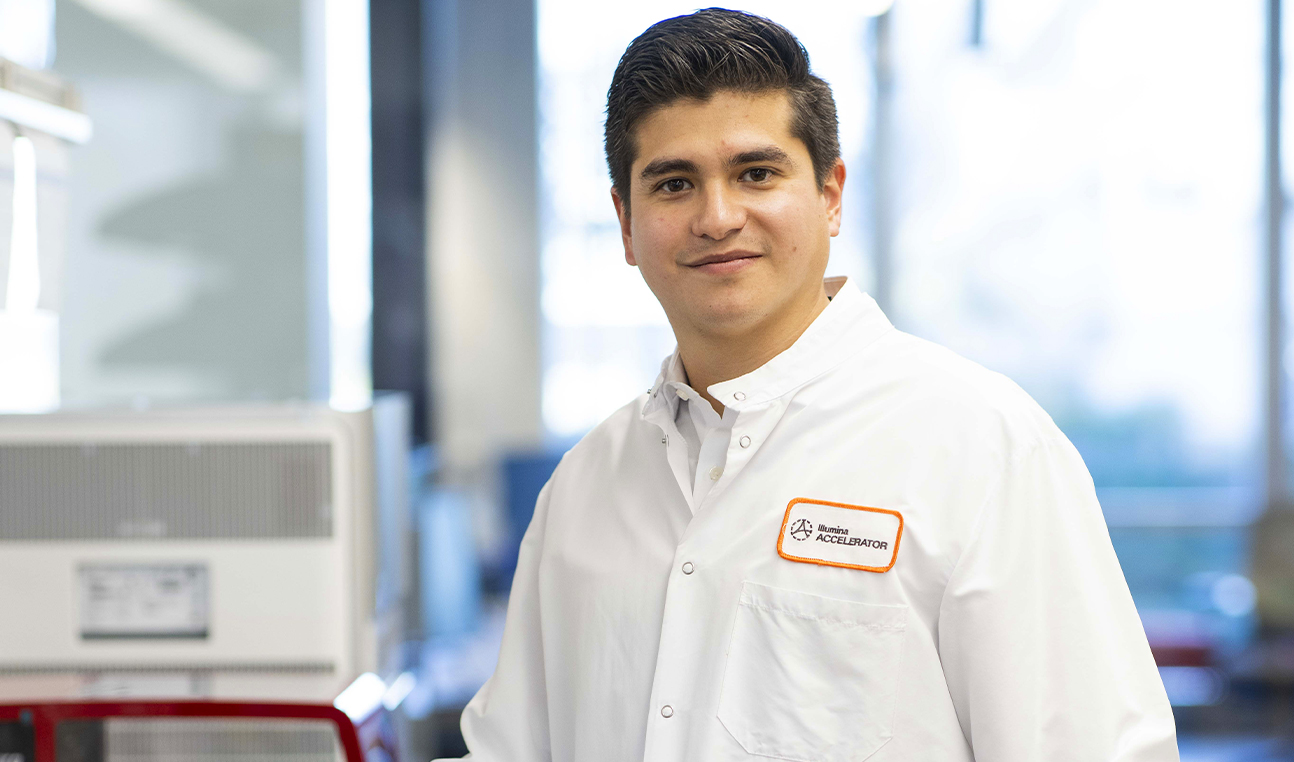
Irving Rivera Is Teaching Agriculture to Read the Soil's Hidden Signals
The Solena co-founder began with a student biofertilizer project. A decade later, he is turning billions of DNA sequences into decisions farmers can use.
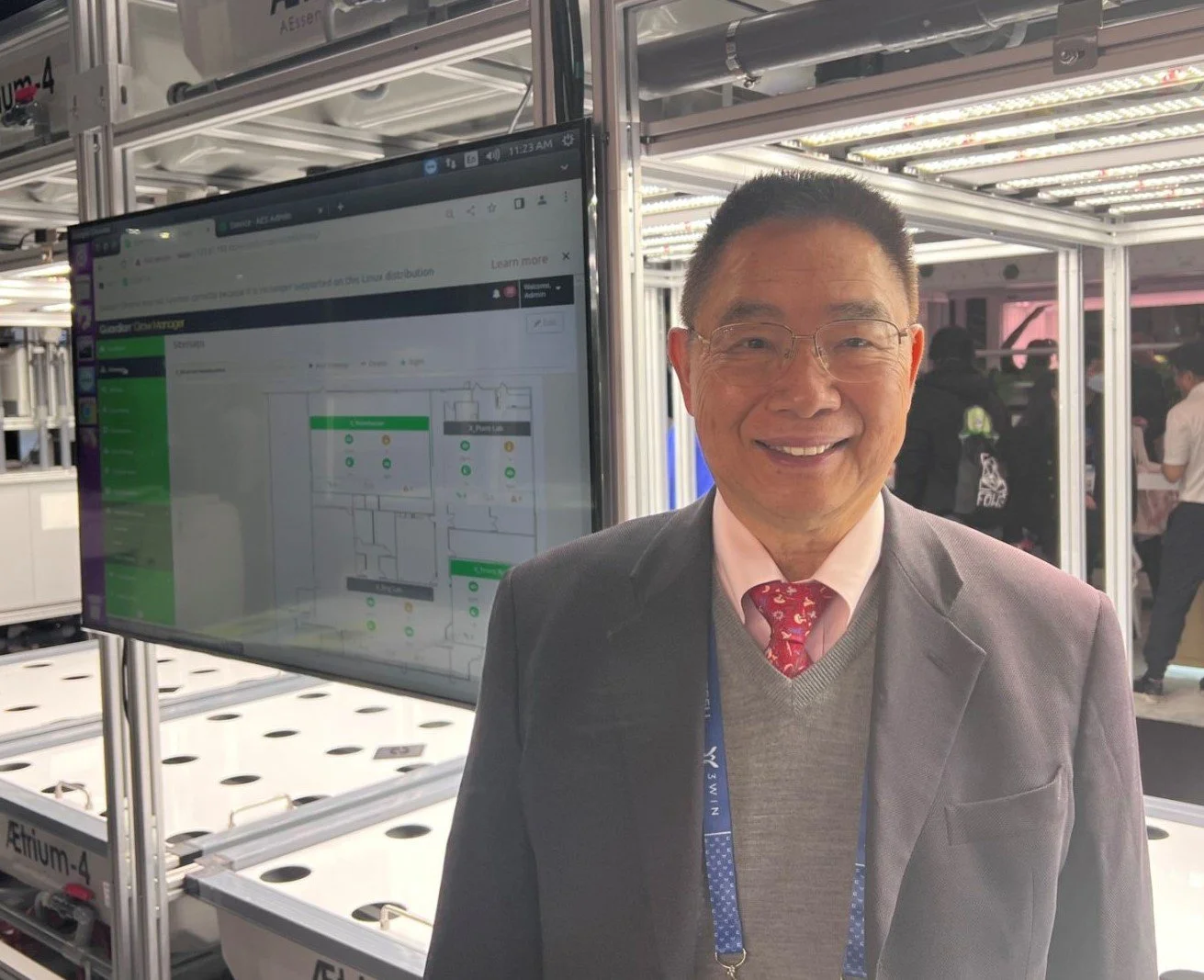
Robert Chen Has Spent 45 Years Teaching Machines to Pay Attention. Now They’re Watching Plants.
The AEssenseGrows founder built his career around sensors, software and machines that notice what people cannot. His latest bet puts that same discipline to work in the root zone.
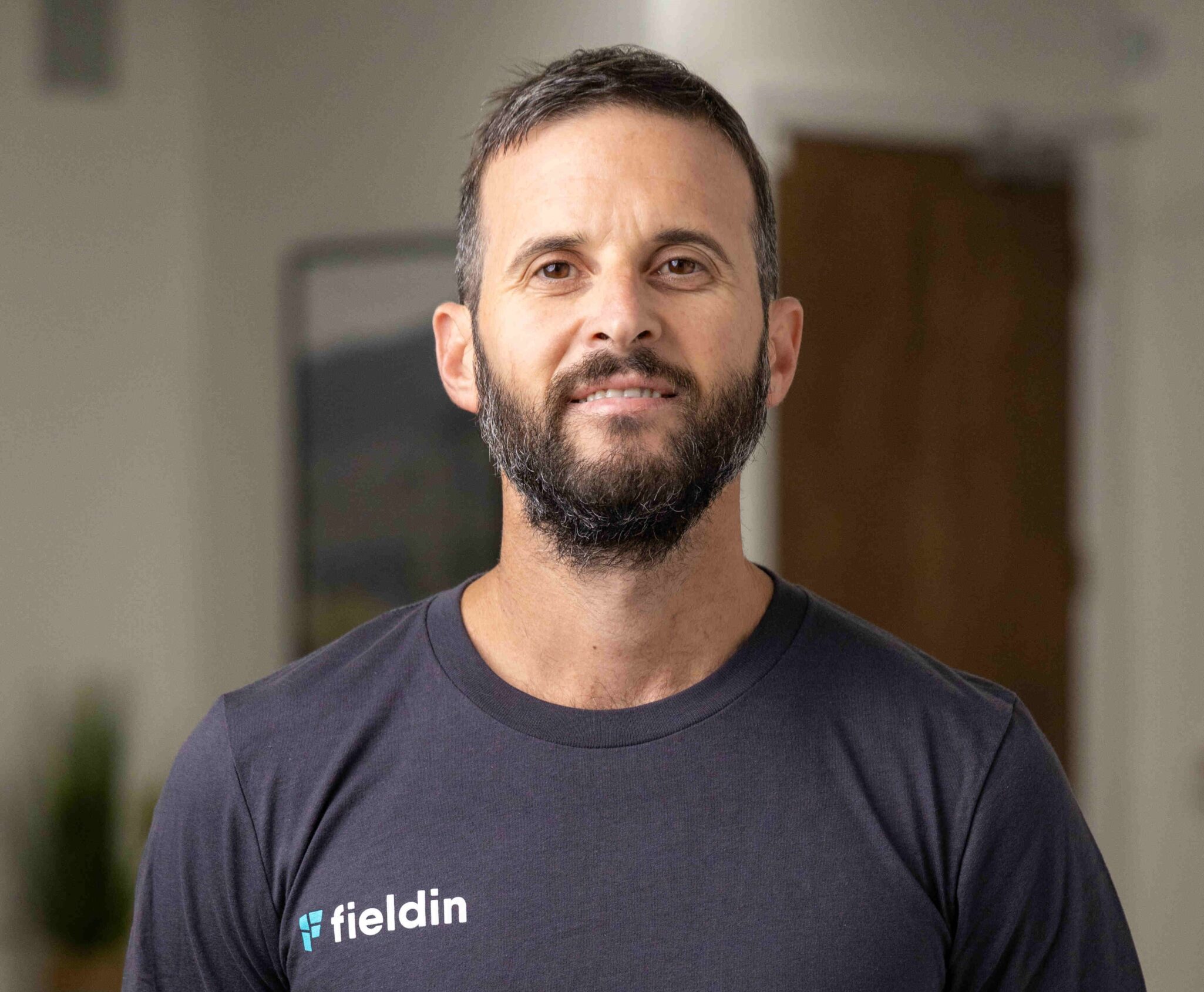
Iftach Birger Is Teaching Farms to See the Work
Raised in a farming family and trained as a plant scientist, Fieldin’s co-founder spent a decade turning tractors, sprayers and field crews into readable operations. Now, as CEO, he is betting that useful farm AI begins with earning the grower’s trust.

Eitan Marder-Eppstein Put Warehouse Robots on Salad Duty
The roboticist who once taught machines to navigate offices is now giving them watering cans - and asking whether a greenhouse can compete with a field on price.

Liane Hart Is Teaching a Phone to Read the Breeding Barn
A Purdue geneticist, horse breeder and former animal-industry marketer saw an overlooked laboratory tool and asked a farm question. Her answer became Verility - a four-person Indiana company trying to put fertility intelligence in a producer's hand.
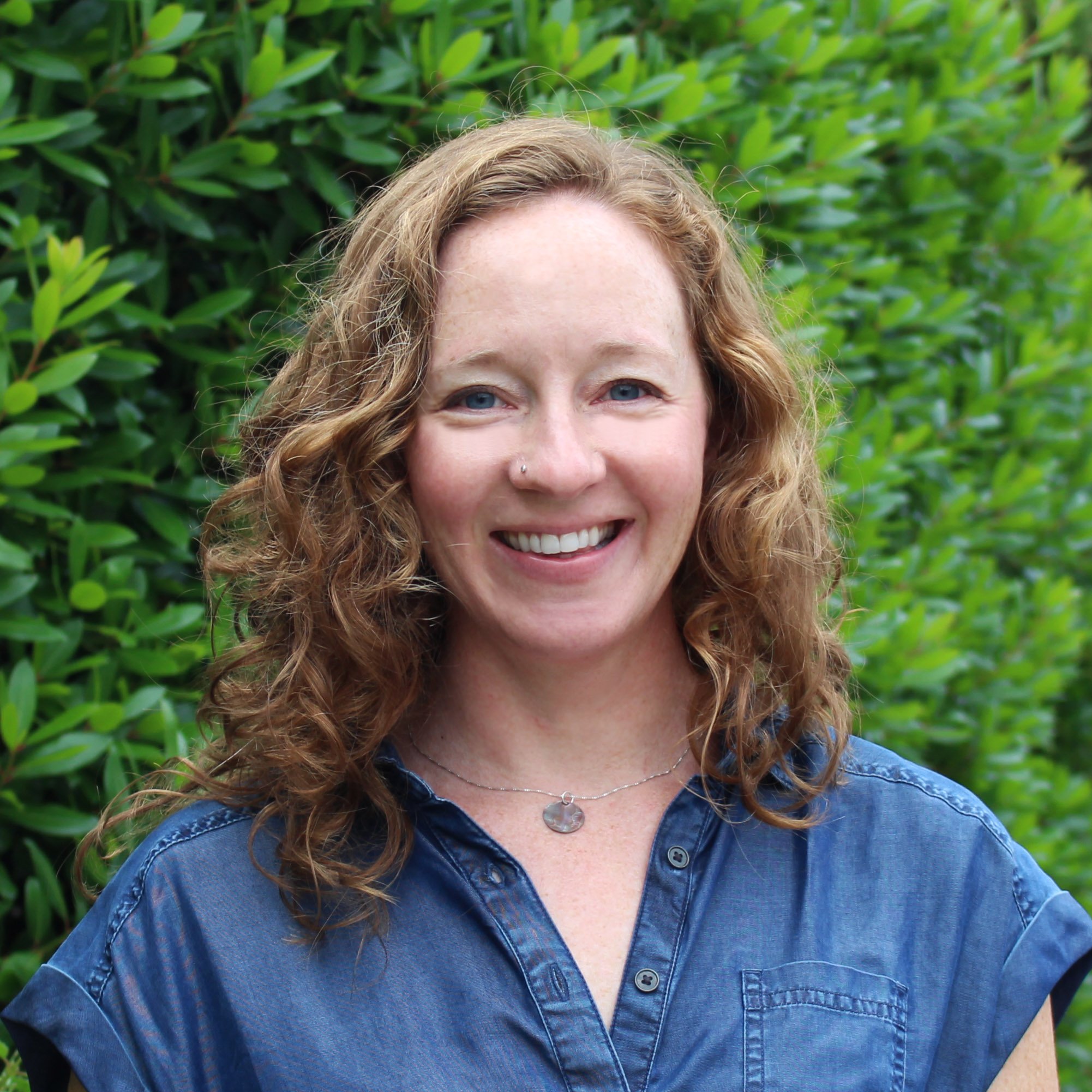
Hannah Freeman Put HR Software in the Strawberry Field
After 14 years listening to growers and farmworkers, Hannah Freeman saw a workplace-software market hiding in plain sight. Ganaz is her attempt to make the business of feeding people work better for the people doing it.
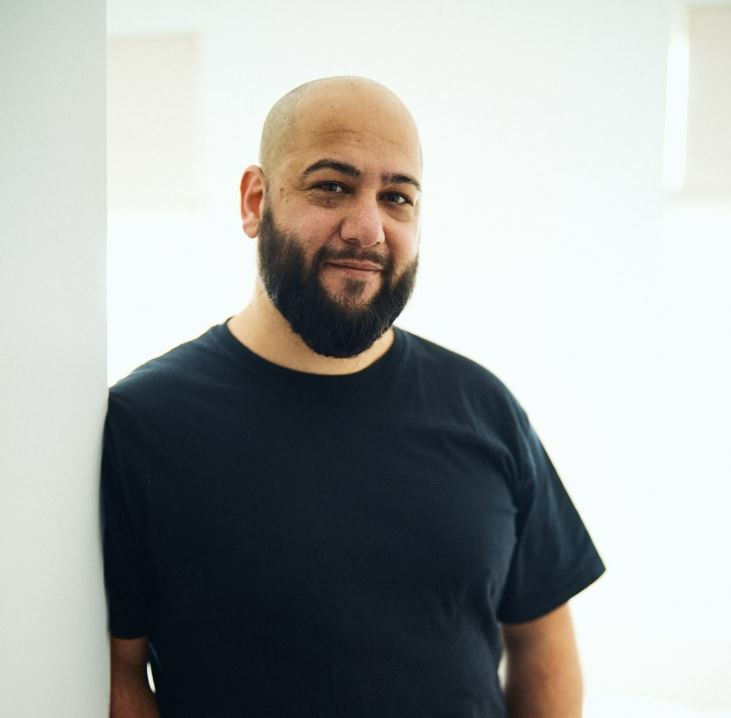
Remo Carbone Is Turning a Butcher’s Eye Into Data
The MEQ Solutions co-founder spent years teaching cameras and probes to read red meat. Now his company is trying to make objective measurement the common language of a global supply chain.
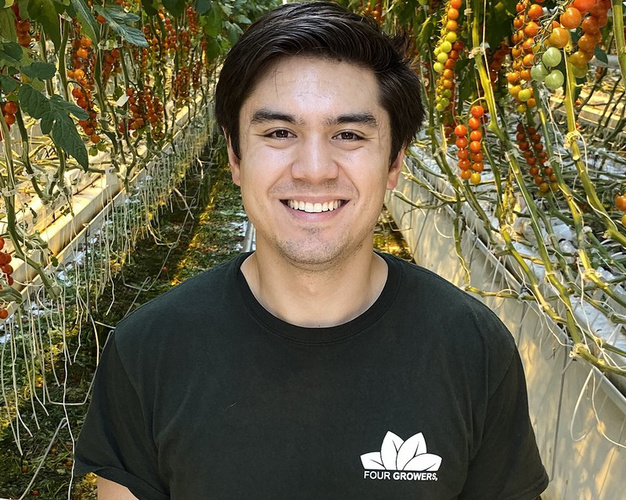
Brandon Contino Taught a Robot to Pick the Produce Aisle
He started with neural prosthetics, followed a water problem into agriculture, and discovered that the hardest part of a tomato is persuading a machine to pick it quickly, gently and all day long.

Chris Tolles Is Building a Tape Measure for the Dirt
The furniture designer turned climate founder is betting that better soil data can make carbon claims more credible - and regenerative agriculture more useful to the people who actually work the land.
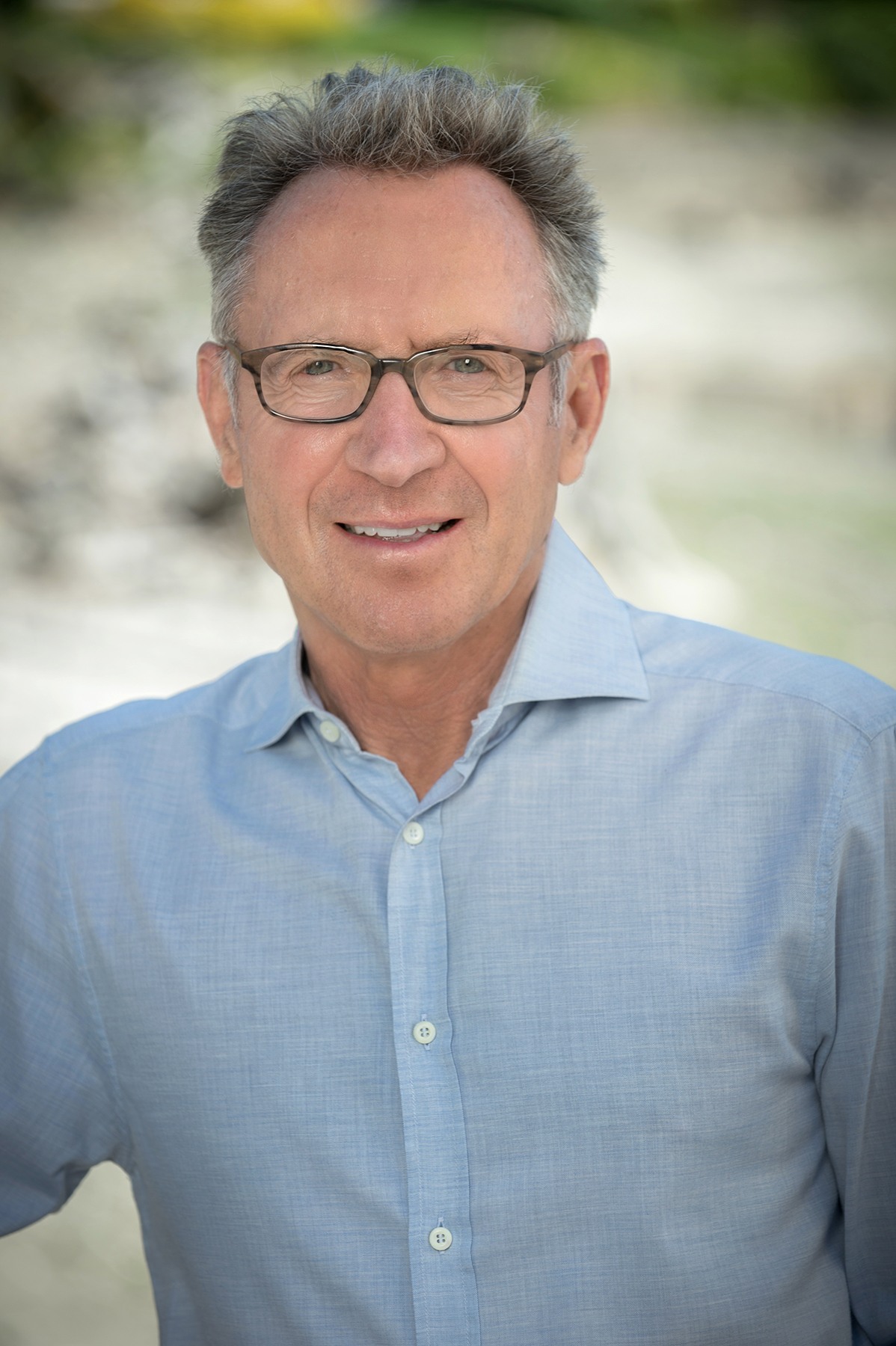
George Lobisser Put Blueberries on Pause
After selling a postharvest chemistry business, George Lobisser made a contrarian bet on pressure, patience and very little air. His second act at RipeLocker is a lesson in designing for the stubborn realities of fruit.
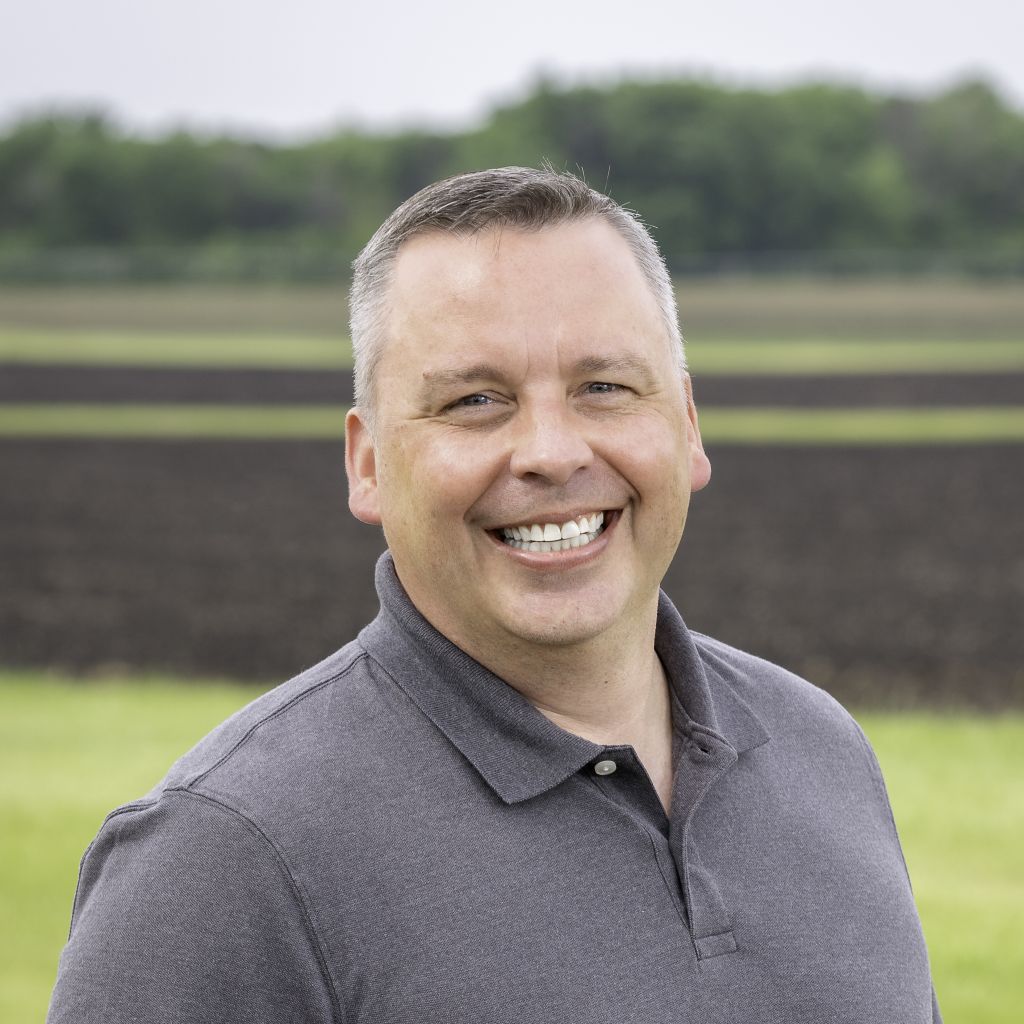
Nick Iwig Is Moving Seed Treatment to the Last Responsible Moment
After a career that ran from a Wisconsin malt house to soybean strategy and seed-treatment sales, the Iowa founder is betting that one of farming’s oldest decisions should happen seconds before the seed meets soil.

Moody Soliman Put a Climate Strategy on a Fruit Sticker
The Ryp Labs co-founder spent years learning that the crucial part of deep tech is often where you put it. His answer to produce waste fits inside a clamshell lid.

Len Kahn Keeps Finding the Next Move
After building, selling and rebuilding agricultural marketing firms, Len Kahn has taken his farm-bred instincts into agtech. His career is a case study in staying close to the customer, saying the useful thing out loud and always keeping one move in reserve.
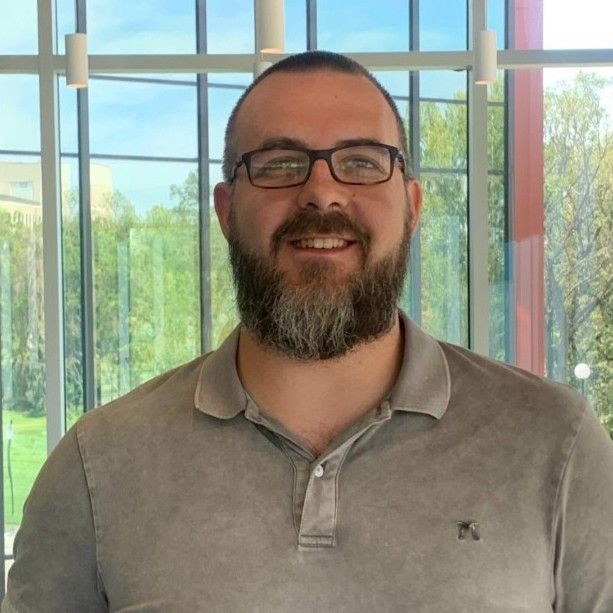
Daniel McCann Is Teaching Farm Machinery to See Every Plant
A houseplant taught his computer vision system to recognize green. A Saskatchewan upbringing supplied the larger question: could machines make a decision for every plant in a field?
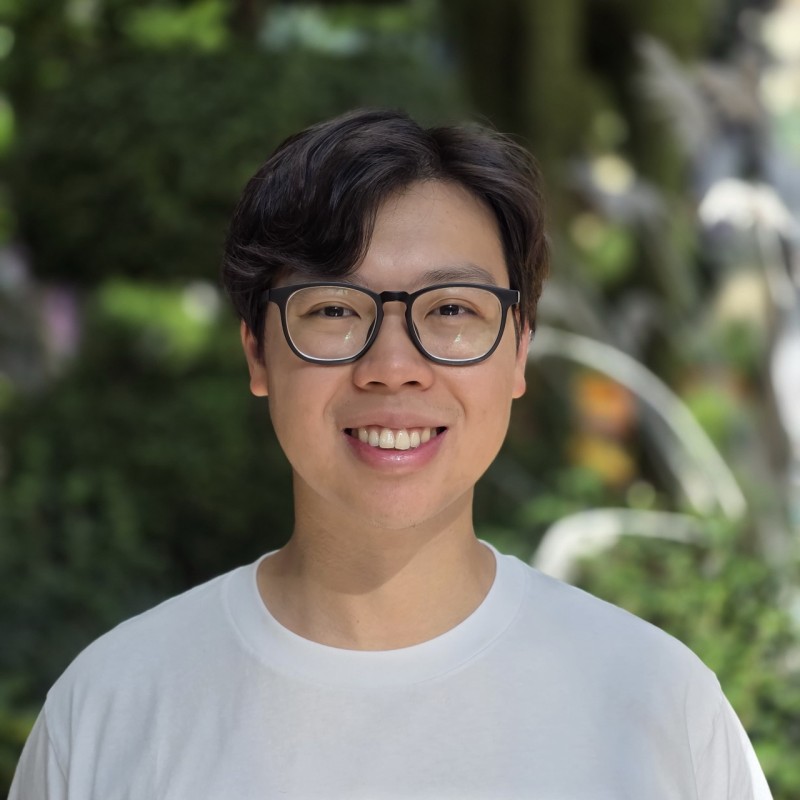
Warren Wang
Warren Wang is the co-founder and CEO of Rebulk (YC S25), a Kansas City-area startup building an operating system for bulk materials - using cameras, LiDAR, and computer vision to measure and track piles of feed, grain, sand, and biomass that never fit into boxes or barcodes. An Indonesian immigrant who arrived in the U.S. on Christmas Day 2016, Warren went from launching drone delivery at Chick-fil-A and leading product at agtech company Milk Moovement to investing at Dynamo Ventures before starting his own company. Rebulk began life as dScribe AI, a video transcription tool, and pivoted after Warren and his co-founder kept hearing the same complaint from industrial operators: nobody actually knows how much bulk material is on site.
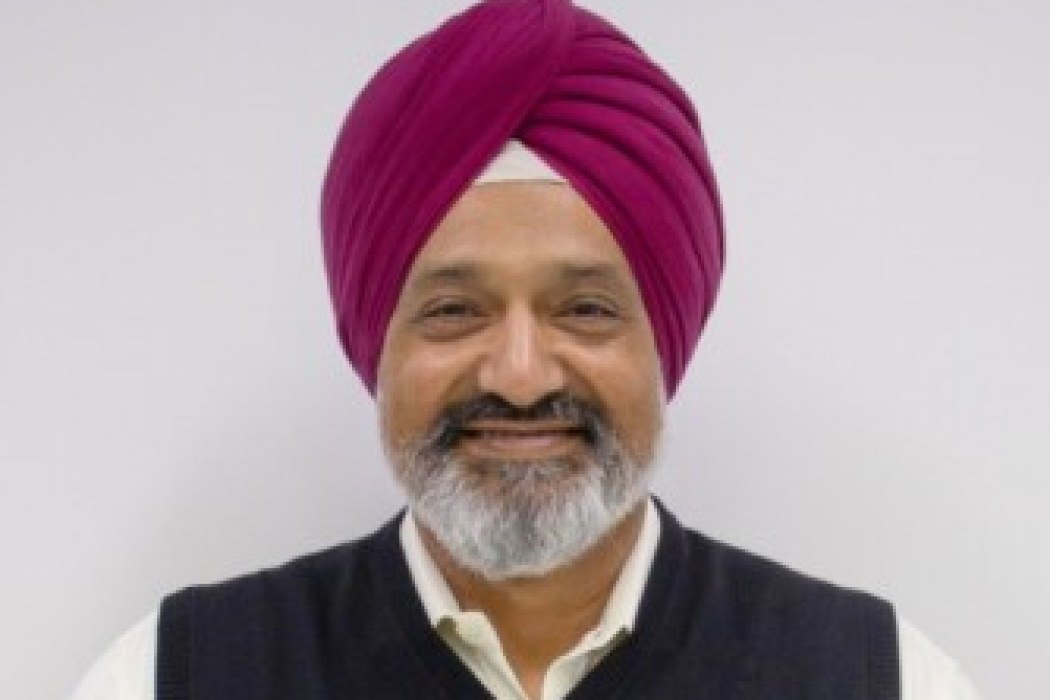
Sumer Johal
Sumer Johal is a technology executive and entrepreneur with more than 25 years building digital-first organizations across agtech, bioenergy, semiconductors, financial services, and consumer retail. He grew up in a farming family in Punjab, India, studied computer science and electrical engineering at MIT, and has spent the past decade focused on food and agriculture. He founded the food-industry big-data company Agralogics, launched and led AgStack at the Linux Foundation, ran the precision-agriculture company Semios (which rebranded as Almanac), and became CEO of Full Harvest, the B2B produce marketplace, as it moved into AI-driven agentic orchestration for the food supply chain.
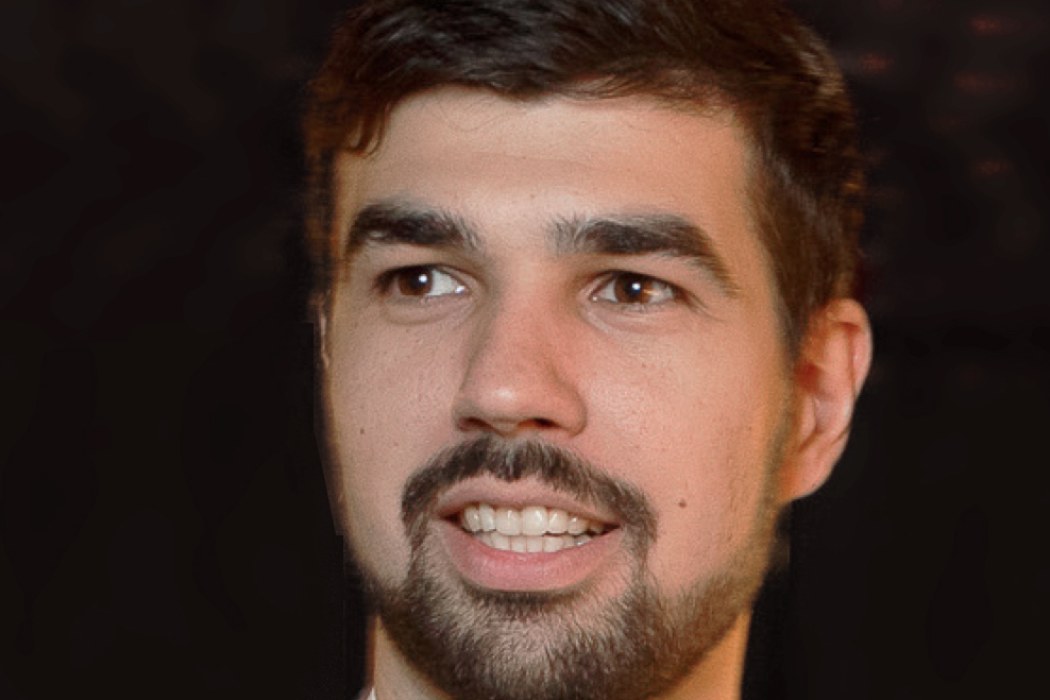
Egor Kirin
Egor Kirin is the founder and CEO of Agro.Club, a full-stack B2B agriculture marketplace that connects input manufacturers, distributors, farmers, and grain buyers across Europe, South and North America. After nearly a decade of executive roles at Monsanto and a stint leading marketing at EuroChem, he left corporate agriculture at 31 to build a technology and embedded-finance platform aimed at making the grain supply chain more efficient, transparent, and secure.
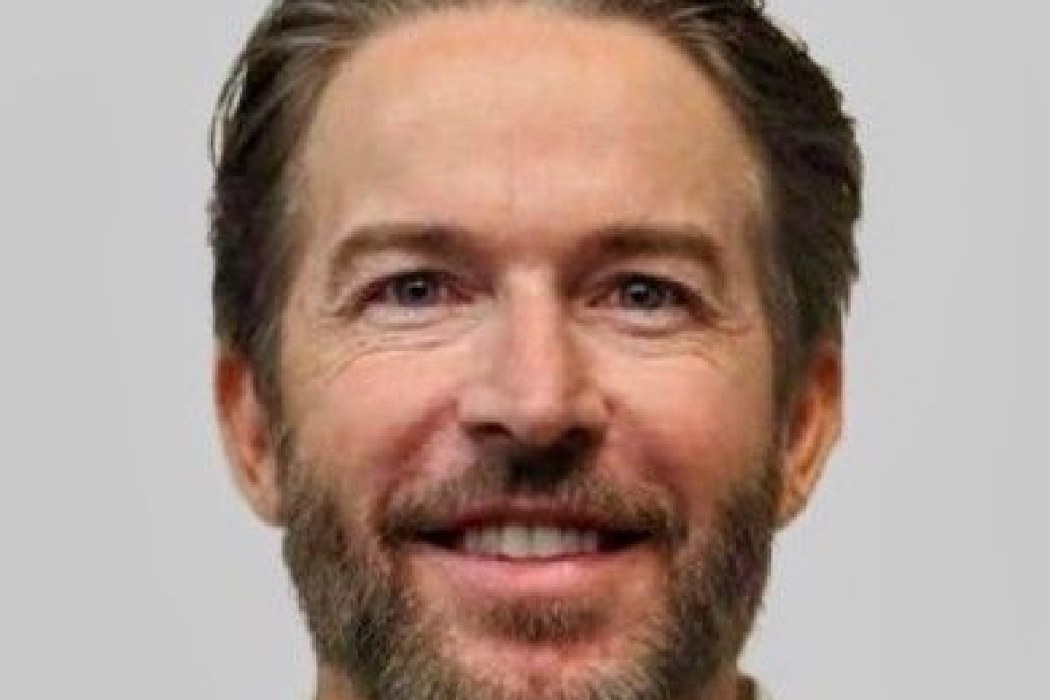
Jamie Strachan
Jamie Strachan is the CEO of Nabaco, a San Marcos, Texas agricultural-science company building natural, clay-based barrier coatings that extend the shelf life of fresh produce and cut food waste. A produce-industry executive with more than 20 years in the business, he previously ran Green Giant Fresh (Growers Express) and founded and chaired the leafy greens marketing effort in California. At Nabaco he is commercializing a patented, tasteless and odorless protection technology across pre-harvest, packaging, and post-harvest applications, including a distribution partnership with AgroFresh.
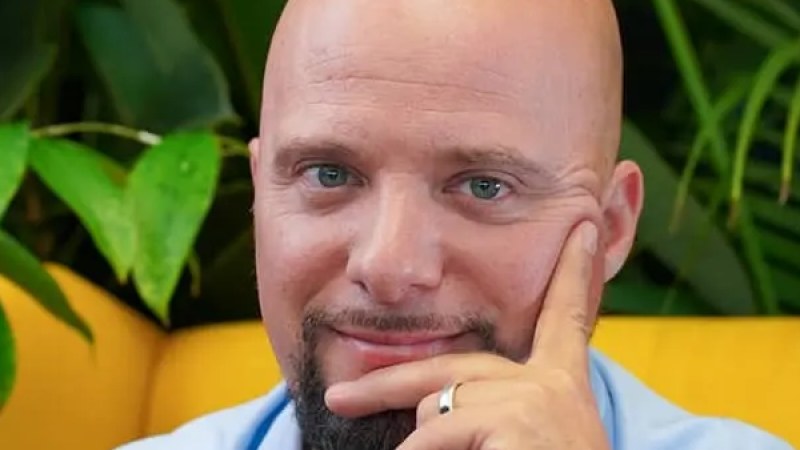
Pierre-Antoine Mariage
Pierre-Antoine Mariage is the founder and CEO of Botalys, a Belgian agtech company that grows rare medicinal plants like Korean ginseng and Fjord Rhodiola indoors using a proprietary hydroponic technology, supplying ultra-pure botanical ingredients to the nutraceutical, cosmetic and pharmaceutical industries.

Steve Sibulkin
Steve Sibulkin is the CEO and board member of BioLumic, a New Zealand-and-US agtech company that uses precise UV light signals to switch on genetic traits in seeds without genetic modification. A repeat CEO with a background bridging advertising strategy and agriculture, he earlier co-founded and led Agronomic Technology Corp, maker of the Adapt-N nitrogen tool, which was acquired by fertilizer giant Yara International. He now leads BioLumic's push to commercialize xTraits, light-programmed seed traits it says can cut years and up to 90% of the cost out of traditional trait development across corn, soybean, rice and forage.
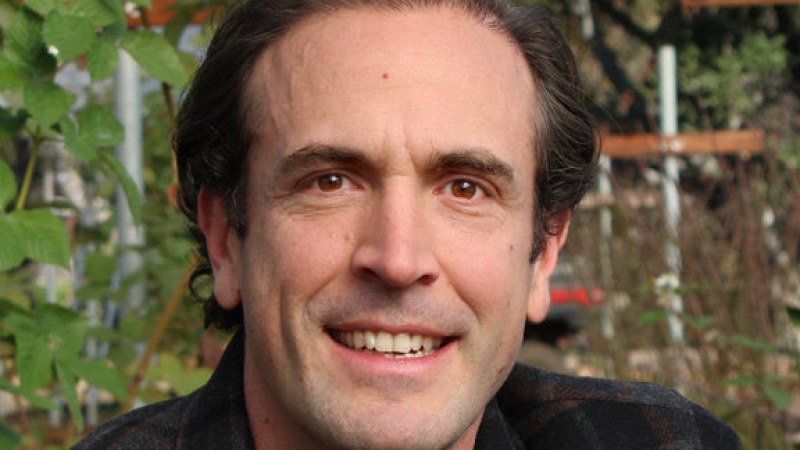
Brendan Dowdle
Brendan Dowdle is the Chief Business Officer of Bonsai Robotics, a Silicon Valley company building vision-based autonomy software for agriculture. He arrived there in 2025 when Bonsai acquired farm-ng, the modular farm-robot maker he ran as CEO. Dowdle grew up in an agricultural family across Southeast Asia, watched his agronomist father work the ground, and spent a decade building computer-vision and robotics companies before turning that toolkit on farming. He co-founded Arraiy (acquired by Matterport, where he later helped scale the services business through IPO), holds an MBA from Stanford, and now argues that the future of farming will be driven by intelligence, not iron.
Matt Barnard
Matt Barnard is the cofounder and CEO of one.bio, a Sacramento biotechnology company turning plant fiber into odorless, tasteless nutrients that can be dosed into everyday food to reshape the gut microbiome. A seventh-generation Wisconsin farmer turned technology operator, he first became known as the cofounder and CEO of Plenty, the SoftBank-backed indoor vertical farming unicorn. He now applies the same obsession - control what people eat, control their health - to fiber science spun out of UC Davis.
Jayce Hafner
Jayce Hafner is the co-founder and CEO of FarmRaise, a farm financial software startup that turns the maze of USDA paperwork and cash-flow tracking into something a farmer can finish on a phone in minutes. A cattle farmer's daughter from Virginia's Shenandoah Valley, she spent years in environmental policy - lobbying Congress, organizing UN climate delegations, and working on Apple's sustainability team - before deciding that real change in agriculture would come from tools, not talk. She holds an MS in agriculture and an MBA, both from Stanford, and has grown FarmRaise past 20,000 farmers on a mission to make farming more profitable, resilient, and equitable.
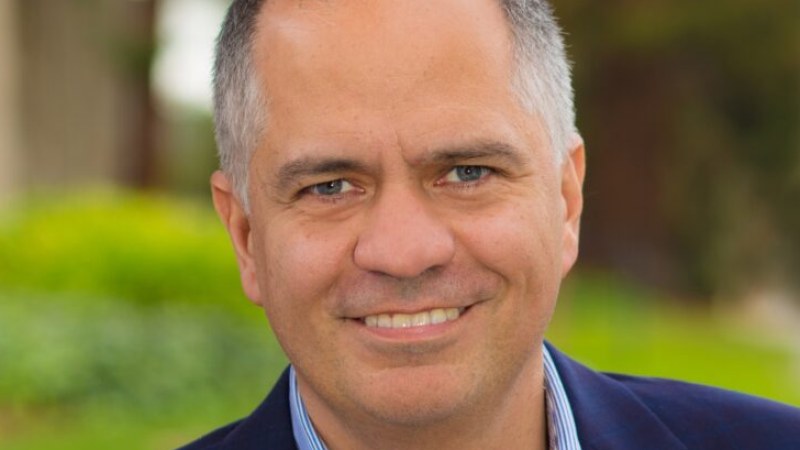
Jorge Heraud
Jorge Heraud is a Peruvian-born engineer and serial agtech founder who co-founded Blue River Technology — sold to John Deere for $305 million in 2017 — and is now CEO of TerraBlaster, a Redwood City startup using NASA-pioneered laser spectroscopy to give farmers real-time soil nutrient data, aiming to cut fertilizer waste and transform how agriculture feeds the world.
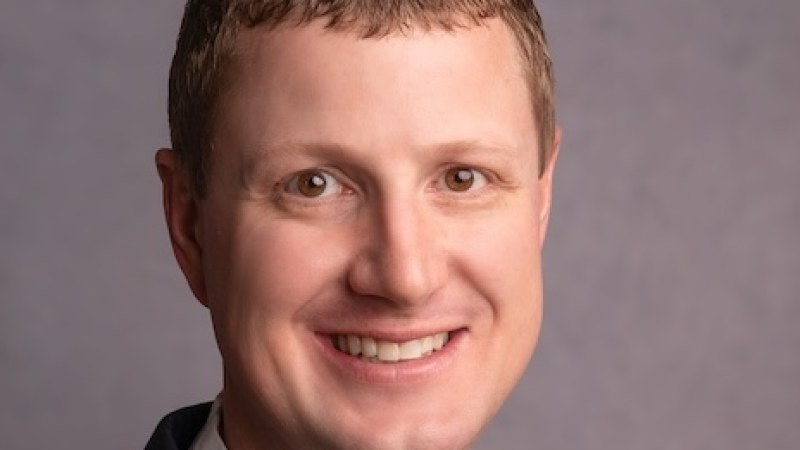
Kris Poulson
Kris Poulson is the CEO of FarmQA, a Fargo-based digital agronomy platform that helps growers and crop advisors manage scouting, soil sampling, and prescription writing. He co-founded Sentera (acquired by John Deere in 2025), where he helped drive 1800% revenue growth and an expansion into 50+ countries. He grew up on a family farm near Casselton, North Dakota, and chairs the NDSU Agricultural Economics Advisory Board.
Francisco Martin-Rayo
Francisco Martin-Rayo is the co-founder and CEO of Helios AI, a climate-risk and commodity-price platform that helps agri-food companies see supply shocks before they hit. A former Mexican-avocado trader who became a BCG principal and AI-fintech executive, he teamed up with ex-Google engineer Eden Canlilar in late 2022 to build an AI that scrapes 250,000 news sources every 15 minutes, runs custom models for dozens of crops, and tells procurement teams when, how much, and where to buy across roughly 90 countries.
Georg Caspary
Georg Caspary is the founder and CEO of HarvestAi, a Potsdam-based deeptech company that uses machine learning and computer vision to forecast harvest dates and yields in commercial greenhouses growing tomatoes, peppers and strawberries. A former World Bank economist and fundraising lead with degrees from Oxford, the LSE, Sciences-Po Paris and MIT, he spent two decades on environmental and agricultural finance across more than 20 countries before turning his attention to the unglamorous but high-stakes problem of knowing exactly how many tomatoes a greenhouse will produce, and when. HarvestAi has raised over $3 million, won first prize in Food/Agritech at Slush, and runs pilots in Germany, the Netherlands and Canada.