agtech
(63)
AgriNovus Indiana puts farm innovation on a longer clock
Seven-week contests gave young companies too little time. AgriNovus Indiana built a longer accelerator, linking farm problems, food science and the people who might turn an experiment into a business.
Barchart Put Futures on the Web. Then Its Readers Asked to Borrow the Plumbing
A 1995 subscription site became a data supplier when customers asked to put its quotes on their own pages. Thirty years later, Barchart serves both the person checking a soybean chart and the grain elevator managing the hedge behind it.

DTN Is the $900 Million Data Company Hiding in Plain Sight
Before a farmer sprays, a fuel truck loads, a utility deploys a crew or a golf tournament clears the course, someone has to make a call. DTN sells the evidence behind that call.
The 70-Day Hardware Sprint: Motivo Built a Company for the Projects Everyone Else Calls Impossible
Motivo puts mechanical engineers, coders and fabricators under one roof, then hands them the sort of brief that makes a normal vendor ask for another quarter. Its real product is not a robot, tractor or aircraft part - it is a faster way to make hard technology real.

BinSentry Put a Fuel Gauge on the World’s Feed Bins - Then Walked Away From Farmers
A farmer asked a question that sounded like a quick Google search: how much feed is left in the bin? Nine years, tens of thousands of sensors and roughly $100 million in disclosed capital later, BinSentry has turned the answer into an enterprise logistics business.
Ryp Labs Built a Sticker That Can Double Fruit's Shelf Life - Then Learned Where Waste Actually Hurts
A Malaysian fruit-stall problem became a Seattle biotech company, an $8.1 million round, and a lesson most deep-tech founders learn late: the best market is not always the biggest one - it is the one already paying for the pain.

The Pig-Breeding Startup That Found Its Real Product in the ‘Holy Grail’ of Fertility
Verility began by putting semen analysis on a phone. Then a 400-sow field study pointed it toward a harder, more lucrative question: not whether to breed, but exactly when.

The Startup That Put a Number on Your Steak
For a century, beef and lamb have been graded by a person squinting at a carcass. MEQ Solutions built the hardware and AI to give the industry a number it can trust - and got the USDA to sign off.

The Startup Dragging Farm Payroll Out of the 1980s
Farm HR still runs on paper packets and cash-back-of-the-check math. Ganaz built a phone-first onboarding, messaging and payroll stack for the 175,000+ workers who feed the rest of us.
The Startup That Sucks the Air Out of Blueberries - and Buys Them Twelve Extra Weeks
A tenth of an atmosphere is all it takes. RipeLocker's vacuum chambers keep blueberries market-fresh for three months - and want to move the world's fruit by boat instead of plane.
The Dirt Is Cheap. Proving It Is Not: Yard Stick's Bet on Better Soil Carbon Data
Soil can store carbon, but the proof has been slow, costly and easy to distrust. Yard Stick is building the measurement layer that tells carbon-project developers and food companies whether the dirt is actually doing what the spreadsheet promised.
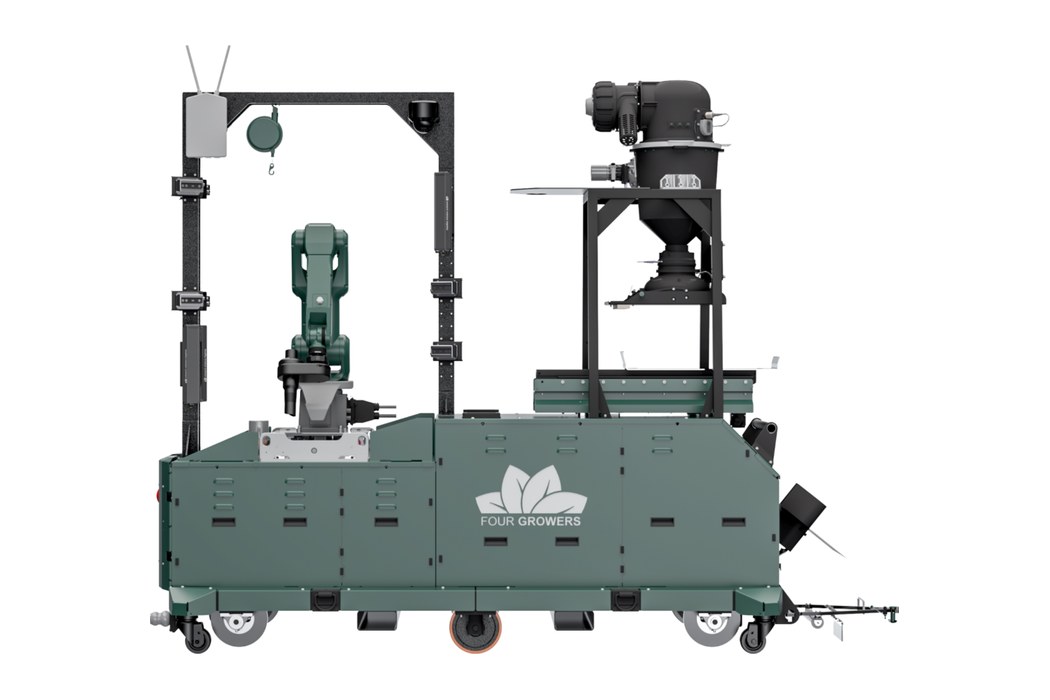
The Robot That Picks a Tomato Better Than You Can
Two Pitt engineers spent months living in greenhouses to learn why picking a tomato is so hard for a machine. Their answer, the GR-100, now harvests faster than the humans it works alongside.

The Tiny Iowa Company Putting Seed Treatment on the Planter - One Zone at a Time
POP-ST moves a century-old farm input decision from the seed plant to the planter. With patents, field trials, and partners ranging from ALMACO to TeeJet, Inflexion Point Technologies is trying to make every treatment earn its place in the row.
The Farm App Rejected at the Gate - Then Trusted With 22 Million Animals
AgriWebb turned the stockman's pocket notebook into an offline-first operating system for cattle and sheep. Its first hoped-for buyer almost walked away - and taught the founders why farm software wins on trust before data.
The Durham Investor That Treats Venture Capital Like a Clinical Program
Pappas Capital has spent three decades turning laboratory risk into investable milestones. Its edge is less about chasing crowded hubs than combining drug-development judgment, company-building work and patient capital from a base in Research Triangle Park.
The Venture Firm That Bet the Midwest Wasn't Flyover Country
Cultivation Capital filled a funding gap in St. Louis, then turned that local thesis into a network of specialist funds. Its wager is simple: useful companies can start anywhere, but they still need capital, counsel and the right introductions at exactly the right moment.

The Fund That Invests in the Cracks Between Food, Oceans and Energy
S2G Investments manages about $2.8 billion across food, oceans and energy - and its whole thesis is that the money should go where those systems meet.
The town that refused to demolish its own future
In 2014, two Cape Girardeau residents talked the city out of demolishing a downtown building and started southeast Missouri's first tech incubator inside it. A decade later, Codefi trains AI workers, builds startups as a co-founder, and pulls venture capital into places the coasts forget.

The Startup Factory Hiding Inside Corporate America
Alloy Partners takes the things big institutions already have - customers, expertise, capital and distribution - and turns them into startups built outside the corporate machine. Now it is testing how much faster that factory can run with AI agents on the floor.
Big Idea Ventures Wants to Turn Food Science Into Infrastructure
The New York investor does more than write checks. It links scientists, factories, corporations and rural universities in a bid to move food technology from the lab to the loading dock.
The Venture Firm That Turned a TV Shark Into a Startup Distribution Channel
O'Leary Ventures offers founders something most funds cannot manufacture: a familiar face with a large audience. Its harder experiment is in North Dakota, where venture returns must share the spreadsheet with jobs, offices and regional impact.
The Venture Firm With a Test Kitchen: Cleveland Avenue Builds Beyond the Check
Cleveland Avenue puts former operators, test kitchens and consumer research behind founders in food, technology and everyday life. Its wager is simple: capital travels farther when it comes with people who have run the machinery of scale.
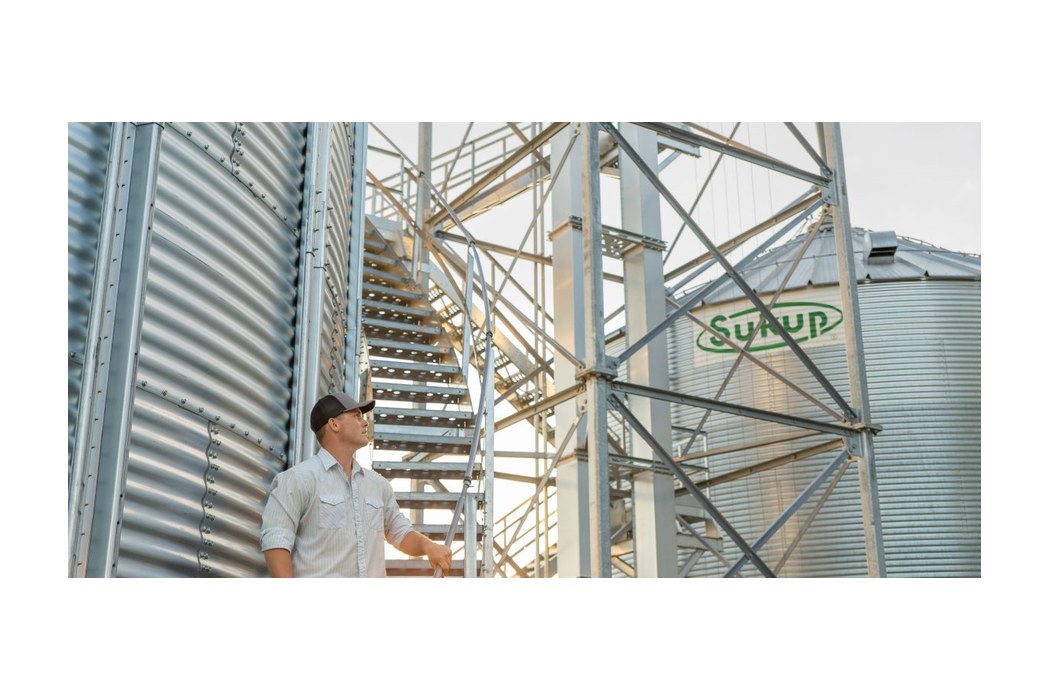
Sukup Manufacturing Co.
A farmer’s improvised answer to spoiled corn became a 60-year Iowa manufacturing business. Sukup now sells the machinery around the grain bin - and is betting that tighter controls and automation will define what comes next.

Agros
Agros is a Singapore-based agtech company that helps smallholder fruit and vegetable farmers across Southeast Asia switch from diesel to solar-powered irrigation. It bundles hardware (its Agrosolar water pumps), flexible post-harvest financing (Agros Finance), and agronomy advisory into a one-stop platform, aiming to double farmer incomes while cutting fuel costs and carbon emissions. Founded in 2019 by Max Nelen, it operates in Myanmar, Cambodia, and Indonesia and has supported over 6,000 farmers.
Rebulk
Rebulk is a Y Combinator (S25) startup that measures and monitors bulk inventory - feed, sand, grain, logs, biomass and other materials that never fit into boxes or barcodes. Using fixed cameras, drones, LiDAR and computer vision, Rebulk stitches 2D imagery into 3D volumetric models to give industrial teams precise, repeatable volume and weight data instead of rough estimates and manual checks. Founded in Olathe, Kansas by Warren Wang and Cole Robertson, the company pivoted from video transcription (as dScribe AI) to bulk inventory tracking and now runs pilots with partners including Cargill and Charm Industrial.

Eratani
Eratani is an Indonesian agritech company that digitizes smallholder rice farming through one integrated platform. It connects previously isolated farmers to affordable financing, high-quality inputs, agronomic advice and buyers for their harvest - covering the full cycle from upstream to downstream. Founded in 2021, Eratani works with more than 34,000 rice farmers across Java and Sulawesi, manages over 13,000 hectares of paddy, and reports lifting yields by roughly 29% and farmer incomes by about 25%.
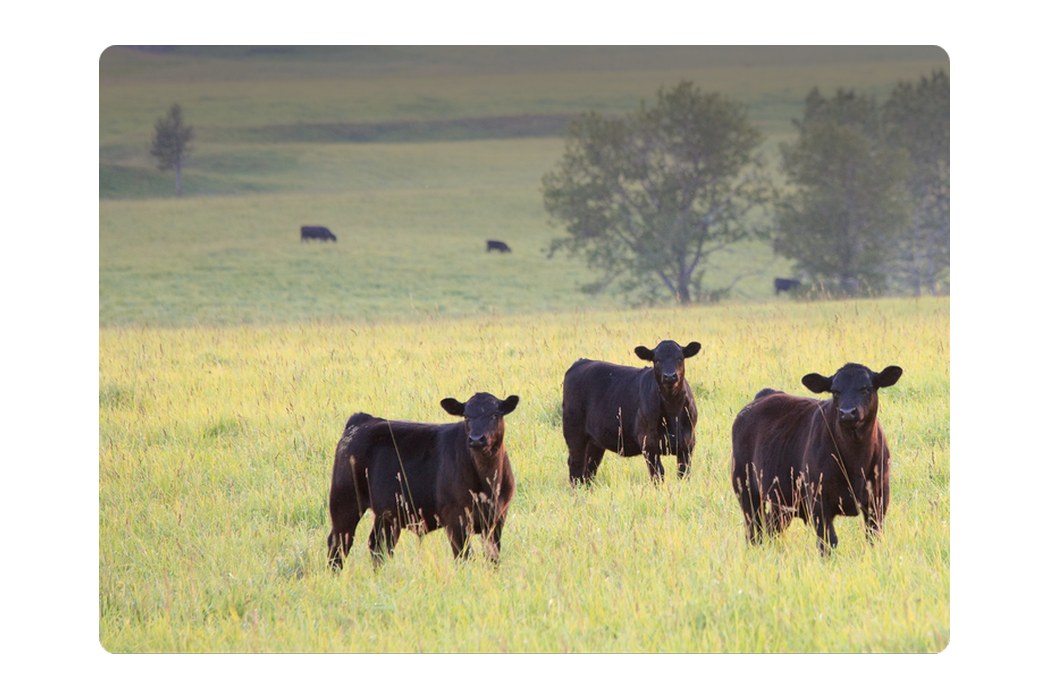
Number 8 Bio
Number 8 Bio is a Sydney-based agtech and climate startup building BetterFeed, a low-cost feed additive and slow-release rumen bolus that cuts enteric methane from cattle and sheep by up to 90% in trials while recapturing wasted feed energy to lift animal productivity. After pivoting from yeast biomanufacturing to synthetic-chemistry small molecules, the company targets grass-fed grazing systems - about 95% of Australia's livestock - and has raised roughly A$18 million to move toward commercial release.
Agro.Club
Agro.Club is a New York-based agri-tech company that runs a full-stack B2B grain marketplace connecting farmers, crop buyers, food companies and input suppliers on a single digital platform. Founded in 2018 by Egor Kirin, it pairs crop marketing, logistics and market data with embedded fintech tools such as invoice financing and factoring, aiming to make grain trade more efficient, transparent and secure across North America, Europe and South America.

BioLumic
BioLumic is a New Zealand-founded agricultural biotechnology company that uses precisely tuned ultraviolet light treatments to program desirable traits into seeds and seedlings without genetic modification. Applied in seconds, its patented 'light recipes' switch on plants' natural genetic expression to deliver double-digit yield gains, stronger disease resistance and stress tolerance across crops including corn, soybean, rice and ryegrass. The company partners with seed producers to commercialize non-GMO, climate-smart traits at scale.
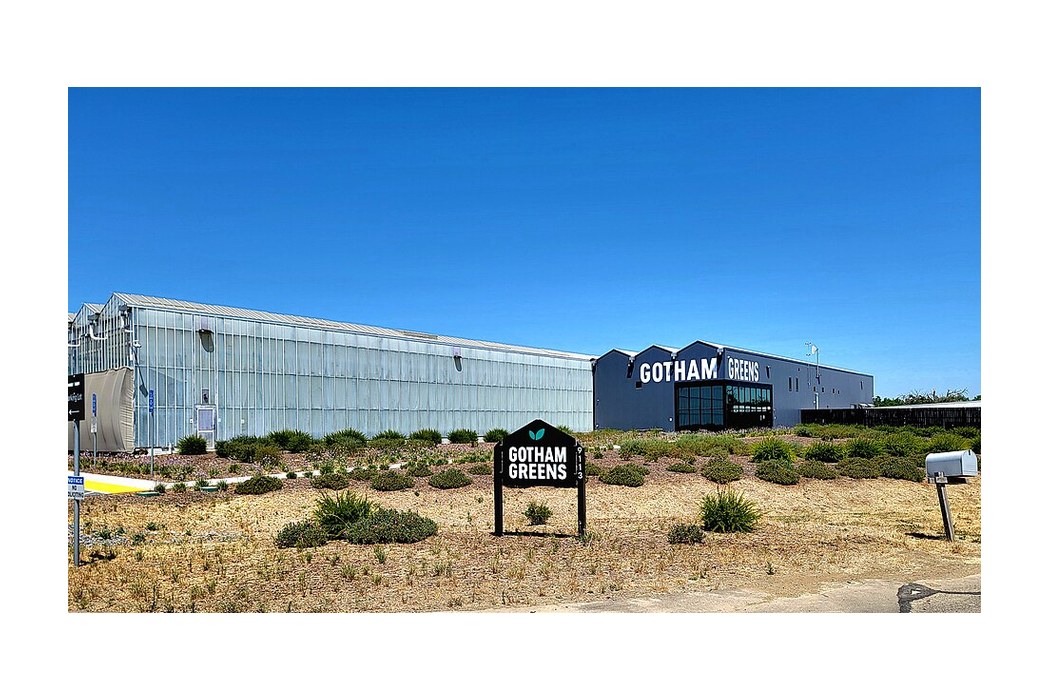
Gotham Greens
Gotham Greens is a Brooklyn-born indoor farming and fresh food company that grows pesticide-free leafy greens and herbs year-round in a national network of high-tech hydroponic greenhouses. Founded in 2009, it opened the first commercial rooftop greenhouse in the United States and has since scaled to more than a dozen facilities across nine states, producing roughly 100 million heads of lettuce a year using up to 90% less water and 97% less land than conventional field farming. Beyond greens, the company sells branded salad kits, dressings, dips and cooking sauces to more than 6,500 retail, restaurant and foodservice locations nationwide.