youtube
(126)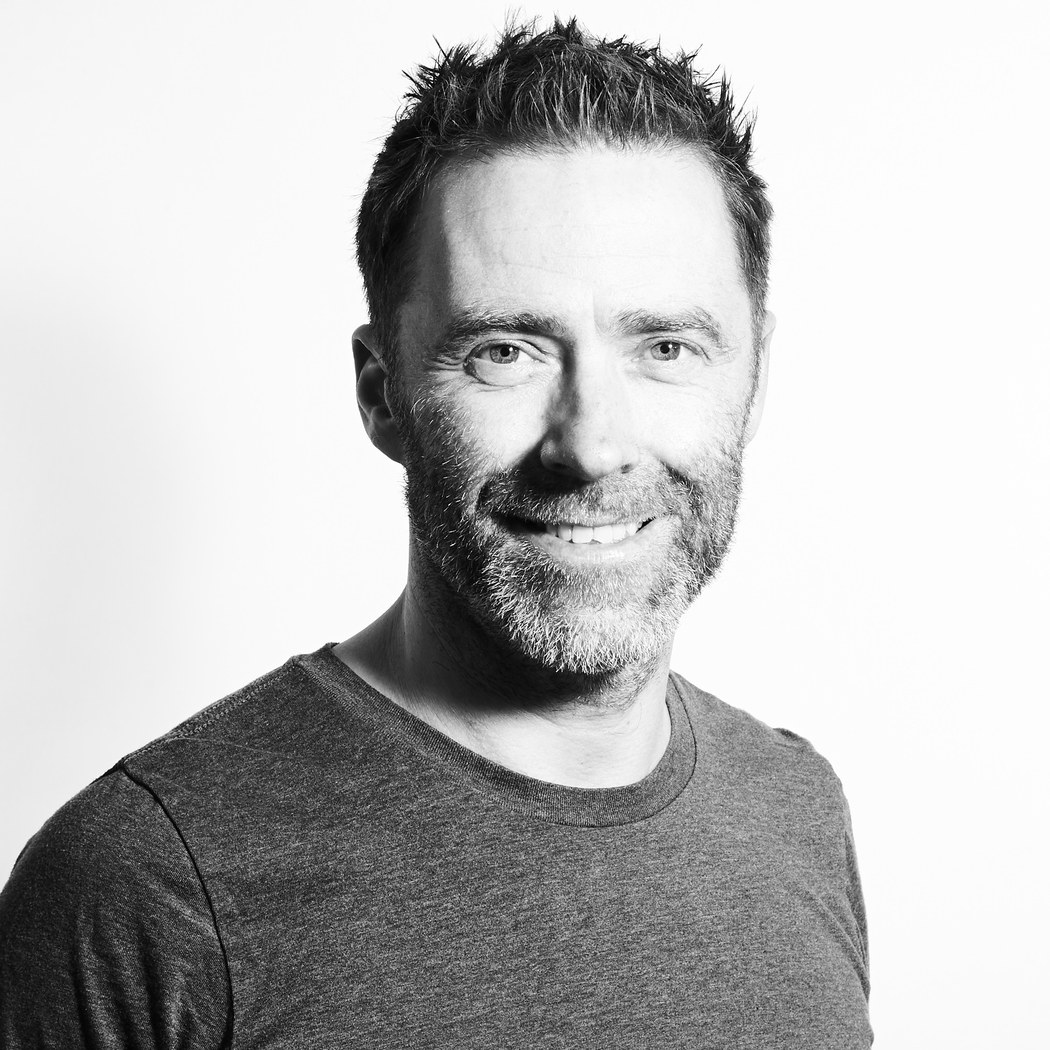
Philip Inghelbrecht keeps asking the useful question
Shazam gave a name to the song. Tatari asks what happened after the ad. Between them lies Philip Inghelbrecht’s career in making a little more of the world measurable.

Eric Lam and the business of the second conversation
Before Aspire became software for creator relationships, Eric Lam learned how much work a relationship takes. His route from finance and mobile games to influencer marketing is a story about what happens after the introduction.

Aaron DeBevoise and the second life of a video
Before a YouTube archive became something you could finance, Aaron DeBevoise had to learn why people kept watching. His career runs from film deals and gaming networks to a wager on creators becoming their own television business.

Rich Raddon and the value of a second look
He started out working for John Hughes. After film festivals and Movieclips, the Zefr co-founder is still studying what a moving image means - and why the answer changes with its surroundings.
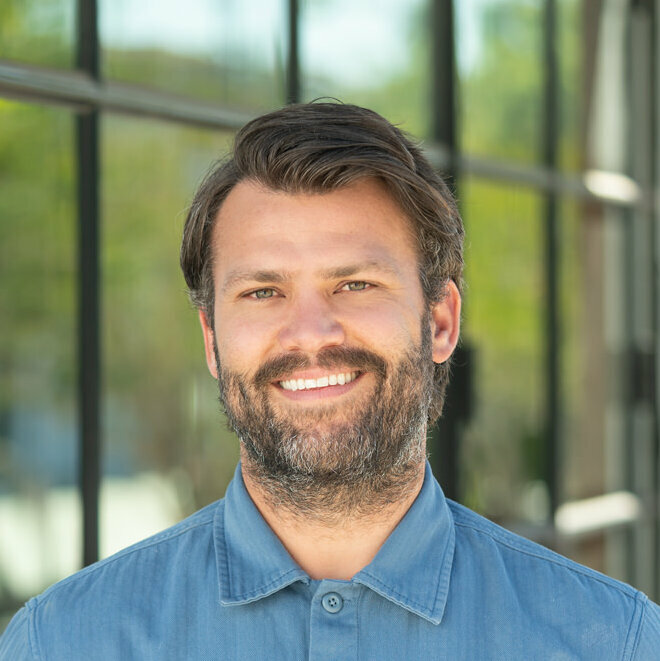
Zach James and the business hiding in the movie clip
Zach James started with Hollywood scenes and a simple question: what if the fans uploading them were helping? The answer carried him from Movieclips to Zefr, and from film rights to the finer points of the social feed.
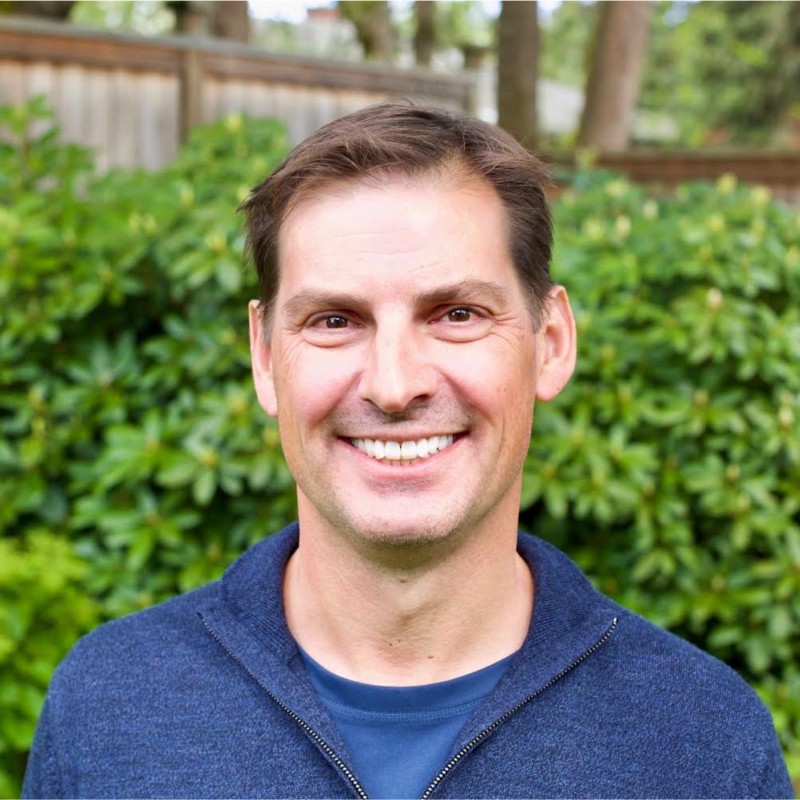
Rob Gabel and the trouble with a billion views
Rob Gabel built Tubular Labs to help people understand online video audiences. At Spotter, and in a pair of local events projects, he keeps returning to the same question: what can you do with what you know?

Momchil Kyurkchiev and the education of a Google engineer
He left Google knowing how to test software. Building Leanplum taught Momchil Kyurkchiev to question almost everything else - from who his customers were to what a company owes its people.
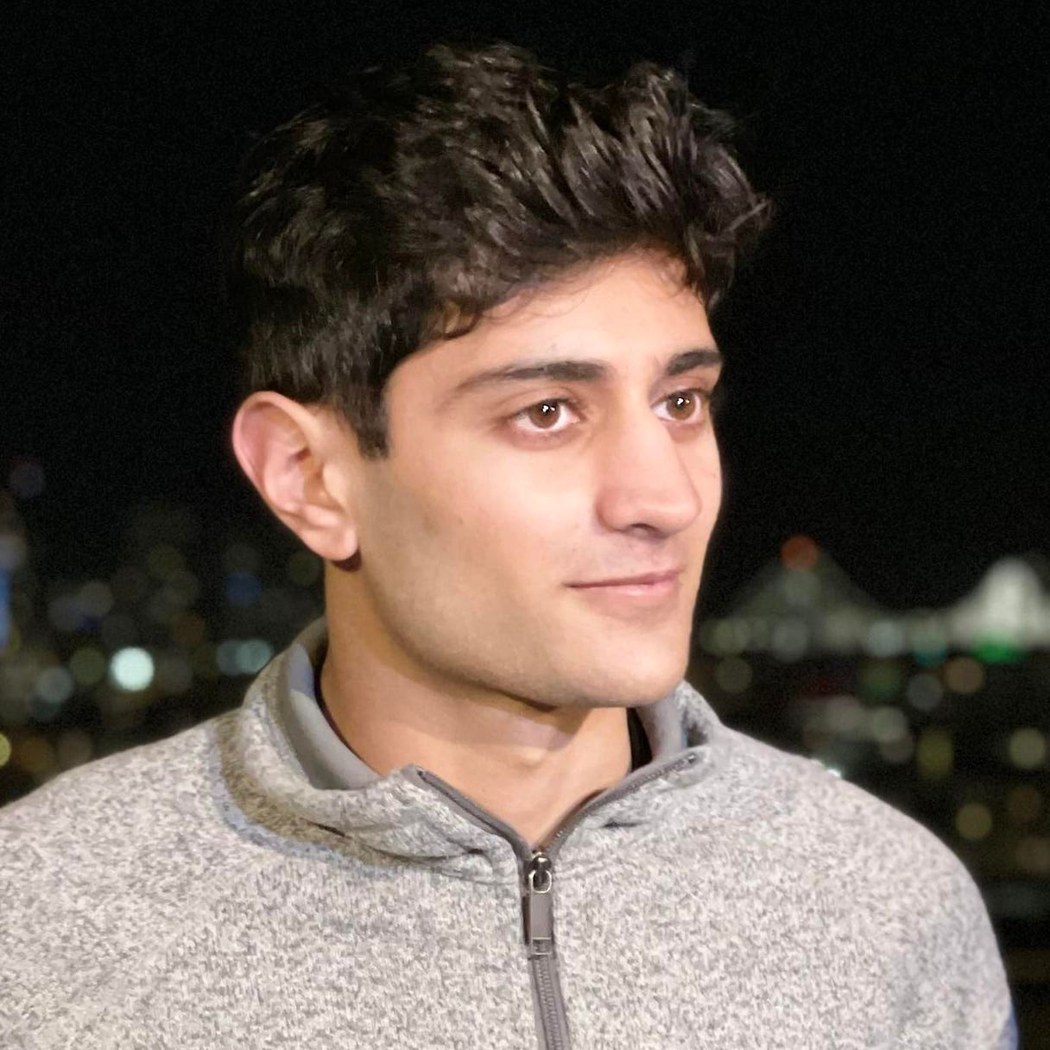
Maneet Khaira and the Trouble Before Play
A Google intern’s gaming presentation helped set Backbone in motion. Years of controllers, case adapters and tiny adjustments reveal what Maneet Khaira thinks stands between people and a good game.

Owen Maher and the months behind a moment of curiosity
The Electrify co-founder came from finance. His work now sits behind educational videos, where an audience’s moment of discovery can take months of preparation.

Ian Shepherd and the business of being replaceable
A daughter watching YouTube helped change Ian Shepherd’s view of media. Now Electrify’s co-founder is building businesses that give creators more room to choose what they do next.

Daniel P. Maloney Followed the Traffic
A wedding-planning site led Danny Maloney to Pinterest, and Pinterest led him to Tailwind. His career turns on a practical habit: noticing what people need, even when it changes the plan.
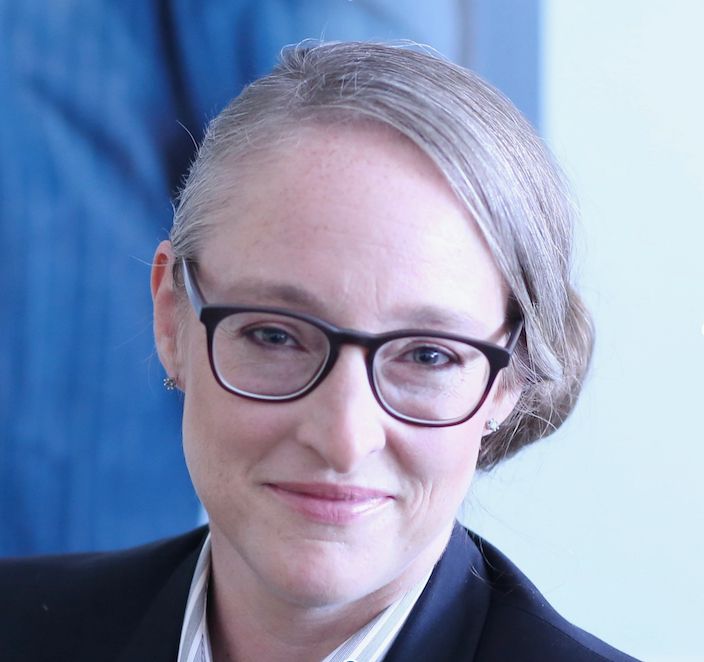
Bettina Hein and the business of changing her mind
She built speech software, followed video onto YouTube, and learned when to hand over the keys. For Pixability founder Bettina Hein, the company can change - the ambition to create useful work stays.
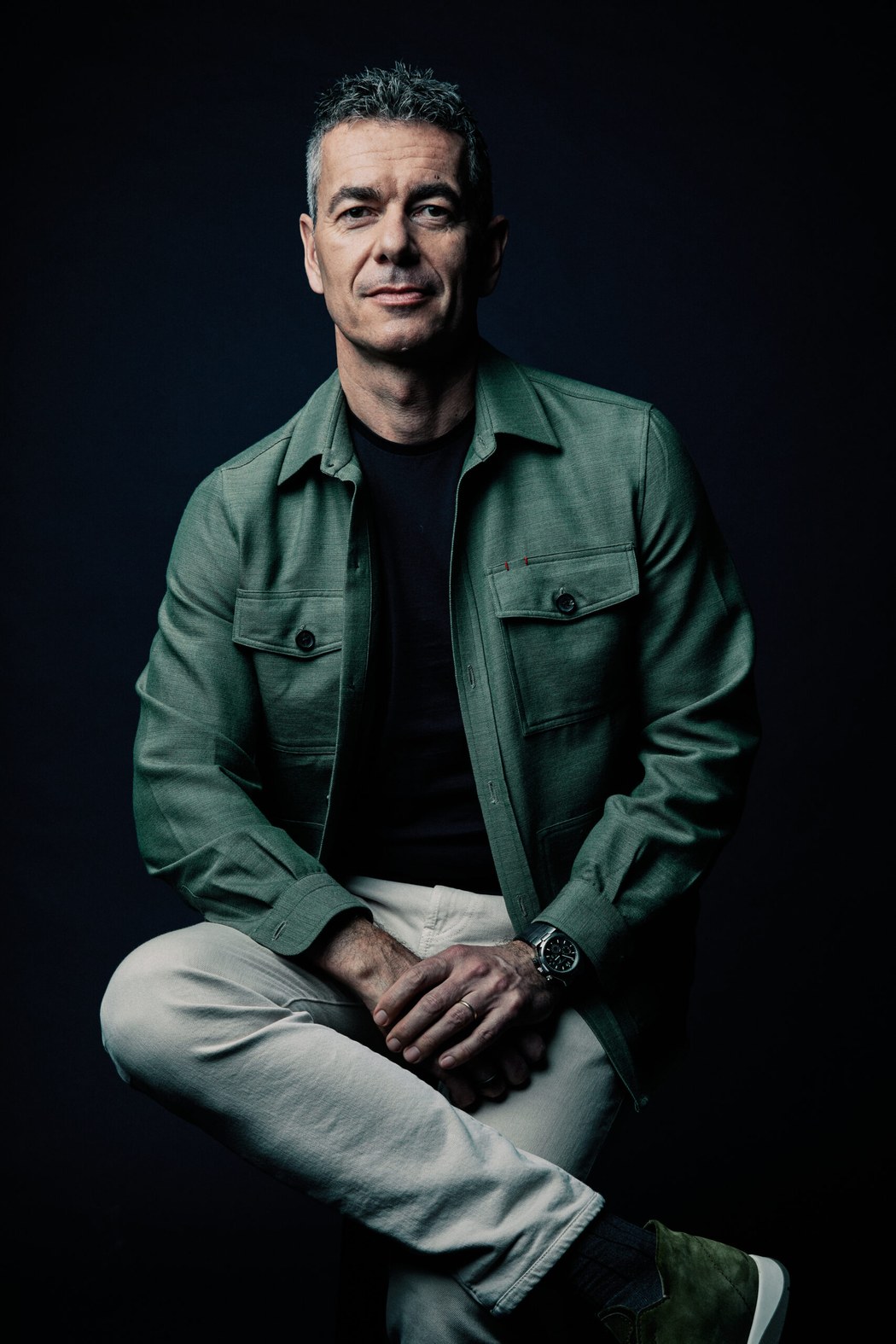
Robert Kyncl and the price of pressing play
He helped bring Hollywood to Netflix and creators to the centre of YouTube. At Warner Music Group, Robert Kyncl is trying to make the next technological upheaval pay the people who make the songs.

Bing Chen and the business of showing up
At YouTube, he helped give creators a way to build a living. At Gold House, he is applying a related idea to Asian Pacific talent: bring the audience, build the connections, and make the next opportunity easier to finance.
Jiten Vaidya and the art of handing over the keys
He helped keep YouTube’s databases running, then co-founded PlanetScale to bring that experience to other developers. His next chapter puts the founder, rather than the database, at the center of the work.
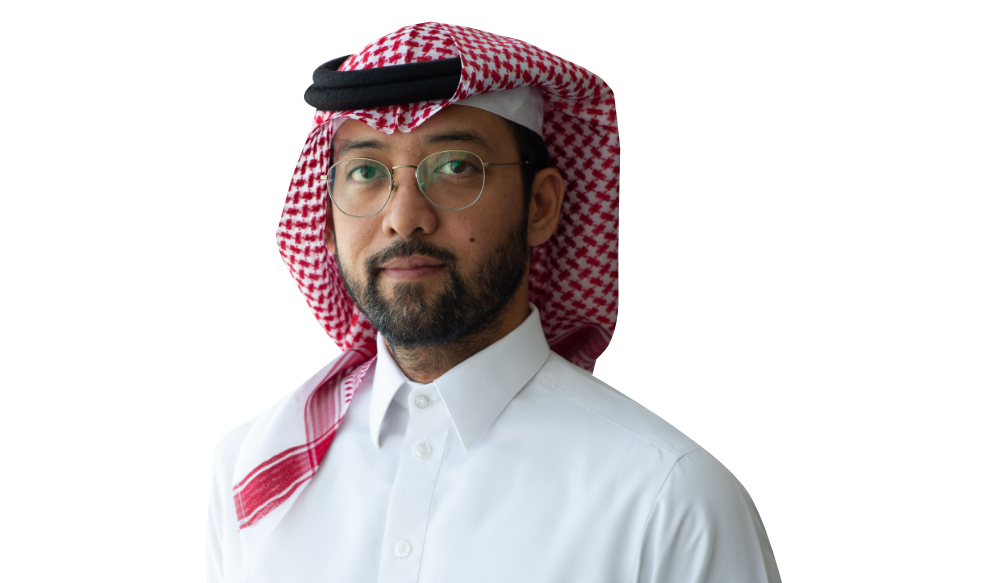
Alaa Fadan and the audience hiding in plain sight
Before Telfaz11 made films for Netflix and Saudi cinemas, Alaa Fadan saw gifted people treating their best work as a hobby. He helped build a company where that work could become a living.
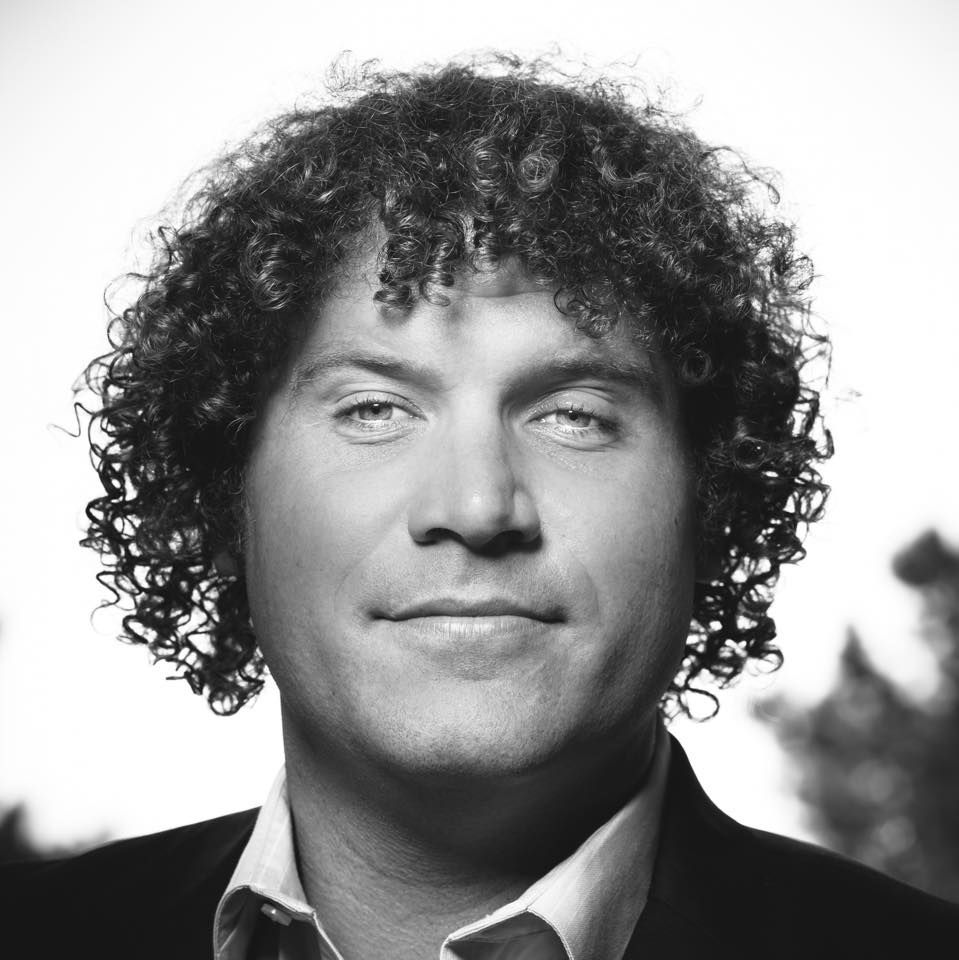
Rob Sandie and the art of changing the game
He built a video platform, lost his operating role, and returned with a company built around YouTube. Rob Sandie’s route to vidIQ runs through football, Flash, and a persistent interest in helping other people find an audience.

Herbert Ong and the art of watching what happens next
Before he became “The $TSLA Milestones Guy,” Herbert Ong built companies and products. His second act puts that experience to work on camera, following Tesla through interviews, timelines and the occasional ride in the back seat.
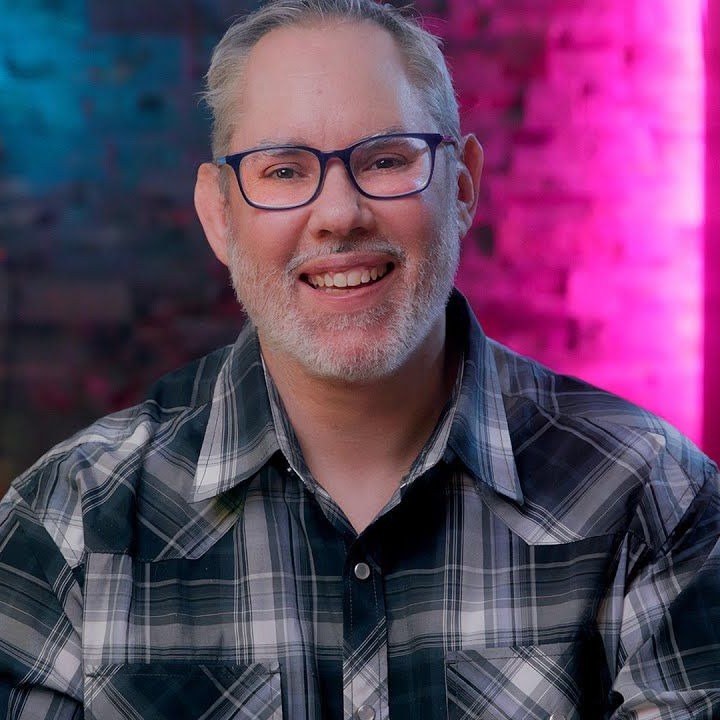
Rene Ritchie Learned YouTube From the Outside. Now He Explains It From Within.
An Apple editor turned independent creator turned YouTube insider, Ritchie spends his days translating between the people who make videos and the company that hosts them.
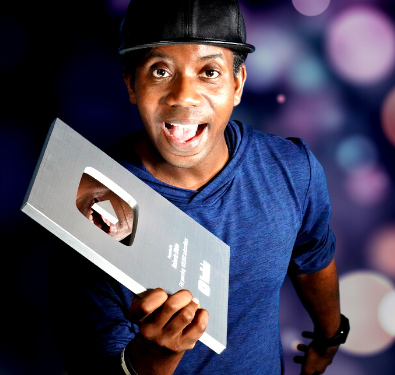
Roberto Blake Built a Business Beyond the Upload Button
He started by answering camera questions online. Now Roberto Blake teaches creators to turn a useful body of work into a business that can outlast any one platform.
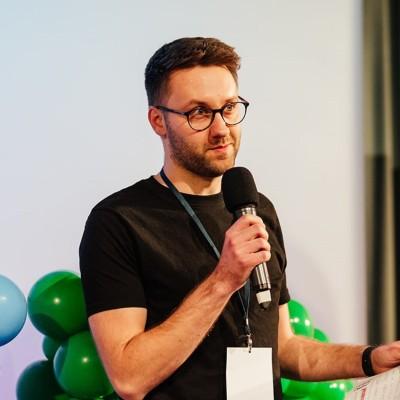
Nick Chapsas Learned to Code When the Wi-Fi Went Off
A teenager in Greece learned to tinker with code because his father switched off the Wi-Fi. Years later, Nick Chapsas turned a London engineering career into a classroom with customers in 144 countries.

Tom Scott Learned When to Stop Counting Mondays
For ten years, a new curiosity arrived every week. Now the British presenter is driving through 39 historic counties, giving each story more room - and keeping the ending in sight.
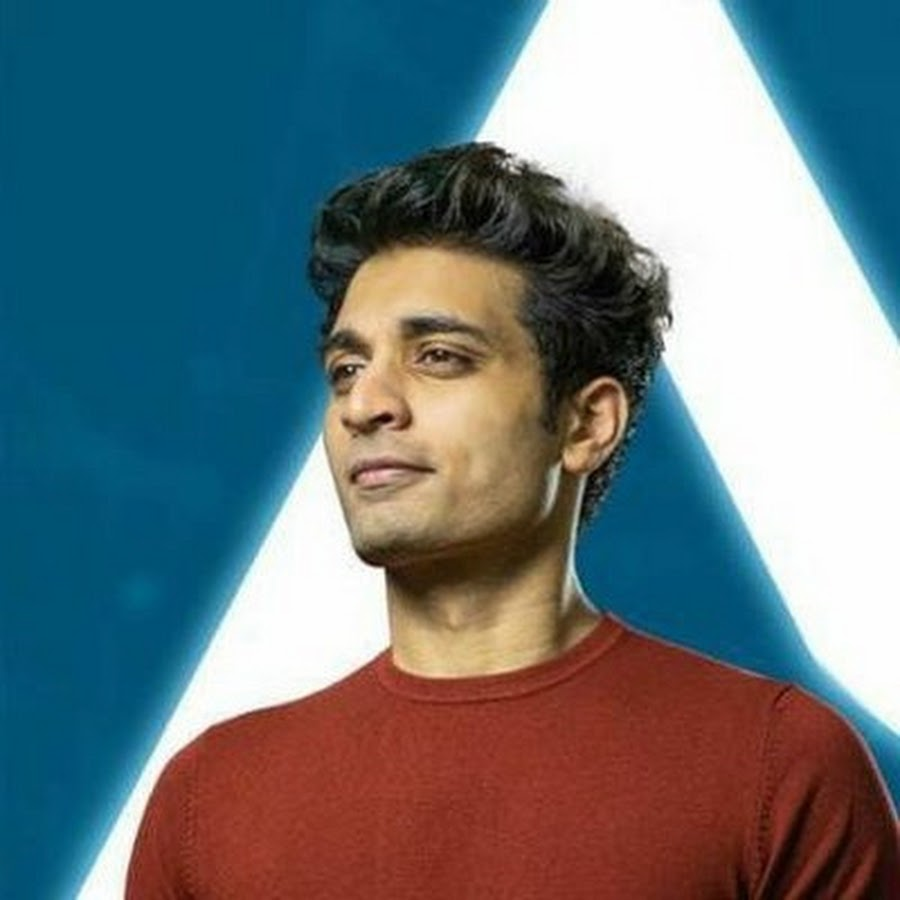
Varun Mayya Keeps Building the Next Stage
A college T-shirt venture led to recruitment software, a community platform and, eventually, a media operation with its own AI lab and game studio. The through-line in Varun Mayya’s work is a restless question: what can an audience help build next?

Jeff Geerling and the Art of Taking Things Apart
From radio towers with his father to Raspberry Pi clusters on camera, Jeff Geerling has spent a career opening the box and showing how the wires connect.
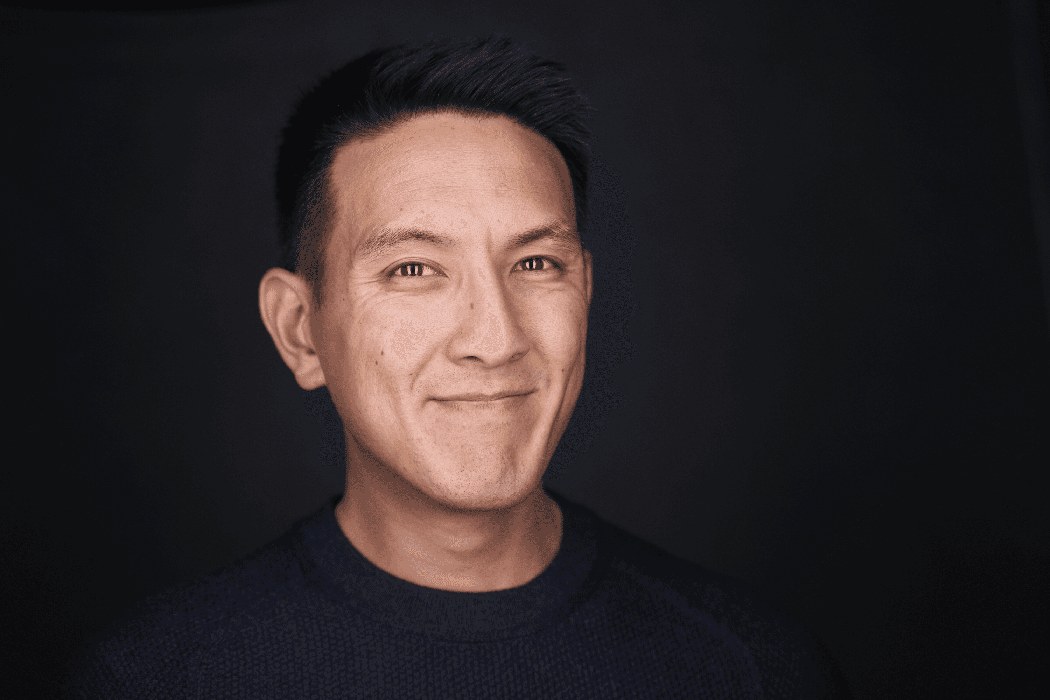
Humphrey Yang Learned to Make Money Make Sense
A former financial adviser turned a month of short videos into a vast audience. The trick was to make intimidating ideas feel like a conversation between friends.
Daniel Blackman
Daniel Blackman is the founder and CEO of Smashcut, a next-generation online learning platform built for real-time, media-based education in the visual and media arts. An NYU Tisch film school graduate, he spent years in executive roles at Google, YouTube, The Daily Beast, Barnes & Noble.com and HarperCollins before co-founding the instructional video company Howcast and, later, Smashcut. Backed by a $7M Series A from Pearson Ventures, Smashcut partners with universities like NYU Tisch to bring collaborative filmmaking and documentary education online.
Andrew Rowland
Andrew Rowland is the founder and CEO of Classkick, a Chicago-based education technology company whose real-time digital notebook lets teachers see every student's work as it happens and respond instantly with notes, audio, or chat. A former Chicago high-school math teacher known to his students as 'Mr. Roro,' Rowland taught through Teach for America and started a school robotics program before retraining in computer science and working at Google and YouTube. He built Classkick to scale the thing he loved most about teaching: the 'aha' moment and the fast feedback loop. The platform now reaches more than half of U.S. schools and students in 180-plus countries, running on Firebase infrastructure.

Auden Ehringer
Auden Ehringer is the Chief Technology Officer of Pave Finance and CEO of its technology subsidiary, Pave Labs. A Stanford-trained electrical engineer and computer scientist, he spent the early part of his career keeping some of the world's largest systems running - building Alexa sports features at Amazon Lab126 and serving as a Site Reliability Engineer on YouTube Discovery at Google. In 2023 he traded planet-scale infrastructure for the messier world of money, joining the New York fintech Pave Finance to build software that lets independent advisers automate and personalize portfolio management across thousands of client accounts. The platform he leads now helps oversee billions in assets, and in 2025 the company closed an oversubscribed $14M seed round.
Jarret Myer
Jarret Myer is the founder and CEO of UPROXX Studios, the independent youth-culture media company he rebuilt by buying UPROXX, HipHopDX and Dime Magazine back out of Warner Music Group in 2024 alongside will.i.am and former Complex chief Rich Antoniello. Three decades earlier he co-founded Rawkus Records, the late-'90s independent label that signed Mos Def and Talib Kweli and became the home of conscious, underground hip hop. Between those bookends he built and sold Uproxx Media and launched the YouTube talent shop Big Frame, making him one of the rare operators to ship culture-defining ventures across records, web publishing and online video.

Adriene Mishler
Adriene Mishler is the Austin, Texas-based yoga instructor, actress, and entrepreneur behind Yoga With Adriene, the largest yoga channel on YouTube with over 13.4 million subscribers and 1.7 billion views. Since launching the channel in 2012 with business partner Chris Sharpe, she has democratized yoga through her philosophy of 'Find What Feels Good,' building a global community around accessible, authentic practice. In 2015 she co-founded the FWFG subscription platform, and in 2026 launched Veta, her own yoga gear brand.