An old YouTube video has an undignified working life. It gets uploaded, celebrated, displaced by the next upload and then, if it is fortunate, spends years quietly earning money. The creator has moved on. The audience, which has no obligation to keep a production calendar, is still arriving. Aaron DeBevoise built Spotter around the financial possibilities of that delay.
It is a curious destination for someone who once worked on financing films. A movie arrives with a budget, contracts and an organised argument about its future earnings. A person making videos can have an audience and a dependable income yet struggle to find the money for the next stage. DeBevoise’s career has increasingly concerned itself with that mismatch: entertainment that already works, and a business structure that has yet to catch up.
Spotter, founded in 2019, offers creators capital through revenue licensing. The company now reports $1 billion in creator payouts and more than 800 YouTube channels funded. Those are company figures for money delivered to creators, rather than Spotter’s revenue. Behind the impressive arithmetic is a relatively ordinary wish: someone wants to hire an editor, improve production or build a team before several years of advertising receipts have arrived.
For DeBevoise, the archive was evidence. Viewers kept turning up after the excitement of publication had passed. An established channel could contain a body of work with a useful financial future. Recognising that future was one task. Persuading creators and investors to put a price on it was another.
A winter break, then a different kind of education
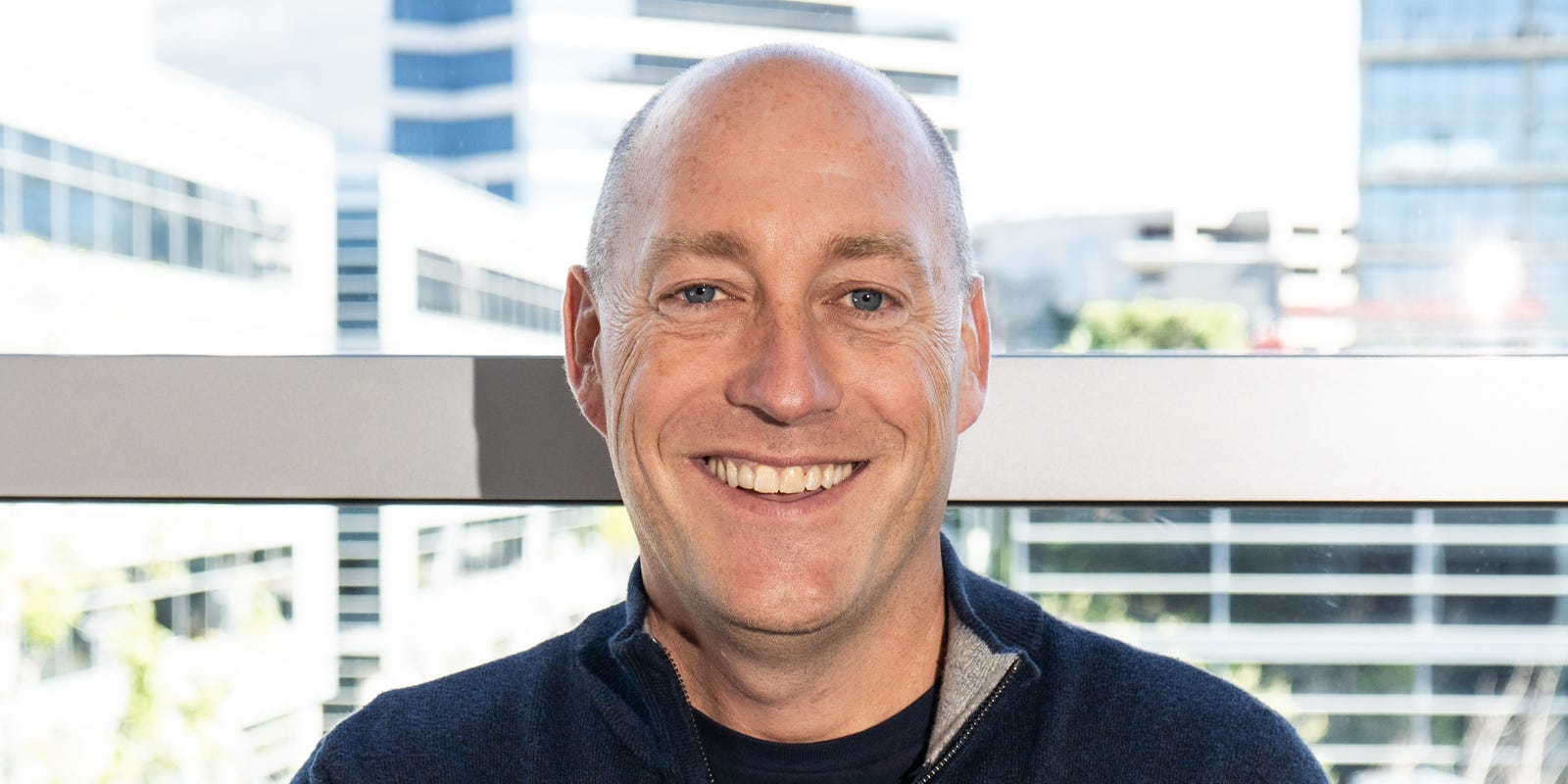
DeBevoise grew up outside New York in a family where starting companies was familiar conversation. He has described business discussions around the dinner table and an early interest in how data and history connect. During a college winter break, he worked with an uncle in Los Angeles who was building businesses in media and entertainment. It gave the abstract appeal of entrepreneurship a practical setting: people, decisions and the consequences of getting them wrong.
He studied economics at Williams College, graduating with academic honours. Then came JPMorgan’s Entertainment Industries Group. There he worked on financing for film businesses, an education in how creative ambition gets translated into an investment decision. The entertainment industry can supply almost unlimited enthusiasm. A financing agreement asks a few less romantic questions.
By 2012, his professional biography described more than 20 JPMorgan deals involving over $3 billion in financing, with clients including Legendary Pictures, Warner Bros., Lionsgate and Spyglass. Before Machinima, he also founded North Entertainment, producing programming with partners including Red Bull North America, Lionsgate and Starz. He had occupied both sides of the conversation: the people assessing a production and the people trying to make one.
That combination matters more than a neat banker-to-founder transformation. He had learned the machinery of media finance while getting close enough to production to see what money was supposed to accomplish. The useful question was becoming specific: could the financing available to organised entertainment businesses reach the people building audiences on YouTube?
Minecraft, cupcakes and the value of coming back
At Machinima, DeBevoise worked as co-founder and executive vice president of network programming. Gaming supplied the subject, but programming was the job: developing, producing and acquiring videos for a recognisable audience. The network combined publisher material, fan-created gameplay and original shows. A 2012 event description recorded more than 20 original weekly programmes. This was already a schedule, even if it lived somewhere television executives were still learning to take seriously.
He also co-founded StyleHaul in 2010, applying the network approach to fashion and beauty creators. RTL Group acquired it in 2014. Across those businesses, his professional life kept returning to a similar observation: people gather around specific interests, then develop habits around the people who serve them well. A gaming fan and a beauty viewer need different programming. Both can recognise a reliable reason to return.
His attention moved toward the predictability inside those habits. He observed that sharply focused creators could earn consistent viewing by publishing repeatedly within a narrow subject. The revealing examples were Minecraft rather than gaming in general, and cupcakes rather than the whole universe of cooking. Specificity gave viewers something they knew how to want again. The cupboard was small; the customers remembered its address.
Spotter grew from studying whether those recurring audiences could support financing. It required a different way of reading a channel. A single sensational upload might produce excitement without offering much assurance about the following year. A library that continued earning could supply a basis for a transaction. DeBevoise’s years in programming helped him see a business where someone else might see a pile of yesterday’s videos.
What an archive can buy
The creator’s side of the proposition is easy to understand. Spend money now on something useful, then give Spotter an agreed economic interest in advertising income. Ownership and creative control can remain with the creator. Earlier Spotter deals commonly involved licensing revenue from existing videos for a fixed period; its current capital offering describes a fixed revenue share and a specified return, with the deal ending when that return is met.
There is a cost to bringing future money forward. The creator commits part of an income stream that might otherwise arrive later. Whether the exchange makes sense depends on the terms and on what the capital makes possible. An editor who frees up production time may be valuable. An expensive idea can remain an expensive idea after it has acquired funding.
DeBevoise’s ambition extends beyond paying production bills. In 2023, Spotter and YouTube announced an initiative to support creators expanding through multilingual audio. Spotter had helped fund MrBeast’s translations into 13 languages, with German becoming a fourteenth. Here was another use for an existing video: give it a different soundtrack and let it find people who could not previously follow the conversation.
Investors backed the broader proposition. In February 2022, a $200 million Series D led by SoftBank Vision Fund 2 valued Spotter at $1.7 billion. Amazon took a minority stake in October 2024, alongside a partnership intended to open content-development and retail opportunities. These were financing milestones for the company. For DeBevoise, they also brought larger partners into a business built around creators who had developed their own audiences.
Current capital page · October 2026
Historical financing valuation
The tool that came back inside
The path did not proceed in a straight line. Spotter launched its public AI product, Spotter Studio, in September 2024. It was meant to help creators with the work before production: ideas, research, titles, thumbnail concepts and planning. DeBevoise publicly celebrated the launch. His company’s familiarity with creator performance appeared to offer a useful starting point for helping creators decide what to make next.
In October 2025, he announced that Studio would become an internal tool. He pointed to large technology platforms incorporating ideation into their own systems and said Spotter should concentrate where partners most wanted its help. The emphasis shifted toward connecting creators and brands, with Studio supporting work inside the advertising and licensing businesses.
“We need to focus on delivering the most differentiated value,” he wrote. The sentence had a consequence beyond strategy language: a small number of Studio roles were affected. Reporting also described missed 2024 financial goals and earlier staff reductions. The public software experiment therefore belongs in a more difficult chapter than a launch announcement alone would suggest.
The decision offers a less polished view of his entrepreneurial creed. Focus is attractive when it means choosing an opportunity. It becomes harder when it means withdrawing a product people have built and used. In his earlier account of entrepreneurship, DeBevoise favoured thinking through several possible outcomes rather than making a virtue of exhaustion. Studio supplied a practical test of changing course when the competitive situation changed.
“We need to focus on delivering the most differentiated value.”
Aaron DeBevoise · October 2025
A television business without a television network
By 2026, DeBevoise was making a more explicit argument about what creators were becoming. Spotter calls it Creator TV: recurring, long-form entertainment with audiences that return, increasingly on living-room screens. The company’s second Showcase took place in New York on March 4, bringing creators and brands together around that proposition. Dude Perfect, Kinigra Deon, Michelle Khare and other creators featured in the event’s programming.
His language has moved with the business. He talks about repeatable formats, investment in storytelling and programmes people choose week after week. The vocabulary would be familiar to a television scheduler. The distribution and ownership arrangements are different. A creator can build the audience first, then arrive at the commercial conversation with evidence that people already care.
This is also where his relationships come into view: co-founder and president Nic Paul, the creators whose work Spotter finances, and commercial partners looking for sustained attention. DeBevoise’s role is to connect their interests without losing the thing that made the audience show up. A brand may buy access to a programme; the viewers still get to decide whether to stay.
“Our mission is to give creators access to knowledge and capital, so their creativity can change the world,” he has said. It is a broad ambition with a concrete mechanism underneath it. He keeps returning to the resources that let someone make the next thing: financing, information, partners, time. The aspiration is creative independence supported by a business that can last.
His career began near the machinery that financed films and moved into networks assembled around gamers and beauty viewers. Now it concerns a generation of creators building their own entertainment companies. Through those changes, he has kept asking what an audience’s repeated choice is worth. Somewhere, an old video is still earning. DeBevoise would like its creator to have a little more room to work before the next payment arrives.
Keep watching, keep reading
Follow the work, hear the conversations and explore the business behind it.
Spotter’s website ↗Aaron DeBevoise on LinkedIn ↗Watch: Coffee for Scalers interview ↗Listen: Business Breakdowns with Ali Hamed ↗Listen: Funding the Creative Journey ↗Read: The Studio decision ↗Read: Creator TV and the 2026 Showcase ↗