He keeps doing the same trick - spot the culture before the majors do, then own the platform around it.
The guy who signed Mos Def, sold Uproxx, then bought it back. Still grinning, presumably.
In April 2024, Jarret Myer did the thing founders almost never pull off. He bought his own company back.
UPROXX had belonged to Warner Music Group since 2018. HipHopDX since 2020. Dime Magazine somewhere in the pile. Myer, alongside the artist and futurist will.i.am and former Complex Networks chief Rich Antoniello, pried all of it loose and folded it into a brand-new independent company: UPROXX Studios. He took the CEO seat. will.i.am took the title "chief visionary officer." Antoniello became executive chairman.
The combined operation reaches more than 170 million monthly US visitors and racks up over 12 billion monthly video views. It also holds an exclusive license to represent Warner's YouTube star inventory for US media sales - a detail that tells you Myer negotiates from the talent side of the table, not the suit side.
"Able to now focus solely on the media company," he said when the deal closed, "UPROXX Studios is now positioned to unleash the explosive potential of its combined assets fully." Translation: the band got back together, and this time they own the masters.
What makes the move so on-brand is that Myer has been the independent kid in a major-label world for thirty years. He is one of a small handful of operators who built something culturally load-bearing in three separate eras of media - records, the web, and online video - and then walked into a fourth.
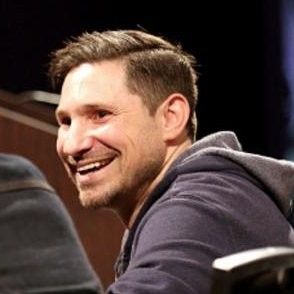
"We're doubling down on growth. Expect significant investments in our brands, team, and the experiences we offer - both creators and audiences alike." - Jarret Myer, on relaunching UPROXX as an independent studio
Before the studio, before the web, there was a record label run by three guys who met in a Bronx prep school.
In 1996, Myer co-founded Rawkus Records with Brian Brater and James Murdoch. Yes, that Murdoch - the high-school friendship pulled the underground rap label into the orbit of News Corp, which provided early financial backing. Myer and Brater scouted and signed every act themselves. No A&R department. No committee. Just two guys with ears.
Among the people they signed: Mos Def and Talib Kweli. The 1998 album "Mos Def & Talib Kweli Are Black Star" became the cornerstone of conscious hip hop and Rawkus the torchbearer for everything the major-label system wasn't making. The label was the home of late-'90s underground rap, full stop.
By 2000, New York magazine had named Myer to its "35 Under 35" list. He was 27. Decades later he would sit across from Talib Kweli at SXSW - founder turned interviewer of his own artist, talking about songs that celebrated women of color. Few people get to close that loop.
Vinyl. The web. YouTube. Connected TV and AI. The medium changes; the instinct doesn't.
The defining independent hip hop label of the late 1990s. Conscious rap's home base, built on personally scouted talent rather than industry machinery.
Co-founded in 2008, a youth-culture digital brand that grew large enough for Woven Digital to buy it in 2014 - and a major label to want it by 2018.
A 2011 YouTube multi-channel talent company. Myer saw creators as the next networks years before "creator economy" was a phrase on a slide.
The 2024 reboot: UPROXX, HipHopDX and Dime under one independent roof, pushing into Connected TV and AI-driven content with will.i.am's FYI tech.