vertical-saas
(107)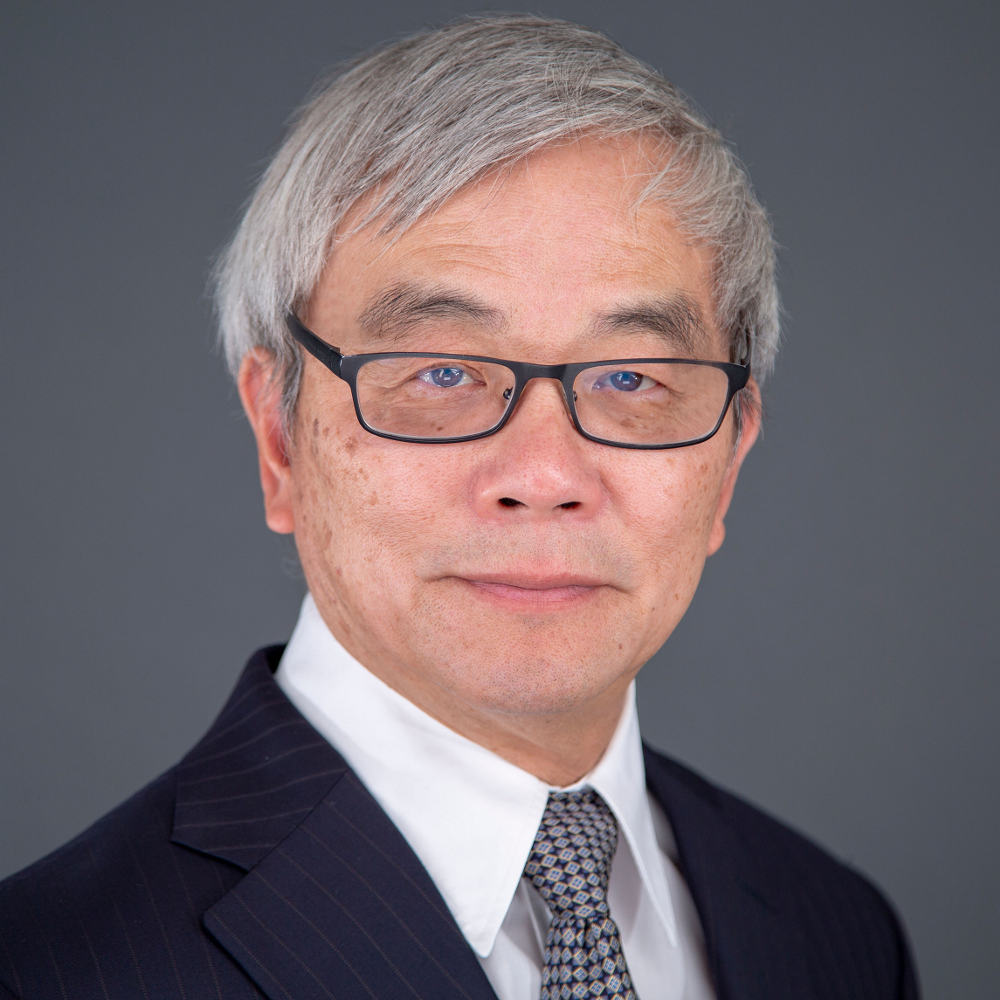
Tom Hui built his second act in the cloud
After selling his first software company, Tom Hui started again with HST Pathways. His next act would turn on a less fashionable skill than invention: giving a business time to work.

Sean Mallapurkar built an $11 million software business with Dad. He plans to keep it.
After a consumer startup failed, Shoanak (Sean) Mallapurkar returned to India to build Recruit CRM with his father. Their family-owned software business now serves recruitment firms across more than 100 countries, with independence still part of the plan.
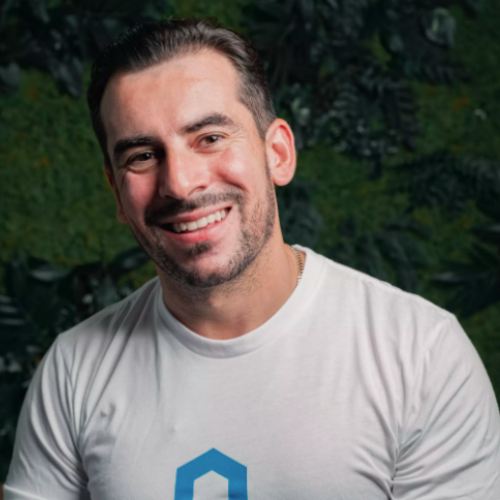
Joseph Elias Phillips puts a family-business instinct into the machinery of money
A grandfather’s jewelry business, a friendship forged in a Miami salsa club, and a lesson at ServiceTitan led Joseph Elias Phillips to co-found Payabli. His wager: help software companies handle the money already moving through their customers’ lives.
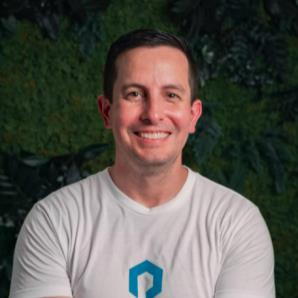
William Corbera started in a dorm room. The payments problem kept getting bigger.
A college sales crew, a salsa-club friendship, and two decades spent untangling how businesses get paid. Inside the working life of Payabli co-founder William Corbera.
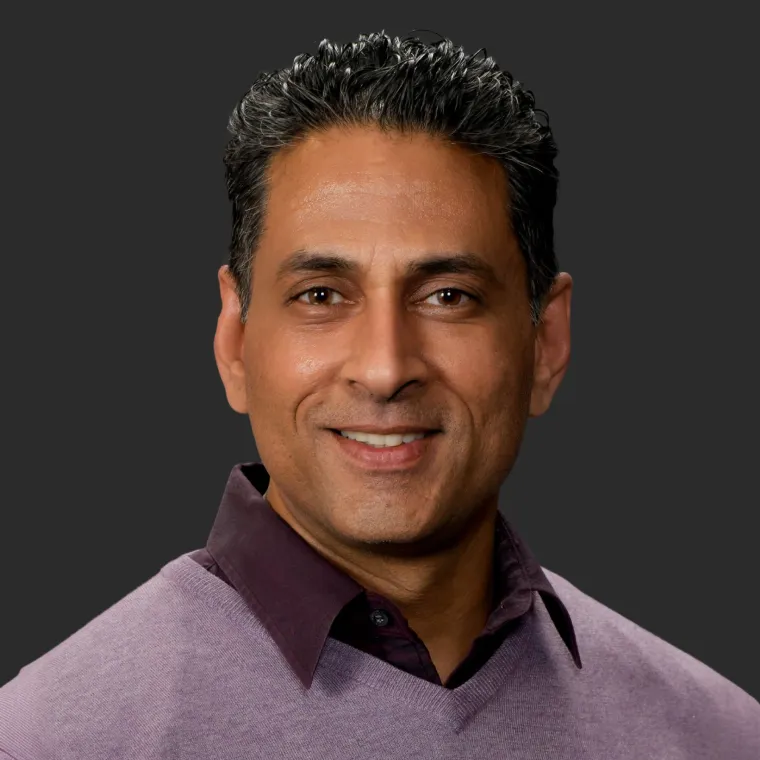
Sunil Patel put up a glass wall. Then he built Tekmetric.
At his Houston repair shop, Sunil Patel let customers see the work. His software company carries that same idea into inspections, estimates and the everyday business of earning trust.
Sanjay Varnwal gave up business to build a better one
From photography tools to AI for car dealers, Spyne co-founder Sanjay Varnwal has learned to make ambition more specific. His next challenge is to help dealerships turn a good-looking listing into an actual conversation.

Jack Pawlik and the education of a six o’clock barista
Before Dripos reached more than 1,000 coffee shops, Jack Pawlik spent months working the counter for free. The lesson was waiting on the other side of the register.

Avery Durrant and the trouble between the tools
He helped coffee shops trade a patchwork of software for Dripos. Now Avery Durrant is building Custral around a familiar question: why does every team have a different version of the same customer?
Maximilian Kogler and the arithmetic of play
He tried to pick apart a ping-pong business with a spreadsheet. Now the PodPlay co-founder is building the software behind other people’s games - and keeping a table booked for himself.
John Kramer’s theory of the overflowing plate
At HoneyBook, John Kramer learned to remove the work that kept other people from doing theirs. At Salsa, the co-founder and CEO is applying that lesson to payday.
Why the internet led Nathaniel Stevens back to the car lot
A search-ad experiment at his family’s Ford dealership became Yodle. After the company’s $342.4 million sale, Nathaniel Stevens kept working on the same question: what does a local business need to compete?
Ara Mahdessian and the work that followed Dad home
His father finished the job, then came home to another shift of paperwork. Ara Mahdessian built ServiceTitan with Vahe Kuzoyan to give contractors a different kind of working day.
Tim Crawford and the five minutes that can change a driving career
Tim Crawford co-founded Tenstreet to get trucking’s hiring paperwork moving. Twenty years later, he is still counting the minutes between a driver asking for work and a person answering.
Amos Haggiag’s ten-year bus puzzle
A conversation with his father sent Amos Haggiag into the mathematics of public transport. Ten years later, he left Microsoft to build Optibus - and discovered that moving buses also means understanding people.

Tom Michels and the appointment that kept getting bigger
Tom Michels wanted to book a haircut online. Years of salon visits, late-night coding and shared decisions turned that small inconvenience into Salonkee, now used by more than 10,000 salons across Europe.
Ali Javid and the Hollywood Problem That Came Back Every Payday
After Body Labs, Ali Javid wanted a business built around a problem customers had to solve again and again. At Wrapbook, he found it in the paperwork behind the pictures.
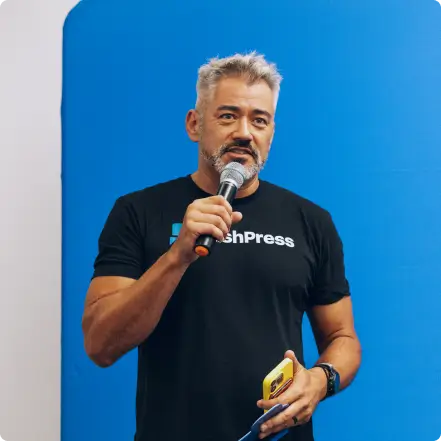
Dan Uyemura and the art of making yourself less necessary
He built gyms, wrote their software, and then gave up the keyboard. For the co-founder of PushPress, growing a business has meant learning which parts of the job to leave behind.
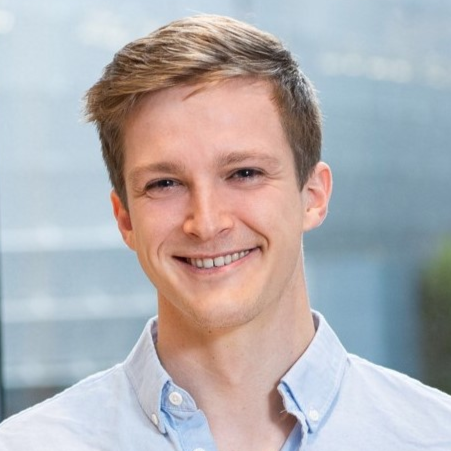
Nate Baker and the Value of a Finished Basement
He chose real estate software on paper. Then a Massachusetts lawyer gave him a place to stay and a business to understand. A decade later, the Qualia co-founder is trying to teach software to do the work he once moved in to learn.

Matt Danna and the hidden arithmetic of a haircut
An unbooked haircut sent Matt Danna behind the reception desk. What he found there became Boulevard: a software business built around the value of a stylist’s time.
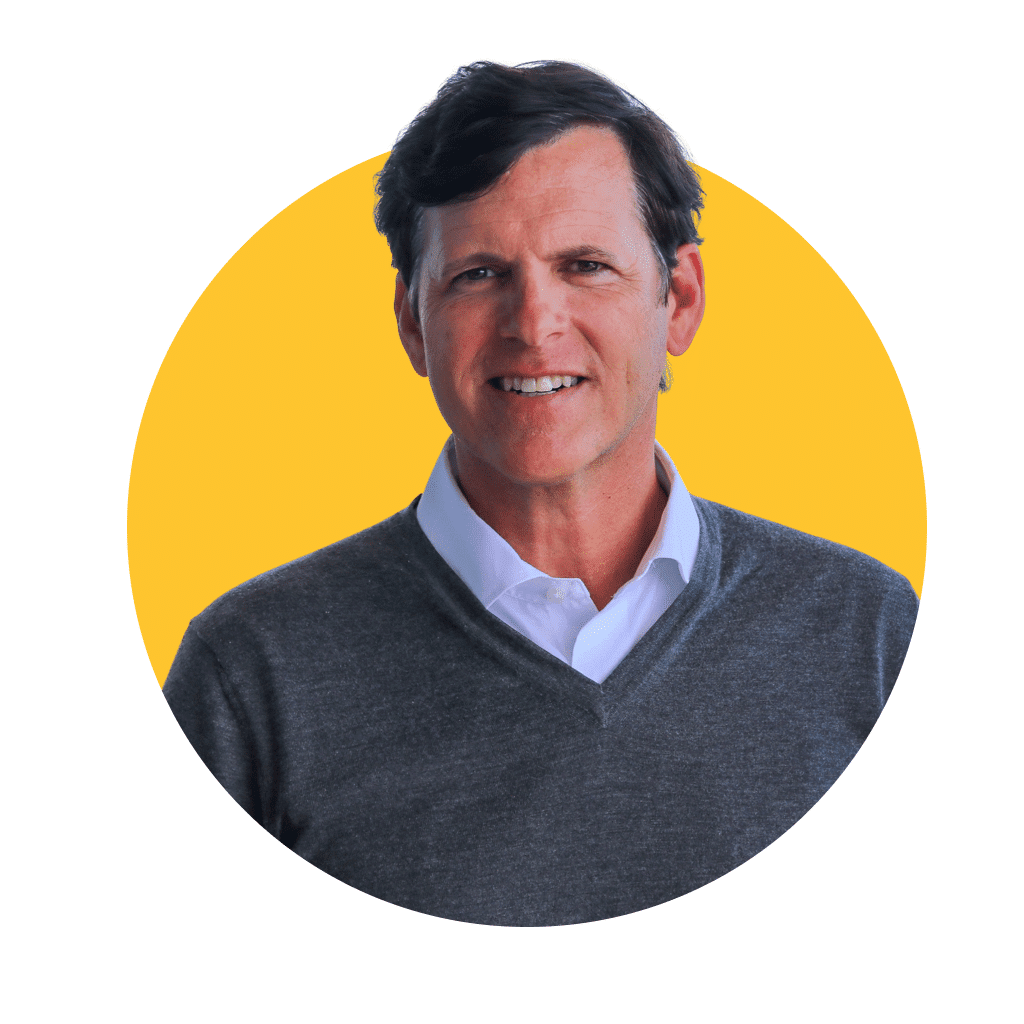
Clay Sifford and the cost of getting there
A technician’s trip from Spokane to Atlanta helped send Clay Sifford into software. With LASSO, the former event-production operator is following the work from the first crew booking to the final cue.
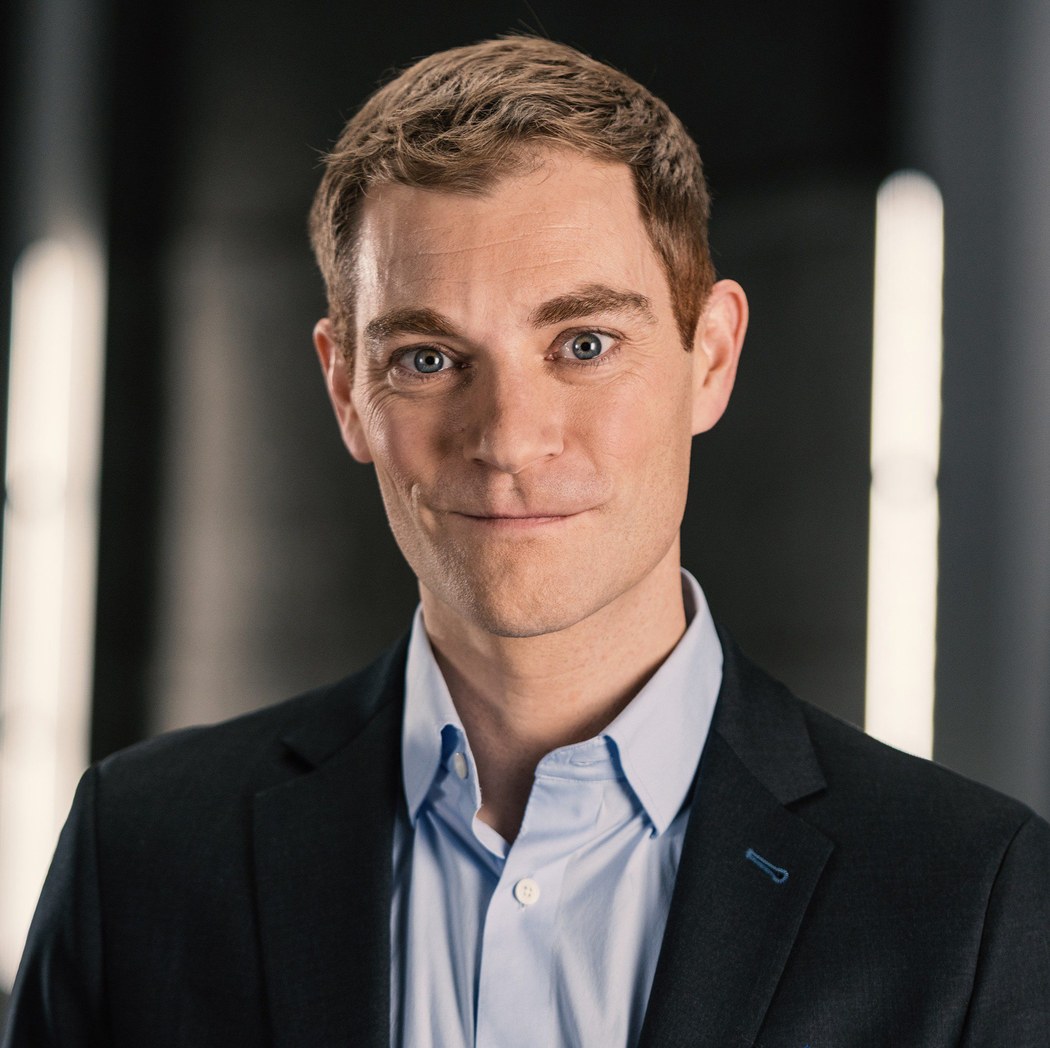
Noah Glass and the 21-year shortcut to lunch
He wanted to skip the coffee line. Building Olo meant years of waiting, a business-model rethink, and a return to an idea he had put aside.
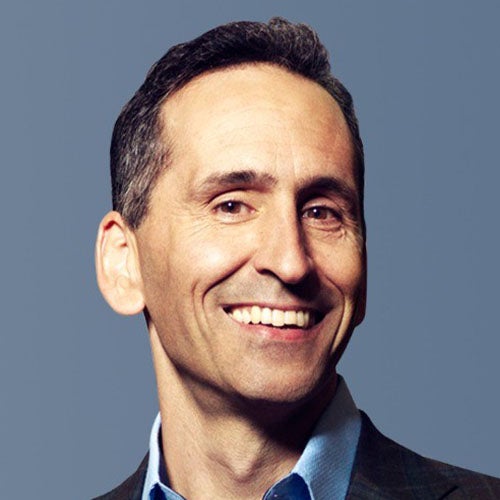
Peter Gassner and the business of answering to someone
A machine-shop owner’s son built Veeva by narrowing his focus, watching the cash, and listening to customers. Then he asked shareholders to change the rules of the company they owned.

Ashot Iskandarian’s Expensive Birthday
On his birthday in July 2017, Ashot Iskandarian left his software job to build Shopmonkey. The wager joined a childhood love of cars to a question he and his wife kept asking: who would this business help?

Charlotte Fudge and the business hiding in the paperwork
Charlotte Fudge built CentralReach after confronting the everyday work of running her own business. Her path from operator to software founder turns on an unglamorous question: who is taking care of the administration?
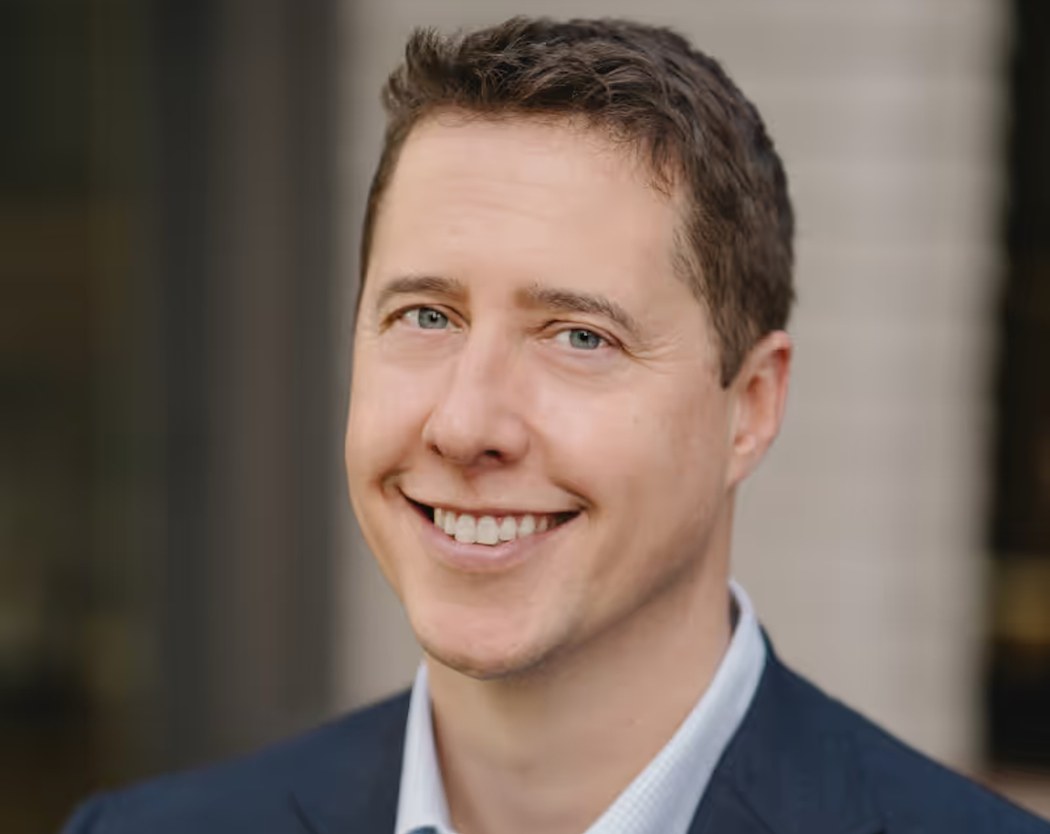
Geoff Nudd and the Trouble with a Good Idea
ClearCare began with a family’s unanswered questions. Geoff Nudd built it by listening to the objections - from customers, competitors, and eventually the numbers themselves.

Marc Sanderson’s Thirteenth Offer
He went looking for a business to buy and ended up in a Minnesota cabinet shop. Nearly three decades later, the founder of INNERGY is still untangling what happens before the sawdust.
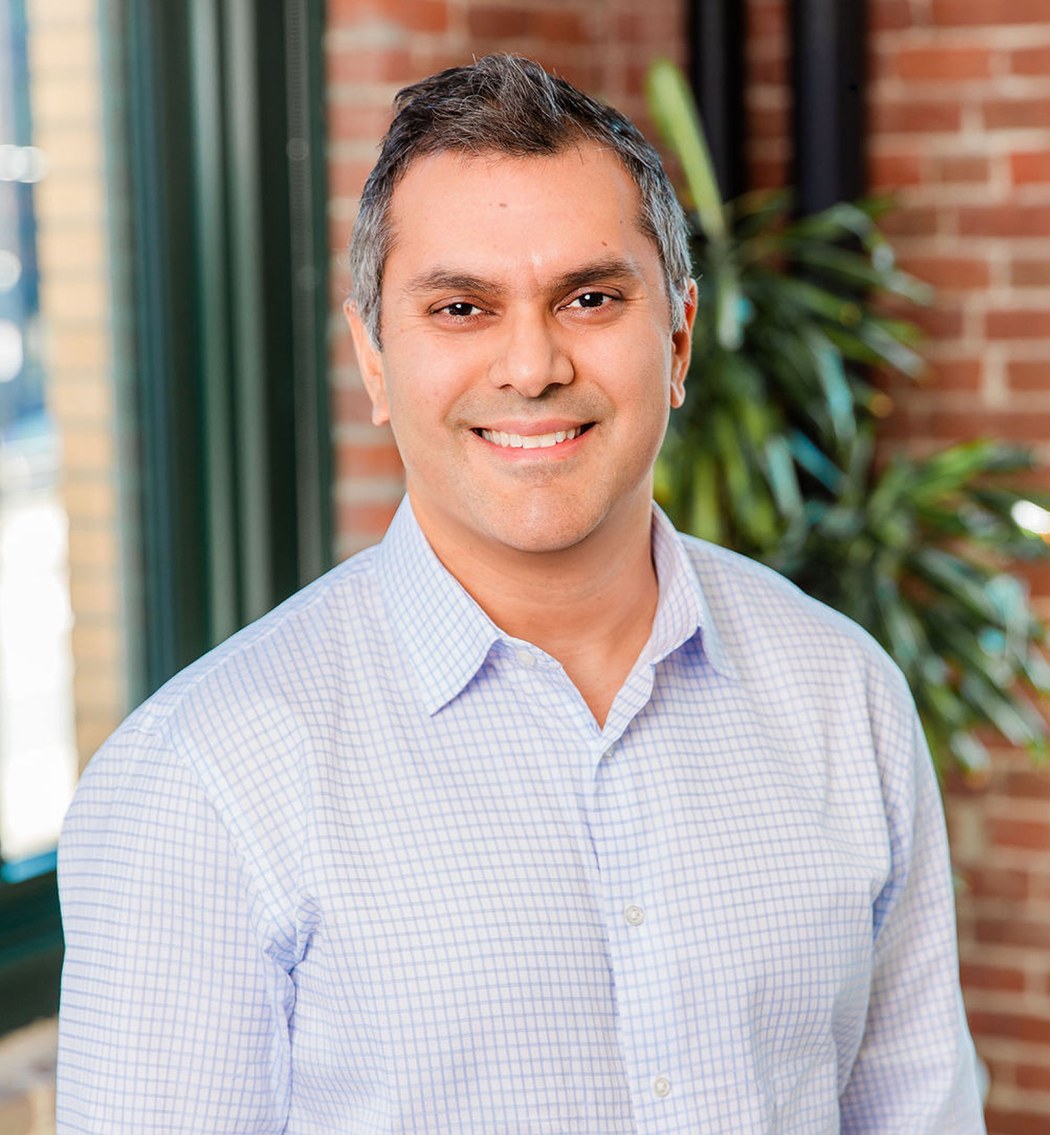
Aman Narang and the trouble with a simple idea
He wanted to make paying for dinner less tedious. Building Toast meant taking responsibility for almost everything that happened before the bill.

Vishu Ramanathan and the $100 education
Before automating a broker’s marketing, Vishu Ramanathan did the work himself. The Buildout co-founder’s education in software kept turning into an education in people.
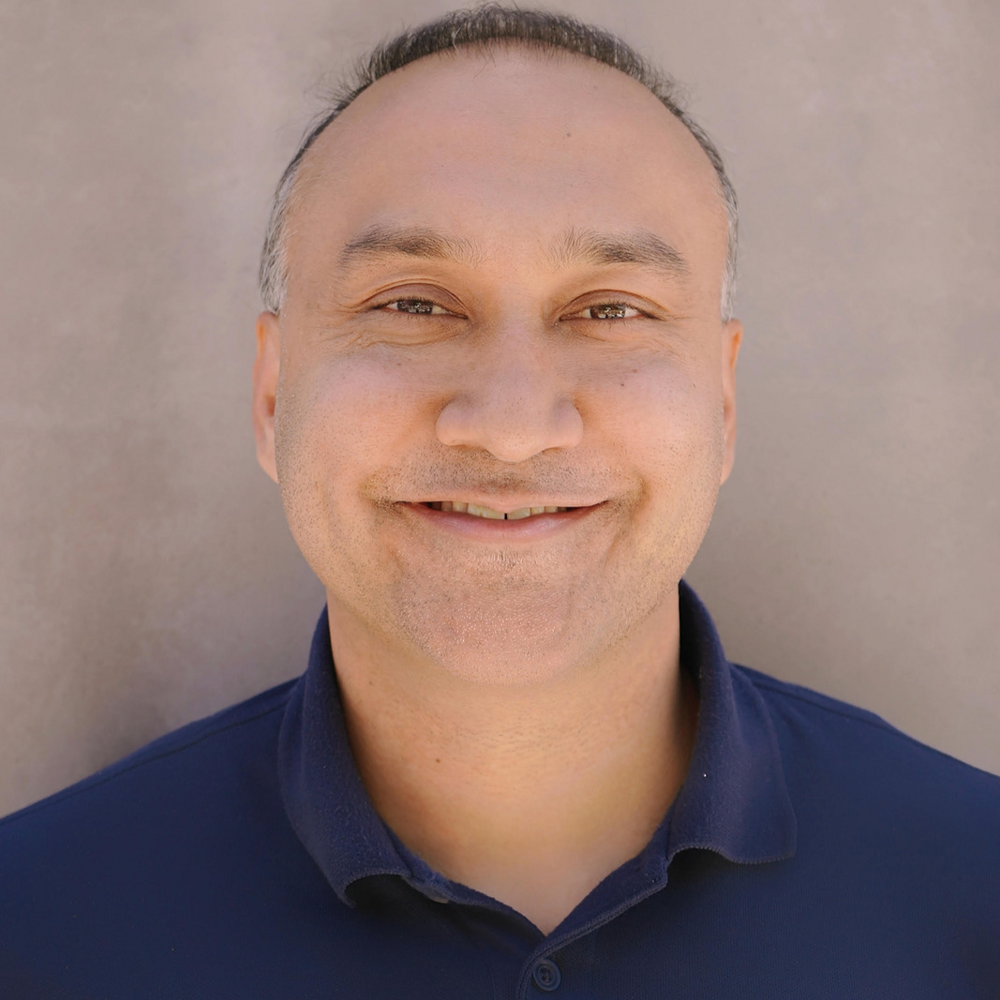
Alok Chanani and the business of getting things unstuck
Before BuildOps, Alok Chanani moved money through Iraq and built property in Southern California. Then he noticed how much skilled work was being held up by the paperwork around it.
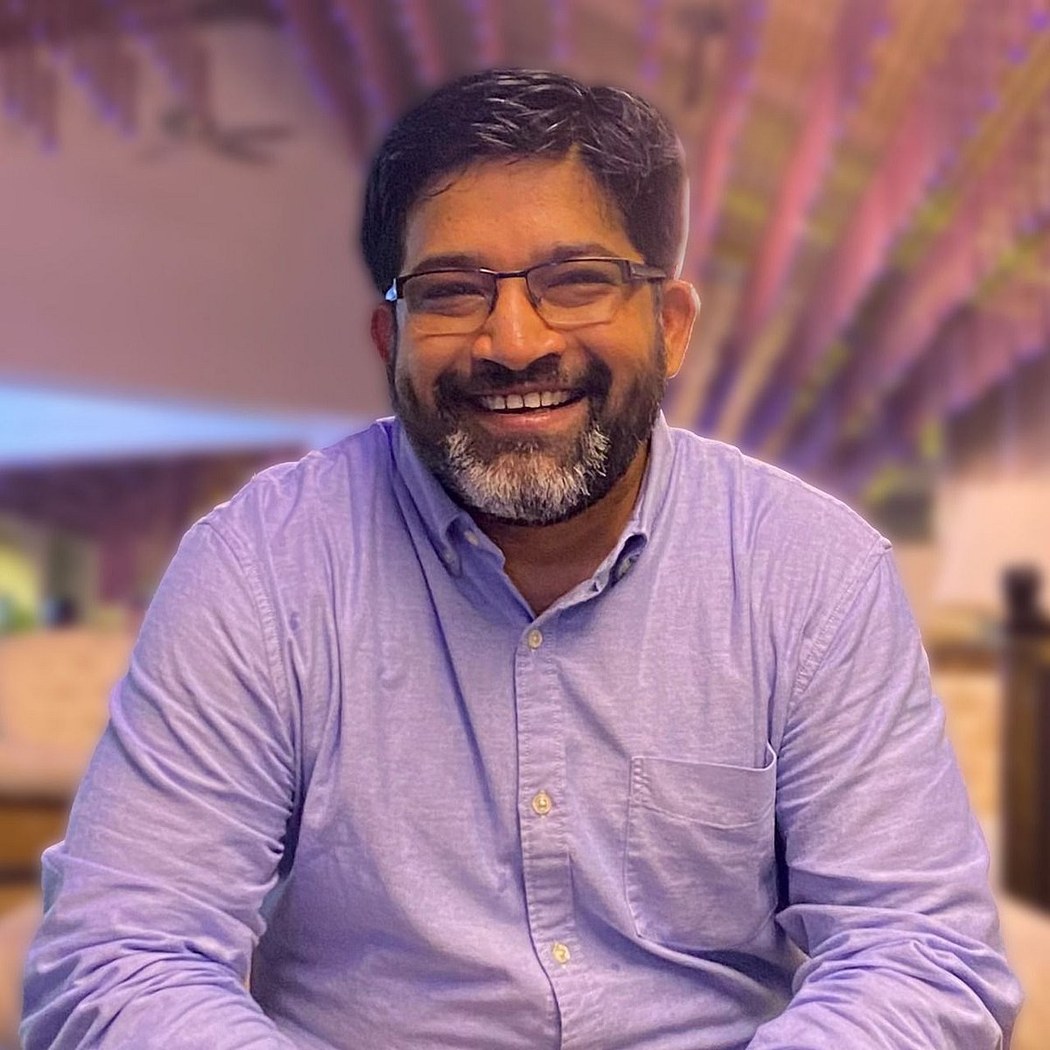
Soumya Chatterjee and the art of being remembered
From banking rewards to retail CRM, the Easyrewardz co-founder has kept returning to one problem: how a business remembers its customers. His next chapter puts their permission into the picture.