startup-funding
(69)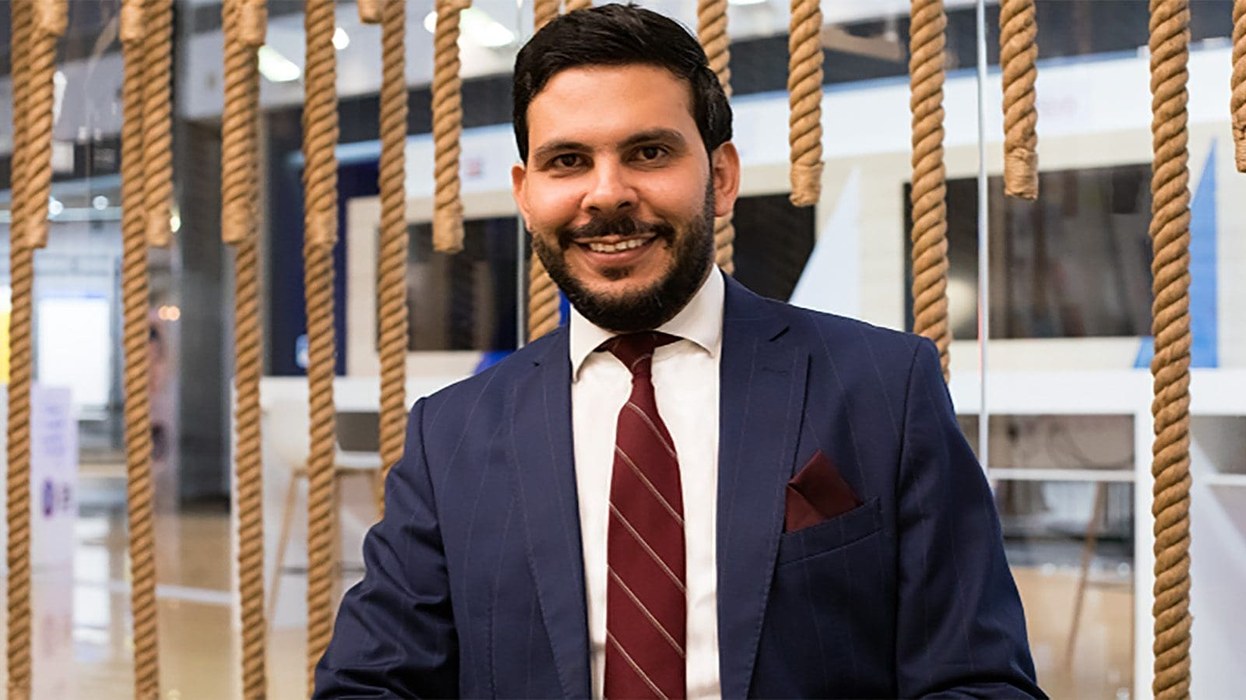
Osama AbouElkhir and the unexpected value of a warm meeting
From a Dubai conference booth to a $5 million funding round, TachyHealth’s co-founder has kept making room for a conversation. His public story also has room for a Father’s Day cookie.
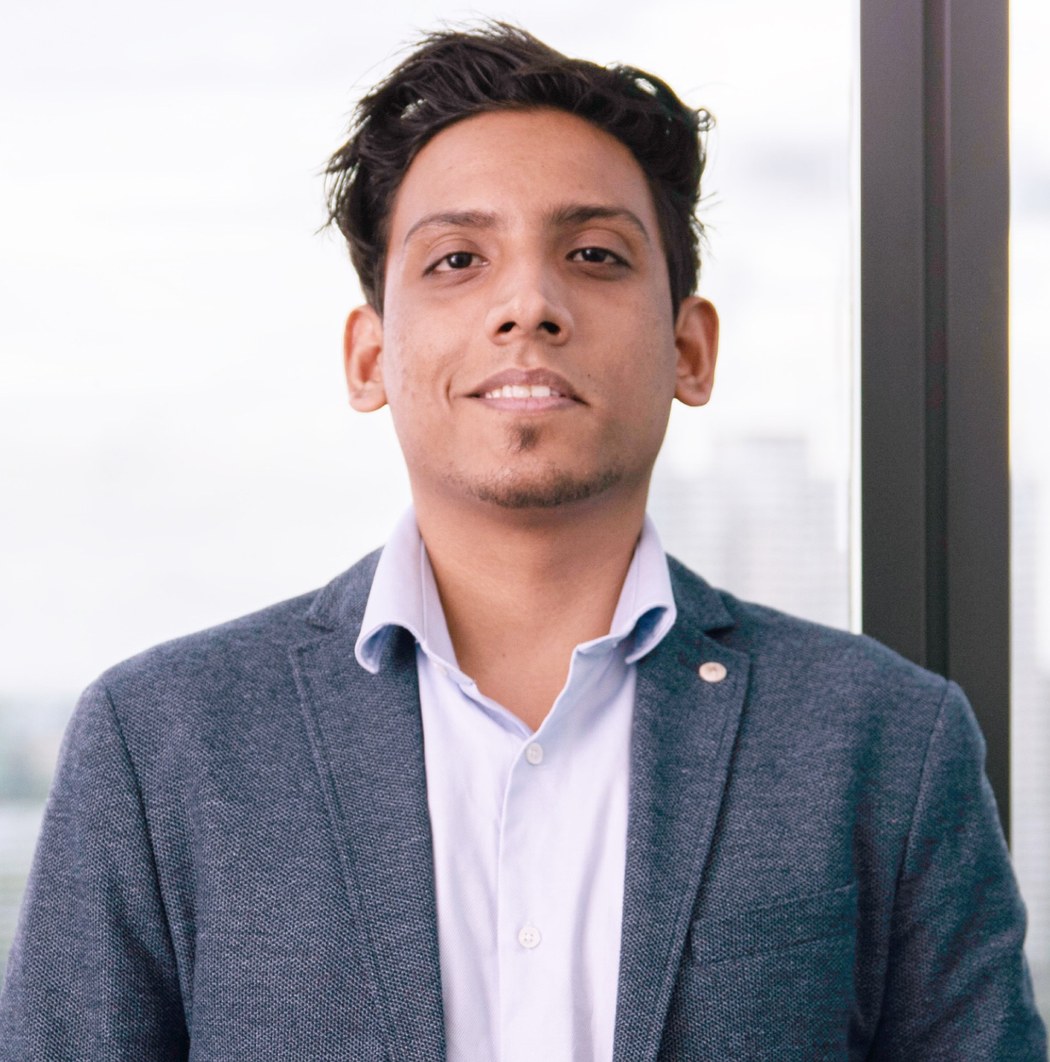
Aniket Singh Rajput and the Art of Taking a Step Back
He left doctoral research to start Neuroglee, then moved its headquarters from Singapore to Boston. Along the way, Aniket Singh Rajput has made a case for a quieter kind of founder: one who thinks before he moves.
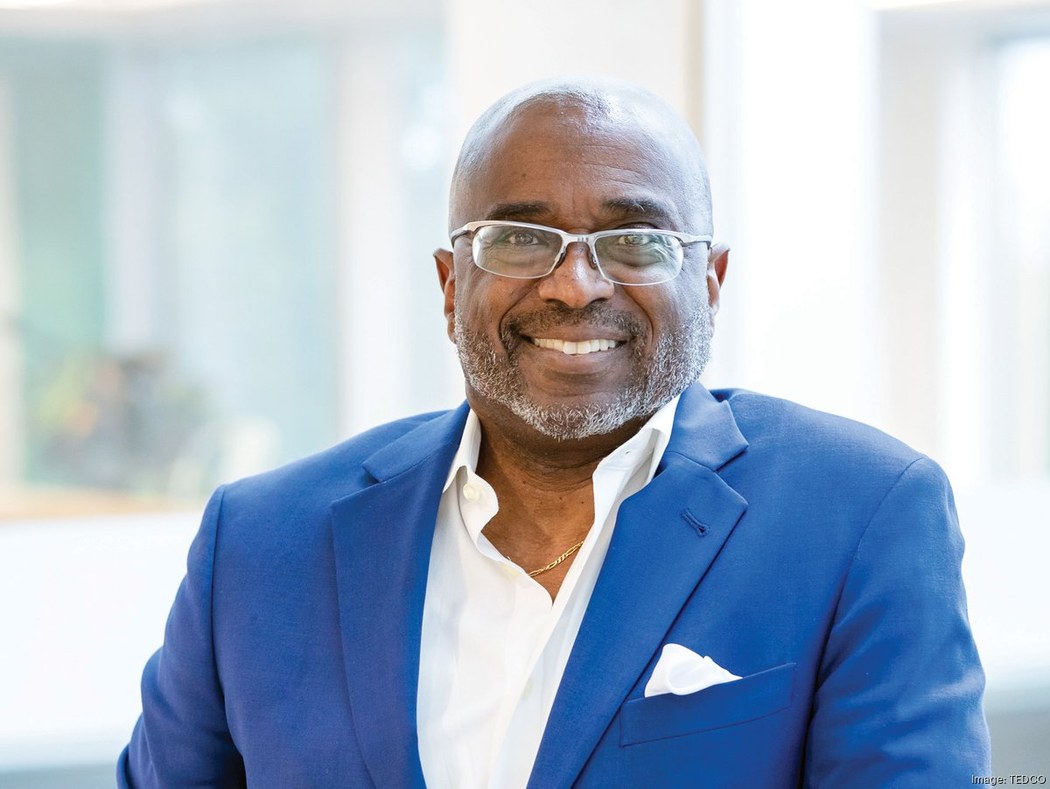
Troy Stovall and the art of the second attempt
From Bell Labs to Maryland’s startup economy, Troy LeMaile-Stovall has built a career around a practical conviction: people can learn, plans can change, and a useful introduction can alter what happens next.
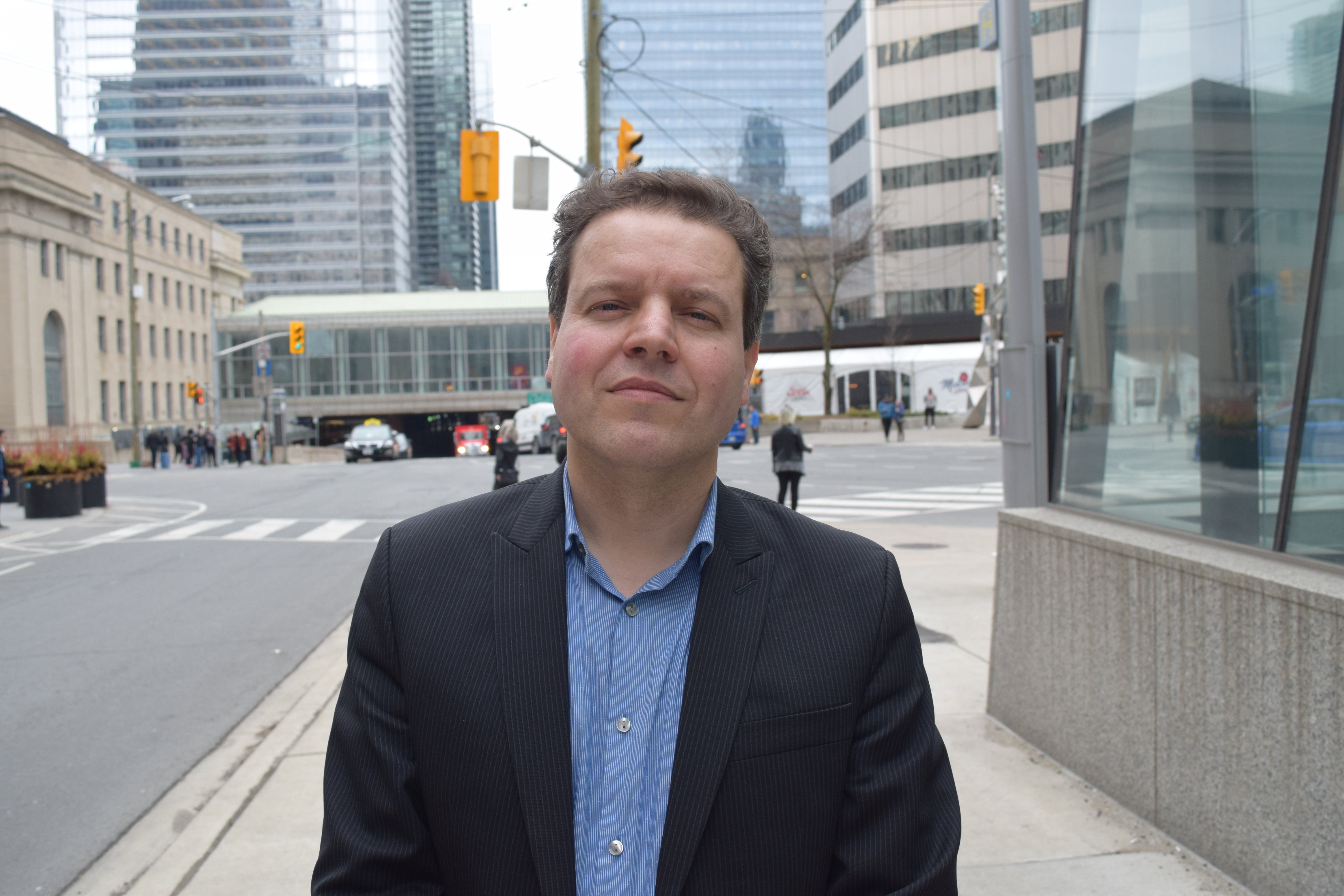
Peter-Paul Van Hoeken and the price of admission
After a career in European banking, Peter-Paul Van Hoeken came to Canada and found two groups waiting on opposite sides of the same door: companies needing capital and people wanting to invest. FrontFundr is his attempt to bring them into the same room.
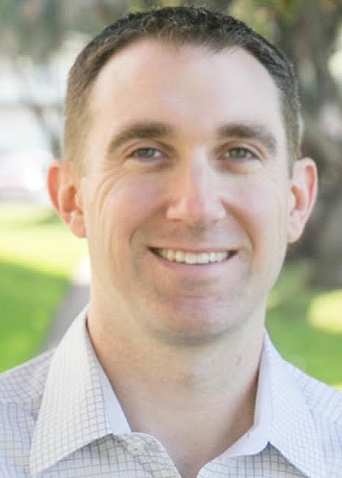
Bill Clark and the price of an open door
A credit risk manager saw small businesses struggling to find capital. His answer became MicroVentures, where smaller checks opened a different route into private-company investing.

20VC turned the microphone into a cheque book.
Harry Stebbings built a podcast to get closer to venture capital. Then he built a venture firm whose calling card was already playing in founders’ headphones.
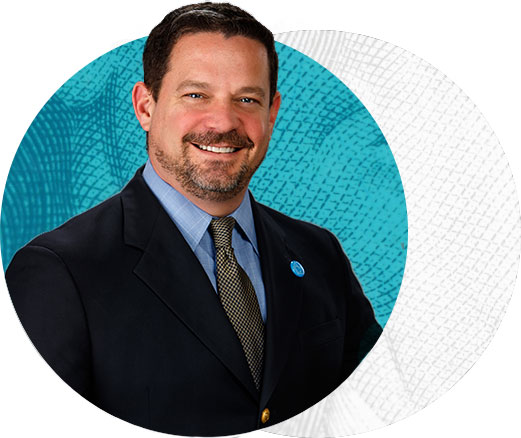
Scott Nissenbaum and the six-month job that lasted eleven years
A venture-capital internship became an eleven-year education. A forest-carbon startup put the lessons to work. Now Scott Nissenbaum helps Philadelphia entrepreneurs navigate the distance between a promising idea and the money to build it.
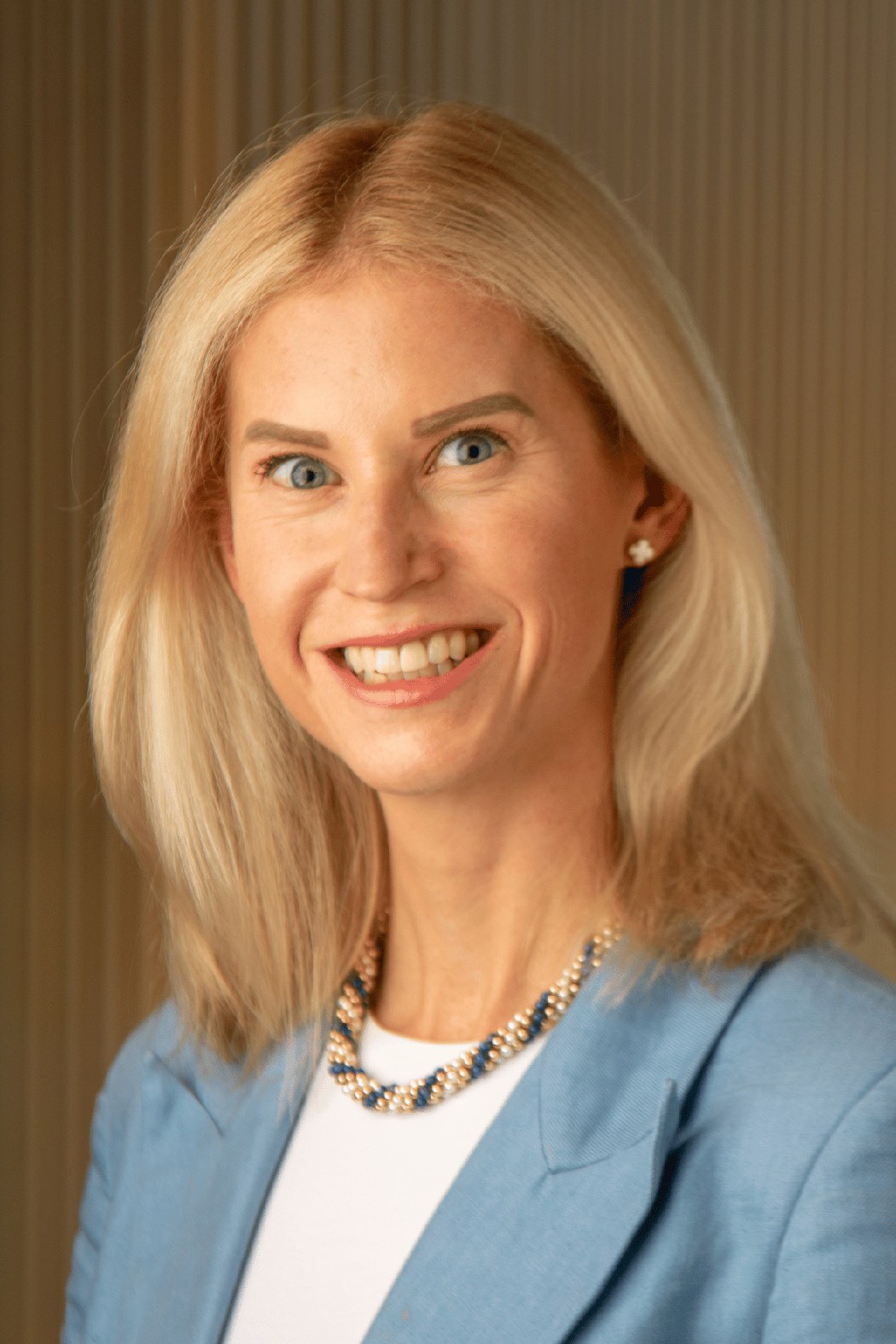
Emma Off and the distance between an idea and a company
A Cincinnati deal lawyer received an unexpected invitation to lead CincyTech. Her next chapter puts founders, private capital and the future of her hometown at the same table.
Venturelab makes Swiss science face the market
A laboratory can prove that something works. Venturelab asks the less comfortable question: will anybody buy it? Its Swiss startup programs turn that question into training, staged funding and introductions abroad.

Hawaiʻi Angels: 500 decks. Two seats at lunch.
In Honolulu, a free pitch can lead to a very serious conversation. Hawaiʻi Angels turns a monthly lunch into a bridge between early traction and investors willing to write their own checks.

yeswetrust wants your pitch to earn its introduction
A Swiss network has turned personal growth into an investor-readiness business. Its wager: the useful introduction begins before anyone enters the room.
BRI Ventures: A unicorn with small-business manners
BRI’s venture arm gave Indonesia a locally regulated startup fund, then went looking for businesses that could pay their way. Its story runs from affordable drinks and merchant software to a costly reckoning over TaniHub.

KK Fund bets on the people who know the way in
A Singapore venture firm connects early-stage Asian startups with capital, industry knowledge and a Japanese investor network. Its most useful lesson: a promising market is easier to enter when somebody already knows the door.

APY Ventures bets on the work before the applause
A game before launch. A factory visit before a cheque. Inside the Turkish venture-fund umbrella that treats the next milestone as the real pitch.

Plutus Business Advisory makes the case for the boring bits
An investor introduction gets the applause. Plutus Business Advisory works on the forecasts, valuations and legal details that give the introduction a chance.

MatchPlay Wants Your Second Investor Meeting to Start Further Ahead
A pitch deck opens a conversation. MatchPlay is building a business around what comes next: checked facts, useful introductions, and a clearer route to capital.
The Indian Incubator Where Founders Have to Build the Thing
On a 40-acre campus outside Ahmedabad, iCreate gives deep-tech founders what pitch decks cannot: tools, technical scrutiny, patient mentors and a route from prototype to paying market.

StartupLanes Built a Funding Lane With One Startup in the Room
The pitch-event conveyor belt is gone. StartupLanes puts one company in front of the room, then sells founders the connective tissue from idea to IPO.

T-Hub Built a 572,000-Square-Foot Answer to India’s Startup Bottleneck
Hyderabad did not merely commission an incubator. It built a piece of civic machinery where founders, corporates, investors, universities and government are expected to collide - then turn those collisions into companies.

KCSourceLink Built a Business Help Desk for an Entire City
Kansas City already had plenty of people willing to help entrepreneurs. The missing product was a map - and the trust to make the handoffs work.

Inside the Hyderabad Campus Turning Student Projects Into Real Companies
SU Knowledge Hub Foundation gives campus inventors the awkward middle they usually lack: mentors, machines, market tests and a route from clever prototype to registered startup.
Avinya Ventures wants the cheque to come with a crowd
The Surat venture fund grew out of We Founder Circle’s angel network. Its bets on commerce software, batteries and industrial businesses test a practical proposition: an investor should bring useful people along with the money.

Punjab Angels Network wants founders ready before the cheque arrives
From founder agreements in Mohali to business delegations in Sydney, Punjab Angels Network works on the awkward stretch between having an idea and making it investable.
PECAP is counting Peru’s startup money. The fine print matters.
Peru’s startup financing rebounded in 2025, but most of the money was debt. PECAP, the country’s seed and venture capital association, is working on the harder problem: getting more investors to take the first risk.
F6S built a business around the work between the big ideas
A network of 6.5 million members, a cupboard full of software deals and a growing role in European innovation: F6S makes the unglamorous parts of building a company easier to find.
Zagreb Has a Workshop for Startups. The City Helps Pay the Bill.
At ZICER, founders can move from a subsidized office to a prototype, a pitch and a shot at public funding. The revealing detail is how much of the machinery sits under one roof.

Backstage Capital Found 200 Companies. The Hard Part Was Funding Itself.
Arlan Hamilton built a venture firm around founders other investors overlooked. Its next test is making that investment thesis support an enduring business.
FEA Angels turns the alumni reunion into a funding round
Born at the University of São Paulo, FEA Angels puts founders in front of people who can write checks and ask difficult questions. Its real asset is what happens between the introductions and the investment.
ISSF’s bet: fund the investors, bring the money to Jordan
Jordan’s ISSF started with $98 million and a practical wager: backing venture funds could bring more capital to local founders. Its next chapter tests how far that approach can travel.

Rockies Venture Club makes the pitch the beginning
The Colorado angel network has built a business around what happens after the applause: teaching investors, checking the numbers, and assembling enough capital to make a deal.