An invoice is an oddly revealing place to begin a story about venture capital. Someone has delivered the goods. Someone else has agreed to pay. Between those two events sits a supplier who still needs money for wages, materials and the next order. In 2017, Malaysia’s CapitalBay raised RM2 million from KK Fund to work on precisely that interval. The investment was reported at roughly US$477,000. The problem was considerably less glamorous than the phrase “digital economy,” and considerably easier to recognise.
- KK Fund backs early-stage Asian technology companies, with a strong seed-investment history.
- Its partnerships connect startups with practical expertise, facilities and potential business relationships.
- The recurring question: who understands the industry well enough to get a product used?
The advantage that cannot be downloaded
In a 2019 interview, co-founder Koichi Saito described looking for an “unfair advantage.” His example was PolicyStreet: founders with insurance and finance connections, including actuarial expertise. The interesting part was the familiarity. Insurance has its own rules, language and gatekeepers. Knowing them changes the distance between building software and selling something useful.
That observation supplies a lens for KK Fund. An attractive market can be visible to everyone. Access is distributed less evenly. A founder who understands how an insurer approves a product, or how a supplier gets paid, arrives with knowledge that a market-size slide cannot confer. For readers building companies, the distinction is useful: describe the route to a customer as carefully as the customer count.
“unfair advantage”Koichi Saito, on founder selection, 2019
Two careers, one regional bridge
KK Fund took shape in Singapore in 2015. Saito had led Southeast Asian investments at IMJ Investment Partners. Co-founder Kuan Hsu brought experience from McKinsey, electronics manufacturer Solectron, Goldman Sachs, Temasek and GREE Ventures. Between them sit investing, transactions and the less theatrical business of making supply chains function. That background helps explain the portfolio’s interest in the machinery beneath everyday commerce.
The firm’s second fund reached its first close in July 2016 with Japanese backing that included Incubate Fund, Sega Sammy, Septeni and Mistletoe, alongside private investors. These were investors in the fund, rather than customers purchasing a startup product. KK Fund sits between those capital providers and founders seeking money and support.
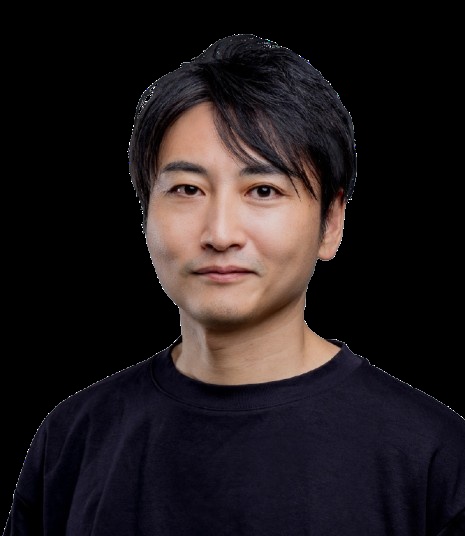
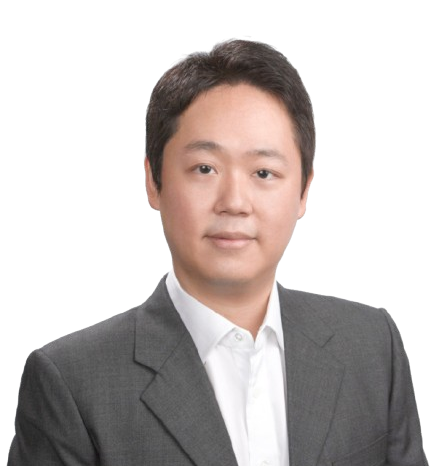
Its business is venture investment: backing companies whose growth might produce valuable equity. Founders gain capital and assistance; fund investors seek returns. The website now names Southeast Asia, South Korea, Hong Kong and Taiwan. A founder evaluating KK Fund should therefore consider geography, stage and the relevance of its network together. A familiar investor name alone is a rather expensive selection method.
Follow the bottleneck
CapitalBay’s seed financing was intended for product development, hiring and customer acquisition. Its business addressed the movement of money between SME suppliers and corporate buyers. Here, technology earns its keep by shortening an awkward financial wait. The investment amount tells us what the reported round raised, rather than what it ultimately cost to solve the problem.
PolicyStreet offers another version. KK Fund was an existing investor when it led the Malaysian insurtech company’s US$1.8 million Series A in 2020. The round also involved Spiral Ventures and crowdfunding investors. PolicyStreet planned to improve technology, increase sales and marketing, and enter new markets. Insurance protection became more salient during the pandemic; an existing relationship supplied continuity through an unsettled fundraising period.
In Vietnam, Med247 secured undisclosed seed funding from KK Fund before its business launch in 2019. The stated plan combined physical clinics with clinic-management software and app-based follow-up. That detail matters. A healthcare interface still needs healthcare behind it. The physical service and the digital layer were being developed together.
FishLog extended the pattern into seafood. KK Fund participated in its 2022 seed round, whose value was undisclosed. Funding was intended to develop digital services, expand partnerships and build the team. A later portfolio update described cold-chain work and traceable seafood. The company’s operating world includes warehouses, inventory and buyers. The internet is useful there because the fish already exists.
The kitchen is part of the product
KK Fund’s partnership with Creative Eateries makes its support unusually tangible. Their Initi-8 programme is a six-month food-tech co-building programme. It offers access to a commercially operating manufacturing kitchen, culinary expertise, licensing guidance and routes to distribution. Pre-proof-of-concept startups may apply. The programme description treats commercial production as something founders must learn to do.
For a food-tech company, that is a sensible order of operations. A sample must survive manufacturing, food-safety requirements and a customer’s second purchase. Mentoring addresses fundraising and business operations too. The lesson is transferable: choose support that supplies the missing capability. Sometimes the missing capability has an oven.
- MakeKitchen + culinary support
- PrepareLicensing + product readiness
- ReachDistribution + business matching
Another partnership serves a different audience. In November 2020, KK Fund and IGPI Singapore announced collaboration on corporate business creation in Southeast Asia, including SEA Point. IGPI supplied corporate-transformation knowledge; KK Fund supplied startup support and investment experience. Large companies seeking new businesses need ways to work with smaller ones. Introductions become useful when both sides understand what collaboration requires.
A changing shopping list
The approach has changed emphasis as the market changed. In July 2021, Saito discussed a third investment vehicle and interest in healthcare, education and human resources, while noting stronger competition for fintech and logistics deals. He described typical seed cheques of about US$500,000. That is a dated reference point, not a standing offer.
In August 2024, Tokyo Stock Exchange named KK Fund as an Asia Startup Hub partner. The network supports promising Asian startups. Membership establishes a connection to that effort; it does not establish that a portfolio company will list. The distinction matters for founders weighing promises about the future.
What a founder can take from this
KK Fund occupies a regional early-stage market alongside firms such as East Ventures and Wavemaker Partners. Its useful distinction is the combination of investor relationships and specific commercial partnerships. Fit depends on what a business needs next. An equity investor makes sense when growth can support an investment return. A kitchen programme makes sense when production is the constraint.
The practical exercise is simple: identify the bottleneck, show evidence that customers feel it, and name the people or facilities needed to remove it. Then explain why your team can reach them. Money can fund that work. KK Fund’s story is interesting because it keeps pointing toward the work itself.