st-louis
(68)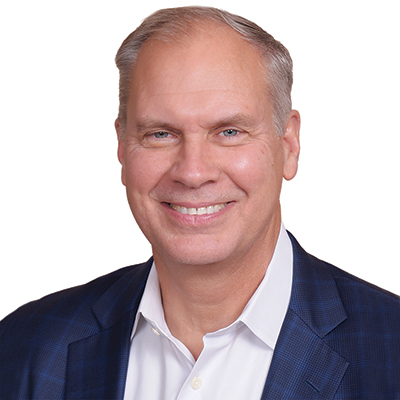
Jim Eberlin Keeps Finding the Next Company Inside the Last One
From Host Analytics to Gainsight and TopOPPS, Jim Eberlin turned the problems of running software companies into businesses of their own. His latest work returns to a familiar question: how do you help customers get something useful done?

Drive Social Media Wants the Receipt.
The St. Louis agency built its business around a stubborn question: which ads brought in the money? Its history shows both the appeal of that promise and the difficulty of proving it.
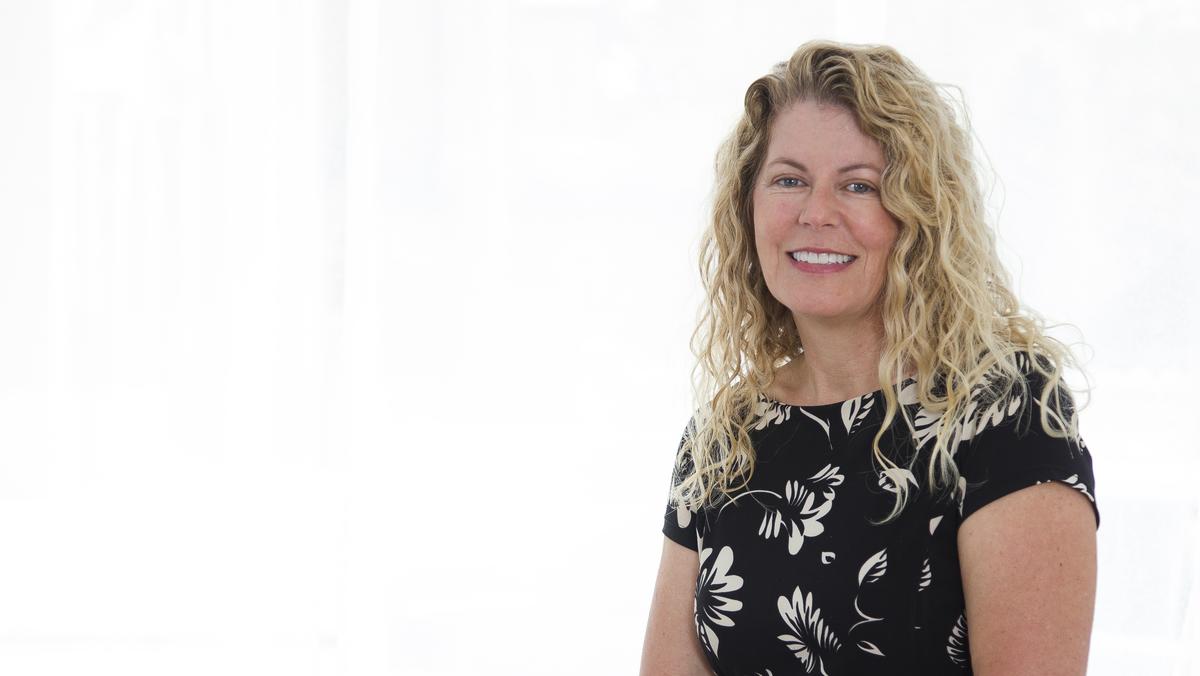
Judy Sindecuse and the business inside the problem
A problem in one business could become the idea for another. A gap in startup funding could become Capital Innovators. Judy Sindecuse has spent her career noticing what needs fixing - and deciding to build it herself.
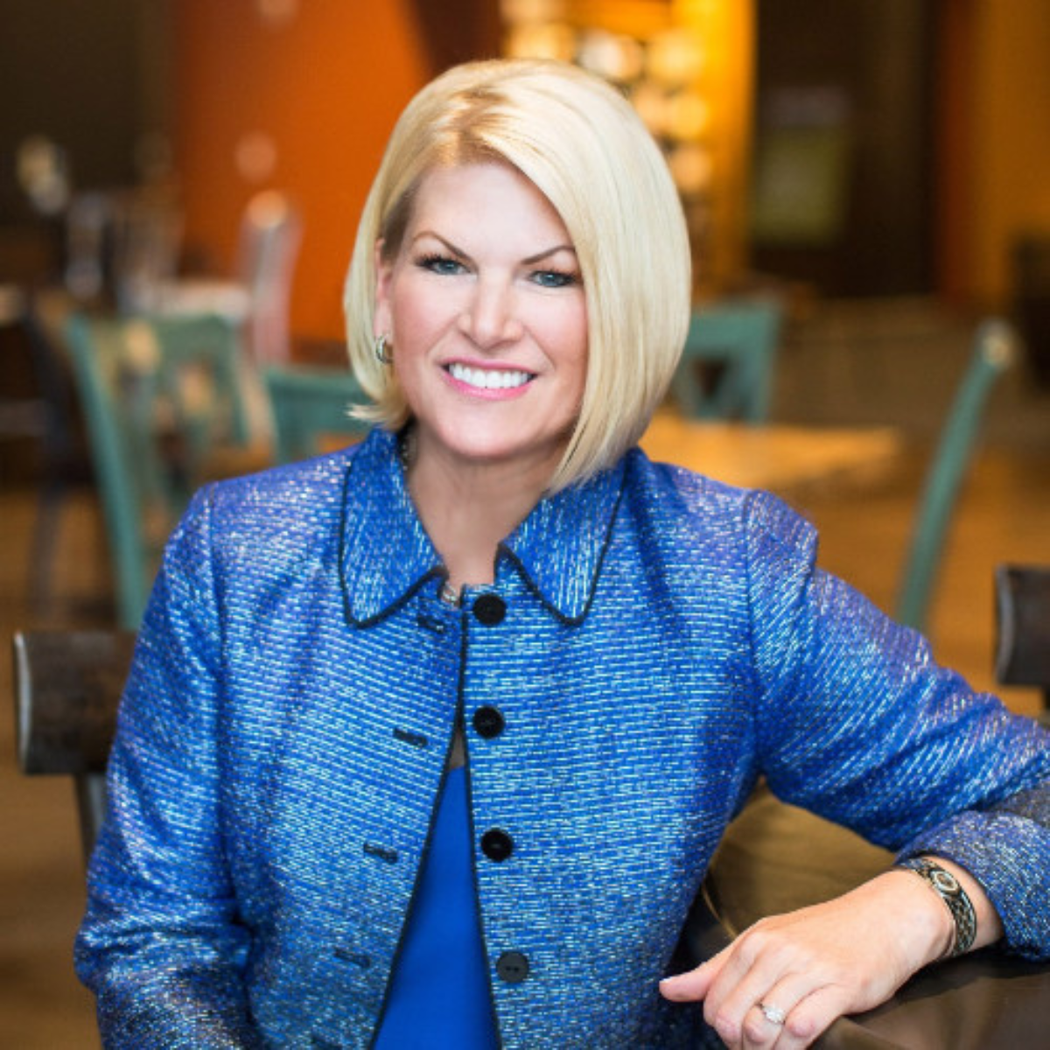
Lisa Nichols and the business of paying attention
A childhood flower venture ended with an apology. Three decades into Technology Partners, Lisa Nichols is still working through the same question: what do you owe the people who make your business possible?

Dean Pichee and the Trouble With Finishing the Course
Dean Pichee built BizLibrary around access to workplace training. Thirty years later, his career turns on a harder question: what happens after the lesson ends?
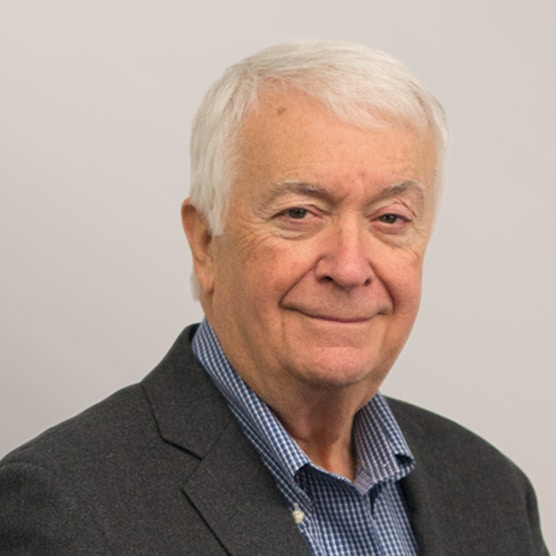
Jim O’Donnell and the Long Bet on a Faster World
A Washington University graduate helped turn a campus computing project into Exegy, then spent more than 17 years leading it. His wager was that the machinery of modern markets could reach beyond the firms rich enough to build it themselves.
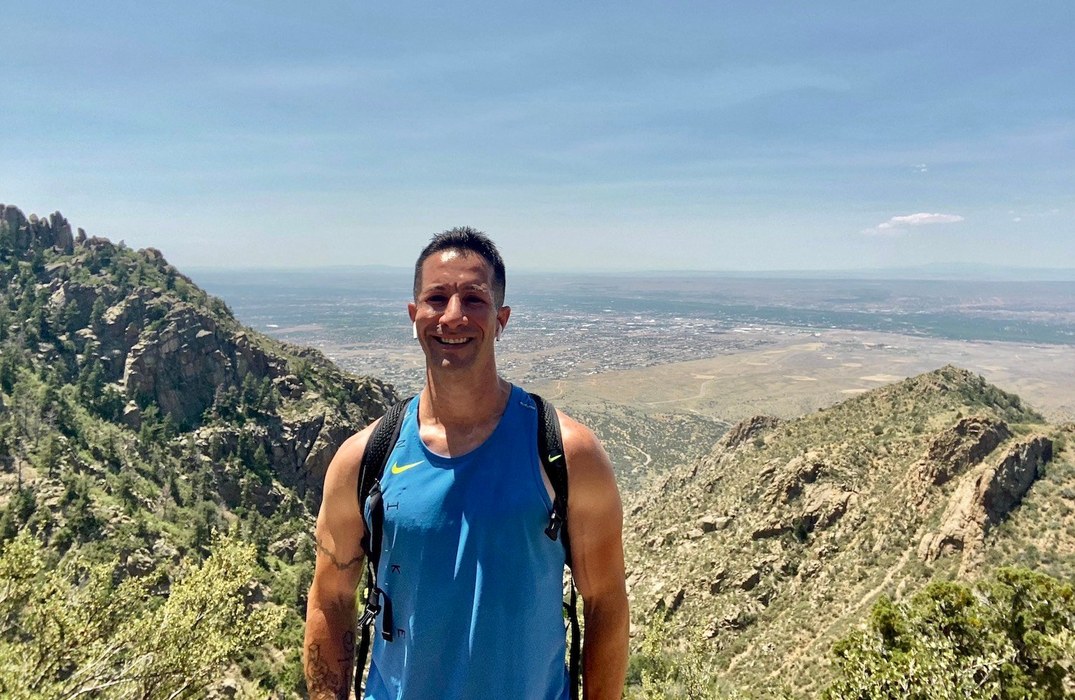
Gabe Lozano and the business of getting people in the game
He built LockerDome around shared interests, helped turn weekend coding into working products, and took a detour into machine learning. At LaunchCode, Gabe Lozano is applying those lessons to a familiar problem: getting people a chance to work.
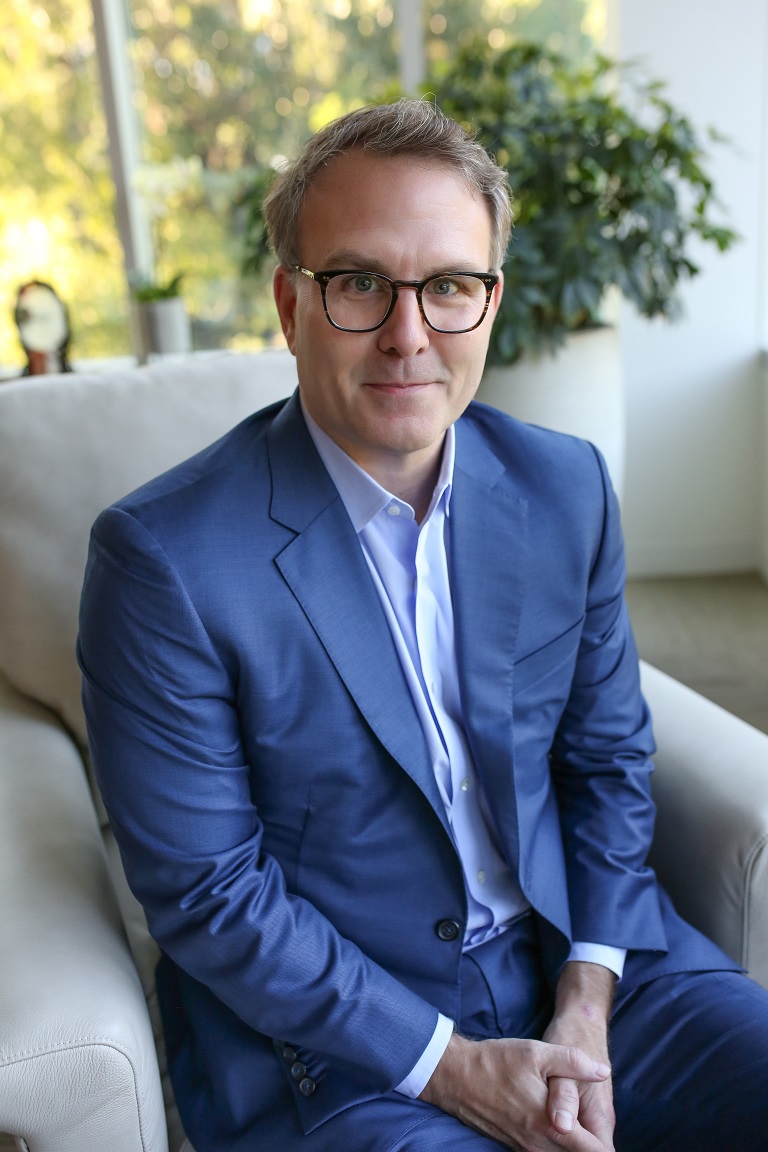
Mark LaVigne and the work after the deal
Before he became Energizer’s CEO, Mark LaVigne helped separate the company and learned to run what emerged. His career follows a transaction past the signatures, into the stubborn business of making it work.
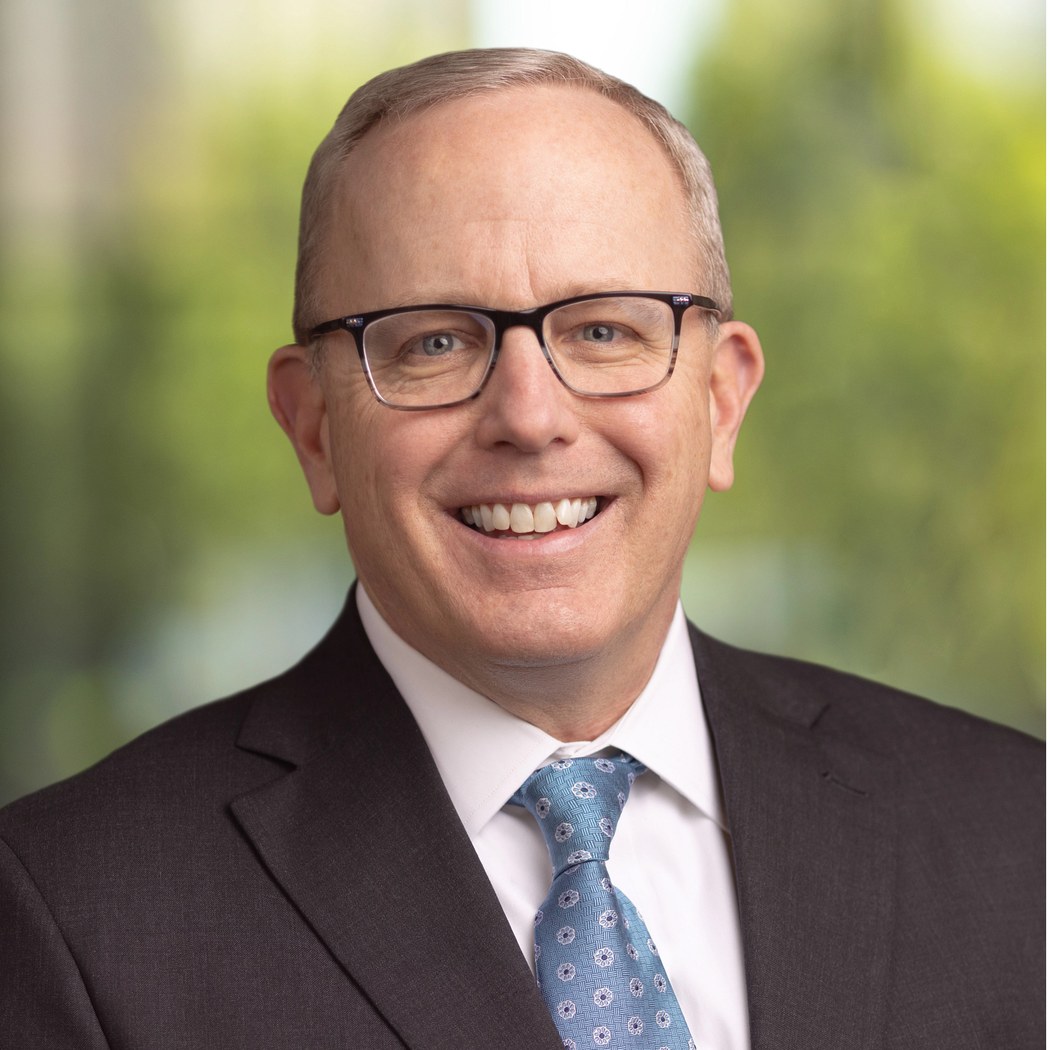
Scott Doyle and the art of making a utility simpler
After nearly three decades at CenterPoint, Scott Doyle arrived at Spire to run its utilities. As CEO, he is adding Tennessee customers and selling adjacent businesses, putting a career in operations behind a more focused company.

Energizer Holdings: The business behind the Bunny
Batteries, car polish, and a costly factory reset. Inside Energizer Holdings, the real challenge is making familiar little products add up to a durable business.
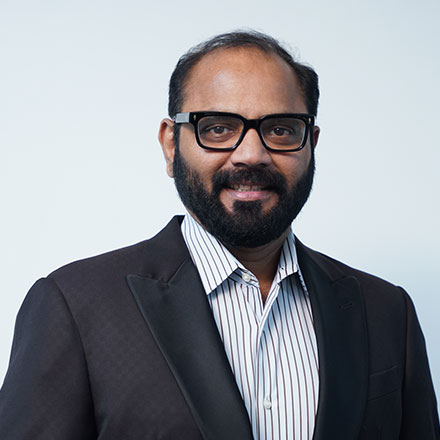
Srini Raj G and the business of showing up
At Gemini Consulting & Services, a confirmation letter comes with a personal handover. For founder and CEO Srini Raj G, that small ceremony fits a larger concern: keeping people close as the company grows.
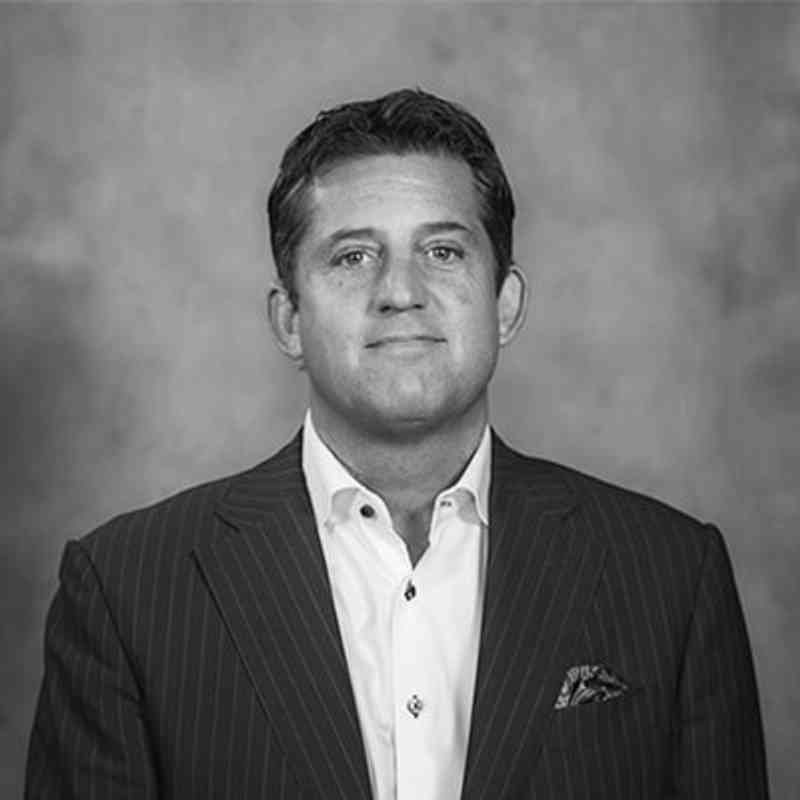
Scott Scully and the case for a smaller room
After building Abstrakt Marketing Group, Scott Scully went back to managing seven sales representatives. The experience brought his ideas about growth, responsibility and listening into focus.
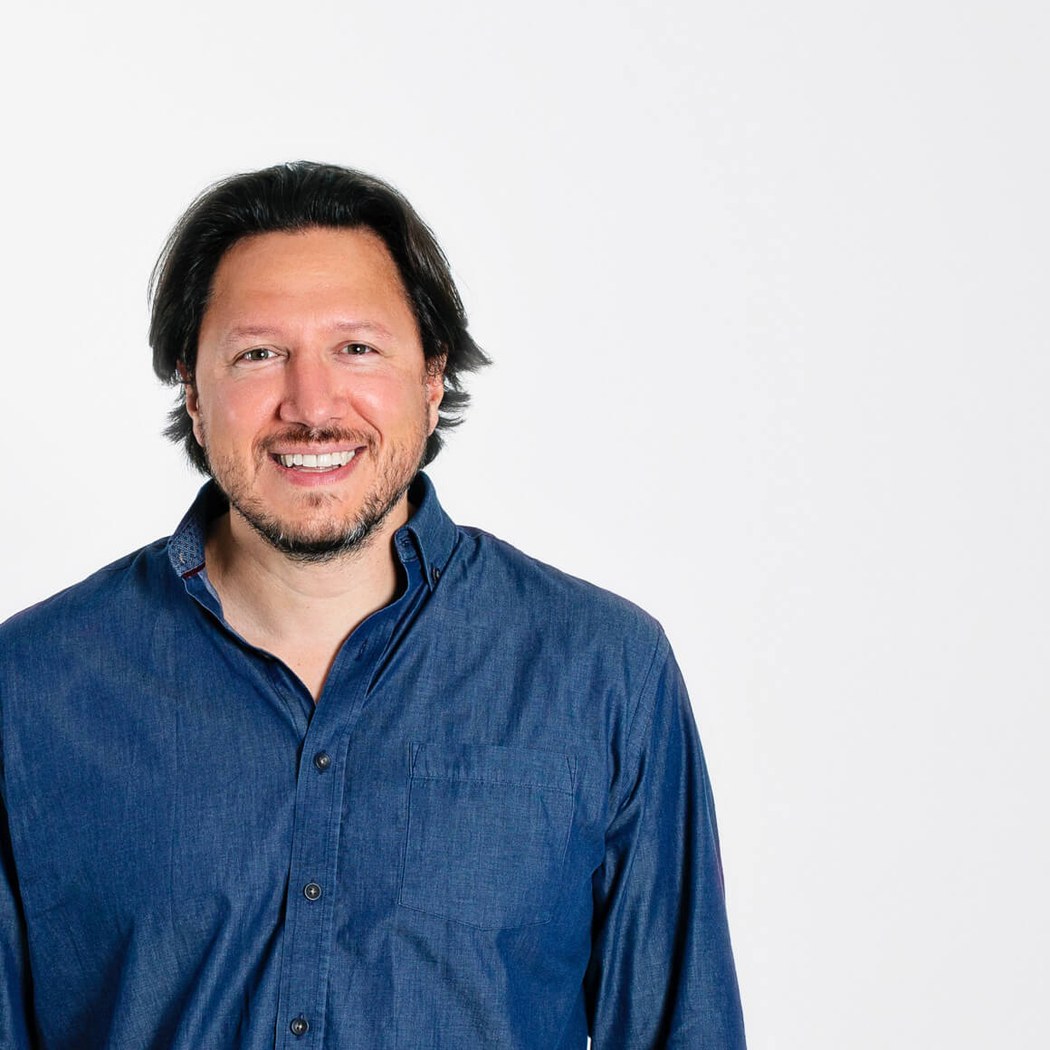
Phil Landau and the Work You Never See
He helped build a branding business by thinking about what happens behind the brand. From a decision to stay in St. Louis to a return to the technical classroom, Phil Landau’s career runs through the systems that make an idea work.

Sam Glines and the Cost of Being Early
He co-founded Norse to help businesses see cyber threats sooner. His rise, public battles, and 2016 exit reveal the difficult distance between an early warning and a company that can pay for it.
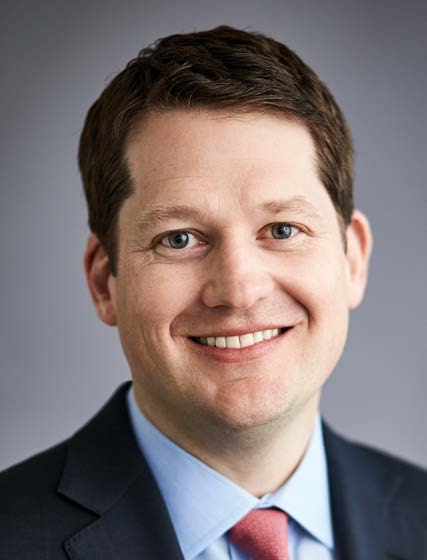
John Kemper and the art of staying for the answer
He joined Commerce after a consulting assignment and became its chief executive eleven years later. John Kemper’s career turns on a practical question: what happens after the advice is given?
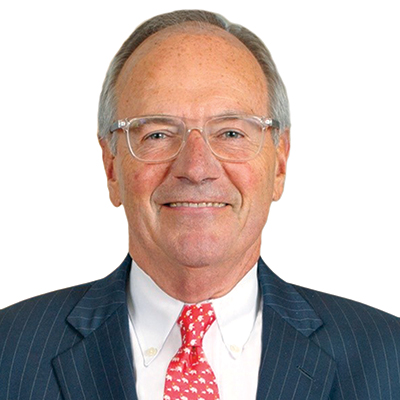
Vic Richey’s first management classroom was the Army
Before he spent two decades leading ESCO Technologies, Vic Richey studied political science and served in military intelligence. His route through industrial America kept returning to a practical question: how do you help other people do the job?
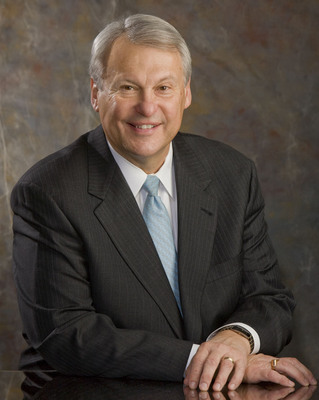
Doug Yaeger and the art of leaving the chair
After nearly two decades in pipelines and thirteen years leading Laclede, Doug Yaeger planned his own exit. His St. Louis career connects the work of running a utility with the work of keeping a city’s institutions going.

ESCO Technologies makes the invisible matter
A transformer’s warning signs. A ship’s magnetic signature. The stray signal that ruins a test. ESCO has built a business around the engineering details customers cannot afford to overlook.
Centene got big. The hard part is staying local.
A hospital bookkeeper started it for people left out of healthcare. Now Centene’s national insurance business faces a very local test: making the numbers work, one member at a time.
Stifel’s big bet on small teams
A St. Louis brokerage grew by buying expertise and giving advisers room to work. The harder part is keeping a sprawling financial firm accountable to the people whose money it holds.

Ameren wants you to notice nothing.
The Midwest utility is spending billions on a deceptively simple product: an ordinary day. The hard part is keeping the lights on without making the bill the bigger story.
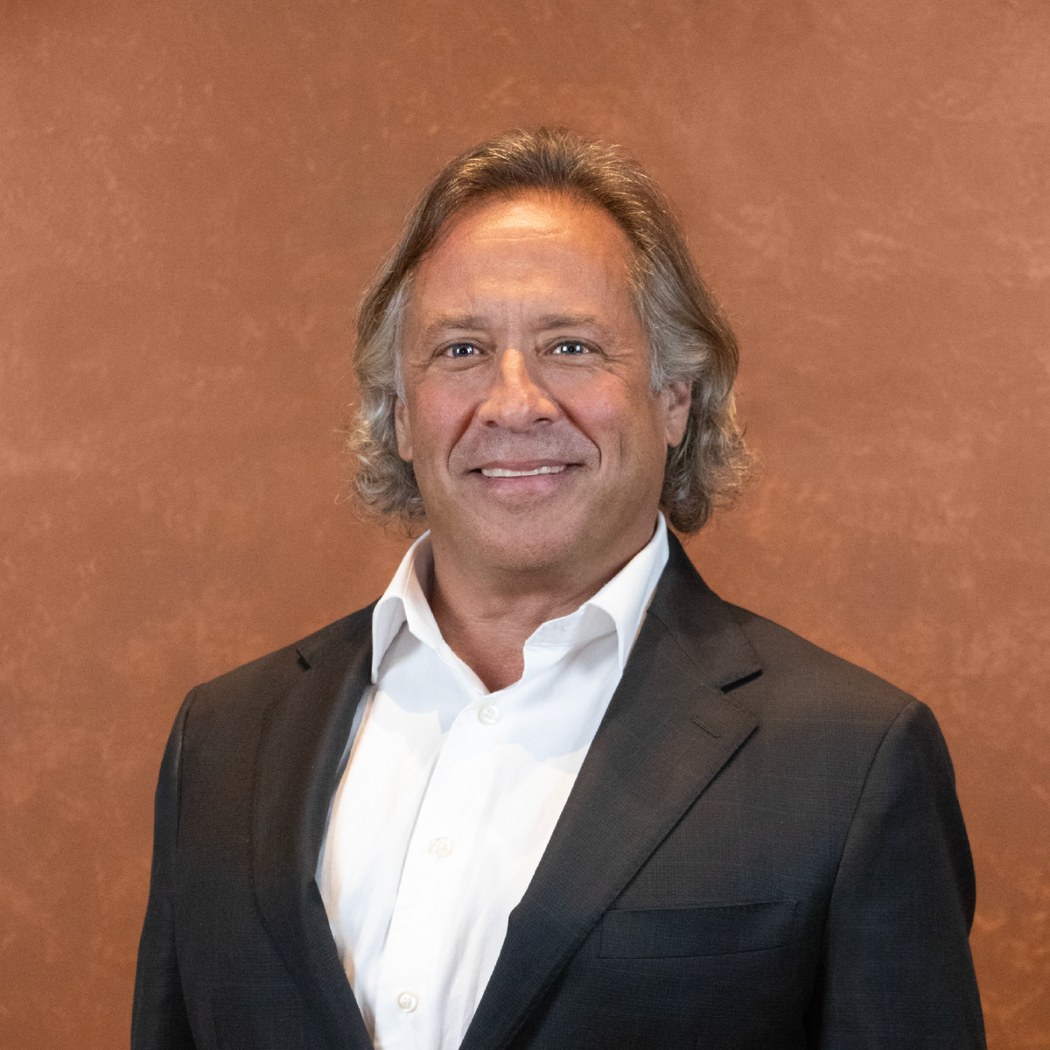
Rob McCormick and the Art of Making IT Ordinary
From financial-data networks to Avatara, Rob McCormick has kept returning to one idea: businesses should be able to use technology without assembling an IT operation of their own.

Shawn Chhabra and the Value of the Next Introduction
A mailing list helped turn Shawn Chhabra’s used-laptop business toward wholesale. His route through restaurants, electronics, books and podcasting keeps returning to the people at the other end of the conversation.

David Adkin and the trouble with a convincing mockup
His designs looked real enough to fool his colleagues. David Adkin co-founded Adalo to close the distance between drawing an app and making one work.
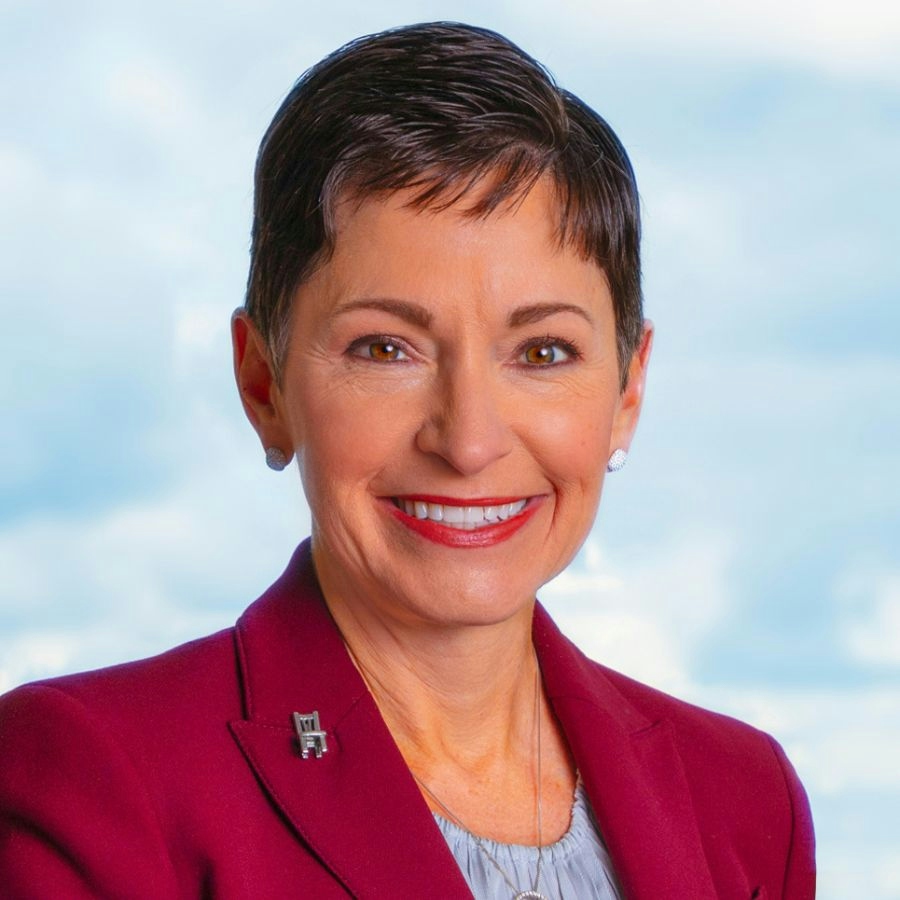
Penny Pennington and the advantage of starting over
She left a banking career to open a financial advice practice in Michigan. Now, as Edward Jones’ managing partner, Penny Pennington is asking a century-old firm to learn a few new habits of its own.
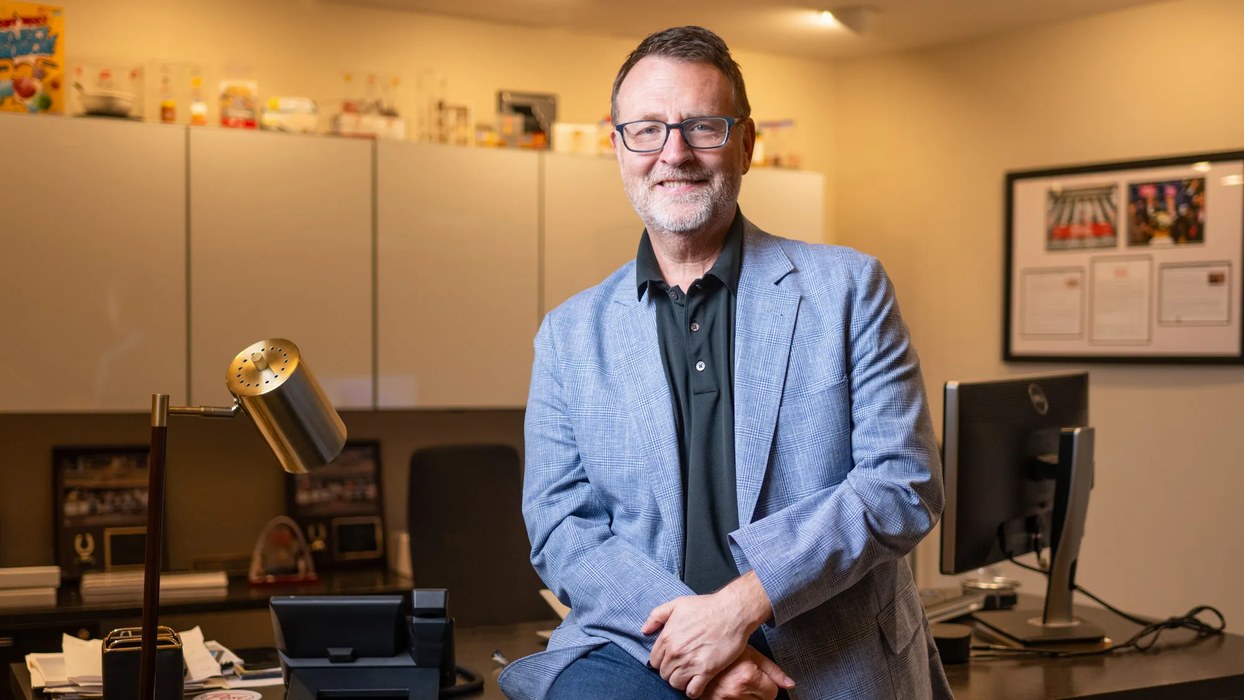
Rob Vitale and the art of knowing what to keep
He helped turn a cereal business into a collection of very different companies. Now Post’s executive chairman, Rob Vitale is handing over the CEO’s chair while keeping his attention on the next decision.
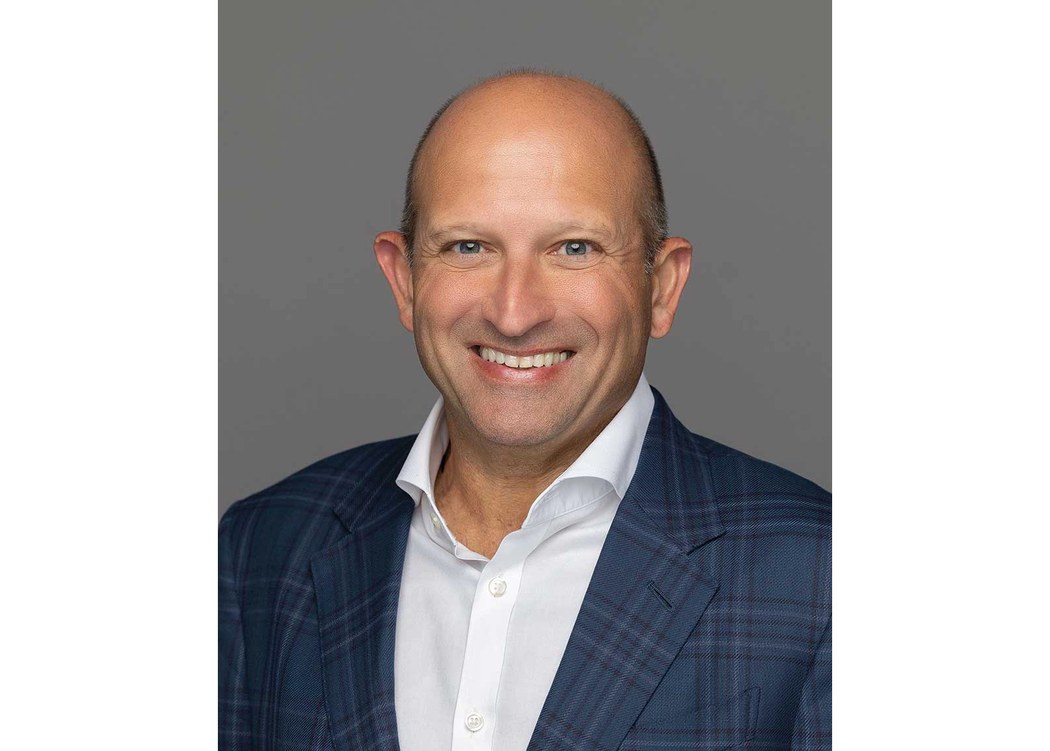
Lal Karsanbhai and the art of changing a familiar company
He spent 26 years learning Emerson before becoming its CEO. Then Lal Karsanbhai began changing what the company owned, how it worked, and what it wanted to become.
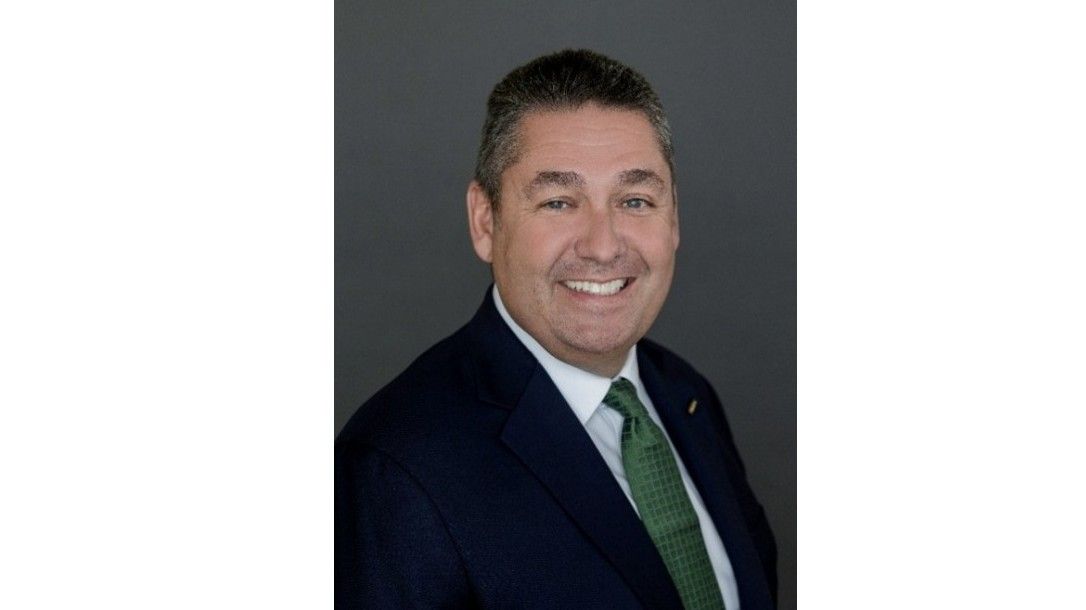
Michael Briggs and the work between the machines
From a finance desk to a six-plant campus in India, Michael Briggs has built a career connecting industrial businesses. His expanded Nidec role puts that experience to work across appliances, automotive technology, motion and energy.
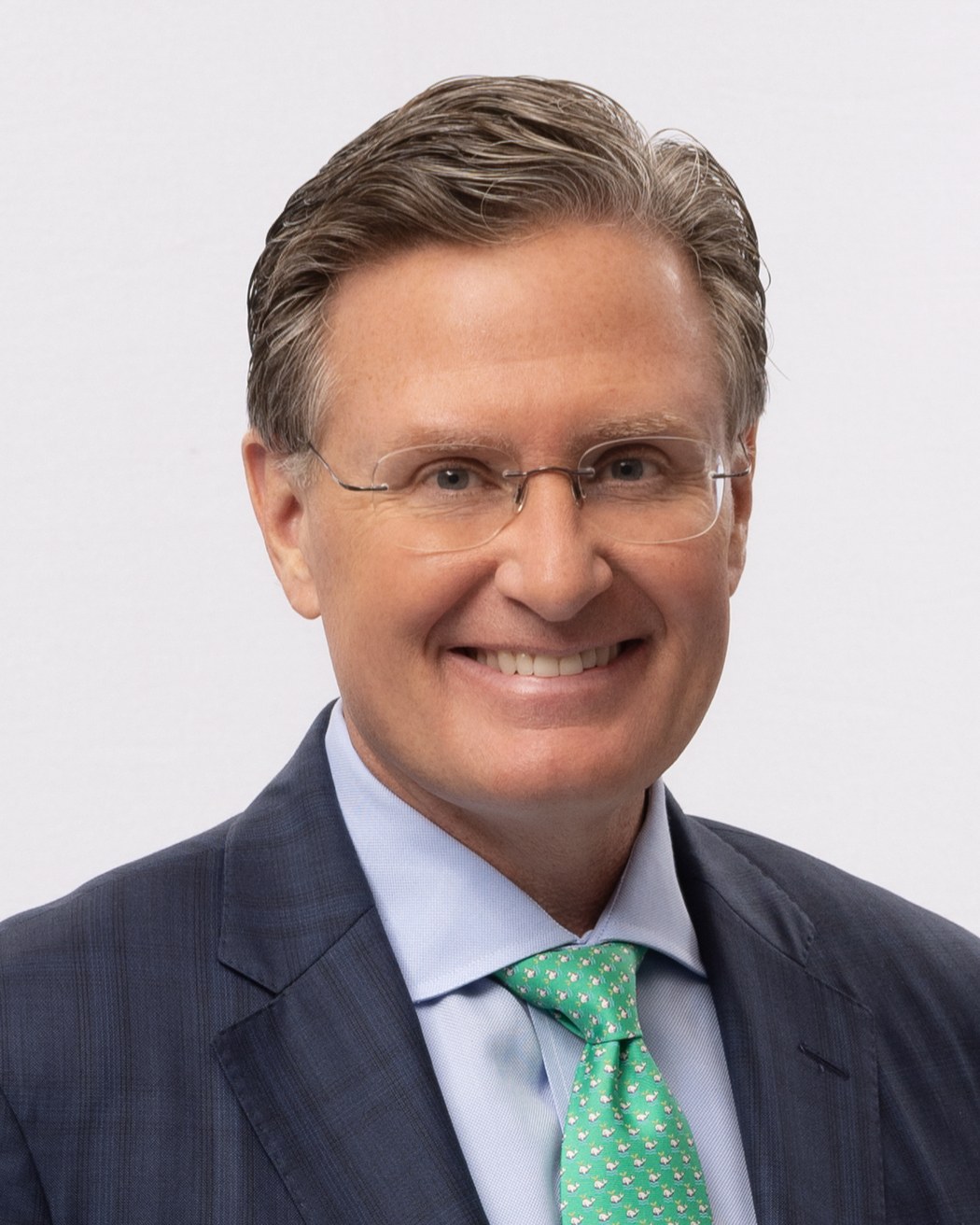
Martin Lyons followed the money. Then came the power.
Before he led Ameren, Martin Lyons learned to follow the dollars. His career now turns on a harder calculation: building tomorrow’s power system at a price today’s customers can bear.
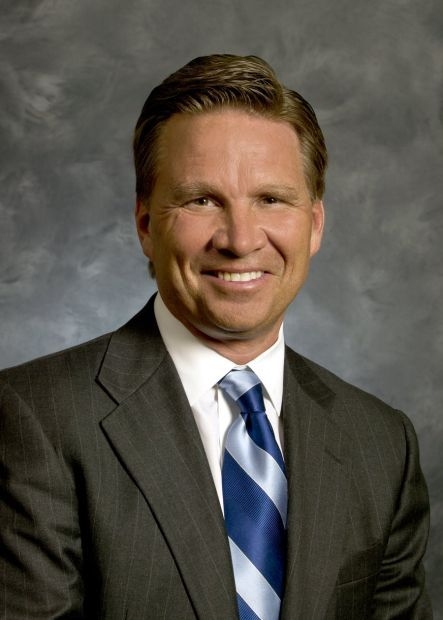
Ron Kruszewski learned to stop tackling his teammates
Before he built Stifel into a global financial firm, Ron Kruszewski had to learn how to disagree without losing the room. Nearly three decades into the job, he is still betting on people.