software-development
(85)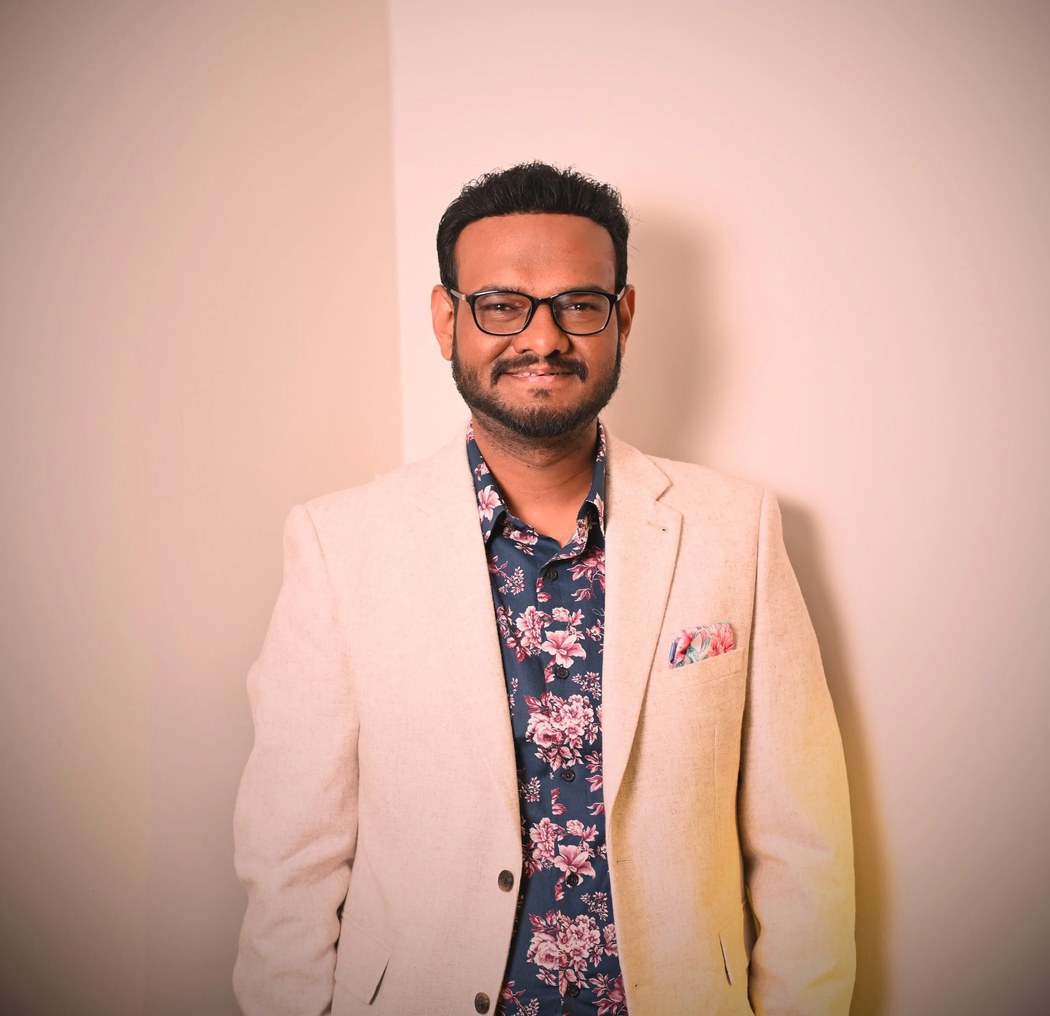
Shani Bhavsar and the case for staying curious
A programmer, a brother’s invitation, and a Harley on Route 33. The Dash Technologies co-founder has built his working life around learning - and made Ohio home.
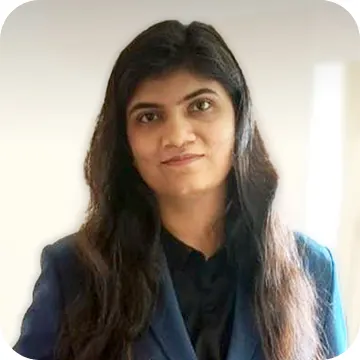
Deval Rathod and the Value of Leaving Things Unbuilt
The IT IDOL Technologies founder has a three-question test for a new feature. It reveals a larger argument about software: judgment matters long before the code arrives.
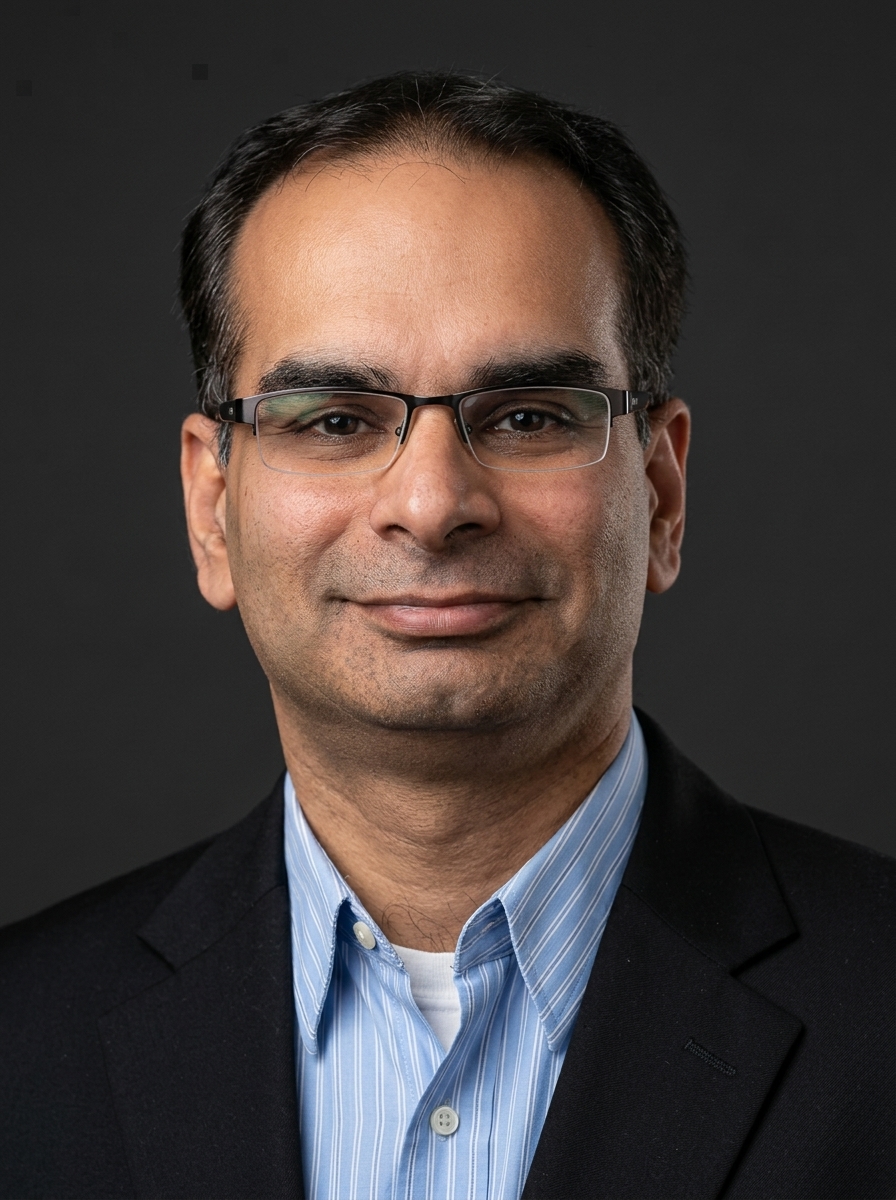
Adnan Lawai’s bet on the other side of the map
In 2005, the MIT-trained engineer moved to Pakistan to lead Folio3. Two decades of software, hiring and shared adventures show how much of his work begins with finding the right people.
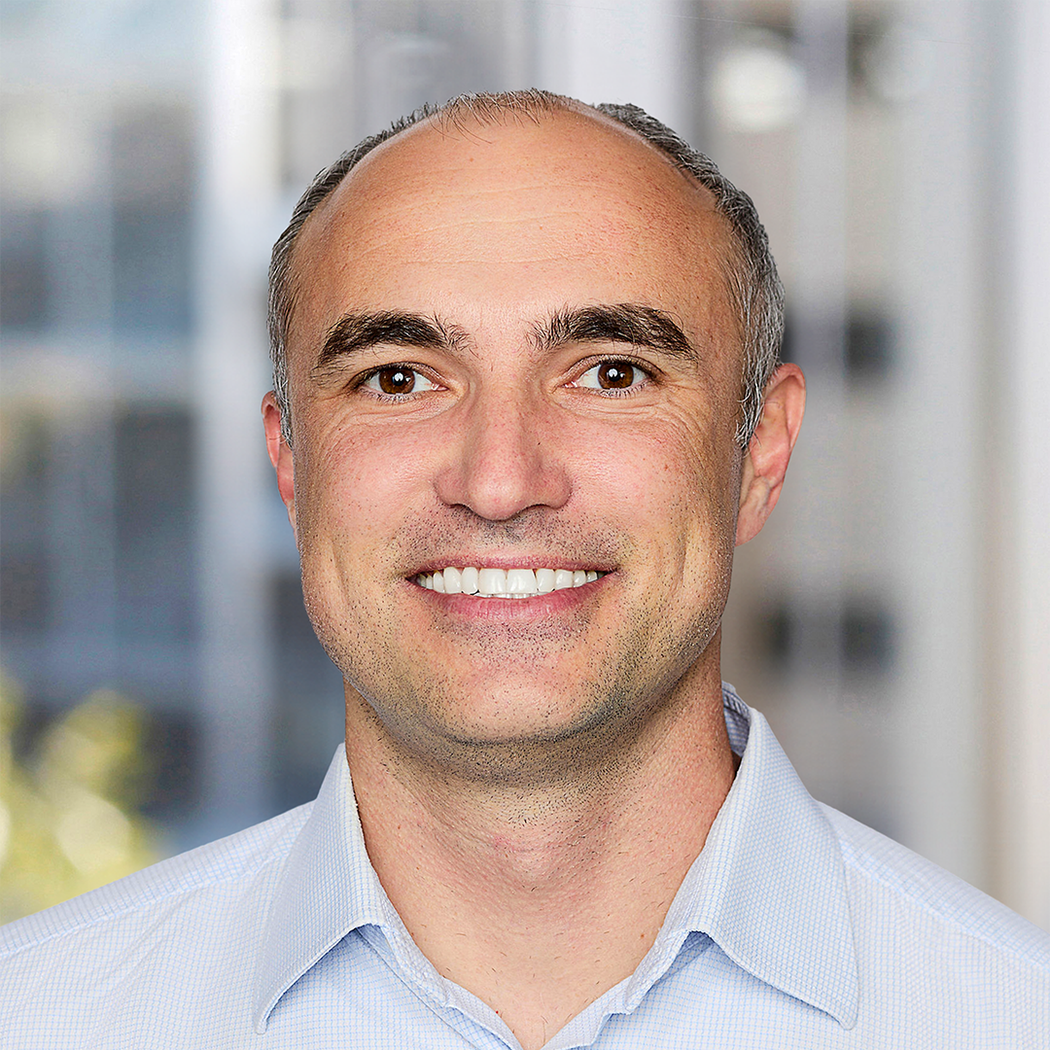
Andrey Kudievskiy and the art of becoming unnecessary
The Distillery founder began with code. Building an international software business meant learning to hand over the keyboard, recruit his own critics, and go back to school.
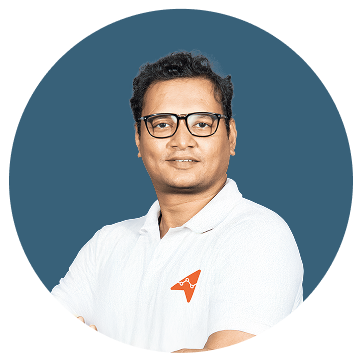
Harshal Shah and the business of being believed
From a small Ahmedabad team to twenty years of Elsner Technologies, Harshal Shah keeps returning to the same question: how do you earn the next person’s trust?
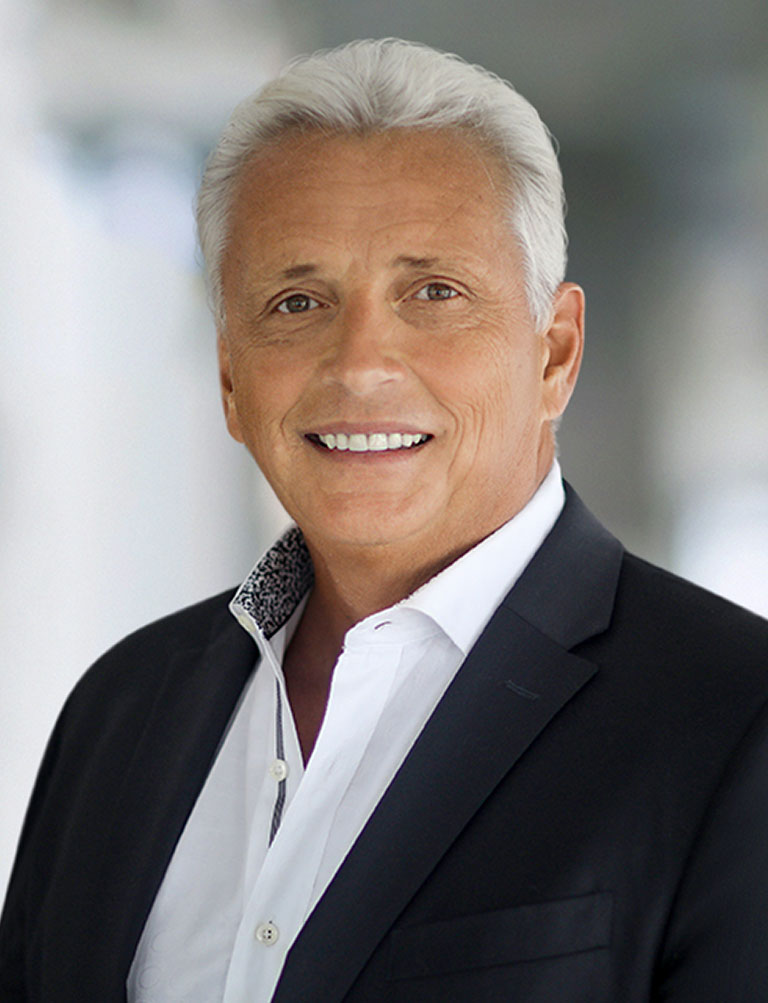
Edward V. Szofer and the value of saying no
From Chicago’s West Side to teams across the U.S. and India, SenecaGlobal’s co-founder has built a career around a practical conviction: good software starts with people who can listen, question and take responsibility.
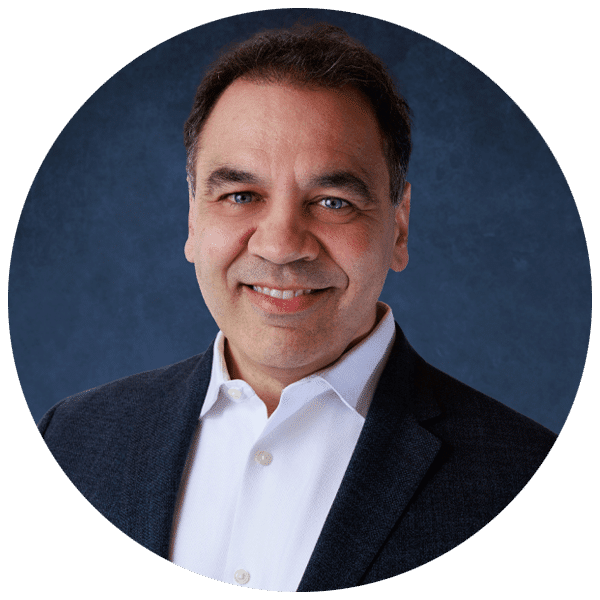
Lou LaRocca wants you to need him less
For the J2 Interactive co-founder, a good partnership leaves people more capable. His years as a software developer, employer and Boston volunteer tutor offer a few clues about how that works.
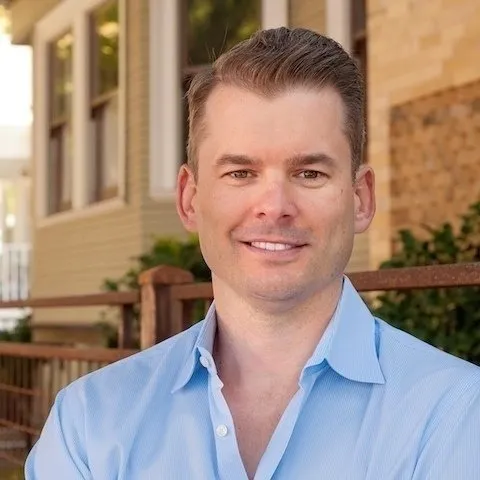
David Jackson and the Small Print of Building Something Big
The FullStack co-founder built his case one sales call, time report, and working relationship at a time. His story makes an unlikely argument for the things founders would rather skip.
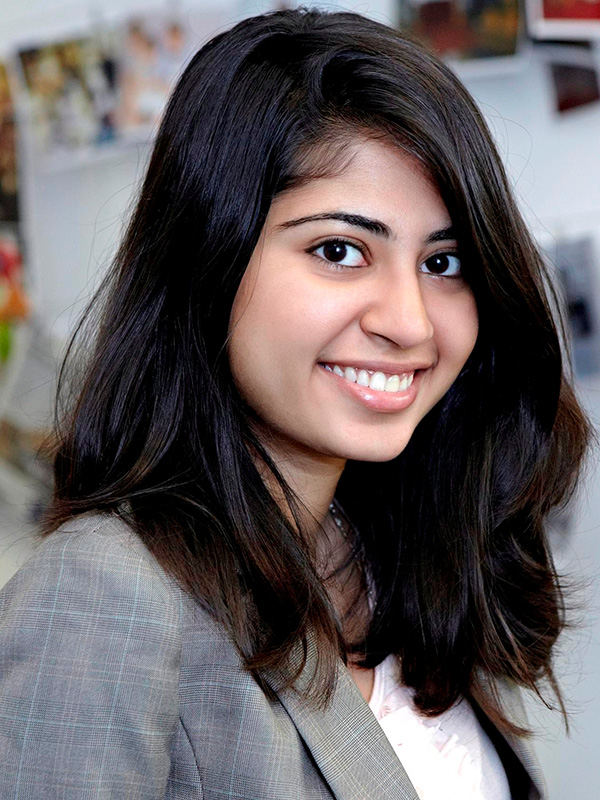
Iba Masood and the work between the work
Before Tara AI and Optimal AI, Iba Masood rented books to her schoolmates in Dubai. Her companies have grown around a recurring question: what keeps capable people from getting things done?
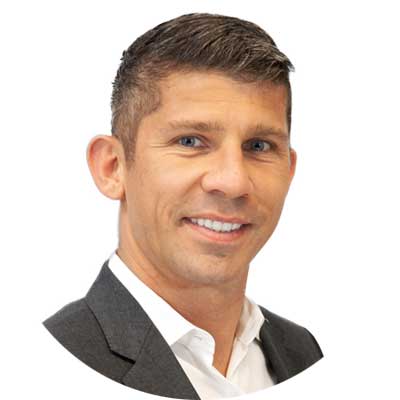
Stephen Murphy: the bank comes back
He spent years building technology inside banks, then a decade persuading them to build with Genesis. With Promenaut, Stephen Murphy has returned to a familiar customer - and a familiar question about how work gets done.
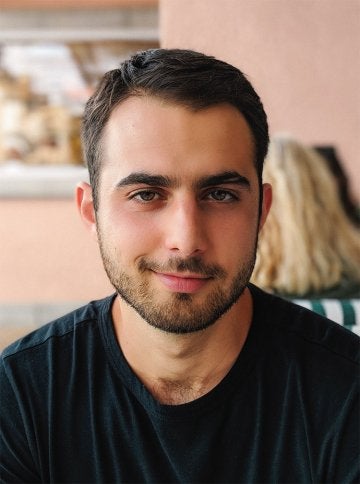
Daniel Haiem and the $140 Question
A school calculator sent Daniel Haiem looking for a cheaper answer. ClassCalc taught the AppMakers USA founder how much software depends on the people willing to trust it.
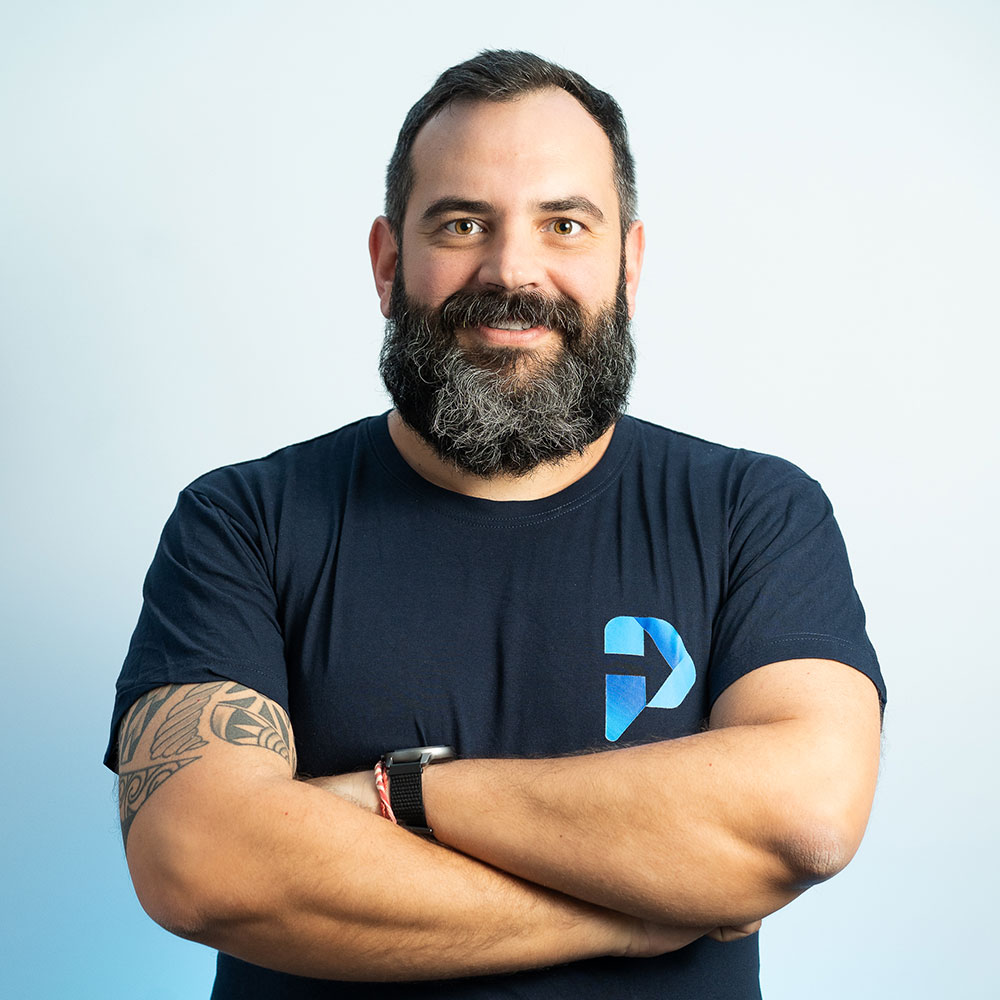
Nicolás Zangaro and the art of staying close
He helped build Switch Software in Montevideo, then learned how to sell its work across borders. Along the way, Nicolás Zangaro made a business question out of a personal one: how big can a company get and still feel close?
Tony Scherba and the problem after the prototype
He learned to build apps for musicians, helped Chelsea Handler make an escape button, and co-founded Yeti. Now Tony Scherba is working on what happens after the software works.
Volodia Yeghiazaryan’s case for boring repetition
A math teacher’s son, a formative internship in Belgium, and a month away from the business: how Shiftr’s founder came to put his faith in work that can happen again.
Ronald Tweedie and the problem of being only one person
He arrived in Britain with £500, built Neem around the work he could no longer do alone, and helped turn two hoteliers’ frustrations into software. Ronald Tweedie’s career has a recurring ingredient: somebody he knows has a problem worth solving.
Jeff Milgram and the Four-Dollar Detour
A cheaper way to ship educational software sent Jeff Milgram into the mailbox business. His route to iPostal1 ran through a blocked franchise deal, a New York warehouse and six stores he trained himself.
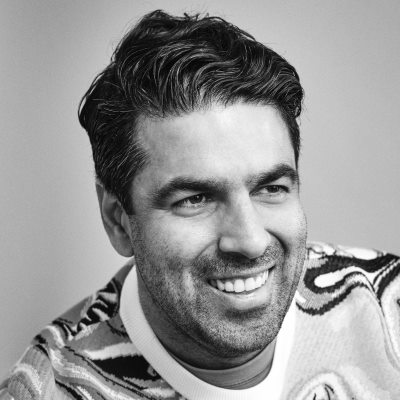
Sachin Dev Duggal and the price of easy
He wanted building software to feel as simple as ordering pizza. After Builder.ai’s collapse, Sachin Dev Duggal is starting again with a company about memory - and a past that travels with him.
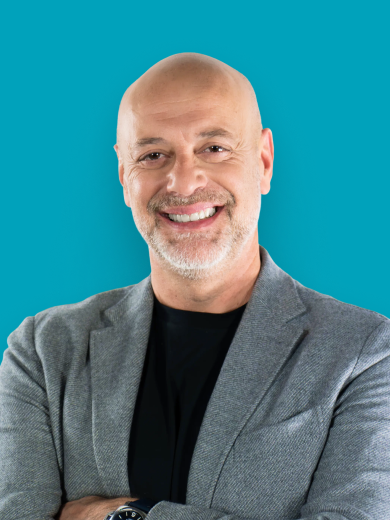
Paulo Rosado and the price of changing your mind
Missed deadlines gave Paulo Rosado an idea: software should be easier to change. He spent 24 years leading OutSystems to test it, then changed his own job.
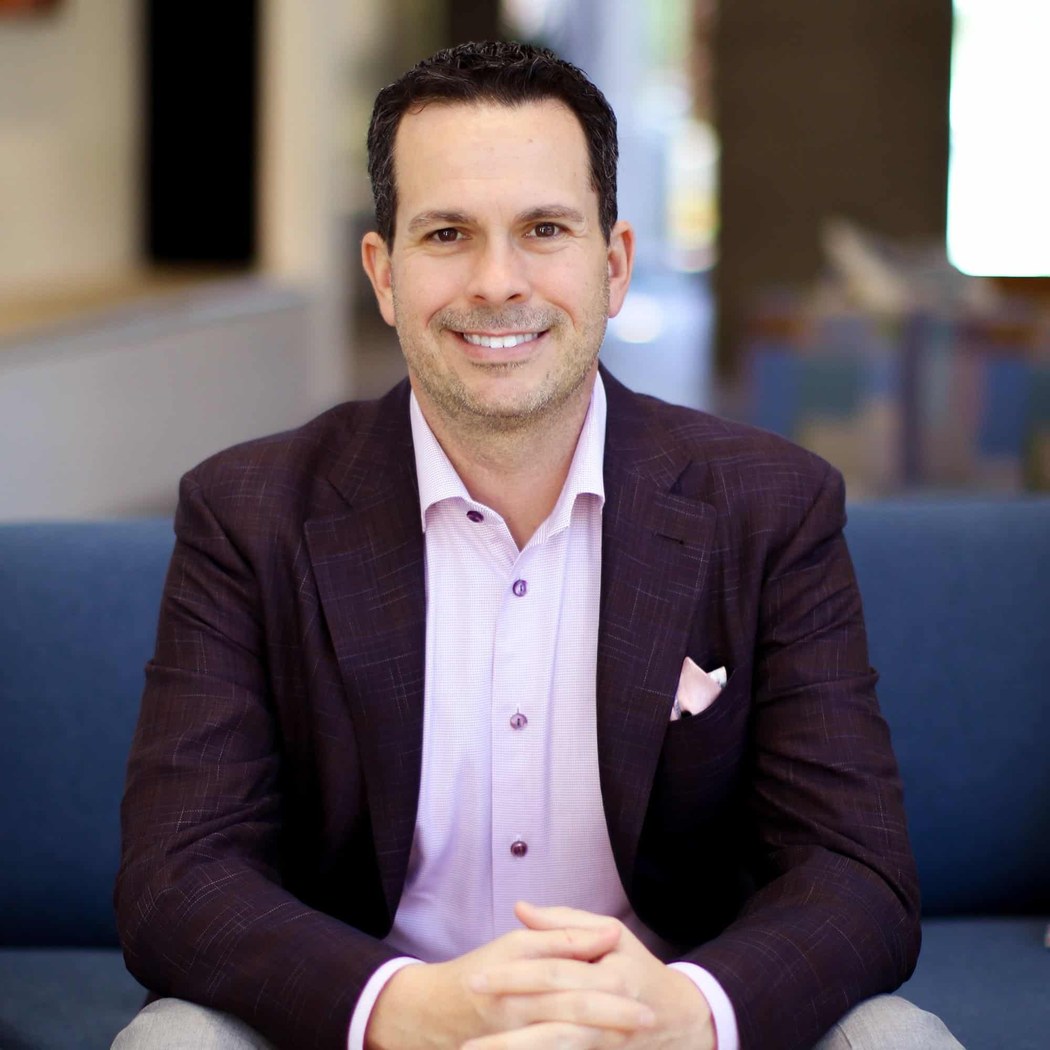
Jamie Baxter and the art of doing it by hand
Before Qwick reached a million completed shifts, Jamie Baxter learned to test the work before writing the software. With diner, he is back in the restaurant business, asking what a guest can tell you while dinner is still on the table.

Vlad Vakser and the Case for Keeping the Good Parts
From New York networks to distributed software teams, the Langate founder has built a career around continuity. His business history asks a practical question: what should change, and what deserves to stay?
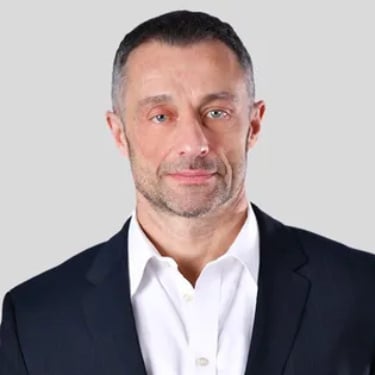
Igor Epshteyn and the business of showing up
He left Belarus, started Coherent Solutions in Minnesota, and spent three decades learning how to keep a global company connected. The work kept changing. So did the founder.

Rodion Yeroshek and the business hiding behind a discount card
A city guide led Rodion Yeroshek into cafés. A discount card led him behind the counter. The Poster co-founder has been following the awkward questions ever since.
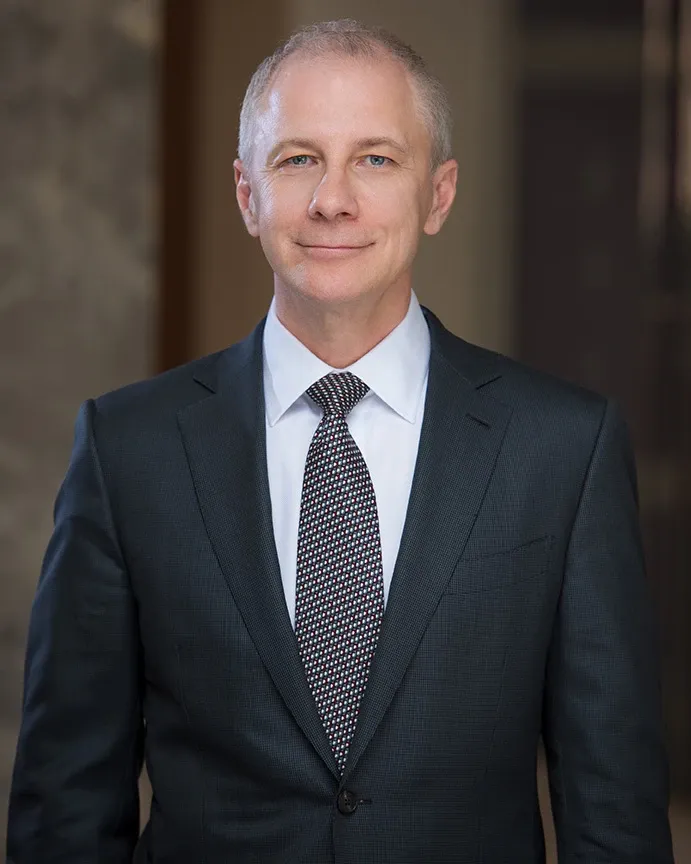
Milan Galik and the 29-year audition
He joined as a software developer in 1990 and became CEO in 2019. At Interactive Brokers, Milan Galik’s next assignment is making decades of trading machinery easier for more people to use.
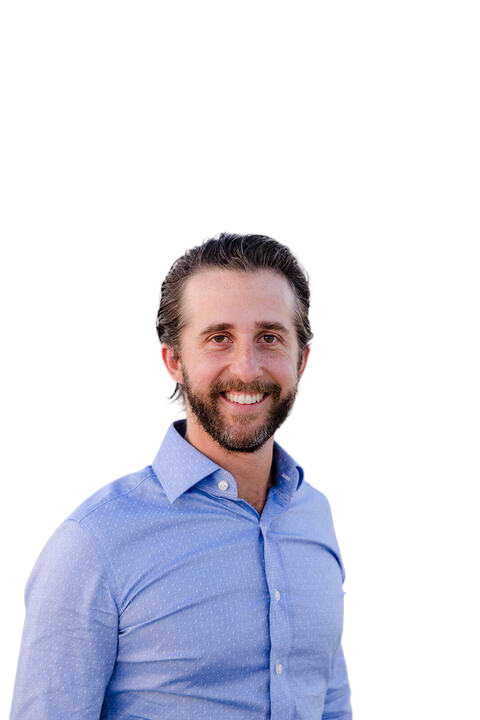
Brendan Manley Started by Taking a Game Apart
Before he co-founded iCAMP, Brendan Manley was a new programmer trying to reconstruct a game on his subway ride. The same curiosity would take him from software to summer camp, school partnerships, and back to software again.

Joe Kindness and the idea that outgrew the kitchen table
Before AgencyAnalytics served 7,000 agencies, Joe Kindness and Blake Acheson considered turning website visitors into fish. The business they built instead would ask rather more of its founders than knowing how to code.
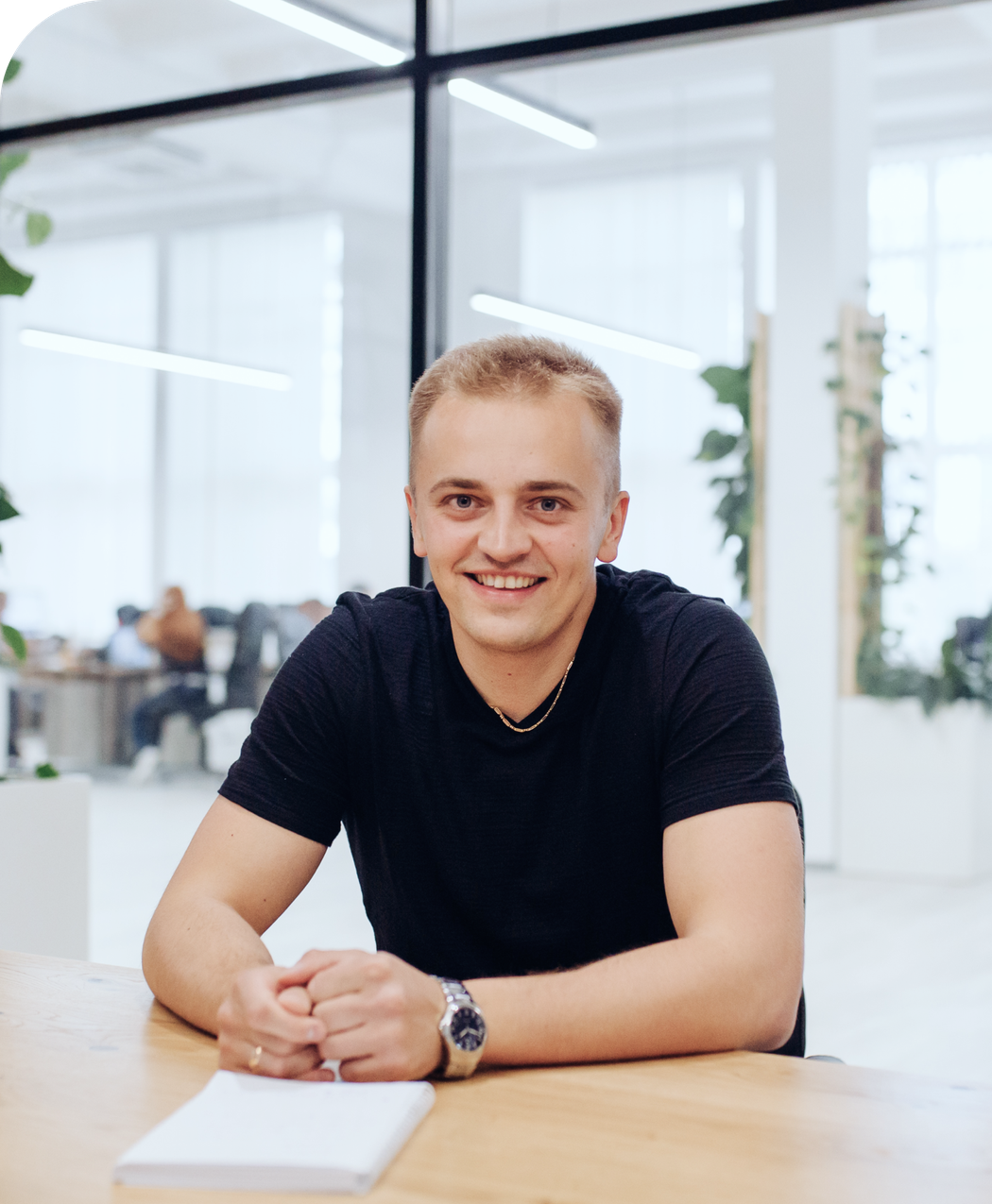
Alex Vasylyk and the People Who Stay
From Ternopil to Toronto, Alex Vasylyk built a career across borders. At StartupSoft, the enduring question is how to make people on the other side of a screen feel like part of the same company.
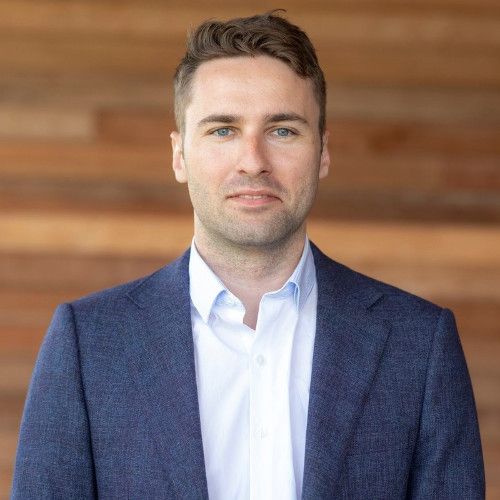
Kevin Bache and the Distance Between Code and Pyrotechnics
A game-building hackathon, an international pitch trip and a Super Bowl commercial: Kevin Bache’s route to co-leading Phoenix runs through the places where software meets an audience.
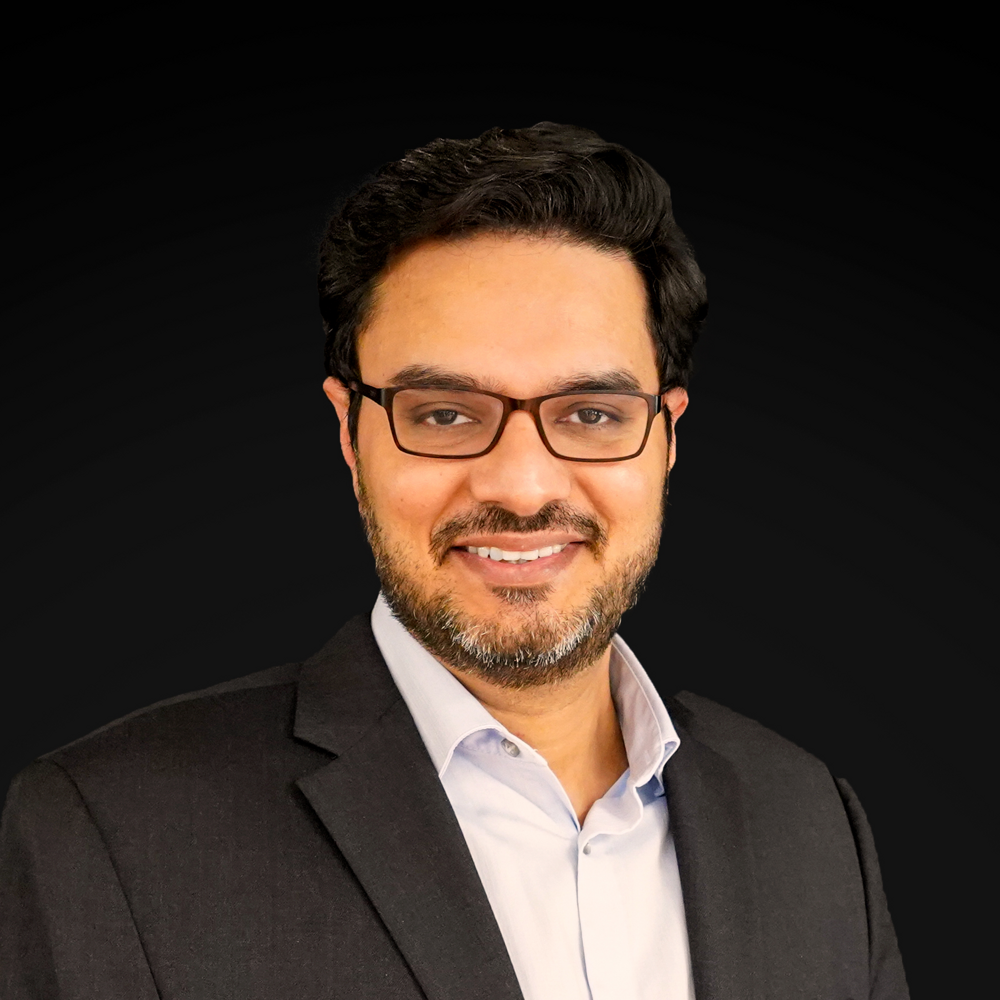
Yasir Drabu and the Trouble with Clever Software
A computer scientist who once expected to become a professor, Yasir Drabu built Taazaa around a practical question: does the software make someone’s day easier? From a friend’s Commodore 64 to the unglamorous work of collecting rent, his career keeps returning to the person at the keyboard.
Gavin Thompson and the business of keeping things moving
Before Phoenix raised CA$50 million, Gavin Thompson had spent years building software for other companies. An overnight delivery fix offers a useful glimpse of the founder he became.
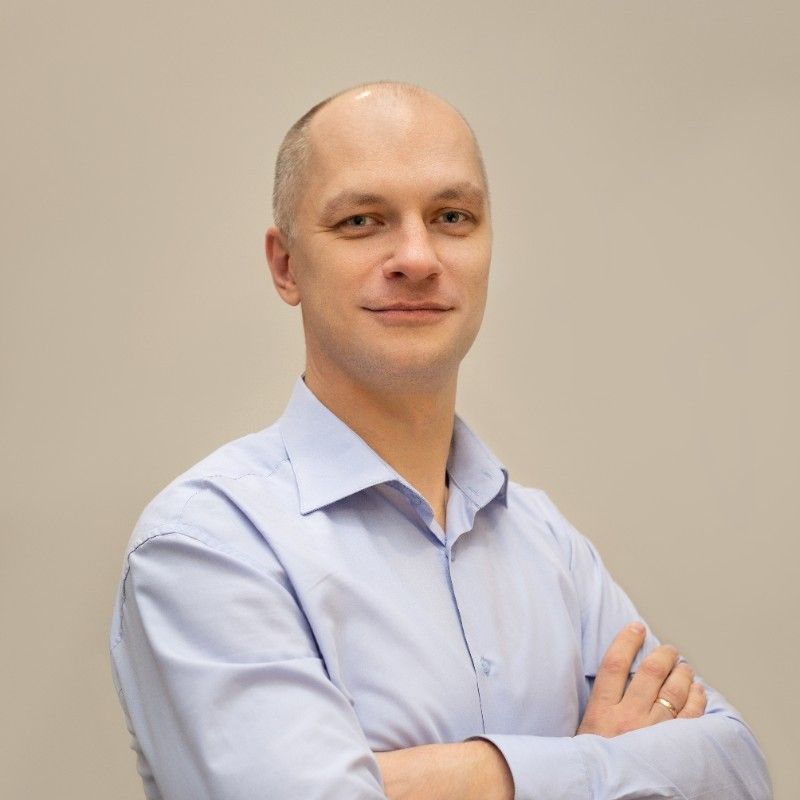
Vitali Likhadzed and the Problem After the Demo
The ITRex Group CEO spent years in business intelligence before taking the helm of an AI consultancy. His recurring question is practical: what has to change before a clever system becomes useful at work?