print-design
(28)
Christopher Roeser and the eighth of an inch that matters
Christopher Roeser entered printing in 1992 and founded Graphics360 in 2001. In Santa Ana, his advice column turns the small details of production into something customers can actually use.
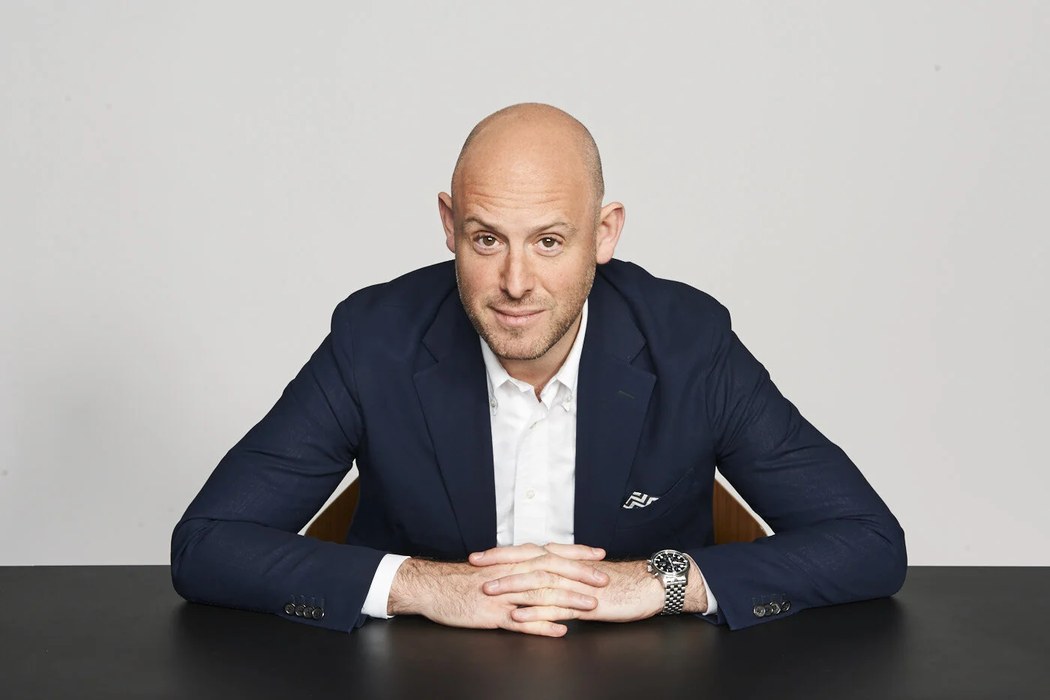
Richard Moross and the curious survival of the business card
Richard Moross built MOO by giving an ordinary business card a little personality. Getting there meant abandoning a dreadful name, listening to people who disagreed with him, and learning which ideas deserved to survive.

Graphic Designer: A logo is only the beginning
Logos, flyers, business cards and explainer videos are the starting point. Graphic Designer’s link to RankBrew puts those everyday creative jobs beside a much bigger question: what happens after somebody notices you?
The Company Newspaper Never Died. It Went to Lincoln.
From a modest office in Lincoln, News Link sends reporters into rail yards, factories and community agencies - then turns what they find into the publications employees actually recognize themselves in.
Reliance Marketing and the art of the $12.95 sign
Inside London Properties’ marketing operation, a small yard-sign add-on connects the street to the screen. Reliance Marketing makes a business out of the details agents need again and again.
Keith & Co. makes a place easier to read
A confusing hallway, a neighborhood under construction, a museum finding its voice. Keith & Co. turns the practical business of getting people oriented into graphic design with a public life.
AS Graphic Studio makes campus life worth a second look
A festival hoodie, a transit referendum, a vending machine: UC San Diego’s in-house design studio works wherever student life needs to be seen, understood, or worn.
Push Button makes the brand. Then makes it work.
A business card, a website, a room: Push Button treats them as parts of the same design problem. The Los Angeles studio brings a maker’s eye to branding - and a technologist’s attention to what happens next.
Social Graces and the art of giving a ship
A Los Angeles design agency turns corporate intentions into things people can hold. The interesting part is everything that has to happen before the box opens.
Gra Fika Graphics and the case for a brand that travels
A logo, a brochure, a website: Gra Fika Graphics puts them on the same service menu. The interesting part is what happens between them.
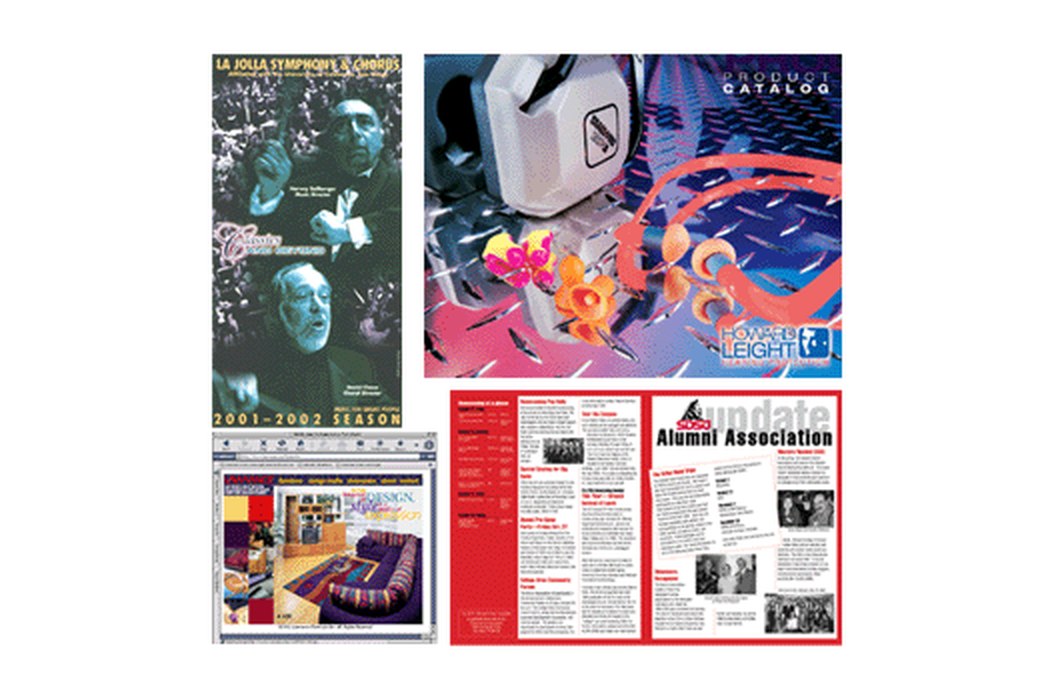
Insight Graphics and the business of the useful brochure
Apartment brochures, industrial catalogs, and a very busy project list. The San Diego studio’s early website reveals a design business built around the work customers actually needed.
Okay knows a good brand needs something real to stand on
A whale, a whiskey label, and a 50-pixel square: inside the design practice of Carl Bender, where the useful detail does the talking.

Cold Open sells the story before the story starts
A stained-glass family portrait. A comedy billboard. A horror film you can hold. Inside the Venice agency that turns entertainment into a first impression.

Graphic Design Eye and the business of looking ready
A suspension spring, a nonprofit brochure, a dog on a T-shirt. Graphic Design Eye sells the work that makes very different businesses ready to face the same demanding audience: everybody else.
Ha Design Studio and the case for hot-pink tea
A tea website, a healthcare award, and a deceptively ordinary business card reveal how Thuy Ha’s studio turns a company’s identity into something people can actually use.
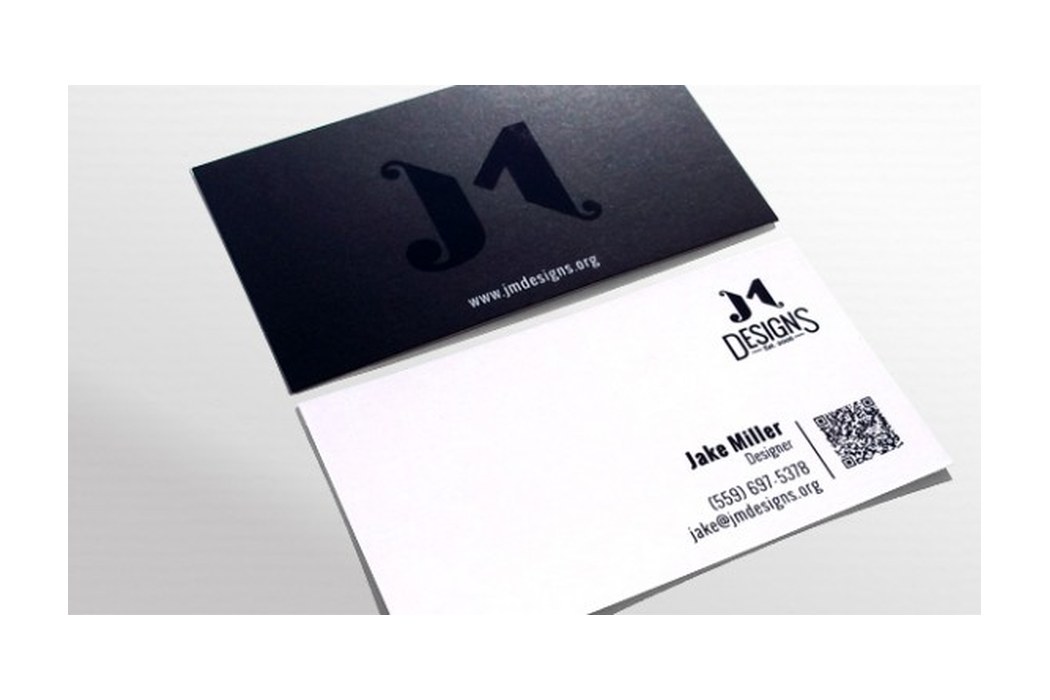
JM Designs and the art of being disagreed with
A water-saving ad, a law firm’s letterhead, and a client who wants changes. In JM Designs’ archived work and essays, good design begins with understanding whose problem you are solving.

Dragonfly Design Group makes the message fit the moment
A biotech milestone on an elevator wall. An awards show rebuilt for Zoom. Inside the design studio that follows a brief wherever it needs to go.
YYES knows what a brand should keep
A 1925 letterhead, a Hollywood agency’s orange, a restaurant meal packed for the journey home: YYES finds new uses for familiar things. Inside the design studio that asks what a business should carry forward.
Freeland Design Gives a Hometown Its Public Face
From a library logo to a river festival turning 50, Michael Freeland helps Salina tell its story. His portfolio makes a case for the designer who knows the place as well as the brief.

From Protein Bars to Fantasy Worlds: Digital Visions Tech’s Design Brief
Digital Visions Tech puts packaging, campaign graphics and game interfaces in the same portfolio. Its pitch is a recognizable visual identity wherever a customer happens to look.
Rev One Design makes the last revision count
A Bay Area agency built a business around the edits that stand between approved ideas and printed reality. Its work shows why the small stuff deserves a specialist.
Ronna Kirkland Makes the Case for Marketing You Can Hold
Business cards, door hangers, magnets: Ronna Kirkland’s design-and-print business serves companies with something to say and no extra employee to say it.

Kashani Design Group gives brands a life beyond the logo
From Baby ECOS bottles to websites and printed brochures, the Beverly Hills studio treats identity as something customers should recognize wherever they meet it.

Barwal Designs and the art of looking like you mean business
A wolf, a drone, a business card: Barwal Designs works across the everyday surfaces of a brand. Its portfolio makes a case for design that gives each job its own visual language.

MAX Design Studio Took the Scenic Route
From San Francisco illustration to Lake County paddling guides, Max Seabaugh and Laura Lamar built a practice around making information readable. The journey included an early Macintosh, a school bus and a cookbook with more than 225 recipes.

Pi Design Makes the Business Card and the Bigger Picture
From dancewear to aviation, this California studio follows a brand across catalogs, websites, photography and video. Its most revealing design lesson starts with two housecleaning business cards.

Blur Design makes brands you can hold
A juice bottle, a fishing shirt, a gold-foiled beauty promotion. The Oakville studio’s portfolio makes a practical case for designing the object along with the logo.
Your logo looks fine. Now make it sew.
Inscribe Graphics turns rough artwork into files that printers and embroidery machines can use. Its business lives in the small, exacting gap between approving a design and putting it on a product.