A suspension spring is an awkward object to make persuasive. It has no face, no smile, no obvious place for a slogan. In Graphic Design Eye’s published Eibach portfolio, springs sit in tidy groups against white backgrounds, their coils carefully separated. Look at the arrangement for a moment. Someone has had to make all those pieces legible. That apparently small job is a useful entrance to the company.
Graphic Design Eye sells creative services to businesses that need things made: a logo, a catalog, a website layout, a product photograph with its background removed. Its range reaches from brand identity to photo editing and marketing content. The interesting connection is practical. Each assignment moves something from a client’s desk into a form another person can understand, buy, print, or publish.
For the buyer, that last step can be the troublesome one. A business may know its product intimately and still need help presenting it. The engineer and the customer are looking at the same spring with very different amounts of information.
A catalog full of small decisions
The agency’s Eibach case study describes a $15,000 photo-editing engagement. In its telling, reflections, shadows, and uneven lighting obscured details of suspension components. The work involved cleaning up images, making technical features easier to see, and bringing the presentation into line across online listings and printed materials.
That is a specific production problem. A single photograph can be beautiful in isolation; a catalog needs photographs that cooperate. Similar backgrounds, comparable framing, and visible details let the reader move between products without repeatedly adjusting to a new visual language.
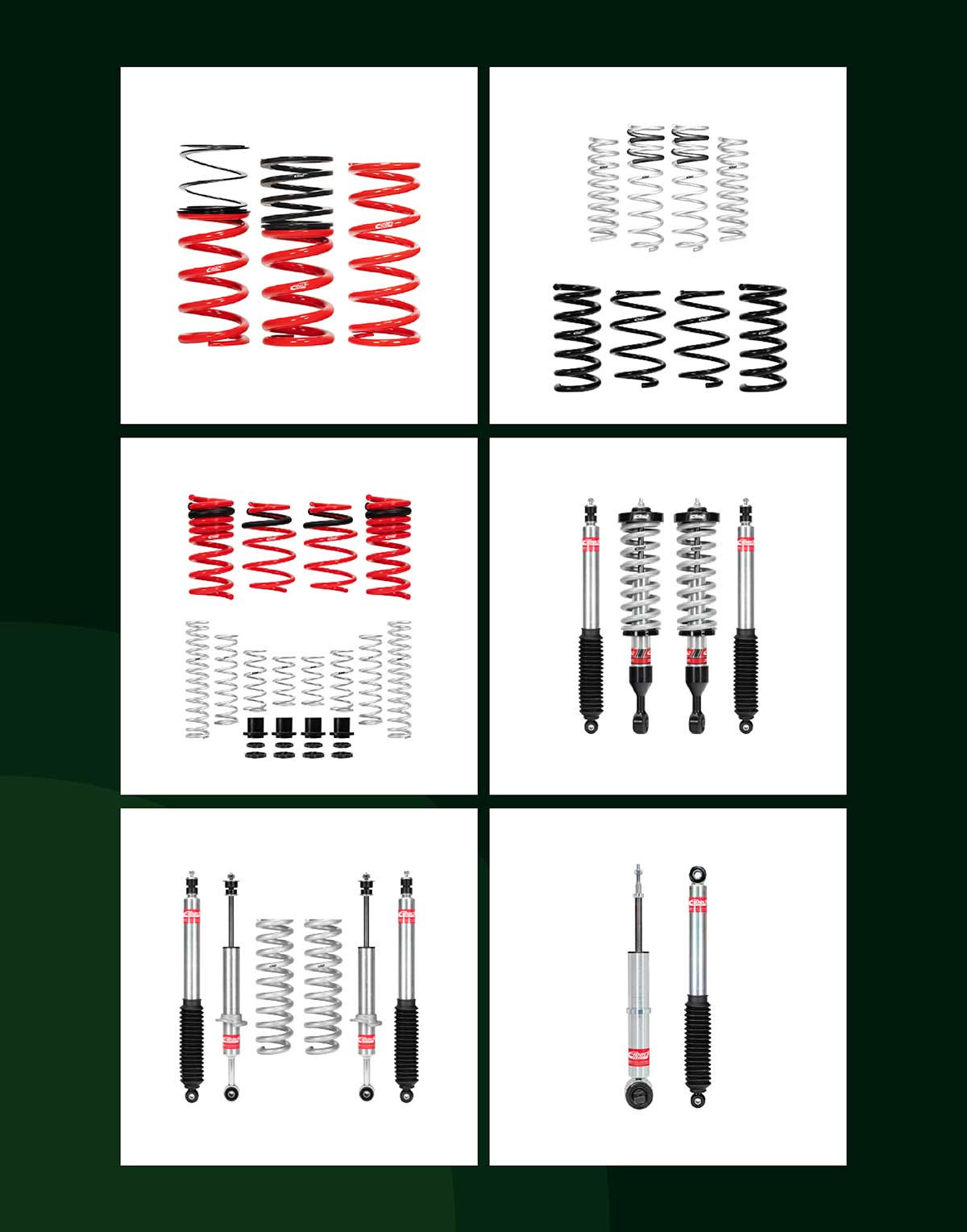
The agency attributes commercial improvements to the project. Treat those as its account of the results. The visible work supports a narrower, useful observation: product presentation itself is an assignment with a scope and a budget. An edited photograph can help show a component; specifications still have to establish whether it fits the car.
The brochure has a signature
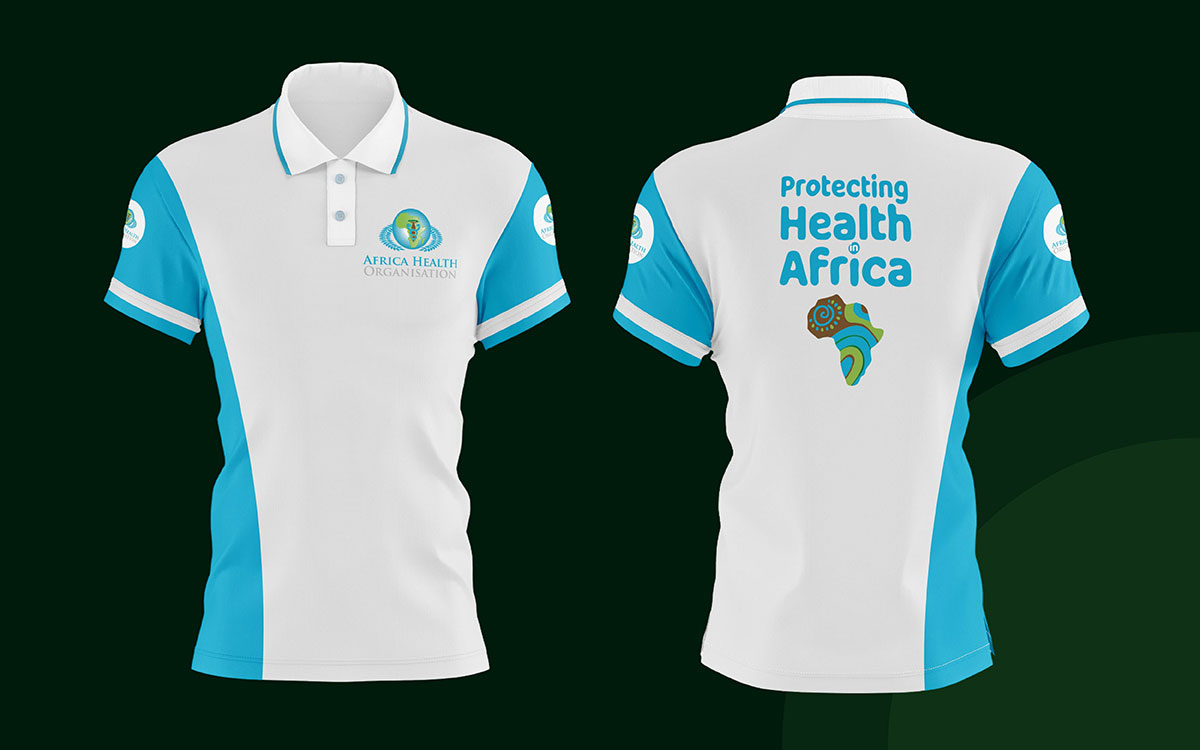
Africa Health Organisation offers another way into the portfolio. Its own publicly hosted organizational brochure carries the credit “Designed by Graphic Design Eye.” That small line places the agency inside an actual communication tool, one meant to explain an organization’s work to people outside it.
In a June 2026 case study, Graphic Design Eye describes a $10,000 AHO branding assignment. It identifies inconsistent logo use, loosely coordinated typography, and materials that had to be recreated for different situations. Its proposed repair included logo variants, color and type rules, documentation, and usable assets. The budget and account of the redesign are the agency’s.
There is a useful buying lesson here. Ask for the instructions as well as the artwork. A team needs to know which version belongs on a dark background, how a heading should look, and what survives a cheap printer. Those decisions keep recurring long after the first presentation has ended.
Three budgets, three different jobs
The spread of assignments becomes clearer in the company’s Critter Lane story. Here the subject is pet-themed apparel. The agency describes a $1,000 custom T-shirt design project, with attention to the translation from dog photographs to artwork and from artwork to fabric. Line weight, contrast, and placement are part of the job.
Its account emphasizes restrained portrait work and a coherent collection. That is a different brief from editing automotive components, but the production question is familiar: what must this image do when it leaves the designer’s screen?
Budgets published in the agency’s case studies. These are separate projects with different scopes, not a price list or a measure of return.
A useful comparison starts with deliverables. How many items? Which formats? How much original concept development? Who checks the print result? A small illustration commission and a catalog-wide editing engagement can both be sensible purchases. The headline fee cannot tell you whether they solve your particular problem.
“Unlimited” still has a working day
Graphic Design Eye gives customers three ways to buy: a recurring subscription, a custom agreement, or a fixed package. The homepage advertises basic logo design at $49. That entry price belongs to a defined package; it should not be mistaken for the cost of a complete identity system.
The pricing FAQ lists an entry monthly subscription at $499, a quarterly charge of $1,347, and a yearly charge of $4,790. Other cards on the site show inconsistent amounts and billing labels. Use the figures as published reference points and obtain a written total for the selected capacity and term.
More revealing than the headline rate is the operating model. The service pairs unlimited requests with allocated production hours. The pricing page says a production manager can distribute hours across active work, with unused time carried forward for up to 30 days. A queue can accept another request even when the people completing it have a full day.
This makes recurring design support a plausible fit for a team with a steady stream of assets and someone able to prioritize them. Occasional buyers can choose the project route. The subscription excludes photography, videography, 3D/CAD, audio editing, and visual effects/CGI. An ecommerce business needing a photo shoot must arrange that part separately.
The test before the relationship
A published Newspower client account describes trying Graphic Design Eye’s image editing before committing to ongoing work. The Manifest reports that a successful free trial helped win the engagement. In the Clutch review, raw photographs move from the client’s photographers to the editing team, which prepares them for commercial use.
There is no need to invent a dramatic conversion moment. A sample provided something concrete to judge. The review praises delivery and responsiveness while also asking the agency to improve production quantity. Even a satisfied customer can want more capacity.
That suggests a useful evaluation method: send representative work, including the awkward file. Specify the output dimensions, background treatment, naming convention, and deadline. Judge the returned asset and the effort required to get it there. A spectacular portfolio image answers only some of those questions.
“They were patient, thoughtful, respectful and courteous.”
Ed Hawkins, describing book-cover work in a July 2024 Trustpilot review
Hawkins’s review praises the alternatives produced for his book cover and the team’s responsiveness. The detail worth carrying away is the availability of alternatives: creative work often involves choosing among possibilities, then making one of them precise enough to use.
The agency behind the next agency
Graphic Design Eye also markets white-label production to agencies. Its hiring page addresses firms juggling multiple accounts, different brand guidelines, and uneven demand. The customer-facing agency keeps its client relationship while bringing in outside creative capacity.
This places Graphic Design Eye among managed creative services businesses. Design Pickle appears in its own competitor comparisons. Freelancers, specialist editing shops, and internal teams offer other ways to meet the same need. Graphic Design Eye’s combination of photo production, graphic design, and several purchasing models is the proposition to assess.
For an agency buyer, breadth can reduce the number of suppliers to coordinate. It also makes briefing important: a designer needs the right client’s assets, the right approval route, and an unambiguous deadline. More available services do not remove those responsibilities.
The company’s most transferable idea is modest. Decide how the work will be used before asking somebody to make it. Put the final format, the review process, and the person responsible into the brief. Then inspect the result in its destination: on the shirt, in the brochure, beside the other springs. That is where “ready” becomes something you can actually see.
Look at the work
Explore the company website, client case studies, subscription details, and design articles.
Find the team on LinkedIn, Facebook, Behance, Pinterest, and its YouTube channel.