patient-engagement
(107)
The Patient Portal Was Never the Point
Osana tried to sell affordable healthcare. Then it discovered the more interesting business was fixing the machinery underneath it - one appointment, API, and anxious patient at a time.
The Diabetes App That Found the Real Patient Was the Care Team
Welkin Health began by coaching people with diabetes. Then its founders noticed the harder problem: the people delivering care were trapped between spreadsheets, inboxes and software that could not bend.
The Health Agency That Learned to Say No
M Booth Health spent years proving that specialist knowledge and consumer creativity could share an office. Then 2025 took away two large pieces of revenue - and the agency discovered that its sharpest growth tool was refusing most of the work offered to it.

The Agency That Bought the Missing Pieces
Spectrum Science began with a narrow conviction: complicated medicine deserves clear storytelling. Three decades and a run of acquisitions later, the more interesting product is the machinery behind the message.

The Agency That Ate Its Own Org Chart
Inizio Evoke spent years collecting specialist agencies. Then it made the unusual admission that the collection had become the problem - and began turning a maze of names into one healthcare commercialization machine.
The Agency That Turned One Nutrient Into a Whole Medicine Cabinet
Calcium+Company built a health-marketing group around a surprisingly sticky idea: brands, like bodies, need more than one nutrient. The interesting part is not the pun. It is the operating model hiding underneath it.
The Company Selling Confidence Before a Medicine Can Be Sold
A drug can work perfectly and still fail to reach patients. OPEN Health built a global consultancy around the awkward middle - the evidence, access, education, and human judgment that turn a scientific result into a confident decision.
The Patient Is Not Your Target Audience
Snow Companies built a healthcare agency around a stubborn idea: a patient story is not raw material to be extracted, polished and forgotten. It is a relationship - and, in regulated medicine, the relationship is the product.

The Healthcare Agency That Put Fear in a Fuzzy Pink Suit
SFC Group built a virtual healthcare agency around a small bet: regulated work does not have to sound institutional. A one-eyed mammogram mascot shows what happens when strategy, wit, and medical guardrails share the same room.

The Agency That Learned to Buy Its Way Out of a Bad Year
Real Chemistry began as one consultant with a healthcare Rolodex. A bruising 2008 taught it a stranger lesson: when clients need several kinds of expertise at once, the agency itself has to become a portfolio.
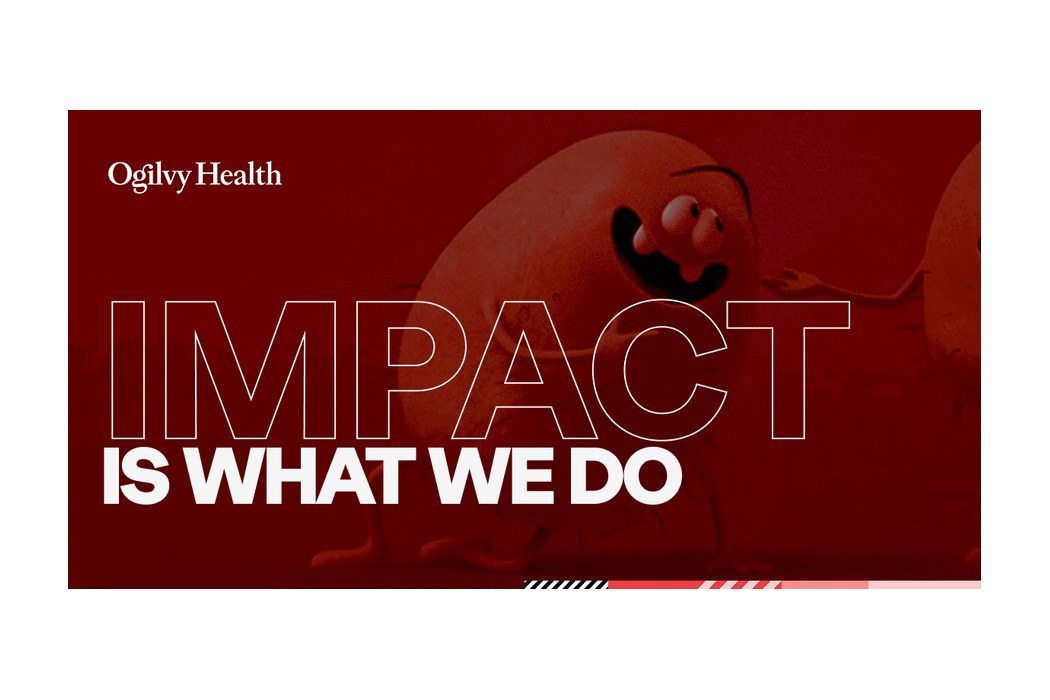
Ogilvy Health’s Real Product Is Translation
A health campaign has to satisfy the scientist, the regulator, the payer, the physician, the patient, and the person scrolling at lunch. Ogilvy Health built one company to keep all six in the room.

The Drug Launch That Took 45 Percent of an Agency With It
When Biogen's Aduhelm launch faltered, JUICE Pharma Worldwide lost $15 million in annual revenue and nearly halved its staff. Its response offers a bracing lesson in client concentration, specialist agencies and the art of choosing the next bet.

Virgo Health Rickrolled Hearing Loss - Then Turned the Joke Into a Hearing Test
A London healthcare agency found its edge in a difficult combination: knowing the compliance rules cold, then making the work feel nothing like compliance. Its best proof is a Rick Astley joke that moved people to book hearing tests.

The Agency That Learned Persuasion Has Side Effects
Publicis Health built a global machine for making medicine understandable. Then a $350 million settlement made the industry confront a harder question: what happens when the machine works too well?
The Agency That Put a Meter on Bigness
REALITYRx has spent 17 years testing a contrarian idea: in healthcare advertising, the useful unit of scale may not be headcount. It may be how quickly a senior person answers the phone.

The People Missing From the Drug-Development Meeting
VOZ Advisors built a business around a costly corporate blind spot: medicines are often planned in rooms where the people expected to live with them are missing.

M Health Makes Healthcare Marketing by Hand
In an industry built for scale, this Philadelphia consultancy has made a business of resisting the assembly line - turning medical evidence, human behavior and stubborn constraints into communications people can actually use.

The Most Important Person in the Picture Is Not the Patient
Living in the Light has spent more than a decade making rare-disease stories less clinical and more human. Its method begins with a small but radical edit: move the diagnosis out of the center of the frame.

The Hospital People Drive Past Is the One SRJ Wants Them to Notice
For rural hospitals, the fiercest competitor may be the highway out of town. SRJ built an agency around giving local care a clearer voice - and giving overstretched hospital leaders a marketing department they can actually use.
McCann Health Put the Medical Record on a Child’s Wrist
The agency’s sharpest ideas did not ask people to learn a new behavior. They hid better health inside habits people already trusted - a bracelet, a loaf of bread, a breath into a phone.

Merryman Communications and the art of the next click
A patient story is only the beginning. The healthcare agency now called M+ builds the route from attention to action - and changes the route when the numbers tell it to.

Nuvolum wants to win the moment before a patient says yes
A surgeon can have the credentials and still lose the appointment. Nuvolum builds the websites, films, search strategies, and follow-through designed to close that gap.
Modera makes healthcare easier to explain
A Medicare plan, a concierge practice and a longevity brand walk into the same agency. Modera’s job is to give each one a story people can act on.
Havas Life San Francisco and the art of making health make sense
A cooking broadcast. A patient community. Two websites for two very different readers. Havas Life San Francisco’s work shows how much healthcare marketing depends on understanding the life around the science.

Twist Medical and the patient in the byline
A medical communications agency is helping patients enter the scientific conversation as contributors. Its publication credits show what that work looks like - and why listening is only the beginning.

Software of Excellence and the business of the empty dental chair
A missed appointment is a small hole in the diary and a real hole in the accounts. Software of Excellence built EXACT around closing those gaps. Now it is helping practices move beyond the server.

Bionical Solutions found a better way to engage: fewer platforms
Five education platforms became one, and more pharmaceutical reps used it. Inside the healthcare digital business that makes the next step easier for clinicians, patients and public-health teams.
Patients Know Best wants your medical record to follow you
Eight million patients have registered with a company built around a stubborn idea: the person receiving care should control a copy of the record. Making that work means changing how hospitals buy software, share information and involve patients.
DrDoctor wants the NHS to stop wasting the next appointment
The founders planned an app. Patients wanted a useful text. That small correction became a business built around a costly NHS problem: getting the right person into the right appointment.

TPP wants your medical record to stop starting over
The company behind SystmOne has built a business around a simple promise: one patient, one record. Its most revealing results come from fixing the small administrative failures that make healthcare feel so disjointed.