An appointment can be missed before the patient reaches the hospital. A changed date, an unread letter, a phone line that never seems to connect: administrative details can undo the careful work of a clinic. DrDoctor’s founding story turns on just such a mix-up. In the company’s telling, an older woman arrived at a Coventry eye clinic with her granddaughter, only to learn that her appointment had been the previous day.
The granddaughter had taken time off work. The woman had made the journey. The founders, then consultants working around the NHS, saw a communication problem with consequences far beyond the reception desk. Their first instinct was to build an app. According to DrDoctor’s account, conversations with 1,500 people changed that plan. Patients wanted to know where they were going, why they were going and what would happen there. Text messages could answer those questions.
That choice still explains the company better than its expanding product vocabulary. DrDoctor sells hospitals ways to make appointments easier to attend, rearrange or avoid when they are no longer needed. The work begins with an everyday transaction, then reaches into the less visible machinery of healthcare.
A useful text beats an unwanted app
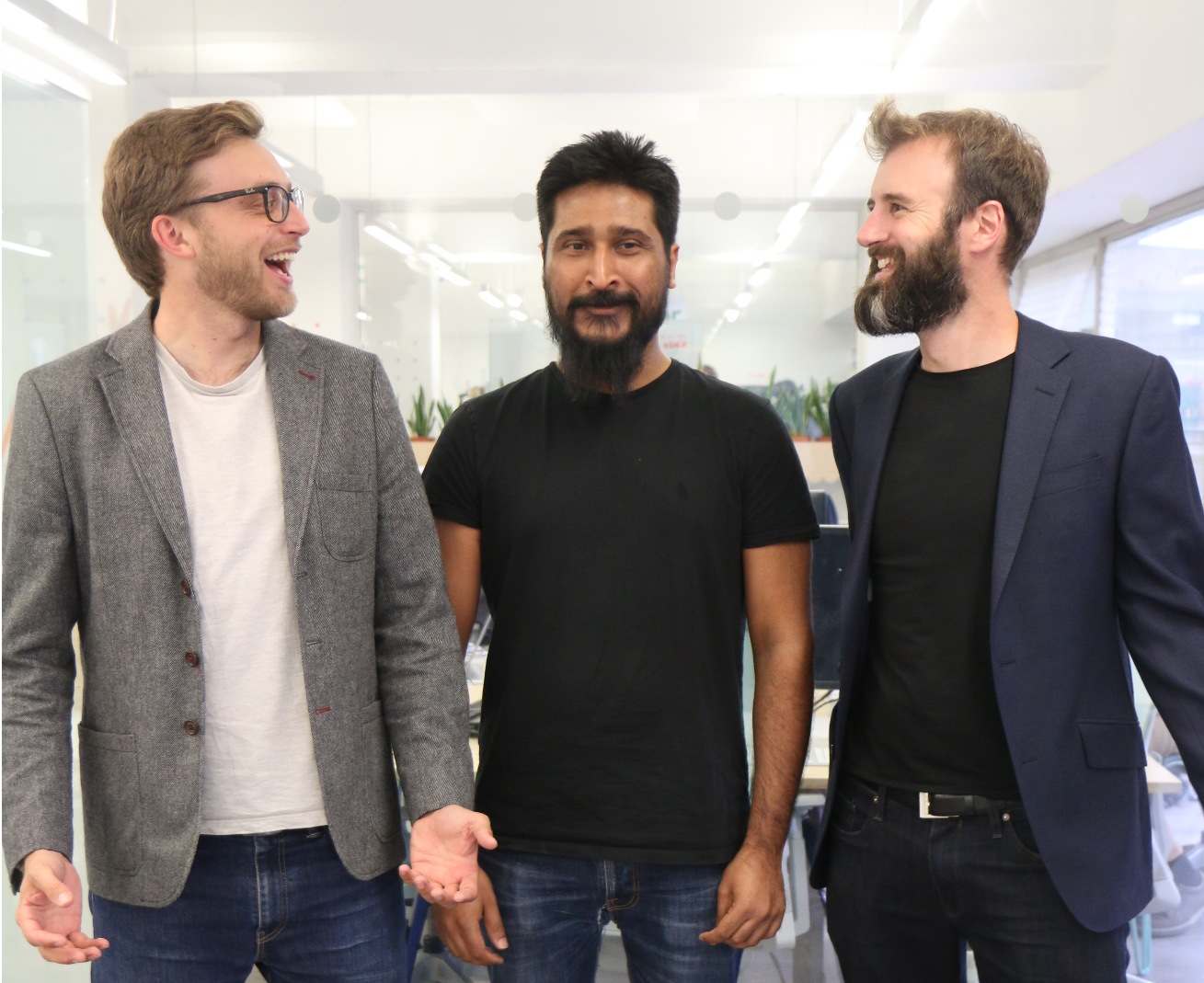
Tom Whicher, Perran Pengelly and Rinesh Amin founded DrDoctor in 2012. Looking back seven years later, Whicher described a modest starting ambition. Their early interest in access was practical. A portal is only useful if someone actually gets into it. A text tied to a real appointment gives the patient a reason to act. The founders’ recollections keep returning to that ordinary frustration.
“I just wanted to prove there was a better way for patients to get an appointment.”
Tom Whicher / 2019 founder interview
Today, patients can use a browser-based portal to read letters and manage appointments, with functions determined by their provider. Calderdale and Huddersfield’s patient instructions describe logging in with surname, date of birth and postcode, followed by a one-time code sent by text or voice. A smartphone download is unnecessary. NHS App access supplies another route.
The customer paying for this convenience is the healthcare organisation. Its booking team needs fewer calls to chase and fewer unused slots. Patients want their arrangements to make sense. DrDoctor occupies the point where those interests meet, sometimes awkwardly, in the same diary.
The reminder was already there
The early Guy’s and St Thomas’ results are instructive because the trust already used text reminders. In 2015, its DNA rate for new appointments was nevertheless 13.5%. DNA means “did not attend”, an abbreviation that makes a missed encounter sound more clinical than logistical.
A Women’s Services pilot preceded the 2016 outpatient rollout. The detailed customer account reports a 17.2% overall reduction in DNAs and an estimated £2.6 million full-year-equivalent financial benefit. That estimate used additional attendances and average specialty tariffs. It should be read as a measure of recovered activity, rather than assumed to be cash sitting unspent in a bank account.
There was friction. At the end of six months, reminders had been activated for 58% of session codes. Different operational processes and IT practices across services complicated training and go-live. The project finished on time; adoption still had room to grow. The lesson for another hospital is concrete: budget attention for how each clinic works.
Let patients choose.
Then measure the queue.
A later dental project gives a more specific example. Guy’s and St Thomas’ introduced patient-led booking in 2018. Its published account says the follow-up waiting list fell from 1,500 to 150 over a year, with 10,200 patients self-booking and 340 administrative hours saved. The team selected a willing specialty, trained service managers and worked on the waiting-list integration. The dental case study makes that preparation part of the result.
The booking link grows up
DrDoctor now describes its broader platform as HybridOS. Alongside booking and reminders sit digital letters, forms, video consultations and tools for coordinating follow-up. Its company-reported reach exceeds 70 NHS trusts and health boards, 35 million patients and 140 million appointments a year. Those figures describe the supplier’s footprint; they do not mean every patient uses every function. Its current platform overview presents a business reaching well beyond its original text message.
The product names can obscure a simple sequence. Ask whether somebody still needs an appointment. Let the service review the answer. Offer the appropriate next step. Keep the booking system updated. A cancelled appointment becomes useful capacity only when another suitable patient can take it.
At Great Western Hospitals, a dermatology project used digital questions to check whether patients still needed appointments. The published case reported a 10% waiting-list reduction and more than £28,000 in savings over three months. This is a different intervention from reminding somebody to attend: it tests whether the demand recorded on the list still reflects the patient’s needs.
In Scotland, the National Elective Coordination Unit used Quick Question and SMS reminders across eight health boards. DrDoctor’s programme account reports £3.57 million in cost avoidance over six months. The wording matters. Avoiding unnecessary activity and reducing postage spend can both be valuable, but they are different entries in a finance director’s calculation.
The bill behind the booking
DrDoctor sells annual software licences, implementation and related services. Its published G-Cloud 14 price schedule puts numbers on that model. For a care setting with up to 100,000 annual contacts, orders or outpatient appointments, the Core Engagement Platform licence is £47,255. The schedule separately lists £29,890 for core delivery, a £24,500 integration block and a £14,400 annual connection service at that volume.
Those four listed items total £116,045 before consumables and any other applicable charges. This is an illustrative sum of published components, not a negotiated customer quote. Outbound messages bought in advance are listed at 2.3p per fragment. Extra modules alter the bill. A trust buying software is also buying the work required to connect it.
The commercial offer is also evolving. DrDoctor’s current communications platform advertises one fixed annual licence across channels. Its described workflows can escalate an unanswered SMS to voice and retain printed letters when needed. The pitch addresses a familiar budgeting irritation: each additional patient contact generating another variable charge.
Expansion takes capital, too. A £10 million round in February 2023, led by YFM Equity Partners with Ananda Impact Ventures and 24Haymarket, followed a £3 million Series A in 2020. YFM says the later investment supported senior executive recruitment and broader products. It reported ARR rising from £8.76 million in December 2022 to £14.28 million in June 2024.
Recurring revenue is a commercial indicator, not the same thing as booked annual sales. Audited 2023 figures reproduced in YFM’s 2025 prospectus show £10.05 million in revenue and an £8.43 million loss before tax. The distinction keeps the growth story honest: wider adoption can coexist with substantial investment and losses.
A crowded market, with shared waiting rooms
Hospital portals are a competitive field. The NHS’s patient-access directory includes Patients Know Best, Healthcare Communications, Induction Zesty and Netcall Patient Hub alongside DrDoctor. These products overlap without being interchangeable. Patients Know Best centres its proposition on a shared personal health record; DrDoctor’s history places scheduling and operational coordination closer to the centre.
A trust can use several systems. Chelsea and Westminster’s digital services page lists both DrDoctor and Patients Know Best, among other tools. For buyers, the question is what a supplier adds to the systems already installed. DrDoctor points to pre-built adapters and experience integrating with more than 20 clinical systems. That experience matters when a reply needs to change something inside the hospital, rather than merely populate another inbox.
The boundaries are shifting. DrDoctor acquired Maia from Mindwave Ventures in August 2024, adding personal health record and care-planning capabilities aimed at mental health and community services. The acquisition broadened its scope from organising visits toward supporting more of the care between them.
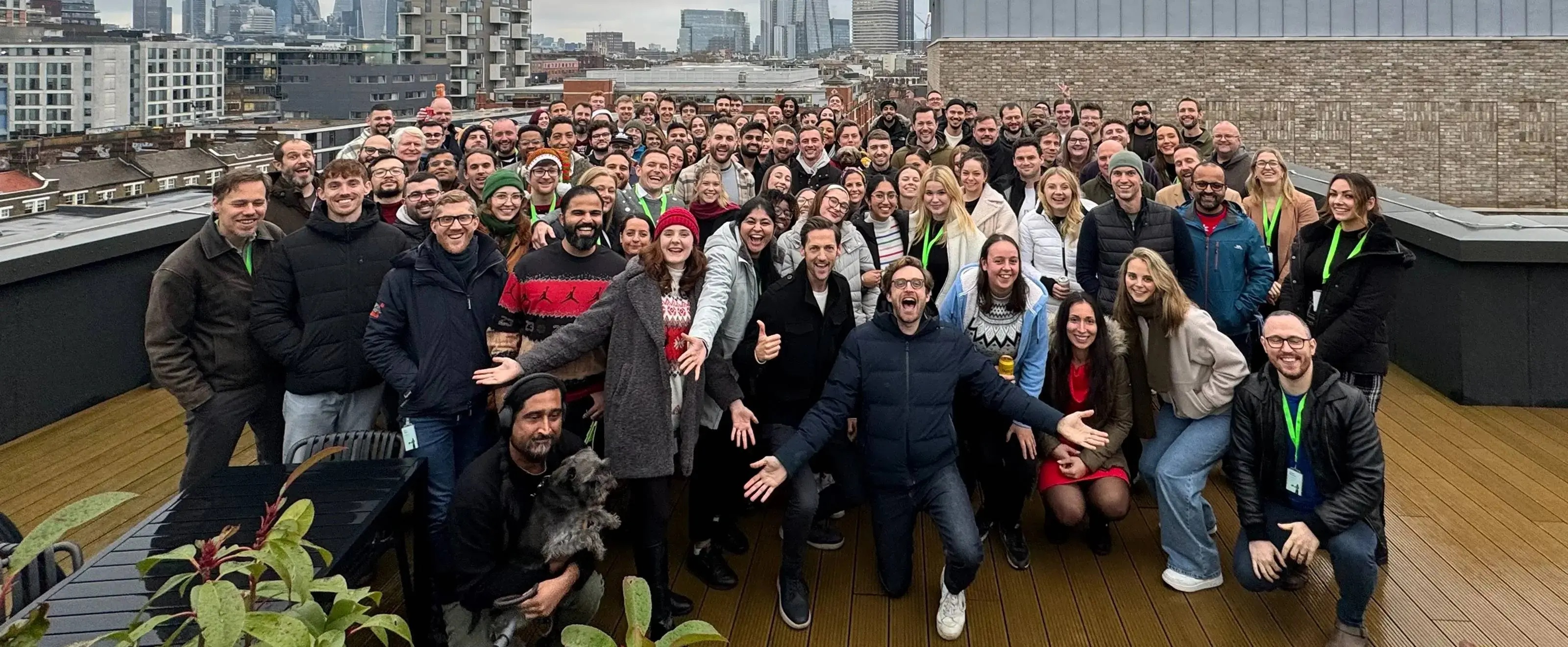
Its public culture has retained some small-company habits. During the pandemic, the founders gave staff a shared recovery day. B Lab records B Corp certification from October 2025, bringing an external framework for social and environmental performance to a company selling public-service productivity.
Leave someone at the other end
The most transferable DrDoctor lesson is to begin with one task a patient needs to complete. Pick a service prepared to change, establish its baseline, connect the data and give staff responsibility for the replies. The company’s own implementation description calls for governance, dedicated resources, testing and a pilot. None is a substitute for the others.
Digital access also needs alternatives. Robert Jones and Agnes Hunt’s DrDoctor guidance says patients can still receive paper letters, including a paper copy when a digital letter goes unopened. For a hospital, silence cannot safely be treated as proof that care is unnecessary. A message must lead to a workable next step, including human review where needed.
Software can make an available slot easier to use. It cannot create a clinician who is not there, or make an unsuitable appointment appropriate. DrDoctor’s opportunity lies in the less theatrical work of making existing care easier to reach. For the patient standing at reception on the wrong day, that is plenty to ask.