There is a familiar kind of healthcare photograph. The light is clean. The smile is careful. Somewhere nearby, perhaps just beyond the crop, there seems to be a clipboard. You know the picture before you have seen it. It says patient so loudly that the person inside it can barely get a word in.
Living in the Light began with the suspicion that this was backward. Levi Gershkowitz, its founder, had been close to rare-disease advocacy since childhood, when he volunteered with the National Tay-Sachs & Allied Diseases Association. He became a writer, photographer and filmmaker, then built a company around a deceptively difficult assignment: show the medical reality without allowing medicine to swallow the life.
The company calls the move “from patient to Person.” The capital P is not subtle, but subtlety would be wasted here. In a clinical record, diagnosis is the organizing fact. In a family, it competes with breakfast, rent, jokes, siblings, work, faith, school, exhaustion, identity and the dog. Living in the Light puts those things back into the picture.
The deliverable is a relationship
On paper, Living in the Light is a custom communications studio. It makes documentary films, portraits, written narratives, disease-awareness campaigns, websites, coffee-table books, conference booths, office installations and galleries. It runs listening sessions, webinars, patient advisory boards, lab tours, employee programs and externally led patient-focused drug-development events. A biotech company, research center, specialty pharmacy or patient organization brings a community and a need. Living in the Light builds the form around them.
That is also the business model. This is project work, sold to organizations rather than to the families whose stories fill the archive. There is no public rate card. The services page ends where custom work usually begins: “Request a Quote.” The real cost depends on travel, production, editorial scope, rights, format and the number of people invited into the process.
The company’s closest alternatives are healthcare agencies, patient-engagement consultancies, documentary shops, internal advocacy teams and the vast, cheap lake of stock imagery. Its difference is accumulated trust. A production crew can learn a disease brief. It is harder to learn when the brief itself is making a person smaller.
“Meaningful advocacy is similar to great photography - it happens at the confluence of seeing and being seen.”Levi Gershkowitz, founder and CEO
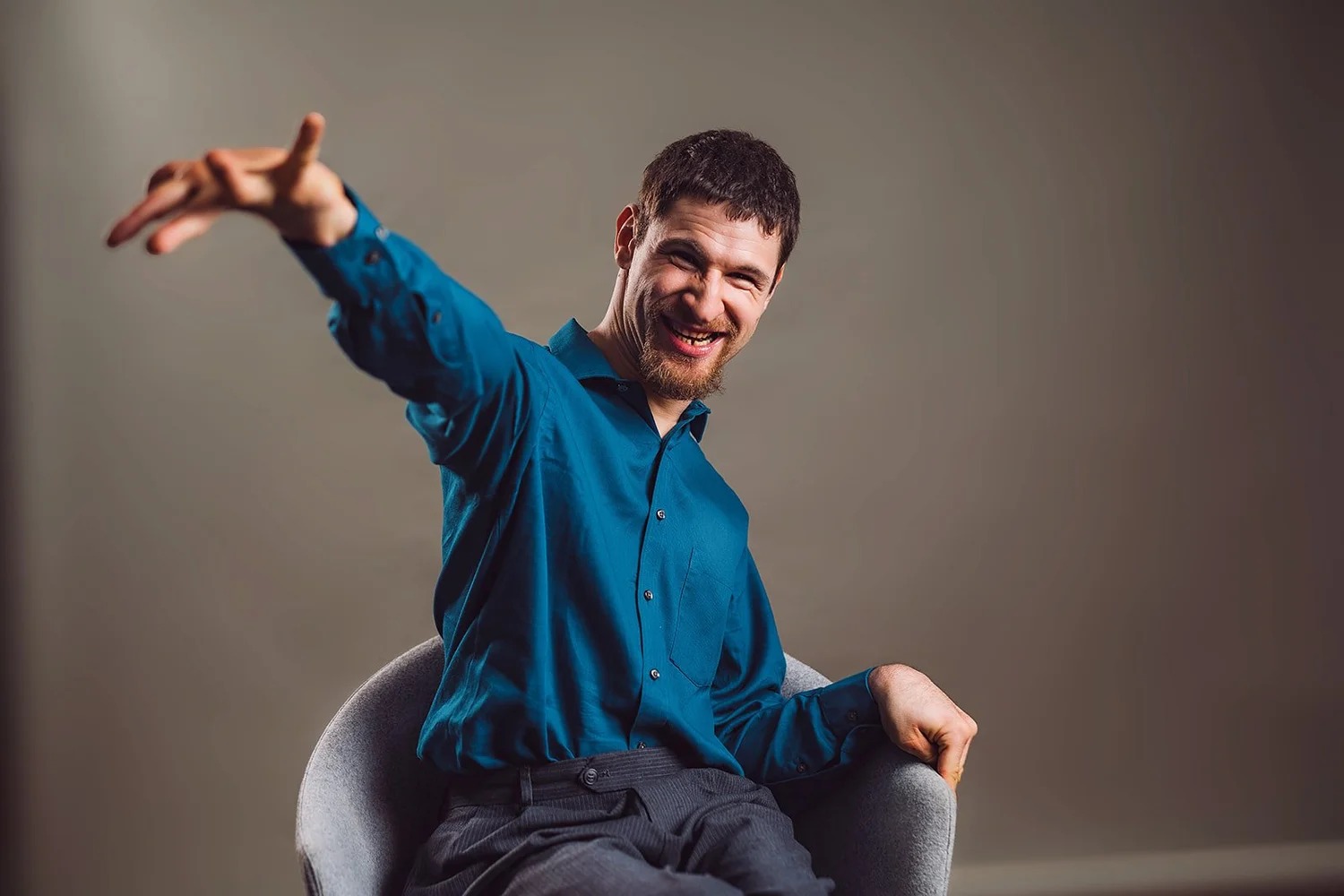
A film walks into the FDA
The clearest demonstration of the model is The Tenacity of Hope, a documentary produced with Cure CMD. The film gathers the experiences of people living with congenital muscular dystrophy and the people who care for them. It was first made for Cure CMD’s 2022 patient-focused drug-development meeting with the US Food and Drug Administration.
That destination matters. Patient-focused drug development is a formal attempt to bring lived experience into decisions about therapies and evaluation. The film was not decoration before the serious part. It was a way of carrying the serious part into the room: which symptoms disrupt a day, what tradeoffs feel tolerable, what an outcome measure can miss, and how care changes everybody in a household.
- 01Listen before fixing the message
- 02Let identity complicate diagnosis
- 03Choose film, print, event or exhibit to fit the use
- 04Return the finished story to the community
The film kept traveling. Cure CMD released it for on-demand viewing in 2023. In February 2025, it screened at Rare Reels during Rare Disease Week in Washington, D.C., where Gershkowitz joined a panel on portraying life with congenital muscular dystrophy. A story commissioned for one regulatory setting became community education, public advocacy and a record families could share on their own terms.
The archive compounds
A campaign agency finishes a campaign. An archive does something stranger: it acquires memory. Living in the Light says it has interviewed and photographed more than 600 families across more than 80 rare conditions worldwide. Its public collection includes people living with Pompe disease, Duchenne muscular dystrophy, Friedreich’s ataxia, hemophilia A, hereditary angioedema, Fabry disease, Batten disease, myotonic dystrophy and genetic heart conditions.
Scale can be dangerous in this work. After the fiftieth story, a lazy editor starts hunting for a dependable emotional arc. But the archive’s value lies in the opposite direction. Kobe’s account makes room for race, gender identity and a blood disorder at once. Maddie connects Pompe disease with disability justice, self-care and gender identity. Milton talks about driving a Mustang and taking his grandson to a museum. These are not colorful details sprinkled over a diagnosis. They are the life the diagnosis interrupted.
What cannot be copied quickly is the relationship layer. This approach is poorly suited to a rushed asset factory, a campaign that needs a predetermined conclusion, or a sponsor unwilling to let participants complicate its message. Mutual vulnerability, one of the company’s favored phrases, is inconvenient by design. The storyteller also has to be visible, accountable and changed by the encounter.
More studio than slogan
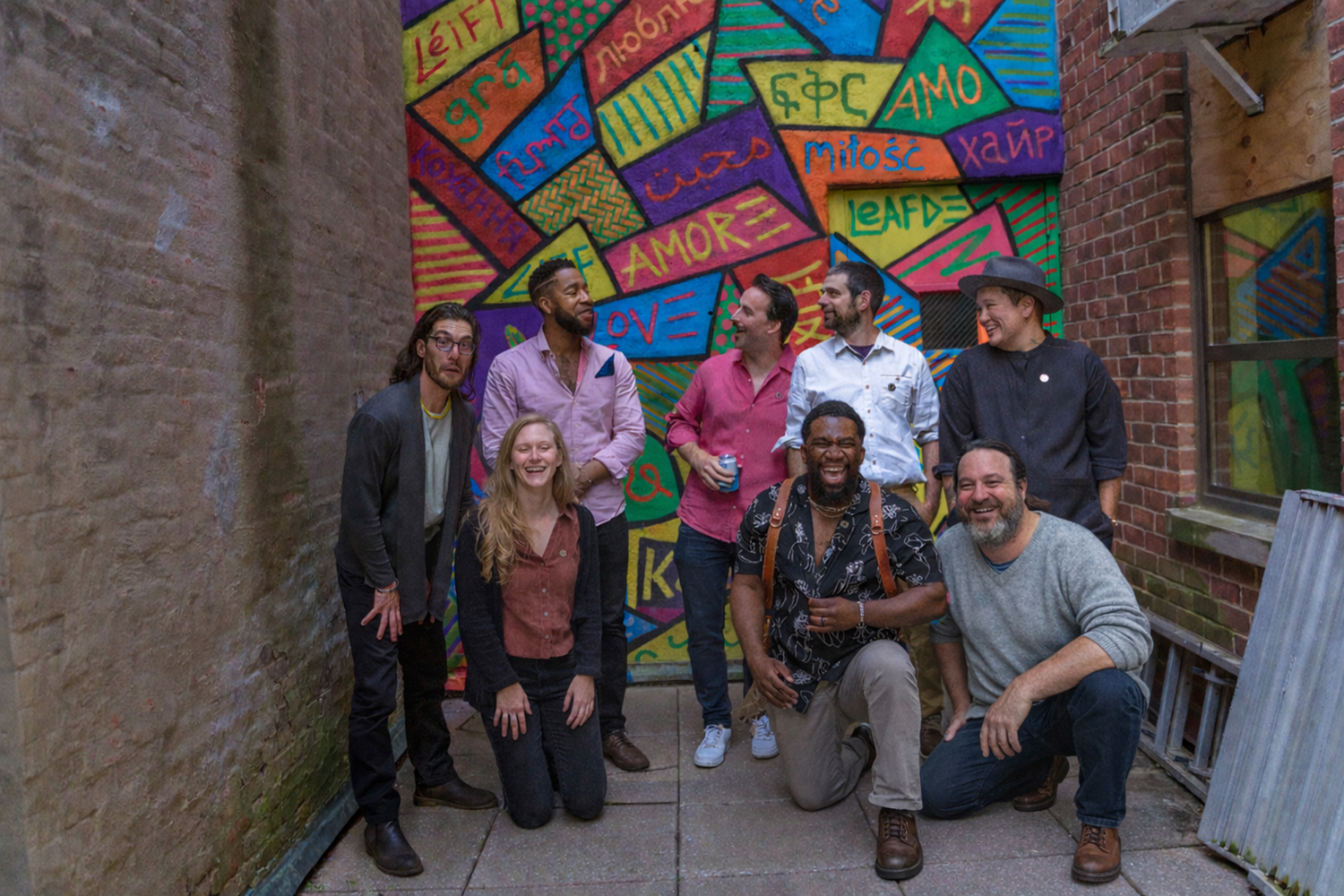
The team is small and oddly assembled in the best sense. Gershkowitz studied Holocaust and genocide studies. Production manager Phil Toran is a documentary filmmaker. Advocacy director Jeff Reinhardt is a writer who previously did humanitarian work on the US-Mexico border. Project and account director Gabriel Tusinski is a sociocultural and linguistic anthropologist. Other colleagues bring photography, design, advocacy and lived family experience with rare disease.
That mix explains why the company fits awkwardly into any single market box. It is a healthcare communications company, but it also behaves like a documentary studio. It is an advocacy practice, but it sells polished creative production. It can make the booth, the book and the film, then help convene the listening session that tells a client what any of them should say.
In 2025, Living in the Light and Beyond the Diagnosis brought an abridged exhibition called Story as Medicine to the BIO convention in Boston. Families from the region visited the gallery and spoke with attendees. The title risks sounding poetic until you notice the mechanism. A picture does not cure a rare disease. It can, however, change who is recognizable inside the institutions trying to cure one.
This is the company’s most transferable idea. Better representation is not a matter of swapping in a nicer photograph at the end. It starts at the beginning, when a family is treated as a collaborator rather than raw material. The camera comes later. First, somebody has to look at the person in front of it and resist the urge to reduce.