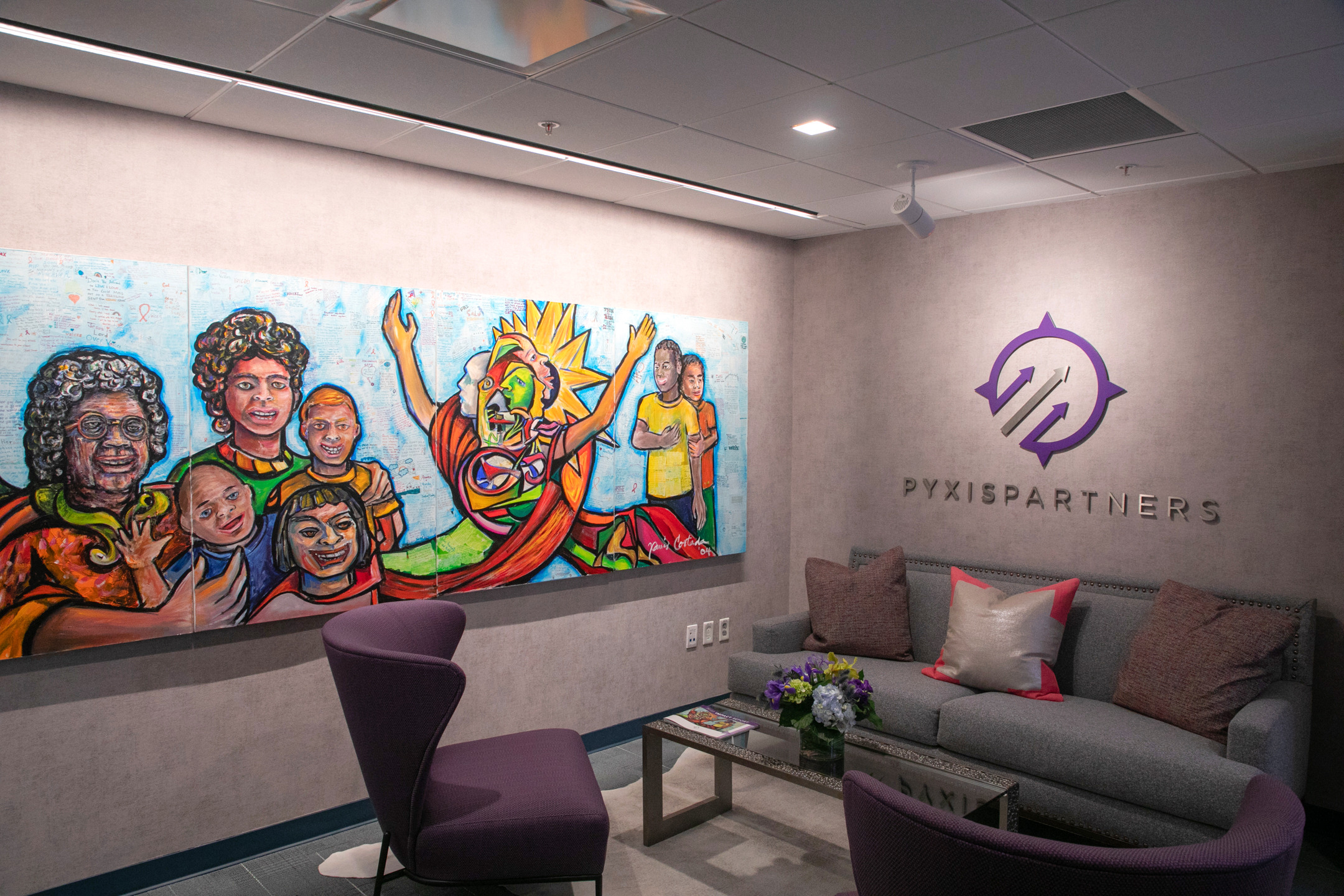
There are two rooms in the Pyxis Partners sales pitch. One has nameplates, staff binders and a calendar parceled into 15-minute meetings. The other might have folding chairs, weak coffee and people who have learned, through experience, to distrust anyone arriving with a clipboard. One room speaks in mandates and appropriations. The other speaks in memory. Pyxis, a Washington public-affairs firm founded in 2020, earns its living moving between them.
The company calls this a bridge between health-care institutions and what is happening on the ground. That sounds tidy. The underlying problem is not. Drugmakers need clinical trials that better represent the people who will use their medicines. Federal researchers need participants to share health data. Health plans need Congress to understand what a technical rule does to a family. Communities want proof that being consulted will change something. Each party has something the others need, and a private vocabulary for avoiding embarrassment.
The founder's wagerScience saved one life. Then it became a business model.
Michael Manganiello came to this puzzle from the patient side. He has lived with HIV for decades and took part in a clinical trial led by Anthony Fauci. He later worked with Christopher and Dana Reeve, became the first senior vice president of government relations at the foundation bearing their names, and helped advocate for the 2009 Christopher and Dana Reeve Paralysis Act. The formative lesson was plain: medical research can rescue a person, but access to research is distributed unevenly.
That experience changed the question. Instead of asking only how to persuade an official, Manganiello asked who had been excluded before persuasion even began. Pyxis was built around his answer: policy analysis, lobbying, communications and community engagement belong in the same firm because each corrects the blind spots of the others.
The first failureA recruitment target is not a relationship
In clinical research, the first thing to fail is often the transactional ask. A sponsor decides a trial needs more diverse participants, finds a community organization and arrives with a deadline. The community sees the sequence clearly: the relationship appeared only after the sponsor needed bodies. Pyxis and its 2024 collaborator Rx4good argue for the reverse order - listen to representative patients, understand local barriers, co-design the communication and stay engaged beyond one protocol.
The firm's largest proof point is the National Institutes of Health's All of Us Research Program. Work that began in 2016 produced the Community and Provider Gateway Initiative, a network of more than 100 organizations spanning races, regions, ages, disabilities, gender identities and health experiences. These groups are not simply media channels. They explain the research, surface fears, carry questions back to the program and make national ambition locally legible.
and report back
The difference matters. For an NIH advisory group studying the use of emerging data and technology, Pyxis helped recruit and facilitate six in-person community conversations, each with roughly 25 participants, plus three virtual sessions. The conversations included benefits and risks, not merely a polished appeal for participation. Community feedback then entered the working group's deliberations. Listening became part of the machinery.
What the work buysRecommendations, relationships and a line in the law
Pyxis sells services, not software: federal policy monitoring, regulatory analysis, coalition building, meeting preparation, public comments, campaigns and facilitation. Its customers include government research programs, pharmaceutical companies, health plans, trade associations, foundations and advocacy organizations. The business model is the familiar professional-services mix of projects, retainers and public awards. Private fees are not disclosed.
The public ledger does show scale. NIH records list $2.05 million to Pyxis in fiscal 2024 and about $3.20 million across two awards in fiscal 2025. Those dollars support participant, provider and researcher engagement around All of Us. This is not the cost of a slogan. It pays for people, partners, convenings, tailored messages and the repetitive follow-through from which trust is made.
Other assignments show how the parts combine. For The Kennedy Forum, Pyxis researched hundreds of proposals and helped turn them into a digital guide containing more than 200 federal recommendations on mental health and substance-use disorders. With the American Liver Foundation, it identified congressional champions, prepared advocates to tell their stories and helped build support for the first nationwide federal study of metabolic dysfunction-associated steatotic liver disease. For the Association for Community Affiliated Plans, it supported coalition work behind a federal requirement providing children on Medicaid and CHIP with 12 months of continuous eligibility.
In each case, the deliverable was different: a searchable policy map, an authorized study, a coverage rule. The repeated method was the same. Evidence gets a human messenger. The messenger gets preparation. The official gets a specific ask. The coalition stays coordinated long enough for the ask to survive contact with government.
The copyable partBuild the relationship before the request
A reader does not need a Washington office to borrow the useful parts. The Pyxis method can be reduced to four moves, none of which requires a proprietary platform.
This approach also has a clock. It is poorly suited to a sponsor that wants representative enrollment next month, a campaign unwilling to change after listening, or a client treating local partners as rented credibility. Trust compounds, but only if the relationship outlasts the immediate transaction. The model also depends on specific subject expertise: knowing which committee matters, how an FDA requirement works and what language a community finds suspect. Warmth without policy fluency is pleasant. Policy fluency without warmth is the problem Pyxis was created to solve.
Where Pyxis sitsToo political for a research shop, too patient for a lobby shop
The market alternatives are easy to name and hard to compare: a large communications agency, a traditional lobbying firm, a specialist patient-engagement consultancy, or an in-house team. Pyxis sits in the seams among them. Its Washington credentials help clients reach Congress, agencies and the White House. Its community network helps those institutions hear from people who are usually summarized on a slide.
That position is narrow enough to be distinctive and broad enough to be dangerous. A 14-person firm can be stretched by national work. Federal priorities change. The language of health equity is politically contested. Relationships built over years can be damaged in a single campaign. Yet the firm's small size is also part of the proposition: senior people remain close to the work, and policy, communication and engagement are not thrown over separate departmental walls.
Pyxis takes its name from a southern constellation once used as a mariner's compass. The metaphor could have been unbearably polished. Here it works because navigation is a modest claim. A compass does not move the ship, calm the weather or decide the destination. It tells people in different rooms where they are. In American health policy, that is already a considerable service.