The first thing Michael Waxman had was a name. In Washington, that matters. His father, Henry, had spent four decades in Congress learning how bills become laws, how hearings become leverage and how stubbornness becomes policy. The second thing Michael had was a rule. When he started Waxman Strategies in 2013, the firm would work only on causes it considered in the public interest.
Rules are expensive. Every client you refuse is revenue somebody else collects. Yet a boundary can also be a product. It tells prospective clients which side of an argument the firm expects to occupy. It tells employees what kind of work will land on their desks. And it turns a familiar Washington commodity - access - into a point of view.

A consulting firm with three gears
Waxman Strategies describes its work with three nouns: policy, advocacy and communications. They sound like departments. In practice, they are sequential gears.
Policy determines what should change and whether the proposal can survive contact with legislation or regulation. Advocacy locates the people who can move it: lawmakers, agencies, funders, companies, community organizations and coalitions. Communications gives the proposal language that can cross from an expert's memo into a reporter's notebook or a decision maker's day.
Then the reaction changes the policy question, and the cycle begins again.
The firm sells this stack to foundations, nonprofits and mission-aligned businesses working mainly in health, environment and technology. A health client might need drug-pricing analysis, congressional engagement and an op-ed. A climate technology company might need regulatory counsel, a coalition and an explanation of why its machine matters. The deliverable changes. The sequence does not.
“We use policy, advocacy, and communications to achieve a healthy world in which people, nature and the common good flourish.”Waxman Strategies' stated mission
The report was not the campaign
Consider the assignment from Mighty Earth. Its researchers kept finding Cargill in stories about palm oil in Southeast Asia, cocoa in West Africa and soy in South America. Waxman Strategies helped compile and publicize a report with a headline designed to pick a fight: The Worst Company in the World.
The provocation was only the opening move. The report appeared in five additional languages. Media coverage carried the claims around the world. Campaigners then focused attention on supermarkets and food companies that did business with Cargill. Waxman's case study says Nestlé stopped buying Cargill's Brazilian soybeans, while Grieg Seafood excluded Cargill Aqua Nutrition from a $92 million green bond. Both companies cited deforestation concerns.
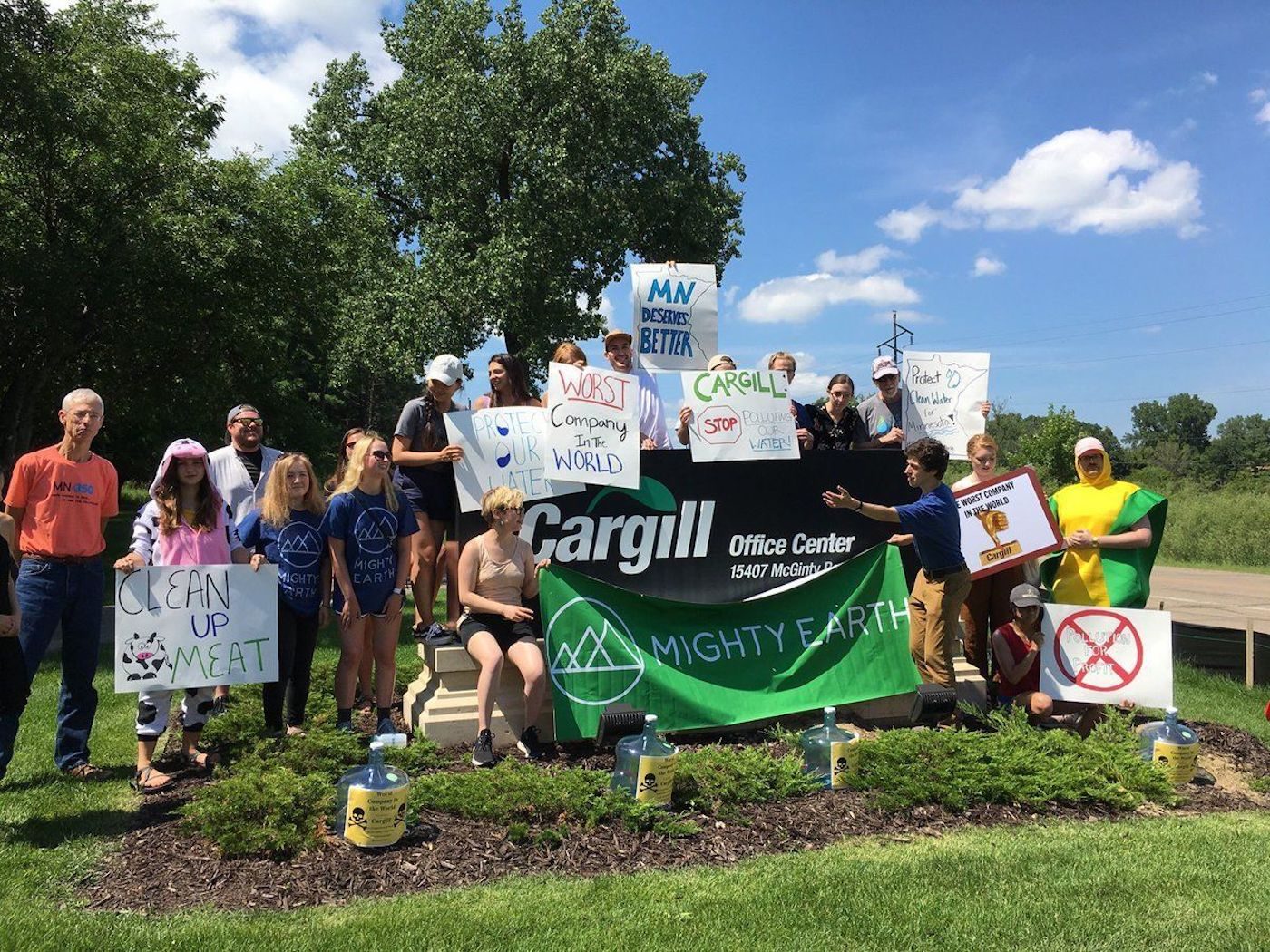
The campaign itself was described as multimillion-dollar and multi-year. Public affairs firms rarely sell a unit with a shelf price. They sell coordinated hours, judgment and relationships inside a larger campaign budget. The buyer is paying to reduce the distance between a fact and a consequence.
What failed first was the quiet route
The Cargill story also supplies the less flattering part of a campaign case study. Before publication, Mighty Earth had spent years in discussions with the company. Henry Waxman's foreword says Cargill's CEO asked for extra time, then promised stronger habitat policies and industry outreach. The campaigners waited. They concluded the promised change was not arriving.
That is the point at which the method changed. Private engagement gave way to a named report, a media launch and pressure on customers. The lesson is not that embarrassment always works. It is that a campaign needs a theory about what the target values. Cargill's customers and financing relationships created leverage that another institution might not have.
Waxman's environmental work shows the same logic in other forms. For clean steel, the firm and foundation partners researched Nucor's power use, made the business case for renewable electricity and organized advocates near the company's Charlotte base. In Japan, a campaign supported by local residents and international environmental groups preceded cancellation of a proposed palm-oil power plant in Maizuru. The common move is to find a pressure point outside the obvious front door.
The surname gets you only to the meeting
Henry Waxman joined his son's firm in 2015, after leaving Congress. The symbolism was unusually tidy: a lawmaker known for health and environmental legislation became chairman of a consultancy working on health and the environment. Office walls carry memorabilia from his legislative career.
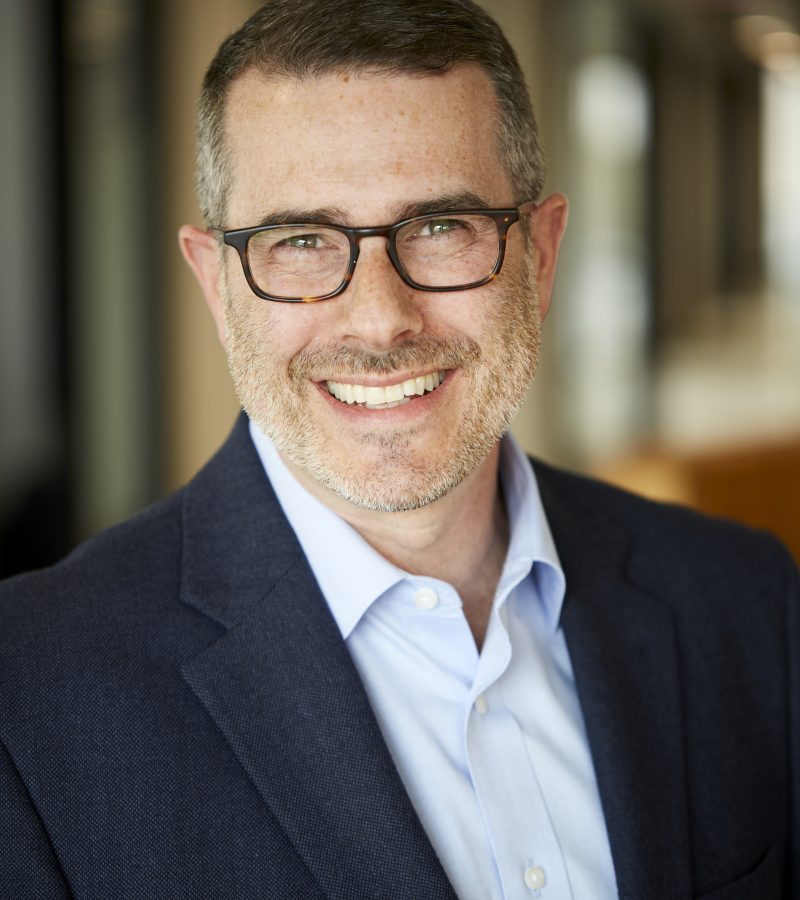
But Michael is careful about the origin story. On the firm's tenth anniversary, he wrote that Waxman Strategies was not created as a home for his father's legacy. Michael arrived with clients of his own and experience at Fenton, Hyde Park Communications and FleishmanHillard. Henry's arrival added legislative memory, credibility and a network. It did not replace the need to run a consultancy.
That consultancy now has 28 employee profiles on LinkedIn, which places it in the 11-to-50 bracket. Its public work ranges from protecting the 340B drug-discount program to explaining nonprofit pharmaceutical companies, direct air capture and anaerobic digestion. The topics are technical because technical questions are where regulation becomes a market.
Sometimes the product is an explanation
Leyline Renewable Capital had a $150 million fund for clean-energy projects that were not yet ready for construction. That middle stage is useful and unglamorous. Waxman worked on its message, marketing materials, website copy and media relationships aimed at developers and investors. The firm was not financing the turbines. It was making the financing legible.
For Carbon Engineering, the obstacle was broader. Direct air capture requires a market shaped by tax credits, public policy and corporate carbon commitments. Waxman says it spent multiple years educating policymakers and advocating for conditions that could support deployment. Here communications was not the ribbon on the product. A credible policy story was part of the product's route to market.
This is where Waxman sits in the market. It competes with progressive public-affairs firms, lobbying shops, communications agencies and the in-house teams of large organizations. Its argument is that a client should not have to coordinate four vendors to connect a policy idea with the people and language that can move it.
The useful thing to steal
Most organizations cannot copy the Waxman surname or forty years of congressional experience. They can copy the architecture.
Start with the change, not the press release.
List who decides, who influences and who bears the result.
Policy, public opinion, financing or a customer relationship may be the real bottleneck.
Research, advocacy and communications should share one theory of change.
This model works best when the desired outcome is specific, the decision makers are identifiable and evidence can support a coalition. It weakens when the client wants reputation without reform, when stakeholders do not share enough ground to act together or when the target can comfortably ignore customers, regulators and public opinion. Access cannot rescue a fuzzy objective.
The public-interest filter has limits too. It narrows the market and asks the firm to judge what counts as public good. Yet it makes Waxman's positioning unusually easy to understand. In an industry that sells the ability to enter almost any room, the most revealing decision may be the room it declines to enter.