patient-advocacy
(18)
The Small Agency That Learned to Be Everywhere
For forty years, MCS Health has sold a peculiar advantage: the attention of a specialist shop with the reach of a network. Its 2025 reset shows what happens when a boutique decides scale should be borrowed, not owned.
The Health Agency That Bought the Missing Pieces
JPA Health began with an unfashionable idea: healthcare messages work better when the people who understand policy, patients, science and data sit at the same table. Then it spent two years buying the chairs it was missing.

RevHealth Put the Boring Parts on Fast-Forward
A private-equity transition dented revenue. RevHealth's answer was not a louder campaign, but a quieter reinvention of the agency workflow - putting medical, access, creative and AI in the same room before the brief hardens.

The People Missing From the Drug-Development Meeting
VOZ Advisors built a business around a costly corporate blind spot: medicines are often planned in rooms where the people expected to live with them are missing.

The Six-Week Reversal: How Cullari Communications Global Turns Trust Into Infrastructure
The Hershey consultancy does not sell attention for its own sake. It builds coalitions around the people whose trust a health company cannot manufacture - and measures what happens next.
The Firm Between the Hearing Room and the Church Basement
Pyxis Partners has built a business translating between Washington's health-policy rooms and communities that have good reasons to distrust them. Its real product is not access alone. It is the patient work of making access travel both ways.

The Most Important Person in the Picture Is Not the Patient
Living in the Light has spent more than a decade making rare-disease stories less clinical and more human. Its method begins with a small but radical edit: move the diagnosis out of the center of the frame.
JFK Communications Knows the Most Dangerous Word in Health PR Is ‘Breakthrough’
The boutique agency built a business around a hard editorial problem: making consequential science clear without making it careless.
The Scientists Had the Breakthrough. TellMed Had to Make Anyone Care.
A New Jersey agency found a business in the awkward distance between a scientific result and a human reaction. Its product is not publicity so much as translation - with enough regulatory discipline to survive the trip.
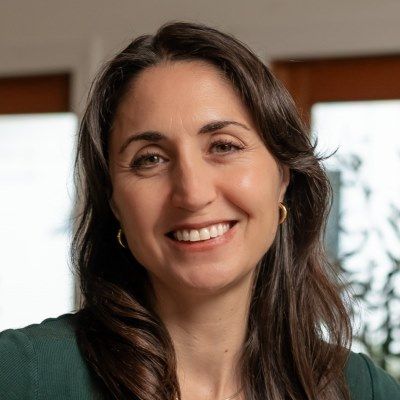
Sandra Abrevaya Knows How to Turn a Public Mission Into an Operating System
Before she built a company, Sandra Abrevaya learned how power actually moves - through campaigns, coalitions, city halls and the stubborn work of getting people into the same room.

Roohi Jeelani Is Building the Clinic She Wishes the System Had Designed
The physician-scientist spent years studying the gaps between research, clinics and patients. At Onto Health, she is turning those observations into an operating model - one deliberate fix at a time.
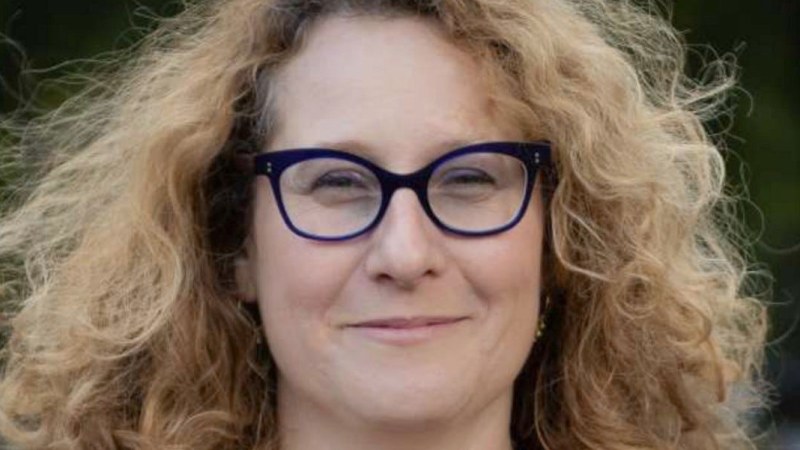
Tzvia Bader
Tzvia Bader is the CEO and co-founder of Leal Health (formerly TrialJectory), a New York-based, AI-powered decision support platform that matches cancer patients with FDA-approved treatments and clinical trials. A serial entrepreneur with roughly two decades in tech, she previously led a global business unit at Amdocs and founded startups Vocativ and KIDDOapp before turning to oncology after losing her mother to lymphoma and later facing her own melanoma diagnosis. She built Leal around a simple, insistent idea: patients, not geography or insurance, should decide which treatments they can reach.

Biotechnology Innovation Organization
The Biotechnology Innovation Organization (BIO) is the world's largest trade association for the biotech industry, representing more than 1,000 companies, research institutions and state and regional bio centers across the United States and 30-plus countries. Founded in 1993 and headquartered in Washington, D.C., BIO lobbies on drug pricing, intellectual property, regulation and biosecurity, and runs the BIO International Convention - the industry's flagship annual dealmaking and networking event. Led since 2024 by President and CEO John F. Crowley, a rare-disease entrepreneur whose own children have Pompe disease, BIO's stated mission is to advance a 'bio revolution' that cures patients, protects the climate and nourishes humanity.
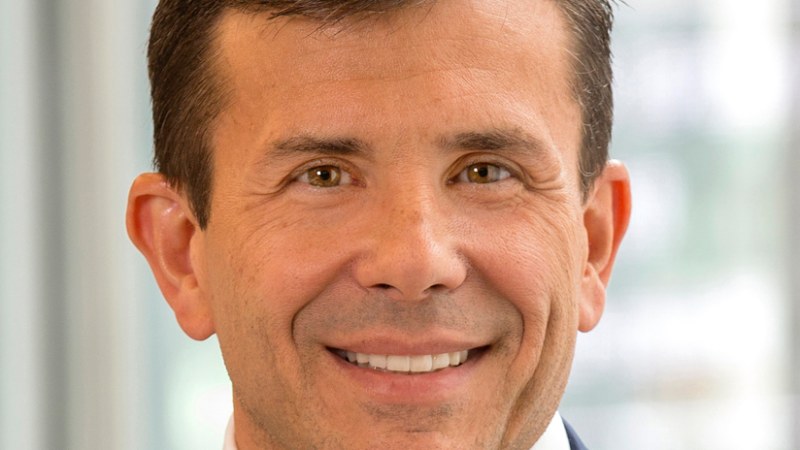
John Crowley
John Francis Crowley is the President & CEO of the Biotechnology Innovation Organization (BIO), the world's largest biotech trade association with 1,100+ member companies in 30+ countries. A Georgetown and Harvard Business School alumnus, Navy Reserve veteran who served in Afghanistan, and author of 'Chasing Miracles,' Crowley co-founded Novazyme Pharmaceuticals - which sold to Genzyme for ~$175-200 million - and later built Amicus Therapeutics from a 5-person startup into a global biopharmaceutical company. His life story inspired the 2010 CBS Films feature 'Extraordinary Measures,' in which Brendan Fraser portrayed him alongside Harrison Ford. Since taking the helm at BIO in March 2024, he has repositioned the organization around U.S. biotech competitiveness, FDA modernization, and patient advocacy.
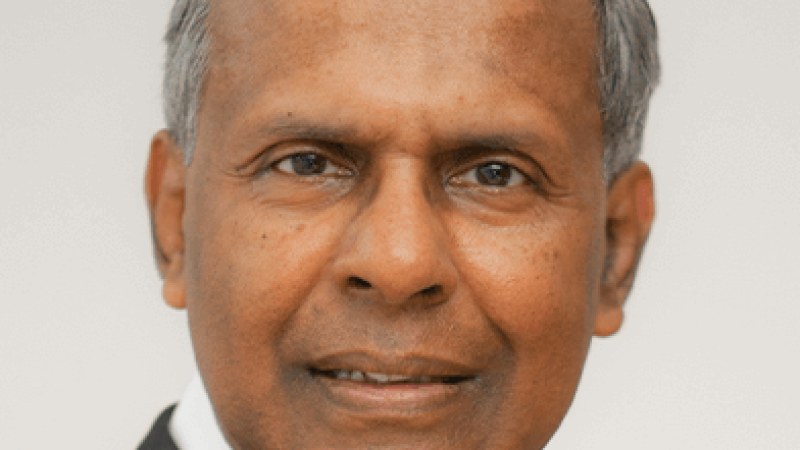
Sanjay Prasad
Sanjay Prasad, MD, FACS spent nearly three decades as a neurotology and skull base surgeon in Washington, D.C. before turning entrepreneur. In 2014 he founded SurgiPrice, Inc. and its subsidiaries SurgiQuality and SurgiConnect to fix what he saw as a broken surgical referral system - helping patients find best-in-class surgeons, avoid unnecessary operations, and compare quality on procedure-specific metrics. The platform now lists tens of thousands of surgeons and partners with hundreds of surgery centers. He is also an author and health-equity advocate who founded the Race and Health Foundation.

Novellia
Novellia is a New York-based digital health company that lets patients pull together their complete medical history from more than 50,000 U.S. healthcare systems into one free app, then choose whether to share de-identified versions of that data with drug companies and researchers. Using proprietary natural language processing, Novellia turns messy, unstructured clinical text - physician notes, lab narratives, diagnostic reports - into clean, research-ready longitudinal datasets. The result is a two-sided model: patients regain control of their records at no cost, while life sciences organizations get higher-quality, patient-consented real-world data than the fragmented claims-based datasets they buy today.
Frank D. Lee
Frank D. Lee is the Chief Executive Officer and Board Director of Pacira BioSciences, a specialty pharmaceutical company pioneering non-opioid pain management solutions. A 30-year industry veteran who immigrated to the United States from South Korea, Lee built his career across Eli Lilly, Janssen, Novartis, and a 13-year tenure at Genentech where he oversaw $11 billion in global product sales. Before joining Pacira in January 2024, he led Forma Therapeutics through a transformative journey from drug-discovery startup to clinical-stage biotech, culminating in a $1.1 billion acquisition by Novo Nordisk in 2022. At Pacira, Lee is executing the '5x30' strategy - five bold objectives to transform the company into an innovative biopharma powerhouse by 2030, including advancing the PCRX-201 gene therapy for knee osteoarthritis, which has already earned FDA Regenerative Medicine Advanced Therapy (RMAT) designation.
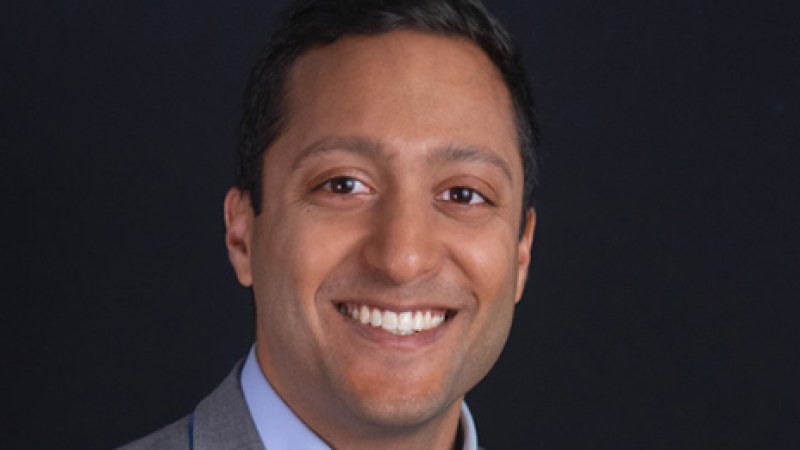
Souvik Paul
Souvik Paul is the CEO and Founder of Aurie, a medtech company that built the first FDA De Novo-cleared reusable intermittent catheter system. A Harvard-educated designer and former J&J strategist, Paul was driven to start Aurie after witnessing a family member's struggle with catheter-associated infections following a spinal cord injury. His Oakland-based startup has raised $14.24M and is pioneering a no-touch, automatically disinfecting catheter system designed to transform care for the 600,000 Americans who rely on intermittent catheters.