middle-market
(78)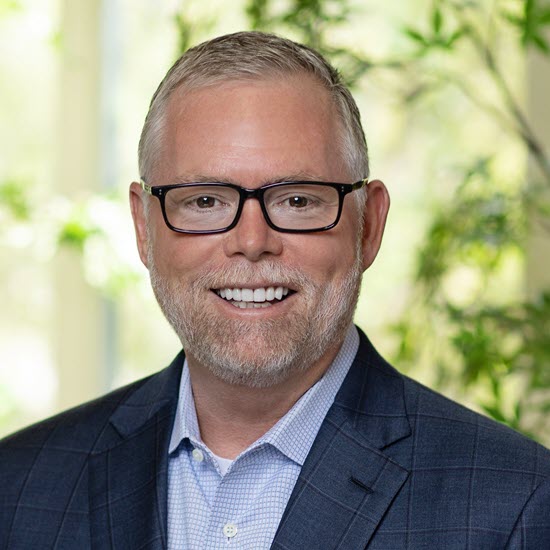
Tom McKelvey and the price of a seat at the table
Before co-founding Gauge Capital, Tom McKelvey advised businesses and helped run one through a turnaround. His next act put his own team’s capital alongside the people whose money they manage.
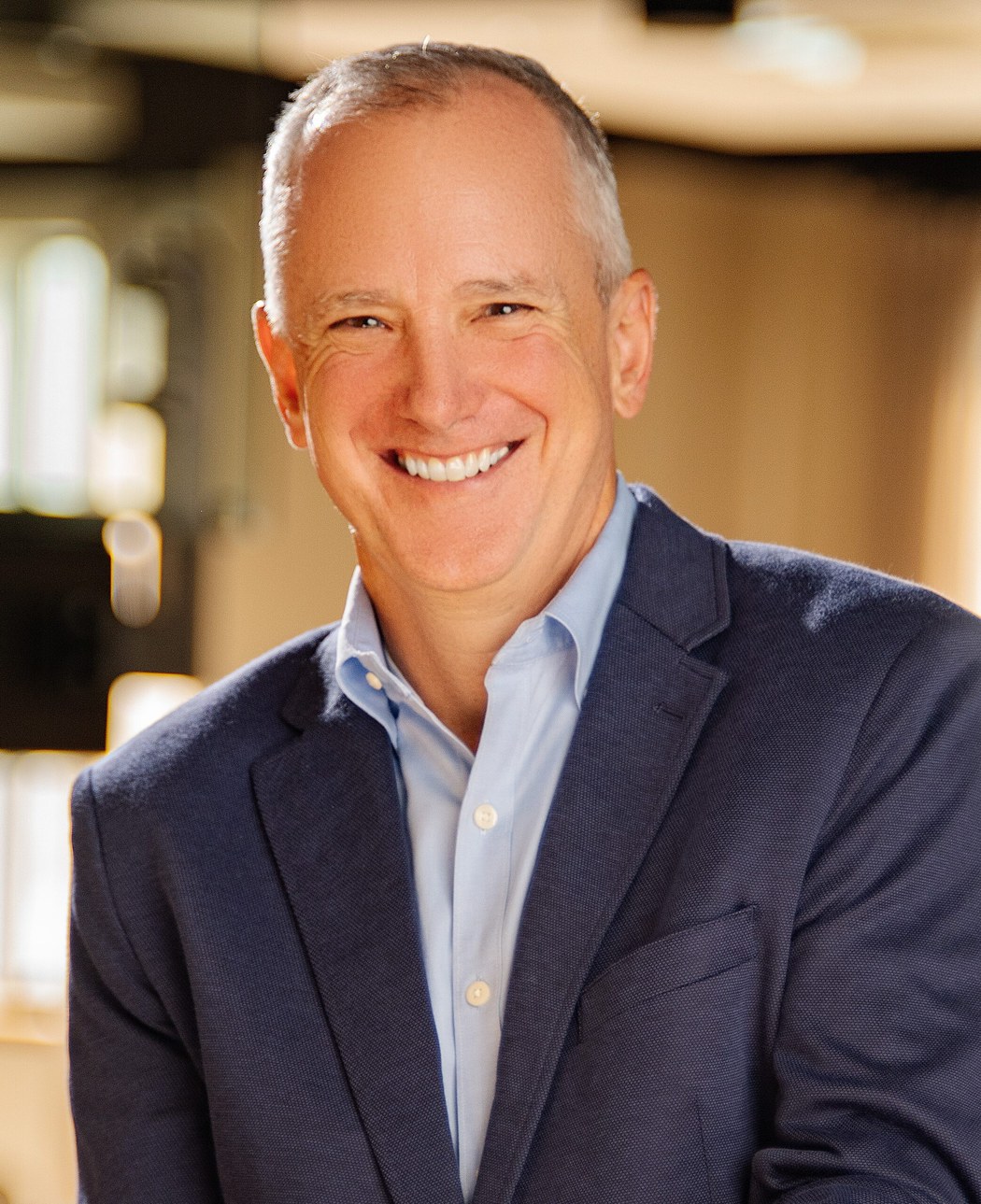
J. A. Lacy and the advantage of staying
At LDI, J. A. Lacy carries a fourth-generation family business into its next chapter. His working materials are doors, paint, freight and a willingness to keep building after the deal is done.
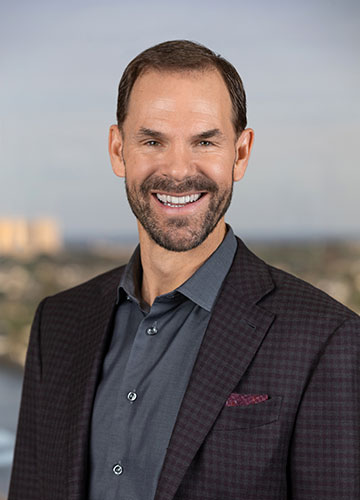
John McNamara and the business of staying the course
From a California wire factory to a New Orleans investment firm, John McNamara has built a career around helping businesses take their next step. His other investments include a tuition-free school, seventh-grade financial lessons, and time at the finish line.
John Castle and the art of taking the long way
Before private equity became an industry, John Castle was helping institutions invest in it. His career, and his journeys by small boat, reveal a lasting preference for having a hand on the tiller.
Michael Klein and the thirty-year handover
After three decades at Littlejohn & Co., Michael Klein became chairman in July 2026. His career connects the practical work of running a manufacturer with the equally practical question of who runs the investment firm next.
Jevin Sackett and the freedom to keep a good business
A real estate information business gave Jevin Sackett his start. At SNH Capital Partners, the Austin investor has built an ownership model around a longer calendar and the people who already know the business.
Daniel Collin and the education that never ends
A summer selling suits opened Daniel Collin’s door to finance. Two decades after co-founding Monomoy Capital Partners, he is still revising what he knows about businesses, leadership and the people doing the work.
Geoff Rehnert and the business of starting again
He helped start Bain Capital, then built Audax with Marc Wolpow. Along the way, Geoff Rehnert learned how much a business depends on the people, arguments, and unglamorous work behind it.
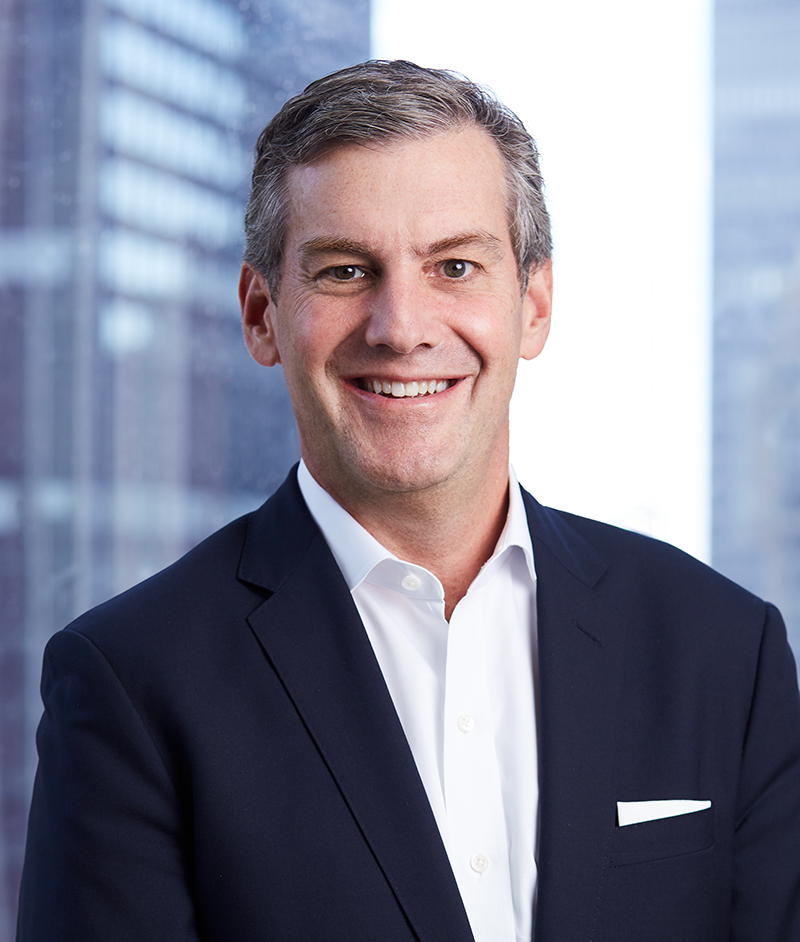
Philip Berney and the value of staying in the room
From high-yield finance to Kelso’s chairman’s seat, Philip Berney has spent decades working with businesses and their leaders. His approach to mentoring a college student offers a smaller, more personal view of the same work.
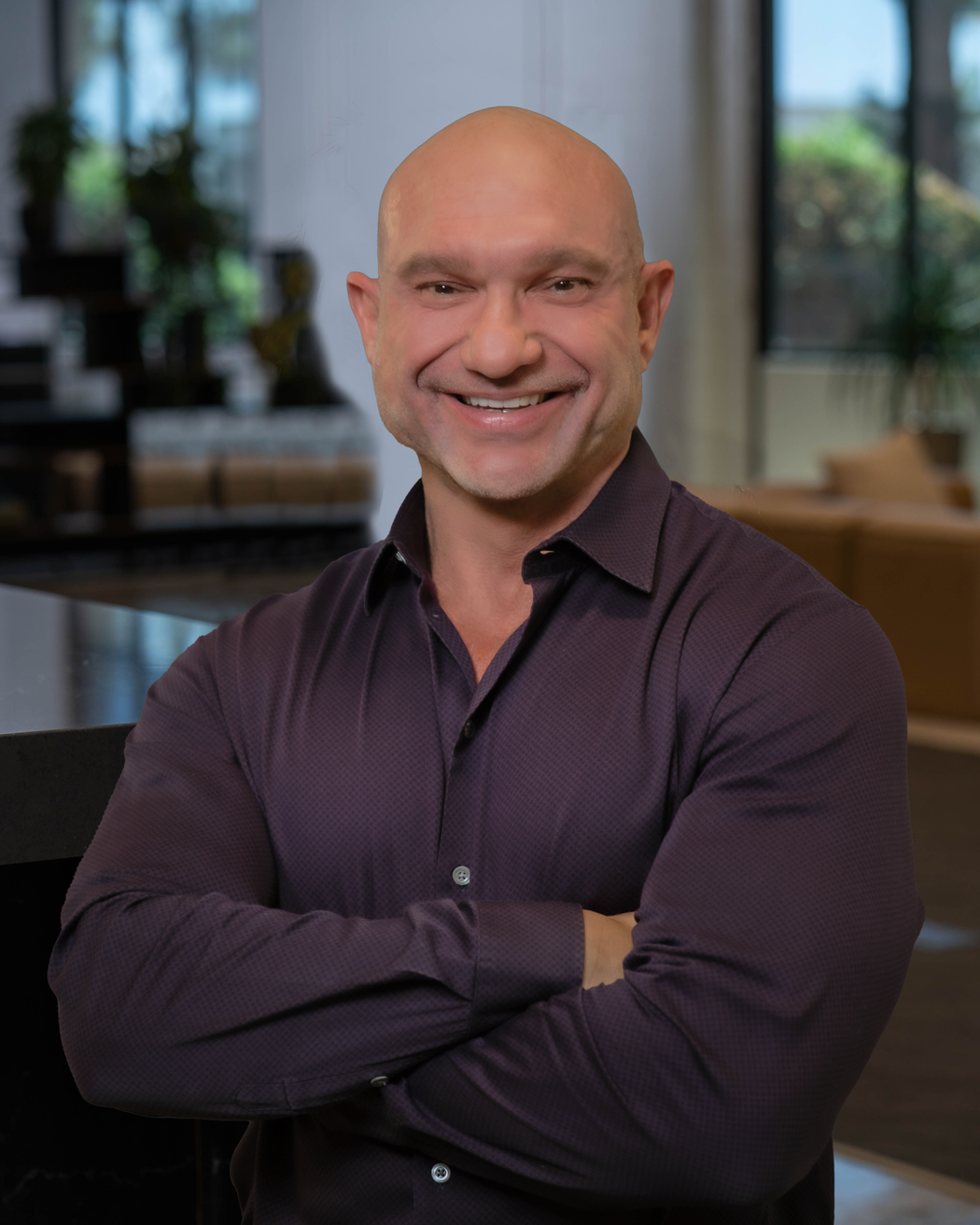
Elias Sabo and the value of a different clock
At Compass Diversified, Elias Sabo made room for businesses to grow on their own timetable. On the racetrack, he measured progress in fractions of a second. His final year as CEO brings the two clocks into focus.

Stuart Aronson and the price of saying no
From Chemical Bank to GE Capital to WhiteHorse, Stuart Aronson has spent his career examining what a business can actually repay. His most revealing deals include the ones he chose to leave behind.
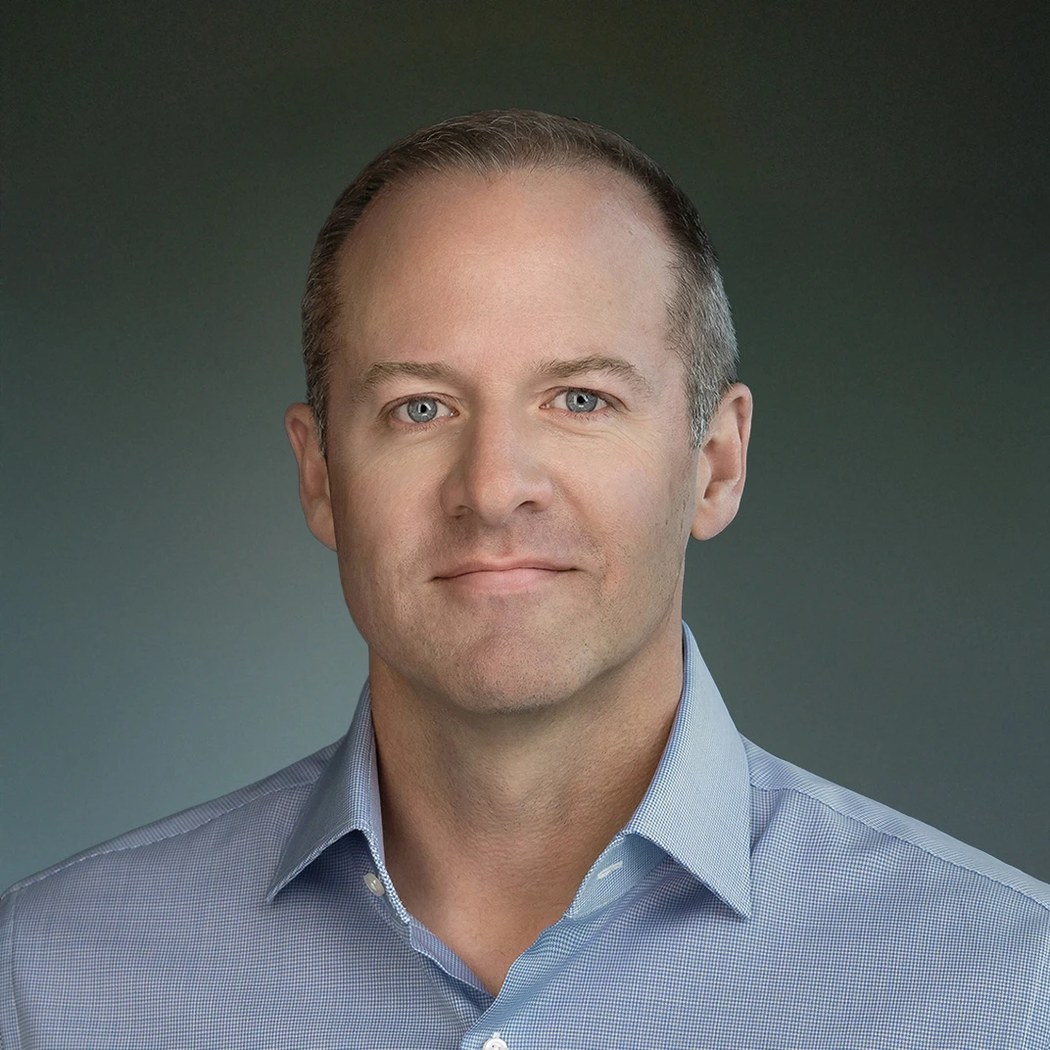
Clay Hunter and the idea that needed eleven points
A text from an old colleague brought Clay Hunter back to a familiar question: how do you give a good business room to grow? At Broadview Group, the St. Louis investor has built his answer around long-term capital and the people who put it to work.
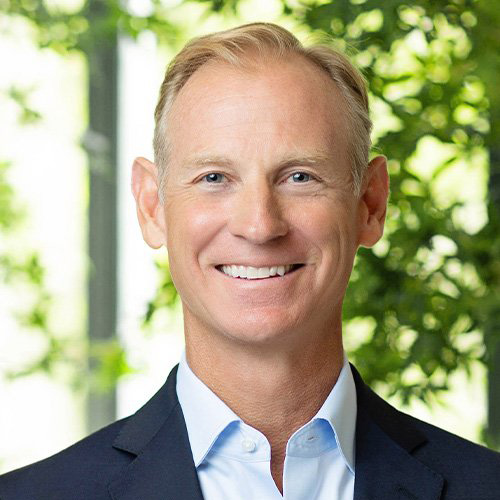
Drew Johnson and the value of speaking last
At Gauge Capital, Drew Johnson has described a practice of letting junior associates give their views first. His career offers a closer look at how an investor chooses people, shares risk, and makes room for an independent answer.
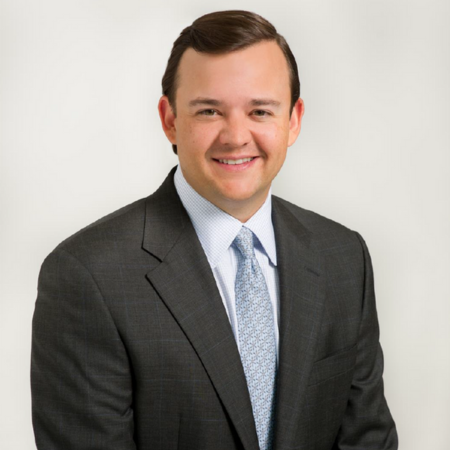
Brad Morgan and the business of taking your time
At Platform Partners, Brad Morgan has helped build an investment firm designed to keep its options open. His work with founders shows what can happen between buying a business and deciding to sell it.
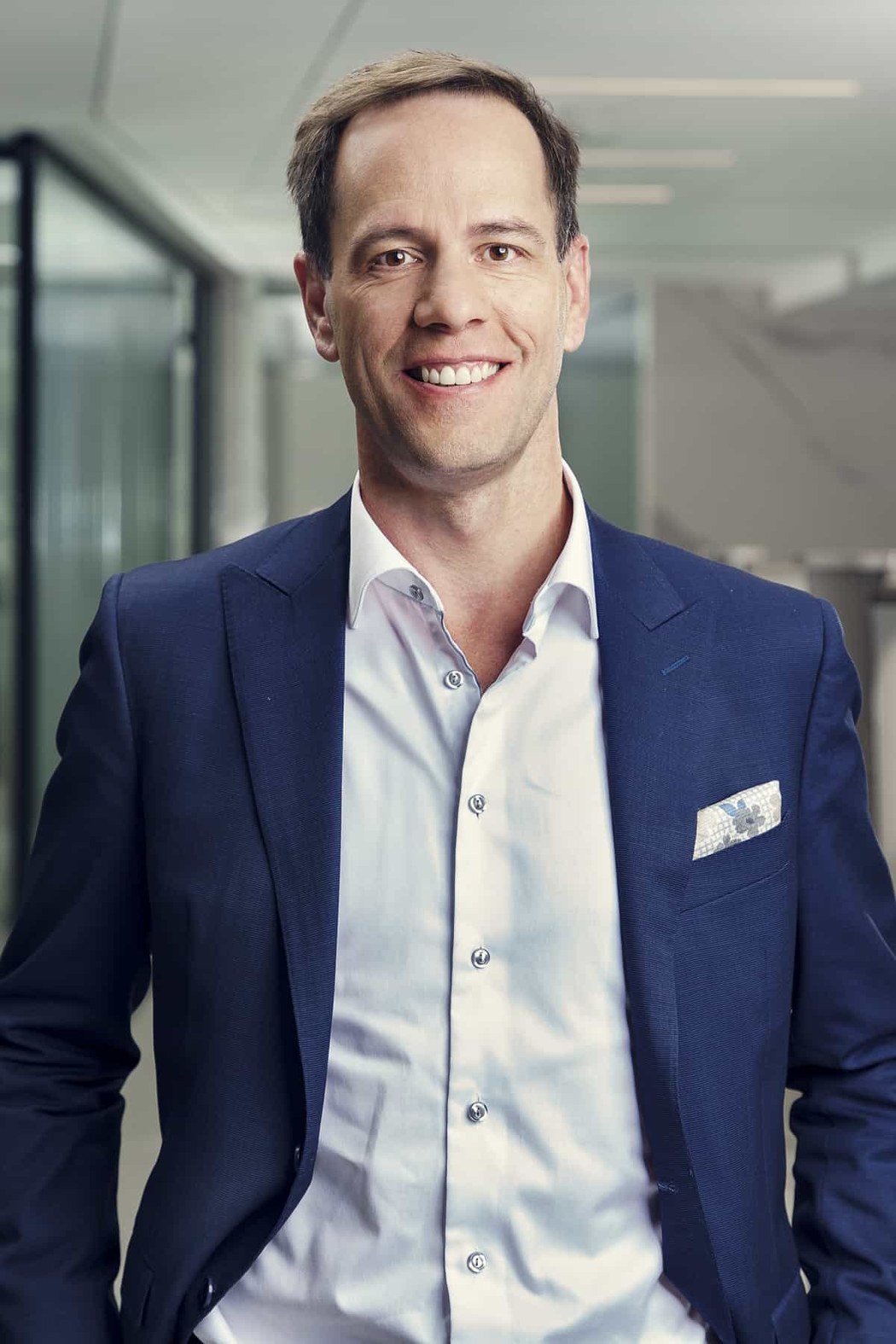
Gregory Smith and the businesses you notice when they stop
From forest seedlings to port terminals, Gregory Smith has built a career around the machinery of everyday life. At Instar, his investment thesis begins with the people who make it work.
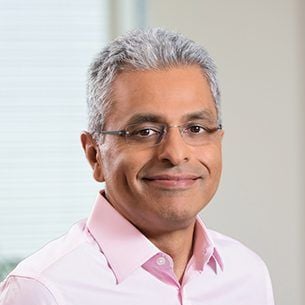
Vikrant Raina and the business of staying
At BV Investment Partners, Vikrant Raina has spent more than a quarter-century backing businesses that make technology useful. His career turns on a deceptively difficult question: when is it time to leave, and when is there more to build?
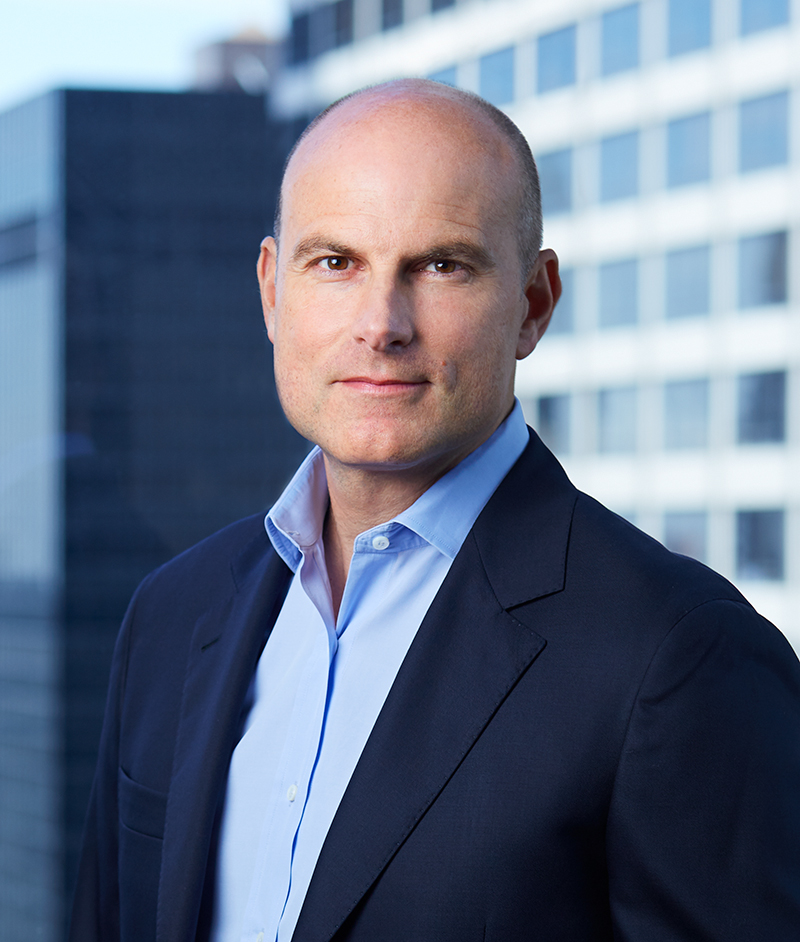
Frank Loverro and the price of staying
He joined Kelso in 1993 and became co-CEO in 2016. His career offers a close look at an investment firm where long relationships come with a personal capital commitment.
Christopher Collins and the question of who gets to stay in charge
At Kelso, Christopher Collins has built a career around financial services and the people who run them. A minority investment in Savant offers a revealing view of his work: fresh capital, new board seats, and a founder who kept control.
Howard Hoffen and the art of keeping the cast together
He helped take a private equity team out of Morgan Stanley and build Metalmark Capital. His name also turns up in Broadway programmes, a museum collection and the business of bringing music to children.
Thomas Lefebvre and the business of keeping things moving
Before Tallvine Partners, Thomas Lefebvre ran a software company and served in the French Navy Commandos. His next chapter runs through airport ramps, working harbors, and the companies that keep commerce moving.
Ted Beneski and the business of getting better
The Insight Equity co-founder built a career around companies with room to improve. His other investments - in soccer fields, science classrooms and college scholarships - reveal where that habit began.

Justin Hillenbrand and the case for staying in the middle
When his old firm aimed for bigger funds, Justin Hillenbrand chose the market he already knew. Two decades after co-founding Monomoy, he is still working on the same problem: how to make a business work better.
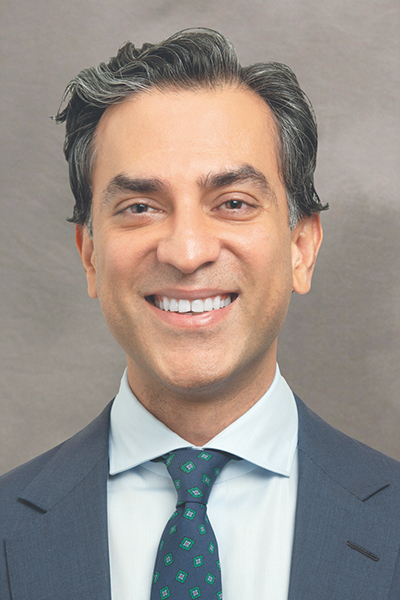
Mustafa Siddiqui and the art of the second act
After fourteen and a half years at Blackstone, Mustafa Siddiqui started SQ Capital to buy into investments already in motion. His wager is that a second owner can see something the first chapter has yet to reveal.
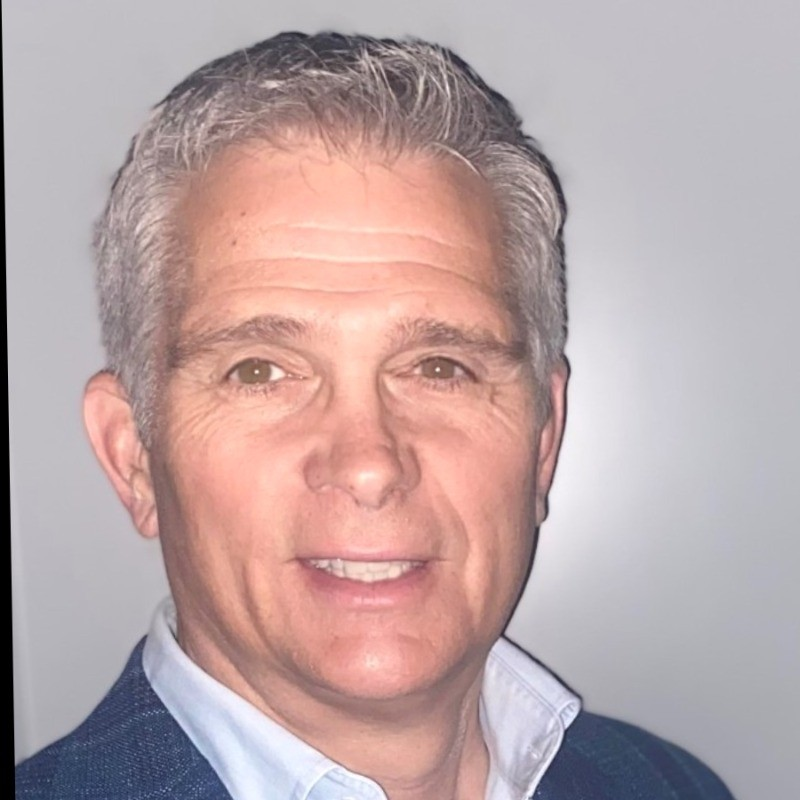
Bret Wiener and the business of being chosen twice
He founded Gemspring Capital in 2015. The revealing part of Bret Wiener’s story is what followed: returning investors, a growing bench of colleagues, and more than one way to back a business.
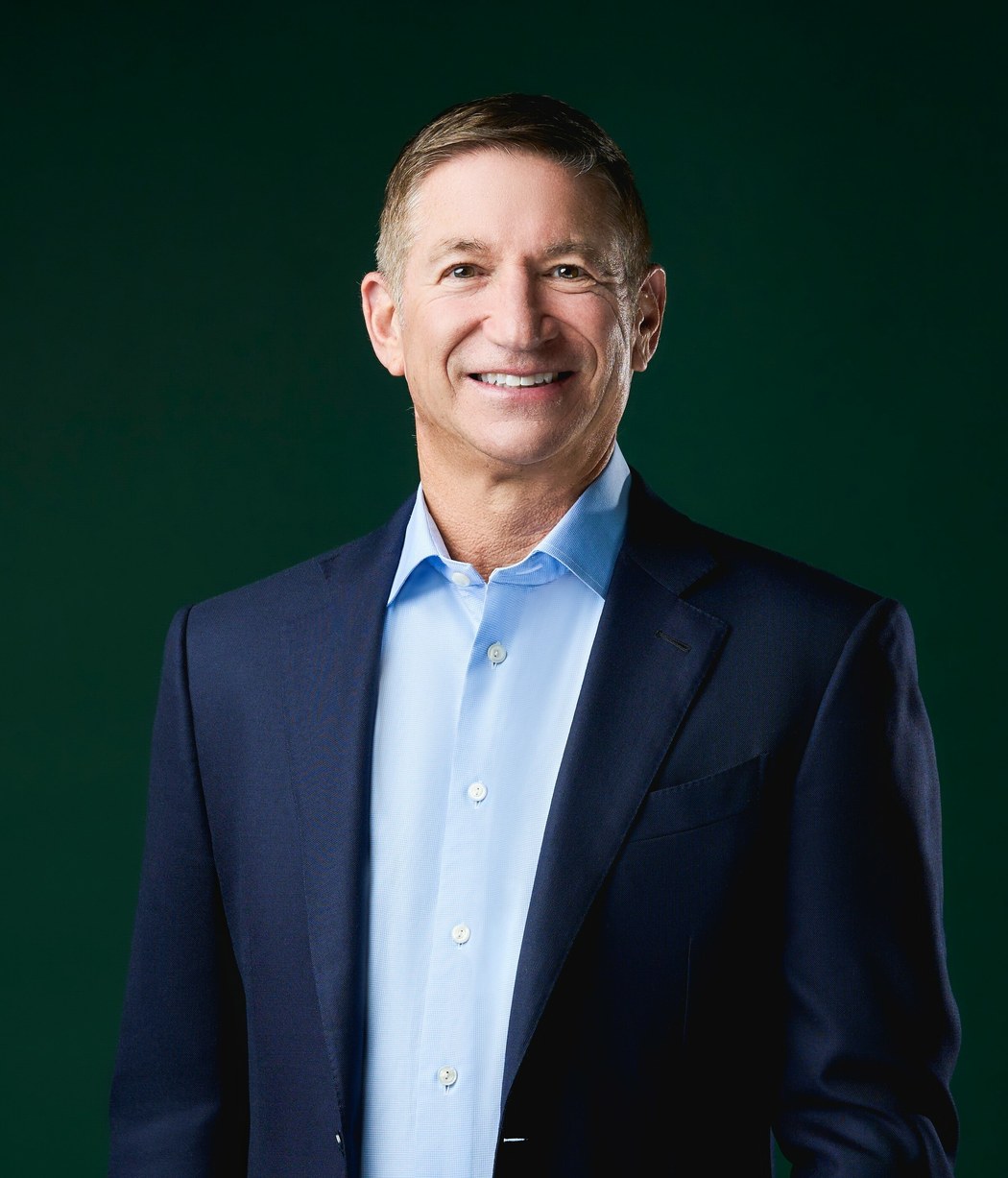
Brian Kwait and the Work That Begins After the Deal
From an Ohio upbringing and an accounting desk to co-founding Odyssey Investment Partners, Brian Kwait has spent decades in the business of building businesses. His career turns on what happens after the papers are signed - and who learns to do the work next.
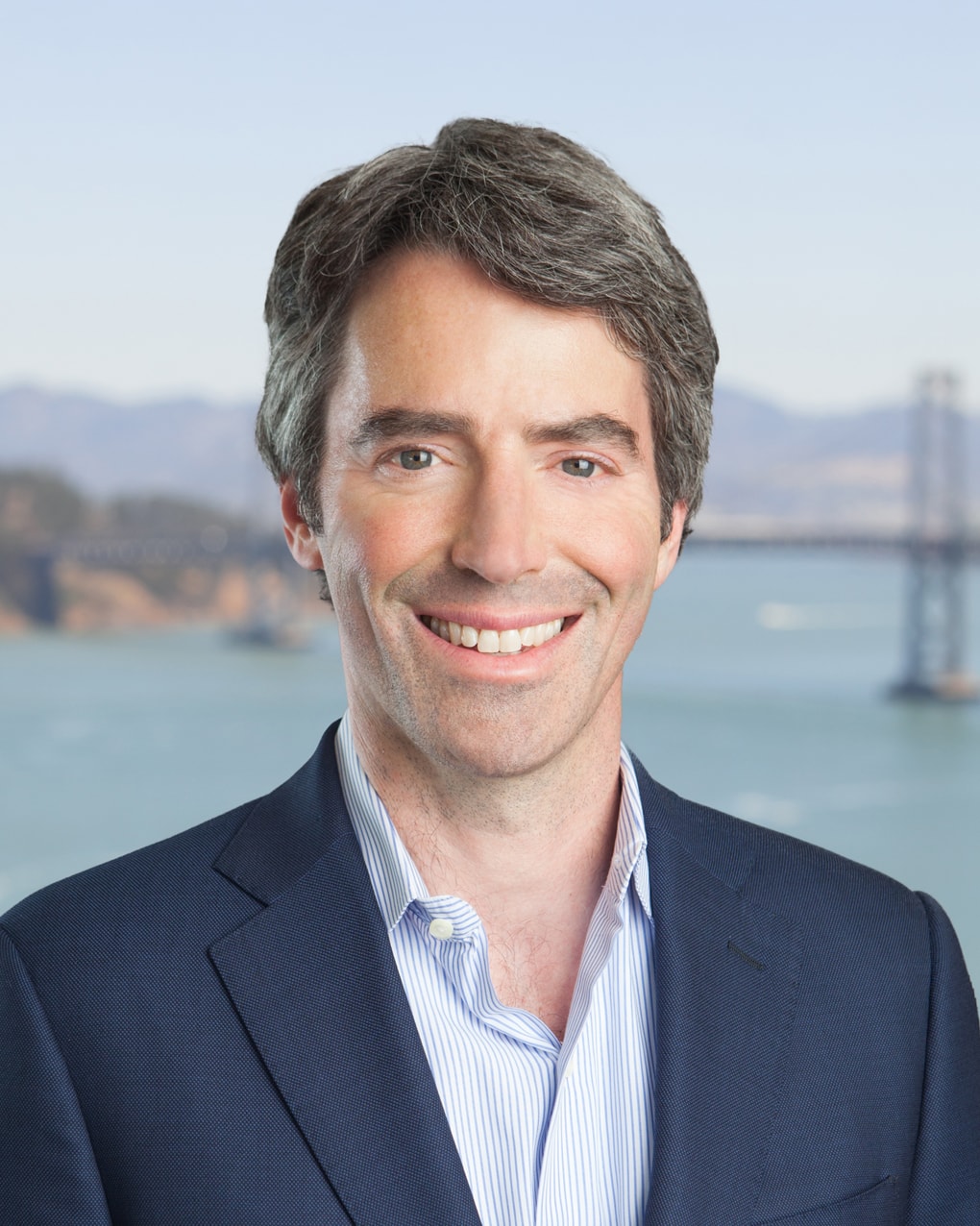
Nick Orum and the eight-year wait for a first harvest
At Gryphon Investors, Nick Orum builds businesses alongside their management teams. At Arborum, he and his wife, Caren, restored a Napa vineyard whose net earnings go to charity.
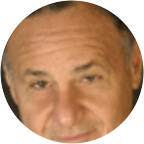
Roberto Buaron and the business of changing the game
Before he founded First Atlantic Capital, Roberto Buaron wrote about changing the rules of competition. His career in packaging, business services, and real estate has given that idea a practical test.
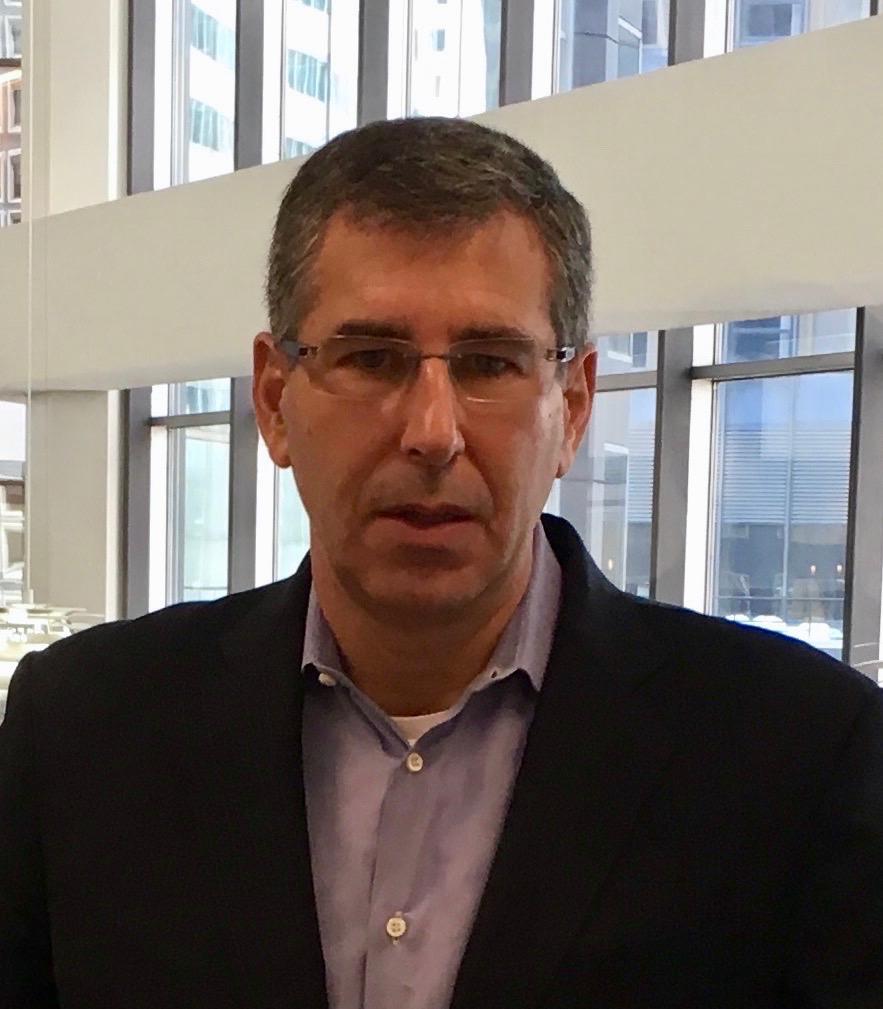
Daniel Wolf and the business of being there twice
Daniel Wolf has spent decades building Cerberus Business Finance around repeat sponsor relationships. His career offers a view of private credit through the work of lending, long before the label became fashionable.
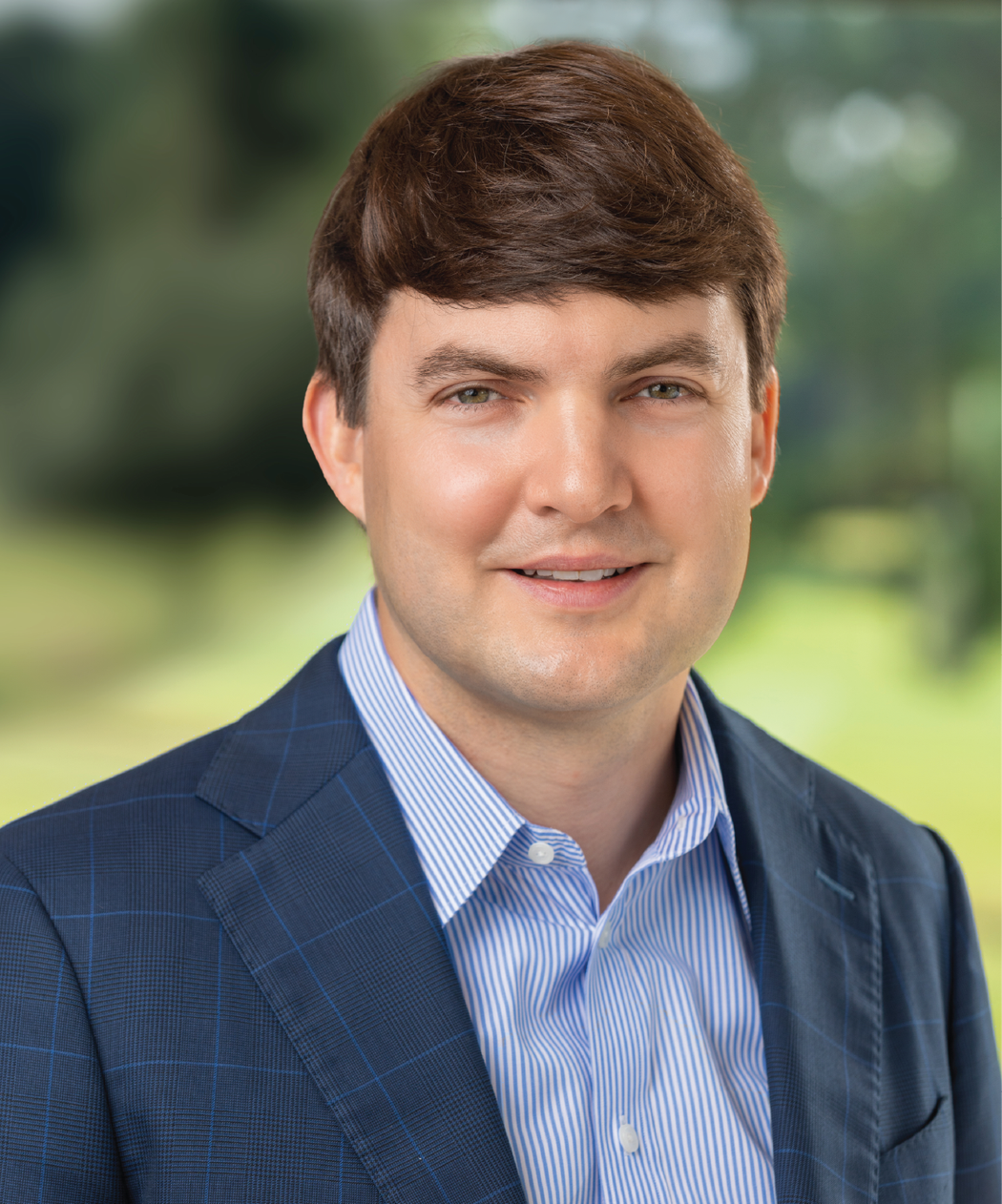
Jonathan Duhon and the Business of Getting There
Before overseeing operating support at Jones Capital, Jonathan Duhon led a company that built temporary roads. His career follows the practical work that makes growth possible, from accounting to access mats to logistics.
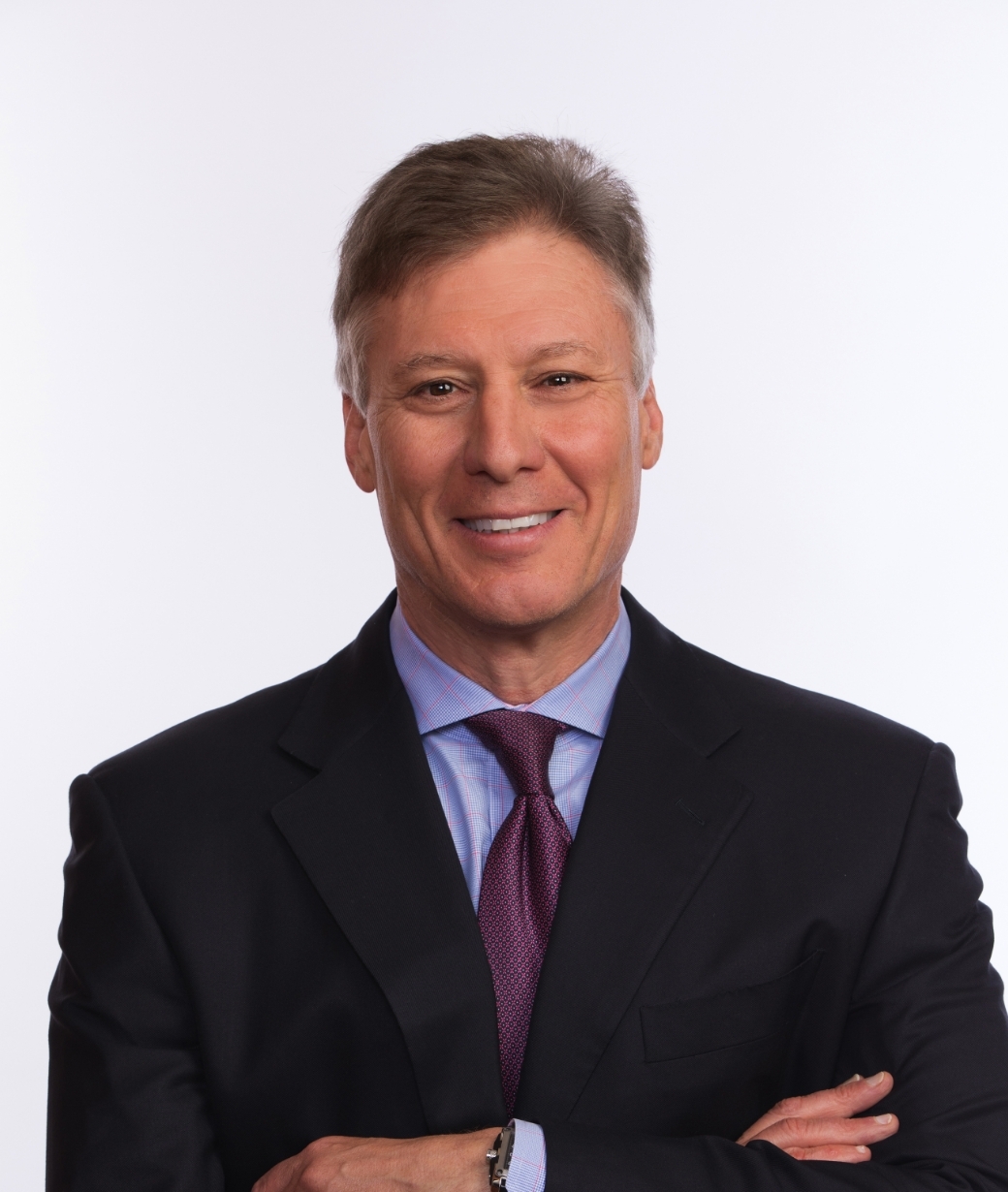
Scott Sperling and the advantage of a smaller stage
He promoted concerts at Purdue, helped invest Harvard’s endowment, and joined THL in 1994. Scott Sperling’s career now turns on a question familiar to anyone booking a show: how much room do you really need?