mechanical-engineering
(50)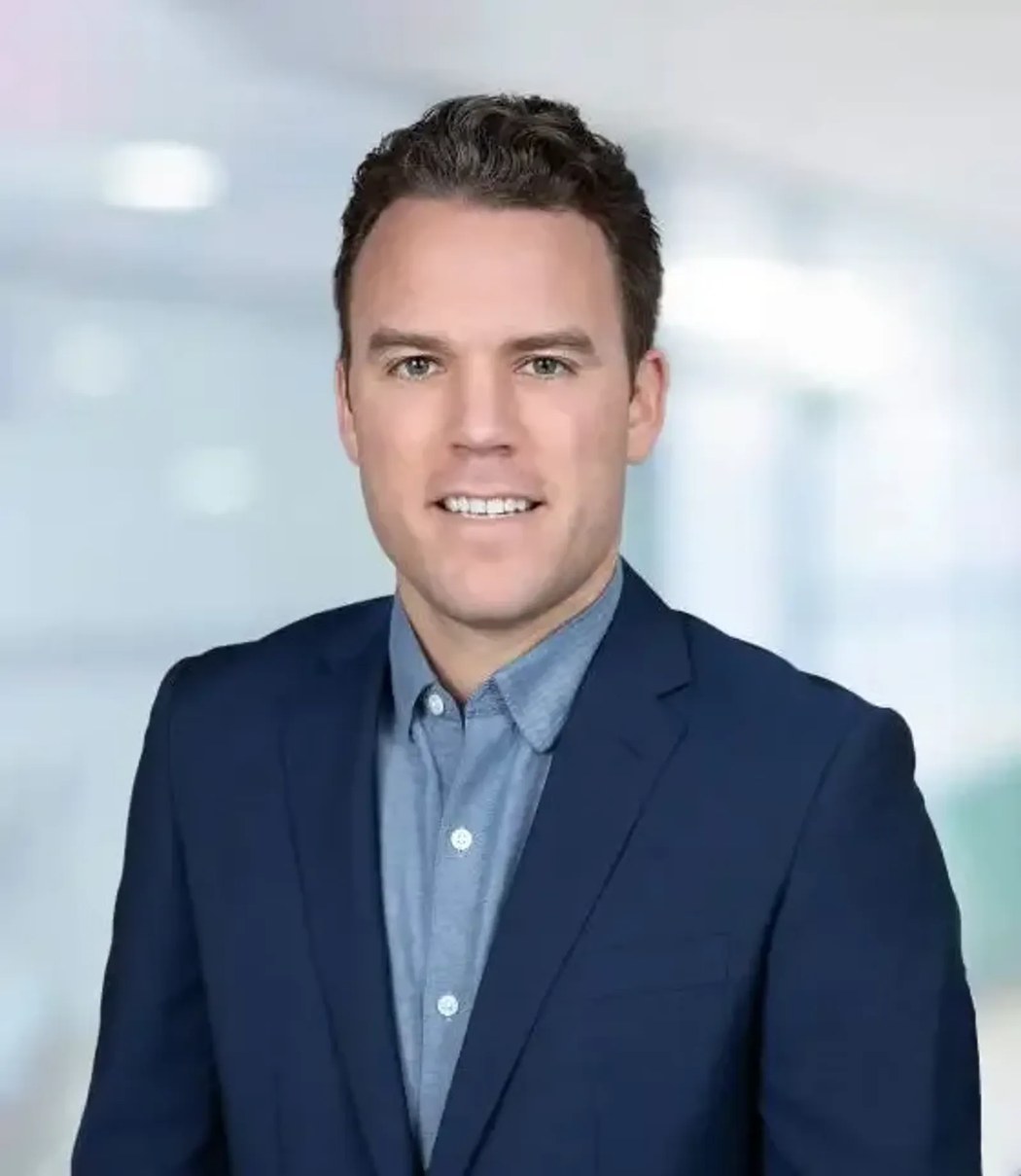
Adam Simpson Spent a Decade Teaching a New Generator to Leave the Lab
Before Adam Simpson could sell a linear generator, he had to help invent the category. Sixteen years after a Stanford idea became a company, his work has shifted from proving the machine to proving where it belongs.
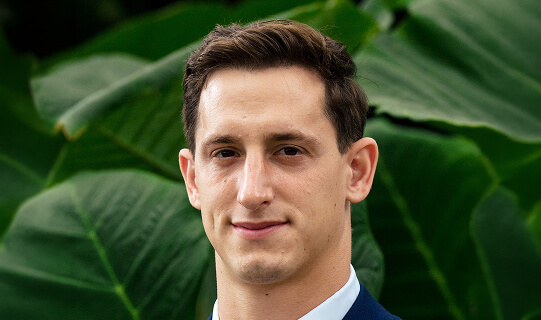
Jason Marks Is Building a Truck for the Space America Forgot
A childhood crash, a pole-vaulting coincidence and one oversized dog led the safety engineer to ask a compact question: how much truck does a city actually need?
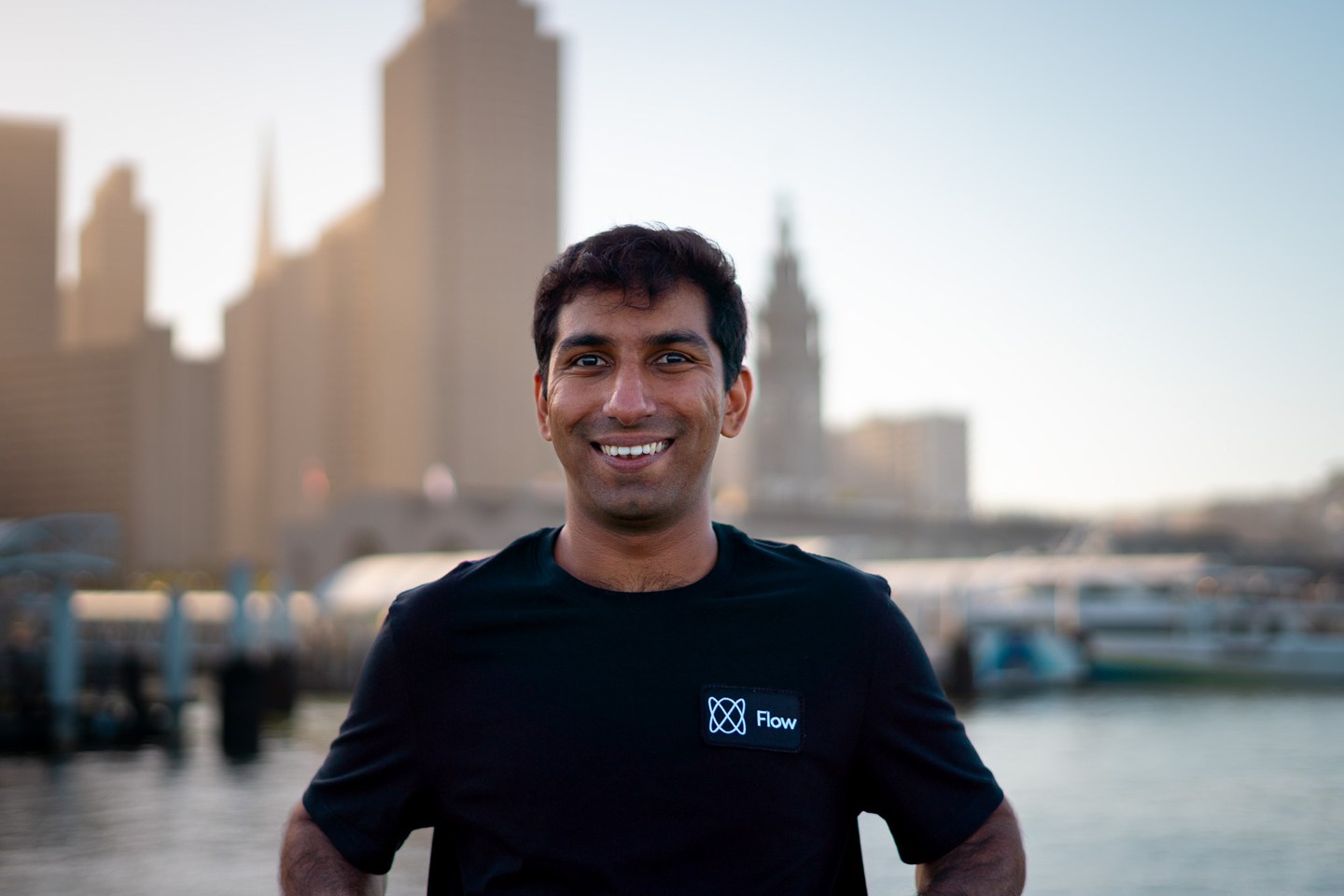
Pari Singh Wanted to Build Rockets. He Ended Up Rewiring How Engineers Build Everything
A rocket-company detour taught Pari Singh that hardware's real bottleneck was not the engine. It was the way people, requirements and decisions moved around it.

Kai Stephan Put Solar’s Most Overlooked Problem on the Roof
A childhood afloat, an MBA fund spent on a startup, and a waterproofing test involving a kiteboard: the Pegasus founder has built his career around the hardware nobody notices until it fails.

Karun Naga Left Patent Law to Build What the Patents Promised
His route from Michigan engineering classrooms to a $130 million clinical-stage company is a study in useful detours, patient capital and the discipline to stop doing everything at once.
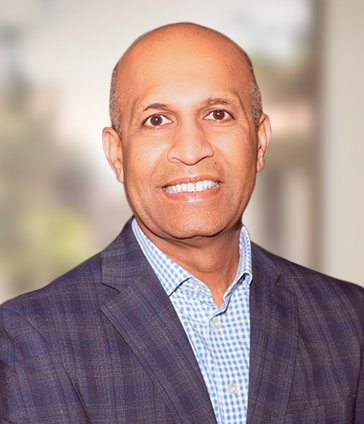
Nitin Salunke’s One-Risk-at-a-Time Playbook
The Supira Medical CEO built his career by translating biomechanics into products, then learned to run a startup by staging risk, keeping options open and making clinical data do the talking.

Robert George Has Spent a Career Turning Strange Machines Into Serious Business
Before low-energy nuclear reactions, Robert George helped robots find their way home. His long career is a study in the unglamorous craft of taking difficult hardware from an engineer's bench toward the market.
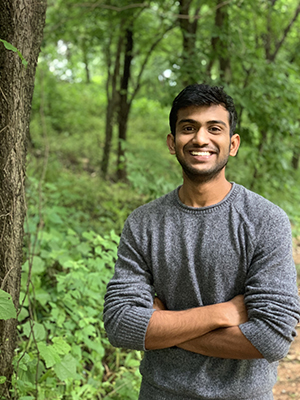
Revanth Bodepudi Wants to Give Hardware a Faster Clock
After years spent studying how materials bend, bond and break, the mechanical engineer is taking on a larger source of friction: the long, fragmented journey from CAD file to finished part.
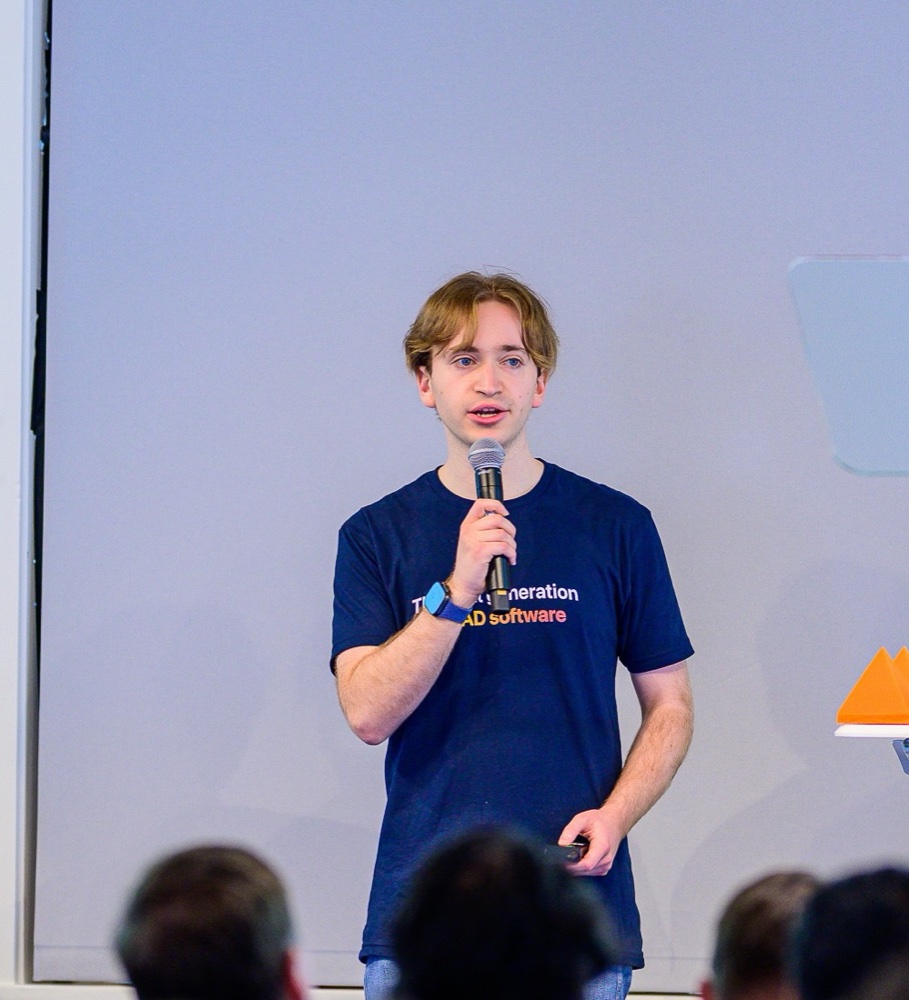
Michael Baron Wants CAD to Move at the Speed of Thought
After writing software for rovers, satellites, rocket engines and GPUs, the Aurorin founder is taking on a quieter engineering delay: the long pause between an idea and the object it becomes.
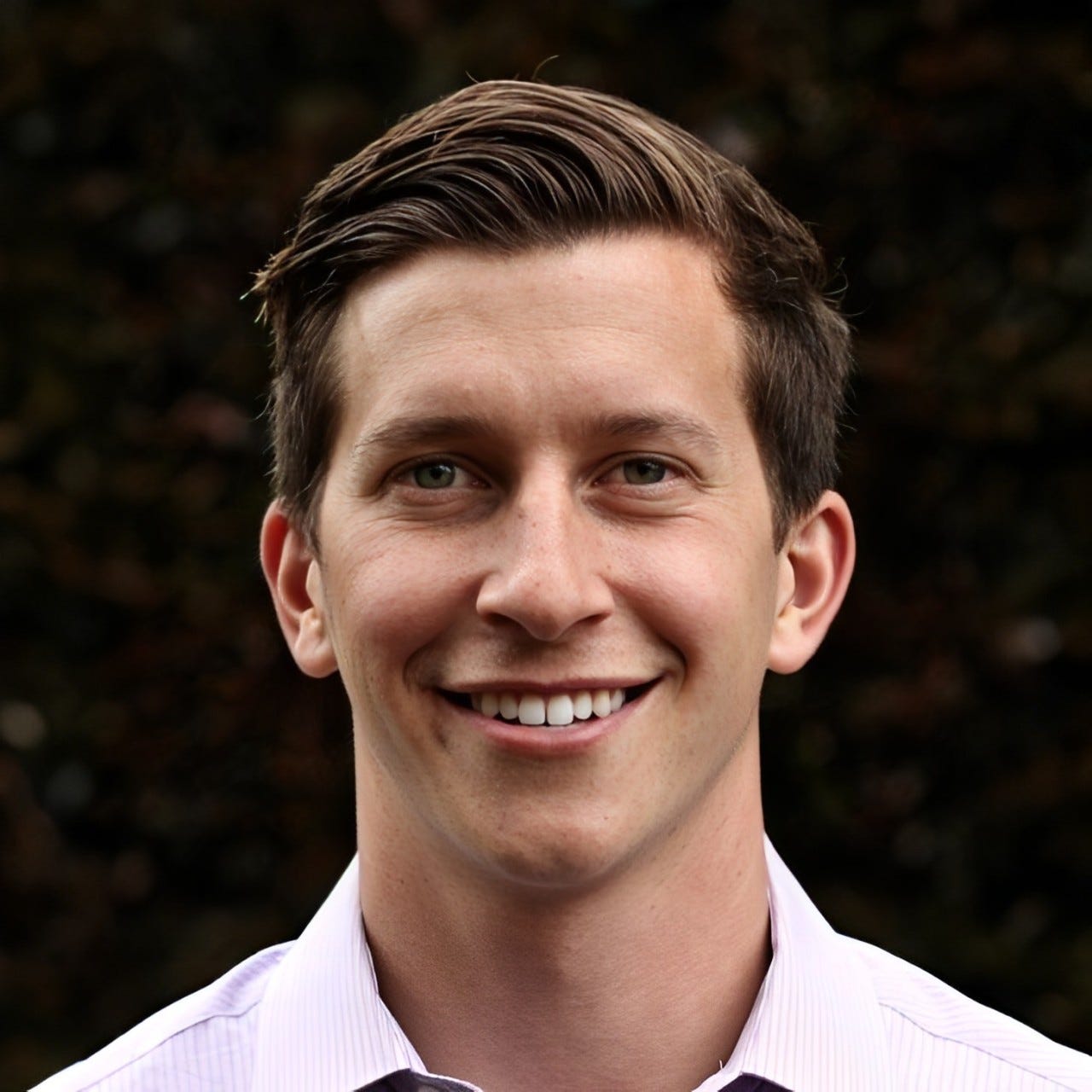
Eric Adler Put a Speedometer on the Water Meter
A drought, three engineering students and one stubborn household mystery became Flume. Eric Adler's decade-long bet is that water changes when people can finally see it.
Todd McCann Is Teaching Cameras to Read the Jobsite
A mechanical engineer spent years learning how buildings come together. Now he is turning rugged cameras into patient observers of the work - one frame, one upload and one useful signal at a time.
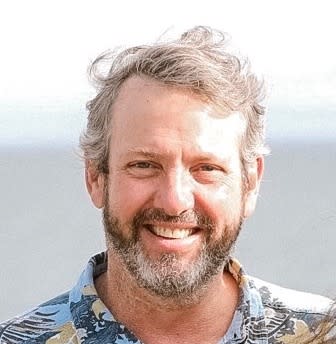
Lewis Dutel Is Taking a Fermentation Shortcut to the Fuel Tank
The Houston engineer spent years solving hard problems underground. At VIA BioFuels, he is betting that one volatile molecule can make renewable fuel simpler to produce and easier for existing infrastructure to use.
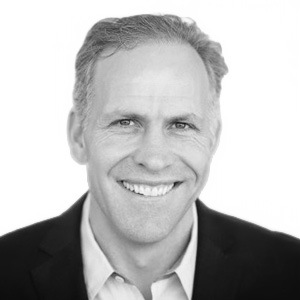
Alex Tilson Has Been Training for the Long Build His Whole Life
Before Neptune Medical, Alex Tilson raced solar cars, built Hollywood creatures, ran an American-record 50K and survived two startup pivots. The connecting idea is simple: endurance is an engineering discipline.
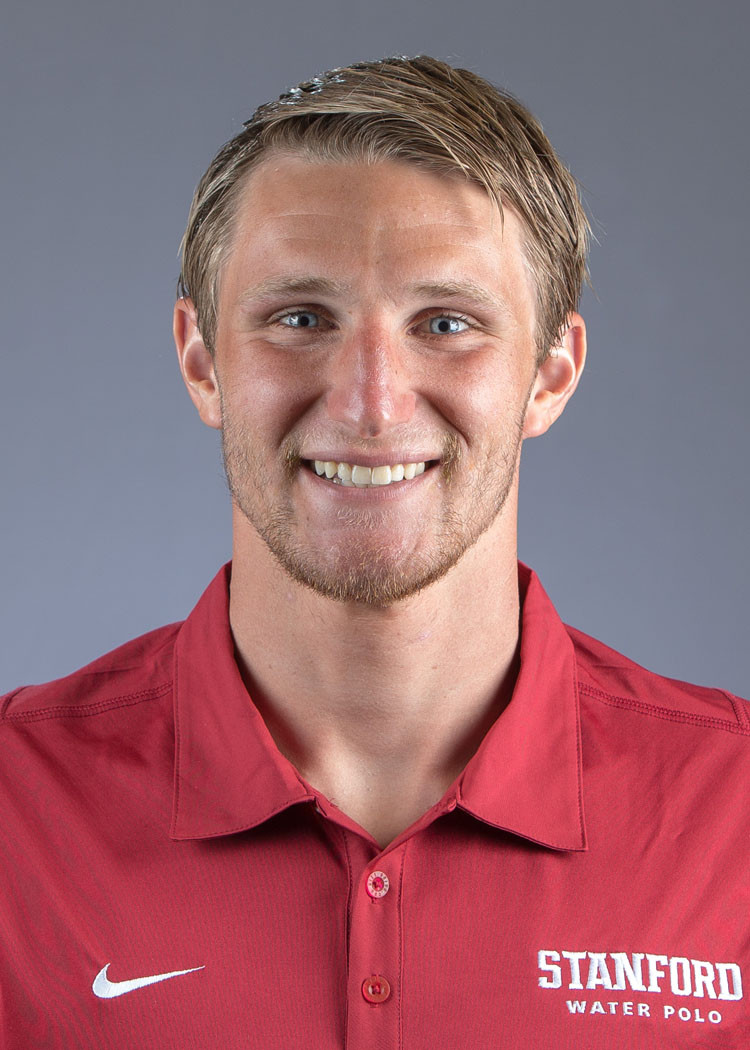
Adam Warmoth Is Rewiring the Battlefield From the Power Up
After electric aircraft and counter-drone systems, Adam Warmoth found his company in a less glamorous bottleneck: the electricity every modern military system quietly needs.

Adam Bryant Is Turning the Last Mile Into a Systems Problem
A jet-engine designer became a factory operator, then an investor, then the CEO of a parcel network. At Jitsu, Adam Bryant is applying first-principles discipline to the unruly trip between warehouse and doorstep.
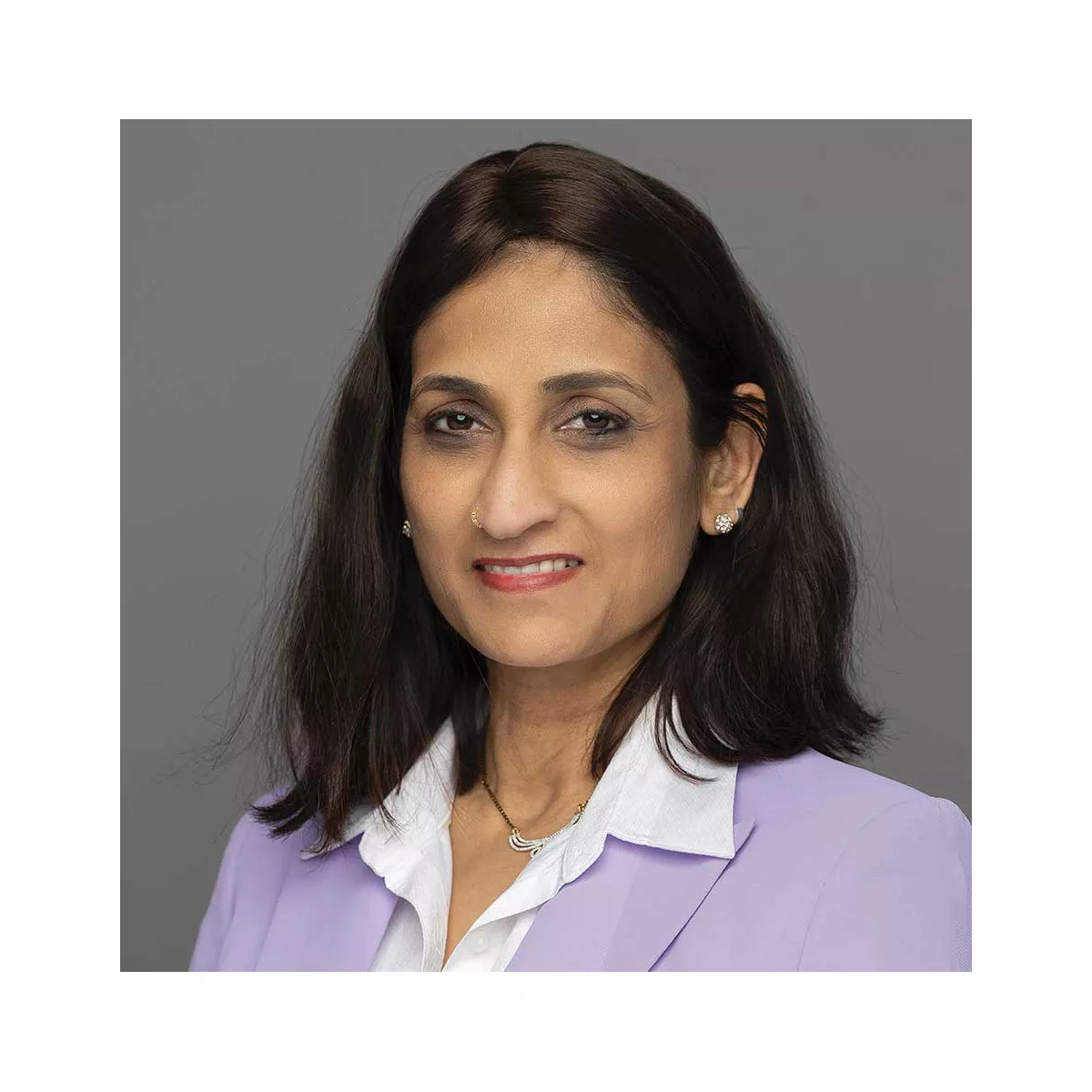
Vidya Ramnath
From a manufacturing floor in Singapore to Emerson's executive office, Vidya Ramnath has spent three decades learning how industrial technology works - and how to make its value understood.

Zinny Weli
Zinny Weli is the co-founder and CEO of RoboDock, a Y Combinator (W26) startup building robots that run the depots for autonomous and electric vehicle fleets - handling charging, plug-in, and post-trip inspection without human labor. A mechanical engineer trained at the University of Michigan and Stanford, she previously owned the charging system for Amazon's Astro home robot at Lab126 and led the autonomous charging tower for Zipline's delivery drones from concept to multi-city deployment. She started RoboDock with Celine Wang, whom she first met at Stanford as her teaching assistant.

O'Neal Rowe
O'Neal Rowe is the Chief Marketing Officer at Mixbook, the Redwood City photo-book and personalized-goods company. A Cornell-trained mechanical engineer who traded the drawing board for the marketing whiteboard, he has spent his career running growth, revenue and brand at consumer and e-commerce companies including NOBULL, Qapital, Invaluable and Rugs USA. Based in the Boston area, he specializes in turning engineering rigor into measurable demand.

Jochen Meissner
Jochen Meissner is a German-trained mechanical engineer turned technology executive with more than 25 years of experience running machinery and technology companies across Europe and the United States. After leading the printing-press maker Goss International as President and CEO, he founded and ran Setem Technologies, a Boston-area startup built on patented signal-separation algorithms for far-field voice control. When the British semiconductor company XMOS acquired Setem in 2017, Meissner became General Manager of the XMOS Boston office and joined the XMOS Board of Directors, where he continues to help steer the company's push into voice and AI-enabled audio processing.
Brittainy Lovett
Brittainy Lovett is a Meta operator who works inside the Office of the CEO, one of the highest-trust seats in a 77,000-person company. A Northwestern-trained mechanical engineer who started in consulting at Deloitte, she has built a career on privacy critical incident response - the unglamorous, high-stakes work of keeping user data safe when something goes wrong. Based in New York, she is the kind of behind-the-scenes operator who makes very large machines run quietly.
Maher Damak
Maher Damak is the CEO and co-founder of Infinite Cooling, an MIT spinout that recaptures the water vapor escaping from power-plant and industrial cooling towers using electric fields. A French-American mechanical engineer with a PhD from MIT and a degree from Ecole Polytechnique, he turned a fog-harvesting experiment in the Varanasi Research Group into a patented technology that recovers water more than 100 times purer than a plant's circulating supply. His work has earned Forbes 30 Under 30, the Lemelson-MIT prize, and an Edison gold medal, and his charged-mesh systems are now being tested on nuclear plants including EDF's Bugey site in France.
Michael Chiu
Michael Chiu is the CEO of Kytopen, a Cambridge, Massachusetts biotech spun out of an MIT lab that builds the Flowfect platform - a non-viral, continuous-flow way to shuttle DNA, mRNA and CRISPR payloads into living cells at manufacturing scale. A mechanical engineer with a PhD and MBA from MIT, Chiu has spent his career turning laboratory hardware into shipped products, founding and selling companies in energy harvesting, healthcare, and bioprocessing before taking Kytopen's helm in August 2023 to push cell therapy manufacturing out of the bottleneck.
Jared Schwartzentruber
Jared Schwartzentruber is the founder and CEO of Prefix, a New York facility management platform that keeps the ovens, freezers, and HVAC humming for multi-site restaurant and retail chains like Chipotle, Bojangles, and Famous Footwear. A mechanical engineer trained at Purdue and Columbia, he traded bio-inspired robotics and a healthcare startup for the deeply unglamorous world of broken walk-in coolers, wagering that agentic AI plus a real service layer can cut a chain's maintenance costs by more than 15%. In April 2026 Prefix raised a $7.5M seed round to push toward 10,000 locations.
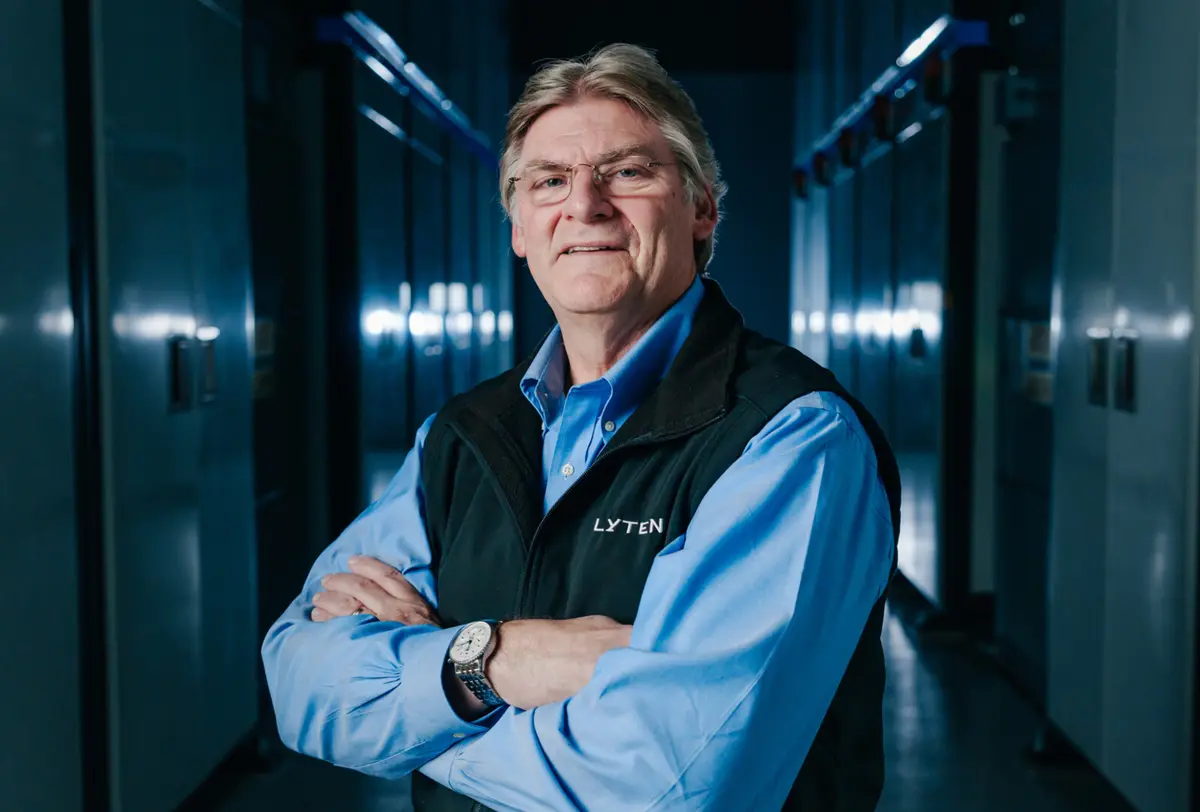
Dan Cook
Dan Cook is the CEO, Co-founder, and Investor at Lyten Inc, a San Jose-based deep-tech company pioneering 3D Graphene supermaterial and next-generation lithium-sulfur batteries. With over three decades spanning General Motors, NeXT Computer (under Steve Jobs), Bay Networks/Nortel, and private equity at Cerberus Capital, Cook pivoted to found Lyten in 2015 around a serendipitous discovery: trying to turn methane into clean hydrogen, the team accidentally created a revolutionary 3D graphene material. Under his leadership, Lyten has raised over $1.2 billion, shipped lithium-sulfur A-samples to automotive and military customers, announced the world's first lithium-sulfur gigafactory in Reno, Nevada, and in 2025-2026 acquired significant Northvolt assets across Europe to become one of the largest battery manufacturers on the continent.
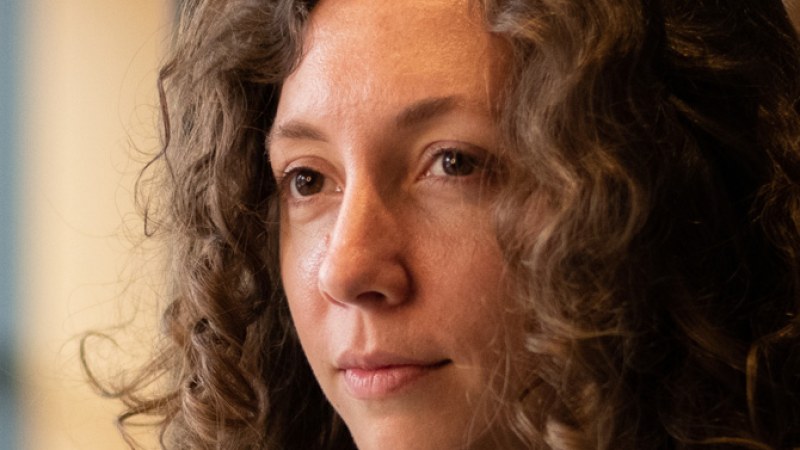
Ashley Beckwith
Ashley Beckwith is the founder and CEO of Foray Bioscience, a Cambridge, Massachusetts biotech growing wood, plant materials, molecules, and seeds from single plant cells - no forests required. Out of her PhD in mechanical engineering at MIT, where she grew wood-like tissue in the lab from a zinnia leaf, she built a company that pairs in-vitro plant cell culture with an AI platform called Pando, billed as an operating system for plant science. The goal: shorten plant development from decades to months and bring biomanufacturing's precision to forestry and conservation.
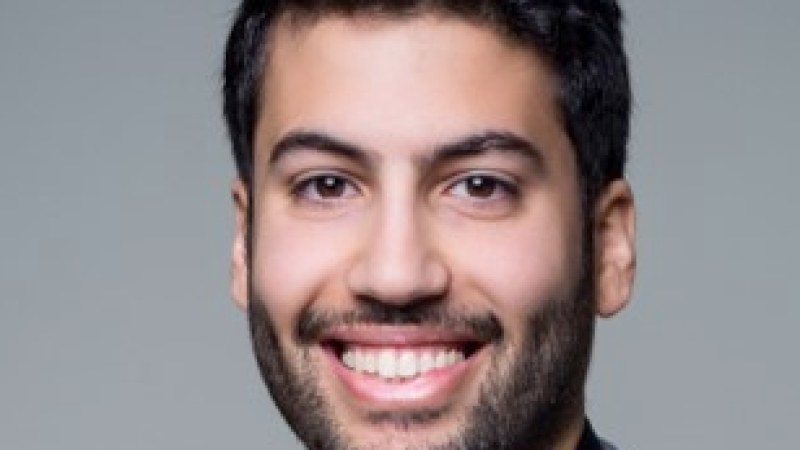
Maor Farid
Maor Farid is the co-founder and CEO of Leo AI, the first AI copilot purpose-built for mechanical engineers. A former Captain in Israel's Unit 8200 intelligence corps and the youngest-ever PhD graduate from the Technion at age 24, he went on to do postdoctoral research at MIT as a Fulbright fellow, studying how to predict catastrophic failures in complex physical systems. He founded Leo AI in 2023 to build what he calls 'the most boring, unsexy AI' - a tool trained on more than a million vetted engineering sources that handles documentation, part searches and calculations so engineers can focus on design. Leo AI raised $9.7M and is used by teams at Toyota, HP, Mobileye, Philips and Scania.
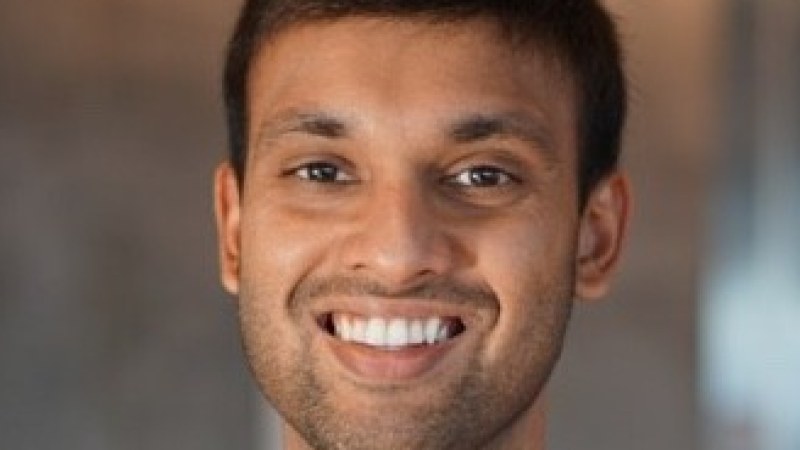
Pradyut Paul
Pradyut Paul is the CEO and co-founder of Bild, a San Francisco cloud-native product data management (PDM) platform built for hardware engineers. A former RFIC designer at Raytheon and hardware program manager at Apple (iPhone 8 through 11, early AirTags), he started Bild while earning his MBA at Yale, raised $3M in seed funding months after graduating in 2021, and pivoted the company toward version control and collaboration for mechanical engineering teams - growing revenue tenfold in 2023.
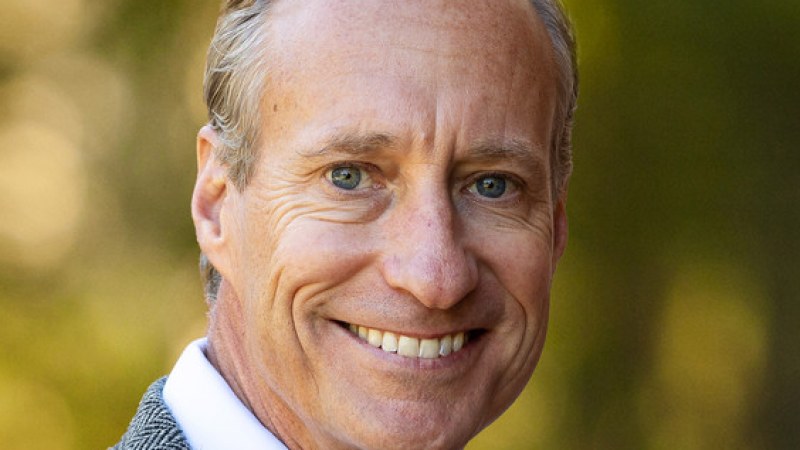
Barclay Rogers
Barclay Rogers is the co-founder and CEO of Graphyte, a carbon removal company that turns waste biomass into dense, dehydrated carbon blocks and buries them to keep CO2 out of the atmosphere for over a thousand years. A former environmental lawyer and mechanical engineer turned multi-time agtech and climate founder, he built Graphyte's 'Carbon Casting' process to deliver durable carbon removal at under $100 a ton, an order of magnitude cheaper than direct air capture. The company is backed by Bill Gates' Breakthrough Energy Ventures and runs its first commercial plant in Pine Bluff, Arkansas. Rogers also teaches a climate change solutions course as an adjunct professor of law at Tulane University.
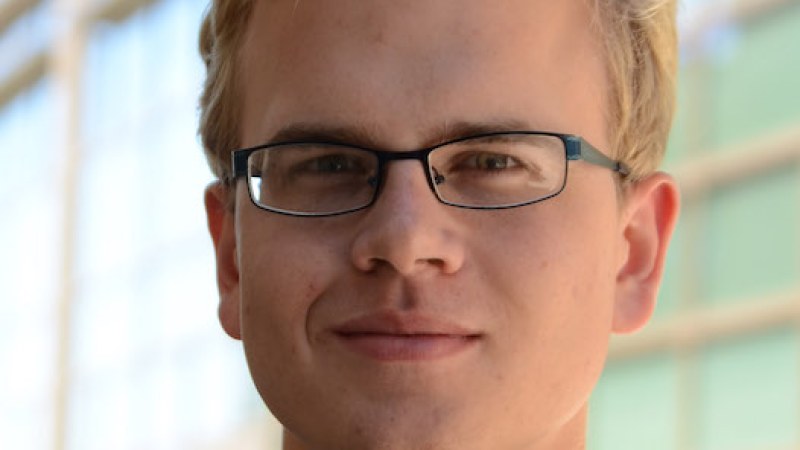
Duncan Haldane
Duncan Haldane is the co-founder and CEO of JITX, a Berkeley-born startup that lets electrical engineers design circuit boards by writing code instead of dragging lines on a screen. Before software, he built robots: at UC Berkeley he created two Guinness World Record machines - the X2-VelociRoACH, the fastest robot relative to its size, and Salto, the most vertically agile jumping robot ever built. He holds a PhD in mechanical engineering from Berkeley and started JITX in 2017 because he wanted a faster way to design the hardware inside his robots.
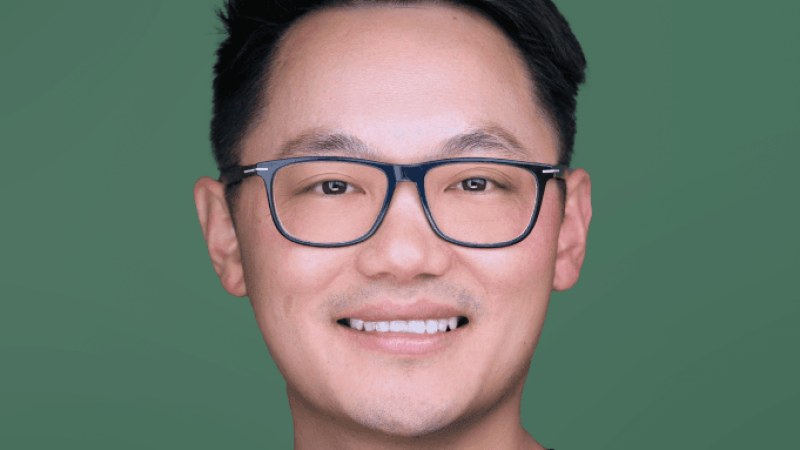
Jim Gao
Jim Gao is the CEO and co-founder of Phaidra, a Seattle-based AI company building autonomous, self-learning control systems for the world's most complex industrial facilities, from data centers to vaccine plants. A mechanical engineer by training, he spent roughly a decade designing cooling systems for Google's data centers before teaching himself machine learning on nights and weekends. After AlphaGo, he launched DeepMind Energy, where reinforcement learning cut Google's data-center cooling energy by up to 40 percent. In 2019 he and two co-founders spun that idea into Phaidra, which by 2025 had raised over $120 million to make AI factories radically more efficient.