latin-america
(137)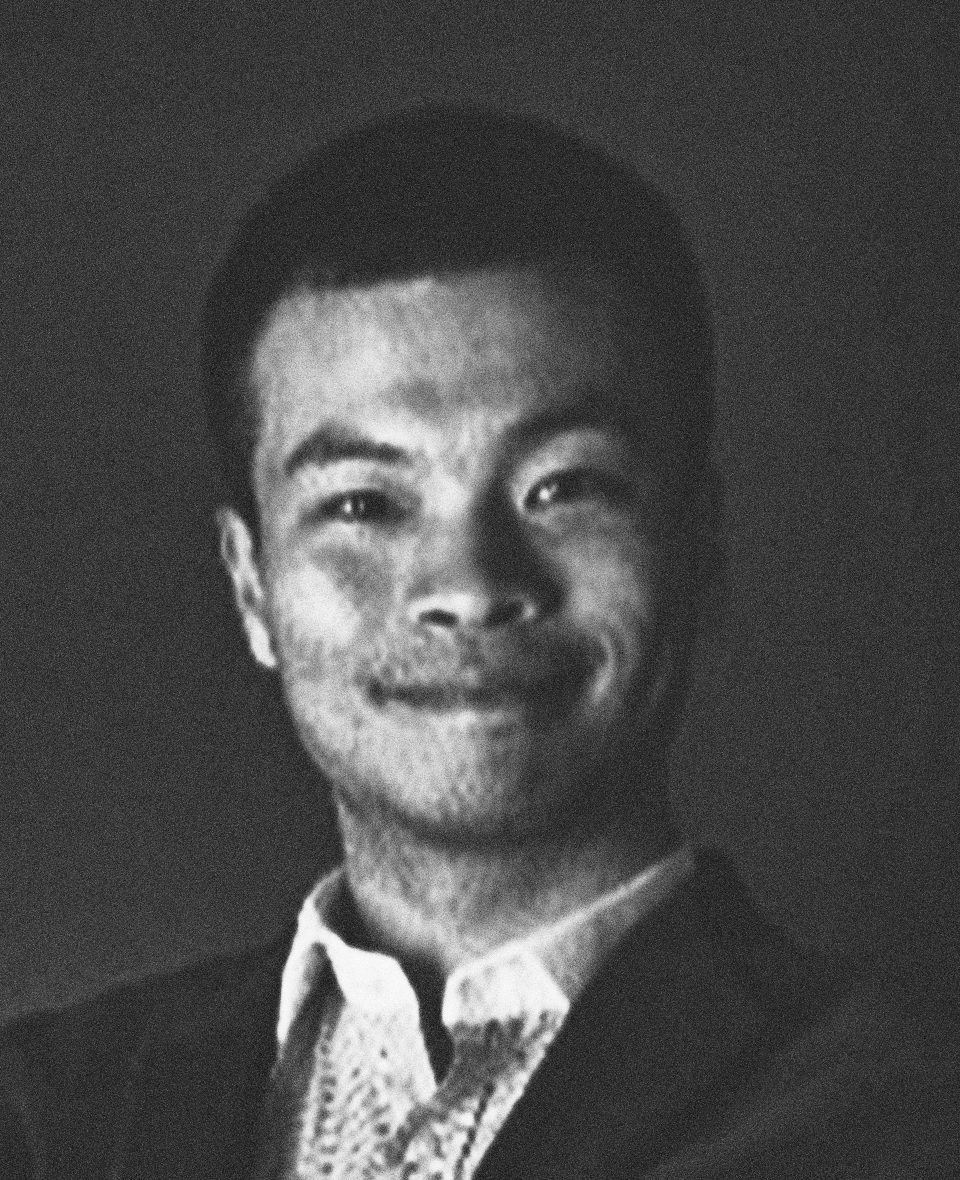
MK Li and the trouble with simple
MengKe “MK” Li helped build Liquido for the untidy reality of Latin American payments. His own encounter with a phone that would not connect offers a useful way into the story.
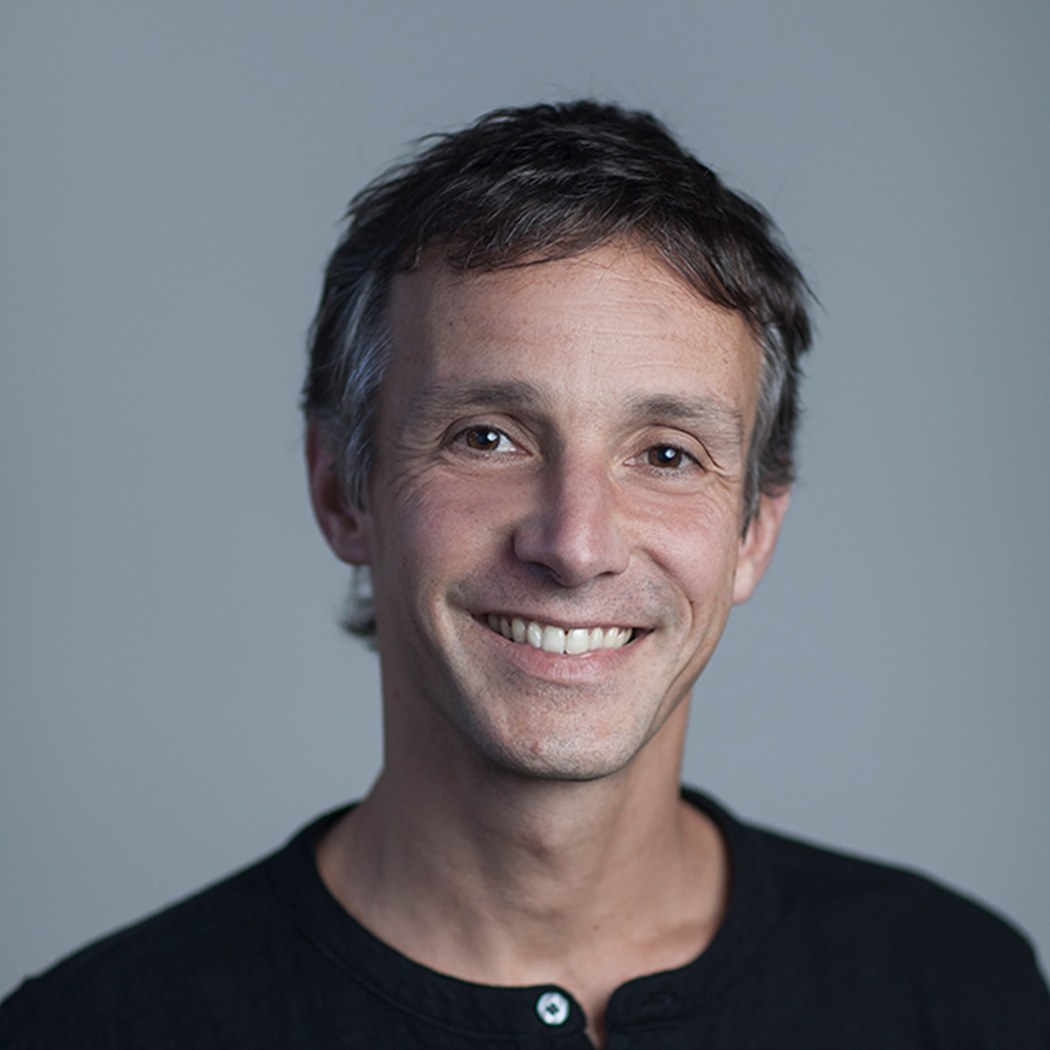
Julio Vasconcellos wanted to work in sneakers. Then came the hard part.
He left Facebook to build Peixe Urbano, started over with Prefer, and became an investor at Atlantico. Along the way, Julio Vasconcellos learned that growing a company and making it last are very different jobs.

Fernando Terrés built a dollar app. Then the name got in the way.
An engineering graduate became a fintech operator, then co-founded DolarApp. As ARQ, Fernando Terrés and his partners are taking on a wider question: how much of a global financial life can one app handle?
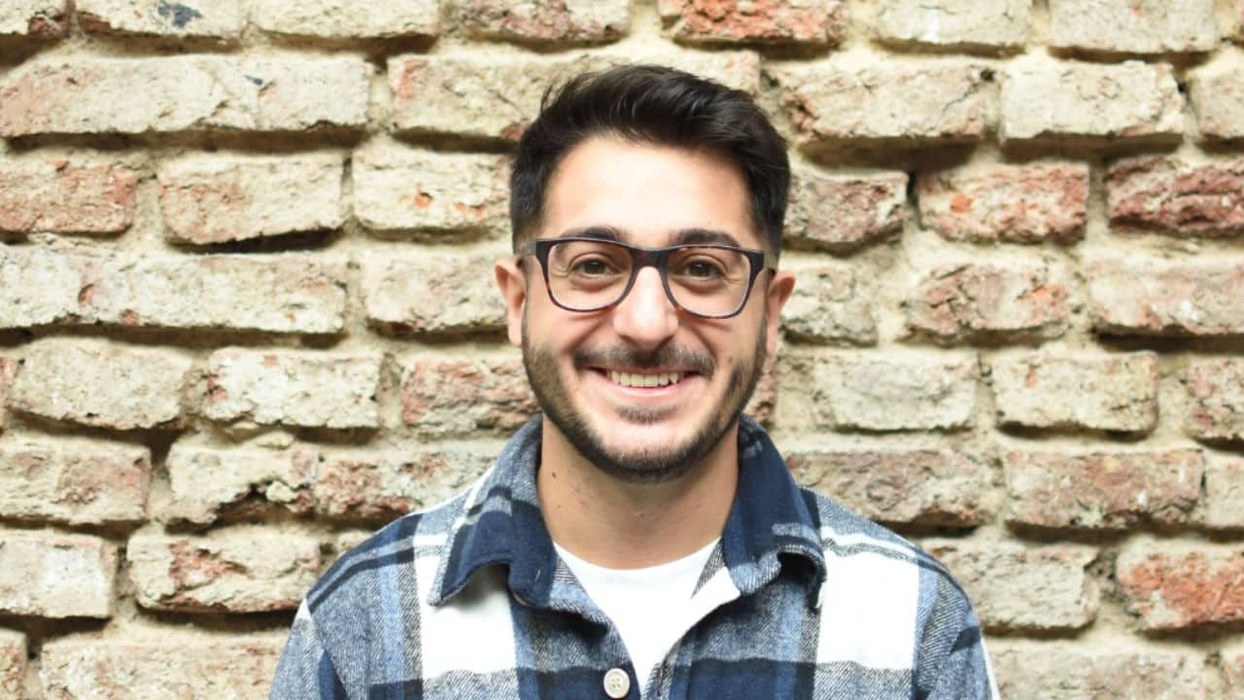
Juan Manuel Amorós and the business of a useful introduction
From writing software to connecting founders across Latin America, the Emprelatam founder has built his work around a practical question: what would actually help this person move forward?
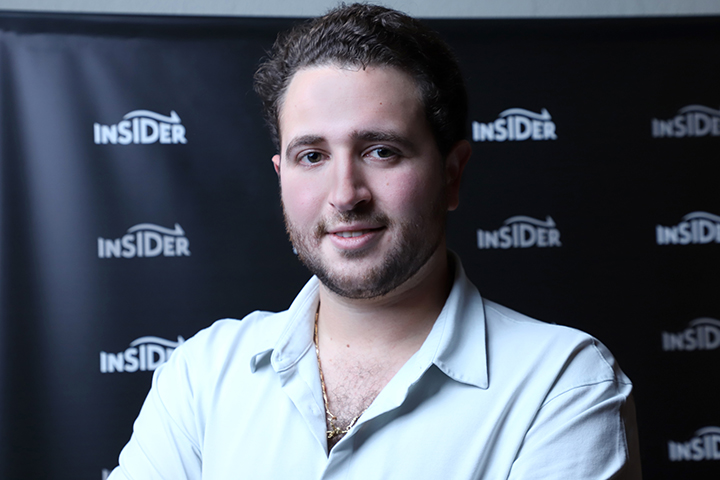
Roberto Kafati and the trouble with buying dinner
His family needed a better way to sell online. Roberto Kafati helped build DEUNA around that problem, then followed the checkout button into payments, data and AI.
Simón Borrero and the unfinished business of getting there
Before Rappi, there were telephone orders, an agency with 5,500 models and no bookings, and a grocery shelf on a screen. Simón Borrero’s career follows the distance between a promising idea and something that actually arrives.
Daniela Peralvo and the business of belonging
Before IMPAQTO had an office, it had a gathering. From Quito’s coworking rooms to a new community for Latin American leaders, Daniela Peralvo keeps returning to the same question: who needs to be in the room?
Freddy Vega’s first classroom fit in a pocket
A borrowed calculator taught the future Platzi co-founder how to program. Building a school for millions would require a former rival, a few uncomfortable lessons in money, and a belief that Latin America could write its own future.
Anabel Perez and the business of making money move
She learned the business inside a Venezuelan bank, built NovoPayment across the Americas, and discovered that expansion depends on knowing where to say no.

Jorge Domingo Samayoa wants the expert to stay in the picture
The founder of Plus Technologies & Innovations has spent decades working on decisions banks must make in real time. His enduring concern is who gets to understand, question and change the machinery.
Mauricio Benavides and the trouble with more
After a career in payments and international business, Mauricio Benavides co-founded the cybersecurity company that became Batuta. His recurring question: how do you make complicated things work together?
Julio Ardiles and the value of a human signature
From telecommunications to Strata Analytics Group, Julio Ardiles has built a career around making technology useful. His next chapter asks who takes responsibility when AI does the work.

Leonardo Semenovitch and the business of waiting less
From an insurer’s boardroom to Crawford’s Latin America presidency, Leonardo Semenovitch has kept returning to a practical problem: how to make the claims experience work better for the people using it.
Balan Nair’s education in connection
A Malaysian student became a Colorado engineer, then the chief executive of Liberty Latin America. His career is a story of learning what connects people - and what it takes to keep those connections working.
Pablo González wanted Bitcoin to feel ordinary
Before co-founding Bitso, Pablo González made films and videogame advertising. His route through cryptocurrency and back to storytelling reveals a designer interested in what people can actually do with an idea.
Jorge Campos and the business of knowing when the bus will arrive
A university transport app helped set Jorge Carlos Campos Berny on the road to DaCodes. His work since then has revolved around a larger question: how do you get people, software and a business moving together?
Jaime Nacach’s very practical theory of freedom
He built Virtual Latinos to solve a hiring problem in his own marketing agency. The harder assignment has been learning how to give other people the work - and himself the time.
Carlos Vela Canul and the education that never ends
A university bus app gave Carlos Vela Canul and two friends a starting point. Building DaCodes across borders has kept its co-founder and co-CEO learning ever since.
Jorge Raull and the value of the last mile
Jorge Raull built TransNetwork around the places where people receive their money. From bank agencies to shop counters, his career reveals the patient work behind a cross-border payment.
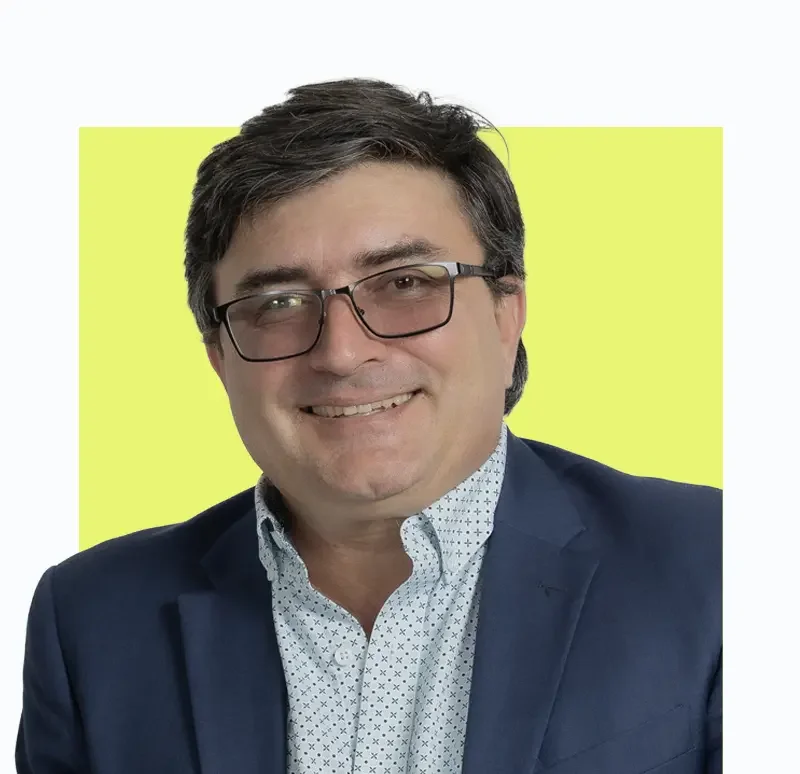
Felipe Uribe and the trouble with an empty bank branch
Felipe Uribe helped take Latin American banking out of the branch. After the sale of TODO1/iuvity, his next venture asks who gets to hold the keys to our data.
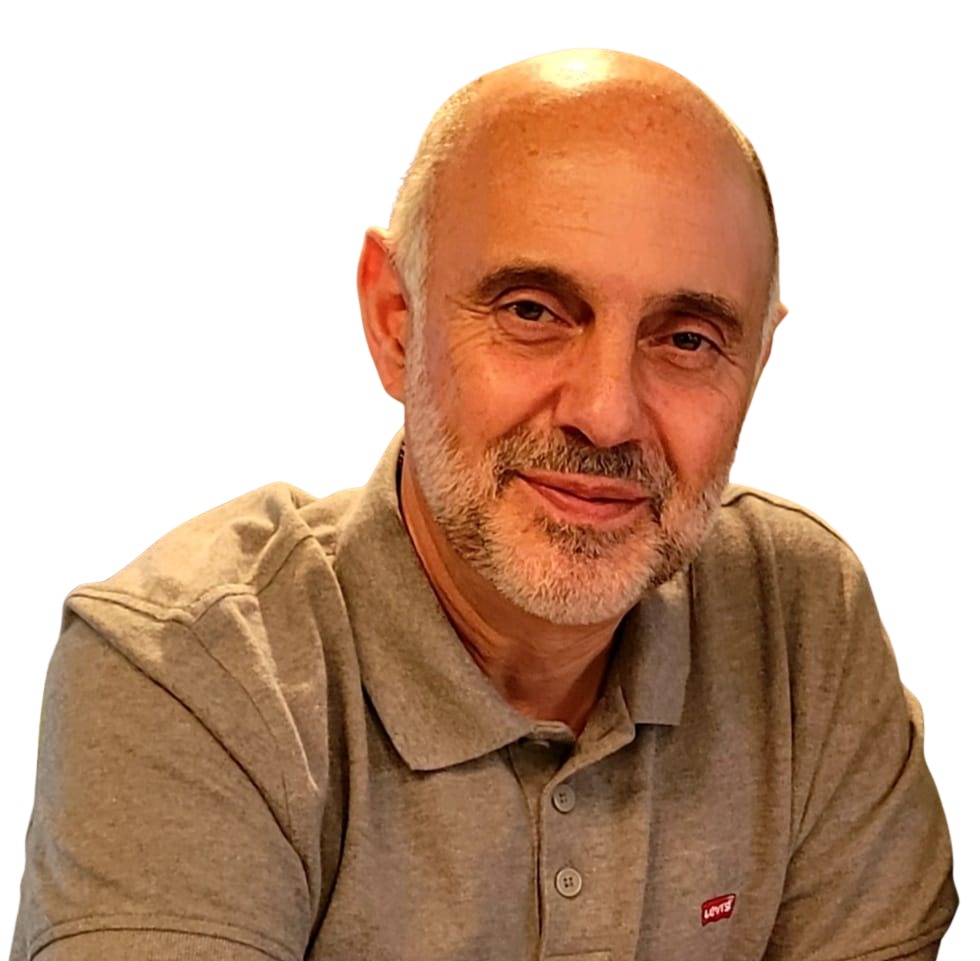
Julio Rodríguez Díaz and the business of passing it on
The founder of Red de Mentoring de España has built a career around connecting people who have something to learn from one another. His latest publishing project brings that same instinct home to Asturias.

Justo Fuentes and the art of getting customers to come back
After decades at Bata, Justo Fuentes took on Payless in Latin America. His next chapter puts a familiar retail promise to a fresh test: affordable shoes, with more reasons to walk through the door.
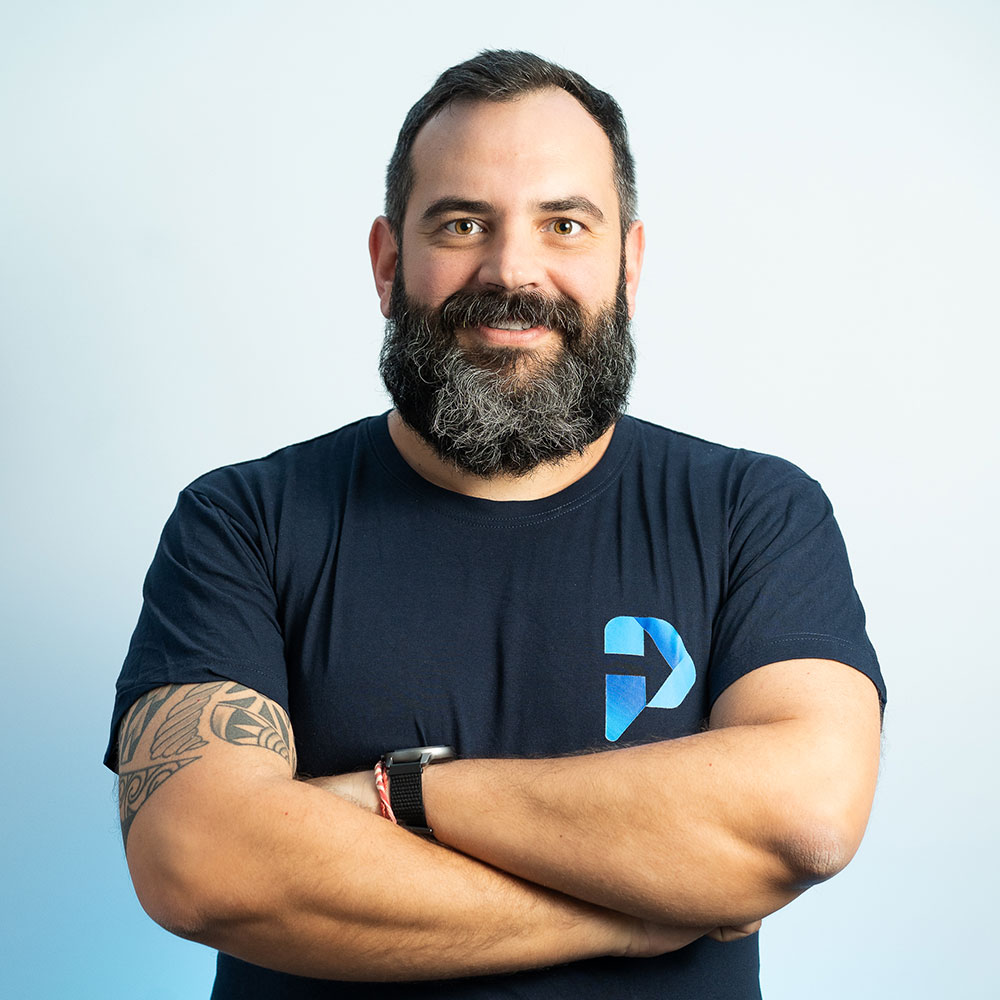
Nicolás Zangaro and the art of staying close
He helped build Switch Software in Montevideo, then learned how to sell its work across borders. Along the way, Nicolás Zangaro made a business question out of a personal one: how big can a company get and still feel close?
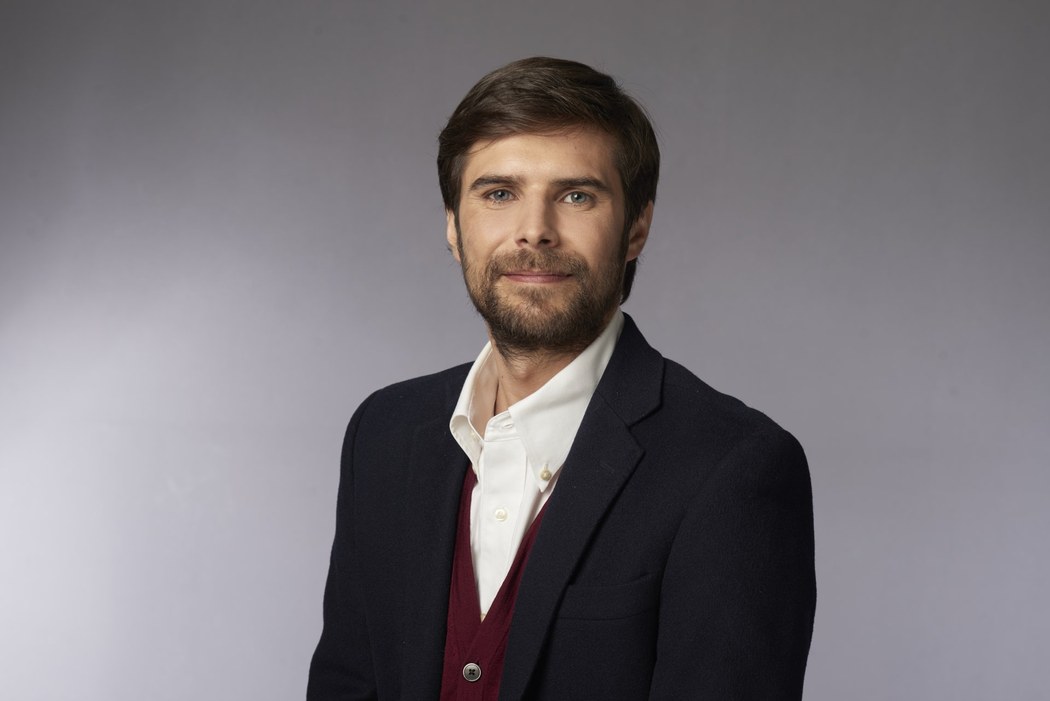
Andrés Lawson and the work behind the click
Before Osana, Andrés Lawson helped sell fashion online and build the machinery that let other brands follow. His career keeps returning to a deceptively ordinary question: what has to happen for a promise to reach a customer?
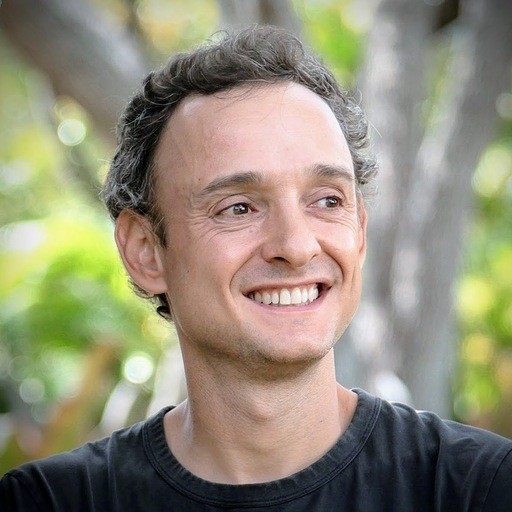
Sebastián Valin and the trouble with a simple question
His brother needed car insurance. Sebastián Valin wanted a straight answer. The company that grew from that search has spent years learning how much work a simple choice can take.

Camilo Sánchez Villamarín and the pull of starting over
He helped build Laika around the everyday business of feeding pets. After seven years as CEO, Camilo Sánchez Villamarín handed the role to his sister and returned to the part he says he loves: creating from zero.

Jesús Spínola Grandio and the distance between a policy and a person
RGA’s Latin America CEO came to regional leadership through marketing and business development. His recurring question is what happens when an insurance product meets the person it was made for.

Antonio Nasser and the case for staying a student
He was already a vice-president when he returned to the classroom. From São Paulo to a Latin American CEO role, Antonio Nasser’s career offers a study in learning while leading.
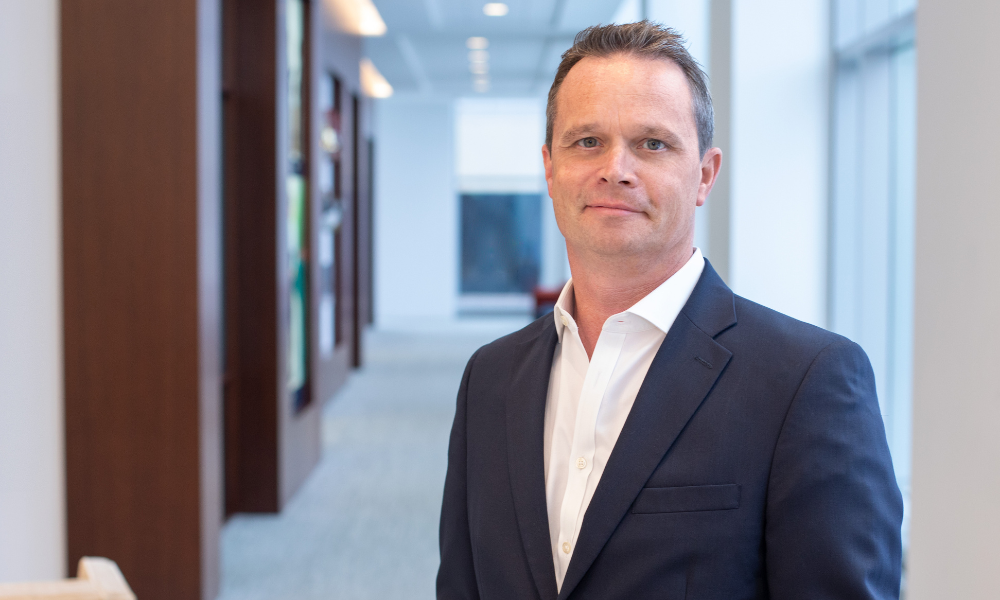
David Partington and the business of learning on the job
From British regional offices to a remit spanning Canada, Latin America and the Caribbean, David Partington has built a career around a practical question: how do you help the next broker get better?
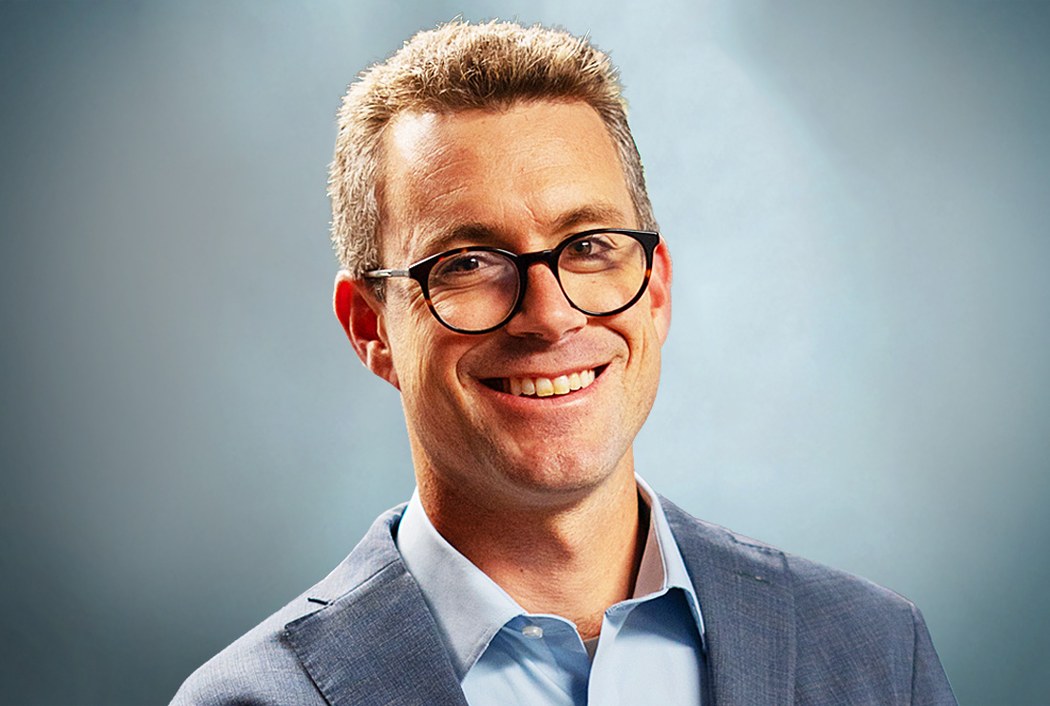
David Price and the price of being trusted
His grandfather helped invent the warehouse club. His father built PriceSmart. Now David Price is taking the family’s bargain into a new market, with a familiar obligation: make membership worth paying for.