impact-investing
(96)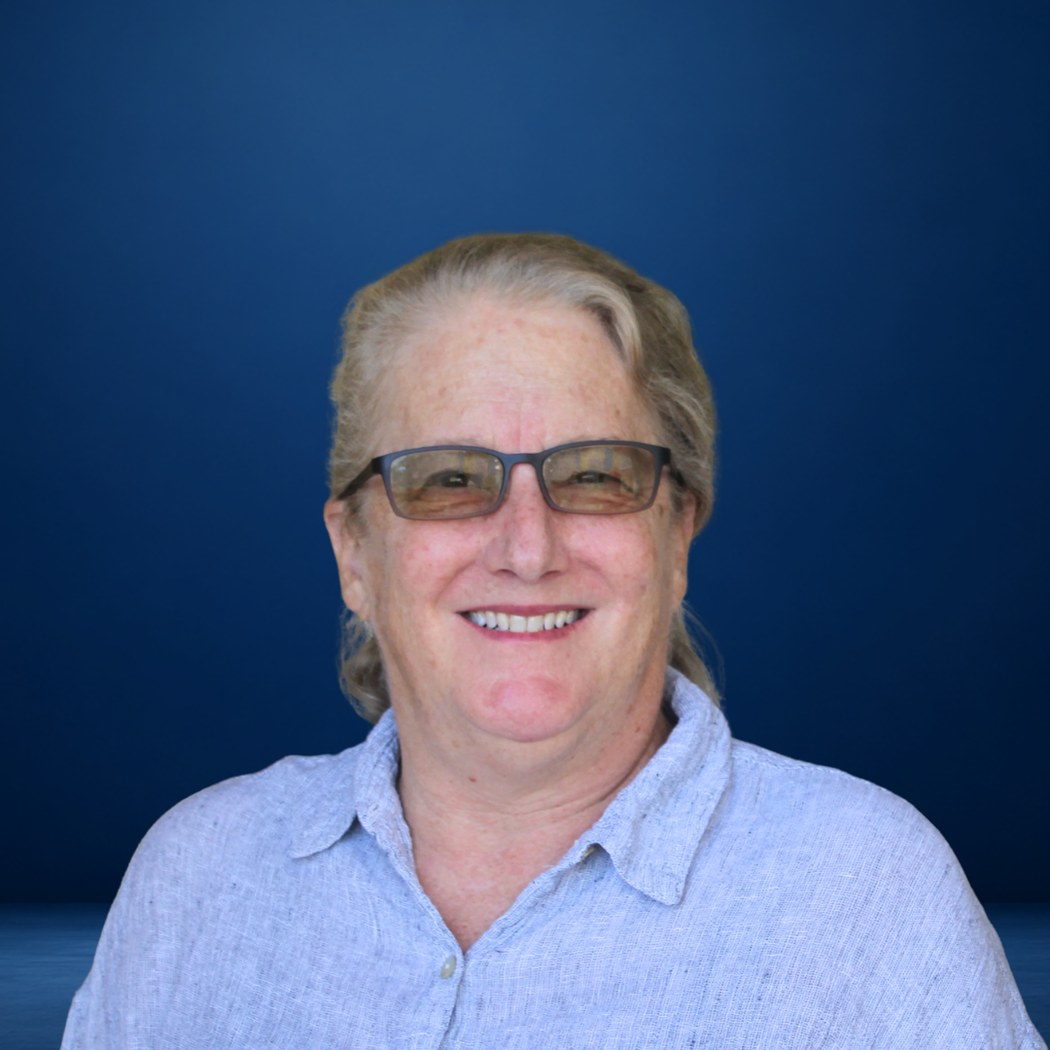
Leslie Durschinger’s long game: making forests investable
After two decades in financial services, Terra Global Capital’s founder turned to the business of keeping landscapes standing. Her work runs from carbon accounting and political risk insurance to community partnerships - with a family olive farm in the background.

Jax Harrison wants kindness to earn its keep
From film production to humanitarian investment, Jax Harrison has made a career of bringing people together. At The Future Found, she is giving that instinct a financial structure.
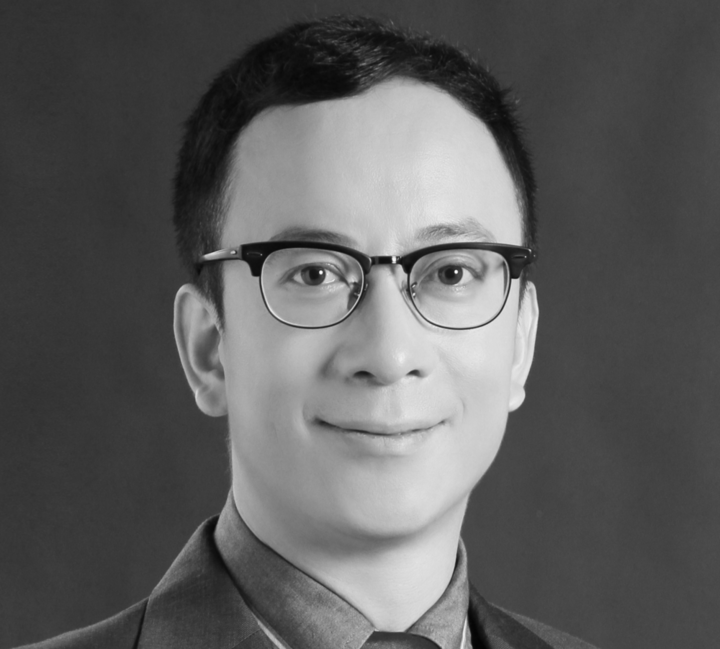
Xiaochen Zhang wants AI to earn its welcome
From climate finance and blockchain to AI 2030, Xiaochen Zhang has kept returning to one problem: how to make new technology useful, accountable, and available to more people.
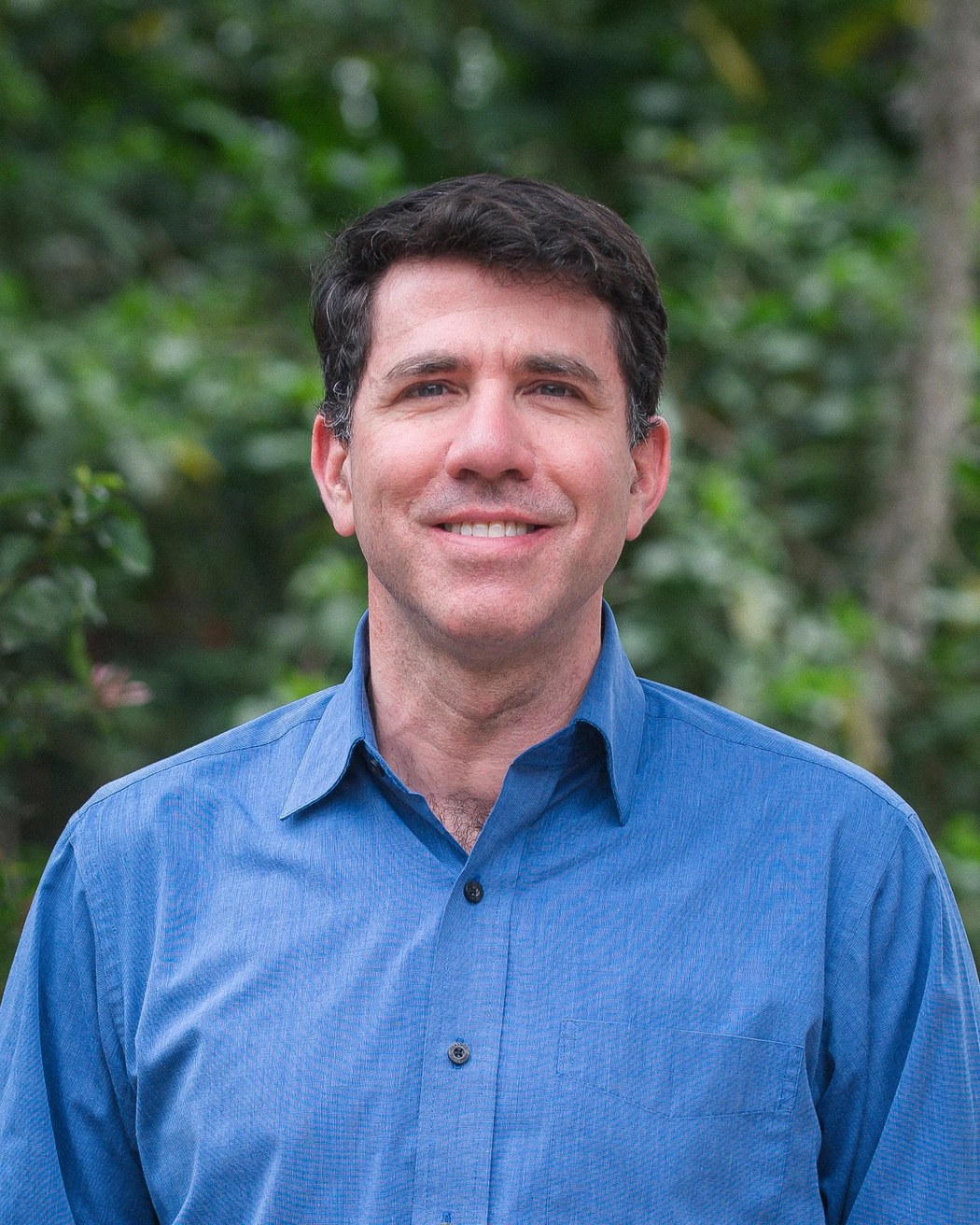
Chad Sachs wants to know what the numbers leave out
He co-founded Radian Generation to help solar investments deliver on their promises. Now, as NESsT’s CEO and CIO, Chad Sachs is taking the same practical questions into coffee farms, cooperatives, and the business of earning a living.
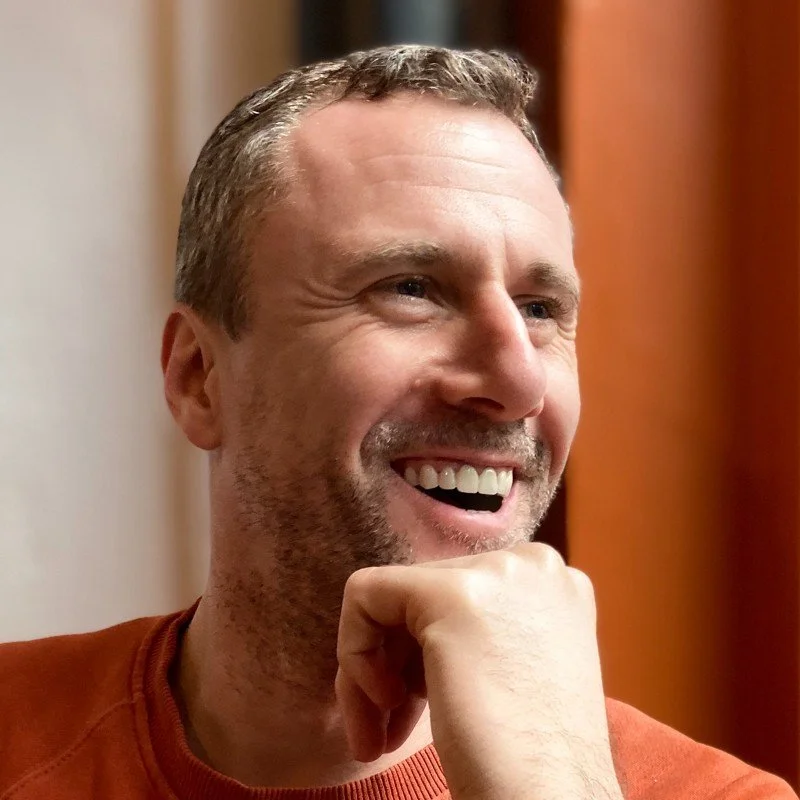
Dirk Bischof’s business of opening doors
A factory floor in East Germany taught Dirk Bischof what a small business could mean to a family. From Hatch’s first Brixton incubator to a new venture in Guernsey, he has kept returning to the question of who gets a way in.
Alisée de Tonnac and the hand that stayed down
A question at L’Oréal unsettled her carefully planned career. Twenty countries later, Alisée de Tonnac was helping build a different route for entrepreneurs in emerging markets.

Kim Folsom and the businesses hiding in plain sight
After six technology ventures, Kim T. Folsom turned to the owners with customers, payrolls, and too few financing options. Her seventh venture, Founders First, pairs growth capital with the practical work of building a business.

Pierre-Alain Masson and the geography of a good idea
Before Seedstars reached more than 90 countries, Pierre-Alain Masson was building internet businesses in Geneva. A competition took him abroad; the work that followed was about what happens after the pitch.
Stephan Erkelens and the business of opening doors
A coffee trader once told to come back in ten years now helps other founders get a hearing. At RevHub, Stephan Erkelens is putting his experience in markets, money and philanthropy to work on the question of who gets to build a business.
Todd Khozein’s Other Kind of Wealth
The SecondMuse co-founder has spent years connecting people who might otherwise never meet. His bet: the relationships around a business help determine what it can become.
Rafi Musher and the value of showing up
He started Stax in a shared Boston kitchen. Three decades later, Rafi Musher is applying an investor’s questions to a different problem: how to make useful things happen for other people.
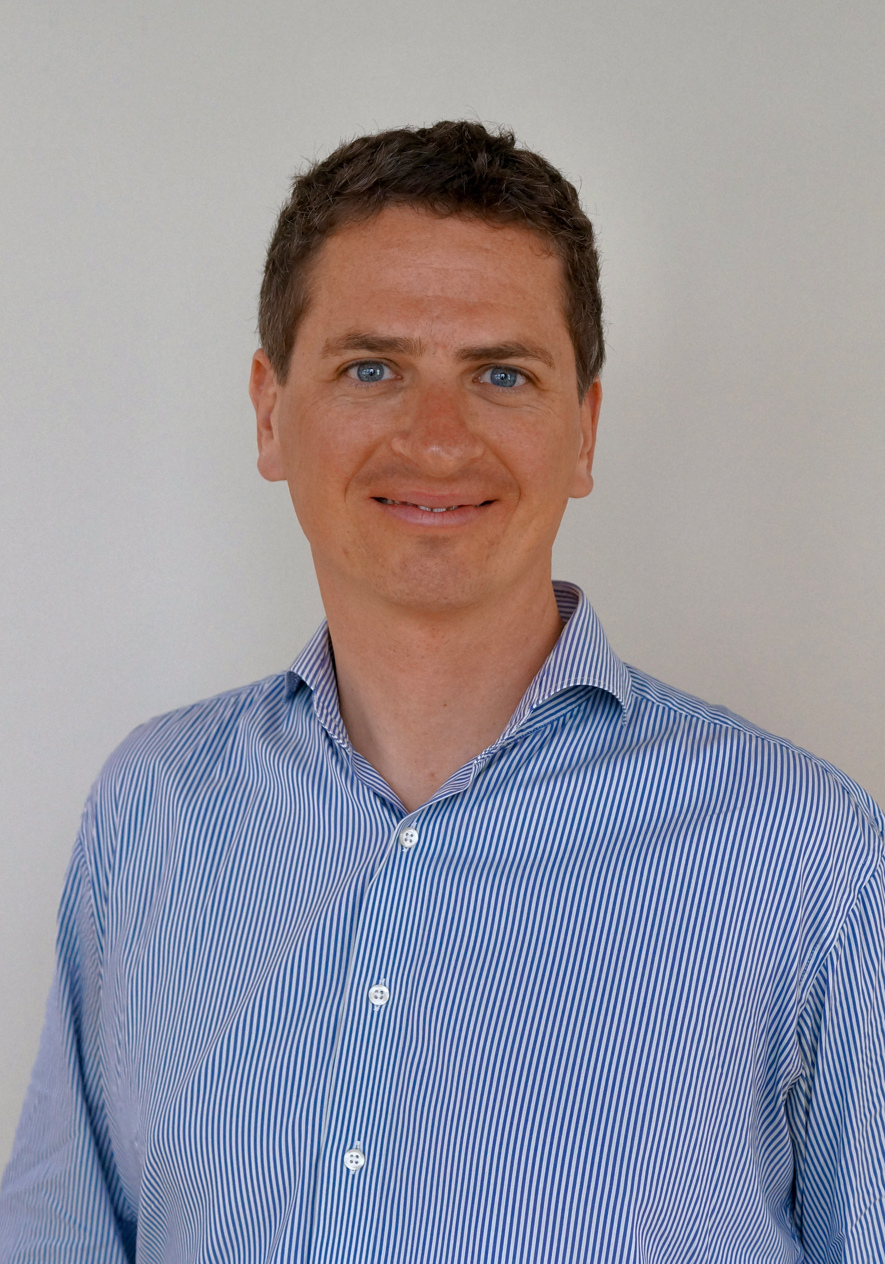
Markus Linder and the trouble with choosing
After building Zoovu to help shoppers make decisions, Markus Linder left its daily operations and took his family north. He returned with a different question: what does a purchase cost the planet?
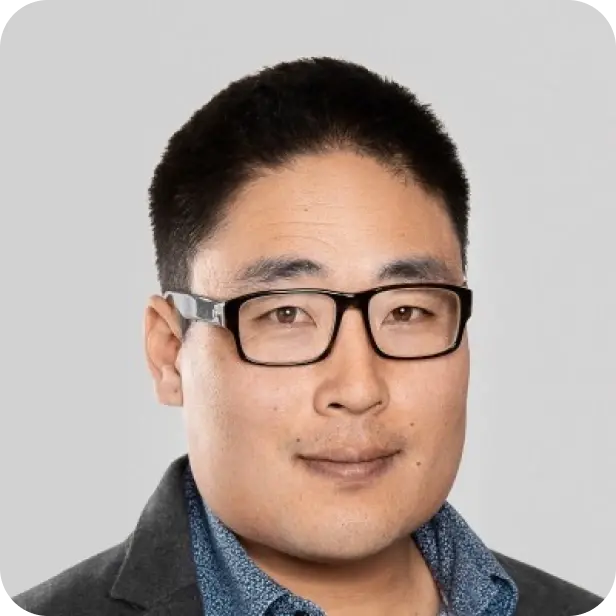
Alex Fang and the trouble with a comfortable life
A financial planner went surfing, helped build schools, and became the co-founder of Sublime. His next undertaking brings those experiences back to a familiar question: where should the money go?
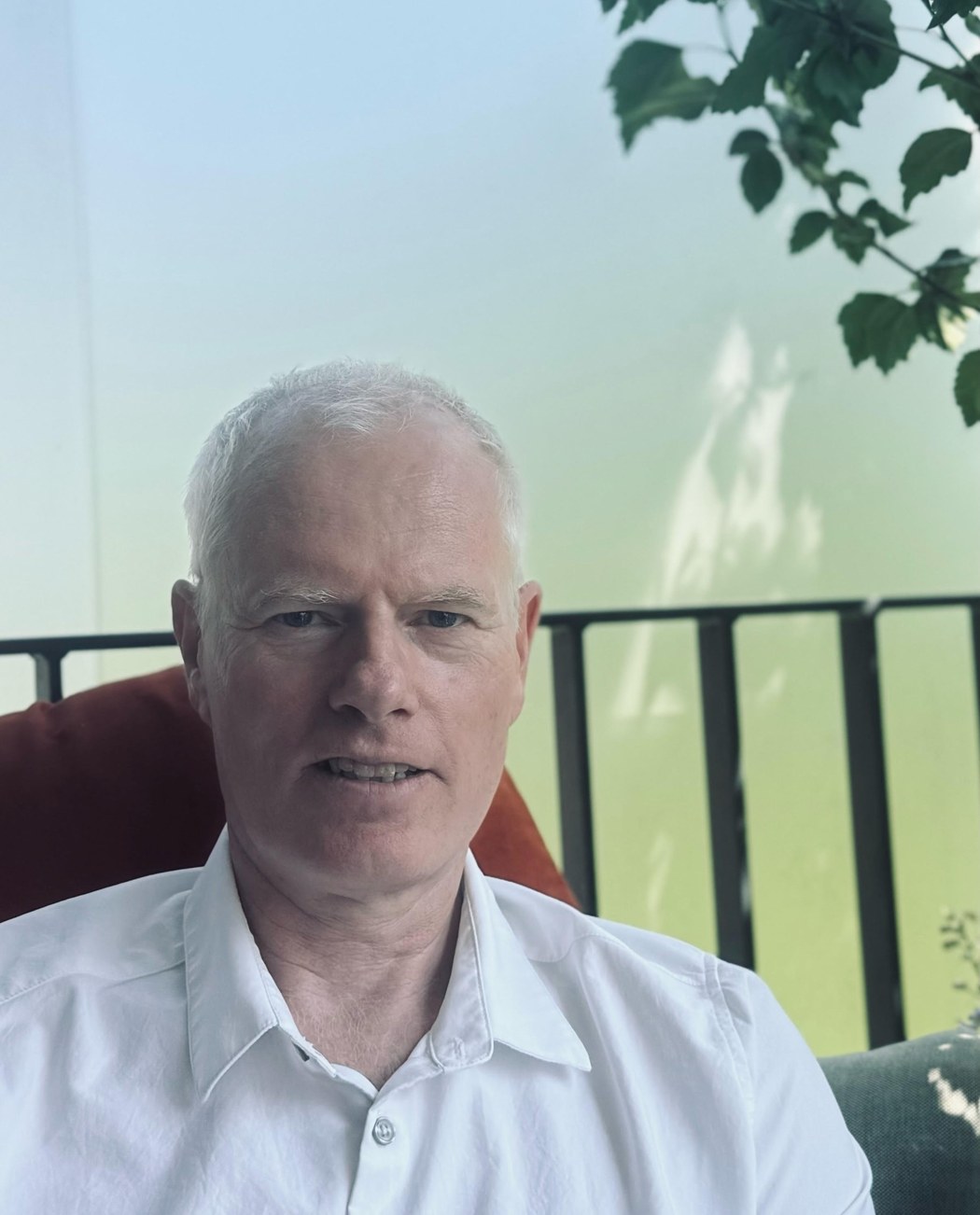
Andrew Bredenkamp and the problem with a million words
He helped big companies find a consistent voice. Now the Acrolinx co-founder is working on a harder question: whose language does AI understand?
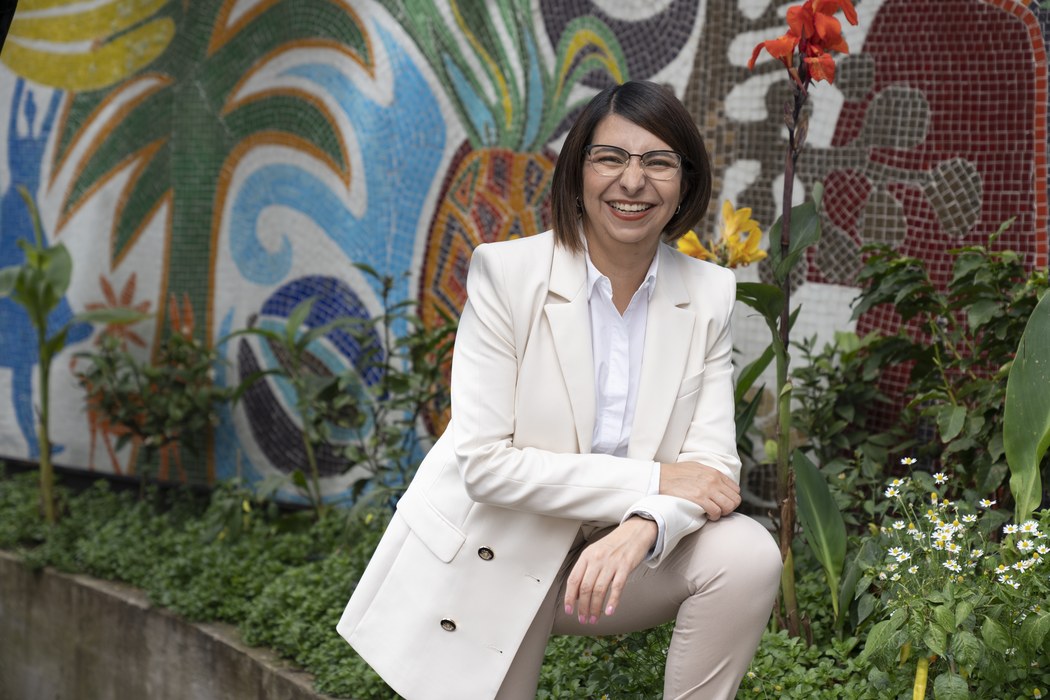
Daniela Peralvo and the business of belonging
Before IMPAQTO had an office, it had a gathering. From Quito’s coworking rooms to a new community for Latin American leaders, Daniela Peralvo keeps returning to the same question: who needs to be in the room?
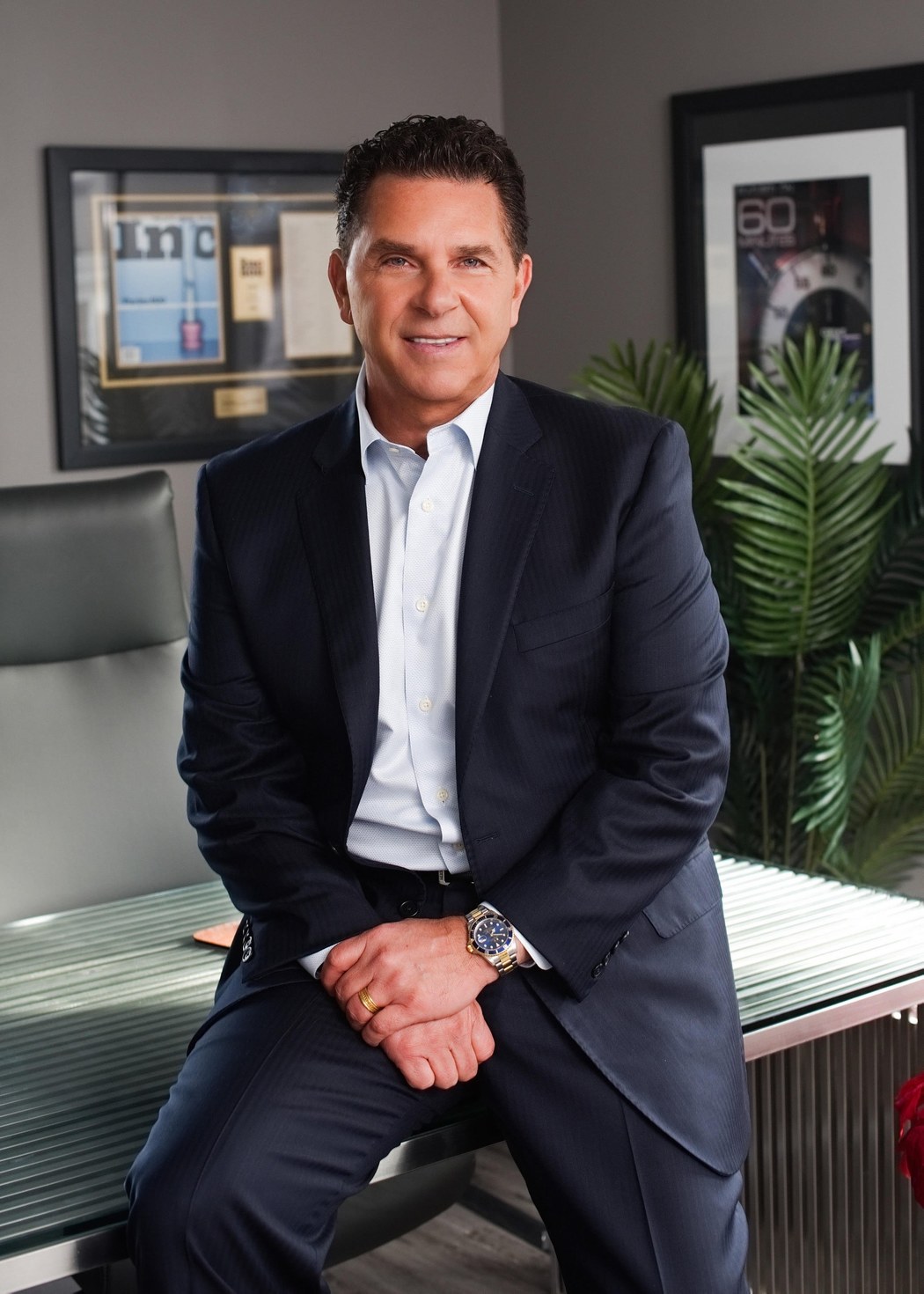
Christopher J. Kuselias and the business of starting over.
He built Career Team to help people find work. Now the former college ballplayer and ESPN radio host is putting his experience behind people who want to build a business of their own.
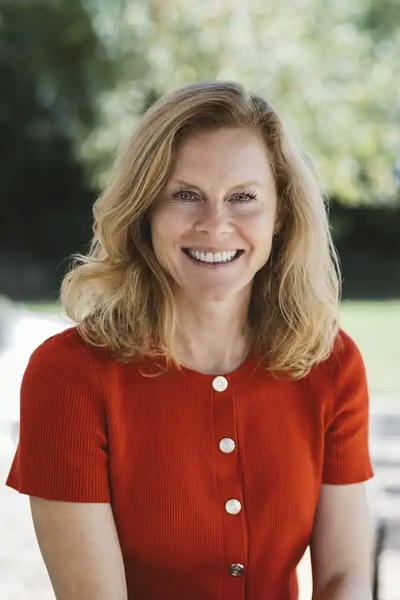
Saskia Bruysten and the business of changing her mind
A London lecture gave the former consultant a new way to think about profit. From Yunus Social Business to Carbon Equity, she has spent her career finding places where money can do a different job.
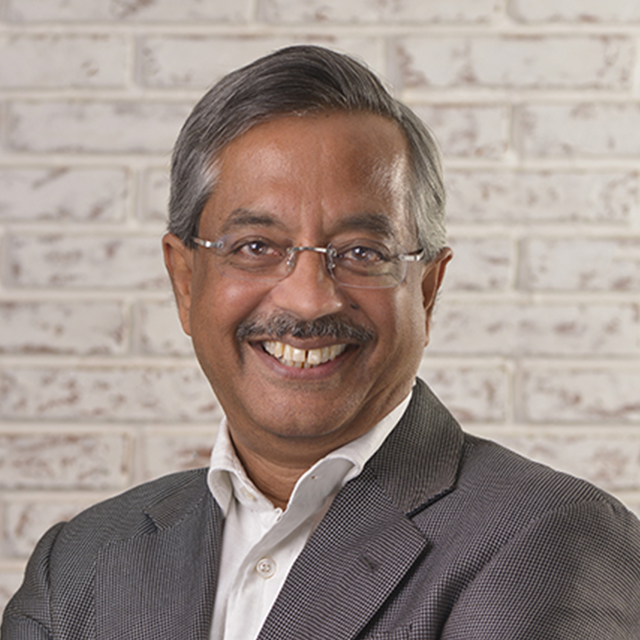
Pramod Bhasin and the business at the other end of the line
An experiment with 20 employees helped turn India into an office for the world. For Genpact founder Pramod Bhasin, the more persistent question is how to give talent somewhere to go.
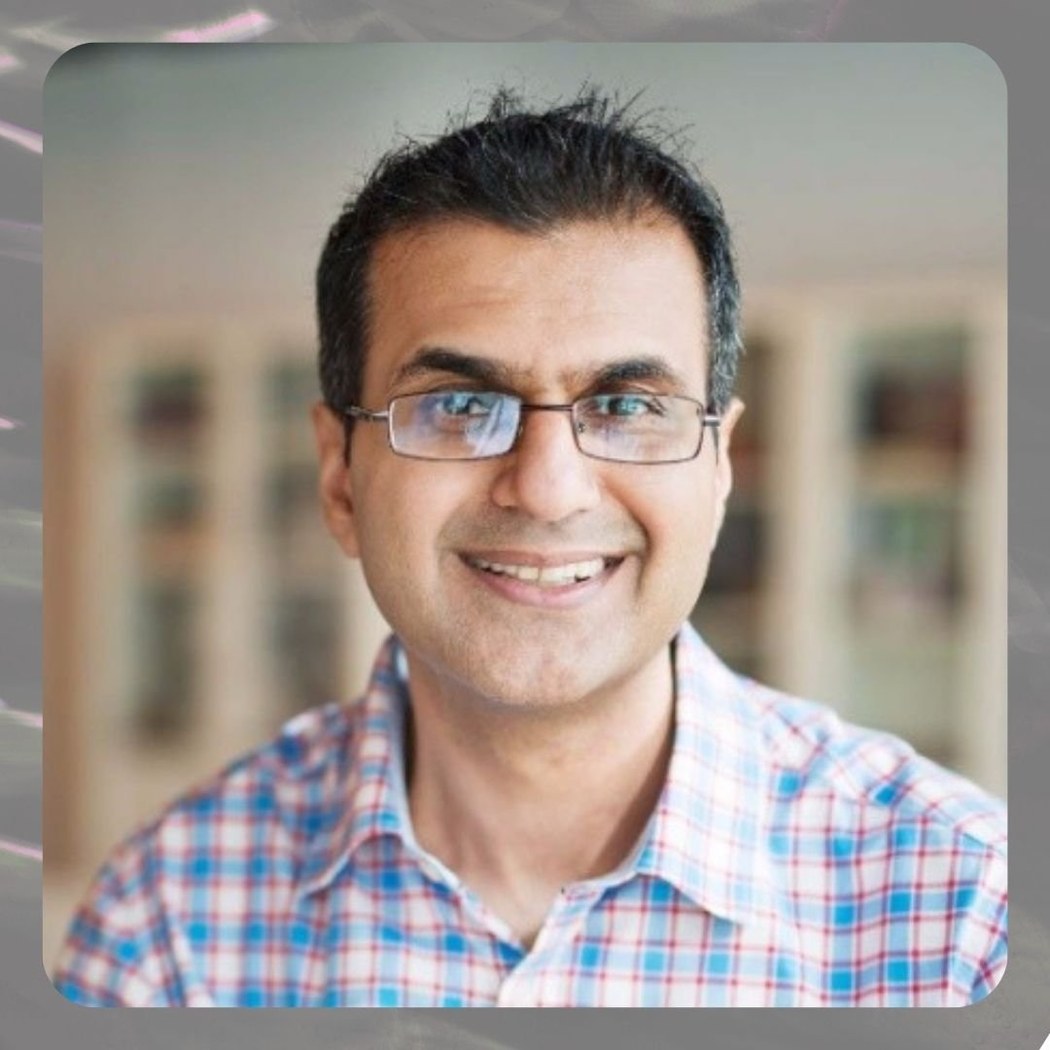
Suraj Kripalani and the Problem of Passing It On
He spent eight years working with financial risk at BlackRock. Through classrooms, startup bootcamps and now AI agents, BonBillo’s founder has kept returning to a different question: how do you make useful expertise available to more people?
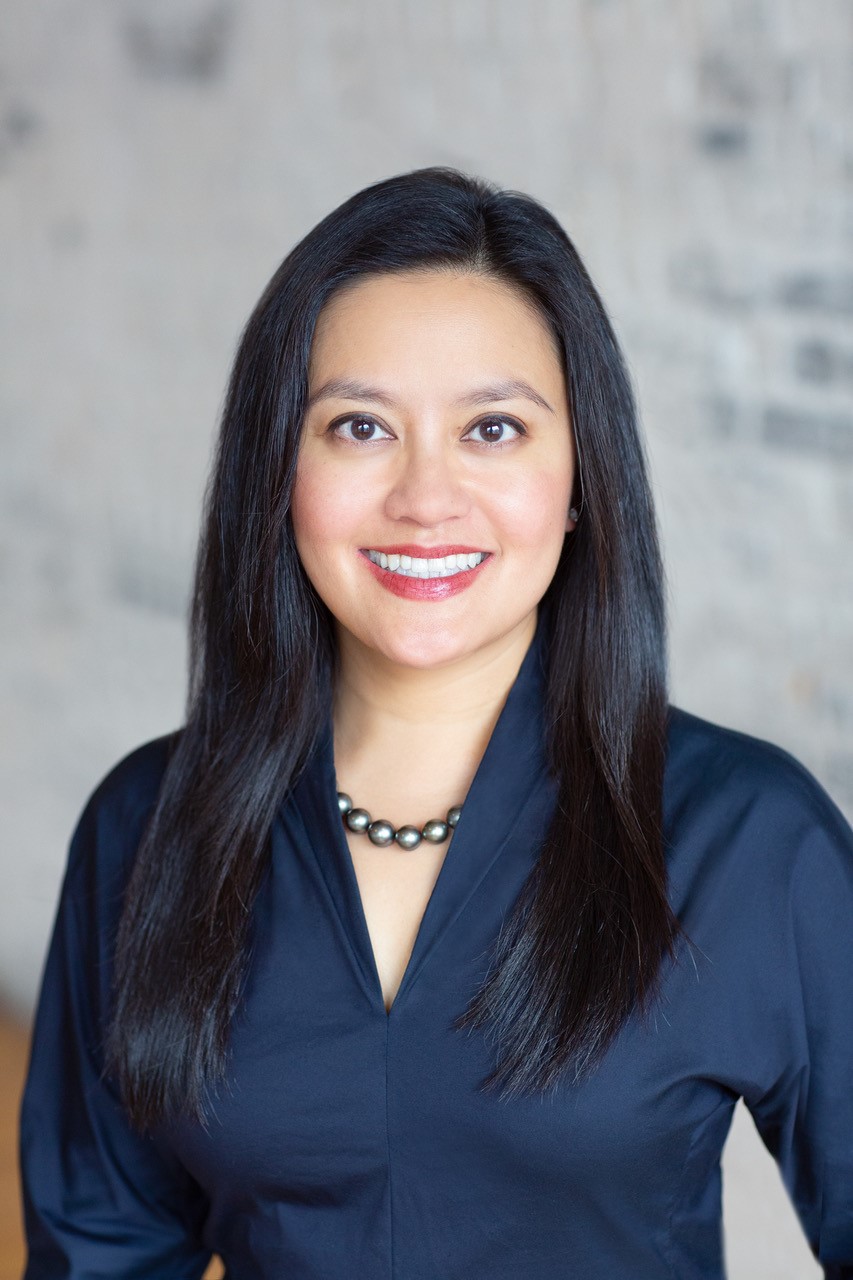
Mandy Tuong and the art of giving money away
A pianist turned philanthropy executive, Mandy Tuong has spent her career helping generosity find a form. Her own choices - from music education to public radio - make the work personal.
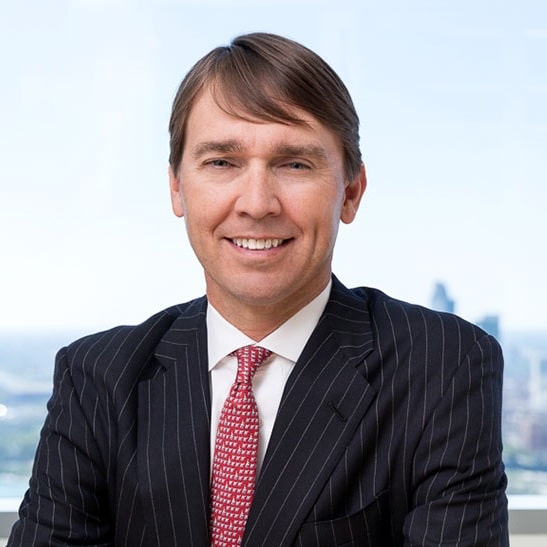
Kip Kirkpatrick and the long game of belonging
A Northwestern basketball player became a builder of investment firms. Through The Vistria Group, campus commitments and a partnership born on the court, Kip Kirkpatrick keeps returning to the question of what a team can build.
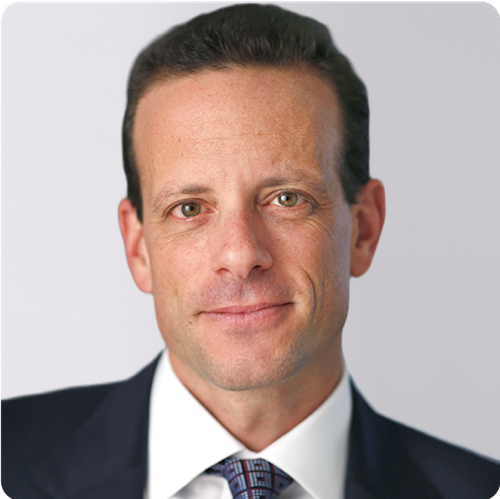
Alex Friedman and the Numbers That Money Forgot
From the Gates Foundation to UBS, Alex Friedman kept running into the same missing information. At Novata, he is building a way for private companies to measure what their balance sheets leave out.
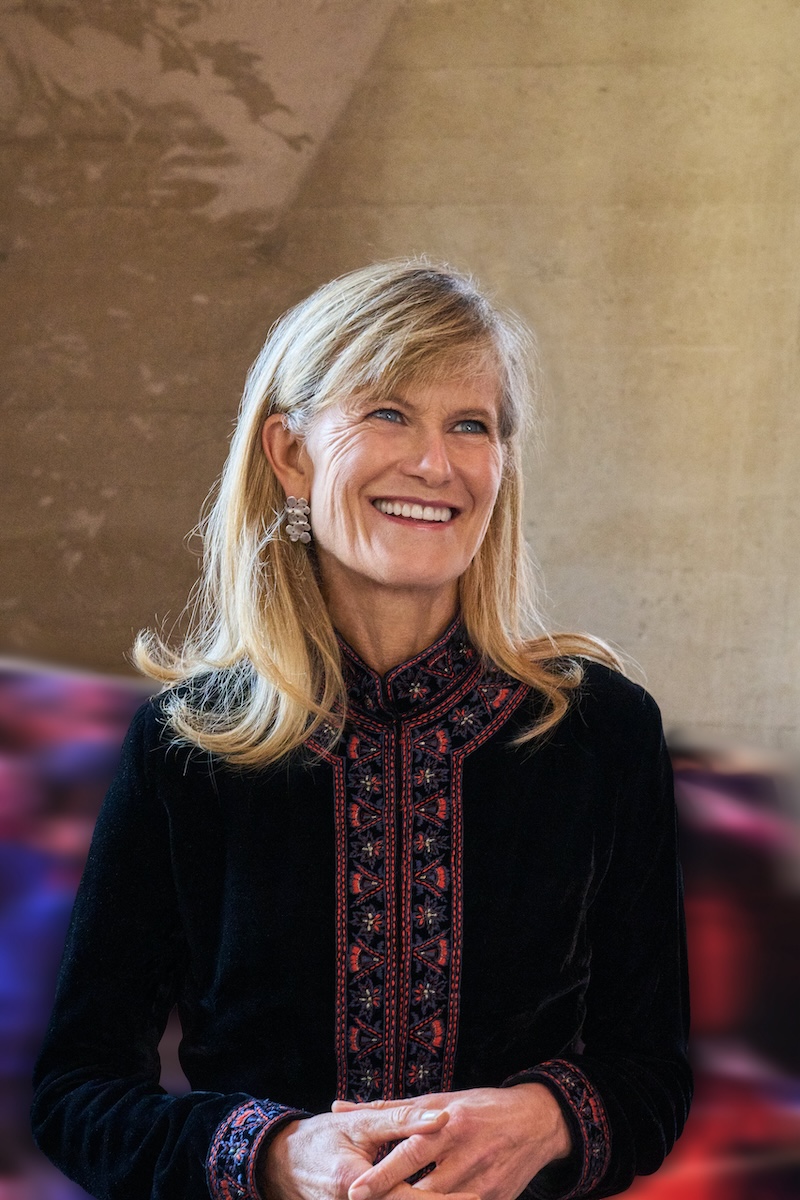
Jacqueline Novogratz and the value of waiting
She left Wall Street for Rwanda, then built Acumen around an unusual proposition: give entrepreneurs the time to serve people other investors overlook. Twenty-five years later, she is still questioning how money measures success.
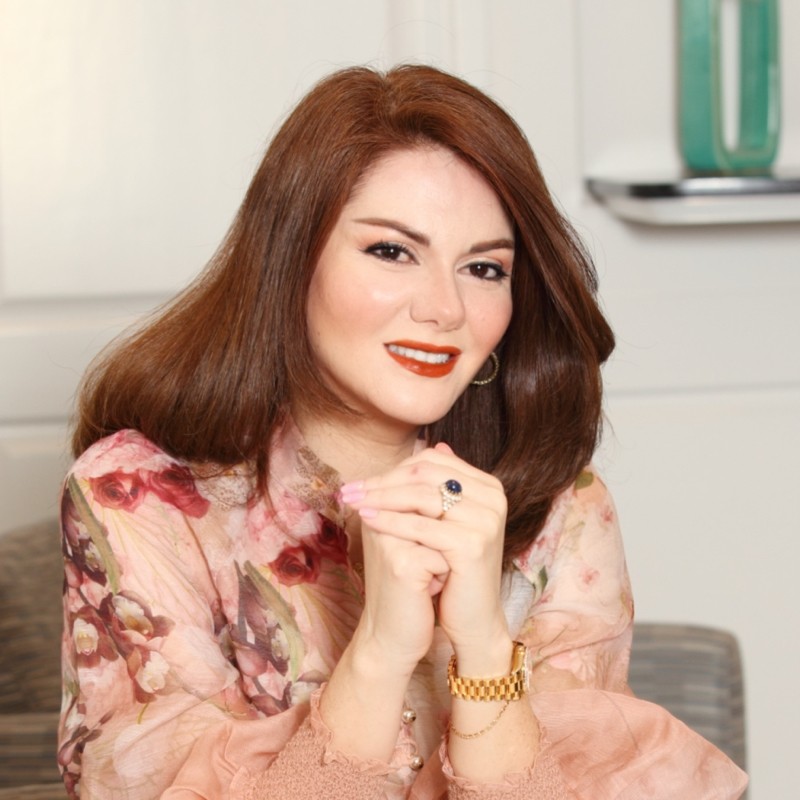
Rasha Qamheyeh and the physics of working together
A physicist with a finance education, Rasha Qamheyeh has worked on wireless power, built a startup incubator and mentored women entrepreneurs. Across those pursuits runs a practical question: how do you give a promising idea the conditions to grow?
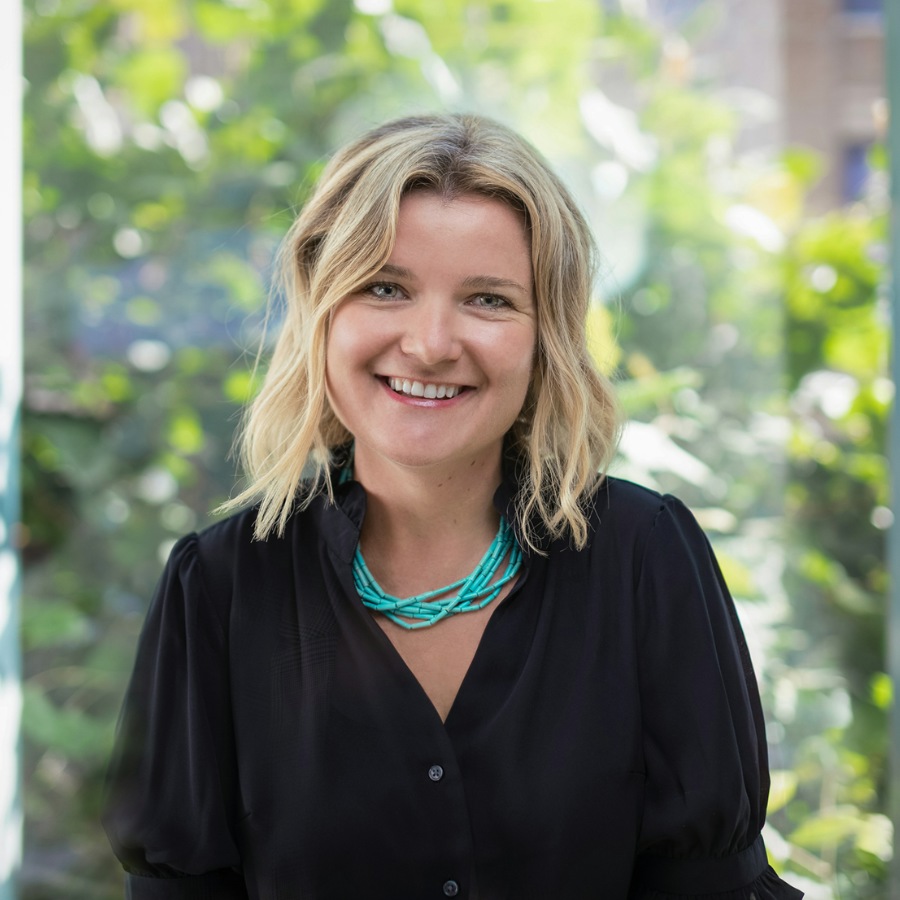
Katie Drasser and the art of the invitation
From social enterprise to a decade at Aspen, Katie Drasser has built a career around bringing people together. Her work asks a deceptively practical question: who gets into the room, and what happens once they arrive?
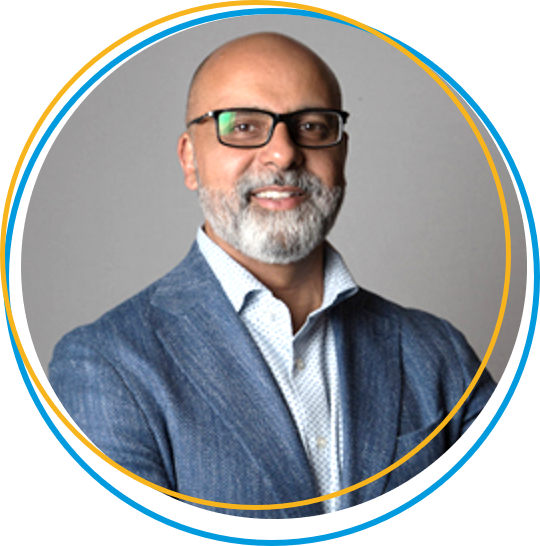
Azam Bhaloo and the business of showing up
A chartered accountant became the leader of a group built around children, classrooms and everyday services. At The Foray Group, Azam Bhaloo asks investment to answer to people as well as profit.
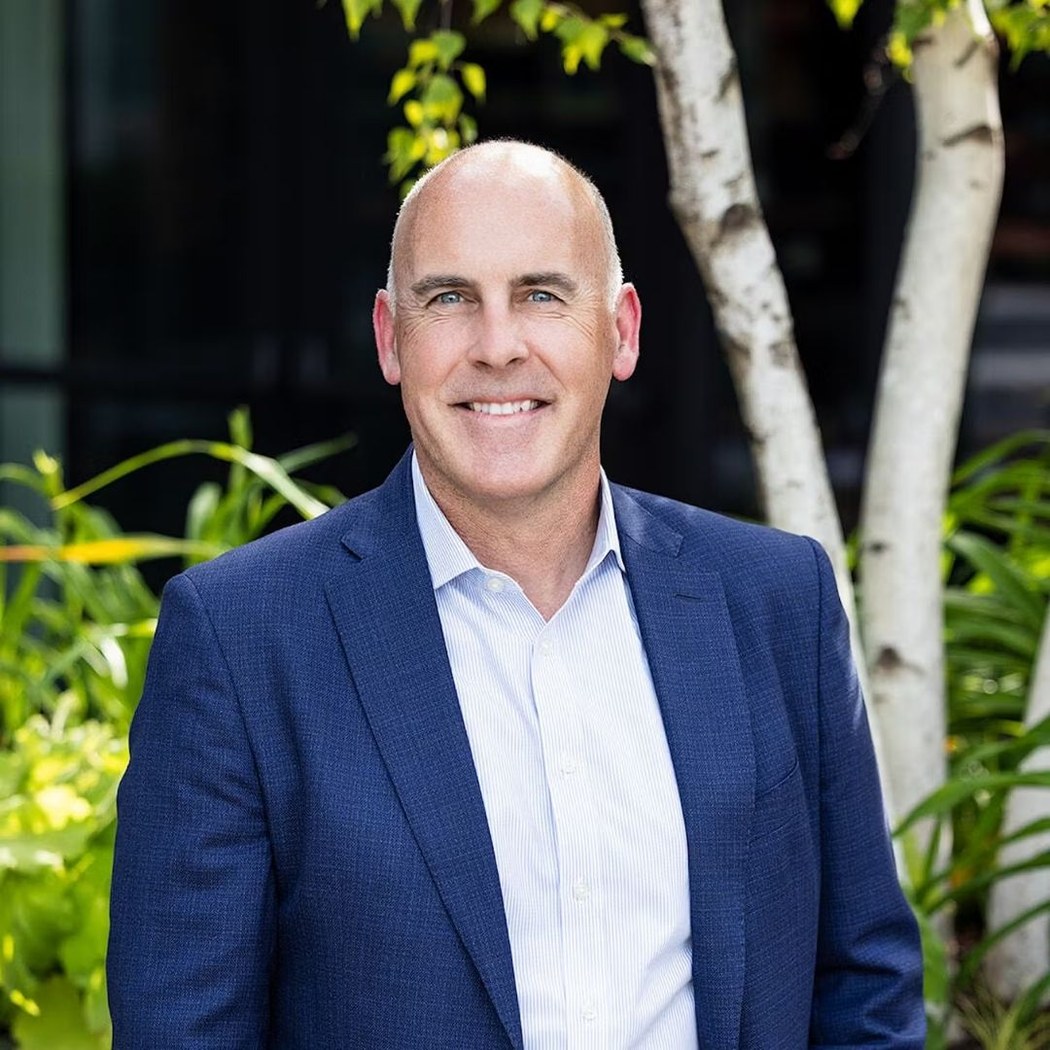
Matt Knott and the distance between money and a meal
From Gatorade to Feeding America to Builders Vision, Matt Knott has worked on different sides of the food system. His career follows a practical question: how do you get resources to the people and ideas that need them?
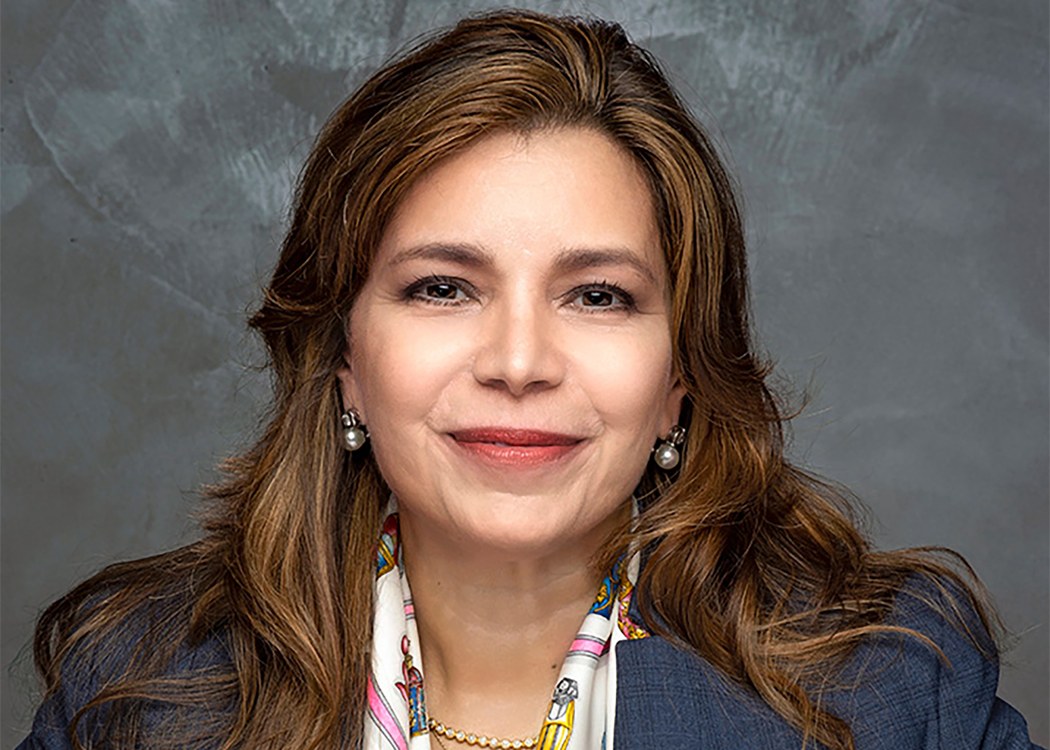
Monika Mantilla and the business of opening doors
From Bogotá to Miami, the Altura Capital co-founder has built a career around a practical question: what happens when promising businesses get the capital, customers and company they need?
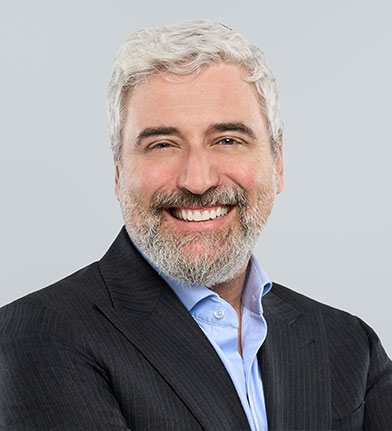
Stéphan Morency and the second life of a savings account
A factory’s energy bill. A farmer’s lease. A pension contribution. The new CEO of Fondaction has spent years finding ways to connect ordinary financial decisions to the future of Quebec.
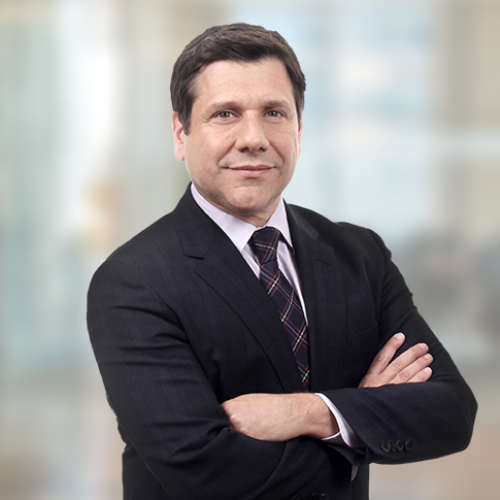
Eric Hatzimemos and the work between the big moments
From Brooklyn courtrooms to New York City Hall, Eric Hatzimemos built a career around institutions under pressure. At H/L Ventures, he and Oliver Libby turned sustained, hands-on support into a way of building companies.