healthtech-founder
(42)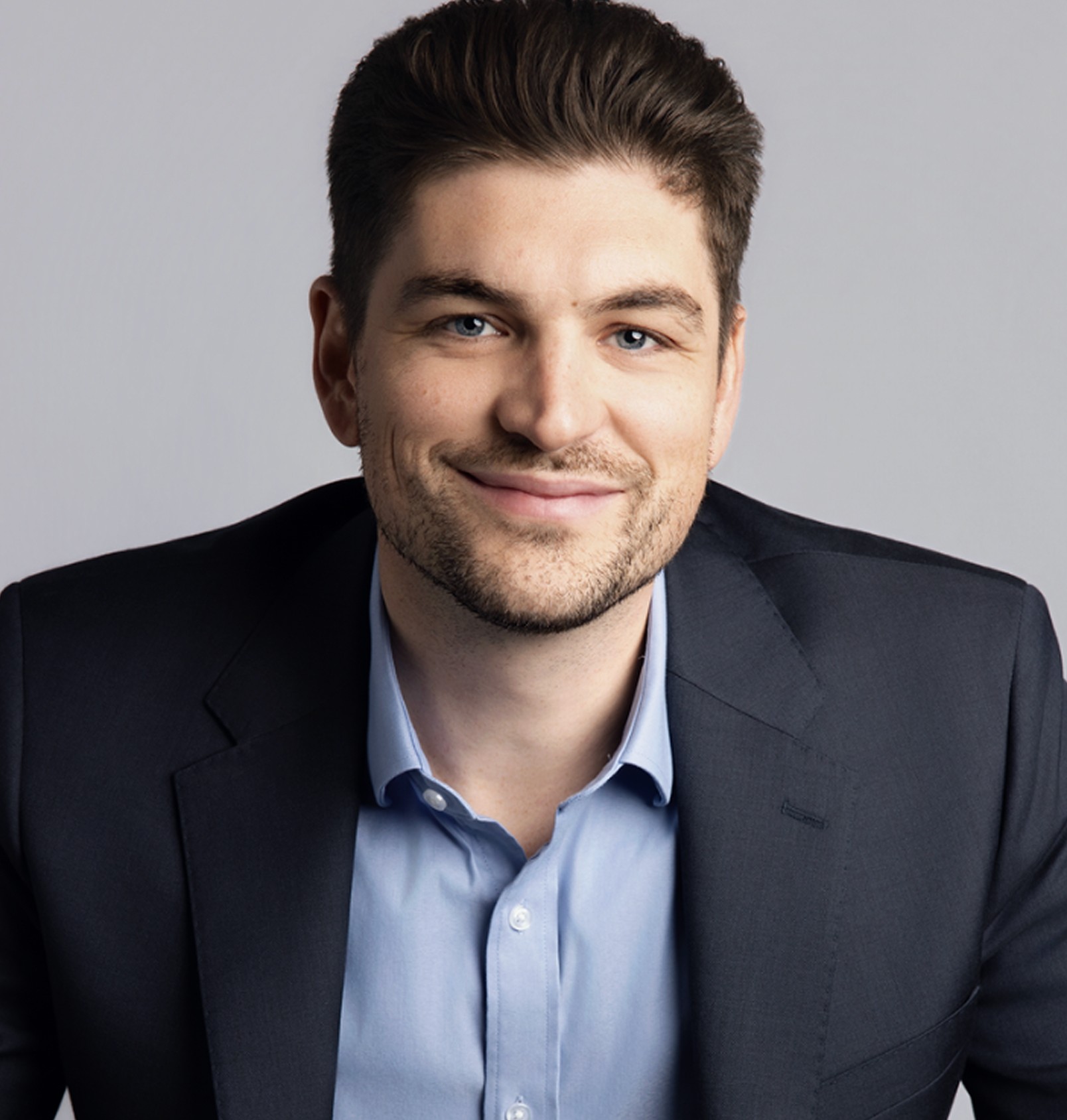
Mel van Londen Is Teaching AI to Finish Healthcare's Paperwork
A former sailing captain, IDEO developer, and healthcare product leader has spent his career learning how complicated systems behave. At Develop Health, he is applying that education to the forms between a prescription and the person waiting for it.
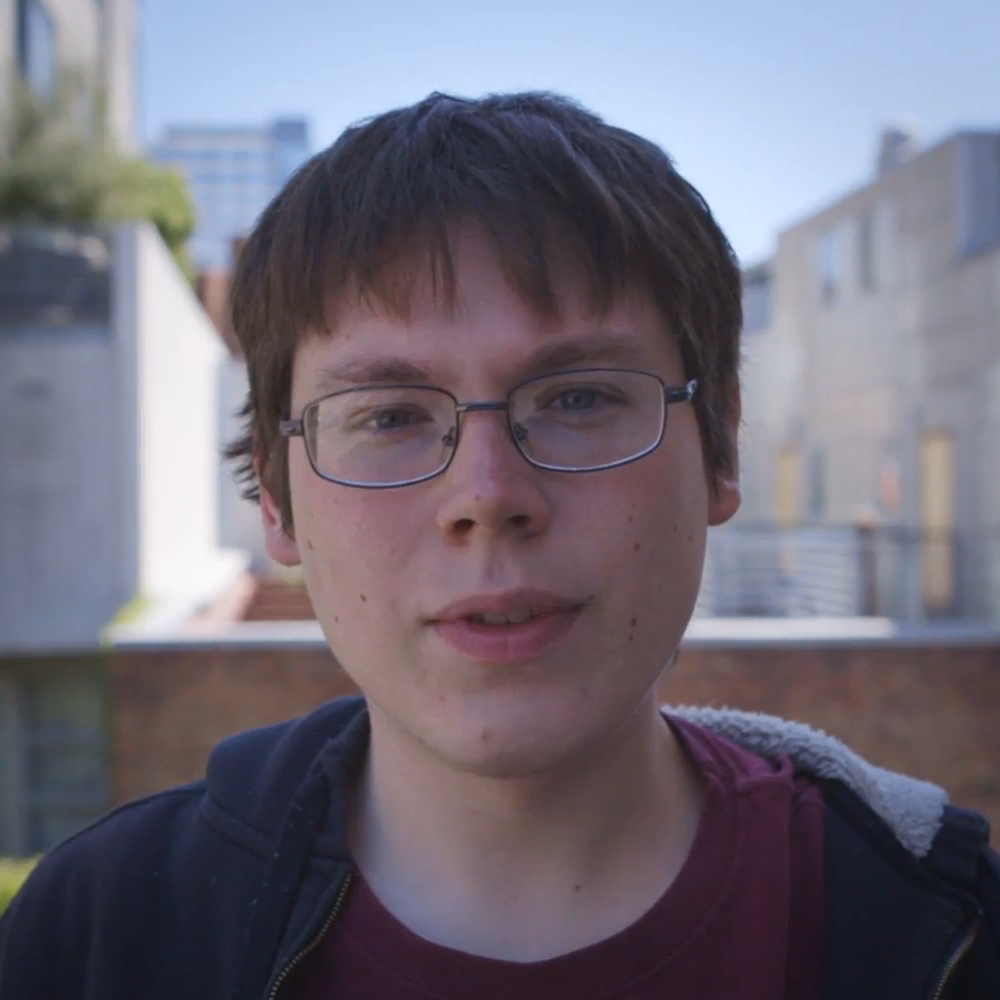
James Blaha Turned a VR Prototype Into a Decade-Long Company
A programmer entered eye care with a prototype, listened when clinicians dismantled his assumptions, and stayed long enough to turn an unusual VR experiment into research infrastructure.
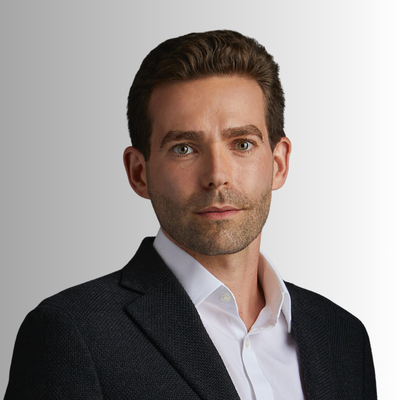
Oliver Keown Left the Balcony to Rebuild the Operating Room
After years studying surgery from the clinic, the policy room, and the venture fund, Oliver Keown made a costlier bet: own the centers, write the software, and make the system answer to outcomes.
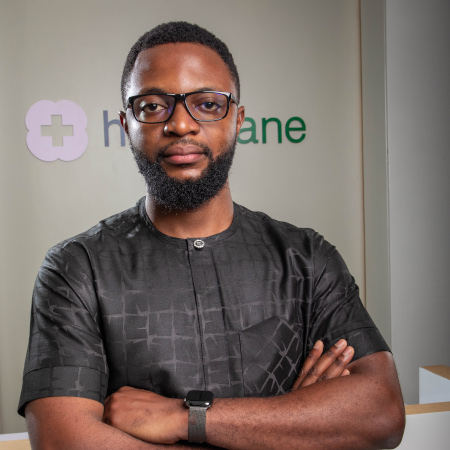
Alain Nteff Built by Following the Signal, Then Learning to Read the Noise
A student project became GiftedMom, a palace invitation became a lesson in scale, and Y Combinator turned two years of fundraising into three concentrated months. Alain Nteff's record is a study in momentum - how to create it, and what it asks of a founder afterward.
Nikunj Malpani Is Building a Lab That Fits in Your Pocket
The former Bain consultant left the polished world of slides for test cards, camera models and the stubborn work of making diagnostics usable anywhere. His operating idea is disarmingly simple: the best machine may be the phone already in your hand.
Andrew Adams Is Building the Boring Machinery That Makes Care Work
He studied stories and systems, then built a company around the paperwork everyone else avoided. Inside Andrew Adams's playbook: narrow the problem, earn trust, and keep rewriting the operating manual.
Aniket Rajput Is Building for the Months Between Appointments
A robotics researcher left the lab to redesign the quiet stretch between clinic visits. His operating idea is simple: care should continue after everyone goes home.
Jeff Beck Put the Clinician in the Room - Even When the Room Is Miles Away
A social worker, a school clinician and a string of 7 a.m. Panera meetings became AnswersNow. Jeff Beck's useful obsession is turning scarce expertise into support families can actually reach.
Reed Liggin Keeps Building for the Hospitals Technology Forgot
A pharmacist turned repeat founder, Reed Liggin has spent his career making complicated hospital technology usable for smaller providers. Three companies and two exits later, his favorite market is still the one larger vendors tend to pass by.
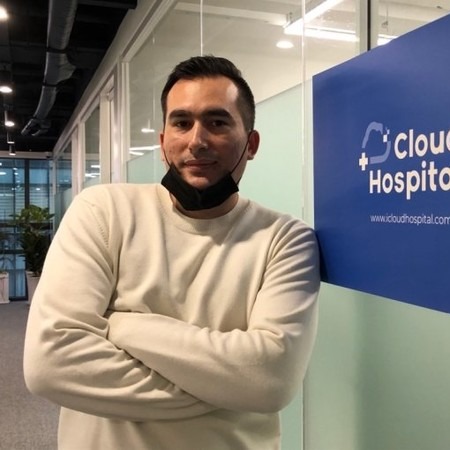
Suleyman Nazarov Is Building the Missing Front Desk for Global Hospitals
A scholarship carried a finance student from Turkmenistan to Seoul. The company he built there now treats language, search and unanswered messages as one sprawling software problem.
Pelu Tran Left the White Coat for the Last Mile of AI
Four months from a Stanford MD, Pelu Tran chose a startup over a diploma. Two companies later, he is still working on the same stubborn problem: getting useful technology into the hands of clinicians without making their work harder.

Gadi Shenhar Wants AI to Take the Clicks, Not the Judgment
The Droxi co-founder turned an engineer’s eye toward healthcare’s stubborn pile of inbox work. His bet is simple: software should absorb the clicks so clinicians can keep the decisions.
John Reites Learned Clinical Research from the Inside Out
He began as a self-described paper pusher, questioned the machinery from every seat he occupied, and built a career around making clinical research easier to enter and harder to abandon.
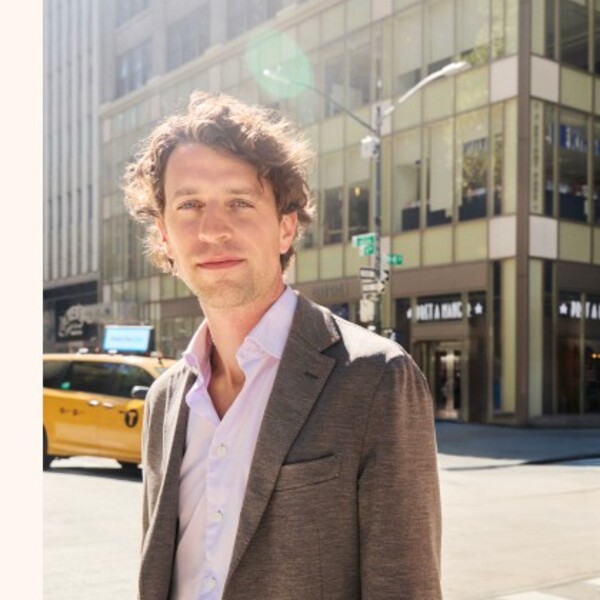
Raoul Scherwitzl Learned to Build at the Speed of Proof
A physicist left the laboratory to build a consumer company where every launch has to survive scrutiny. His edge is not speed alone, but the patience to make evidence compound.
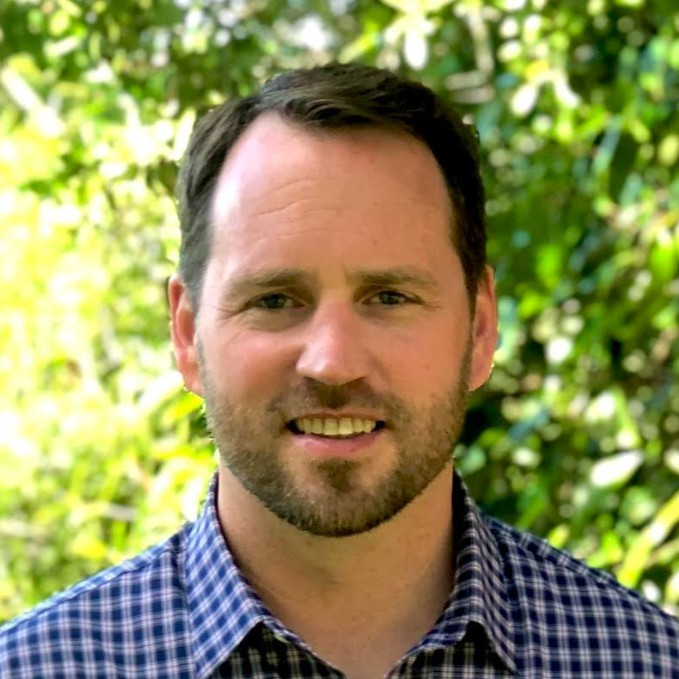
Brian Meewes Is Building for the Moment After the Prompt
After two decades moving between code, finance, logistics and company building, the Shift Health founder is betting that useful AI will be judged by what it remembers, how it reasons and where humans remain in control.
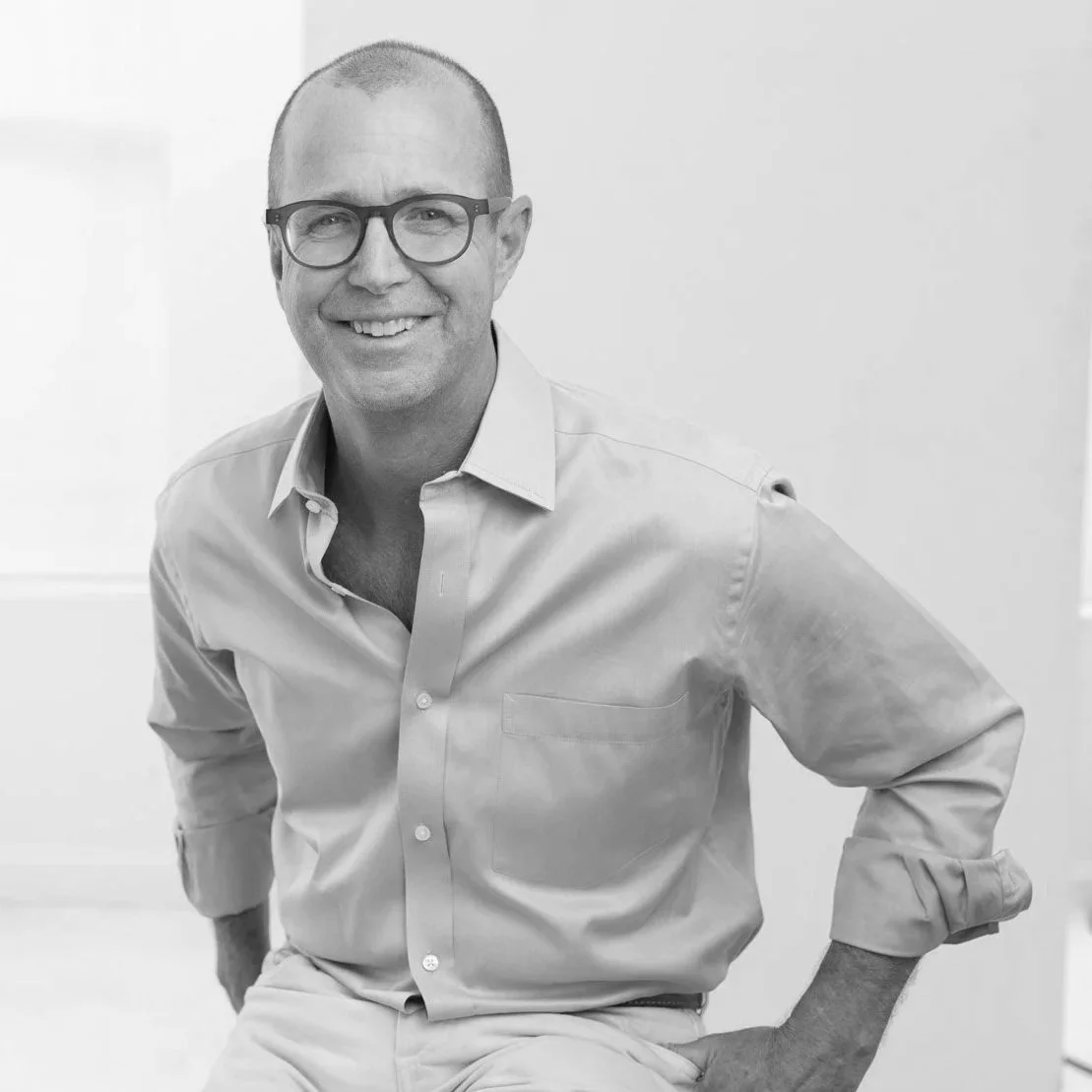
Alan Murray
He spent thirty years building ad-tech and members clubs. Then he decided the real engineering problem worth solving was how a human embryo gets made.
Tri Vu
Tri Vu is the co-founder and CEO of Lumius, a Durham, North Carolina medical imaging startup building fast, smart, accessible 3D ultrasound - what the team calls a 3D camera for the body. A Duke-trained biomedical engineer with a doctorate in ultrasound and photoacoustic imaging and more than 1,900 research citations, Vu left an academic track to turn a decade of imaging research into a device clinicians actually want to pick up. Lumius went through Y Combinator's Spring 2026 batch and is starting with vascular access, where roughly half of first attempts fail.

Weston Lim
Weston Coleman Lim is the co-founder and technical lead of Dashlabs.ai, a Manila-based software company that automates the paperwork and instrument wiring of diagnostic laboratories and clinics. He started building during the early pandemic - first an annotated map of neighborhood checkpoints, then the official national dashboard, then form-digitization work for the Philippine Red Cross - before the same team turned that scramble into a lab-software business and landed in Y Combinator's Winter 2021 batch. Today Dashlabs.ai runs across more than 200 clinics in the Philippines.
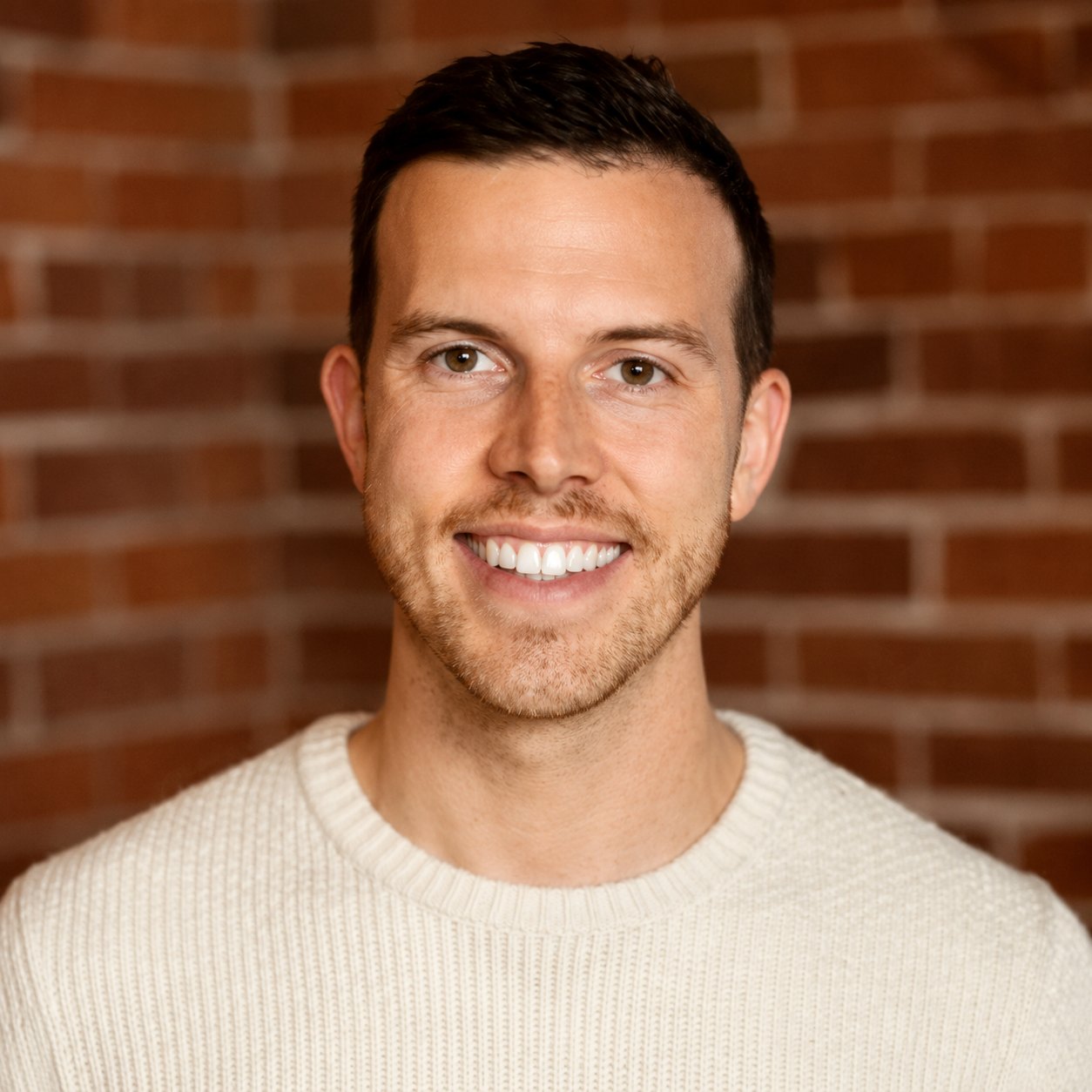
Cameron Howieson
Cameron Howieson is the co-founder and CEO of Opencare, a Toronto-based digital health company that connects patients with a curated network of top-rated dentists across North America. A computer engineer by training, he co-founded the stock-research startup Vuru (acquired by Wave Accounting in 2012) before helping build Opencare, where he moved from CTO to COO to CEO. His work centers on making preventive dental care transparent, convenient and comfortable for patients.
Chetan Reddy
Chetan Reddy is the co-founder and CEO of Confido Health, a New York based startup building AI voice and messaging agents that answer patient calls around the clock and complete routine front-office work like scheduling, refills, eligibility checks and reminders. He started the company after watching the administrative load of the US healthcare system firsthand when his wife had spine surgery, and has grown Confido to more than 1,000 clinical sites and millions of patient interactions. An engineer by training from BITS Pilani, he previously built AI systems for drone mapping and a fitness app before turning to healthcare operations.
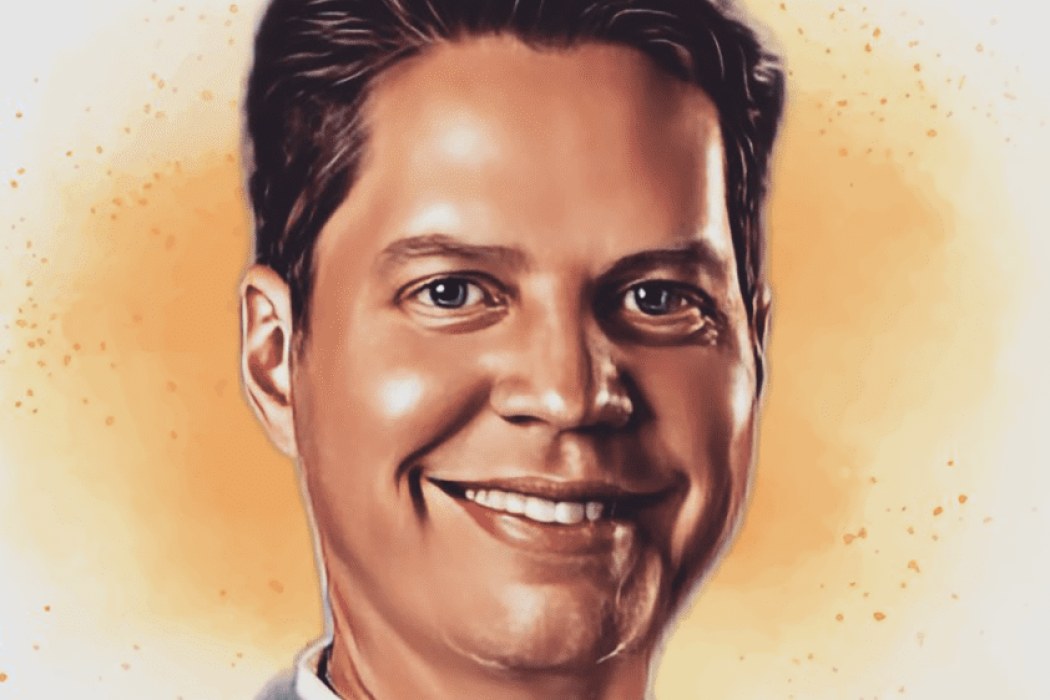
Eric Rock
Eric Rock is the co-founder and CEO of Percipio Health, a Dallas-based company using AI and an ordinary smartphone - no medical devices - to collect whole-person health signals for scalable population health monitoring. A serial healthcare and technology entrepreneur, Rock previously founded ProHost (acquired by OpenTable), MEDHOST (a pioneering touchscreen emergency-department EMR), and Vivify Health, which grew into one of the largest remote patient monitoring platforms before Optum acquired it. Percipio launched in 2025 with $20M in Series A funding and a mission to bring proactive, low-cost care to entire populations.
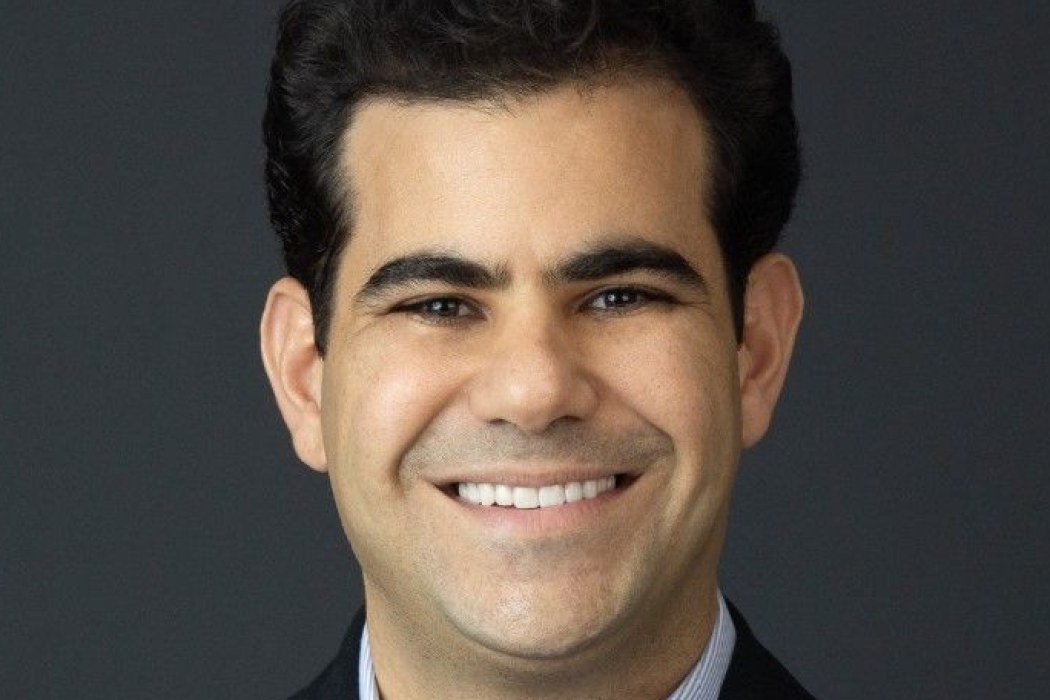
Faris Ghawi
Faris Ghawi is the co-founder and CEO of Vytalize Health, a Hoboken-based value-based care company that partners with primary care physicians to manage Medicare patients through data, analytics, and financial incentives. A Lehigh-trained civil engineer who moved into healthcare consulting at EY and then earned an MBA at Columbia, Ghawi launched Vytalize in 2014 with college friends. Under his leadership the company grew to serve hundreds of thousands of Medicare beneficiaries across dozens of states, raised a $100M Series C in 2023, and topped Inc. Magazine's 2024 list as America's fastest-growing private company.
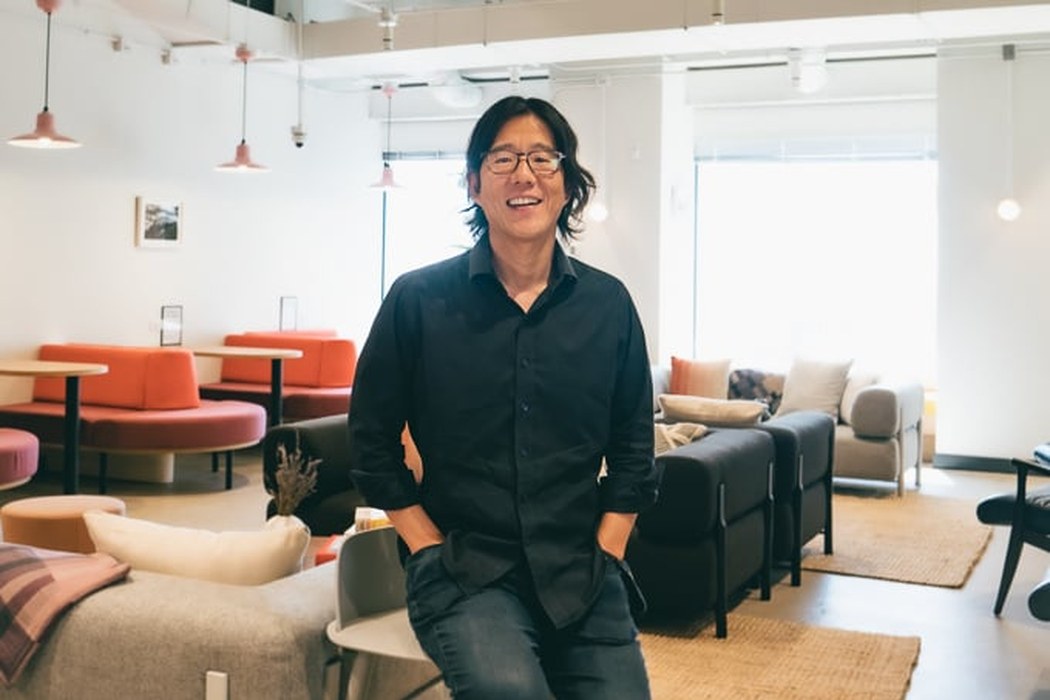
James K. Min
James K. Min is the founder and CEO of Cleerly, a Denver-based digital health company using AI to analyze coronary CT scans and detect atherosclerosis long before a heart attack strikes. A board-certified cardiologist who spent two decades in academic medicine, Min left a professorship at Weill Cornell and the directorship of the Dalio Institute of Cardiovascular Imaging to build a company that could deliver personalized, plaque-based heart evaluation at scale. He has authored more than 500 peer-reviewed papers, led landmark cardiac imaging trials, and raised hundreds of millions to push a shift from population-based cardiology toward individualized care.
Jeffrey Morelli
Jeffrey Morelli is the co-founder and CEO of Silna Health, a New York company building an AI-powered Care Readiness Platform that automates prior authorizations, benefit checks, eligibility verification, and insurance monitoring for specialty healthcare providers. The son of a career nurse, he was the first sales hire at income-verification startup Truework and earlier worked at autism-care company Nightingale before starting Silna in August 2023 with Pavel Asparouhov and Sagar Jajoo. Silna has raised $27 million from Accel and Bain Capital Ventures and has helped more than 50,000 patients get cleared for care. In 2025 Morelli was named among the Healthcare Technology Report's Top Healthcare Technology CEOs.
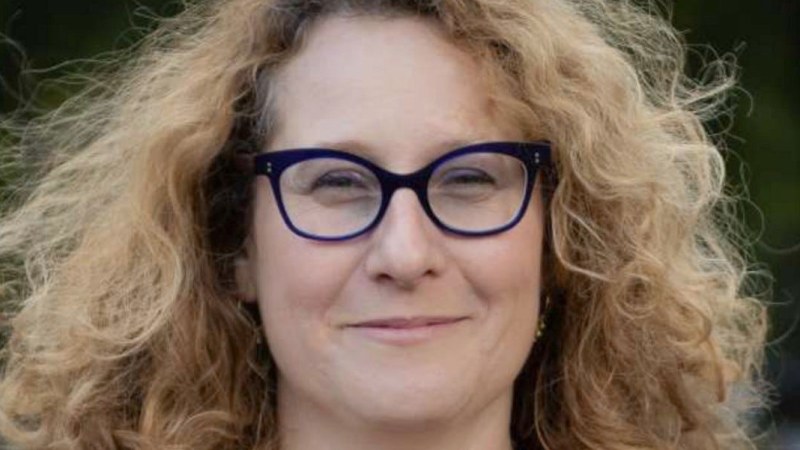
Tzvia Bader
Tzvia Bader is the CEO and co-founder of Leal Health (formerly TrialJectory), a New York-based, AI-powered decision support platform that matches cancer patients with FDA-approved treatments and clinical trials. A serial entrepreneur with roughly two decades in tech, she previously led a global business unit at Amdocs and founded startups Vocativ and KIDDOapp before turning to oncology after losing her mother to lymphoma and later facing her own melanoma diagnosis. She built Leal around a simple, insistent idea: patients, not geography or insurance, should decide which treatments they can reach.
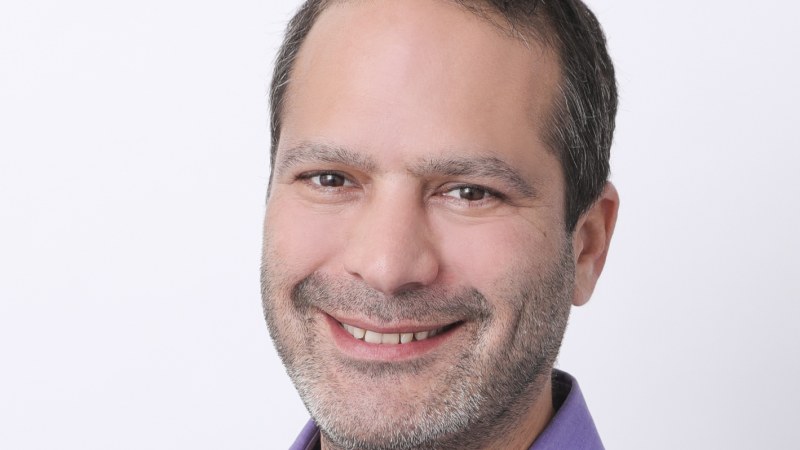
Uri Bettesh
Uri Bettesh is the founder and CEO of Datos Health, a remote care automation company he started in 2015 after a career in retail enterprise software. He spent almost two decades building point-of-sale and merchandising systems at Retalix and NCR before turning to healthcare, inspired by his father-in-law's sudden open-heart surgery. Datos builds a no-code platform that lets hospitals design and automate their own remote care programs across conditions like cardiac care, oncology and chronic disease, and it raised a $7M Series A in 2020 bringing total funding to $9.2M. Bettesh frames the work as building the foundation for the 'bedless hospital' - moving care out of the ward and into the home.
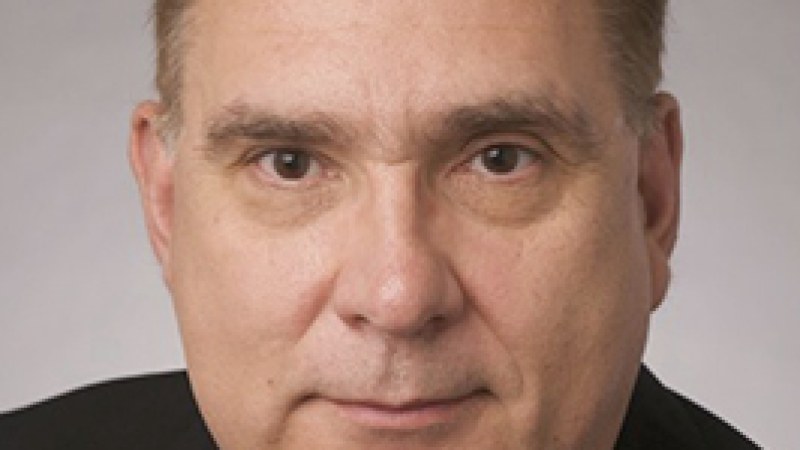
John Serri
John A. Serri is a physicist-turned-entrepreneur and the co-founder, Chairman and CEO of EyeQue Corporation, a Newark, California company that turns an ordinary smartphone into a clinically registered eye-refraction device. With a PhD in Physics from MIT and 35 years spent building secure government networks and one of the world's largest satellite phone systems (Globalstar), Serri launched EyeQue in his 60s to make affordable vision testing available to anyone with a phone. Under his leadership EyeQue built its at-home Personal Vision Tracker on technology licensed from MIT, won CES 2017 Best of Innovation, amassed roughly 25 patents, and reached users in more than 150 countries.
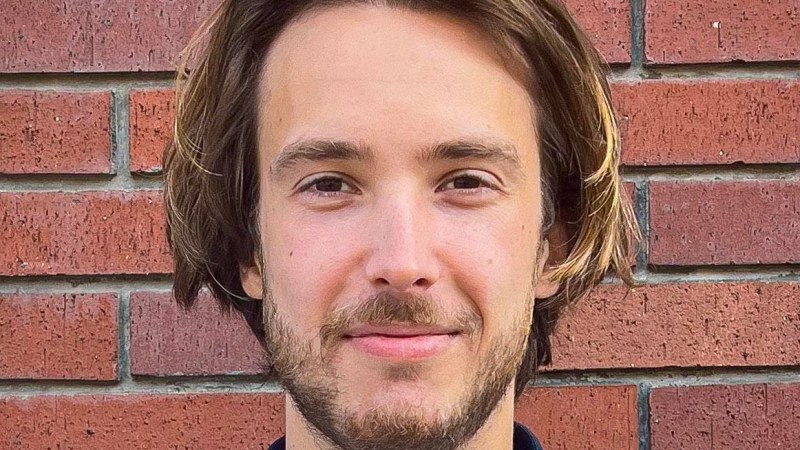
Konrad Morzkowski
Konrad Morzkowski is the Swedish-born co-founder and CEO of WearLinq, a San Francisco medtech company commercializing eWave, an FDA-cleared 6-lead wireless ECG monitor that ships heart data from a patch on the chest to a smartphone in your pocket. A Chalmers and Stanford engineer named to Forbes' 30 Under 30 in Healthcare (2024), he traded a plan to build AI for healthcare for the harder problem of getting clinical-grade cardiology out of the hospital and onto the patient.
Luis Voloch
Luis Voloch is the co-founder and CEO of Jimini Health, a New York mental health startup that pairs licensed therapists with a clinically supervised AI assistant called Sage. An MIT-trained mathematician and computer scientist who won the school's best-thesis prize, he previously co-founded and served as CTO of Immunai, the AI cancer-immunotherapy company that grew into a billion-dollar unicorn. He has taught entrepreneurship at the Stanford Graduate School of Business and is building toward what he calls a 'Genentech-like company in mental health, powered by AI.'
Diego Saavedra-Kloss
Diego Saavedra-Kloss is the founder and CEO of Sandy Health, a San Francisco startup building a financial intelligence platform for healthcare providers. An MIT-trained aerospace engineer who spent years building infrastructure at LeapYear Technologies and Rad AI, Diego now points AI at the least glamorous problem in medicine: the paperwork that decides whether a clinic gets paid. Sandy Health calculates expected reimbursement before a visit, tracks the actual payment after, and shrinks the gap in between. The company raised a $1.5M pre-seed round in November 2025.