graphic-design
(226)
the Loft makes the next step obvious
A baklava guide. A better product picture. A shorter route to checkout. The Missouri creative agency turns the small details of buying into the substance of a brand.
Eezy made free a business.
A designer put free graphics in one place. Eezy grew by making them easier to find, easier to use, and worth paying for.
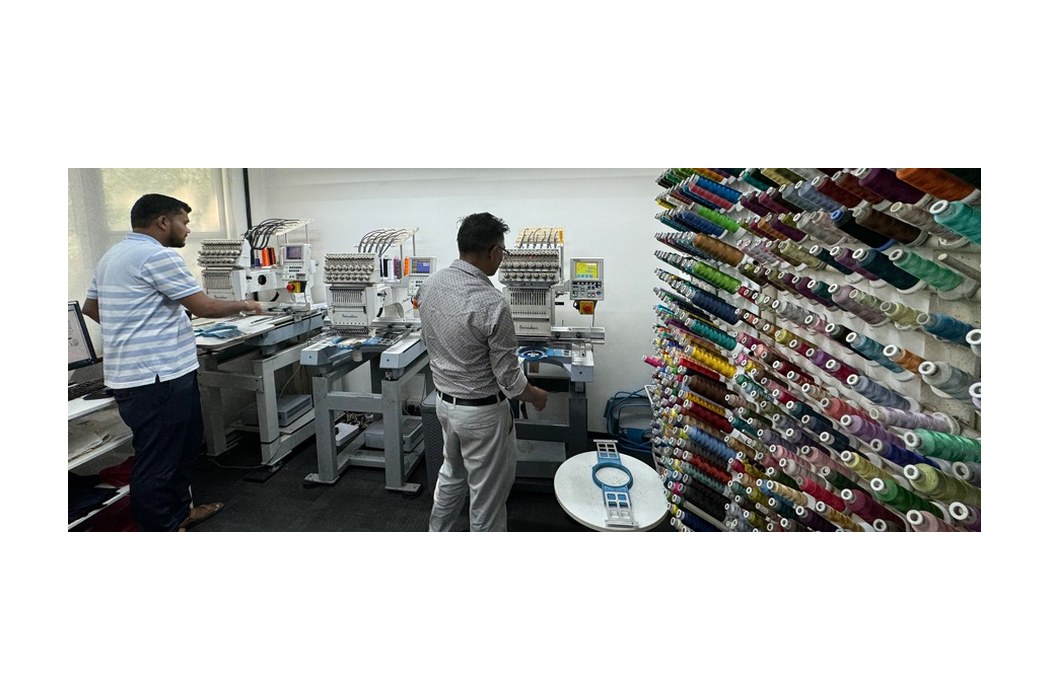
Doodle Designs makes the logo work
A logo can look perfect on a screen and still be wrong for a shirt. Doodle Designs built a business in the space between the picture and the finished product.
VistaPrint made small orders a big business
A business card looks simple. Making a few hundred affordable took a different kind of factory - and a company willing to rewrite its own instructions.

Graphic Designer: A logo is only the beginning
Logos, flyers, business cards and explainer videos are the starting point. Graphic Designer’s link to RankBrew puts those everyday creative jobs beside a much bigger question: what happens after somebody notices you?

The Hundred No’s That Built a Presentation Factory
Rick Enrico’s software pitch collected roughly 100 rejections. The compliment hidden inside those no’s became SlideGenius - a global agency built for the moment when the meeting matters more than the slides suggest.

The Print Shop Where the Homework Has a Customer
At Cal Poly, ten students do not merely study printing. They quote the job, run the machine, answer the customer and live with the result.
The Sign Shop That Learned to Tell a Whole Valley's Story
David Boring turned a joke about his surname into a homegrown agency that sold everything from signs to strategy. Its most revealing campaign may have been the way it closed.
The Print Factory Bet That One Vendor Could Print the Whole Brand
A business card, a tent and an embroidered polo look like separate errands. This Ontario print shop built its proposition on making them one conversation.

The Agency That Learned to Sell the Poster Without Selling Out the Protest
Studio Number One turned Shepard Fairey’s inside-outside strategy into an agency: take the reach of commerce, add the urgency of a street poster, and make every surface carry the same idea.
The Design Firm That Kept Changing the Canvas
Visible Design spent three decades doing something unfashionably useful: following a company’s message wherever it needed to go - from a logo to a trade-show wall to a technical diagram.

The Logo Is Only the First One Percent
Grafik Design Co makes identities for the moment after the reveal - when a logo meets a deadline, a sprawling team, and the thousandth asset nobody planned for.
The $1,000 Bet That Taught a Small Agency How to Stay Small
Kate Austin began with seven clients, an old laptop and $1,000 she could afford to lose. Fifteen years later, the lesson was not how to become a giant agency - it was how to make useful marketing fit the people usually priced out of it.

The Company That Rehearses the Bad Day
From a Bristol newsroom sensibility came an agency built for the moment a routine message becomes the only message that matters. Corporate Image sells preparation - then keeps the writers, designers and digital operators close enough to act on it.

Stewart Communications Found the Number That Made a Small Town Look Again
A Franklin agency replaced a 12-year-old tourism site, won a public contract on the leanest proposal, and learned the awkward virtue of correcting a very exciting number.

The Conference Was Supposed to Hold 4,000 People. Then the Room Disappeared.
Leonard Resource Group built a business around the details most people notice only when they fail. Its best case study began when a public-health conference lost its venue and gained an even larger audience.
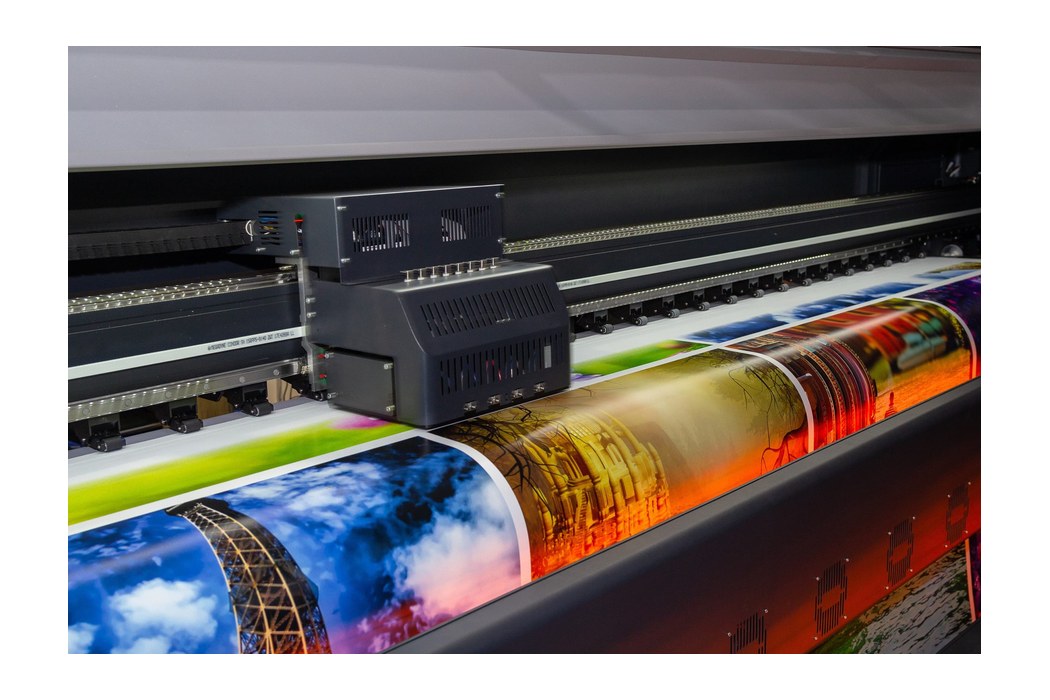
The Print Shop That Cost $3,500 to Get Back
Pete Petroff sold his Alabama print shop when illness demanded his attention. Two years later, he bought the diminished business back for $3,500 - and discovered what, exactly, the founder had been doing all along.

Breck Inc. Built a Business in the Bureaucracy's Blind Spot
The Arlington firm found an unglamorous, consequential niche: making government information clear, useful, and accessible before the deadline becomes a crisis.
The Agency That Put Place Before Promotion
Cedar Group grew by treating local knowledge as operating infrastructure, not decorative copy. The result is an Alaska Native-owned agency that can move from stakeholder interviews to strategy, film, design and code without losing the place that made the story matter.
The Report Is 100 Pages. The Deadline Is Now.
From a Missouri office, Jennifer Orford built a distributed communications crew for the work that arrives dense, multilingual and late. Its best product may be less a campaign than the calm transfer of complexity.
Barefoot PR Built a Million-Dollar Business on Four Bullet Points
The Denver firm began with a tiny business plan and a serious partnership charter. Fifteen years later, its clearest product may be the discipline to turn good intentions into work people can actually use.

Tandem Has Spent 29 Years Making the Brand and the Business Agree
The Calgary agency does not stop at the logo. It follows an idea into websites, sales decks, packaging, ads and physical space - a stubbornly integrated model in a business that loves handoffs.
Diamond Records Is a Company Profile With a Skip in It
One LinkedIn page, two followers, 29 attached profiles, and a business category that changes depending on where you look. The useful story of this Menifee company is the gap between a listing and proof.

May Made It Look Simple. The Work Was Anything But.
A small Southern California studio sold an unusually large promise: become the creative department its clients did not have. The evidence is in the work - from a cloud startup's first logo to the screen where its customers clicked.
The 14-Person Agency Behind a Nationwide Shelf
From a Southern California office, The Creative Bar turns strategy into websites, shelf displays, films and live experiences. Its advantage is not mysterious: a small team keeps the idea and the execution in the same room.
The Hollywood Workhorse Behind the Poster
Bravo Design built a durable business in the unglamorous space between one approved idea and the hundred finished pieces a campaign suddenly needs. Its advantage is not mystery. It is memory, speed and an unusual appetite for the last mile.
Boone Graphics Does Its Best Work Where a Printing Error Becomes Someone Else’s Emergency
The Goleta company still puts ink on paper. Its sharper business is removing the dangerous handoffs between a customer’s database and a stranger’s mailbox.
The Stone Group Sells the Feeling Before the Floor Plan
For more than three decades, this Pleasanton agency has worked a stubborn idea: buyers remember a life they can picture more readily than a list of features. Its homebuilding campaigns show what full-service really looks like - from naming and identity to the eblast that creates urgency.

DBH’s $3,000 lesson in the real world
At San Jose State, Dwight Bentel & Hall Communications puts students in charge of real client campaigns. A Chevrolet brief, a theatre production and a campus sustainability program reveal what that education looks like when it leaves the classroom.
Alternative Strategies knows what a salad can do
A San Diego agency turns restaurant relationships into publicity, coordinated campaigns, and checks for good causes. Its most useful trick is getting everyone to work from the same menu.