The expensive part of a free graphic can be finding it. Shawn Rubel knew the routine: a design job, a small budget, and useful resources scattered across the internet. Before he built a marketplace, he collected the things a working designer needed. Photoshop brushes came first. Vector illustrations followed. The useful invention was a place to look.
- Eezy owns Vecteezy, a marketplace for vectors, photos, footage, and editorial images.
- Free brings people in. Subscriptions, credits, advertising, and partnerships bring in revenue.
- The hard part is trust: useful search, dependable technology, and licenses that fit the job.
A better place to look
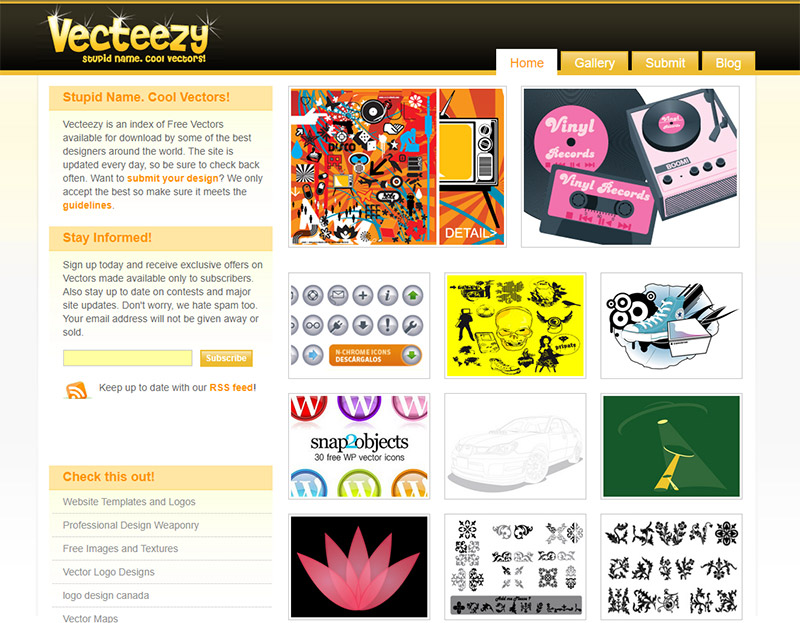
Eezy’s official history begins in 2007. Rubel was working in internet marketing and building the business alongside his job. Brusheezy gathered Photoshop resources; Vecteezy applied the idea to vector graphics. Think illustrations that can grow from a business card to a billboard without turning into a mosaic of pixels.
The early appeal was practical. A designer could spend less time hunting and more time designing. Contributors gained another place for their work to be discovered. In February 2009, Rubel left his full-time job. The side project had earned more of his attention than the evenings could provide.

Free gets a second shelf
Rubel told Founder Reports that getting the site running cost a few hundred dollars. Advertising and affiliate income supported its beginnings. That is a modest opening bill, rather than a measure of everything the company would eventually spend. The model depended on attracting people who had a reason to return.
In August 2010, an announcement introduced Eezy Premium. The founder was careful to preserve the free offering. Paid resources would sit alongside it. This matters: someone could discover the service while solving a small problem, then pay when the selection or convenience justified an upgrade.
An explanation of the model, not a measured conversion funnel.
Today, Vecteezy sells subscriptions and download credits. Its public checkout displayed €13.99 monthly, or €107.88 billed annually, during this review; currency and offers vary by location. Pro adds paid content, an ad-free experience, and downloads without attribution. Individual plans cover one user. Teams need the appropriate plan.
The part that could not be outsourced
Demand was only one problem. In a later interview, Rubel recalled a hacked site that redirected visitors elsewhere and a freelance developer who disappeared when help was needed. Technical responsibility had become fragmented. Customers could want the product while the machinery underneath it remained unreliable.
Eezy’s account dates CTO Adam Gamble’s arrival to 2014. Rubel credits dedicated technical leadership with rebuilding the foundation. The lesson travels well beyond stock photography: someone must own the system customers depend on. Buying a piece of code does not automatically buy the ability to maintain it.
“I wanted to solve two problems”
Shawn Rubel, on access for designers and opportunity for contributors
Three doors through the blank canvas
Eezy’s 2022 brand announcement organized its offer around three approaches. Download an asset from the marketplace. Customize a design in the browser-based editor. Or commission custom work through the studio. These serve different levels of time, confidence, and willingness to do the work yourself.
The editor offers starting points for presentations, invoices, business cards, and social posts. A useful constraint hides on its template page: users are asked to open it on a device wider than 1024 pixels. A phone-only workflow is a poor fit for that tool today.
Freelancers, marketers, agencies, and publishers are natural customers. Vecteezy occupies the affordable, high-volume end of stock media, alongside alternatives such as Freepik, Adobe Stock, and Shutterstock. Competition can also become distribution: a 2023 Shutterstock agreement put sponsored content into relevant Vecteezy results.
The download comes with conditions
“Free” describes a price. It does not describe every permission. Vecteezy’s Free License requires attribution and limits certain uses. Pro licenses expand rights, with different provisions for individuals and organizations. Editorial-only content cannot simply be dropped into advertising because somebody paid for the download.
That distinction is part of the product. A useful library helps people find an image and understand whether it belongs in their project. Contributors have an economic reason to participate, too: the Free program pays $5 per thousand vector or photo downloads and $10 per thousand video downloads. Small payments require volume.
A photograph still has to happen
The catalog expanded into photos and footage during 2020. In September 2025, Vecteezy added Editorial Images, including sports, entertainment, and news, with Imagn among its providers. Editorial purchases are separate from ordinary Pro access. The launch reported more than 60 million assets across the platform.
AI now sits beside that library. Rubel’s August 2026 interview described Reimagine, an AI photo editor released earlier that year. Search filters let customers choose AI or non-AI content. Event photography supplies a useful counterweight: an invented celebration cannot document the game that actually happened.
Even a remote company needs a room
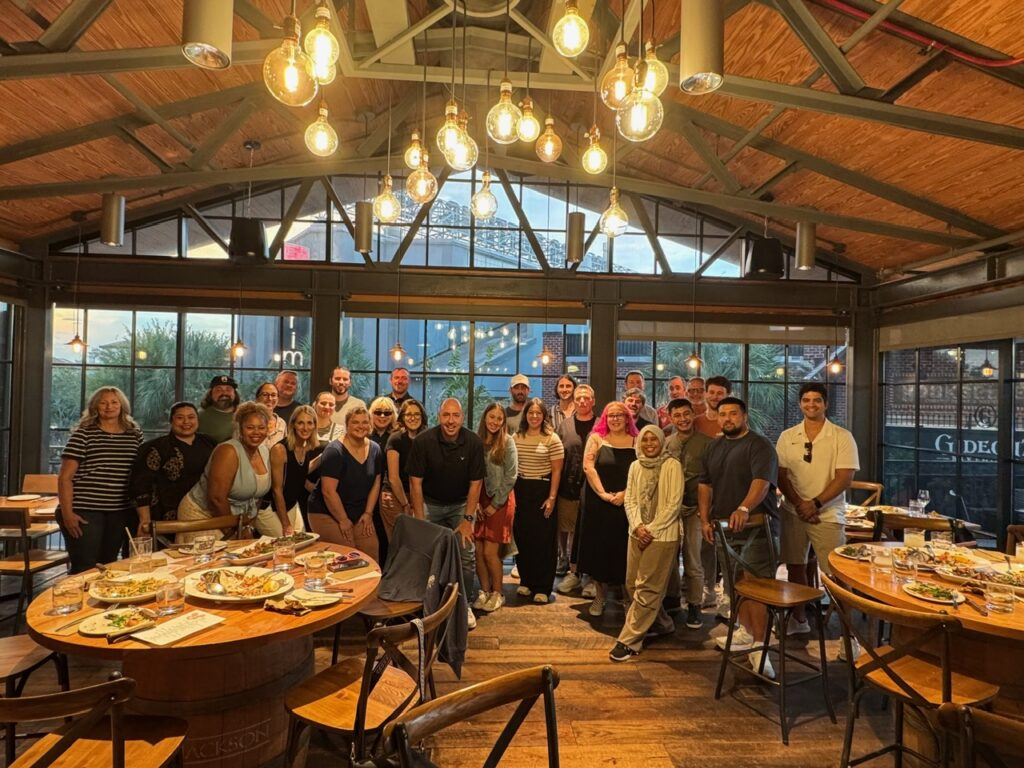
The same concern with friction reaches inside the company. Eezy’s Vecteezy team works remotely. For its September 2025 Orlando gathering, 31 of 56 team members attended in person. Rubel later published the bill: $125,293.
The feedback asked for more informal conversation and more time in small teams. Some slides were hard to read on an undersized screen. Rubel reported smoother communication afterward, although that is an observation rather than a measured financial return. The next version needed more breathing room.
There is something usefully consistent here. Eezy began by removing the hunt between a designer and a usable graphic. Its later problems involved other gaps: between code and ownership, downloads and permission, coworkers and understanding. The copyable habit is to notice where people keep getting stuck, then make that particular passage easier.