creative-tools
(24)
Cosmos wants you to save first. Make sense of it later.
The visual discovery company is betting that taste grows through collecting, searching, and following curious people. Its most revealing product decision was to stop asking users to organize every spark before they could keep it.
Cameron Adams and the Beautiful Usefulness of Being Wrong
Before Canva reached hundreds of millions of people, Cameron Adams built beautiful things that failed. Those failures taught him the useful difference between making a product impressive and making it belong to everyone.
GIMP costs nothing. Keeping it free takes work.
The image editor born at Berkeley still lets anyone retouch, paint and build without a subscription. Behind the free download is a very human operation: volunteer developers, artist patrons and decades of unfinished business.
Leonardo AI Put the Whole Model Aisle in One Cart
The Sydney-born creative suite lets you shop Lucid, GPT Image, Nano Banana, FLUX, Kling, Veo and more without rebuilding your workflow. The catch is learning which model deserves your tokens.
The Image Machine That Learned to Spell
Most image generators can paint a dream and still misspell the shop sign. Ideogram built its business around that stubborn last mile - then opened the weights and handed designers a ruler.

Krea Is the Art Department With 64 Brains
The AI model carousel never stops spinning. Krea turns it into one roomy studio where designers can sketch, generate, edit, upscale and animate without collecting another dozen tabs.
Topaz Labs Makes Bad Pixels Confess
The photo was soft. The tape was ancient. The client still wants 4K. Topaz Labs has built a strangely specific rescue kit for exactly this sort of trouble - and it is powerful enough to deserve both your attention and your supervision.

Midjourney Still Has Better Taste Than You
V8.2 turns four seconds and a sentence into a wall of beautiful maybes. The trick is knowing when to trust its taste - and when to take the wheel.
LTX Studio Turns the Rough Cut Into the Main Event
For filmmakers, marketers and small creative teams, LTX Studio compresses the awkward trip from idea to storyboard to moving image. The catch is simple: every experiment spends credits, and good direction still matters.
Jessica Ko Is Making the Folder Give Up Its Secrets
The former Google and Opendoor designer built Playbook around a stubborn idea: creative people should spend less time excavating folders and more time making the work that belongs inside them.

Harry Zheng Is Building the Box Office After the Box Office
The former Google and TikTok engineer began with a better creative workflow. He ended up challenging the economics of who gets to make a film, who pays for it, and who owns the audience.

Derek Feehrer Is Building the Camera Crew Inside Your Screen Recorder
He left HubSpot with one paying side project and a stubborn appetite for making software demos less tedious. MockRocket proved the craft; a surprise YC interview, a frantic text to Todd Ashley, and years of iteration turned it into Kite.
Luis Roig Built the Quiet Internet That Illustrators Actually Needed
A telecom engineer who cheerfully admits he cannot draw built Drawfolio for people who can. Luis Roig's long experiment in patient, artist-first software is also a lesson in choosing a specific problem and staying with it.

Tekin Tatar Built a Photo Editor for People Who Had Better Things to Do
From a cartoonizer built in Istanbul to a creative suite used around the world, Tatar’s long game has been remarkably consistent: remove the intimidating bits and let ordinary people make something good.
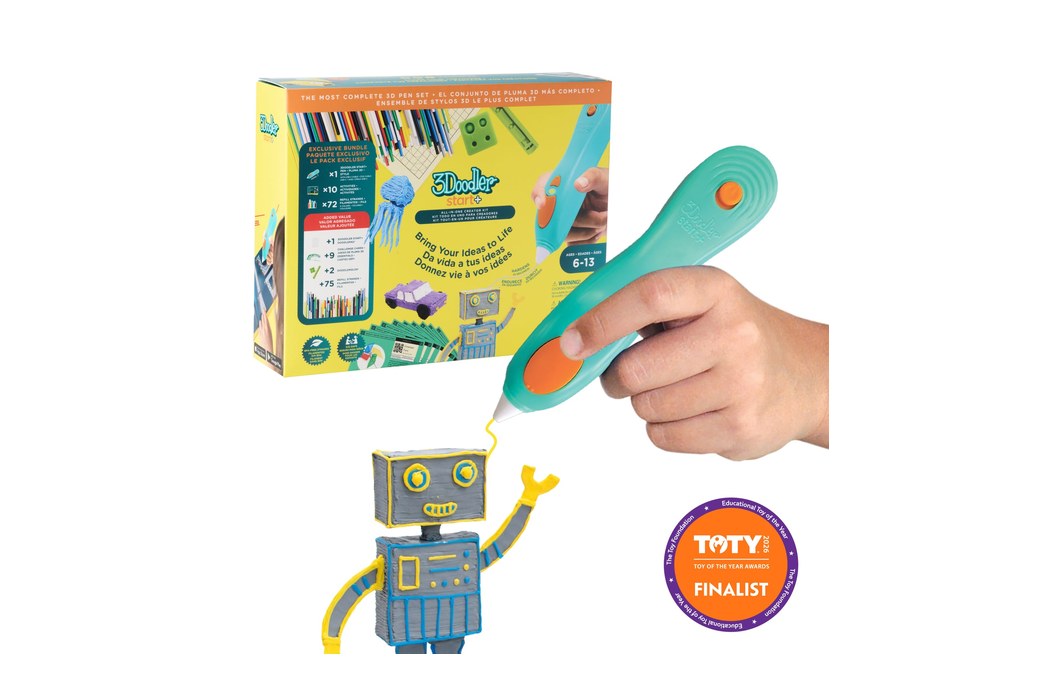
The Printer Jammed. So They Ripped Off the Nozzle and Started a Company.
A jammed 3D printer, a $30,000 Kickstarter ask, and $2.3 million later - how three toymakers turned a mistake into the pen that draws in mid-air.
The Photo Editor That Refused to Chase Photoshop - and Outlasted Almost Everyone
Two founders bootstrapped a photo editor for 16 months on family money, turned down the growth-at-all-costs playbook, and built a quietly profitable creative tool used by tens of millions - one Cartoonizer click at a time.
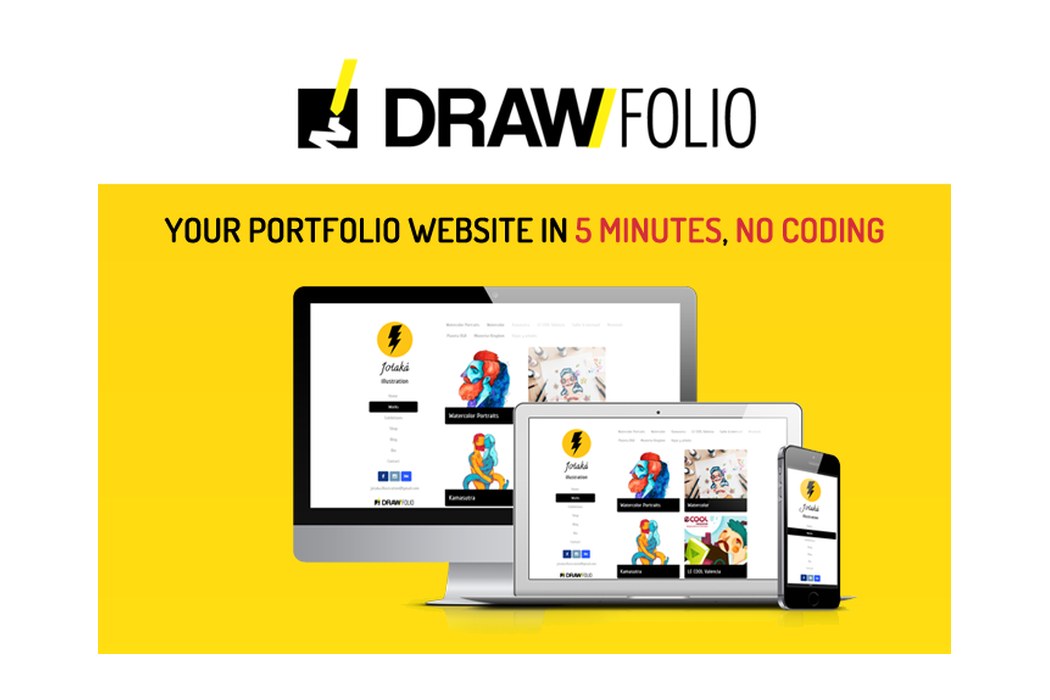
The €54 Portfolio Builder That Refused to Get Big
Drawfolio has spent more than a decade selling illustrators a website they can build in five minutes and then forget about. No venture capital, no coding, no growth theater - just a small Valencia team and one very specific customer.
The Company That Owns the Pen
Wacom's battery-free pen quietly became the default input device for professional digital art - and the invisible layer inside other companies' screens. Here is how a Japanese firm turned one idea about a stylus into a category it still dominates.
Craze
Craze is a Y Combinator (S22) company that reinvented itself into an AI video maker at craze.ai - a tool that plans, edits and turns creative direction into finished videos. Founded in 2022 by Kabir Nagral and Deepit Patil, Craze began as an HR, payroll and compliance platform for Indian founders before shutting that product down in 2025 and rebuilding around AI, first as a general 'do things with AI' agent layer and now as a creative video studio.

Topview AI
Topview AI is a Singapore-based generative AI company that turns product links, images, and text into short-form marketing videos. Its AI Video Agent uses digital-human avatars, voice cloning, and automated editing so ecommerce brands, agencies, and creators can produce UGC-style ads and product videos without cameras, actors, or editors. Founded in 2022 by Jensen Wu and Albert Chen, Topview closed a $14M Series A led by Kamet Capital and, by early 2026, reported more than 5 million users generating over 500,000 videos a day.
Vizcom
Vizcom is a San Francisco AI design platform that turns rough sketches into full-fidelity, photorealistic renders in seconds. Founded in 2021 by former Honda and NVIDIA designer Jordan Taylor and CTO Kaelan Richards, it is built for industrial, automotive, footwear and consumer-product designers who want to move from idea to visualization without leaving one tool. The company preserves original line work, proportions and intent while layering on materials, lighting and depth - positioning itself as the 'Figma for the physical world.' Backed by $52M in venture funding and used by more than 700,000 designers and 150+ companies including Ford, New Balance, Dell and Estee Lauder.
Matthew Smith
Matthew Smith is VP of Creative Cloud Strategy & Growth at Adobe, where he leads strategy, design, and emerging products across Adobe Stock, Behance, Adobe Podcast, and AI/ML content initiatives. A product leader and founder, he previously served as SVP of Product at Vimeo and co-founded Workframe, a commercial real estate workflow platform acquired by Newmark in 2019. Based in New York, Smith sits at the intersection of creativity, technology, and the creator economy.

Coco Mao
Coco Mao is the CEO and co-founder of OpenArt AI, the creative platform that grew from a viral Hacker News post about AI image prompts to $70M+ ARR with just 20 people. A Carnegie Mellon computer scientist who spent seven years at Google building search products and the Tangi short-form video app, she left in 2022 to co-found OpenArt with CTO John Qiao. Under her leadership, OpenArt scaled 7x in 2025, reached 8 million monthly active users, raised a $30M Series A from Canaan Partners, and launched One-Click Story — a feature that lets anyone turn a single sentence into a complete video with persistent characters.

Krea
Krea is a San Francisco-based generative-AI creative suite that lets designers, artists and brands generate, enhance and remix images, video and 3D in real time. Founded in 2022 by Victor Perez and Diego Rodriguez, the company unifies leading AI models behind a single, designer-friendly interface and reached a $500M valuation in 2025.