creative-tools
(8)
Cameron Adams and the Beautiful Usefulness of Being Wrong
Before Canva reached hundreds of millions of people, Cameron Adams built beautiful things that failed. Those failures taught him the useful difference between making a product impressive and making it belong to everyone.
Jessica Ko Is Making the Folder Give Up Its Secrets
The former Google and Opendoor designer built Playbook around a stubborn idea: creative people should spend less time excavating folders and more time making the work that belongs inside them.
Harry Zheng Is Building the Box Office After the Box Office
The former Google and TikTok engineer began with a better creative workflow. He ended up challenging the economics of who gets to make a film, who pays for it, and who owns the audience.

Derek Feehrer Is Building the Camera Crew Inside Your Screen Recorder
He left HubSpot with one paying side project and a stubborn appetite for making software demos less tedious. MockRocket proved the craft; a surprise YC interview, a frantic text to Todd Ashley, and years of iteration turned it into Kite.
Luis Roig Built the Quiet Internet That Illustrators Actually Needed
A telecom engineer who cheerfully admits he cannot draw built Drawfolio for people who can. Luis Roig's long experiment in patient, artist-first software is also a lesson in choosing a specific problem and staying with it.

Tekin Tatar Built a Photo Editor for People Who Had Better Things to Do
From a cartoonizer built in Istanbul to a creative suite used around the world, Tatar’s long game has been remarkably consistent: remove the intimidating bits and let ordinary people make something good.
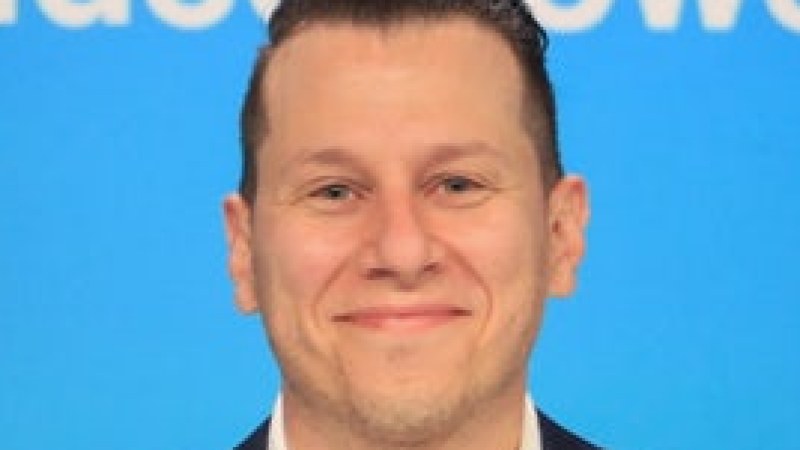
Matthew Smith
Matthew Smith is VP of Creative Cloud Strategy & Growth at Adobe, where he leads strategy, design, and emerging products across Adobe Stock, Behance, Adobe Podcast, and AI/ML content initiatives. A product leader and founder, he previously served as SVP of Product at Vimeo and co-founded Workframe, a commercial real estate workflow platform acquired by Newmark in 2019. Based in New York, Smith sits at the intersection of creativity, technology, and the creator economy.
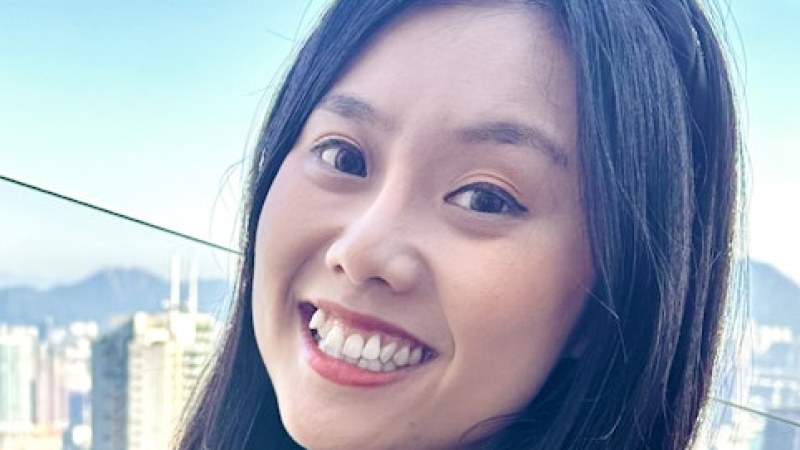
Coco Mao
Coco Mao is the CEO and co-founder of OpenArt AI, the creative platform that grew from a viral Hacker News post about AI image prompts to $70M+ ARR with just 20 people. A Carnegie Mellon computer scientist who spent seven years at Google building search products and the Tangi short-form video app, she left in 2022 to co-found OpenArt with CTO John Qiao. Under her leadership, OpenArt scaled 7x in 2025, reached 8 million monthly active users, raised a $30M Series A from Canaan Partners, and launched One-Click Story — a feature that lets anyone turn a single sentence into a complete video with persistent characters.