The first business plan for Barefoot PR had four bullet points. Not four sections. Not a four-year model populated with heroic assumptions about market share. Four bullets. Cori Streetman and Sarah Hogan knew public relations and design; they did not pretend to know every corner of accounting, employment law or finance. Consulting required little capital to begin, so they began. When they hit the edges of their expertise, they asked an HR adviser, a lawyer, a fractional CFO and an informal cabinet of friends.
The document they treated seriously was different. It was a partnership charter, a supplement to the legal agreement that covered work styles, conflict, shared values and life outside work. The conventional plan described what the firm might do. The charter described how two people would behave when the neat plan met an untidy Tuesday.
“You don’t have to do it alone.”Cori Streetman and Sarah Hogan, reflecting on 15 years in business
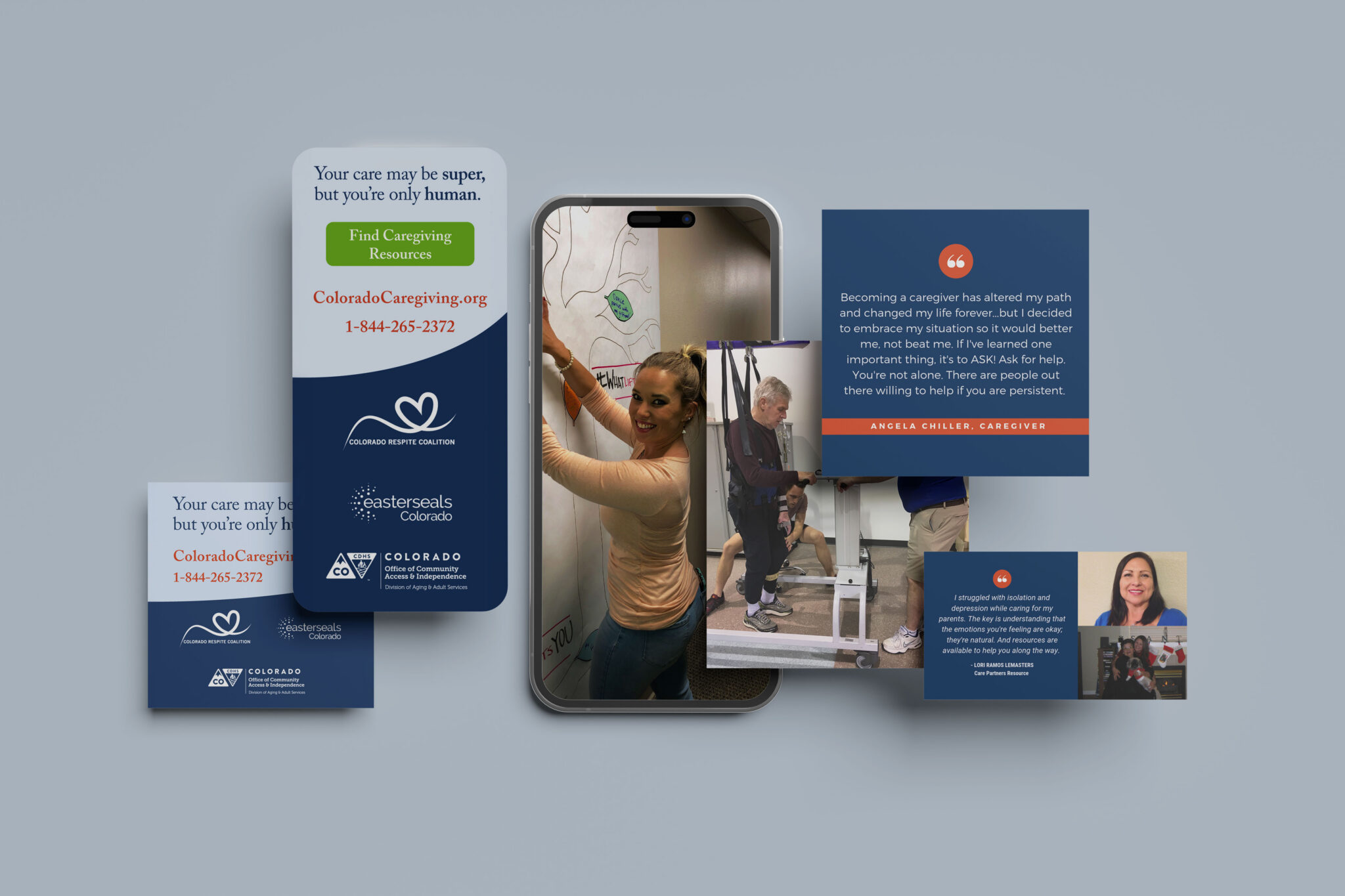
That distinction helps explain the Denver company Barefoot became. Founded in 2010, it now sells public relations, communications strategy, research-based messaging, content, brand design, accessible websites and video. Its clients are nonprofits, foundations, government agencies and companies with a community-impact brief. The roster includes Goodwill of Colorado, Boulder County, Denver Public Schools Foundation, Gates Family Foundation, Easterseals and Maiker Housing Partners. By late 2025, the founders described it as a multi-million-dollar business with 17 full-time professionals.
The product before the product
Agencies usually introduce themselves with a menu. Barefoot has a long one: media relations, multicultural communications, fundraising content, brand identity, event communications, media buying, board matchmaking. But a list of outputs obscures the thing connecting them. Barefoot starts by asking who needs to hear something, what outcome matters and what action should follow. Then it listens.
This is a small but useful reversal. Many organizations arrive asking for a website or press coverage because those are visible things. The harder problem is often that staff, funders and residents describe the same program in three incompatible ways. A prettier vessel cannot rescue a cloudy proposition. Barefoot’s method puts findings before formats.
Customers can buy that method as a defined project or as a retainer. A project fits a brand, message platform, campaign or website with an end date. A retainer fits reputation, where consistency beats a dramatic launch. The monthly fee is tied to intended outcomes, and PR, design and strategy staff are assembled around the work. It is a legible model: buy the sprint when the object is clear; buy continuity when the relationship is the object.
The audit that changed the column
A case for this approach sits inside an unglamorous assignment. Delta Dental of Colorado sponsored a corporate-social-responsibility hub in the Denver Business Journal. By its second year, a static collection of content needed reconsidering. Barefoot did not solve that by demanding more content. It began with the prior year’s results.
The audit changed the model. The hub became a weekly column. Six themes rotated across four formats - profiles, Q&As, best-practice features and leadership pieces. An editorial calendar distributed subjects across the grid. The team interviewed business and civic leaders, worked four to six weeks ahead and left room for both the sponsor and featured company to review every piece. This was production as choreography.
More than 45 companies appeared. The program logged over 7,500 page views. The useful lesson is not “publish weekly.” Weekly publication without a theme system, approval buffer or reason to exist is merely a recurring emergency. The copyable part is the machinery: inspect yesterday’s performance, constrain the topic set, vary the form and create enough lead time for accuracy.
Purpose, with a receipt
Purpose is the exhausted word in this story. Every agency can print it beside a tasteful photograph. Barefoot makes the claim more inspectable. Since 2010, it says it has donated more than $125,000 to over 100 nonprofits and supplied thousands of hours of discounted or free work. Employees receive unlimited time off for volunteering and board service. The company organizes nonprofit tours, volunteer days and charitable gifts selected by staff.
Its pro bono program is particularly concrete. Nonprofits apply for scoped work rather than an atmospheric promise of support. In 2026, Barefoot offered up to three projects valued at roughly $5,000 apiece. Options ranged from media training and a pitch bank to a brand audit, Canva templates, multicultural messaging and a fundraising toolkit. Applicants had to be a 501(c)(3) in good standing or have a fiscal sponsor, fit a defined schedule and request one of the offered scopes. Generosity had guardrails. That is why it could be delivered.
This same preference for usable rules emerged after something failed inside the company. Barefoot once let employees choose when to work from home, provided they told a manager. The policy sounded trusting. It produced uncertainty: people spent time guessing what was acceptable. The founders replaced the open-ended arrangement with specific parameters. Collaboration and focused work improved. Their change of mind was not a retreat from trust. It was an admission that discretion without shared expectations can feel like a test.
A method, not magic
Barefoot fits between a specialized PR shop and a small integrated agency. Compared with an in-house communications hire, it offers a bench spanning research, writing, media, design and web. Compared with a broad commercial agency, it brings unusually deep nonprofit and civic context. That makes it useful when community voices, funder expectations, public accountability and accessibility must coexist in one brief.
The method has conditions. Listening only helps if leadership is prepared to change the message after hearing an inconvenient answer. Retainers pay off when a client can sustain access, approvals and measurement over time. A weekly content engine needs subject-matter experts who will take the interview and reviewers who will meet the deadline. Small organizations seeking a single viral moment, or leaders who have already chosen the answer, will not get much leverage from a research-first process.
For everyone else, the most transferable Barefoot habit is almost comically plain: decide what the work must do before deciding what it should look like. Audit the channels. Stop feeding the ones that do not connect. Write the operating agreement while everyone still likes one another. Put boundaries around generosity. Work ahead.
Four bullet points were enough to start because the founders did not confuse a plan with preparedness. The preparedness was in the charter, the advisers, the listening and the willingness to replace a fuzzy policy with a clear one. Barefoot PR sells communications, but its more interesting craft is reducing the distance between a benevolent intention and a repeatable action. In public relations, as in partnerships, that distance is where most trouble lives.