genomics
(63)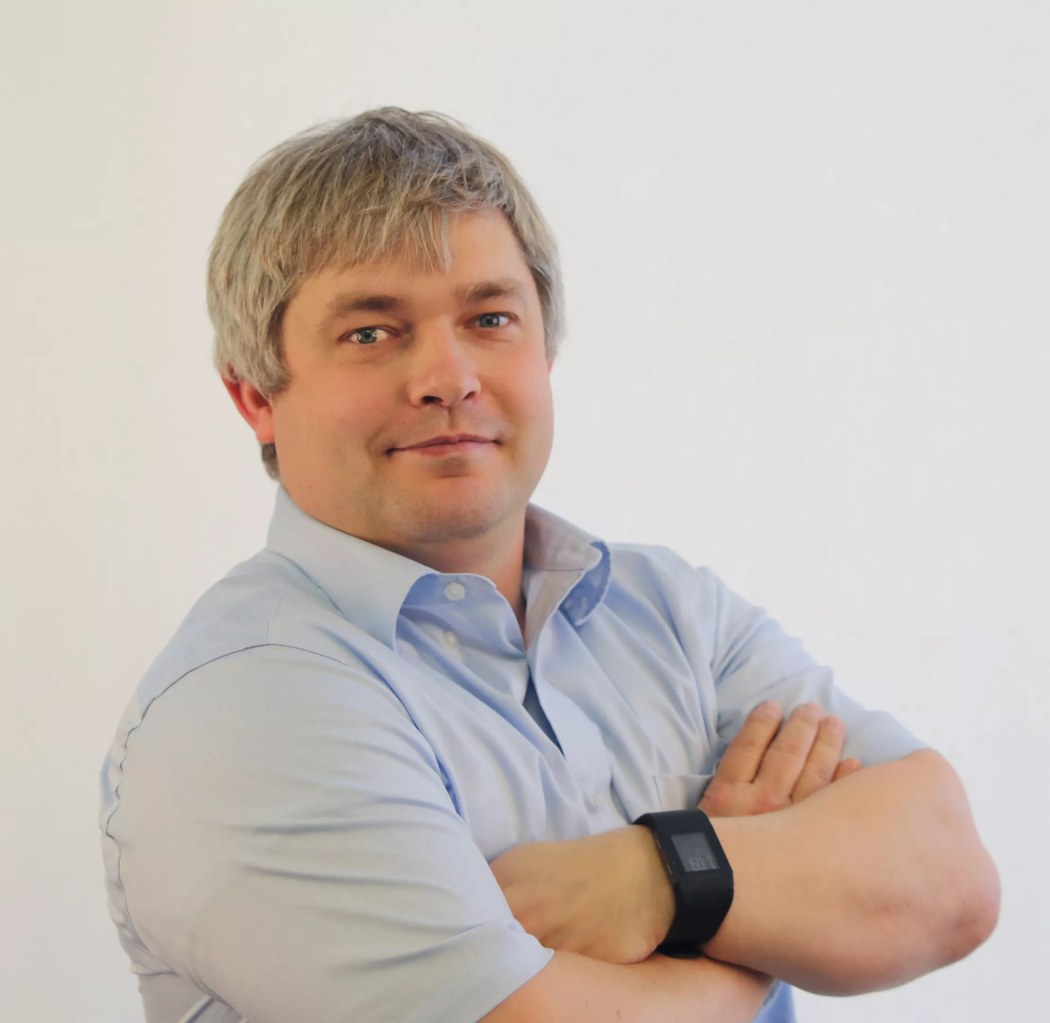
Max Mikheev Would Rather Be Doing the Experiment
The BIOMEDICAN founder builds companies around complicated biology. The revealing detail is how readily he admits that running the company can get in the way of the work he loves.
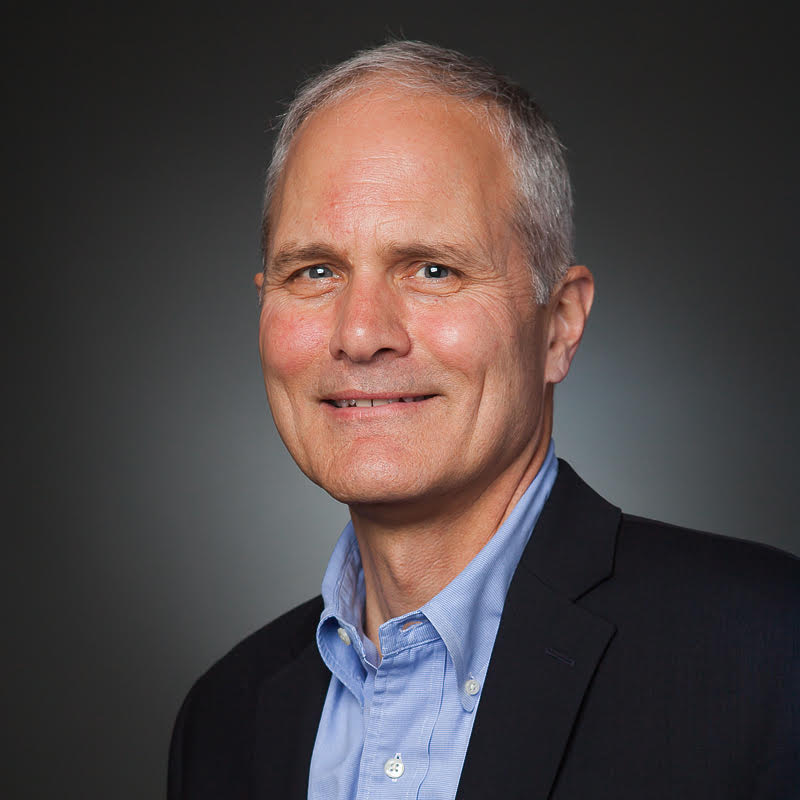
John Stuelpnagel learned to think several moves ahead
Before co-founding Illumina, John Stuelpnagel worked with large animals. His second career has been a long exercise in spotting what a promising invention will need next.
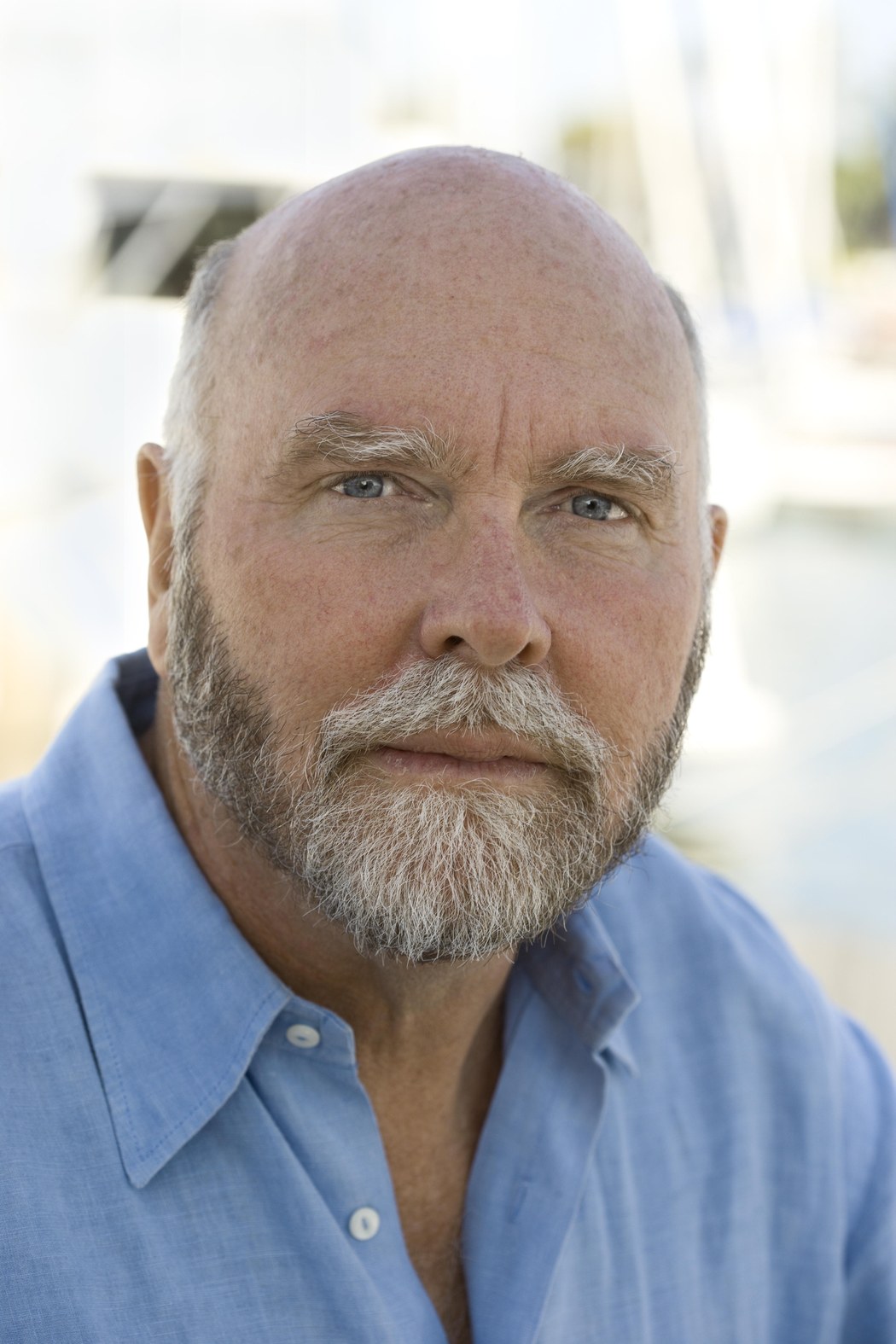
J. Craig Venter and the trouble with a finished map
J. Craig Venter helped read the human genome, then took a laboratory to sea and helped build a cell with synthetic DNA. Each apparent finish line left him with a more interesting question.
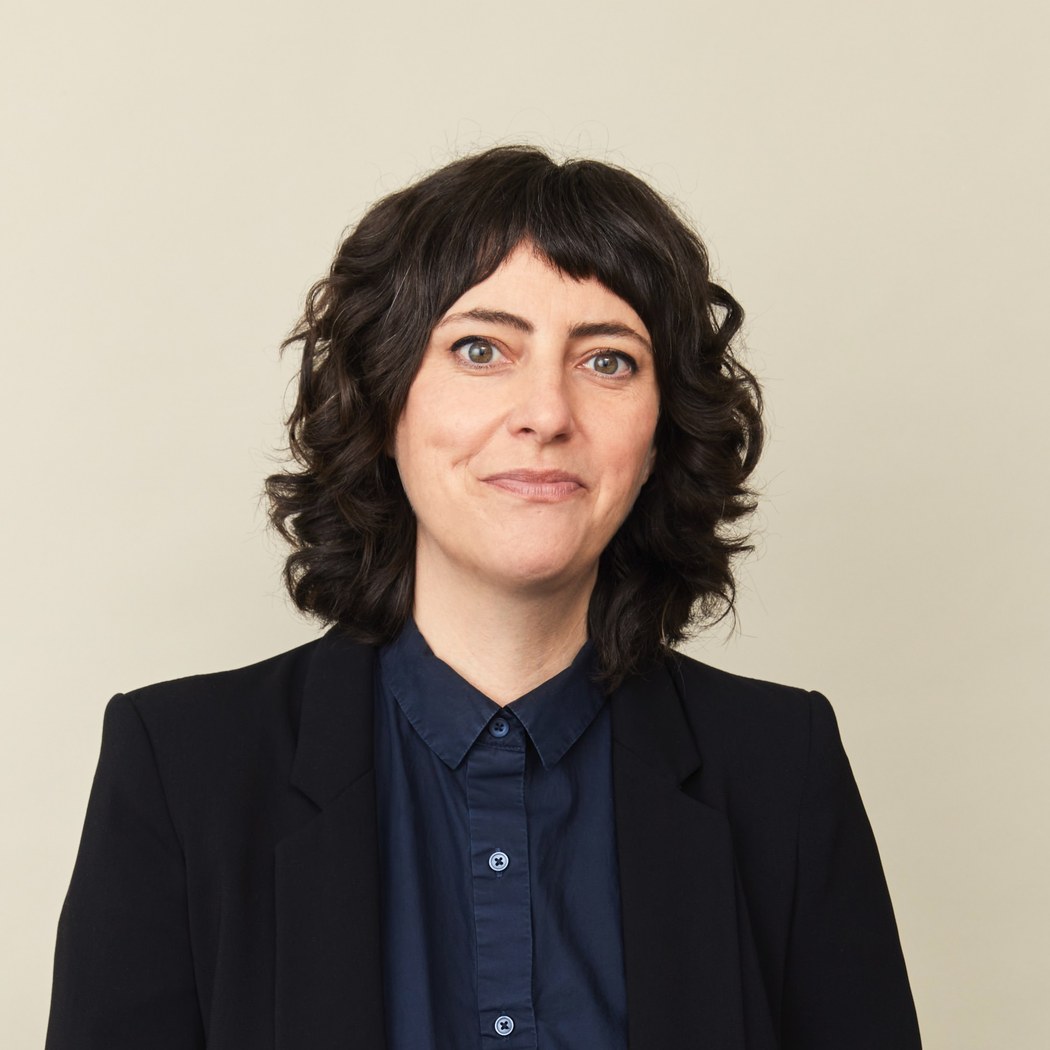
Niamh B. O'Hara and the education of a founder
A plant-evolution researcher took the unfamiliar door into entrepreneurship. At Biotia, Niamh B. O'Hara has spent a decade learning what it takes to turn scientific work into a company.
Brian O’Callaghan and the Art of Showing Up
He learned the rules inside global pharma, then chose companies where every arrival matters. At Deep Genomics, Brian O’Callaghan’s job is to turn formidable RNA research into a business that can deliver medicines.
Egor Melnikov Bet a Founder’s Life on a Family Idea
An economist from a Russian science town turned his father’s unfinished research into a decade-long biotech company. The useful lesson is not romance. It is his stubborn method: narrow the question, protect the idea, and keep earning the next experiment.
Pek Lum Keeps Asking Biology Better Questions
Before AI became biotech's favorite phrase, Pek Lum was teaching computers to notice what biology hides in plain sight. At Auransa, that long apprenticeship has become a patient-first method for finding the signal inside human complexity.

Mani Subramanian Is Building His Second Act Around the Cell's Power Bill
After helping annotate genomes and guide five Gilead therapies to approval, the physician-scientist left the large-company machine to build OrsoBio - a small team making a careful wager on how cells spend energy.
Giordano Bottà Left Oxford to Put a Number on the Invisible
A mosquito-genomics researcher spotted a stubborn gap between scientific discovery and useful software. He packed up in Oxford, returned to Rome, and began the long work of making inherited risk legible in the clinic.
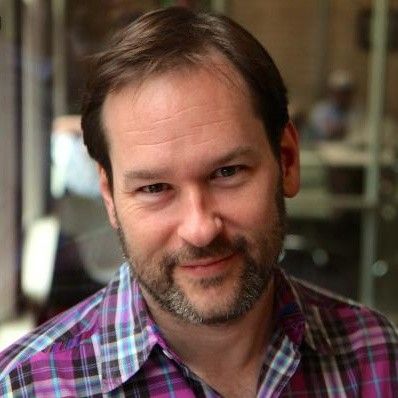
Andrew Busey Keeps Finding the Missing Layer
From Mosaic and web chat to social games and computational biology, Andrew Busey has spent three decades asking an unfashionably useful question: what essential piece is everyone else overlooking?
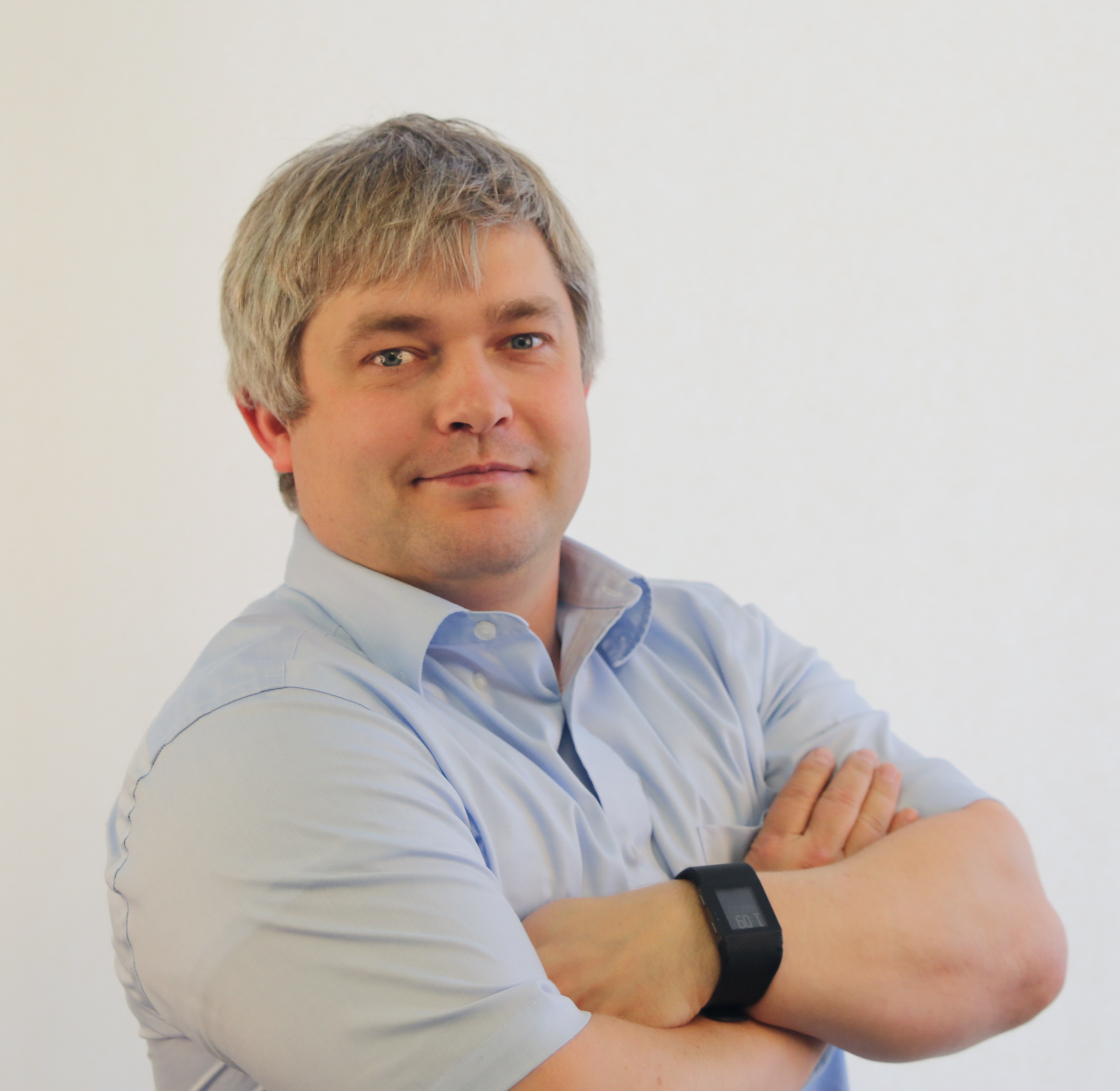
Max Mikheev Is Teaching Oily Yeast a More Valuable Trick
The BIOMEDICAN founder has spent two decades moving between genomes, models and microbes. His current wager is simple to describe and difficult to execute: make scarce compounds in fermentation tanks instead of fields.
Brian Slingerland's Long Game Started With a Craigslist Ad
A finance graduate answered a housing problem with a classified ad and found a scientist instead. Two decades later, Brian Slingerland is still building companies where business discipline meets difficult biology.
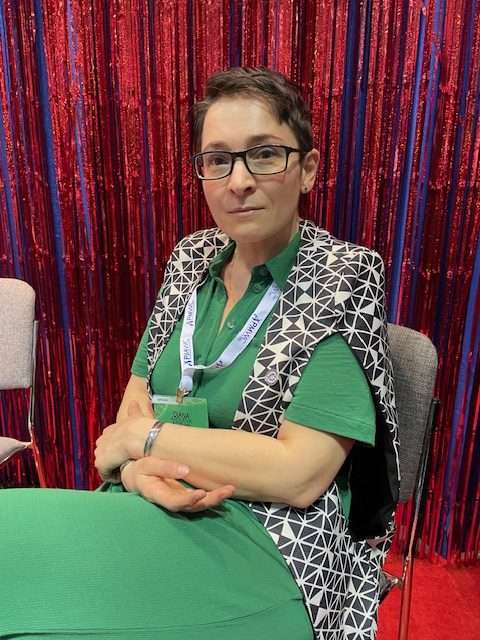
Diana Abdueva Is Teaching Blood to Keep Better Notes
The computational biologist behind Aqtual has spent two decades learning how to pull useful signals from noisy biology. Now she is building a company around a deceptively simple idea: the blood carries a running record of what the body is doing.
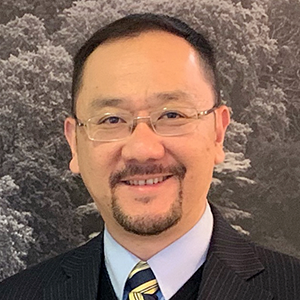
David Ge Builds the Quiet Machinery Behind Liquid Biopsy
Before a genomic test can read a signal, someone has to rescue it from the noise. David Ge has spent his career moving upstream - from interpreting DNA data to engineering the chemistry that decides what reaches the sequencer.
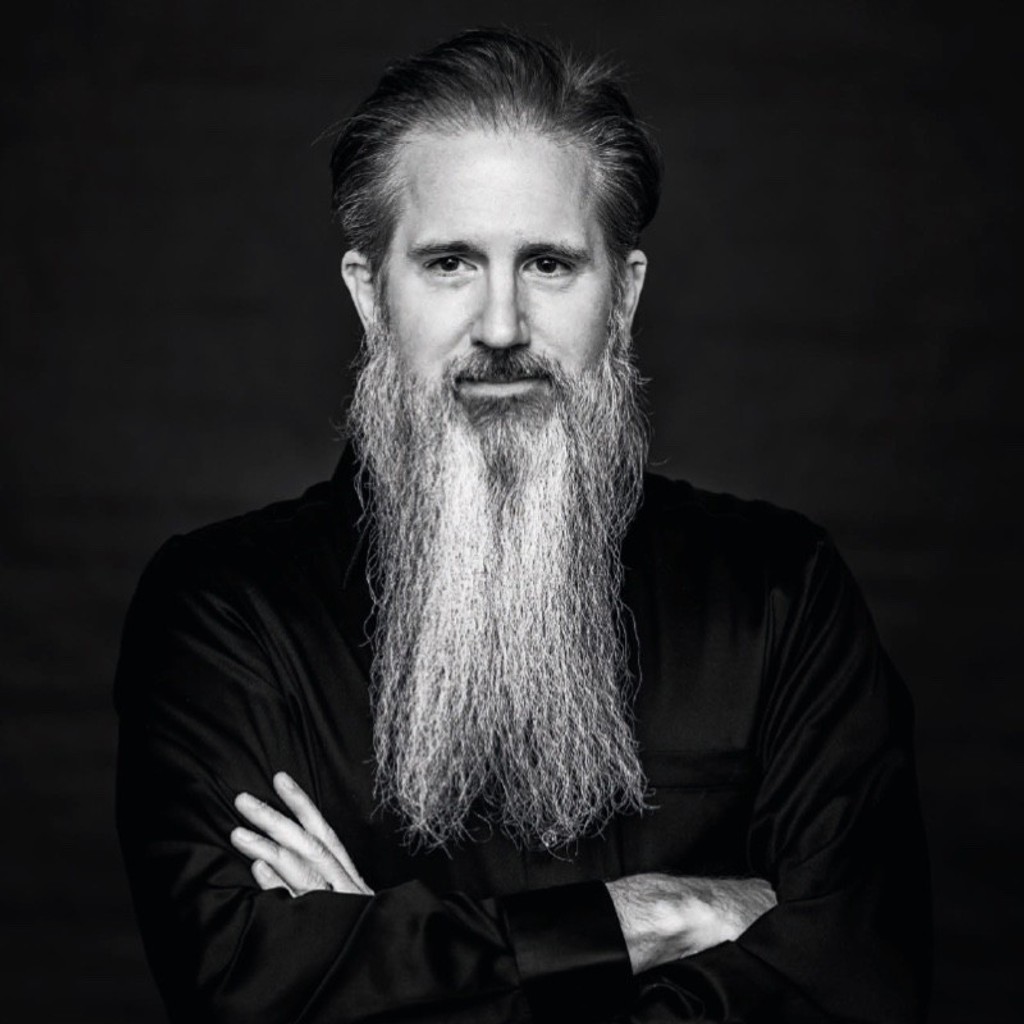
Jason Gammack Is Turning DNA Synthesis Into a Deadline Business
After three decades selling the tools of modern biology, Jason Gammack has fixed on a deceptively ordinary promise: complex DNA should arrive when the supplier says it will.
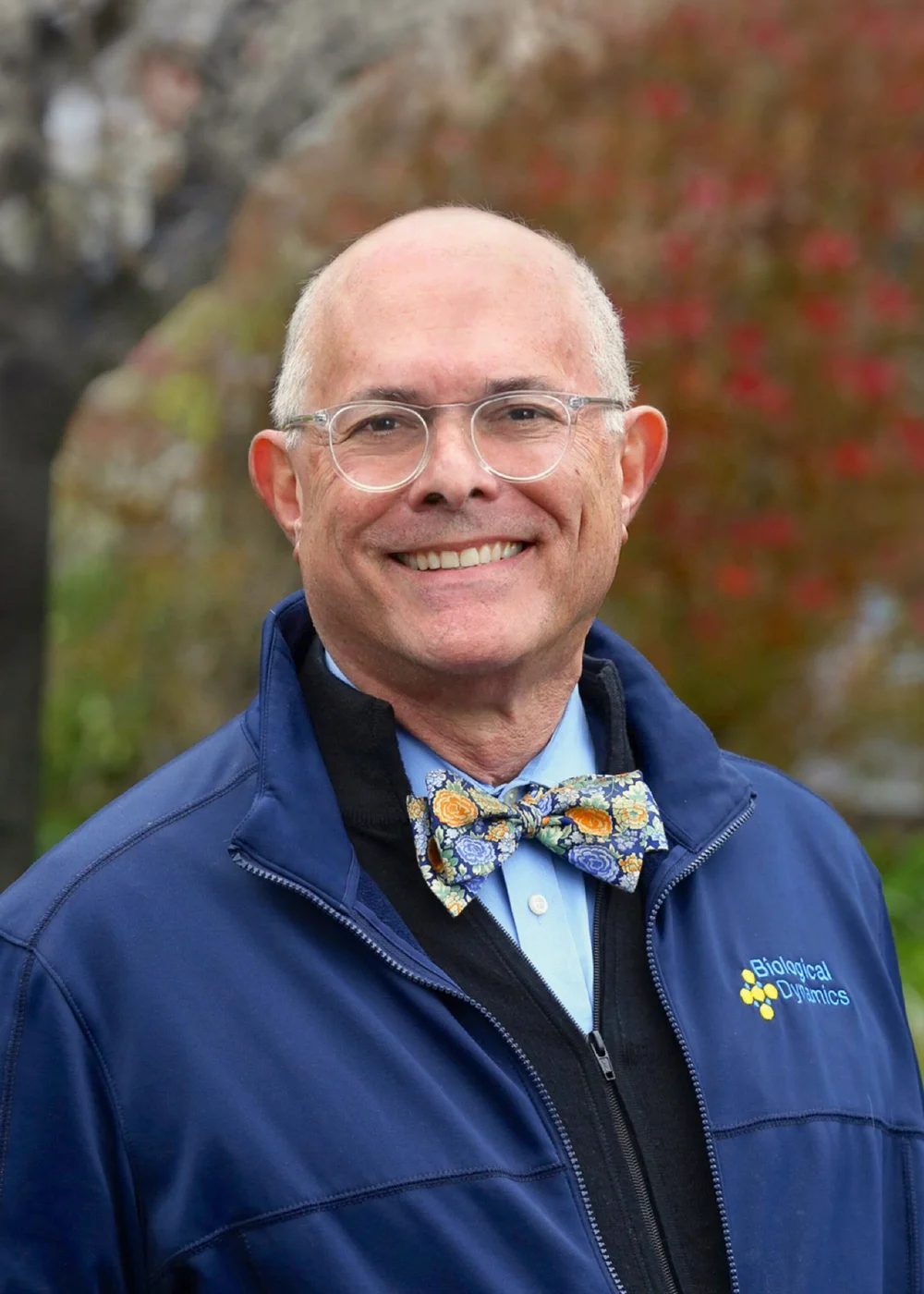
Paul Billings
Paul Billings has spent four decades asking the same hard question from different seats: how do you turn genetic information into something useful without letting it become something dangerous?
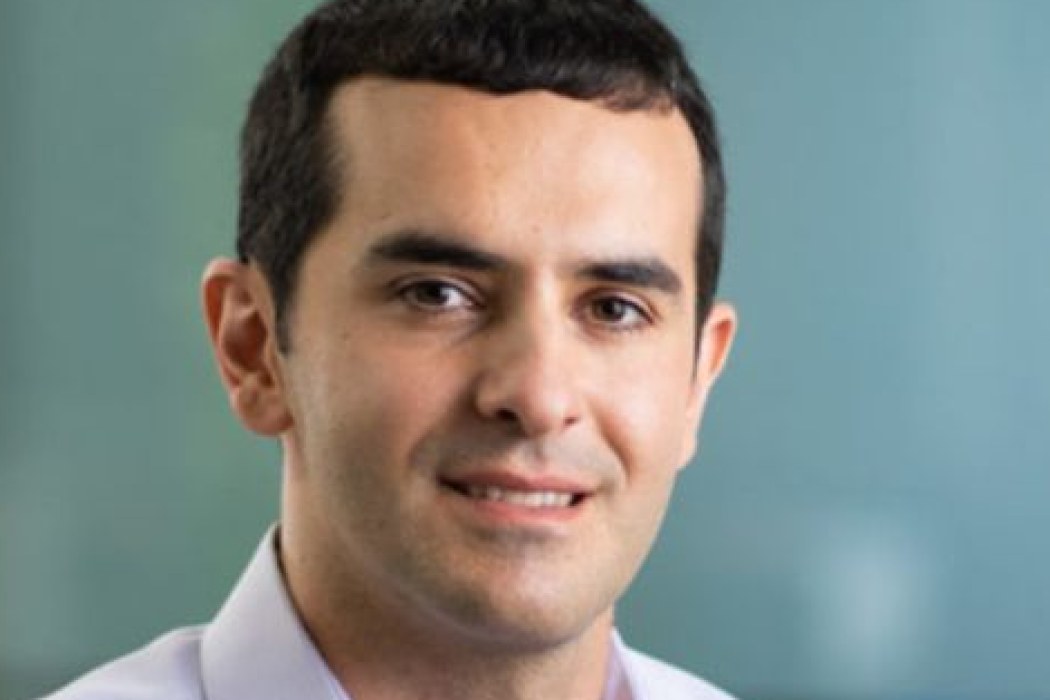
Sasan Amini
Sasan Amini is the co-founder and CEO of Clear Labs, a San Carlos genomics company that turns next-generation DNA sequencing into a push-button diagnostic for food safety and infectious disease. An Iranian immigrant who left Tehran at 22, he earned a PhD in genomics at Princeton, worked in advanced research at Illumina, and in 2014 set out to make sequencing simple enough for any lab to run. When COVID-19 hit, Clear Labs pivoted its automated platform into SARS-CoV-2 surveillance and reached more than half of U.S. public health labs.

Wei-Wu He
Wei-Wu He is a scientist, inventor, entrepreneur and investor who serves as Executive Chairman and CEO of Human Longevity, Inc., the San Francisco Bay Area precision-health company that pairs whole-genome sequencing with advanced imaging and blood analytics to catch age-related disease early. Trained as a molecular biologist at Baylor College of Medicine with an MBA from Wharton, he was among the first scientists at Human Genome Sciences before building OriGene Technologies into a major research-tools business. Over three decades he has founded or funded dozens of biotech companies through his venture fund Emerging Technology Partners, and he now channels that experience into the science of extending healthy human lifespan.
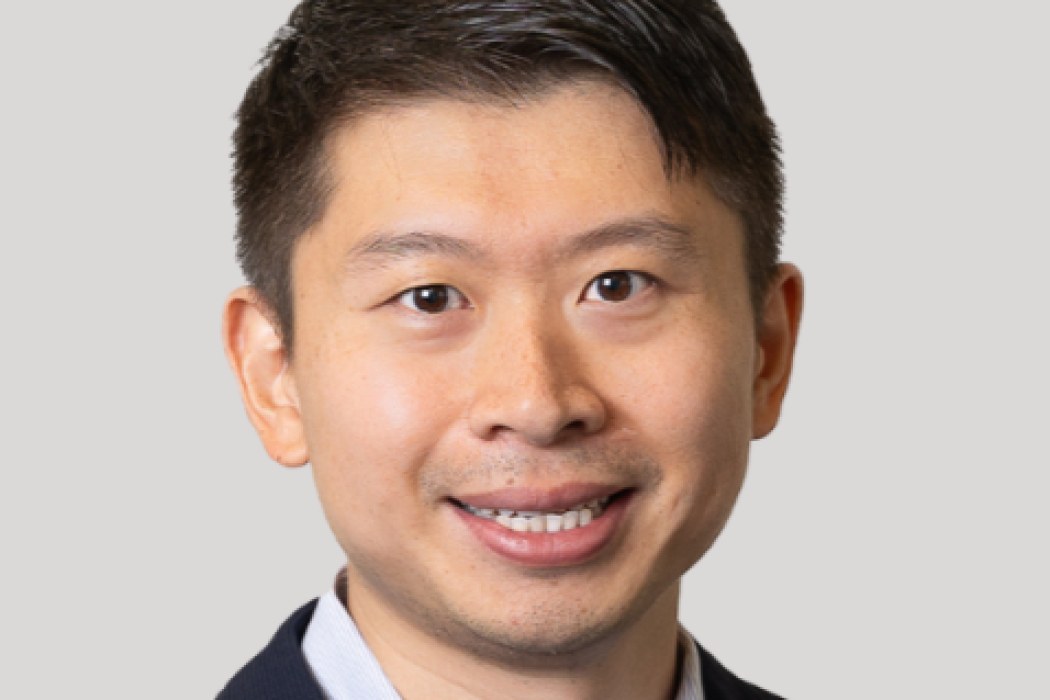
Cheng Zhang
Cheng Zhang is the co-founder and CEO of Character Biosciences, a precision-medicine biotech that flips traditional drug discovery on its head by starting with patients instead of targets. Trained in mathematics and philosophy at Duke and shaped by years at UBS, Oliver Wyman, and Pfizer, Zhang built Character around a proprietary database of thousands of patients with age-related macular degeneration, combining genomics, longitudinal clinical data, retinal imaging, and machine learning to reclassify common diseases of aging into genetic subtypes. In 2025 the company raised an oversubscribed $93 million Series B to move its lead eye-disease candidates into the clinic.
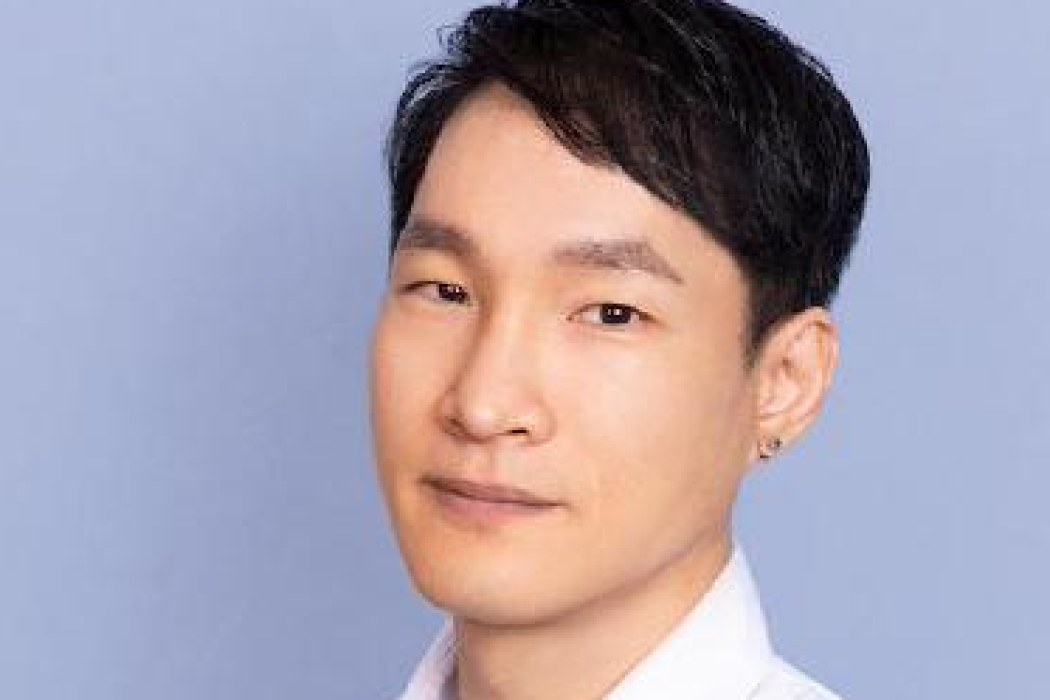
Daehwan Kim
Daehwan Kim is a computational biologist and software engineer whose genome-alignment tools - TopHat, HISAT and HISAT2 - are cited more than 78,000 times and are used by researchers worldwide to read DNA and RNA data. A former Michael L. Rosenberg Assistant Professor in the Lyda Hill Department of Bioinformatics at UT Southwestern Medical Center, he co-founded Omphalos Lifesciences, where he invented L++, a high-level programming language meant to describe living systems the way C++ describes machines. His goal is a fully programmable, simulatable virtual cell.
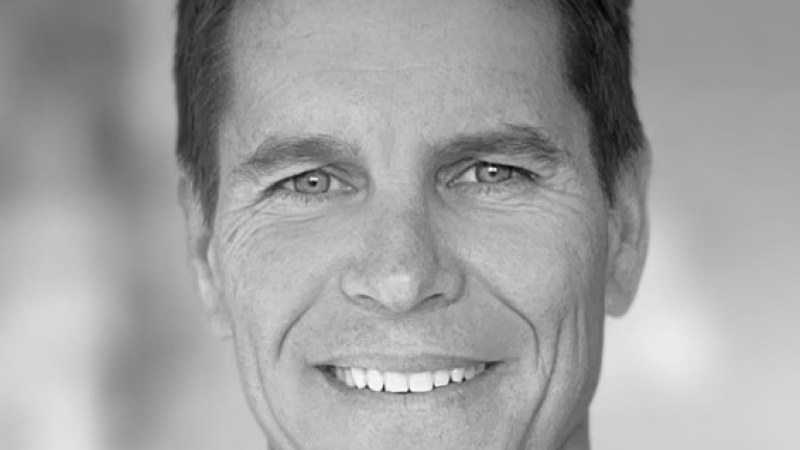
Todd Dickinson
Todd Dickinson is the CEO and a board member of Stellaromics, a Boston biotech commercializing 3D spatial biology born from Karl Deisseroth's Stanford lab and Xiao Wang's work at MIT and the Broad Institute. A Tufts-trained analytical chemist who did his PhD under David Walt, he spent more than 20 years turning genomics inventions into products: over a decade at Illumina during its rise as the DNA-sequencing leader, commercial work on Bionano Genomics' Irys nanochannel arrays, and CEO stints at Dovetail Genomics and Arc Bio, which he merged into Cantata Bio in 2022. At Stellaromics he raised $80 million in Series B (led by Catalyst4 with Stanford University Ventures) to launch Pyxa, the first commercial platform that reads gene expression inside intact tissue up to 40x thicker than conventional methods.
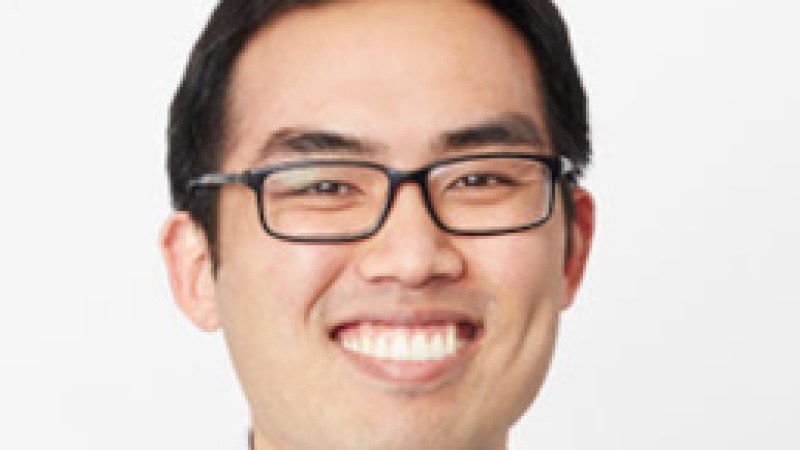
James Lu
James Lu is the co-founder and CEO of Helix, a population genomics company he helped launch in 2015 with Justin Kao and Scott Burke. An MD/PhD trained at Baylor College of Medicine with chemical engineering degrees from Stanford, Lu built his career at the intersection of machine learning, electronic health records, and genetics. He argues that the genome should sit alongside blood pressure and cholesterol as a core clinical input - the difference being that your genome never changes. Under his leadership Helix runs one of the largest clinical sequencing labs in the US and the Helix Research Network, and its GenoSphere dataset links more than 500,000 clinico-genomic records.
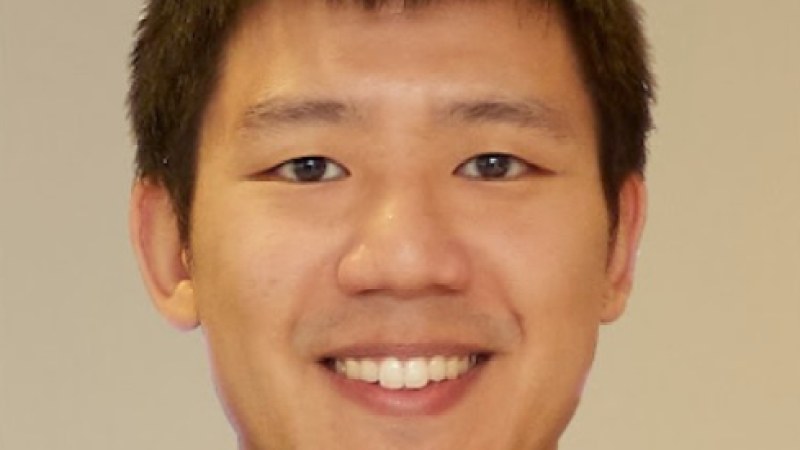
Jonathan Wang
Jonathan Wang is the co-founder and CEO of Watershed (Watershed Informatics / Watershed Bio), a Cambridge-based biocomputing platform that lets biologists run complex multi-omics analyses without writing code. An MIT computer scientist who once built a high-frequency trading hedge fund out of his dorm room, Wang co-founded Domeyard before pivoting to biology in 2019, applying the speed-obsessed engineering culture of quant finance to the sprawling data problem of modern drug discovery. Watershed raised a $14.5M Series A led by Canvas Ventures in 2023 and aims to become the dominant biocomputing platform for the world's scientists.
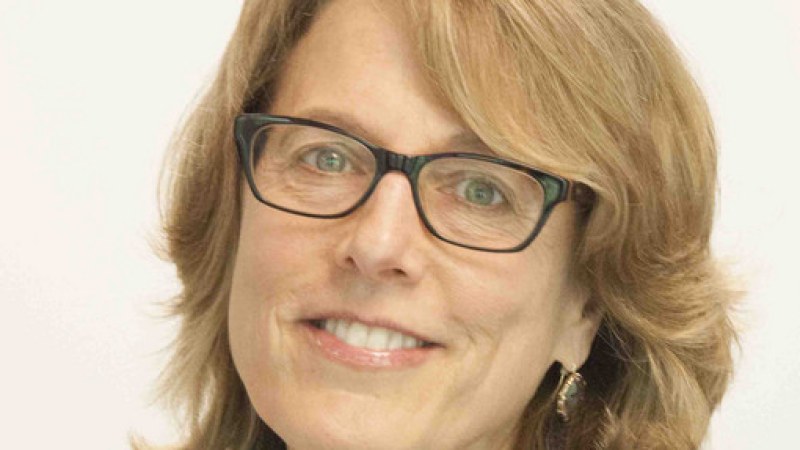
Marilyn Matz
Marilyn Matz is the CEO and co-founder of Paradigm4, the Waltham, Massachusetts company behind SciDB, an array-native computational database built for the tangled, multi-dimensional data of genomics, clinical research, and imaging. She launched it in 2010 with database legend and Turing Award laureate Mike Stonebraker to move his MIT research into the hands of working scientists. Decades earlier she left MIT to co-found Cognex, now a global machine-vision powerhouse, where she ran worldwide engineering and later a business unit. A two-time technical founder who codes the deep infrastructure and still sells to the customer, Matz has spent a career making impossibly large scientific data explorable, reproducible, and fast.
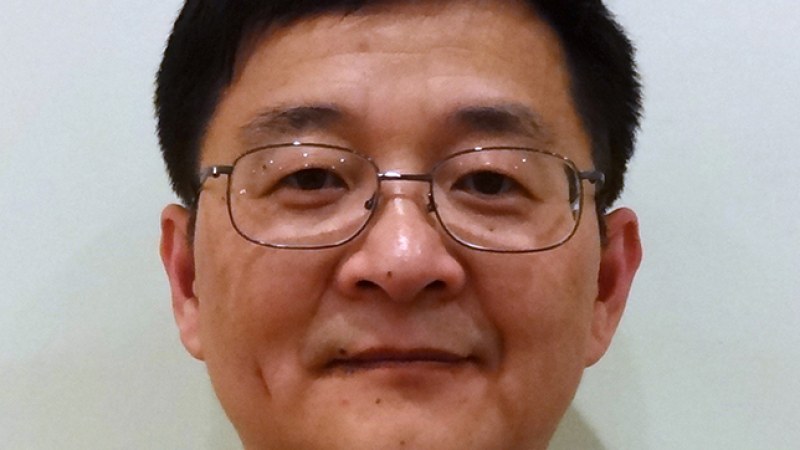
Jun Ye
Jun Ye is the co-founder, president and CEO of Sentieon, a Mountain View bioinformatics company whose variant-calling software has swept the precisionFDA Truth and Consistency Challenges. A Stanford-trained electrical engineer with more than 50 U.S. patents, he previously co-founded Brion Technologies (acquired by ASML in 2006) and Founton Technologies (acquired into Alibaba in 2012), and taught at Stanford as a consulting professor for fourteen years.
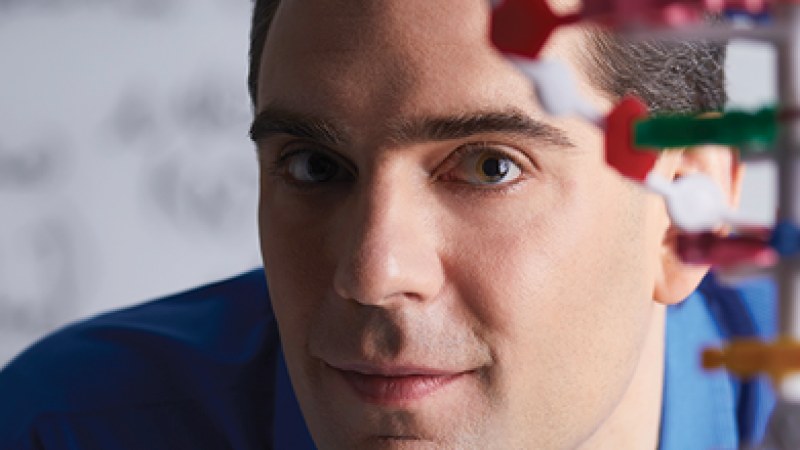
Adam Margolin
Adam Margolin is a computational biologist turned biotech founder who co-founded Flashpoint Therapeutics, a clinical-stage company engineering spherical-nucleic-acid nanomedicines that aim to turn weak cancer therapies into curative ones. After a 20-year academic career that took him from Wharton and Wall Street to running the #3-ranked genetics department in the country at Mount Sinai, and a stint as a Venture Partner at Khosla Ventures, he teamed with Northwestern nanotech pioneer Chad Mirkin to build Flashpoint. He led the company as founding CEO through a $10M seed round before handing the chief executive role to biotech veteran Barry Labinger in 2025. His mission is deeply personal: his mother died of cancer when he was three.
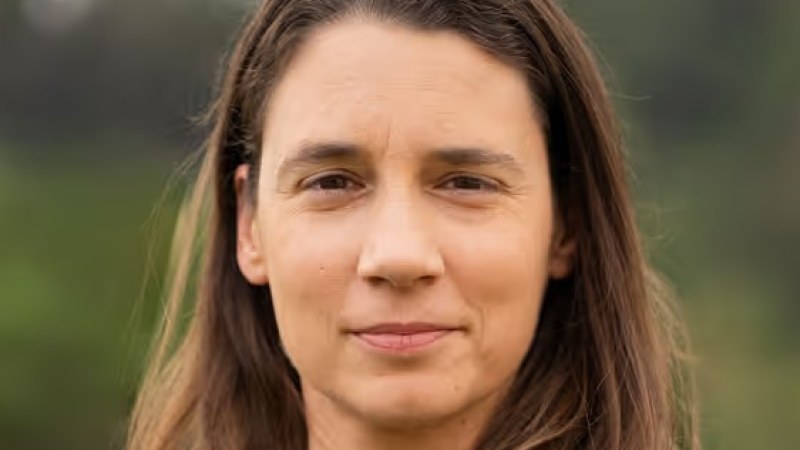
Ashley Zehnder
Ashley Zehnder is the co-founder and CEO of Fauna Bio, a Berkeley biotech mining the genomes of hibernating ground squirrels, bears and 452 other mammal species for drugs that could treat humans. A boarded avian veterinarian with a Stanford PhD in cancer biology, she had her career epiphany while giving chemotherapy to a parrot, when a faculty member asked in disbelief, 'Birds... get cancer?' That question convinced her the wall between animal and human medicine was an illusion. Fauna Bio's Convergence AI platform turns the survival tricks of extreme mammals into therapeutic targets, work that has drawn partnerships with Eli Lilly and Novo Nordisk and NASA-funded research into putting astronauts into a hibernation-like state.
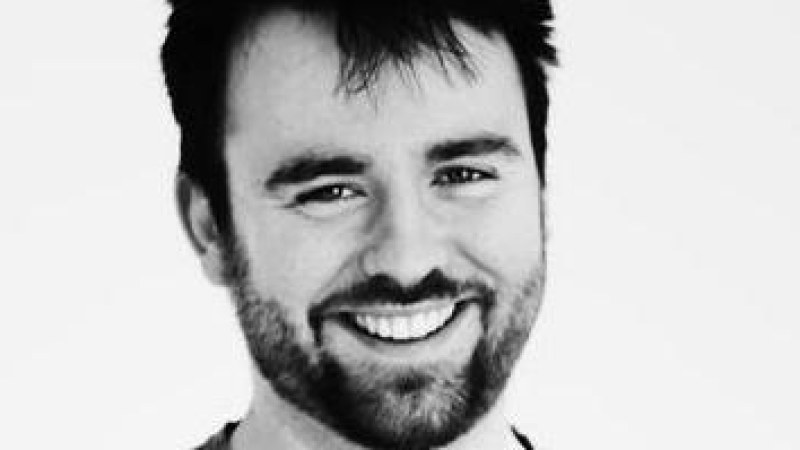
Clayton Rabideau
Clayton Rabideau is the founder and CEO of Syntensor, a San Francisco startup building foundation models and mechanistic simulations of human cell biology to predict drug efficacy, toxicity, and the hidden causes of clinical-trial failure. A Cambridge PhD in chemical engineering and biotechnology, he works at the seam between dynamical-systems mathematics and genomics - a co-author on HyenaDNA, the NeurIPS 2023 spotlight that stretched genomic language models to a million bases of context. He is trying to make biology as fast, iterative, and programmable as software.
Hiranjith H
Hiranjith H (also Hiranjith GH) is the Chief Business Officer of Algorithmic Biologics, a Bengaluru-founded deeptech startup that embeds algorithms inside test tubes to make molecular testing dramatically cheaper and faster. Based in the San Francisco Bay Area, he leads the company's commercial operations and US expansion. He spent more than a decade scaling MedGenome's research-services business in the US and earlier built commercialization and analytics strategy for life-sciences clients at Novartis, ZS Associates, and Accenture Management Consulting.
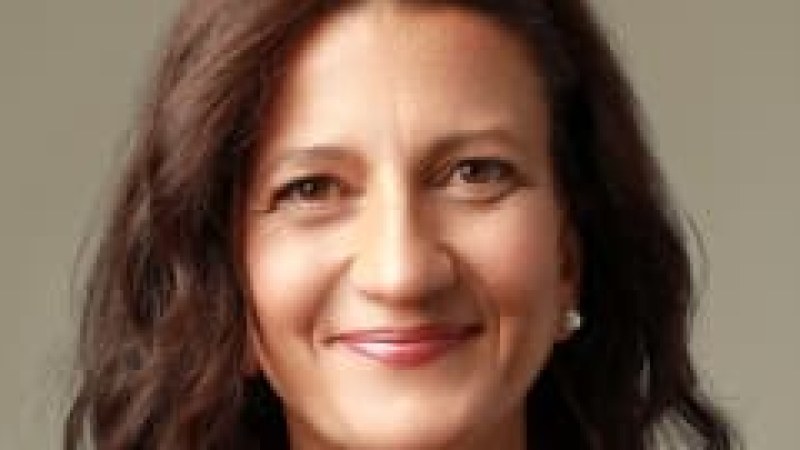
Sema Sgaier
Sema Sgaier is the co-founder and CEO of Surgo Health, a Washington, DC public benefit corporation that uses AI and behavioral science to decode the 'why' behind health behaviors. A trained molecular biologist and neuroscientist turned serial entrepreneur, she spent a dozen years at the Bill & Melinda Gates Foundation scaling HIV-prevention programs across India and Africa before co-founding Surgo Foundation, Surgo Ventures, and Surgo Health. She has authored more than 60 peer-reviewed papers, taught at Harvard and the University of Washington, writes op-eds for The New York Times, and is a trained documentary photographer.