denver
(56)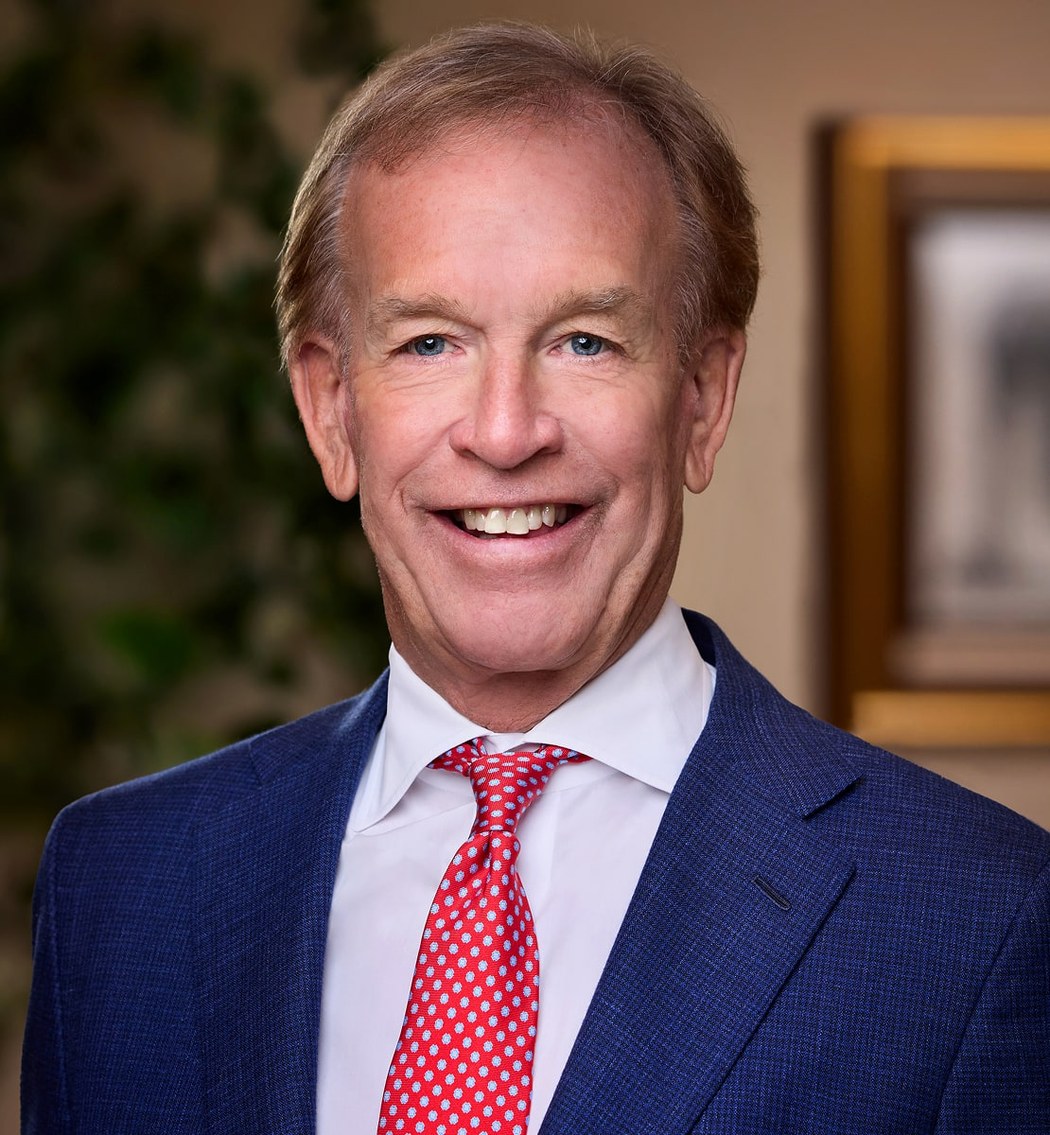
Paul Rady and the long way back to Gunnison
He hitchhiked west to study geology, then built a career beneath the surface. Decades later, Paul Rady helped bring an engineering school to the Colorado campus where he started.
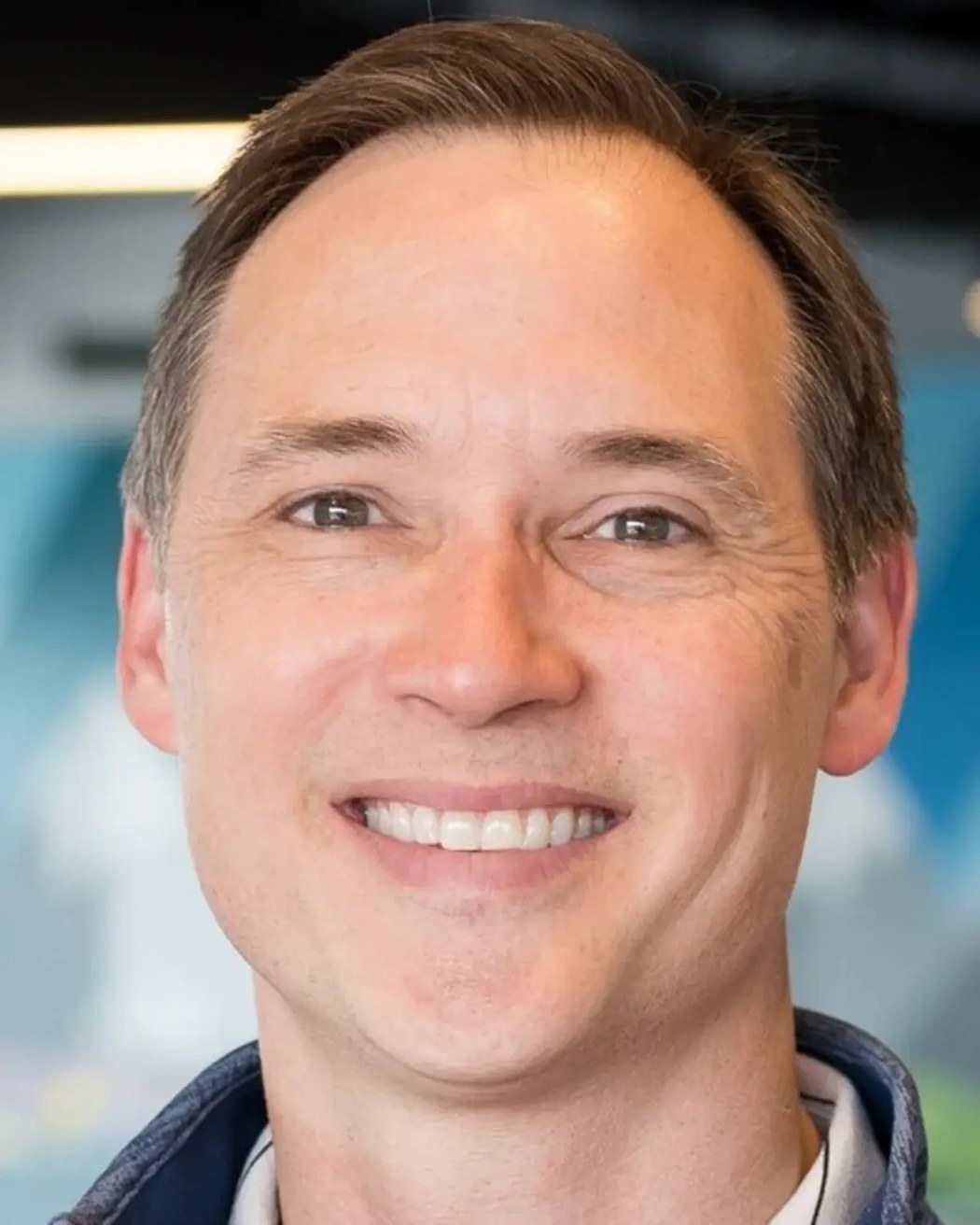
Andrew Fischer and the art of making things less complicated
He left finance for the early internet, co-founded Choozle, and returned to the same problem with Mogl: how to put complicated advertising tools within reach of independent businesses.
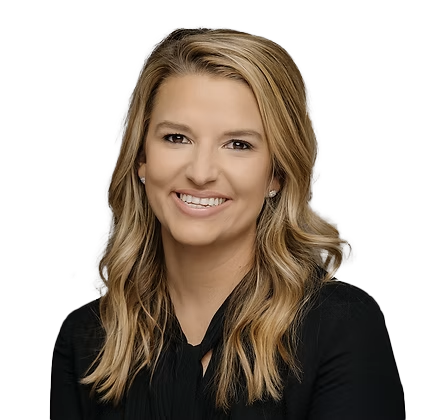
Rachel Romer and the problem with paying people back
A tuition benefit is only useful if a worker can afford to use it. Guild’s co-founder built a business around that detail, with lessons from Colorado politics, a burrito chain and her grandmother’s preschool.
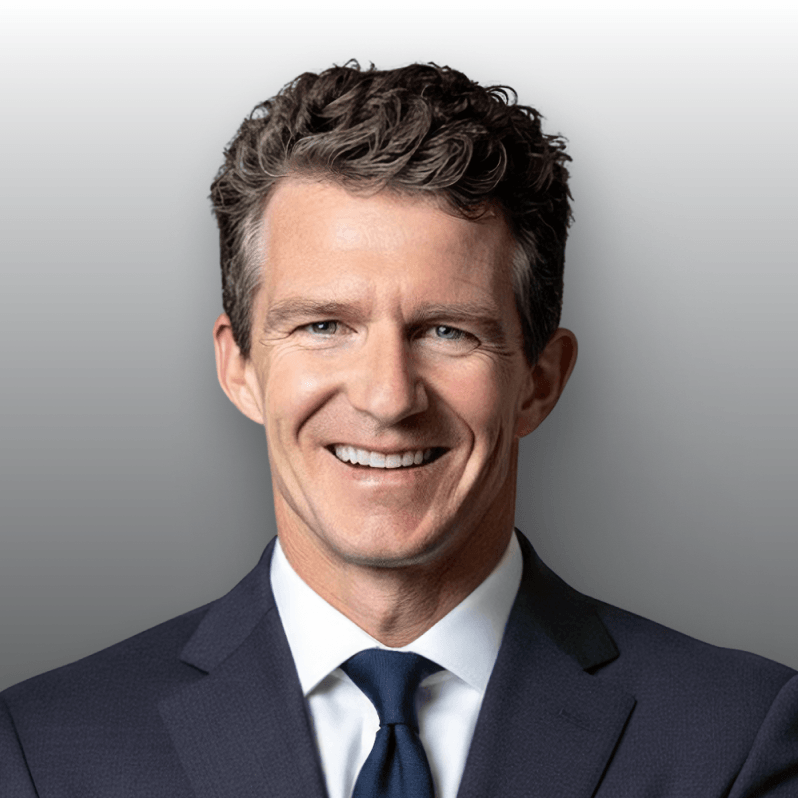
Willy Walker and the art of outgrowing your name
He returned to a business with his surname on the door and something to prove. Two decades, a public listing and 300 webcast episodes later, Willy Walker is asking different questions about ambition.
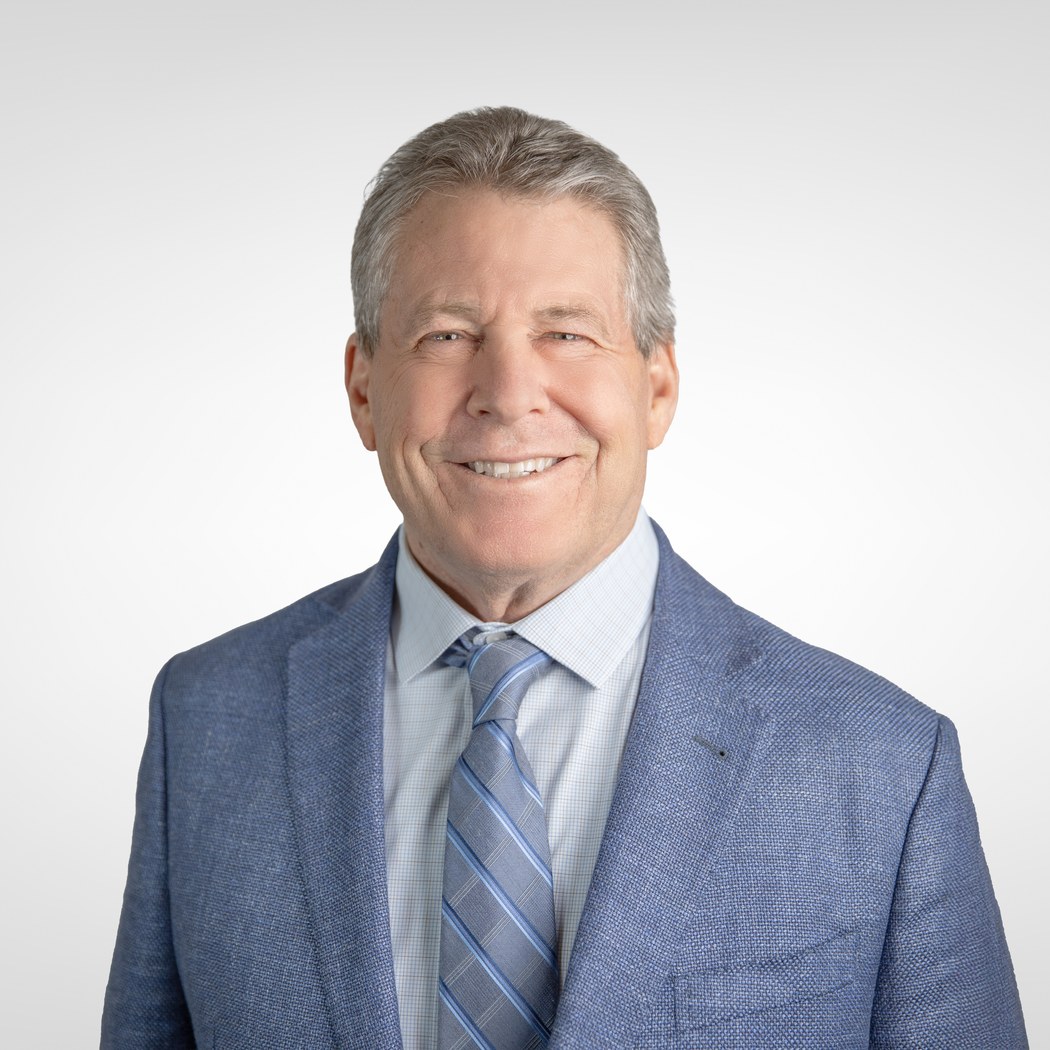
Rick Swartz and the $561,655 he left on the table
He started as an electrical apprentice in 1982 and became MYR Group’s chief executive in 2017. A declined incentive award offers a revealing way into his long career building the business behind the power lines.
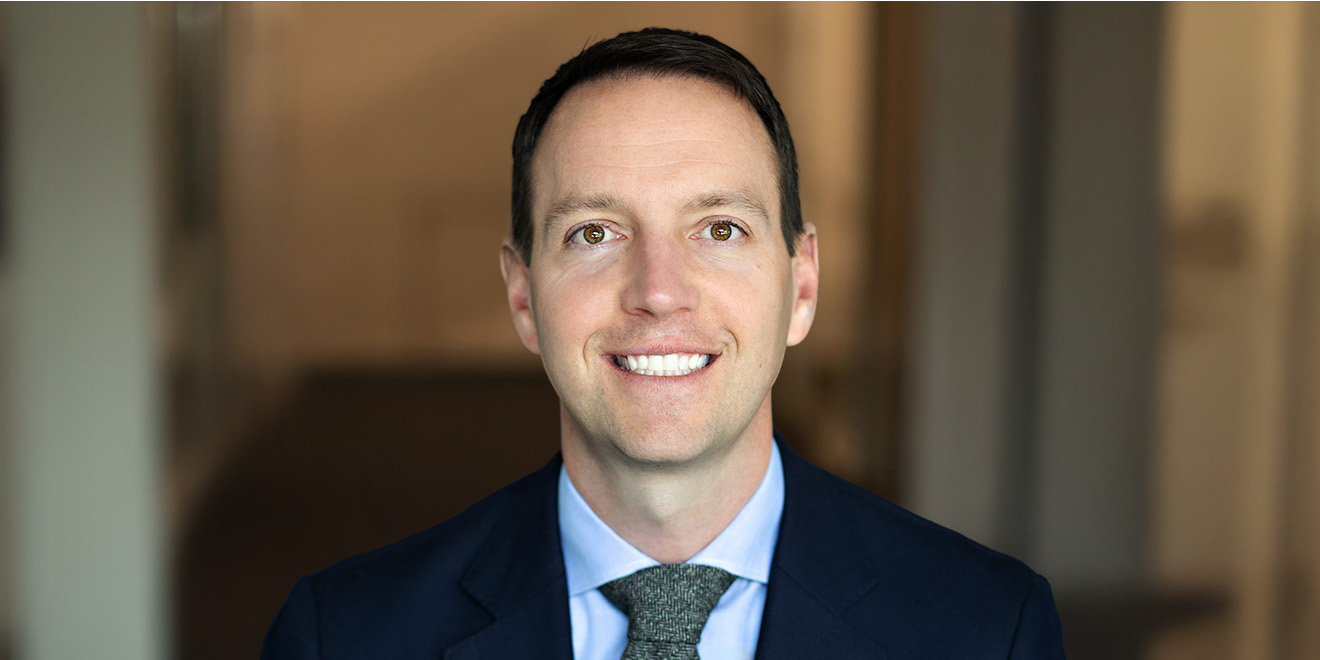
Paul Williamson and the arithmetic of being local
He joined UMB in 2004 and built his career around Colorado businesses. Now, as president of regional banking, Paul Williamson faces a larger version of a familiar question: how much can a bank grow while keeping its relationships close?
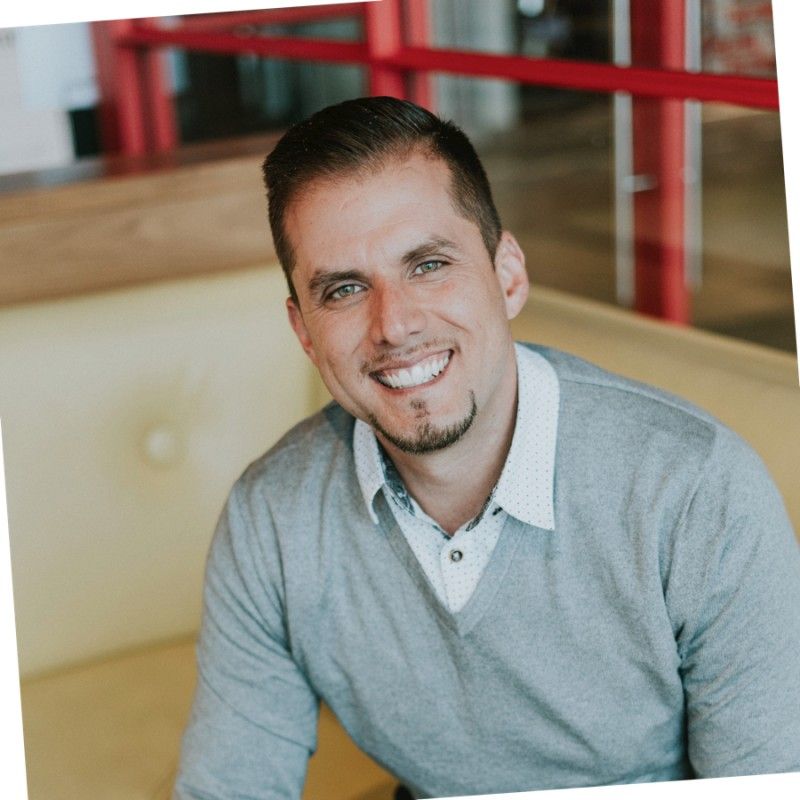
Sean Boyd and the business of making room
Sean Boyd helped build SonderMind, then took the shared-office business into Humanly. His entrepreneurial story turns on a practical question: how much room does an independent business really need?
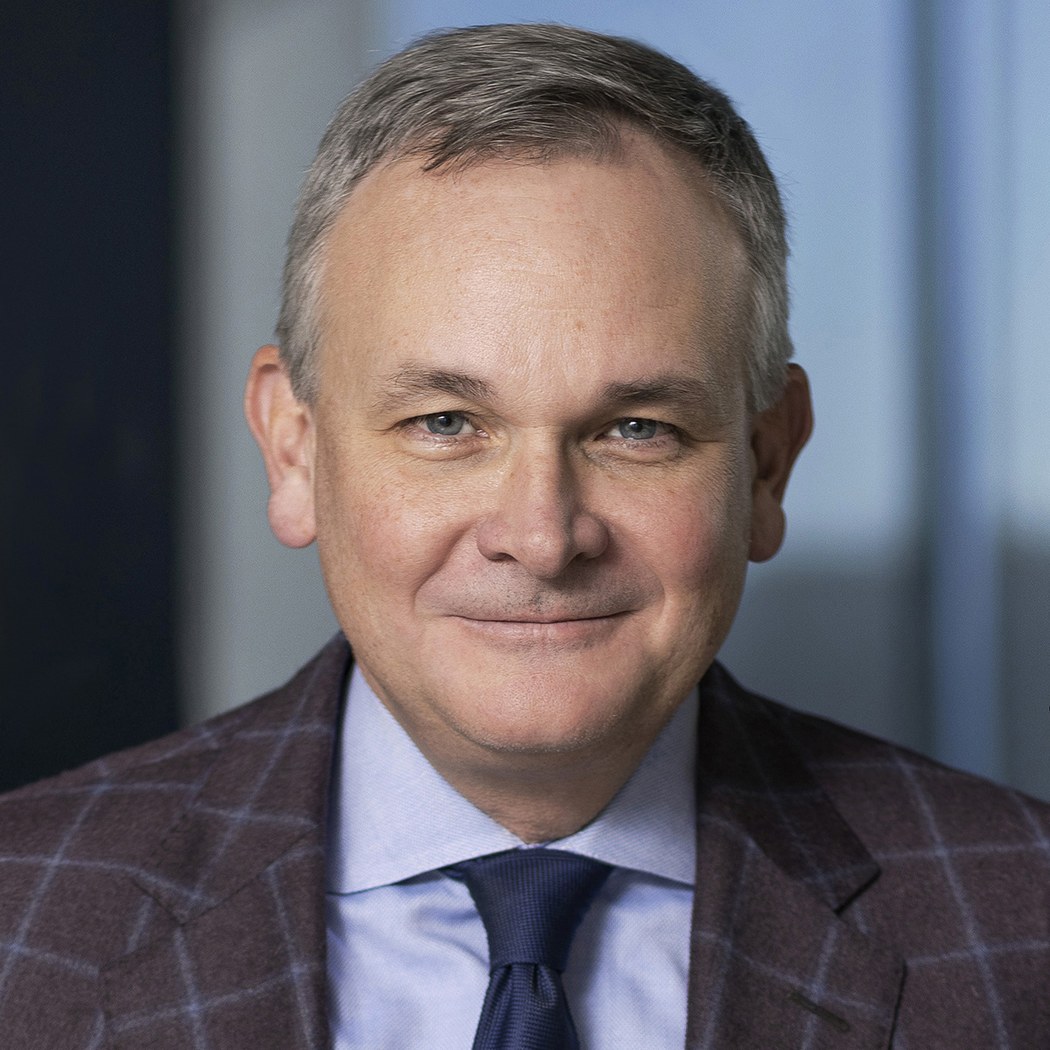
Devin McGranahan and the last mile of money
Western Union’s chief executive is betting that a cash network still has a place in a digital world. His test is whether faster money can become money people can actually use.
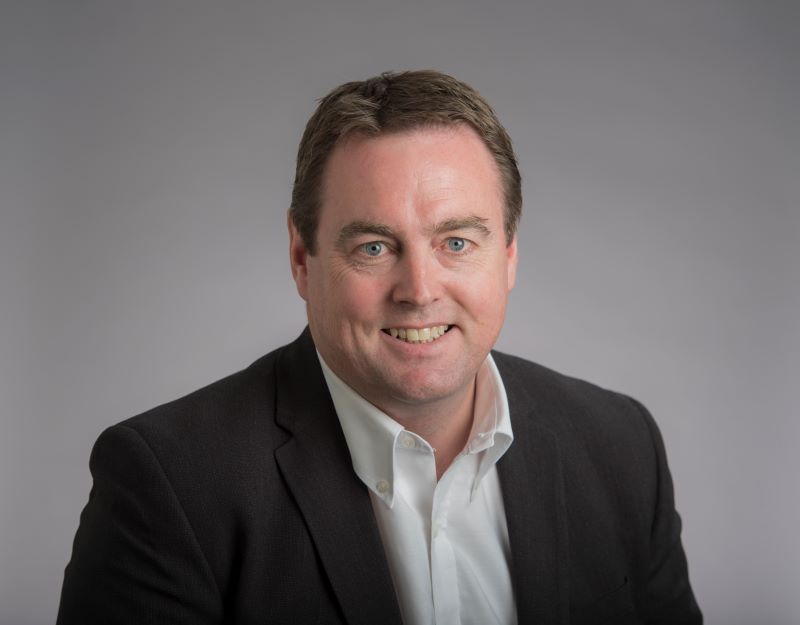
Jimmy Dempsey and the arithmetic of a cheap seat
He spent years financing low fares at Ryanair and Frontier. Now Jimmy Dempsey is running the airline, with a harder equation to solve: keeping travel affordable while giving passengers more reasons to come back.
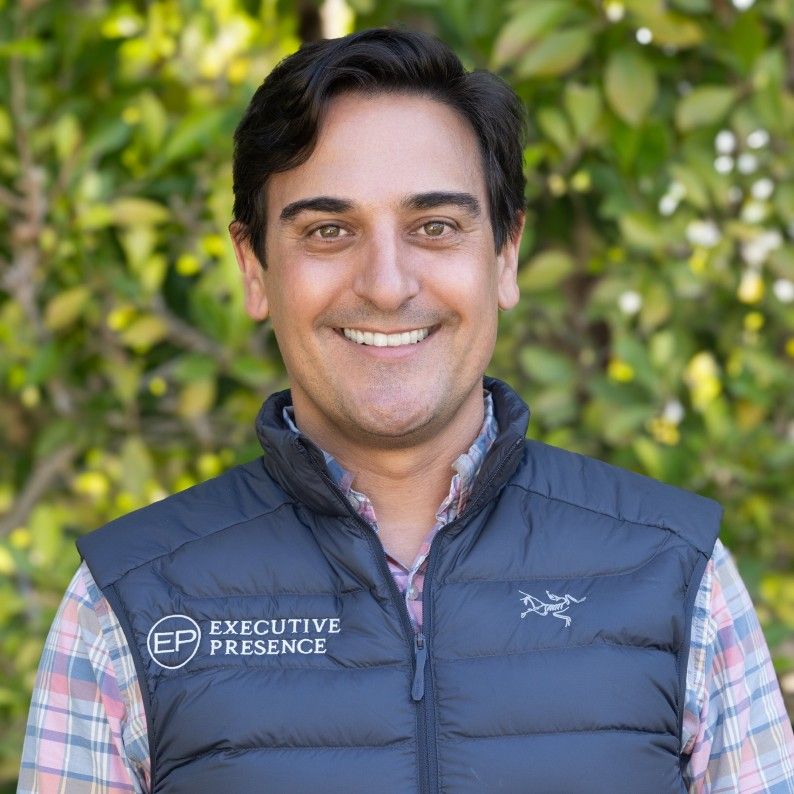
Justin Nassiri and the Trouble With Looking Successful
He raised venture money, sold companies, and still called the decade a failure. At Executive Presence, the former submarine officer is building a business around the stories a polished résumé leaves out.
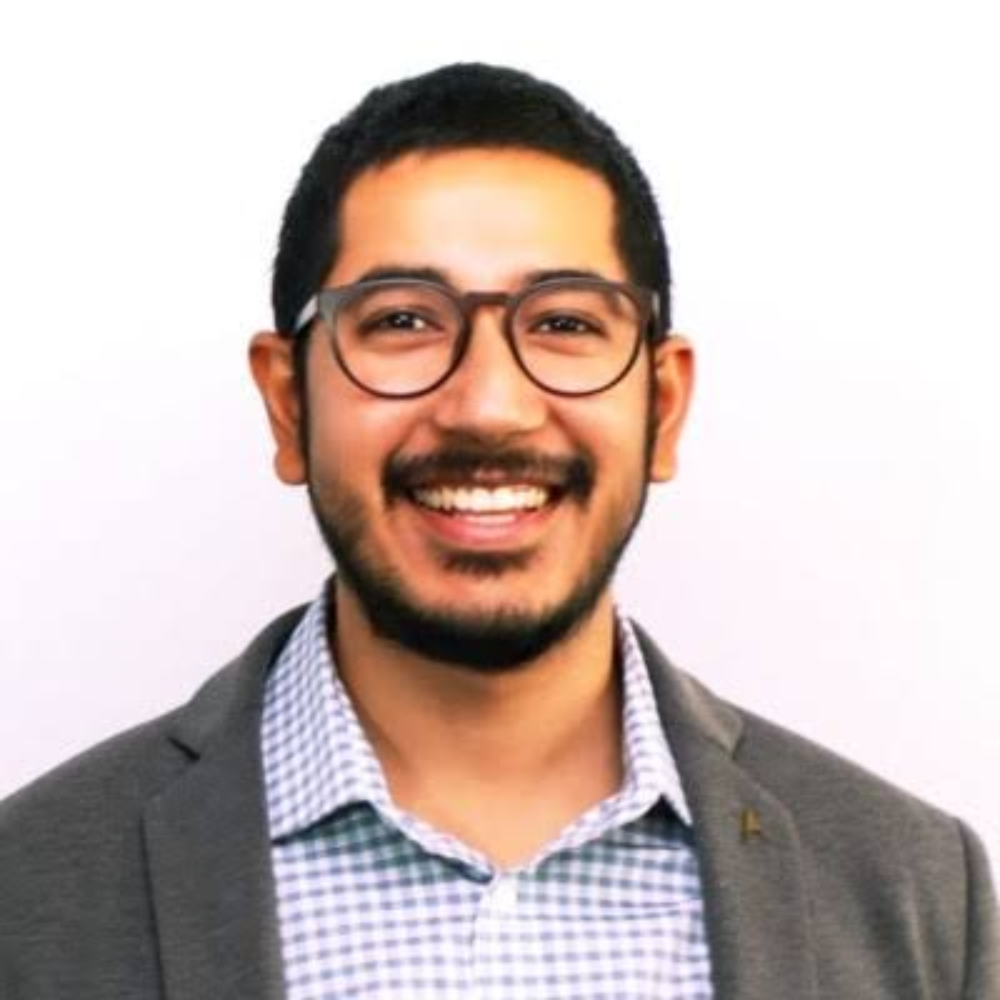
Tushar Mishra and the last mile of getting things done
A customer review could tell him what had gone wrong. Building Delightree meant following the problem all the way to the person who could fix it.
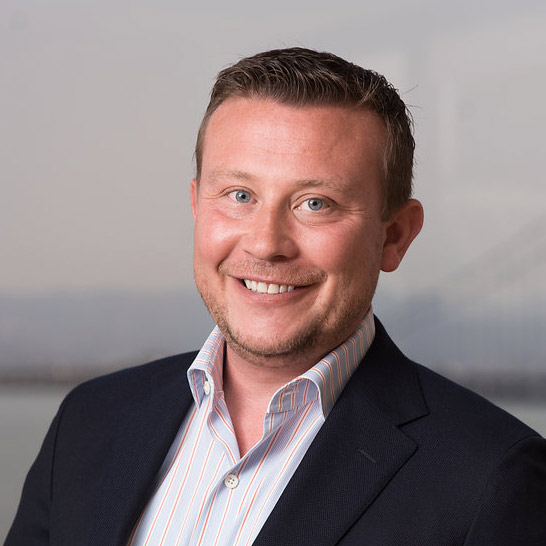
Patrick Dennis and the art of keeping the line open
From digital forensics to Avaya, Patrick Dennis has made a career of changing businesses people depend on. Now executive chair, he brings a software enthusiast’s curiosity to the unglamorous work of making a company last.
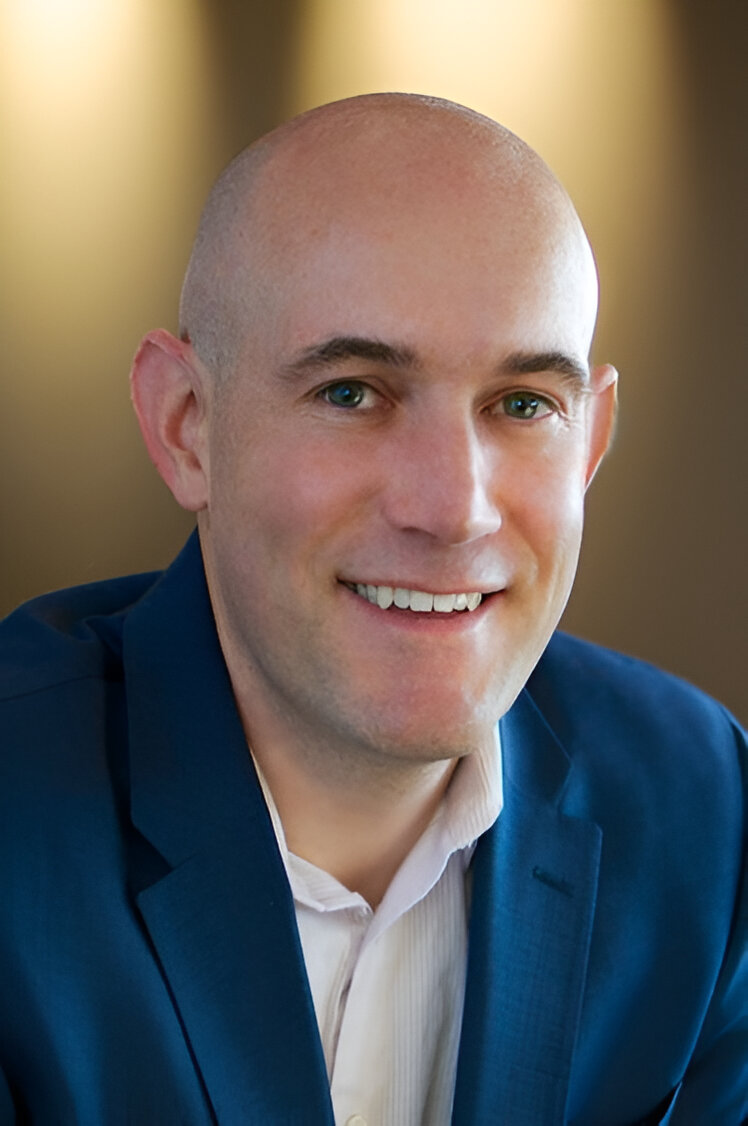
Brooks Schaden and the Business of Staying for the Game
A football crowd that lingered in a Los Angeles restaurant helped Brooks Schaden see a different business. His path from investment banking to Tom’s Watch Bar became a study in where fans gather, why they stay, and who builds the room around them.
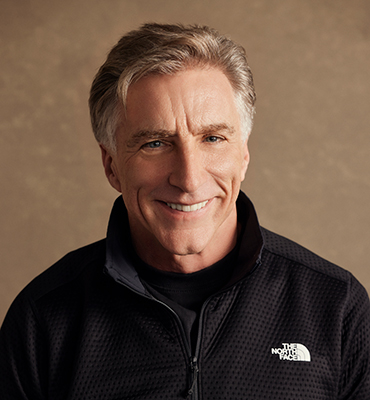
Bracken Darrell and the case for firing yourself
He helped turn Logitech into a design company. At VF Corporation, Bracken Darrell is testing the same restless habit: questioning what a familiar brand could become, including the decisions he made himself.
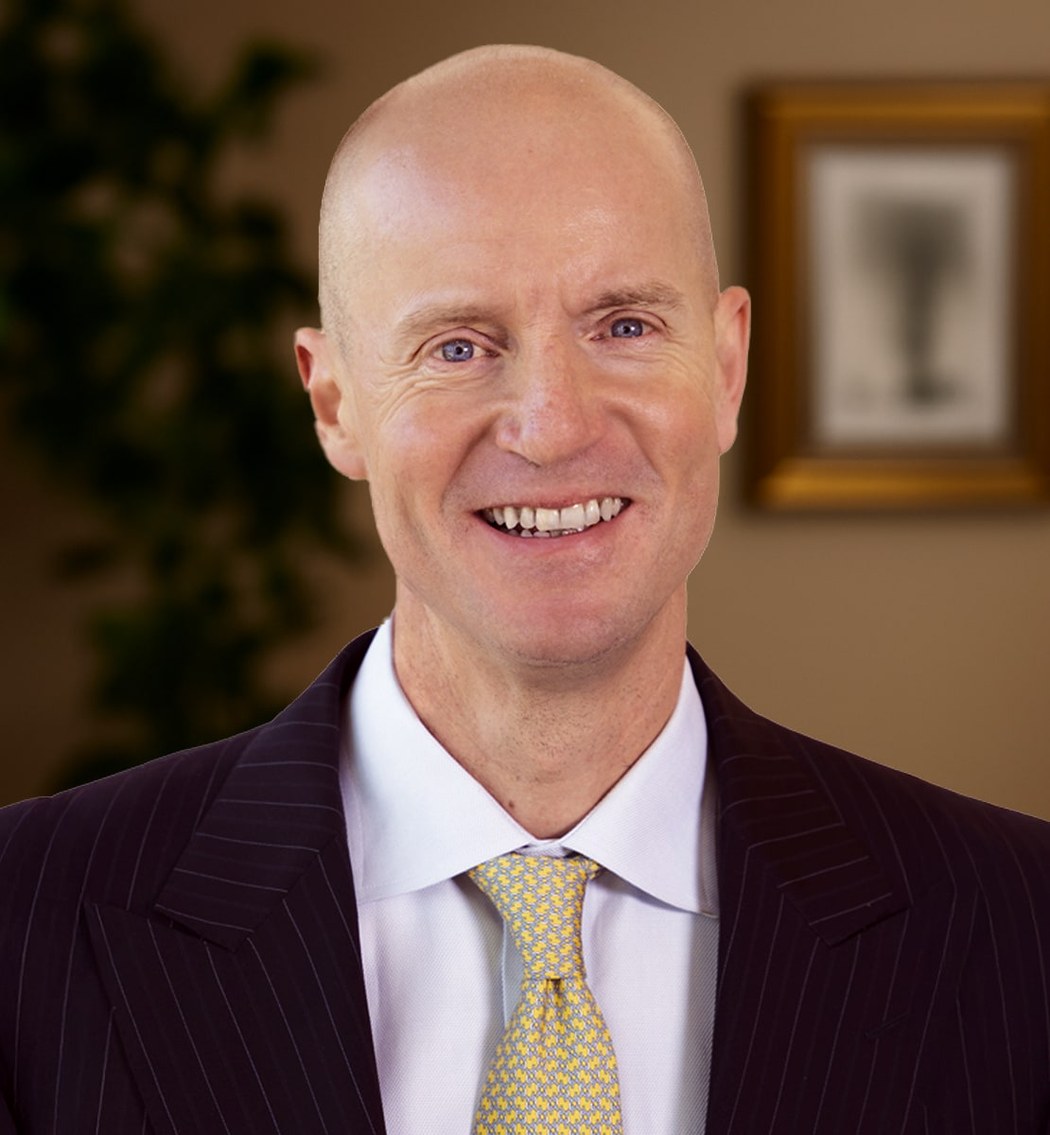
Michael Kennedy and the price of getting there
An accountant by training, Michael Kennedy spent years financing Antero’s business. Now he runs both its producer and its pipeline company, with a West Virginia expansion testing how well the pieces fit together.
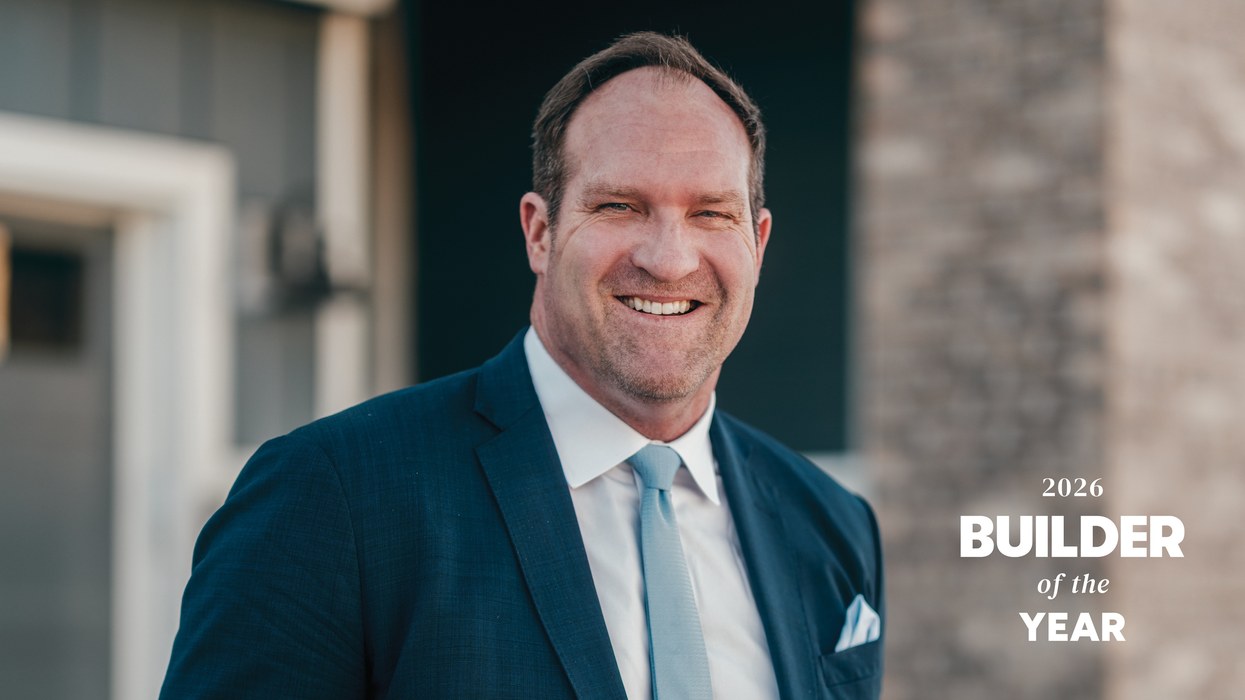
David Viger and the value of starting at ground level
Before he became CEO of Sekisui House U.S., David Viger asked for a chance to learn on a Las Vegas construction site. Two decades later, that beginning still shapes the job.
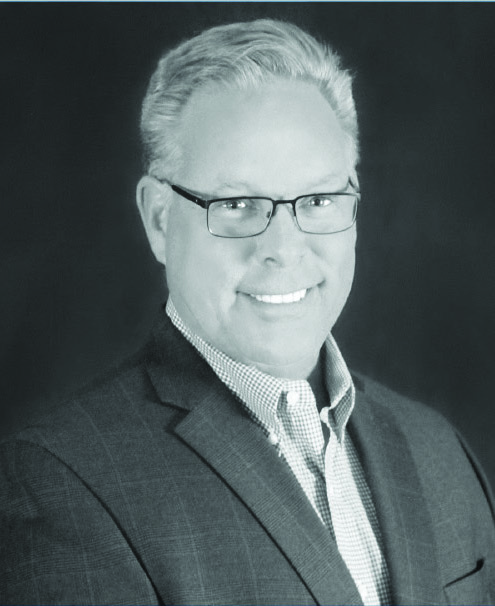
Kurt Rossner and the Business of Being Found
Kurt Rossner brought a web-hosting background to Colorado’s cannabis market. His Leafbuyer years trace a business from printable deals to customer loyalty, public markets and a private-company turn.
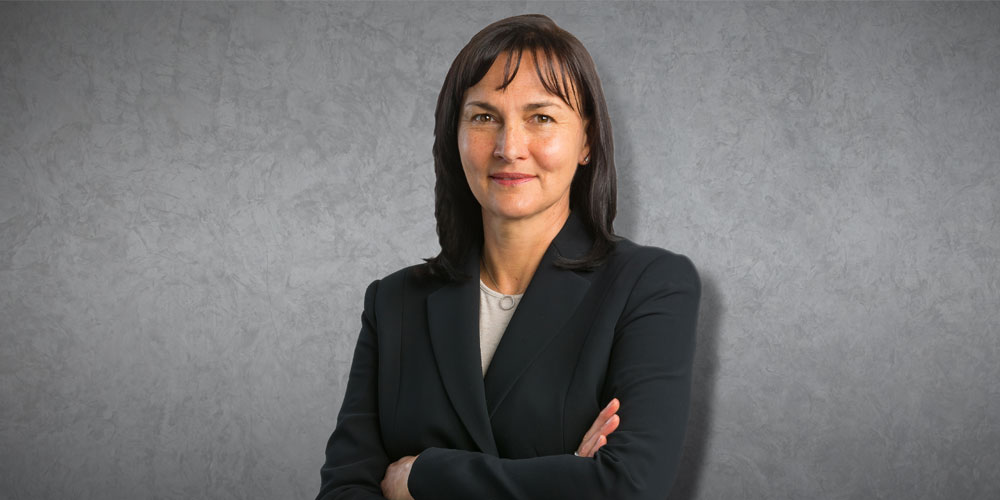
Natascha Viljoen and the value of going back underground
She grew up visiting her father at a South African mine. Now, as Newmont’s first woman CEO, Natascha Viljoen brings a processing engineer’s eye to a global business - and keeps listening to the people closest to the work.
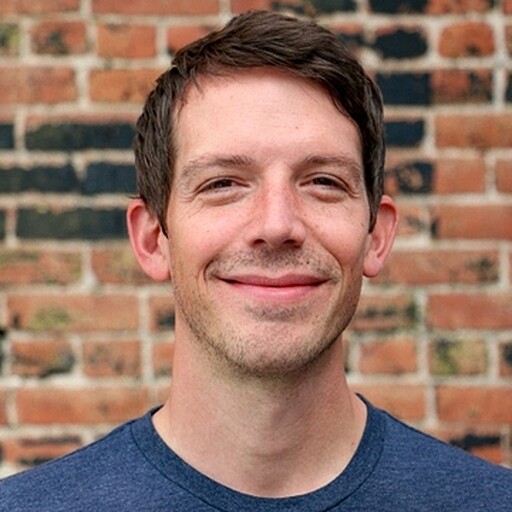
Chris Klein and the trouble with watering in the rain
A rainy walk in Denver gave Chris Klein a problem he wanted to keep solving. Rachio grew from that irritation into a smart-yard business, acquired by Rain Bird in 2025 with its co-founder still at the helm.
Raymond Deux and the business of one more question
NinjaTrader’s founder built software for people who wanted to examine every tick. His career traces what happens when a trading tool grows into the business behind the trade.
Jacob Nagy and the art of starting again
After years advising energy deals, Jacob Nagy began building businesses for buyers himself. A $1.45 billion asset sale and a new fund exceeding $1 billion show why the Avant co-founder keeps returning to the Permian Basin.
Skyler Gary and the value of putting the pieces together
Before co-founding Avant Natural Resources, Skyler Gary worked in the particulars of petroleum land. His career now runs through a $132.5 million royalty transaction, a Delaware Basin asset sale and a fresh fund with more than $1 billion in commitments.
Reid Wicoff and the trouble with business as usual
Before co-founding Digible, Reid Wicoff wrote a sales blog under a pseudonym. Building his own company gave him a more consequential place to question the rules.
Bryan Leach and the value of a second look
An airplane passenger photographed a business card. Bryan Leach saw a reason to leave the law. The Ibotta founder has spent the years since turning everyday purchases into a business built around evidence.
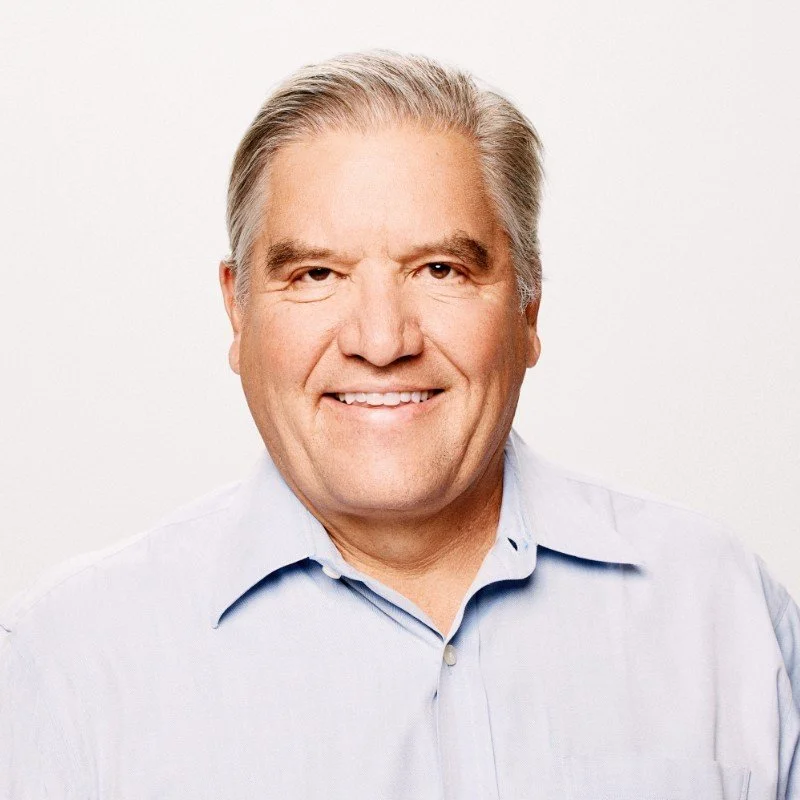
Chris Romer and the price of an invisible thing
He financed public projects, helped build education companies, and then put methane on the balance sheet. Chris Romer’s career follows a stubborn question: what would make people pay attention - and act?
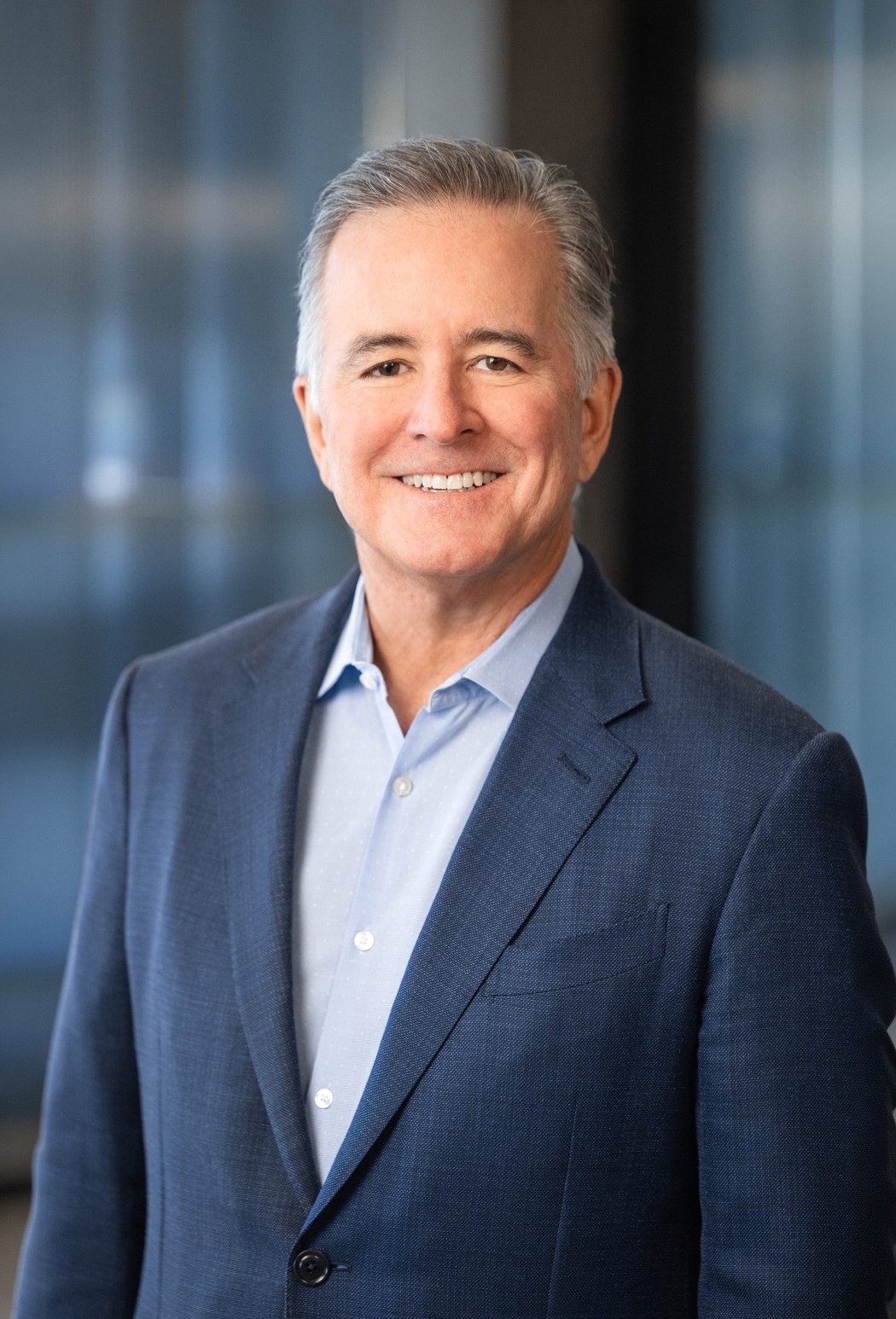
David Robertson and the business behind the buildings
Before backing real estate operators, David Robertson helped run Aimco and founded a smoothie chain. At FrontRange Capital Partners, his work centers on the company that makes the property possible.
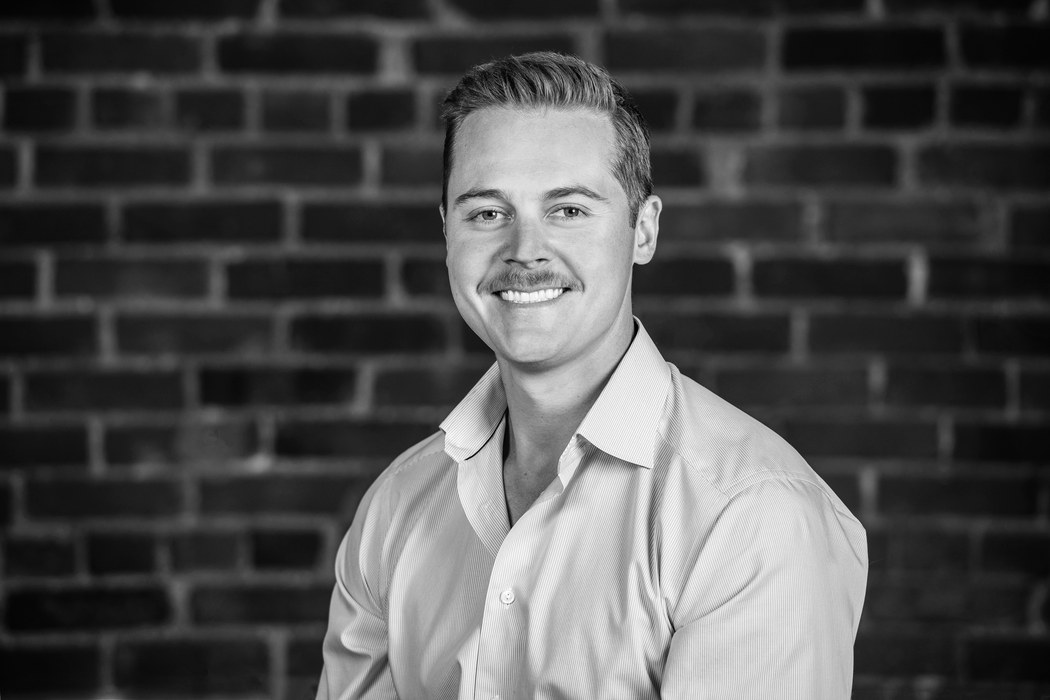
Kenneth Monfort and the block that answered back
A fifth-generation Colorado business owner takes the CEO seat with a downtown bet still in progress. On Denver’s Market Street, Kenneth Monfort is learning how much a city brings to the negotiating table.
Will Foiles and the value of a missing molecule
The Project Canary co-founder brings a financier’s eye to methane: every leak is lost product, and every measurement should lead somewhere. His next challenge is getting the data to earn its keep.
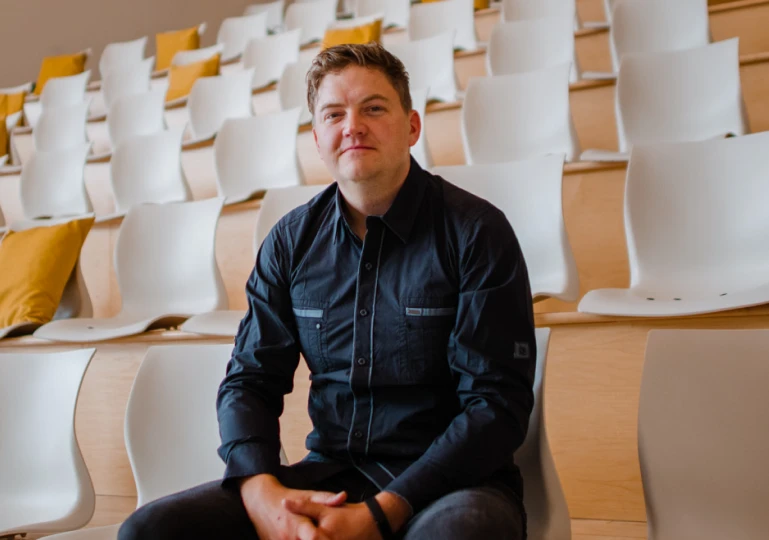
Peter Melby and the trouble with good intentions
A surprise resignation changed how Peter Melby thought about being a boss. From an IT company started in an apartment to New Charter, he has been working out how trust survives growth.
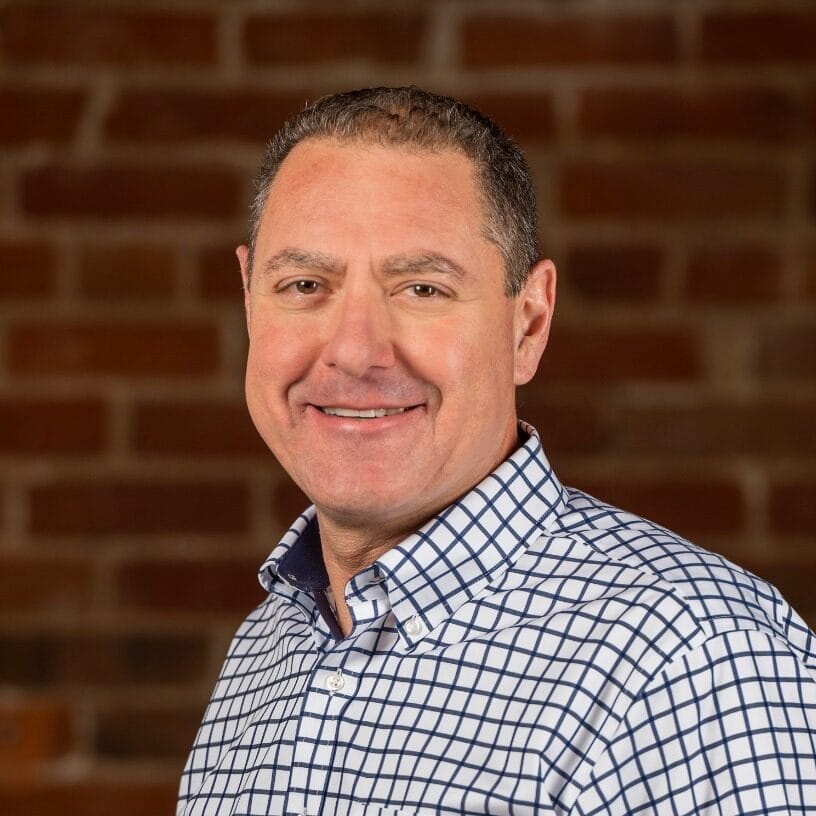
Alon Mor and the opportunity in the hummus aisle
A grocery-store observation helped Alon Mor build Garbanzo. His path through restaurant operations, Monfort Companies and real estate credit support follows the practical obstacles between an idea and a working business.