An asset sale worth $1.45 billion makes a persuasive case for taking a moment. Jacob Nagy’s response was to get back to assembling acreage. Avant Natural Resources, the business he co-founded with Skyler Gary in 2019, had found a buyer for its Delaware Basin upstream and infrastructure assets. The next job was already familiar: put another portfolio together.
“It’s too much fun,” Nagy said while discussing the business around the sale. In the vocabulary of energy transactions, where pleasure generally arrives disguised as an adjusted financial measure, this was refreshingly direct. He enjoyed the work. There was more of it to do.
By July 2026, that next chapter had substantial backing. Avant announced more than $1 billion in equity commitments for Fund II and related vehicles. For Nagy, a former energy investment banker, the sequence carries a particular symmetry. He once helped clients navigate transactions. Now he helps create the businesses on the other side of the negotiating table.
Announced value of Avant’s Delaware Basin upstream and infrastructure asset sale to Coterra Energy.
A narrow education in a sprawling business
Nagy attended Rice University from 2004 to 2008, studying political science. His professional life then took him into investment banking at Merrill Lynch and, in 2011, Petrie Partners. The subject stayed remarkably consistent: upstream oil and gas, the part of the industry concerned with finding and producing hydrocarbons.
At Petrie, he became a partner and managing director. His responsibilities covered originating deals, advising on transactions and investment management. This was an education in how energy businesses change hands, financed by the useful discipline of having to get the details right for someone else.
There is a difference between knowing that an industry exists and spending years learning how its deals come together. Nagy’s career accumulated the second kind of knowledge. An Energy Council biography credits him with more than 80 completed transactions, with aggregate value exceeding $50 billion. That figure describes transaction experience across his career. It is a measure of the scale of the work he had encountered before Avant became his principal business.
His banking career also connected two energy communities. Nagy worked in Denver and helped expand Petrie’s Texas presence after its Houston office opened in 2013. He described those regional ties as a way to connect relationships across the industry. Long before Avant’s New Mexico portfolio, his work already crossed the distance between the people supplying capital and the places receiving it.
There was a teaching component, too. His 2018 profile described work with junior colleagues and his interest in helping them pursue their careers. That experience adds another dimension to the founder’s later responsibilities. An investment business needs people able to evaluate opportunities and execute projects, as well as investors willing to finance them.
In 2018, Oil & Gas Investor selected him for its Forty Under 40 class. The recognition arrived just before a change in responsibility: the following year, he would become a founder.
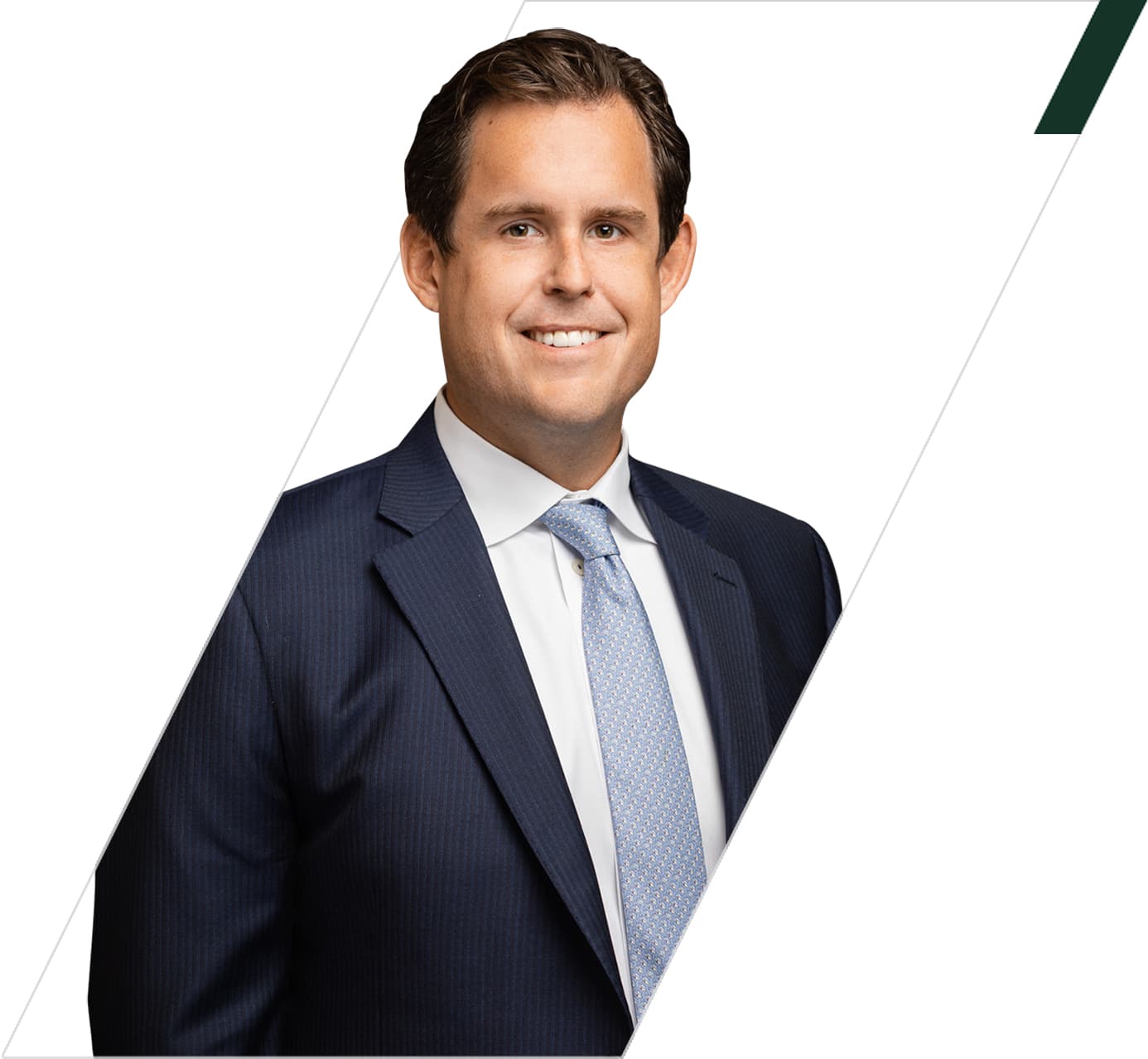
Two founders, different working maps
Avant began with two founders who could approach the same acreage from different directions. Nagy brought the finance background. Gary brought a decade of experience as a petroleum landman, including leasing programs and drilling operations. They shared the founder and co-CEO titles.
The pairing gives the company’s story its working logic. An energy investment needs a financial case, property rights that support the plan and people who can turn that plan into production. Those requirements must eventually agree with one another. A spreadsheet may be beautifully behaved while the acreage beneath it remains inconveniently complicated.
Nagy’s remit at Avant reaches across the business. He leads fundraising and company strategy, while overseeing investment origination, operations execution and financial management. The role connects the promises made to investors with the practical decisions required to carry them out.
Gary’s land experience sits beside that financial responsibility. The founders’ backgrounds help explain why Avant’s business combines assembling property interests with developing an operating portfolio. The combination also gives a more useful account of Nagy than the banker-to-founder shorthand alone. At Avant, he took on responsibility for what happened between acquiring an interest and presenting a developed business to a potential buyer.
The royalty years
Avant’s early business concentrated on minerals and royalties. The distinction matters. Royalty interests provide a share of production revenue under the relevant agreements; working interests carry participation in production and responsibility for development and operating costs. Moving between them changes the work a company must perform.
In 2022, Brigham Minerals agreed to buy mineral and royalty interests from funds managed by Avant and its affiliates for approximately $132.5 million in cash, subject to closing adjustments. The package included about 3,900 net royalty acres in Martin and Midland counties, in the Midland Basin.
The buyer’s announcement described acreage being developed by operators including Endeavor, Pioneer and ExxonMobil. For Avant, assembling that collection of interests had created something a larger royalty owner wanted to purchase. Nagy later appeared on The Minerals and Royalties Podcast to discuss the exit and the company behind it.
The transaction provides an early, concrete marker in his founding career. There was a defined portfolio, an identified buyer and an announced price. It also leaves an important distinction intact: selling a portfolio can return money to investors while leaving the people and organization available to build another one.
Announced Midland minerals and royalty sale to Brigham.
Announced value of the Delaware asset sale to Coterra.
Equity commitments to Fund II and related vehicles.
The first two figures are asset-sale values. The third is committed investment capital. They are separate milestones, not a return calculation.
A public vote for knowing a place
Nagy had already made his preference for specialization visible. In October 2020, he joined a minerals and royalties debate on specialization versus diversification. He and Viking Minerals CEO Ran Oliver argued for specialization; Derren Geiger and Kevin Lorenzen argued the other side.
That appearance offers a useful glimpse of the investor’s stated position. His own career had concentrated on one industry, and Avant would continue concentrating on the Permian Basin. The debate gave that concentration an explicit intellectual home, before the later sales supplied the more conspicuous numbers.
His public appearances also place him within the industry’s working conversations. A Denver Petroleum Club event in September 2023 paired him with Northern Oil and Gas CEO Nick O’Grady for a discussion of non-operated assets and minerals. Banking, royalty ownership and operating interests were all parts of the professional world he inhabited.
These are practical subjects. They concern who owns an interest, who pays to develop it and who eventually receives the proceeds. Nagy’s public record repeatedly returns to those questions, even as the size and type of Avant’s investments change.
Water belongs in the oil story
As Avant moved further into working interests, infrastructure became part of the business. Nagy described the company building a water recycling system alongside its Delaware Basin operations. Avant had been pursuing a separate sale of that system when Coterra entered the conversation. Coterra wanted the infrastructure too, and it joined the wider transaction.
It is a telling detail because the phrase “oil assets” can make an operating business sound tidier than it is. Wells sit within systems. Water must be handled, and production requires the supporting facilities that make an operating plan possible. Infrastructure can therefore become part of what a buyer values in an assembled portfolio.
“It’s too much fun.”
Jacob Nagy, discussing Avant’s continued acquisition and operating work
For someone who began in transaction advisory, that water system marks a tangible expansion of responsibility. The work now included helping build something with an operating purpose before deciding how it should be owned. The sale price attracted attention; the system explains some of the business inside the price.
The signature at the other end of the career
The purchase agreement with Coterra supplies an unusually plain way to see Nagy’s changed role. His name appears on the seller signature pages as co-chief executive officer of Avant Natural Resources and Avant Operating, and in leadership capacities for other selling entities. The former adviser was now signing for the businesses being sold.
Petrie Partners, his former firm, also appears in the transaction’s professional cast. It advised Avant and rendered a fairness opinion. There is a satisfying continuity in that connection: an earlier workplace helped advise the company Nagy had gone on to build.
The asset sale closed in early 2025. Its announced $1.45 billion value belongs specifically to the Avant transaction; Coterra also bought Franklin Mountain assets in a separate agreement. Keeping the deals distinct helps preserve the actual scale of Nagy and Gary’s work.
Avant continued. The portfolio had found a new owner, while the founders retained a business capable of pursuing another investment program. That continuation is the thread running through Nagy’s story, from royalties to operating assets and back to fundraising.
Another beginning, already under way
The July 2026 fund announcement described a program with work already behind it. Fund II’s investments included control of more than 40,000 net acres in New Mexico, production from over 20 Avant-drilled horizontal wells, and interests in natural gas and water infrastructure projects.
Its investors included returning partners and new commitments from pensions, foundations, family offices and asset managers. Nagy’s fundraising responsibility had brought another collection of institutions into the company’s next chapter. Their commitments created the means to keep acquiring and developing assets, along with another set of expectations to meet.
The most revealing part of his story remains the return. After an early royalty exit and a later operating-asset sale, Nagy was still doing the work of assembling a business. A transaction has a closing date. Building the next portfolio has a rather less accommodating calendar.