cybersecurity
(582)
Ben Merritt and the art of leaving something unscripted
He built Merritt Group, sold the agency, and returned to startup PR with Merritt & Rose. Across a career that includes Navy service and Silicon Valley, Ben Merritt keeps coming back to the people inside the pitch.
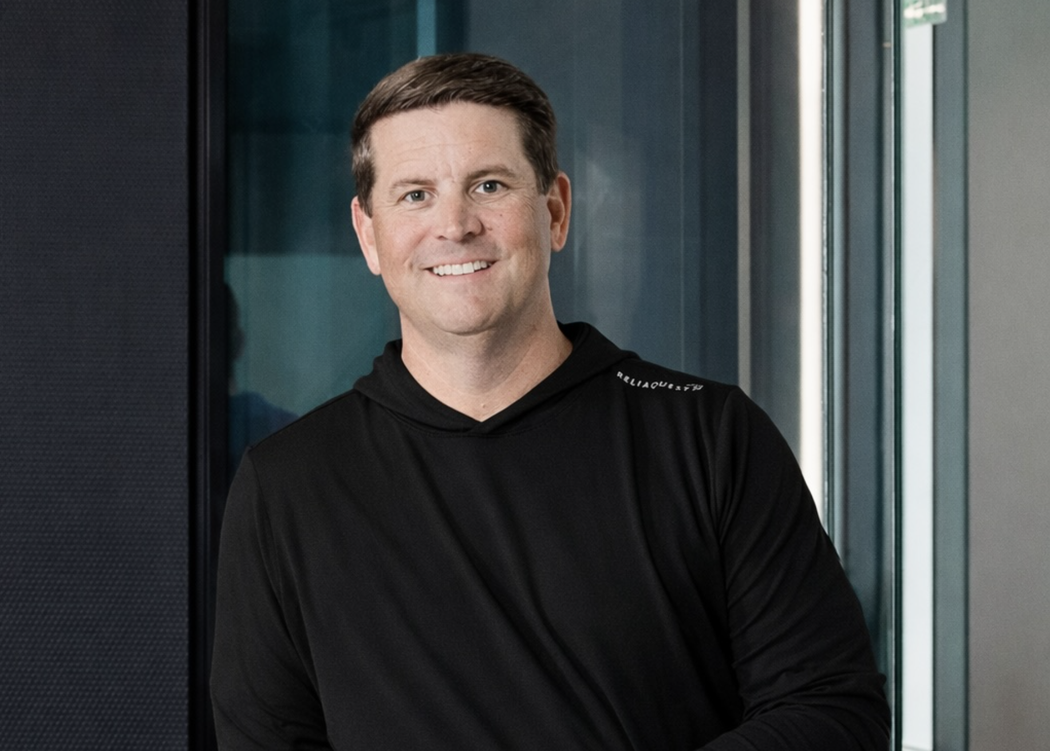
Brian Murphy and the long walk to the answer
A lesson learned at Publix runs through Brian Murphy’s career: take the customer all the way to the answer. It has carried him from an improvised Tampa startup to ReliaQuest’s next chapter in AI.
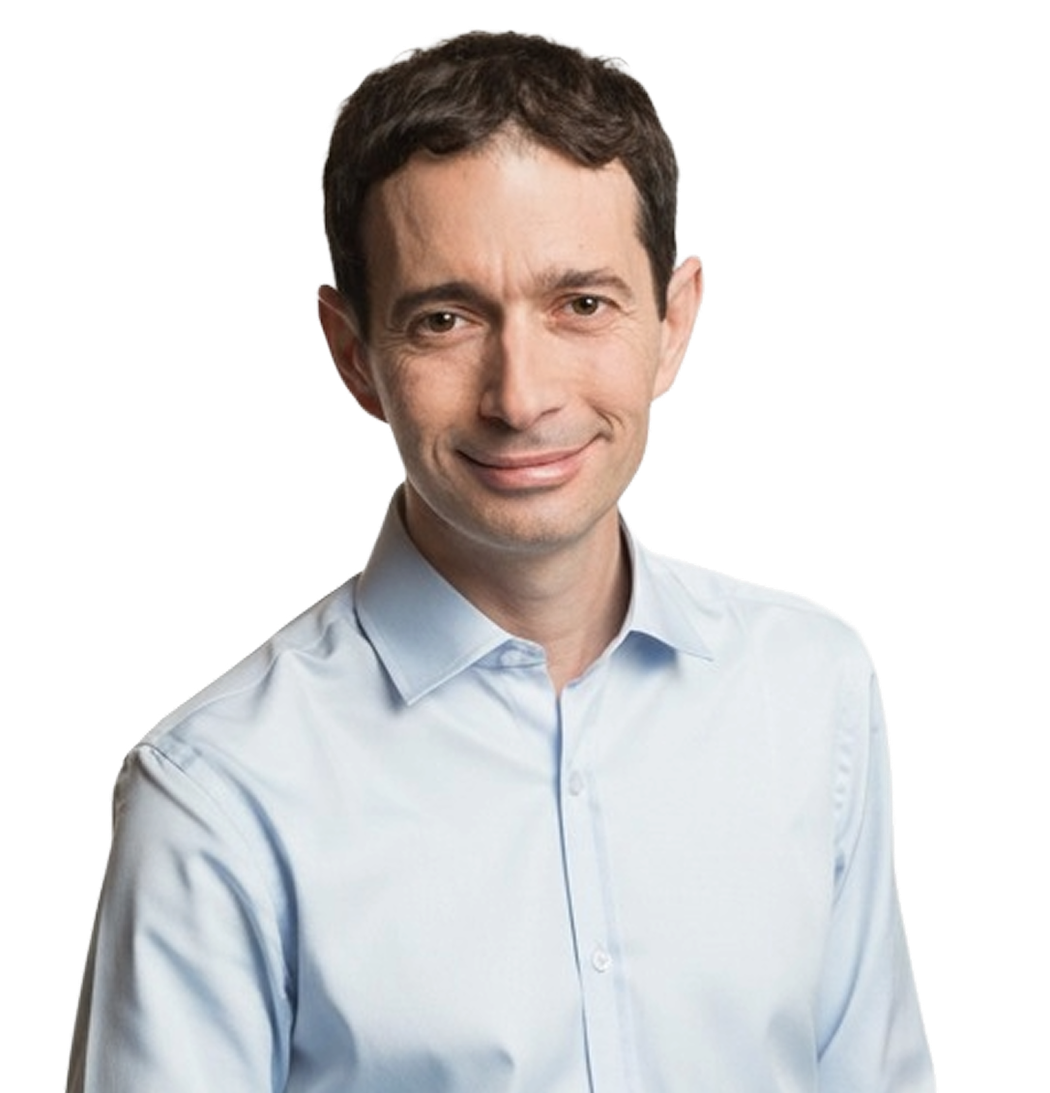
Amir Zilberstein and the Machines We Take for Granted
Claroty’s founding CEO built a business around the networks behind everyday life. Now a managing partner at Team8, Amir Zilberstein is asking how the next generation of machines can stay useful, reliable and under control.

The useful art of losing on purpose
William “Hutch” Hutchison took a fighter pilot’s approach to rehearsal into cybersecurity. At SimSpace, the company he co-founded, a bad day in a simulated network became a way to prepare for a real one.
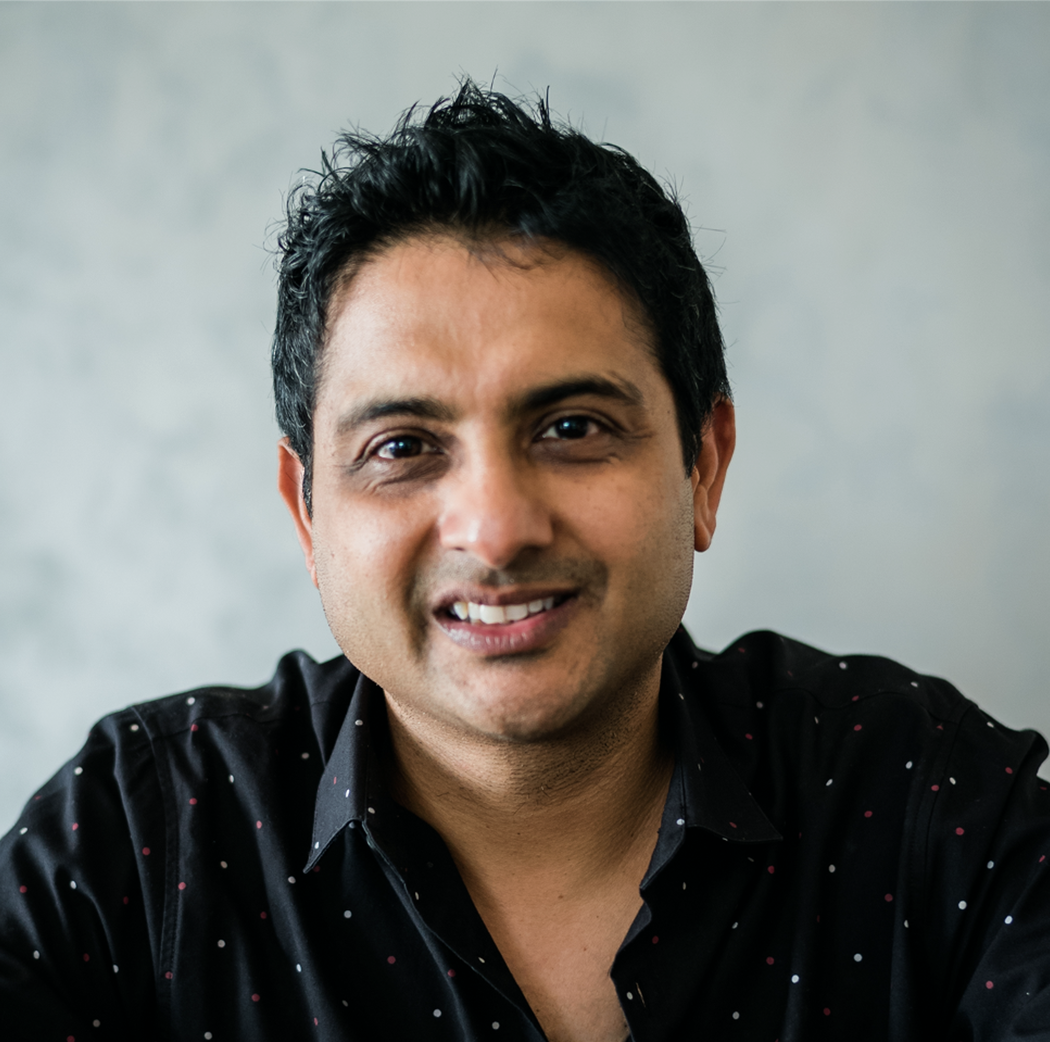
Prithvi Rai and the things a company forgets
At Yahoo, Facebook and Uber, Prithvi Rai worked on the machinery of trust. With Borneo, he turned a familiar problem - keeping track of sensitive data as a business grows - into a company of his own.
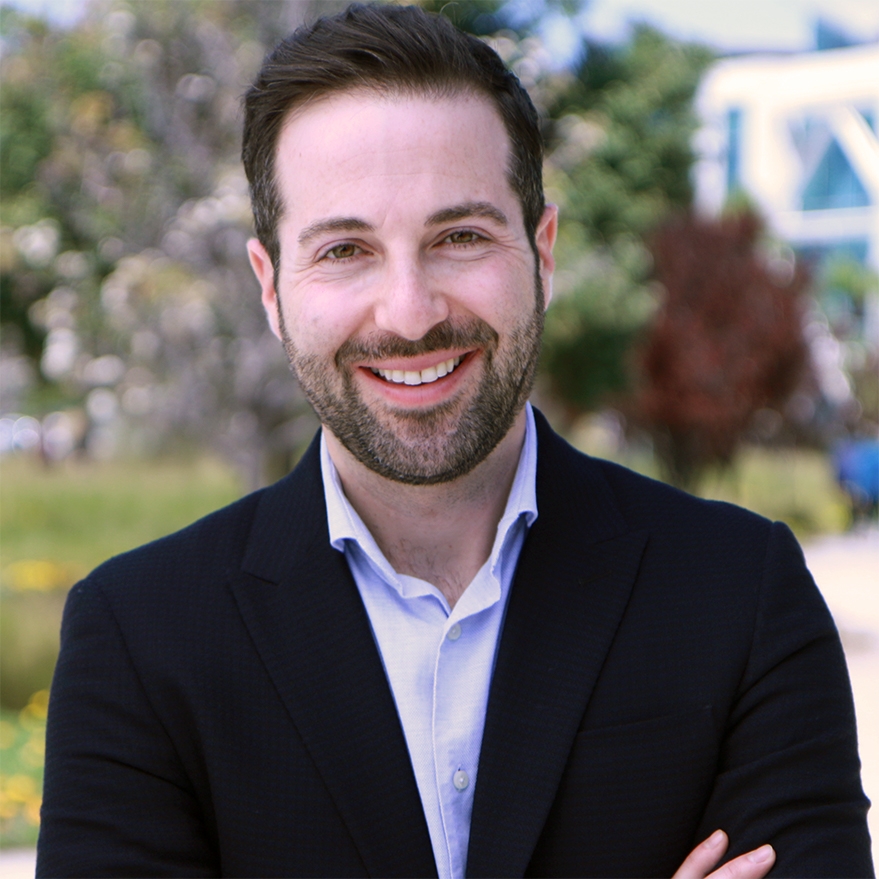
Jay Kaplan Wants You to Let the Hackers In
A breached website pulled a teenage entrepreneur into cybersecurity. After the NSA, Jay Kaplan built Synack around a harder problem: getting people to trust the strangers who could break their systems.

Itai Tevet and the case of the unread alert
Before he co-founded Intezer, Itai Tevet investigated attacks for the Israeli military. His business now turns on a stubborn question: what happens to the warning nobody has time to open?

Guy Bejerano and the trouble with feeling secure
After years spent explaining cyber risk, Guy Bejerano wanted a way to test it. SafeBreach grew from that frustration, and its co-founder is still asking what happens after the reassuring presentation ends.

Tristan Kalos and the lesson in the empty database
A client’s missing data gave the future Escape co-founder a problem he could not forget. He has spent the years since bringing developers and security teams into the same conversation.

Brian Vallelunga and the problem that survived the startup
A failed crypto marketplace left Brian Vallelunga with a useful nuisance: nobody knew where the software’s secrets were. He built Doppler around it, bought the first prospects burritos, and eventually handed over the CEO’s chair.
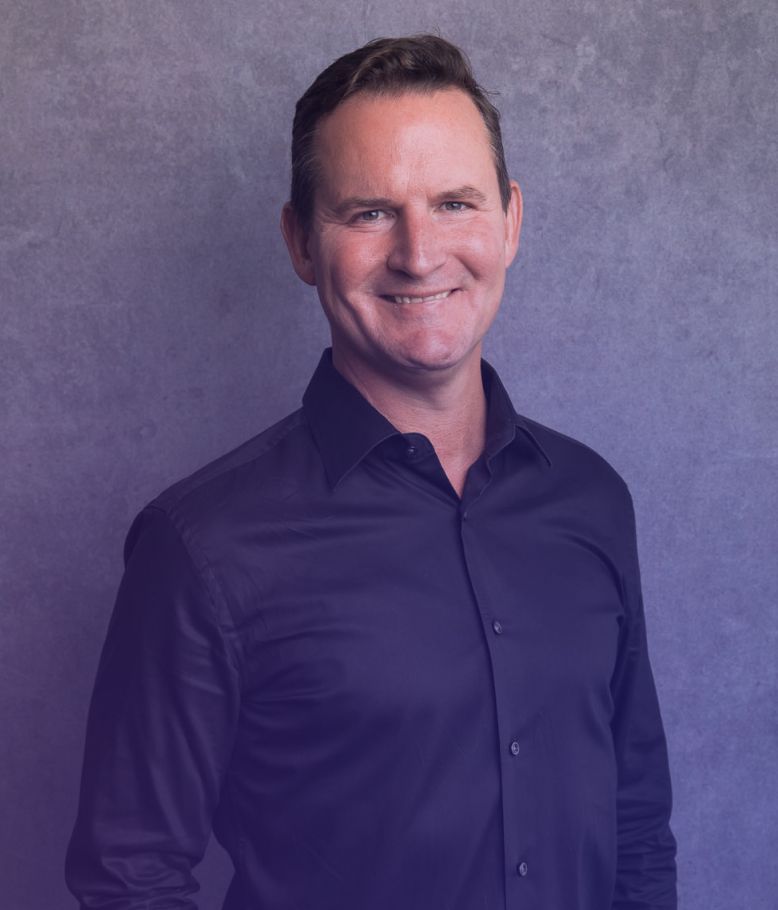
Alisdair Faulkner and the trouble with a familiar face
He helped build ThreatMetrix into an $830 million acquisition. With Darwinium, Alisdair Faulkner is pursuing a harder question: what happens when the identity checks pass, but the intentions do not?
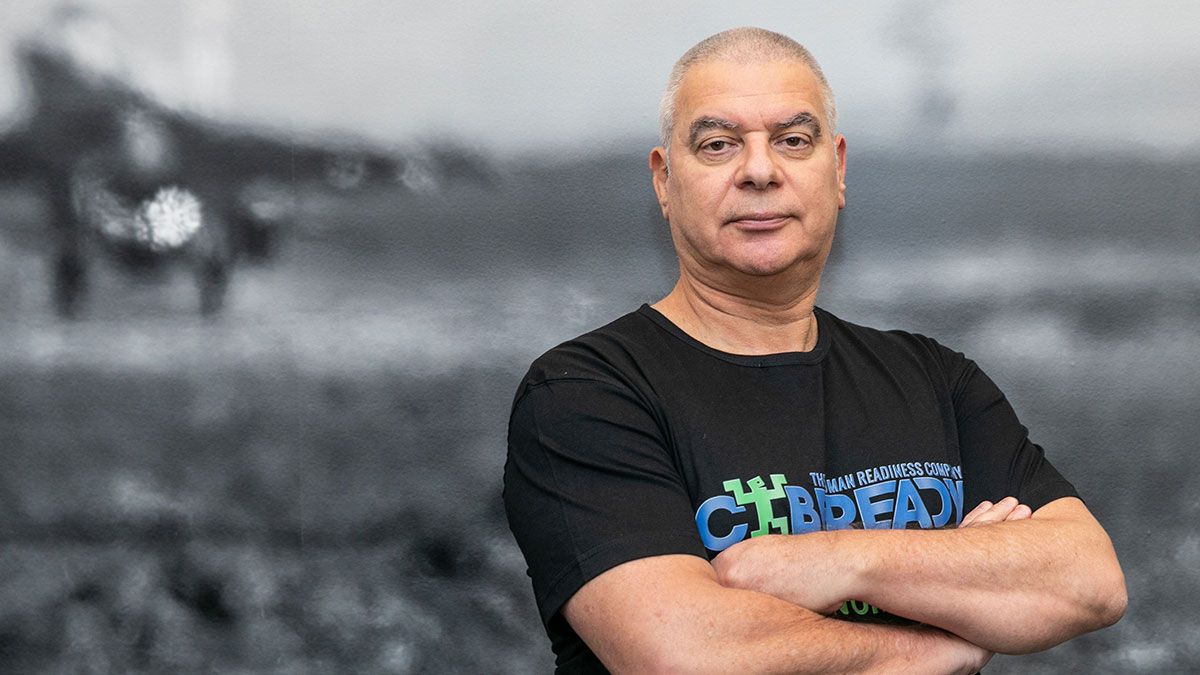
Mike Polatsek and the trouble with passing the test
CybeReady’s co-founder has spent years asking what employees actually learn. His answers involve patient repetition, unreliable clicks and a free coffee that does not travel well.
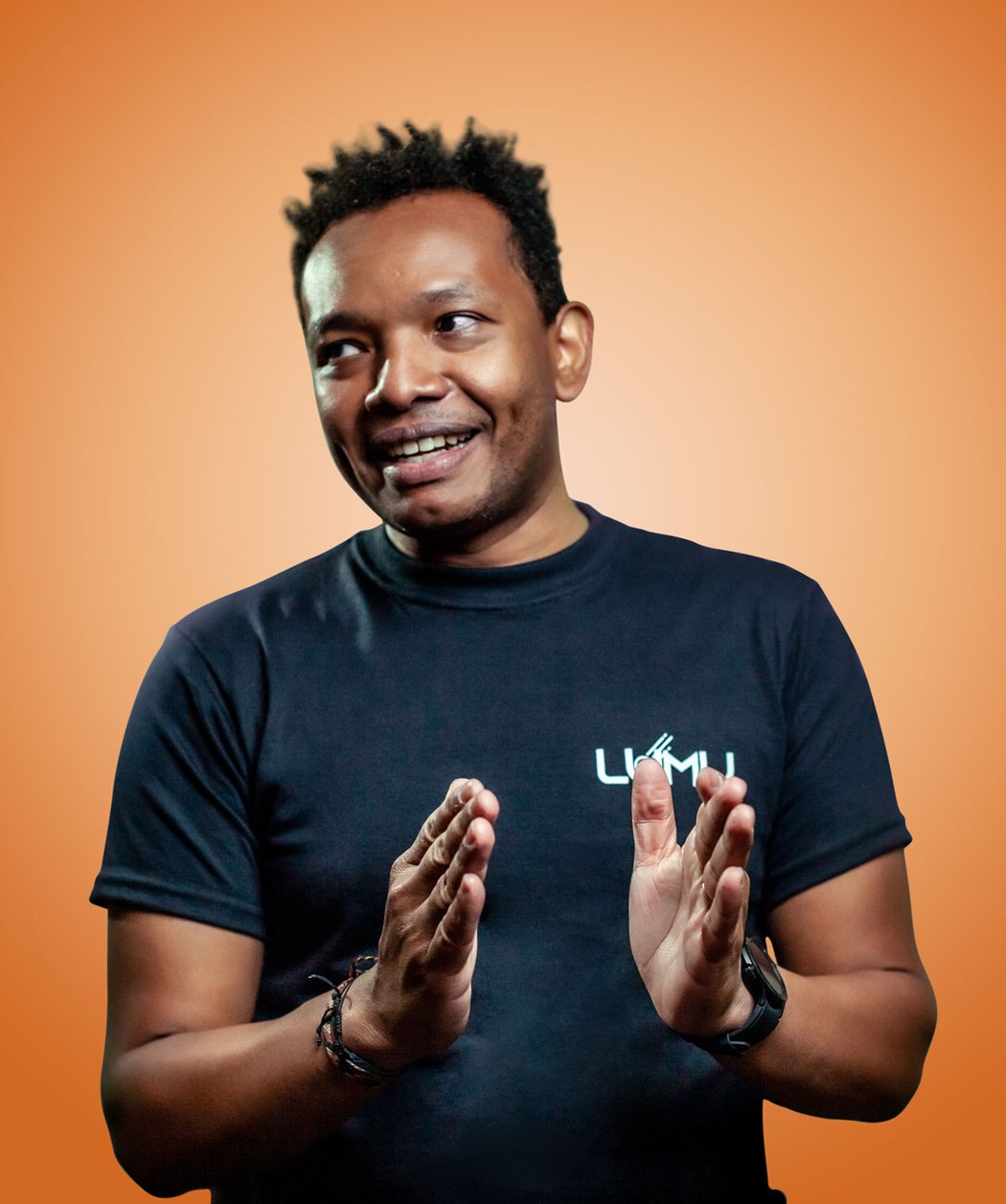
Ricardo Villadiego and the trouble with feeling safe
He left Cartagena at 15, helped banks fight fraud, and built a company that crossed borders. With Lumu, Ricardo Villadiego is pursuing a more uncomfortable question: who is already inside the network?

Oren Falkowitz and the distance between a problem and its solution
He helped build Area 1 Security around stopping phishing before it reached the inbox. Now Oren Falkowitz is bringing farms closer to the people who eat what they grow.
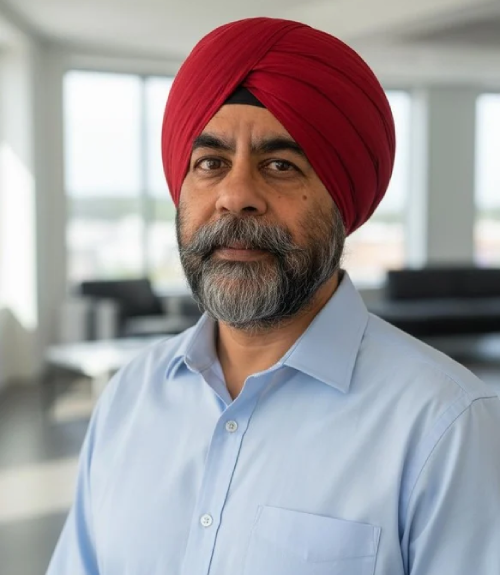
Manmeet Singh and the Trouble with Invisible Things
He built Dataguise around the sensitive information companies could not see. Now, at WMC Global, Manmeet Singh is following the connections behind mobile fraud.
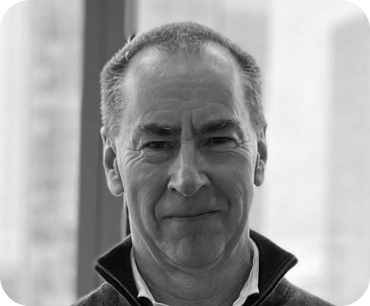
Mark Brooks-Wadham’s second act began with a different chair
After 28 years leading Charterhouse, Mark Brooks-Wadham moved from the chief executive’s seat to the boardroom. His next chapter took a telecoms founder into the business of AI translation.

Aharon Chernin and the work that ought to disappear
After building Perch Security, Aharon Chernin noticed an awkward habit in the IT business: people kept doing the work their software was supposed to automate. Rewst is his attempt to close that gap.
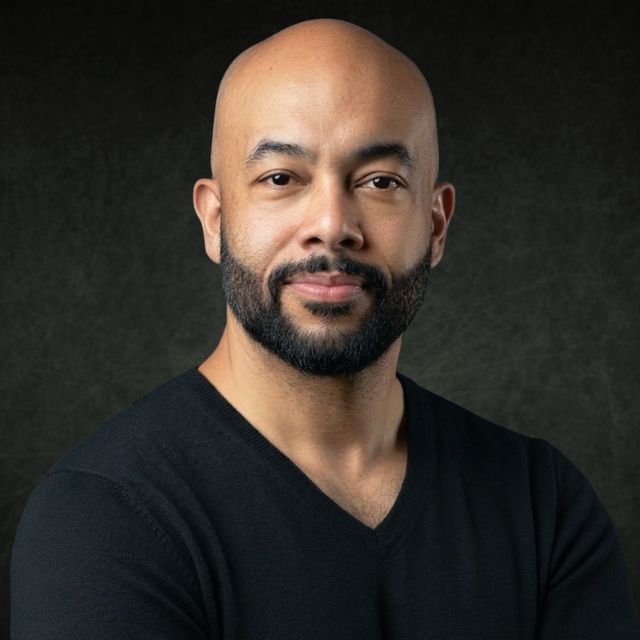
Wasim Khaled and the hidden machinery of belief
Before Blackbird.AI, Wasim Khaled sold the things people wanted to carry. Now he studies the stories they choose to believe - and the networks helping those stories along.

Dimitri Sirota and the trouble inside the cupboard
After two security startups, Dimitri Sirota built BigID around an awkward question: do companies know what data they hold? AI has given that question a fresh urgency.
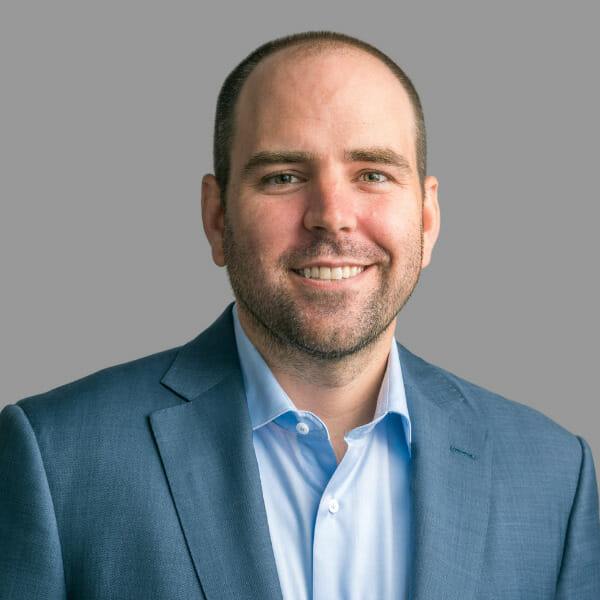
Travis Jarae and the Cost of Not Knowing
At Google, Travis Jarae worked on proving who people were. At Liminal, he is working on a different uncertainty: how businesses decide what to do next.
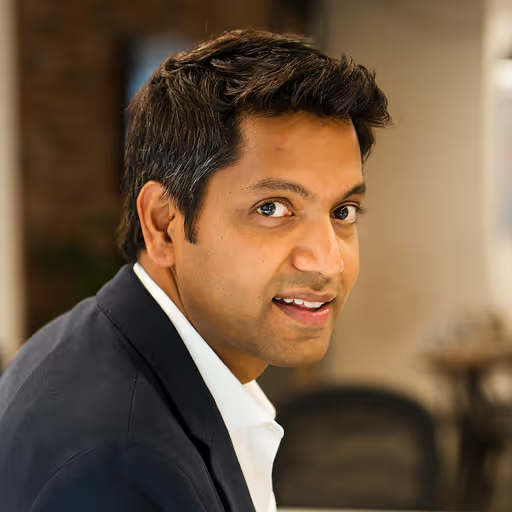
Vinay Mahadik and the laptop that went home
The Securly co-founder and founding CEO built a business around a school device’s life beyond the classroom. His next venture takes on another familiar problem: finding what an organization already knows.
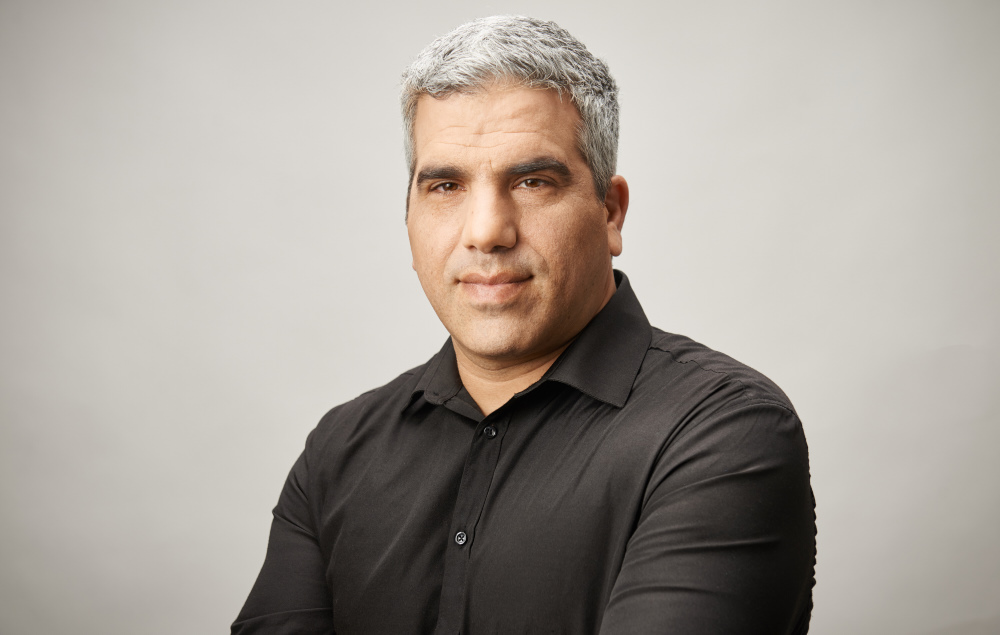
Ofer Smadari and the art of starting over
After selling Luminate Security, Ofer Smadari reunited its founding team and built another company. Getting Torq to a $1.2 billion valuation meant giving up on the first idea.
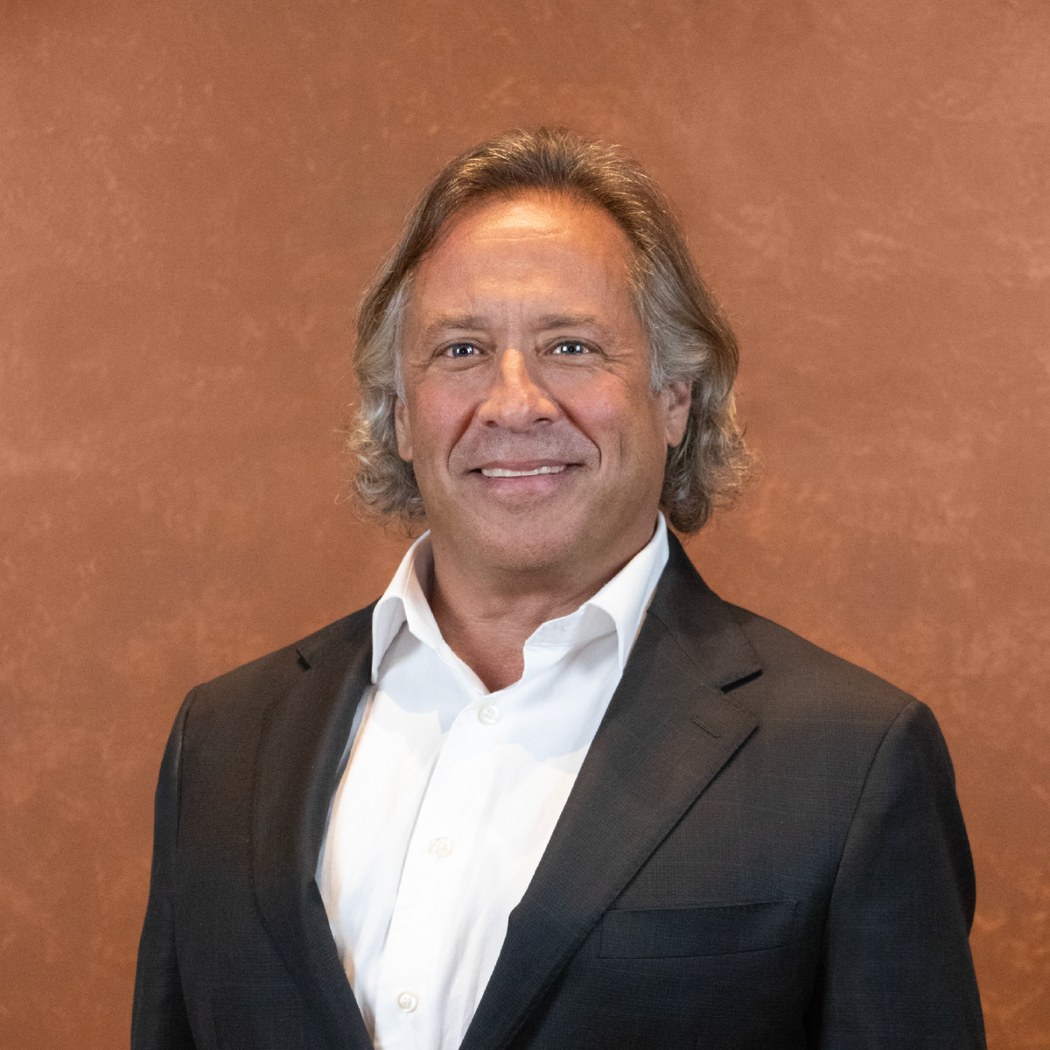
Rob McCormick and the Art of Making IT Ordinary
From financial-data networks to Avatara, Rob McCormick has kept returning to one idea: businesses should be able to use technology without assembling an IT operation of their own.

Richard Pennington and the promise that got bigger
FourNet began with four founders and one customer. Twenty-one years later, Richard Pennington is steering a business of around £65 million towards AI, with the same awkward question at its heart: who takes responsibility when the technology has to work?

Mark Arena Learned to Read the Room. Then He Bought the Team.
He built Intel 471 by paying attention to the people behind cybercrime. Back in Perth, Mark Arena is applying his ideas about culture and community to the basketball club he grew up loving.

Patrick Dennis and the art of keeping the line open
From digital forensics to Avaya, Patrick Dennis has made a career of changing businesses people depend on. Now executive chair, he brings a software enthusiast’s curiosity to the unglamorous work of making a company last.
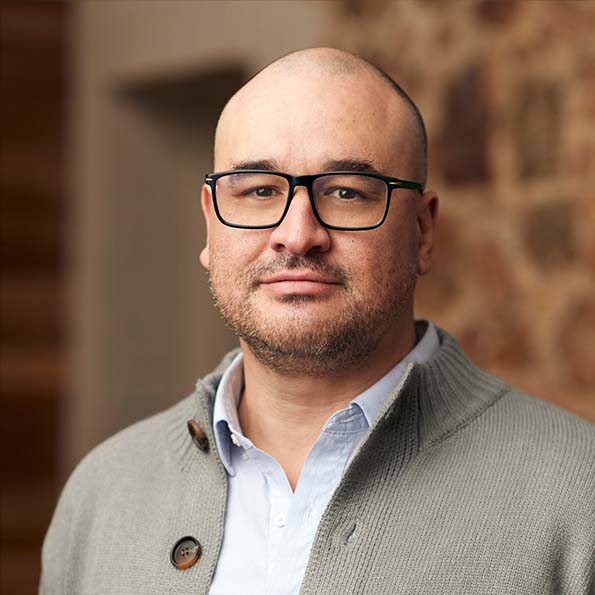
Mike Baukes and the trouble with knowing what you own
In banking, Mike Baukes saw how little large companies understood their own technology. At UpGuard, he has spent more than a decade trying to turn that confusion into something people can act on.

Sonny Sehgal and the Side Hustle That Outlasted the Syllabus
A student project for Chase Manhattan became a business he built with his brother Rickie. Four decades later, Transputec’s co-founder is still chasing useful ideas - and asking who will be accountable when the software starts acting for itself.
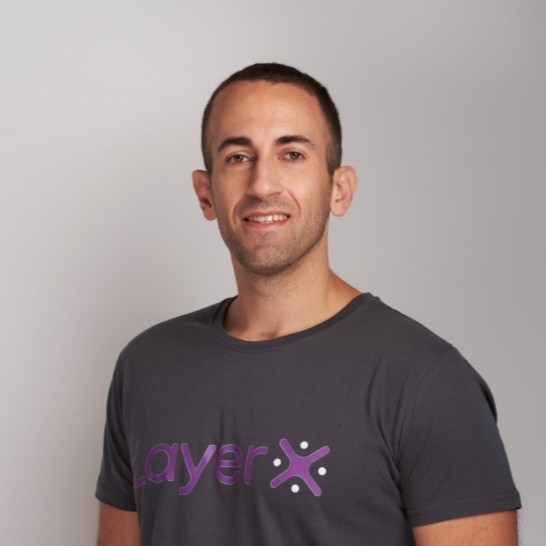
Or Eshed and the case for leaving your browser alone
Or Eshed built LayerX around a stubbornly ordinary idea: protect the browser people already use. A career spent tracing web attacks led to a company Akamai acquired for approximately $205 million - and a new assignment securing how people work with AI.
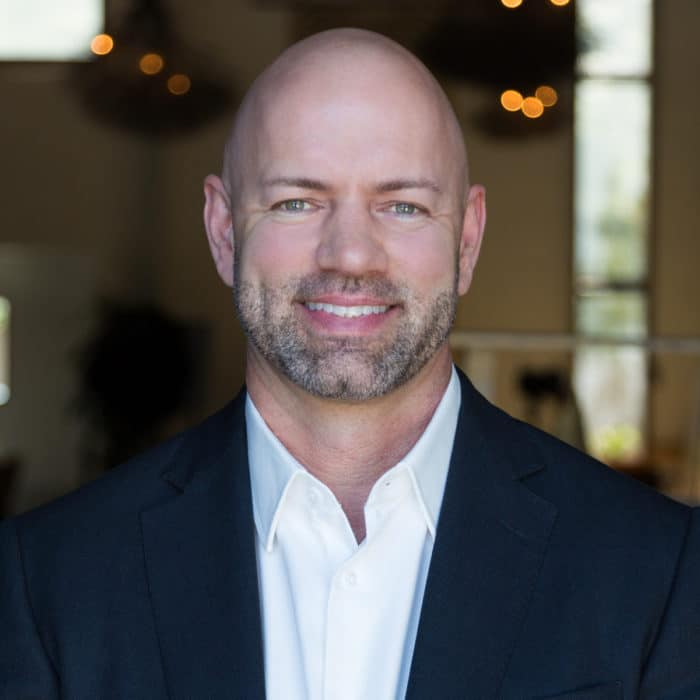
Ted Ross and the Short Life of a Stolen Password
The SpyCloud co-founder built a business around the time between a theft and its payoff. After a career connecting networks and tracking threats, he wants to make stolen access expire before criminals can cash in.