creative-agency
(236)
Mojo Supermarket makes advertising worth doing.
A music video you can code. A trend report you can wear. The New York agency builds campaigns that give people a part to play.
Tattoo Projects makes the familiar worth a second look
A convenience-store truck. A NASCAR weekend. A graduate degree. Tattoo Projects finds the detail people overlook, then builds a campaign around it.
RebelMouse gave the archive a brain. Then taught it some manners.
A publishing platform found a useful job for AI inside a newsroom’s back catalogue. Its more interesting lesson came when the clever search started getting things wrong.

The Office That Came Before the Company
Sakebomb rented an office before it had a business, then turned Hollywood movie sites, skate culture and a taste for mischief into a working model for the early web. Its surviving portfolio is a time capsule of what happened when a tiny studio was allowed to make the campaign part of the entertainment.

The Agency That Learned to Sell the Poster Without Selling Out the Protest
Studio Number One turned Shepard Fairey’s inside-outside strategy into an agency: take the reach of commerce, add the urgency of a street poster, and make every surface carry the same idea.
The Agency That Put a Dragon Dance Around a Shoe
Modest was a 13-person creative company with a worldwide address book and an appetite for the strange detail. Its best work suggests a useful rule: when the brief is global, make the idea more specific - not less.
The Agency That Makes Wolf Eyes Sell Dog Food
Brighton Agency built its reputation in categories where the product is complicated, the audience is skeptical and a clever slogan is not enough. Its best trick is not decoration. It is translation.
The Ad Agency That Chose Three Fields
Most agencies promise range. Curious Plot built its advantage by drawing a fence around food, agriculture and animal care - then learning nearly everything inside it.
Woodruff's Giant-Slaying Trick Was Giving Everyone a Piece of the Sword
A Missouri agency turned its founder's succession problem into a working creative proposition: the people making the ideas would own the place. Three decades in, Woodruff sells research, brands, websites and campaigns with an owner's eye on the outcome.
The Agency That Learned to Sit in the Waiting Room
Imre spent three decades learning what people do when the decision feels personal. Now the independent agency is betting that empathy, performance data and AI visibility belong in the same room.
ChappellRoberts Turned Tampa Bay Into Its Own Best Pitch
For nearly five decades, this Ybor City agency has done something harder than making ads: it has turned local identity into measurable action, from stadium seats to patient visits to a food bank reborn as a hub of opportunity.
The Bank With the Five-Cent Name Had a Million-Dollar Problem
FMS found a narrow business hiding inside a broad profession: help community banks discover the story they already possess, then make the name, lobby, ad and employee live up to it.

The Tractor Was Never Supposed to Leave the Block
Racepoint Global built its reputation translating technical machinery into human stories. Its most revealing campaign began with a tractor, a quarterback and a planned leak that the street beat them to.
The Agency That Put Two Histories Through One Door
Qantm Creative was born when two Virginia agencies retired their familiar names and moved under one roof. The useful lesson is not the new logo - it is how an agency turns inherited experience into one repeatable operating system.

The Design Agency That Outgrew the Word Design
For forty years, JK kept adding answers to the same question: how do you make people care? In 2026, its name finally caught up with the work.
The Brand Guild Built an Agency Around a Useful Disagreement
Barbara Martin believes in the power of no. Jayne Sandman tends to say yes. Their 16-year experiment suggests that a brand may need both instincts in the room.
The Ad Agency That Leaves the Office
For 55 years, Mintz + Hoke has practiced a peculiar kind of advertising: before it makes the message, it tries to live inside the audience's problem. The result is an independent Connecticut agency that behaves part anthropologist, part media shop, and part very curious neighbor.

The Agency That Planted a Watch in a Cornfield
Rose built its reputation by making foreign brands legible in unfamiliar markets - sometimes with television, sometimes with influencers, and once with a 10,000-square-metre crop circle shaped like a Samsung watch.
The Buffalo Agency That Bought Nothing - and Built Its Future Inside It
A bad assignment nearly cost Crowley Webb its future CEO. Then the agency bought a client with no clients of its own - and discovered that the smartest way to grow was to build new muscles around a very specific problem.

The Agency That Gave Public Policy Better Lighting
Policy communication is usually built to survive a committee. NJI builds it to win attention - then gives the committee something it can actually use.
The Ad Agency That Learned to Sell the Small Jackpot
St. John has spent four decades finding the overlooked lever inside familiar businesses. Sometimes it is a scratch-off ticket, sometimes a cartoon sewer monster - and sometimes the winning idea costs $135.95 an hour.

VCCP Sold After Three Years. Then It Kept Acting Like a Start-Up.
A kitchen-table agency won O2 on day one, sold for up to £30 million three years later, and somehow preserved its taste for wrong answers. Its trick is not rebellion for its own sake - it is making twenty specialties behave like one company.
The Thirty-Year Client
Most agencies chase the next account. Gotham spent three decades learning how to make one famous brand feel new - and turned longevity into its sharpest creative advantage.
The Agency That Put a Stopwatch on Stigma
Red Rock sells branding, but its most revealing metric is time: a mental-health campaign was associated with cutting the average delay before treatment from 15.5 months to 6.3. The story is what happened when an agency treated communication as part of the care pathway.
The One-Stop Shop That Learned to Ask Bigger Questions
Rivers Agency began as one woman promising good work at a fair price. Thirty-three years later, its most revealing advantage is not a slogan or a specialty - it is the ability to keep strategy, copy, code and media in the same conversation.
The Agency That Asked People to Do Something
Off Madison Ave built an Arizona agency around a deceptively hard question: what do you need a person to do next? Twenty-seven years, five acquisitions and one AI travel planner later, the question still runs the place.
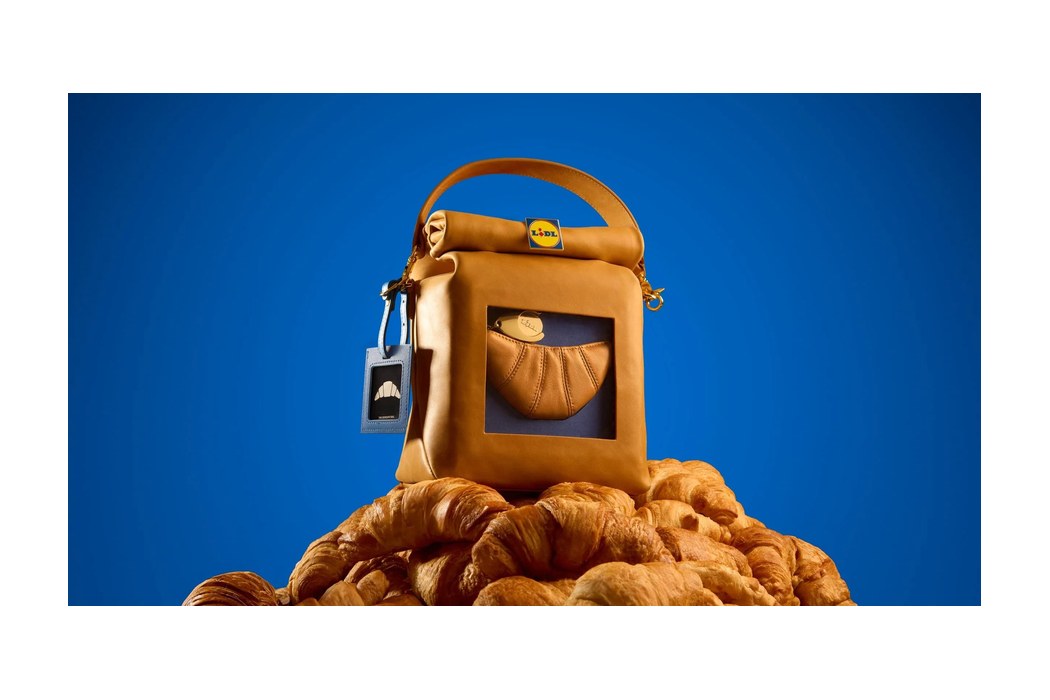
The Romans Put a Croissant in a Handbag - and PR Back in the Room
Most agencies pitch messages. The Romans prefers to make an object, stage an argument or borrow a town - anything that gives the public a story worth carrying on its own.

Latitude Gave Half Away. Then It Lost Almost Everything.
A Minneapolis creative agency made generosity a fixed cost of doing business. When the pandemic erased 90% of revenue in a week, the rule looked reckless - until it became the reason to rebuild.
The Airplane That Learned to Hunt
Gravity Global built a worldwide agency around a contrarian idea: the harder a product is to explain, the more human its marketing must become. Then it painted a jet like a predator and watched a B2B campaign behave like popular culture.

The Car Agency That Learned to Sell Hot Dogs
Born inside the automotive orbit, INNOCEAN USA found its sharper story in hot dogs, invisible flags and an Amazon shopping cart. The trick was not leaving cars behind - it was learning how to make specialist knowledge travel.