consumer-packaged-goods
(73)
The $30 Million Sandwich Roll That Taught Hero Bread How to Sell Bread
Hero Bread spent more than $30 million developing a very good roll for a very difficult customer. Its escape from the Subway trap became a sharper lesson: before asking a giant retailer to believe, find a thousand ordinary people who already do.

The Agency That Fired the Hallway
Clorox once kept print people in one silo and digital people in another. Then it moved 43 desks, rewired the reporting lines, and built an agency that could make a bottle label, a website and a board game without leaving the company.
RMD Lives Inside Food. That's the Whole Point.
Three decades inside food, beverage, and CPG have given RMD the category fluency to help challenger brands win consumers and the gatekeepers who shape what sells.

The Agency That Sold Its Own Best Argument
For more than a quarter-century, Santy told brands to embrace useful change. Then the Scottsdale agency made the advice personal - and engineered an exit that turned a small firm's limits into a larger firm's bench.

The Marketing Agency That Planted the Brief
Haberman grew a marketing agency by insisting that a good story must survive contact with a farm, a focus group and a sales chart. Thirty-two years later, its most persuasive product may be the habit of changing course.
SUGO Communications gives brands something to do
A knife lesson, a holiday recipe, a dessert timed to a television premiere. Inside the Los Angeles and Toronto agency that turns everyday products into occasions worth talking about.
RKPR takes the story all the way to the grocery cart
Rachel Kay built a communications agency around the things people eat, drink and buy. Its most useful lesson is hiding in the distance between a good headline and a stocked shelf.
Mile 9 makes the unfamiliar worth a try
A California agency turns unfamiliar drinks, dinners, and brands into something people can understand - and buy. Its most useful work begins where a clever advertisement stops.
Maine’s $600 Ticket to a Bigger Business
The Maine Center for Entrepreneurs puts veteran operators, retail data and a roomful of peers within reach of small businesses. The real work begins when a founder has to act on the advice.

Perspective: Branding thinks your next rebrand should change less
The California design agency has a pointed proposition for food and beverage brands: keep what shoppers know, fix what they miss, and give the package a job beyond looking pretty.
The Snack Giant Hiding Behind Canada’s Aisles
Johnvince started with one roasting pot and a family bet on bulk food. Fifty years later, its real product is not peanuts - it is the industrial system that gets almost any snack from idea to aisle.
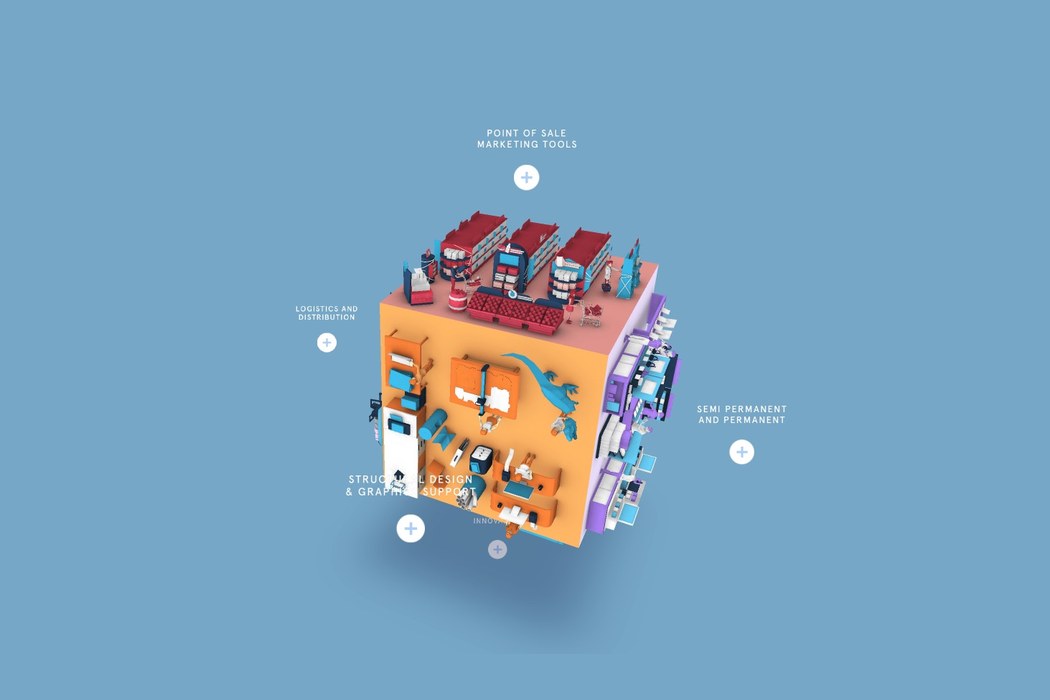
Godin Productions Bet the Shop on Making the Stuff It Used to Broker
For three decades, Godin Productions coordinated the messy work behind retail displays. Then a pandemic-era decision to manufacture in-house changed its margins, its machinery and the size of the problems it could take on.

Canopy Growth Spent Billions Chasing Cannabis Everywhere. Now It Has to Win Somewhere.
The Canadian pioneer turned a C$5 billion war chest into a sprawling global experiment. After closures, write-downs and a strategic retreat, its comeback now rests on a less glamorous idea: grow better flower, sell it through channels it controls and stop confusing reach with a business.
VitaPerk Spent Five Years Hiding 15 Vitamins in Your Coffee - Here’s the Habit Hack Founders Can Steal
The Michigan startup tried to make vitamins disappear into America’s most stubborn ritual. The formula took years, the crowd round stayed small, and the underlying product lesson is still unusually portable.
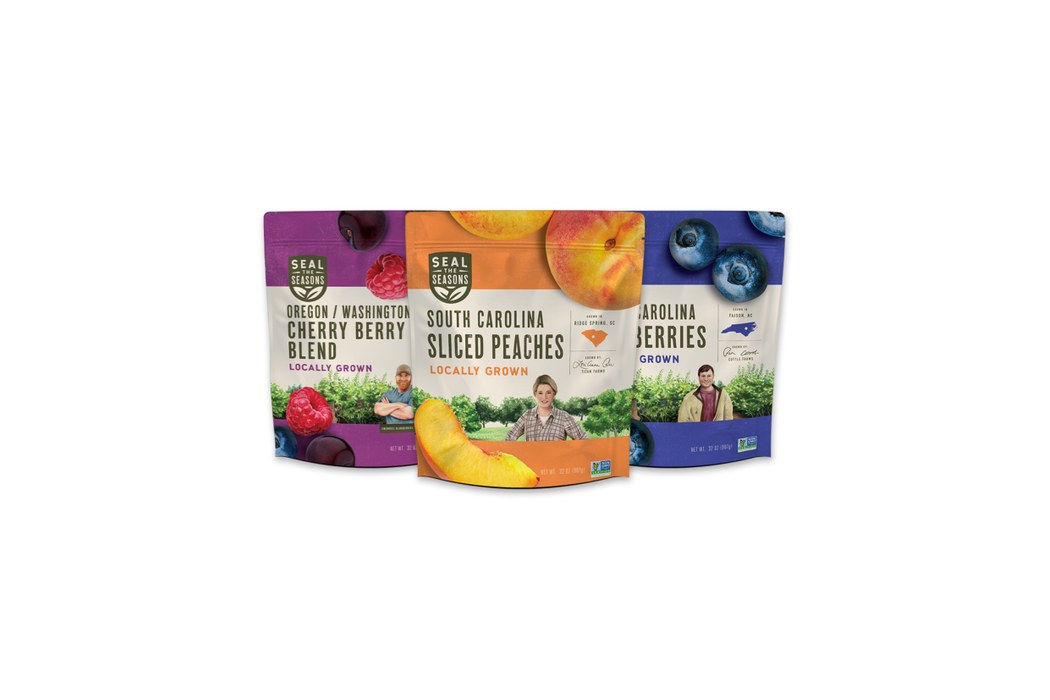
Seal the Seasons Put the Farmers Market in the Freezer - Then Had to Reinvent Its Own Factory
The North Carolina startup began with an $80,000 prize purse and its own freezing line. Its bigger idea arrived when it stopped trying to own the factory and turned spare capacity on family farms into a regional frozen-food network.
GOOD GOOD Sold the Stevia Machine - Then Built a Pantry Brand People Could Actually Crave
A looming inventory write-off forced an Icelandic sweetener startup to make jam in the kitchen. The rescue product became a 10,000-store U.S. business - and a surprisingly practical playbook for turning a dietary constraint into a grocery habit.
Starday Built Four Food Brands to Sell the Food Industry Something It Lacks: Conviction
The Scottsdale startup spent four years turning hazelnut spread, chickpea crunch, seasoned rice and sweet-potato crackers into a live-fire test of its software. Now it is selling the decision system behind the snacks to the food companies that cannot afford another pretty dashboard.
Love Grown Was Nearly Dead. Then Its Customers Built the Case for a Second Breakfast.
The bean-cereal brand almost vanished in 2023. Customer pleas pulled it back, a $1 million run rate changed the owner's strategy, and now Love Grown is betting that breakfast can carry an entire company.

The Oracle Whisperers Who Named Themselves After a Bike Race
A Boston consultancy borrowed its name from cycling - the pack that shares the wind so no one rider burns out. Sixteen years later it is one of Oracle's go-to partners for the unglamorous, high-stakes work of moving a company's books to the cloud.
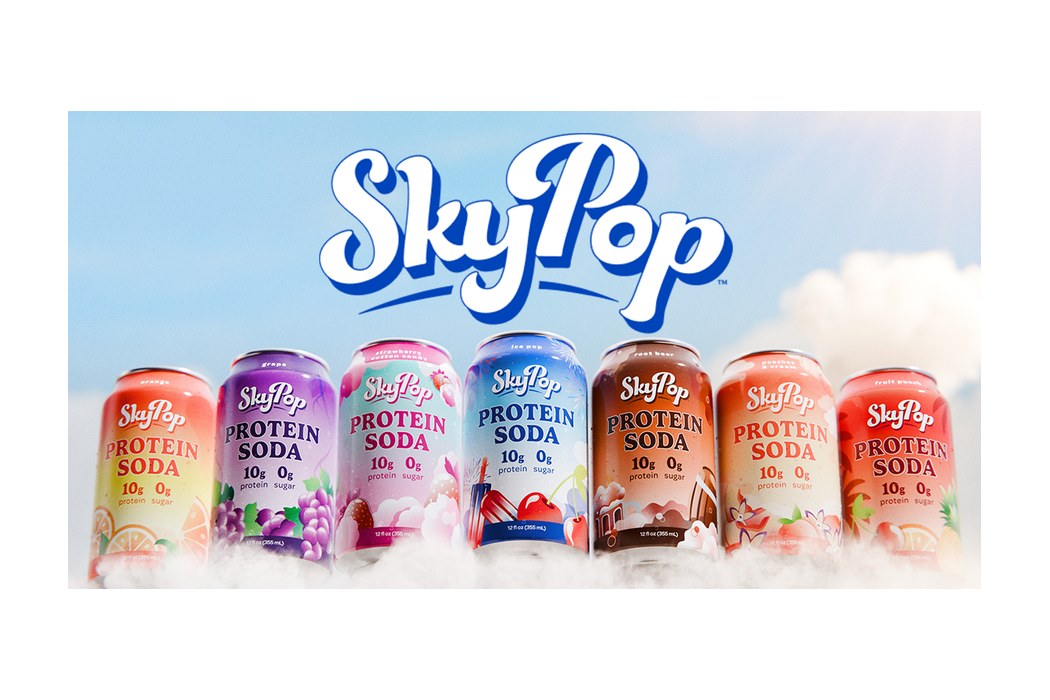
SkyPop Killed Its Protein Shakes to Put 10 Grams of Protein in Your Soda Break
The company formerly called Don't Quit discovered that its most interesting product did not belong in the gym bag. So it dropped the shakes, softened the sports talk and took protein soda to the supermarket aisle.
Graza Put Olive Oil in a Squeeze Bottle - Then the Grocery Aisle Copied It
A shower-bottle sketch, two verbs and a no-strings gifting list turned an ancient commodity into a modern kitchen system. The useful lesson is not “use plastic” - it is to make a premium product easier to understand, easier to use and hard to miss.
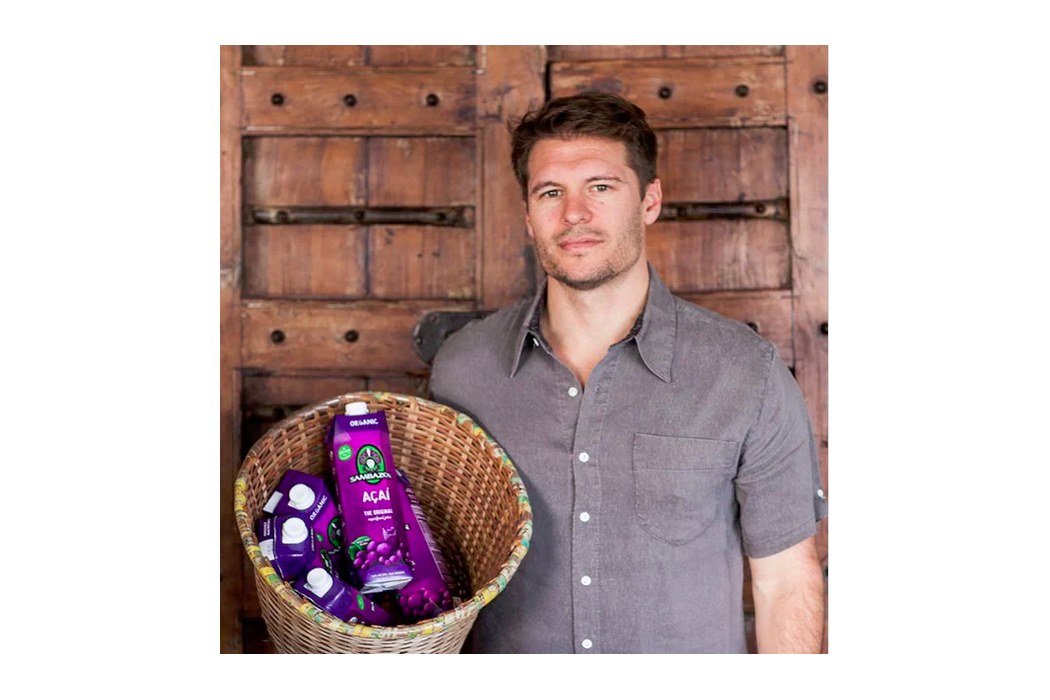
SAMBAZON Bet $50,000 on a Berry America Couldn't Pronounce - Then Built the Category Around It
The frozen pulp was perishable, the name was unfamiliar, and the first bottled drinks stumbled. SAMBAZON survived by making açaí useful before trying to make it famous - and by turning supply-chain control into the brand.

Grön Turned a $50,000 Chocolate Bet Into the Edibles Brand Wyld Had to Buy
Christine Apple’s first cannabis chocolate was rough, Oregon’s rules kept moving, and every new state required a new production puzzle. Grön’s answer was to make dosage feel like product design - then scale the recipe without flattening the brand.

The Sparkling Water That Learned to Drink Like a Beer
Rambler built a mineral-water company around an unlikely observation: a can of water can belong at the bar, the trailhead and the backyard cooler if it has enough taste, texture and personality.
The Gluten-Free Pringles Problem Became a 20,000-Store Business
Matt Parry did not invent a new snack ritual. He rebuilt an old one for families reading the fine print - then carried it from Australia to Colorado and into more than 20,000 retail doors.
The Venture Fund Shopping the Aisles Before Everyone Else
Springdale Ventures bets that the next breakout company may look less like software and more like a jar, pouch or bottle. Its edge is knowing what happens after a product leaves the pitch deck and meets a shelf.
The Company Betting Your Cleaning Spray Can Fight the Plastic Crisis
Grove Collaborative turned a frustration with plastic-wrapped soap into a plastic-neutral retailer. The turnaround since is a lesson in what it costs to actually mean it.
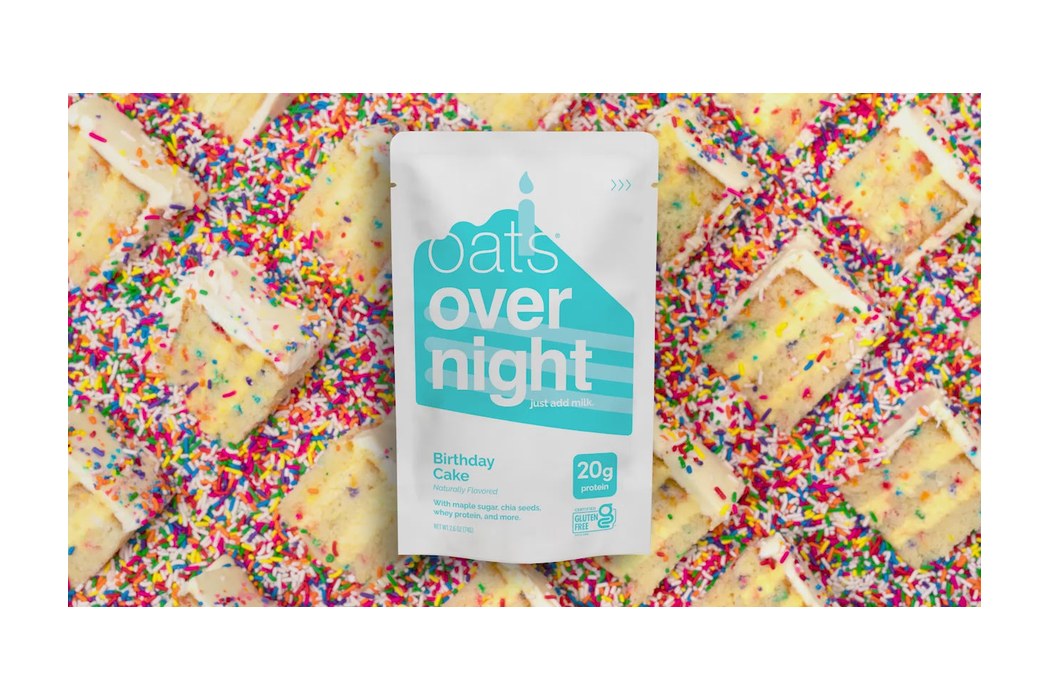
The Card Shark Who Bet It All on Breakfast
Brian Tate spent twelve years grinding high-stakes poker tables. Then he took his winnings, a shaker bottle, and a stubborn idea - that oatmeal could be worth waking up for - and built a business doing more than $200 million a year.
The Cupcake Shop That Found Its Bigger Business in a Cup of Banana Pudding
Magnolia Bakery became famous for cupcakes on television. Thirty years later, its most consequential trick is operational: making a fragile New York dessert work in freezers, airplanes, delivery hubs and franchise kitchens without losing the pleasure of the original spoonful.
The Fund That Runs the Warehouse Before It Writes the Check
Most food VCs write a check and wait. Siddhi Capital shows up with a supply-chain team - and a thesis that the next decade of consumer eating gets rewritten by weight-loss drugs.