acquisitions
(32)
Rick McCartney and the arithmetic of starting over
He once traded two-thirds of his income for a startup. Years later, the Significo co-founder is still testing what makes a company worth building - from longstanding acquaintances to software that takes on the work of management.

Dale Philippi and the business of making room
At AprilAire, Dale Philippi’s years of expansion can be measured in factory floors, shipping space, and a new owner. His career connects the unglamorous details of making products with the decisions that give a business somewhere to grow.
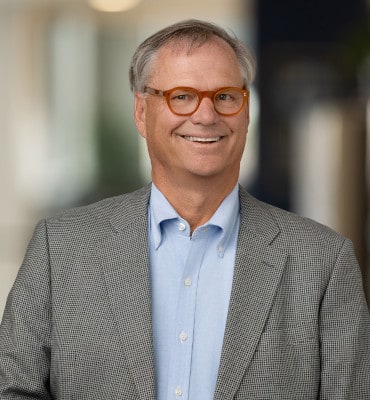
Jonathan Painter and the business of what comes next
From the legal department to the factory portfolio, Jonathan Painter built a career around the life of a business after the deal. His next act at Kadant is a carefully scheduled goodbye.
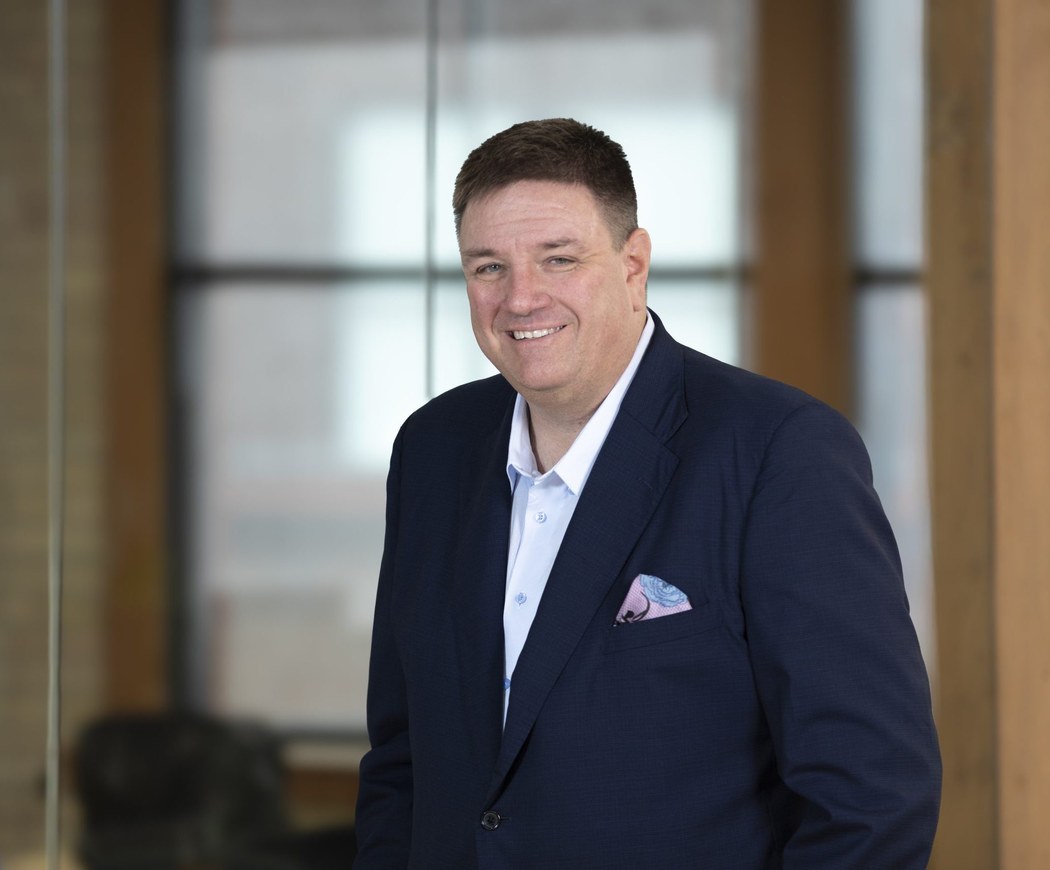
George Wilson’s big idea starts with the small parts
An accountant’s route through the factory floor took George Wilson to the top of Quanex. His next job is getting a sprawling collection of components, companies and people to work as one.
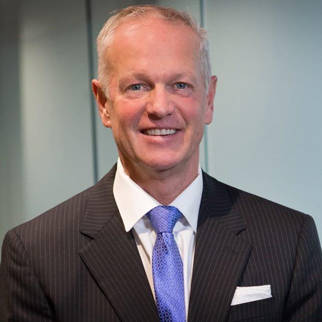
Greg Daily and the art of starting over
He built his career moving money. Across three companies and four decades, Greg Daily kept returning to the same question: what should the next business do differently?

Faisal Tai and the business hiding inside a beta test
His first location doubled as a testing ground for software. Faisal Tai’s path from that practical experiment to international acquisitions tells a story about owning the tools - and the work that follows.
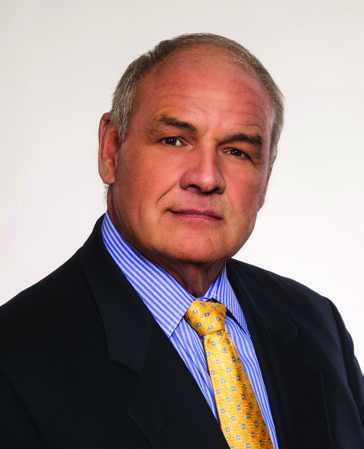
Charles Owens kept the next company in his wallet
After a lost bid, Charles E. Owens already had a list of what to buy next. The Construction Partners co-founder built his second act around a patient idea: let local roadbuilders keep doing what they know.
David Henley and the business of outgrowing yourself
He co-founded Meriplex as a voice and internet provider in Houston. Building it into a national IT business meant adding services, buying companies, and finding people who could challenge him.
Gerald F. Mahoney and the art of leaving well enough alone
He built Mail-Well through acquisitions, connecting local printing businesses into a public company. His advice to the new owner was surprisingly restrained: get to know the people before changing the place.
F. William Grube and the value of small diamonds
F. William Grube built Calumet around specialty businesses that bigger oil companies could overlook. His story runs from an Indianapolis gardening family to a quarter-century as CEO, with a few arrowheads along the way.
Jeffrey Powell and the business of keeping things running
At Kadant, Jeffrey Powell built a career around the machinery behind everyday materials. As he prepares to hand over the CEO role, the next chapter follows a familiar pattern: keep the knowledge, change the responsibilities.
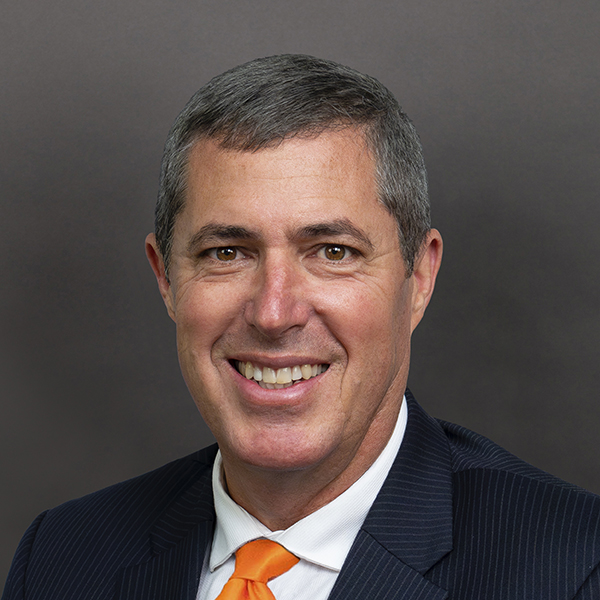
Brian Gray and the education of a rock tester
Brian Gray started in an Oregon laboratory, testing rock for asphalt. Three decades later, he leads Knife River - with a training campus behind him and a public-market test ahead.
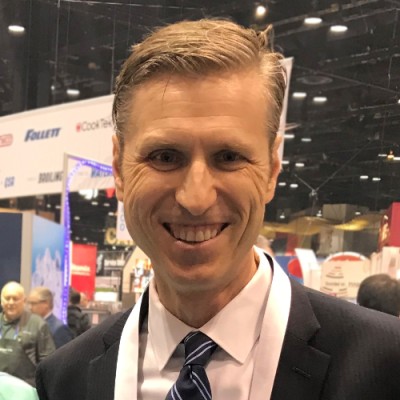
Timothy Fitzgerald and the art of a smaller kitchen
He helped assemble Middleby through decades of acquisitions. Now Timothy Fitzgerald is reshaping the company he helped build, with a familiar conviction: the people and the kitchen have to work together.
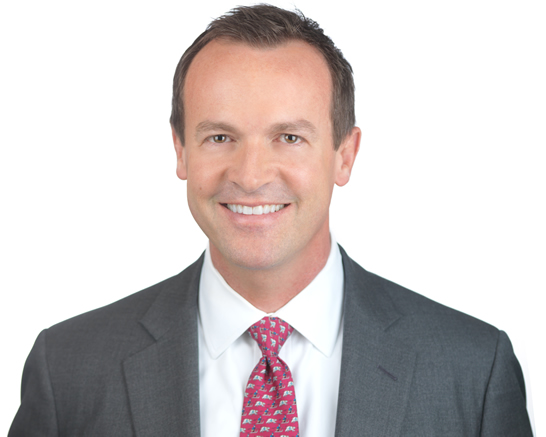
Mitchell Krebs and the trouble with getting bigger
An Iowa-born finance graduate spent three decades at Coeur Mining learning what growth demands. His next challenge appeared when the numbers looked good.
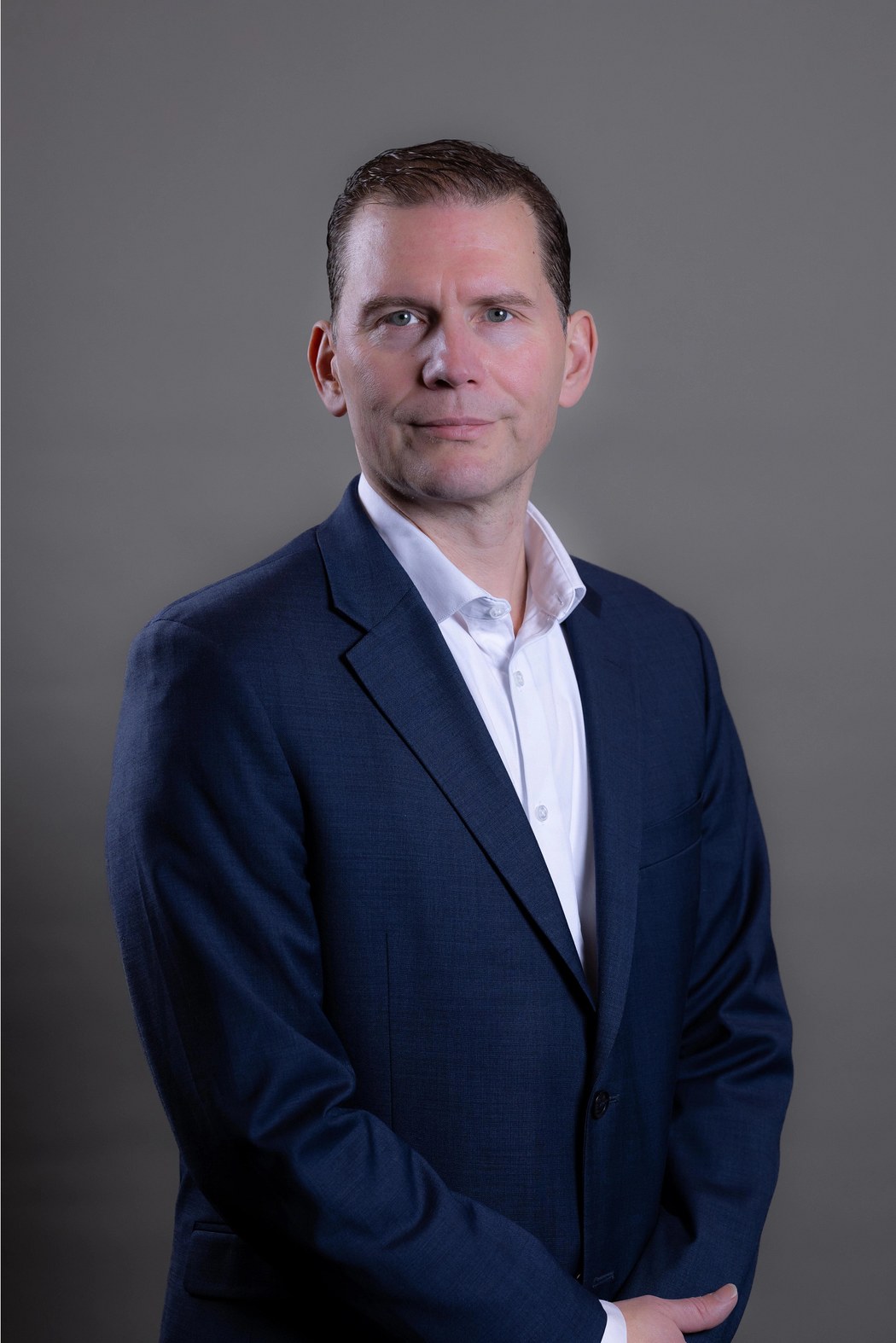
Joe Ruzynski and the things that have to keep working
From electrical enclosures to water systems, Joe Ruzynski has built a career around the machinery behind everyday life. At Franklin Electric, his next chapter runs through factory floors, Latin American pump businesses, and a $350 million acquisition.
Jule Smith knows the other side of the deal
His family’s paving business joined Construction Partners in 2011. A decade later, Jule Smith became CEO of the company buying businesses like his own.
Frank Sullivan and the business of buying time
At RPM International, Frank Sullivan inherited a family philosophy measured in hours. His job has been to make it work across generations, acquisitions and the less sentimental arithmetic of a public company.
Ronnie Pruitt and the other thing Vulcan acquired
Vulcan bought U.S. Concrete in 2021. It also brought in Ronnie Pruitt, who would become its CEO less than five years later. His route to the top runs through cement plants, customer data and the stubborn economics of moving rock.
Uzi Yemin and the businesses nobody wanted
He arrived in America to buy convenience stores. A quarter-century later, Uzi Yemin’s career runs from the refinery gate to the fusion lab - with a useful habit of looking where other buyers have stopped.
Adam Greenlee and the business of small things
A cap, a can, a perfume pump. Adam Greenlee spent sixteen years inside Silgan before becoming CEO. His next test is changing the shape of the company he learned to run.
LT Gibson’s very big bet on staying local
He started US LBM with 16 locations in 2009. As the business grew into a national network, LT Gibson kept returning to a deceptively difficult question: how much should a local company change when someone buys it?
Brian Lane and the art of leaving room
At Comfort Systems USA, Brian Lane has built a national business around local judgment. The next test is making room for a construction boom without promising more than his people can deliver.
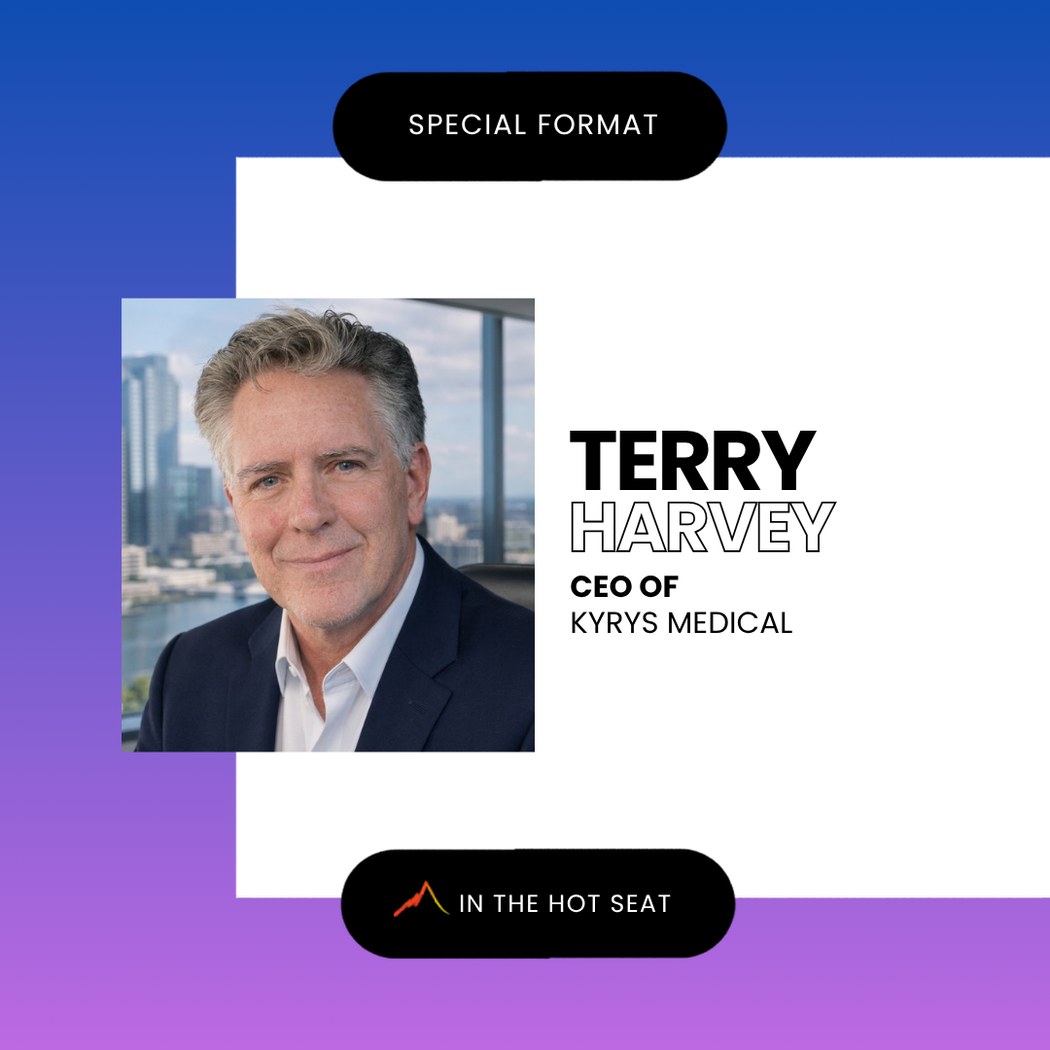
Terry Harvey and the Work After the Exit
VYRSA went from a 2021 startup to a sale to Nevro in 2023. Terry Harvey’s next chapter puts him back among the recruits, distributors and unfinished business of building a company.

Cédric Varasteh and the business of putting the internet together
He founded ETC in 1993 and spent three decades assembling the telecom supplier that became Netceed. His story runs through warehouses, acquisitions, a carefully prepared handover and a company that kept changing after he left the CEO’s chair.
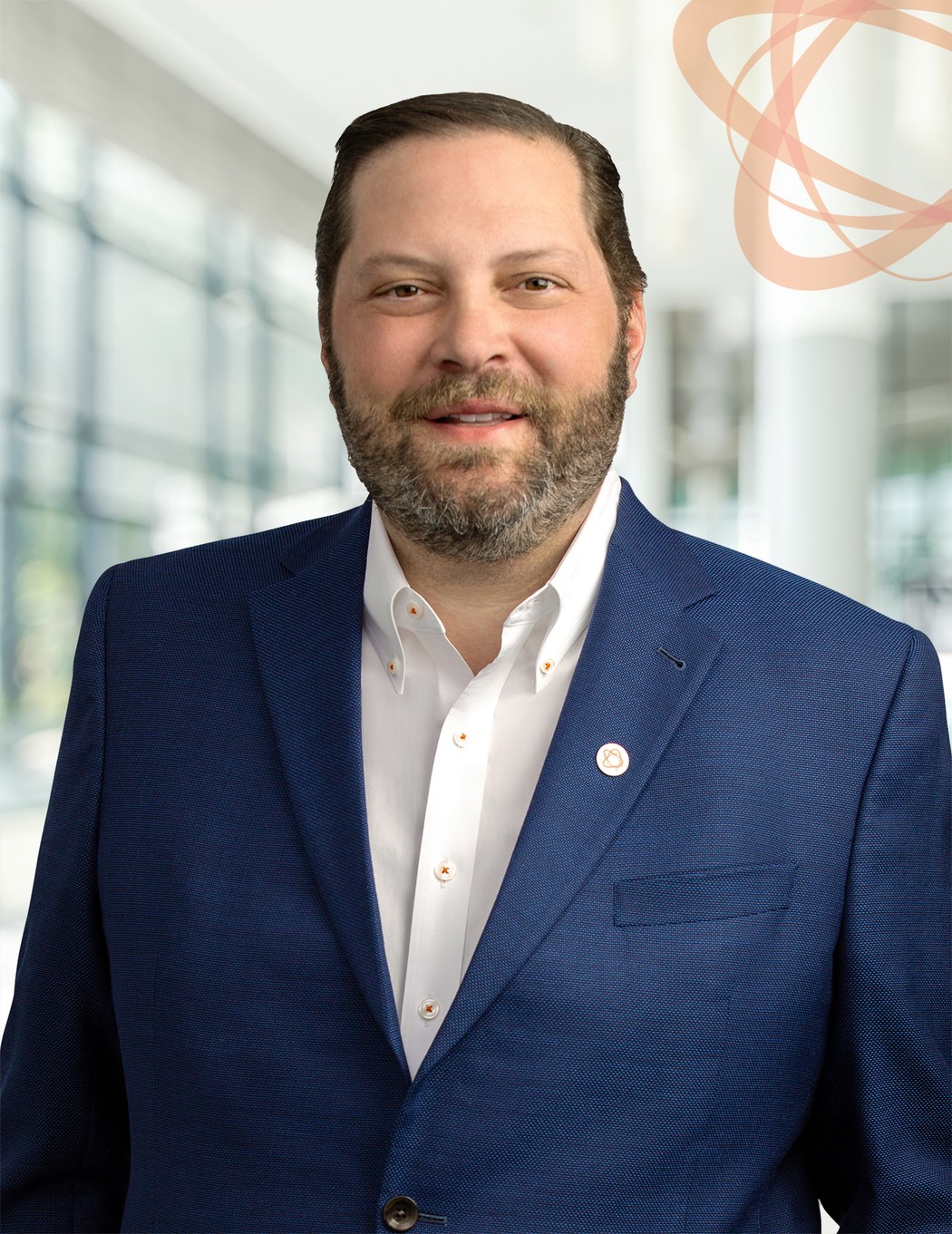
Mike Vellano and the business beneath your feet
His great-grandfather laid water mains in New York. A century later, Mike Vellano is building Vortex Companies around a different proposition: keep the infrastructure working, with less upheaval above it.
Donald Park and the art of buying a business without losing its people
From a Vancouver laboratory to a network across Canada, Donald Park has built Smile Innovations Group around a delicate transaction: giving owners a next chapter while keeping their work in familiar hands.
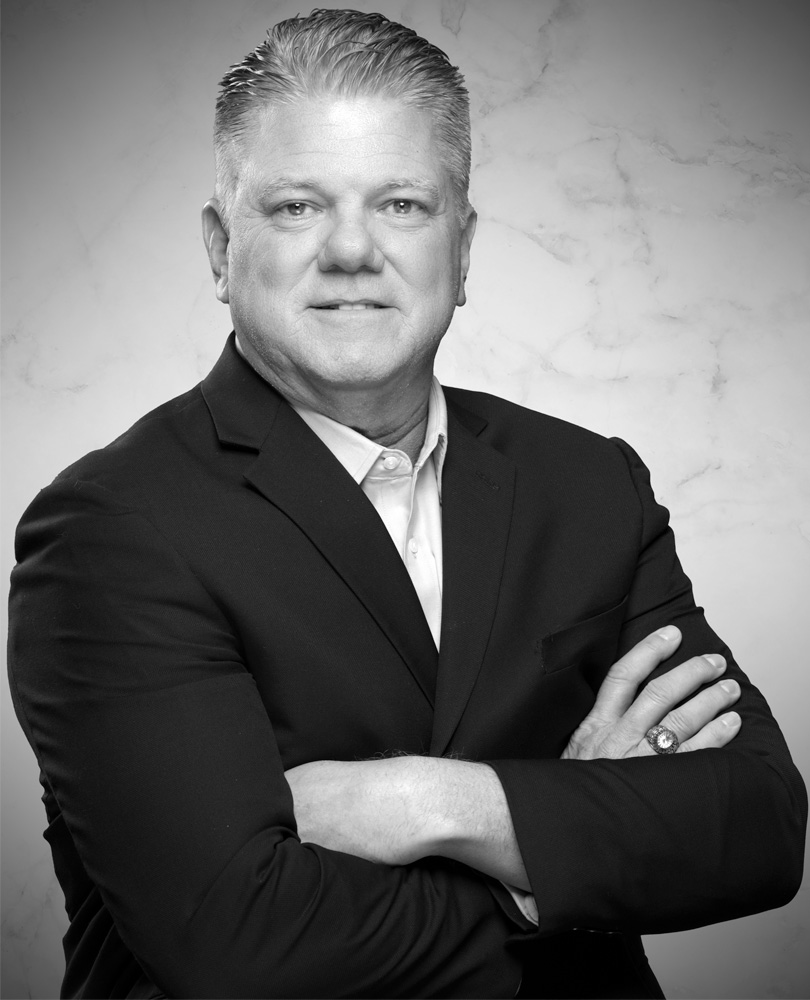
Geoff Bennett and the distance between a factory and a finished home
Before becoming CEO of Trajus, Geoff Bennett led Cascade Windows through an acquisition and a $245 million sale. His next chapter moves inside the home, where cabinets, countertops, and construction schedules have to meet.
Edward Lastes Built a Billboard Company by Leaving the Local Operator in the Picture
The Fusion Media Group CEO spent years joining capital to local billboard know-how. His record suggests a durable operating idea: grow the platform without erasing the people who built it.
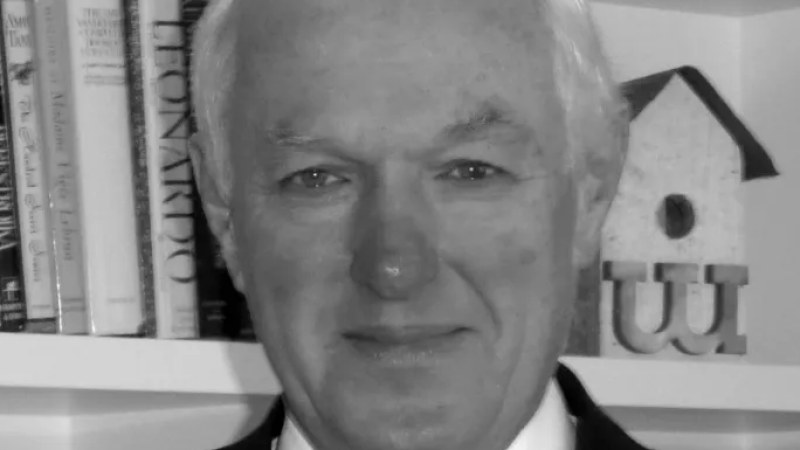
Walt Weyler
Walt Weyler is a Portland, Oregon entrepreneur and chemical engineer who turned a career running factories into a second act buying, fixing, and building industrial companies. He is President and CEO of SequenceUSA, a private holding and lending company that backs Pacific Northwest manufacturing and technology firms, and President and Managing Director of Clarus LLC (Clarus Water Solutions), a water-filtration and stormwater venture spun from his work at Crystal Clear Technologies. Before founding his own companies he co-owned Kinetics, a metal-injection-molding shop he grew from a struggling $3M operation to roughly 100 employees and sold to mining giant Phelps Dodge. He sits on the Supply Chain & Logistics Management Advisory Council at Oregon State University's College of Business.
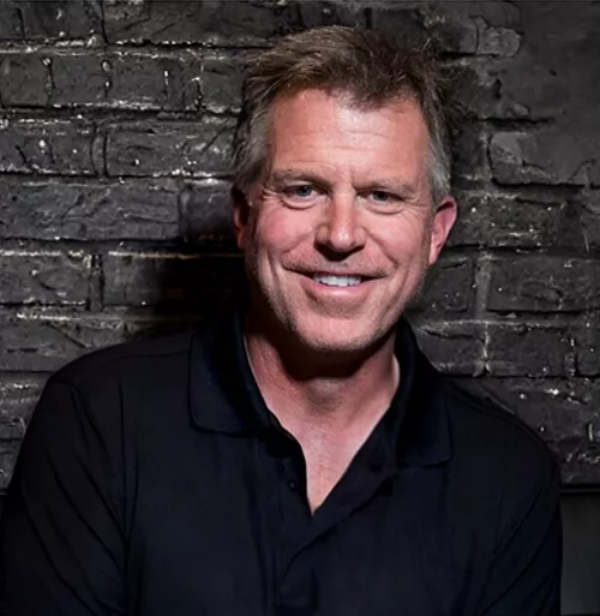
Michael Pengue
Michael J. Pengue is the Chief Executive Officer of Hint Inc., the San Francisco-based maker of unsweetened fruit-infused water that pioneered the better-for-you flavored water category. With more than 30 years in the beverage industry, Pengue has led multibillion-dollar businesses at Nestlé Waters North America, helped orchestrate the $1.65 billion sale of Bai Brands to Dr Pepper Snapple, and built ZOA Energy into the fastest-growing energy drink in the US before its acquisition by Molson Coors. Appointed CEO of Hint in November 2024, he is leading a comprehensive 2026 brand relaunch designed to reframe hydration as desire rather than discipline.