The sales job was unusually candid about the work. Build an area. Find distributors. Sell directly. Take responsibility for revenue. Terry Harvey shared the opening at KYRYS after helping build VYRSA, a company whose acquisition could be described in a single, handsome number. Here was the next chapter, expressed in the considerably less glamorous language of a job description. Someone would have to make the calls.
It is a useful place to begin with Harvey. Acquisitions have dates, prices and announcements. Building a company has an inbox. His career contains both, and the movement between them makes a more interesting story than a photograph beside a transaction value. VYRSA was established in 2021. Nevro bought it on November 30, 2023. Harvey subsequently appeared publicly as the chief executive of KYRYS. The ending had acquired another beginning.
Even the acquisition number requires a little unpacking. Nevro paid approximately $40 million upfront and agreed to as much as $35 million more, contingent on development and sales milestones. The potential total was $75 million. The conditions matter. They put some of the transaction’s value in work still to be completed. For anyone tempted to frame an exit as the moment all the unfinished business disappears, the agreement supplies a small contractual cough.
Additional consideration depended on development and sales milestones. Company transaction values.
A young company, an older apprenticeship
VYRSA’s short corporate history can make the story look like a sudden arrival. Harvey had been doing business for years before its name appeared. His earlier chapter included Adagen Medical International in Atlanta, where he was founder and chief executive. A published biography dates his industry career to 2000 and describes a decade spent developing that business. The startup clock began again at VYRSA; the experience clock kept running.
His background also included Stryker and work with startups in Israel, Cologne, Istanbul and Silicon Valley. Those locations describe a career extending beyond one regional network. They do not turn every subsequent decision into an inevitable success. They do suggest why the brief interval between VYRSA’s establishment and acquisition needs to be read alongside the longer career preceding it. A new business can arrive carrying knowledge accumulated under several previous company names.
There is an appealingly unceremonious detail in the Adagen record. Harvey wrote a public recommendation for Dell Lyons, who had worked on the company’s books. He praised her willingness to work after hours or take work home when it needed finishing, and said he would hire her again. In a career usually described through executive titles, the bookkeeper gets a proper mention. A company’s history is partly the history of who helped it get through the week.
That detail gives the larger milestones some scale. A founder can appear in a deal announcement as a title attached to an organization. Earlier colleagues remember the organization as a place where actual tasks had to be done. Accounts had to close. People had to trust one another. The recommendation is a small surviving piece of that working relationship, and a reminder that operating experience includes the people an executive learns to value.
Another part of Harvey’s record sits in a business-school entry: Kennesaw State University’s Michael J. Coles College of Business, with attendance listed from 2012 to 2014. The activities include an international residency in Buenos Aires and Rio de Janeiro. That places a period of formal business education between the earlier Atlanta chapter and VYRSA. It adds another setting to a career already extending across several companies and countries.
The company around the founder
At VYRSA, Harvey was part of a leadership group. Daniel Pontecorvo served as chief executive, while a November 2022 announcement identified Harvey as president. The company brought Earl Fender onto its board, alongside figures including John Moran, formerly president of Synthes Spine. Pontecorvo also brought his experience as a co-founder of Camber Spine. The cast matters: this was a young company assembling people who had already spent substantial time running businesses.
The announcement’s emphasis was on company building and commercialization. Both are practical subjects. An organization preparing for its next stage needs more than a list of distinguished names. It needs judgment that can be used: experience hiring, organizing, selling and deciding which opportunities deserve attention. Reading the board appointment through that practical lens gives it a place in Harvey’s story beyond the usual ceremonial photograph and congratulatory sentence.
Harvey’s comments welcoming Fender expressed confidence in the board’s guidance. It was an outward-looking way to describe the company’s prospects, with responsibility spread among a group rather than concentrated in a founder’s biography. That distinction is useful when following an acquisition backward. The transaction belongs to a company that other people helped build. The founder is one of the reasons it exists; the organization is what a buyer ultimately acquires.
VYRSA is established.
Harvey is named as president; Earl Fender joins the board.
Nevro completes its acquisition on November 30.
Harvey appears in the Moving Mountains series as KYRYS CEO.
What the buyer actually bought
The legal description was more formal than the brand. Nevro acquired all the outstanding shares of Interventional Pain Technologies, doing business as Vyrsa Technologies. The agreement was signed and completed on the same date. A business that had operated independently became part of a larger company. Behind the familiar acquisition verb sits a change of ownership, with documents defining consideration, adjustments and obligations. Paperwork has a remarkable ability to resist a tidy anecdote.
For Harvey’s profile, the deal establishes a clear professional milestone. He helped create a business that attracted a corporate buyer within a few years of its establishment. It also establishes a boundary around the financial claim. The consideration describes the company transaction. It does not disclose what Harvey personally received. Keeping those two ideas separate makes the achievement easier to understand, because the reader can see exactly what happened without an invented fortune attached.
The contingent portion gives the transaction another dimension. Some value was linked to future development and sales results. That structure made continued performance part of the agreement. The public milestone therefore contains a forward-looking obligation as well as a completed purchase. An acquisition can close on a particular Thursday while leaving a substantial amount of work beyond the closing date. The calendar is rarely as cooperative as the headline.
Back to the working vocabulary
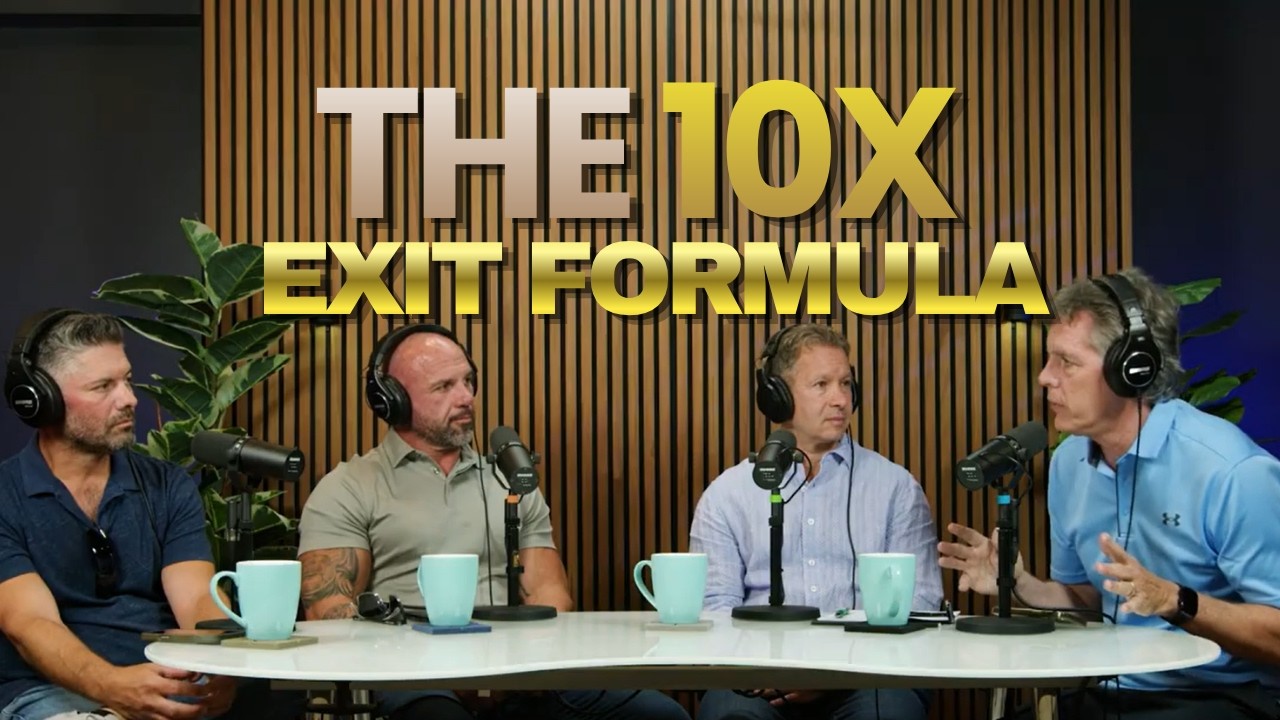
By September 2026, Harvey was featured as KYRYS chief executive in the Moving Mountains Hot Seat series. His public career had moved into another operating chapter. The emphasis on expanding a team and commercial reach gives that chapter a recognizable set of demands. An earlier sale may introduce a founder to a room. The next organization still needs its own relationships, decisions and people willing to take responsibility.
His recruitment activity makes the point without much decoration. The sales leadership opening he shared described ownership of an area, direct selling and distributor development. It asked for someone prepared to build something early. The role combined autonomy with accountability. That is a fairly exact description of the bargain a young business offers: room to act, accompanied by a clear expectation that the action will produce results.
The details also give the career continuity. Adagen, VYRSA and KYRYS are different organizations, yet Harvey’s documented work repeatedly brings him near the commercial questions of a growing company. Who will help build it? Which relationships matter? What must happen next? These are ordinary questions with expensive consequences. Their persistence is part of what makes an operating career more revealing than a sequence of titles.
“Create transformational, not transactional.”
Terry Harvey, Moving Mountains interview feature, September 2026
Harvey’s stated preference for transformational work is a broad ambition. The next venture supplies the place where that ambition has to become specific. Recruiting and selling are where a company’s language meets other people’s decisions. A candidate has to join. A distributor has to commit. A team has to keep working together after the announcement has moved down the feed. The nouns in a business biography eventually need verbs.
There is no need to invent a retirement rejected or a dramatic private revelation to make the next chapter interesting. The public sequence is enough: an earlier Atlanta company, a Pennsylvania venture, a corporate acquisition, another executive role. Harvey keeps appearing where an organization needs building. The transaction supplies the conspicuous date. The subsequent work gives the story somewhere to go.
Return, then, to that job opening. A founder with an acquisition behind him is helping find someone who can build the next area. It is a modest scene beside a multimillion-dollar agreement, but a revealing one. The company name has changed. The familiar responsibilities are back on the desk. There are relationships to develop, people to recruit and calls waiting to be made.