A house can stop buying heating oil. It still needs somebody to fix the heating. That small distinction explains a surprisingly large part of Star Group, LP, the company behind Petro Home Services, Meenan and Griffith Energy Services. A fuel tank is one reason to visit an address. A furnace, an air conditioner and a standby generator supply several more.
- Local brands sell fuel, equipment and help when something breaks.
- Acquisitions add customers; service gives those customers more reasons to stay.
- Weather and conversions to other heating systems keep testing the model.
The address is the asset
Star occupies the practical end of the energy business: getting fuel into buildings and keeping equipment working. Homeowners and commercial customers buy heating oil or propane, arrange maintenance and replace aging systems. The corporate website says its brands serve more than 500,000 customers. Most of the action is in the Northeast and Mid-Atlantic, where the delivery truck remains part of domestic life.
Consider the homeowner’s shopping list. A discount oil dealer can compete on a gallon’s price. A full-service supplier also offers someone to call when the boiler quits. Petro advertises automatic delivery, emergency support and equipment repair, with some services varying by area. The proposition is convenience backed by people who can turn up. Whether that deserves a premium depends on the household, the contract and the quality of the local operation.
The expensive lesson in getting bigger
That last detail has a history. Before the 2004 winter heating season, Star’s heating oil operation tried centralizing service dispatch and customer care. The idea was to improve the business. Its subsequent filings described service and delivery difficulties, disappointing savings and operating costs above estimates. Customers experienced something worse than the premium service they had been paying for.
The damage appeared in retention. Fiscal 2005 brought approximately 35,100 net account losses, following 33,100 in fiscal 2004. Management attributed the trouble to several causes, including price sensitivity, credit policies and dissatisfaction with centralized care. It would be too neat to blame one call center for everything. The company’s own account nevertheless puts service failures squarely in the picture.
The evidence for revisiting that approach was concrete: customers leaving, while promised efficiencies disappointed. Today Star describes a decentralized network of local operations. That arrangement offers a way to preserve familiar businesses while sharing ownership. The lesson for an acquirer is straightforward: inspect what happens to the customer after the spreadsheet says the integration is complete.
The economics begin with the difference between wholesale fuel costs and what customers pay. Equipment jobs and annual service agreements add other revenue. Expertise sits in the combination: planning deliveries, maintaining equipment and responding when heat fails. An owner buying a local dealer therefore acquires operating obligations as well as accounts. The recurring relationship is valuable only if customers renew it. For a reader running another service business, that is a useful acquisition question: how much of the purchase price depends on people choosing to stay next year?
Buying the next street over
Acquisitions remain central. In January 2025, Star completed a purchase of a home energy distributor within its existing footprint for approximately $68 million before working capital adjustments. Across fiscal 2025, it bought one heating oil business and three propane businesses for about $80.5 million. Those are acquisition costs, not a household’s price for service.
The location matters. Buying inside an existing territory offers the prospect of adding business where the company already operates. That is the commercial logic, rather than a promise that every purchase produces savings. There is also precedent for keeping a purchased business distinct: when Star announced its approximately $120 million Meenan agreement in 2001, it planned to retain Meenan as a separate business unit under its management team.
The name on the business broadened, too. Star Gas Partners became Star Group in October 2017 to better match its products and services. The renaming made explicit a direction already visible in its offerings: fuel delivery could lead into a larger home services relationship.
A warmer house, a wider business
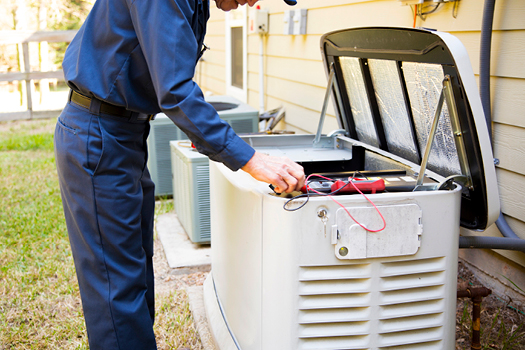
Petro’s menu shows what that means. Alongside heating oil and propane sit central air conditioning, ductless systems, water heaters, generators and natural gas equipment service. That last offering is particularly revealing. A customer who changes heating systems may disappear from the oil route while remaining a plausible repair or maintenance customer. The business opportunity follows the building’s needs.
The service business is already visible.
For customers, the useful products include ways to manage uncertainty. Petro’s SmartPay spreads estimated annual heating costs into monthly payments, then settles the balance annually. An underpayment still comes due. Budgeting makes a seasonal expense easier to plan around; it does not establish what the fuel will cost.
There is also Bioheat, a blend of biodiesel and ultra-low sulfur heating oil. Petro advertises delivery up to a B20 blend, subject to supply and storage availability. The appeal is an option for existing oil heating equipment. It is sensible to read the blend and availability details before treating an environmental promise as a description of every delivery.
“We also continue to invest in complementary installation and service offerings”
Jeff Woosnam, President and CEO · December 2025
Winter still gets a vote
Fiscal 2025 illustrates the attraction: installations and services revenue grew nearly 10%, while total revenue rose only about 1%, to $1.8 billion. Lower selling prices offset some of the benefit from higher fuel volumes. Watching the top line alone would miss the distinction between selling more gallons and charging more for each one.
Weather supplies another complication. Star’s May 2026 results described colder conditions supporting demand while storms and snowfall increased operating expenses. By August, nine-month revenue was up 8.3%, yet the third quarter had produced a $28 million net loss. A strong heating season and a difficult spring quarter can coexist.
This approach depends on enough nearby customers, dependable technicians and acquisitions bought at workable prices. It becomes harder when service disappoints, fuel customers convert away faster than replacements arrive, or warmer winters reduce demand. The copyable idea is to learn what else an existing customer needs. Star’s earlier troubles add the essential instruction: make sure the original service keeps working.