company-building
(29)
TAP Angel Partners bets on the work between funding rounds
The Korean accelerator puts specialists, corporate partners and public programs around young companies. Its proposition is simple: help founders get the next piece of the business working.

Globalive sold WIND for C$1.6 billion. Then it kept building.
Anthony Lacavera’s investment company turned a bruising telecom adventure into a business-building practice. Its next tests run from a Canadian bank to a mobile network in Bermuda.

High Alpha Wants to Make Starting Up Less of a Solo Act
The Indianapolis venture firm pairs startup builders with investment capital. Its $125 million fourth fund puts a decade of company-making experience behind a deceptively simple bet: founders can move faster with a team already beside them.
Pareto Holdings puts its own money where the startups are
The company builder born in Miami runs on personal capital and an appetite for getting involved early. Its freedom comes with a very practical question: how much of tomorrow’s winner can it afford to keep?
Liz Egan Builds Companies by Making Marketing Feel Like Something
She learned marketing on the job, helped take Yext public, and still insists the discipline cannot live by dashboards alone. At Chainguard, Liz Egan is putting a company builder’s instinct behind the quiet machinery of secure open source.
Garrett Schwab Is Building for the Long Wait Between Idea and Impact
The XII Medical CEO has spent a career in the unglamorous middle of medical invention - where patents, payment, teams and patient access must eventually agree.

Kristine Ball Knows What Happens After the Science Gets Interesting
She began in audit, learned biotech from the inside, and became the operator companies call when science must survive contact with money, markets and momentum.
Andy Orth Knows the Hard Part Comes After the Breakthrough
The City Therapeutics CEO has spent a career translating new science into organizations that can move - with a bias for shared purpose, quick decisions and the unglamorous work that follows discovery.
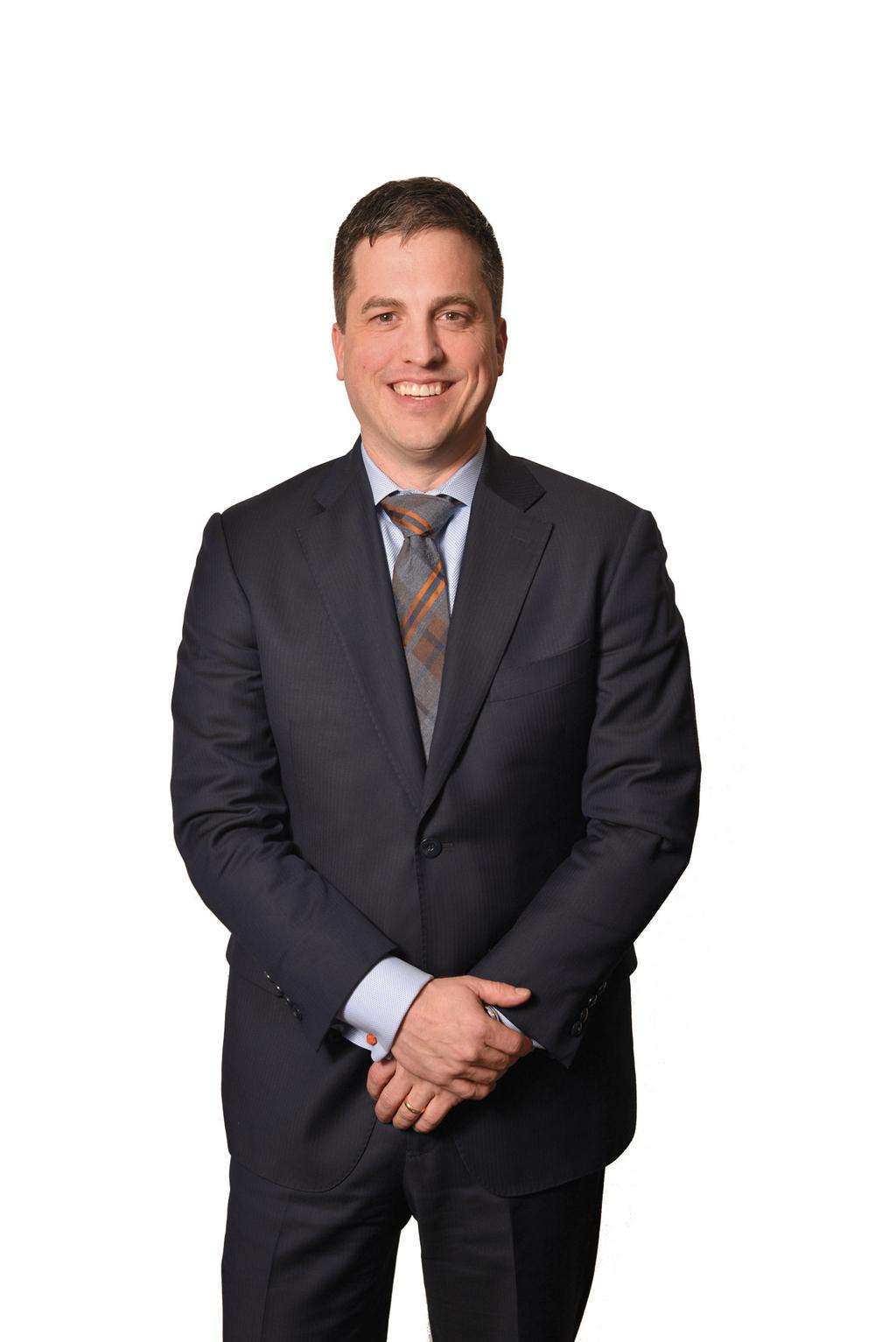
Troy Kopischke Builds Companies in the Messy Middle
The Minneapolis engineer turned venture-studio builder has spent three decades translating difficult science into operating companies - and lately, applying the same appetite for data to the cockpit.
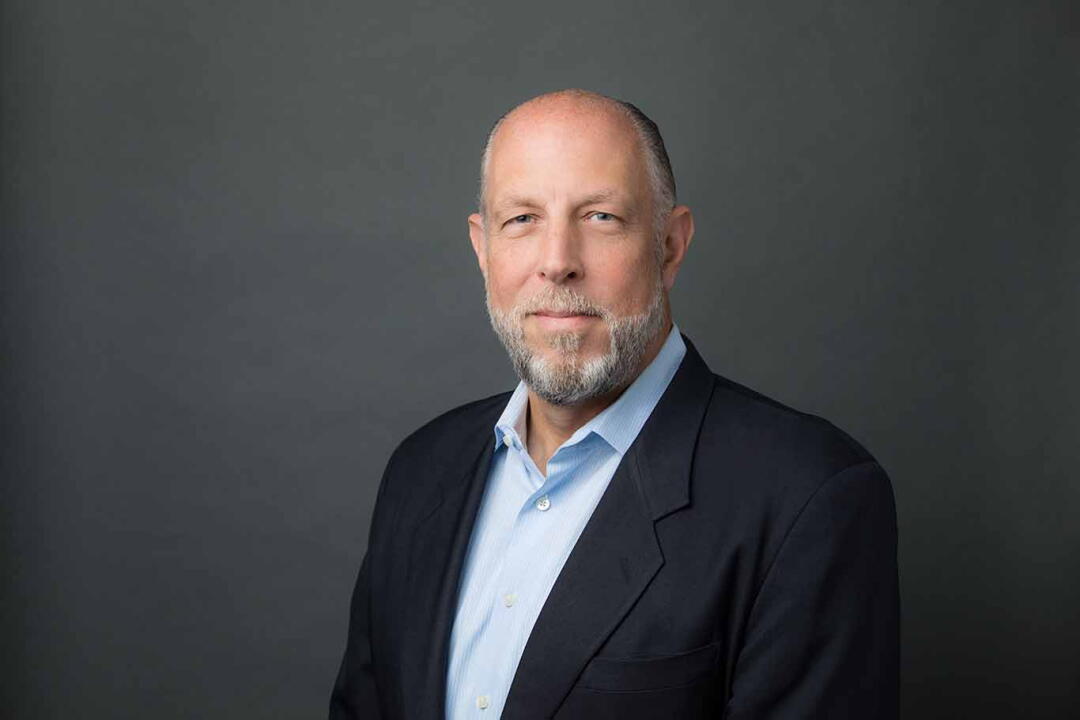
Craig Chambliss Spent 30 Years Learning How a Drug Becomes a Company
Before Neurelis had a commercial product, Craig Chambliss had already learned the industry from the sales call to the acquisition table. His career is a study in patient capital, practical company-building and the unglamorous middle where science becomes infrastructure.
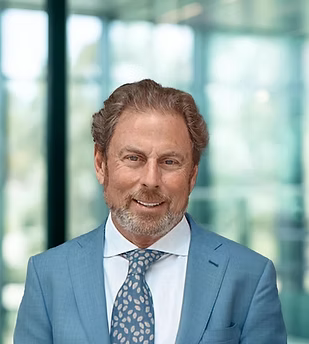
James Posada Kept Following the Signal
The Resolve Therapeutics founder has spent a career moving between the lab bench and the deal table. His through-line is unusually consistent: find the signal, understand the mechanism, and build around it.

Russell MacDonnell Built the Business That Answers When Alarms Speak
After a banking crisis took away the company he had assembled, Russell MacDonnell returned with a new investor group, built again and chose the long game: a family-run monitoring business designed around people, preparation and signals that cannot be ignored.

Daniel Pontecorvo Built His Second Act Around a Joint Most Founders Overlooked
After turning a regional distribution operation into a $35 million sales engine, Daniel Pontecorvo spent the next decade building devices, teams and a tightly focused company that sold for up to $75 million.
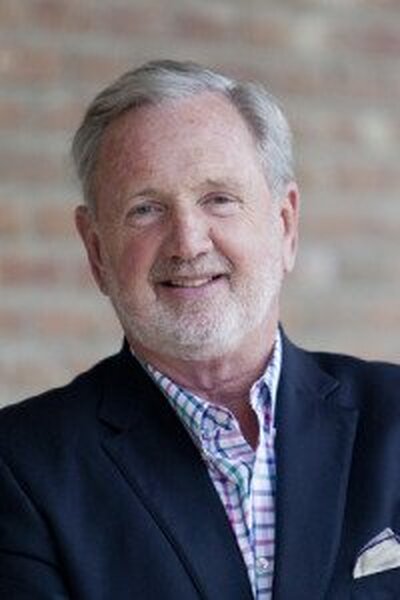
Carl Whatley Built Pharma Companies by Choosing the Unfashionable Middle
For four decades, the Alabama pharmaceutical entrepreneur kept returning to overlooked products, small teams and the difficult work between a molecule and a pharmacy shelf. His career is a study in patient execution - and in knowing when to sell.
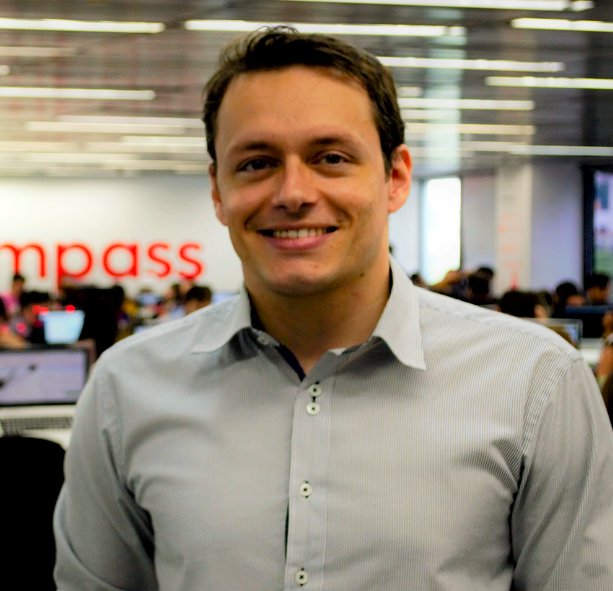
Cesar Carvalho Kept the Problem and Fired the Product
He left Harvard with a gym-pass idea. Fourteen years, several pivots and one abandoned brand later, Cesar Carvalho has built his career around a rarer discipline: loyalty to the problem, not the first answer.
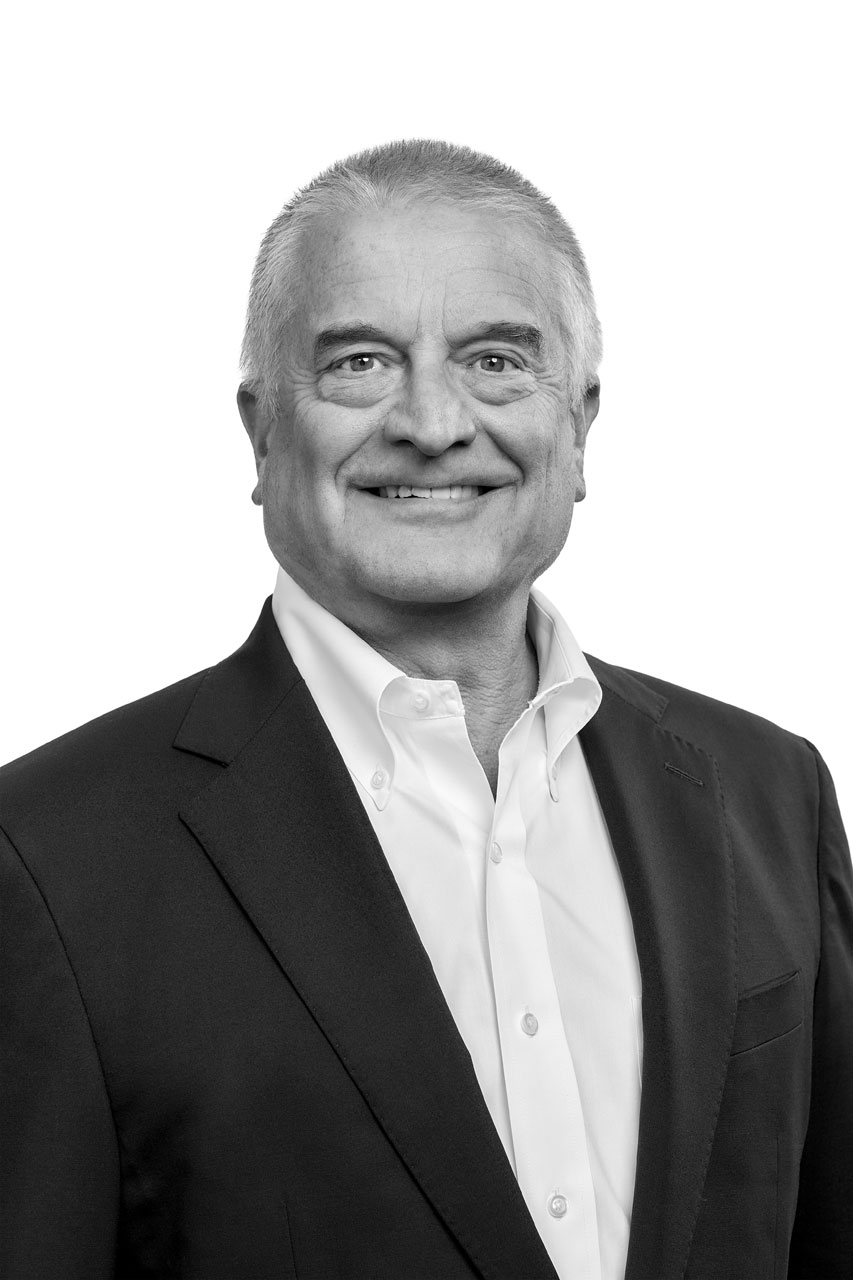
Alan Walts Has Spent Four Decades Turning Chemistry Into Companies
The Aleta Biotherapeutics CEO built his career in the quiet machinery of biotech: translating science, assembling teams, making deals, and turning one mentor’s habit of connecting people into an institution.
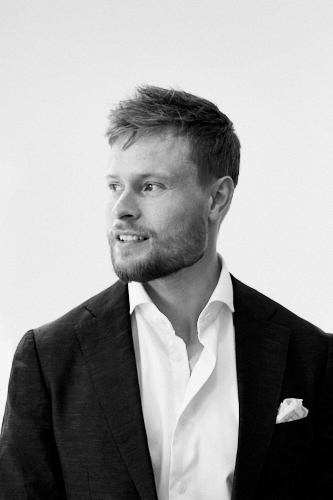
Bertram Thorslund Built Lenus by Learning When to Scale
The Lenus founder turned a Copenhagen startup into a transatlantic software company by pairing patient groundwork with unusually fast expansion. His harder assignment has been making the operating culture travel with it.
super{set} Is Building the Boring Part of the AI Boom
The San Francisco studio has $176 million in committed capital, a $200 million exit and a contrarian wager: in enterprise AI, the useful plumbing may matter more than the flashy model.

The $3.1 Billion Software Investor You Rarely Hear About
JMI Equity spent three decades becoming a software specialist while staying mostly out of the spotlight. Its pitch is simple: flexible capital, operating help, and enough pattern recognition to turn a proven product into a durable company.

Nobody Studios Wants to Make Startups Feel Less Like Lightning Strikes - and More Like a Production Line
The California venture studio is trying to turn company creation into a repeatable discipline. Its wager is that AI, a distributed crowd and ruthless early validation can make the startup lottery a little less random.
Persist Is Running Founder Auditions With Real Startups on the Line
The Los Angeles venture studio does not ask would-be founders for another pitch deck. It asks them to build - then uses salary, equity and a shared operating bench to turn the strongest prototypes into companies.

The VC Firm Selling Founders Something Rarer Than Money: A Shortcut to the Right Room
Notable Capital inherited a 25-year investing record, then made a sharper promise: the check is only the opening move. Its real pitch is access - to hires, buyers, operators, and the hard-won pattern recognition that can move a young company faster.

The $100 Million Fund That Thinks Venture Capital Needs a Workshop
Baukunst writes the first check, then pulls up a workbench. Its experiment is to make a venture fund behave more like a living studio - one where founders, engineers, designers and operators build in public with one another.
The Alabama Studio That Builds Companies From Problems, Not Pitch Decks
Shegun Otulana already had his billion-dollar exit. Then he stayed in Birmingham to build a factory for the next ones.
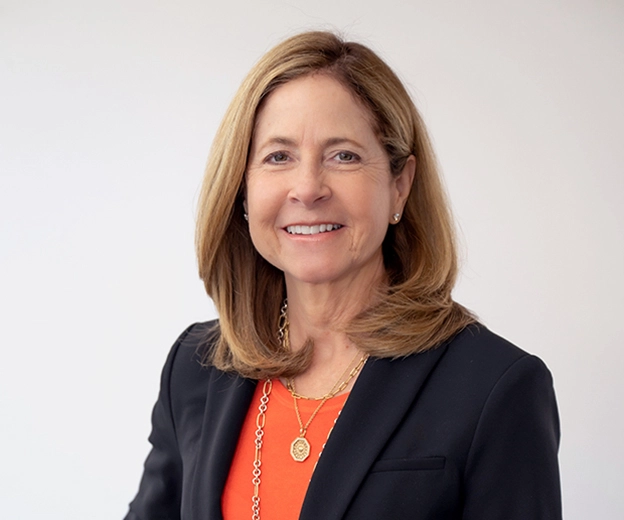
Alicia Secor
After three decades turning complex science into operating companies, Alicia Secor has taken on a new translation problem: helping Paratus turn lessons from evolution into a disciplined pipeline of medicines.

Jeb Miller
Jeb Miller is a General Partner at Icon Ventures, a Palo Alto-based early-stage venture capital firm. With over 25 years of experience in technology investing, he has backed more than 50 startups across AI, cybersecurity, digital health, and enterprise SaaS. Before Icon Ventures, he built corporate venture programs at Morgan Stanley Technology Ventures, held principal roles at Worldview Technology Partners and ComVentures, and consulted for the US Department of Defense's Rapid Reaction Technology Office. He holds a BA in Economics from Harvard College (graduated summa cum laude) and was a collegiate water polo athlete. His portfolio includes notable exits like FireEye (IPO), MoPub (acquired by Twitter), and Quizlet, with Icon Ventures tracking 22+ exits representing over $21 billion in combined market value.
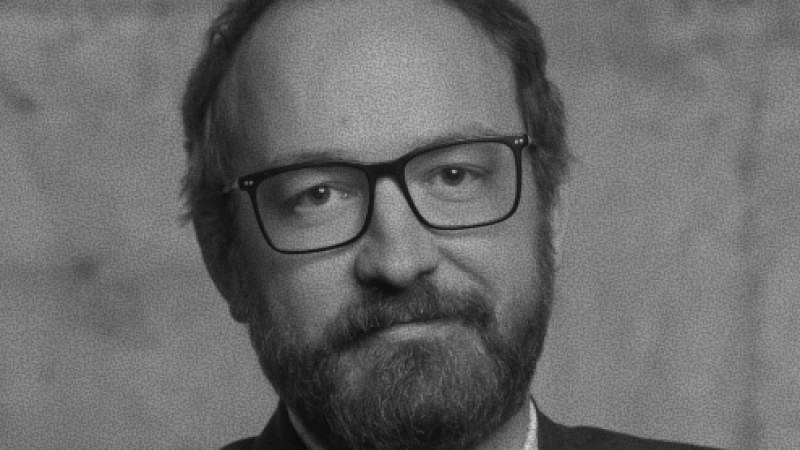
Peter Day
Peter Day is a General Partner at super{set}, San Francisco's AI-native startup studio and venture fund, where he co-builds data and AI companies from day one. A machine learning PhD from the University of Liverpool who spent 12 years in quantitative finance before pivoting to Silicon Valley, Peter served as Chief Product and Technology Officer at Quantcast for nearly seven years, guiding the company's real-time ML platform used by marketers and publishers globally. He brings a rare combination of deep technical credibility — hands-on coding, ML research, financial engineering — and operational leadership at scale to the companies he helps found and grow at super{set}.
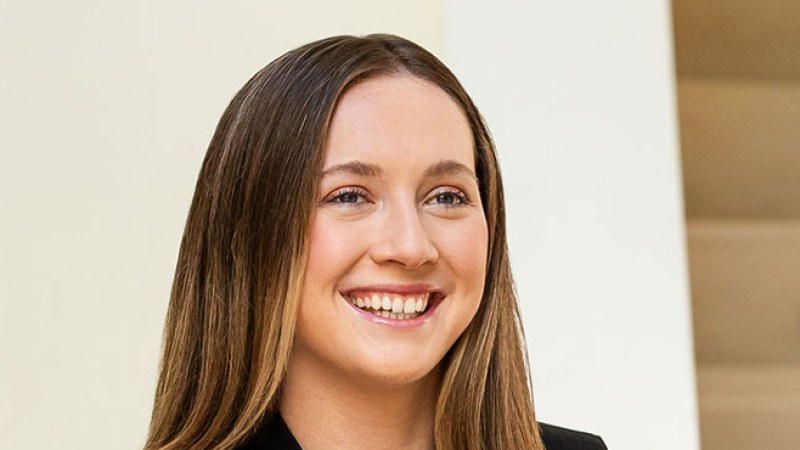
Corinne Riley
Corinne Riley is a Partner at Greylock Partners, one of Silicon Valley's most storied venture capital firms, where she focuses on early-stage B2B enterprise software, data infrastructure, and AI companies. Before joining Greylock, she worked at Morgan Stanley on IPOs for Uber, Zoom, and Palantir. At Greylock she launched both the Scout Program - growing it to 35 scouts investing in 100+ startups - and the Edge Program, a founder-support initiative that provides pre-idea and pre-seed founders with resources and mentorship without taking upfront equity. She is known for her go-to-market expertise and her hands-on approach to helping founders land their first enterprise customers.

Tina Ferguson
Tina Ferguson is a People Practices Partner at Andreessen Horowitz (a16z), where she has helped shape the human infrastructure of the venture capital world since 2012. She was the first person hired to build and scale the People Practices function at a16z, advising portfolio founders across consumer, web3, fintech, and gaming on organization design, DEI, executive team integration, talent management, and compensation strategy. With prior stints at Cisco Systems, Morgan Stanley, Opsware, and Trend Micro, she brings a rare blend of enterprise rigor and startup agility to one of the most influential VC firms in the world.