Peter Day joins super{set} as General Partner super{set} closes $90M Fund II — March 2024 Habu acquired by LiveRamp for $200M PhD in Machine Learning, University of Liverpool Former CPTO at Quantcast — 7 years 12 years in quantitative finance at UBS and d-fine Based in San Francisco, California General Partner at super{set} Co-building AI-native startups from day one peter@superset.com Peter Day joins super{set} as General Partner super{set} closes $90M Fund II — March 2024 Habu acquired by LiveRamp for $200M PhD in Machine Learning, University of Liverpool Former CPTO at Quantcast — 7 years 12 years in quantitative finance at UBS and d-fine Based in San Francisco, California General Partner at super{set} Co-building AI-native startups from day one peter@superset.com
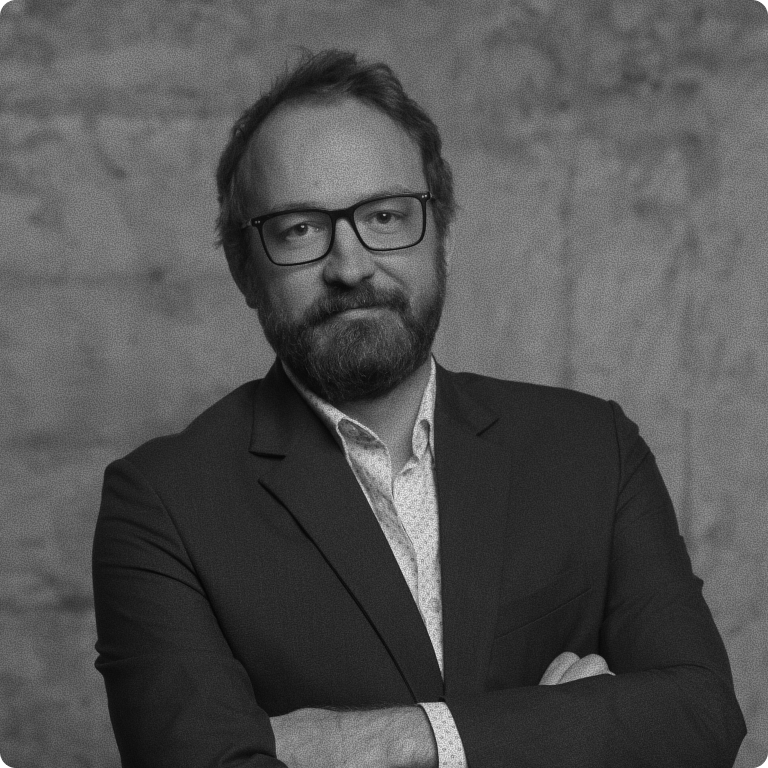
Peter Day, General Partner at super{set}

General Partner · super{set} · San Francisco

Peter
Day

AI Infrastructure Investor & Enterprise Builder

He earned his PhD in machine learning before most people had heard the term. Spent a decade pricing derivatives at UBS. Rebuilt Quantcast's engineering organization into a real-time AI platform. Now he co-founds the companies he wants to see exist.

General Partner super{set} Machine Learning PhD Former Quantcast CPTO AI + Data
$90M Fund II Raised
$200M Habu Exit (LiveRamp)
7+ Years at Quantcast
12 Years in Quant Finance
PhD Machine Learning

The Coder Who Became a GP

Peter Day arrived at super{set} carrying something most venture investors don't: he can write the code himself. That's not a parlor trick. It's the whole point.

At super{set}, the San Francisco startup studio and venture fund that co-builds AI-native companies from inception, Peter serves as General Partner. He doesn't sit at a boardroom table and offer opinions. He joins founding teams in the earliest, messiest phase - when the product is still a whiteboard argument and the go-to-market is a guess - and builds alongside them.

The model at super{set} is deliberate and unusual: they don't back companies that already exist. They identify a market problem, find a technical co-founder, and build the company together. It's what they call "the OG of AI-native ventures." Peter arrived for Fund II - the $90 million raise in March 2024 - and brought with him a career arc that looks less like a straight line and more like someone who kept following the hardest problems.

His PhD from the University of Liverpool is in machine learning. He finished it long before "AI" became the word everyone appended to everything. Then, rather than staying in academia or joining a tech startup, he turned toward financial markets - specifically, quantitative finance. For twelve years he worked in increasingly complex corners of derivatives pricing: low-latency systems, cross-valuation adjustments, equity derivatives risk and pricing technology. By the time he left, he was Executive Director at UBS Investment Bank, overseeing equity derivatives technology globally.

Then he made the turn that matters. In 2016 he joined Quantcast - the audience measurement and programmatic advertising company - as Director of Engineering. Within two years he was VP of Engineering. A year after that, Chief Technology Officer. By the time he left in early 2025, he was Chief Product and Technology Officer, having guided the company through the launch of its flagship AI platform, featuring the proprietary machine learning engine Ara™.

The Quantcast years weren't just title accumulation. They were the laboratory where Peter learned what it actually takes to build real-time machine learning systems at global scale - systems that had to process millions of data points, update audience models on the fly, and deliver targeting intelligence to advertisers and publishers around the world without latency anyone could perceive. That's a different engineering problem than most people have ever had to solve.

It also taught him something uncomfortable: the technical side, even at that scale, was the easier part. "Getting your sales motion right is harder than building complicated software," he has said. It's the kind of sentence that sounds simple until you've burned your way through a product launch that missed revenue targets despite a technically excellent solution.

That experience became the organizing principle of his investment philosophy. At super{set}, Peter prioritizes product adoption metrics above almost everything else. Not pitch decks. Not projected revenue models. Actual usage, from real customers, showing real behavior. He is skeptical of founders who spend eighteen months building and zero months validating. He's seen too many teams build brilliantly and sell badly.

When evaluating founders, he's looking for a specific and slightly paradoxical combination: people who hold deep conviction that they are changing something important, while simultaneously staying genuinely paranoid about what could go wrong. He wants tenacity. He wants the ability to context-switch - from product to customer to hiring to fundraising to architecture - without losing the thread. And he wants founders who understand that their first instinct about go-to-market is probably wrong.

On AI specifically, Peter is more skeptical than the breathless coverage suggests. He has said he believes most current AI-as-chatbot integrations will be viewed, in retrospect, as largely ineffective. The interfaces are novel; the utility is often thin. Building software has become easier - almost anyone with GitHub Copilot and a weekend can ship something. But validating AI outputs, in production, with real users, in regulated industries, with actual stakes attached? That's gotten exponentially harder. The moat isn't in building the model. It's in knowing what it got wrong.

super{set}'s portfolio already includes exits that bear this thesis out. Habu, one of the studio's earlier bets on privacy-compliant data collaboration, sold to LiveRamp in early 2025 for $200 million. It wasn't a chatbot. It was infrastructure - unglamorous, essential, and difficult to replace.

That's the super{set} pattern Peter is building into. Not consumer plays. Not productivity wrappers. Enterprise AI with proprietary data moats, built for regulated industries: healthcare, finance, enterprise operations. The kind of companies that require both deep technical credibility and serious go-to-market muscle. Which is, incidentally, exactly the combination Peter spent twenty years accumulating before he started writing checks.

Outside the work, he's a family man - and one of those rare investors who blocks full calendar days with zero meetings, protecting the kind of focused time that serious technical work requires. He listens to "From Zero to IPO" for company-building perspective. He prefers physical conference stages to webinars. And his advice to engineers who've lost the plot: "Get outside, take a break, and don't forget to talk to your customers."

He's now appeared as a speaker at Agent Conference and written for VentureBeat and Ad Age - adding a public intellectual dimension to a career that has mostly played out in engineering rooms and product reviews. The thinking is sharp, the sentences are short, and the opinions are backed by years of having been wrong in expensive ways.

The phrase super{set} uses for what Peter does is "co-building." It's the right word. He's not a financial engineer who learned to like technology. He's a technologist who spent time in finance and came back to build the things he knows how to build - this time with a fund behind him and a studio full of founders who need exactly what he has.
"Getting your sales motion right is harder than building complicated software."
- Peter Day, General Partner at super{set}


Quick Profile

Role General Partner, super{set}
Education PhD, Machine Learning
University of Liverpool
Previous CPTO at Quantcast
2016-2025
Finance Executive Director
UBS Investment Bank
Location San Francisco, CA
Contact peter@superset.com
"Building software is now easier. Validating AI outputs is exponentially harder."
- Peter Day

From Liverpool to Sand Hill

2006 - 2011

d-fine GmbH

Quantitative finance consulting in Germany. Worked from consultant to manager, building low-latency pricing systems and portfolio analytics across European financial markets.

2011 - 2012

d-fine Ltd

Director-level role in the UK operations. Continued focus on complex financial engineering and quantitative modelling for major institutional clients.

2012 - 2016

UBS Investment Bank

Executive Director responsible for equity derivatives risk and pricing technology globally. Oversaw cross-valuation adjustment (xVA) systems running at institutional scale.

2016 - 2018

Quantcast

Director of Engineering, then VP Engineering. Joined as the company accelerated its real-time machine learning platform, translating his ML PhD into production advertising systems used by global brands.

2018 - 2025

Quantcast

Chief Technology Officer, then Chief Product and Technology Officer. Led the launch of the Quantcast Platform and Ara™, the company's AI engine. Built and scaled engineering and product organizations through rapid platform growth and the deprecation of third-party cookies.

2025 -

super{set}

General Partner. Co-building AI-native companies from day one, providing capital, technical depth, and proven operational playbooks to founding teams across enterprise AI, fintech, healthcare tech, and data infrastructure.

What He Actually Thinks

"Distilling powerful AI and machine learning into easy-to-use and intuitive platforms is always going to be a challenge."
"Every challenge is fundamentally an opportunity to improve the overall customer experience."
"The shift from rigid SaaS to adaptive, intelligent platforms represents the most consequential evolution in enterprise software since the cloud."
"The most exciting aspect of adtech is its role in fueling an efficient and effective economic model for ad-funded content."
"Get outside, take a break, and don't forget to talk to your customers."
"Make simple things simple, and complex things possible."

How Peter Thinks About Bets

Adoption Over Pitch

Product adoption metrics come first. He wants to see real usage from real customers before anything else. A beautiful deck with no customer traction is a polished guess. He's not interested in polished guesses.

Conviction + Paranoia

The founders he backs carry two things simultaneously: genuine belief that they're changing something important, and genuine fear that they could be wrong about how. The combination is rare. When he finds it, he moves fast.

GTM is the Hard Part

He's watched technically excellent products miss revenue goals because no one could sell them. His lesson: go-to-market execution is harder than engineering. He helps founders build the sales motion before they need it, not after they've missed a quarter.

AI That Does Something Real

He's skeptical of AI-as-chatbot integrations. The ones that will matter are the ones solving genuinely hard problems in regulated, data-rich industries - healthcare, finance, enterprise operations - where the data moat is real and the switching cost is high.

The Profile Behind the GP

🎓

The PhD Came First

His machine learning PhD from the University of Liverpool predates the current AI boom by two decades. He was studying the math behind the models before anyone called it "artificial intelligence" in a pitch deck.

📈

Twelve Years in Finance

A decade-plus in quantitative finance - xVA, equity derivatives, pricing at global scale - gave Peter a fluency in complex systems under real financial constraints. Most tech investors have never had to price a Greek under time pressure.

⚙️

He Knows Real-Time ML

At Quantcast, he ran engineering for a system processing millions of audience data points in real time to serve targeted advertising globally. That's not a demo. That's production infrastructure with revenue attached to every millisecond.

🏗️

He Builds, Not Just Backs

The super{set} model isn't writing checks and waiting. Peter works shoulder-to-shoulder with founding teams on architecture, engineering foundations, and product strategy. He's in the Figma files and the pull requests.

🔒

Regulated Industry Focus

Healthcare, finance, regulated enterprise. He gravitates toward industries where the compliance burden is high, the data is proprietary, and the switching cost is real. That's not a bug in his thesis. That's the moat.

🧘

Deliberate About Focus

He blocks full days with no meetings. He's public about the value of deep work. In an industry where calendar density is confused with productivity, he protects the time that serious technical thinking requires.

Five Things Worth Knowing

01
He earned a PhD in machine learning long before the AI hype cycle began - meaning he understands the math behind the models that are now powering billion-dollar pitches.
02
The Quantcast AI engine Ara™ - used by global brands to target audiences in real time - was built under his technical leadership as CTO and CPTO.
03
He spent 12 years building quantitative systems in Europe's financial markets before pivoting to Silicon Valley adtech. His previous life was pricing equity derivatives at UBS globally.
04
He called the AI-chatbot integration trend as largely ineffective early - before the backlash hit. His contrarian thesis: the bottleneck is output validation, not model capability.