youtube-creator
(24)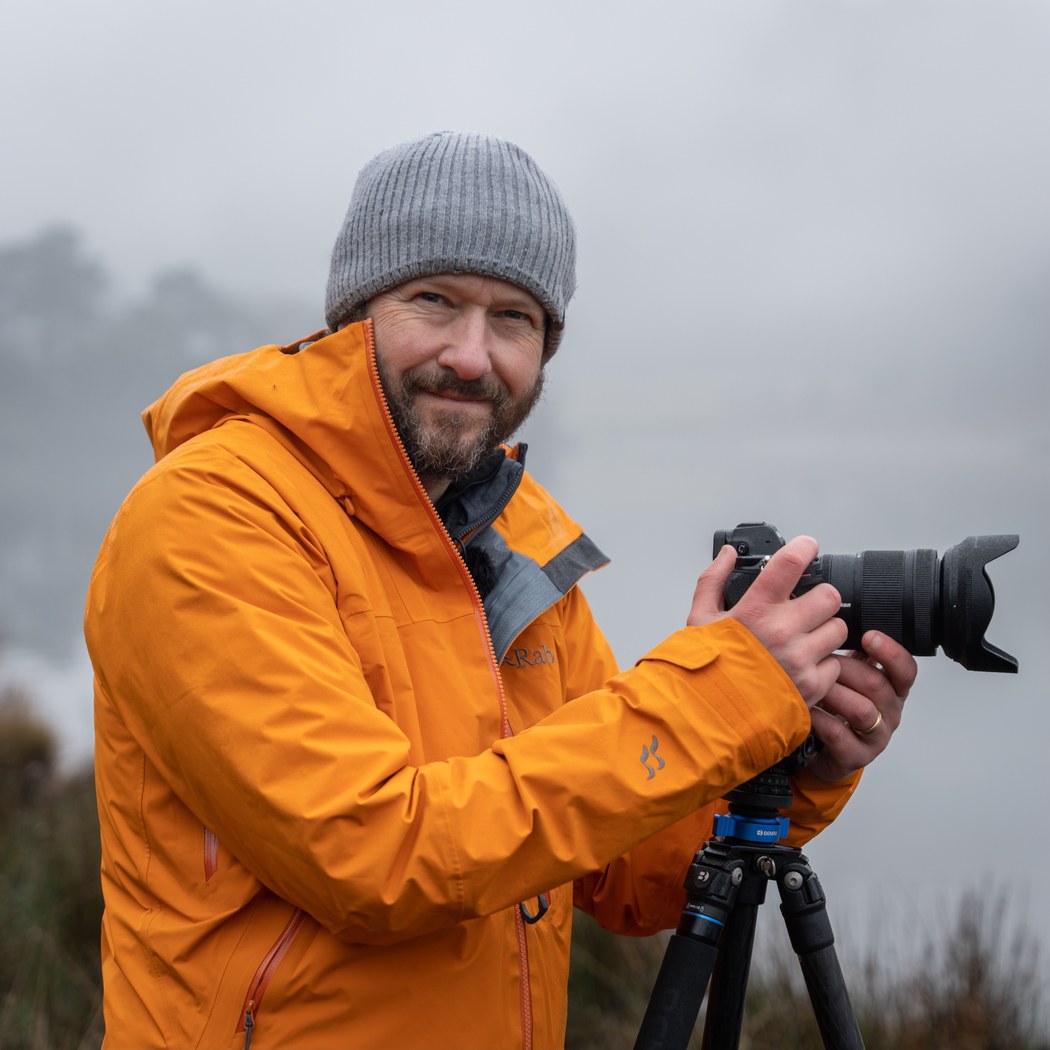
Nigel Danson and the art of going back
He built an intranet company, then made a second career with a camera. Now Nigel Danson is finding new photographs in familiar places, one return visit at a time.
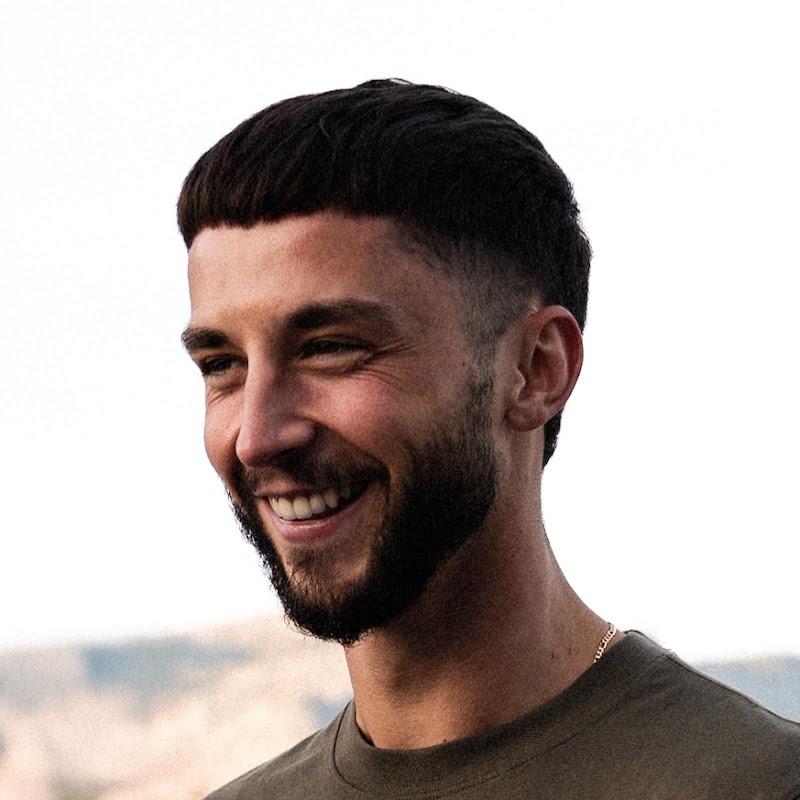
Liam Ottley and the Long Way Back to an Office
He built an AI business that could travel anywhere. Then he packed for Auckland, put his team in an office and took the cameras inside the companies he wanted to change.

Charlie Chang Made a Business Out of Being Useful
A UCLA graduate tried tutoring, photography, real estate and online retail before a daily YouTube habit became a business. Now Charlie Chang is building teams and companies around the audience he earned one useful video at a time.
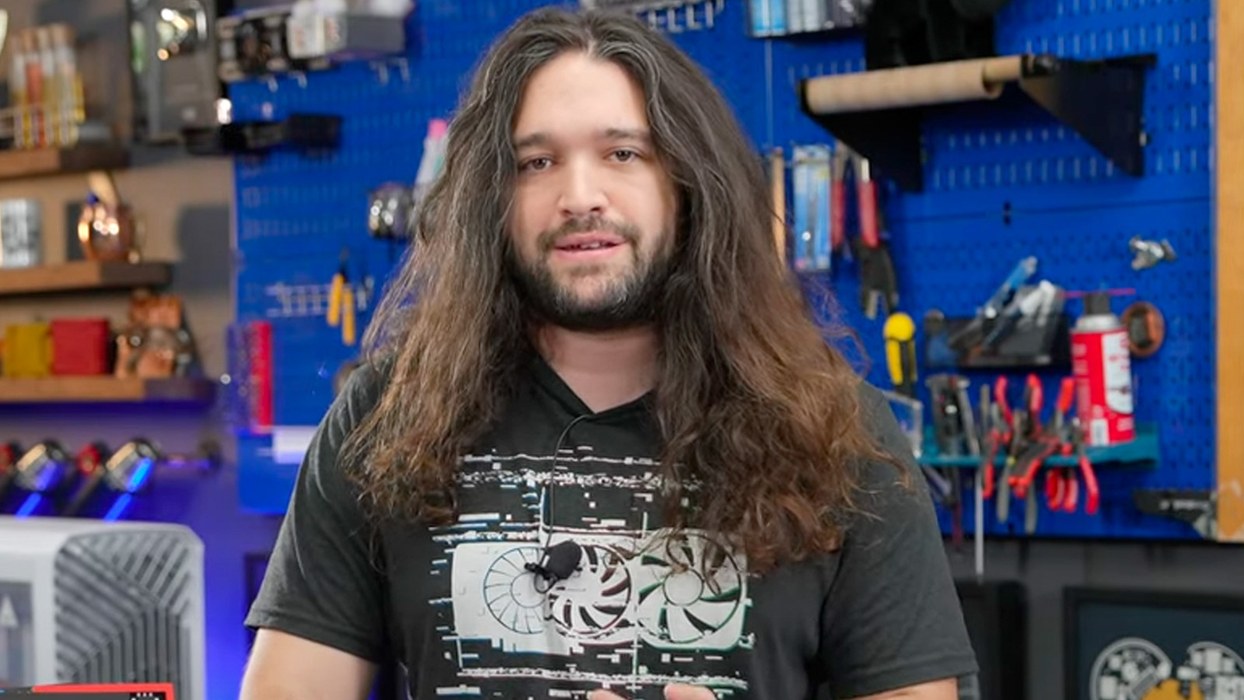
Steve Burke Built a Lab Out of a Question
GamersNexus began in a crowded bedroom with game reviews. Steve Burke’s habit of testing the next question turned it into a hardware lab and an independent reporting operation.
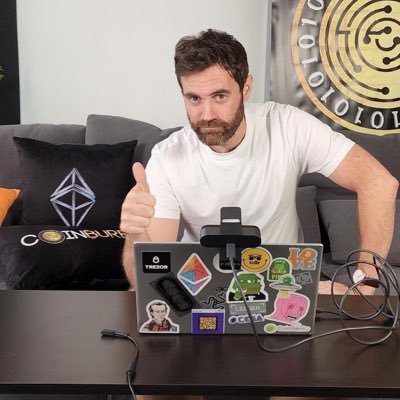
Guy Turner Found Bitcoin at a Pub. Then the Internet Found Him.
A sign behind an East London bar sent an English graduate down a Bitcoin rabbit hole. Years later, a search algorithm pushed his crypto blog toward the camera - and Coin Bureau became a global classroom.
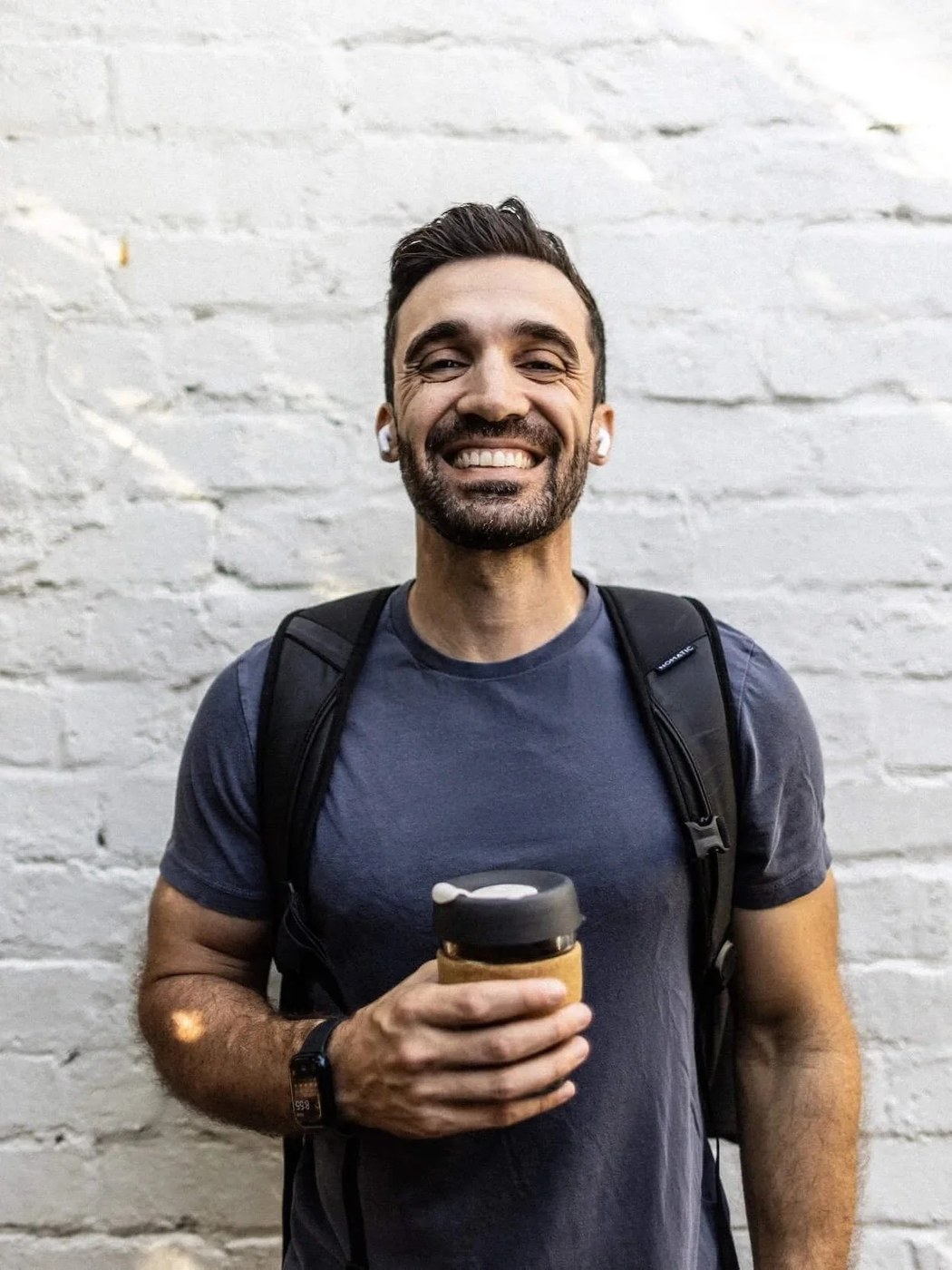
Matt D'Avella Learned to Make Less
Four million subscribers came after a decade behind the camera. Then the filmmaker who helped make minimalism famous tried applying its oldest lesson to his own work.
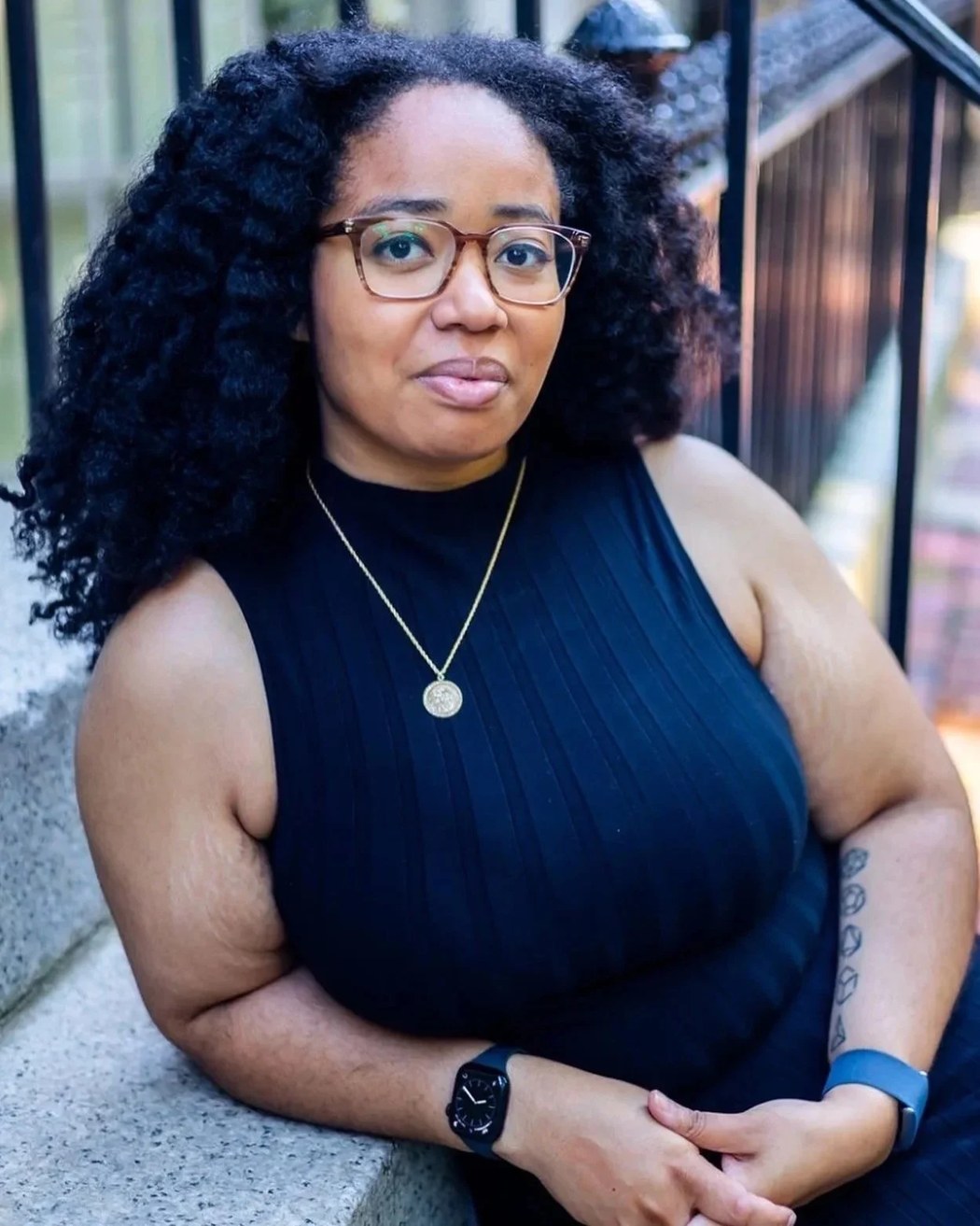
Jordan Harrod Wants You in the Room Where AI Decisions Happen
A scientist who started explaining algorithms on YouTube now advises institutions, teaches the public and co-owns a creator platform. Her recurring question is simple: who gets to understand the technology before it shapes their life?
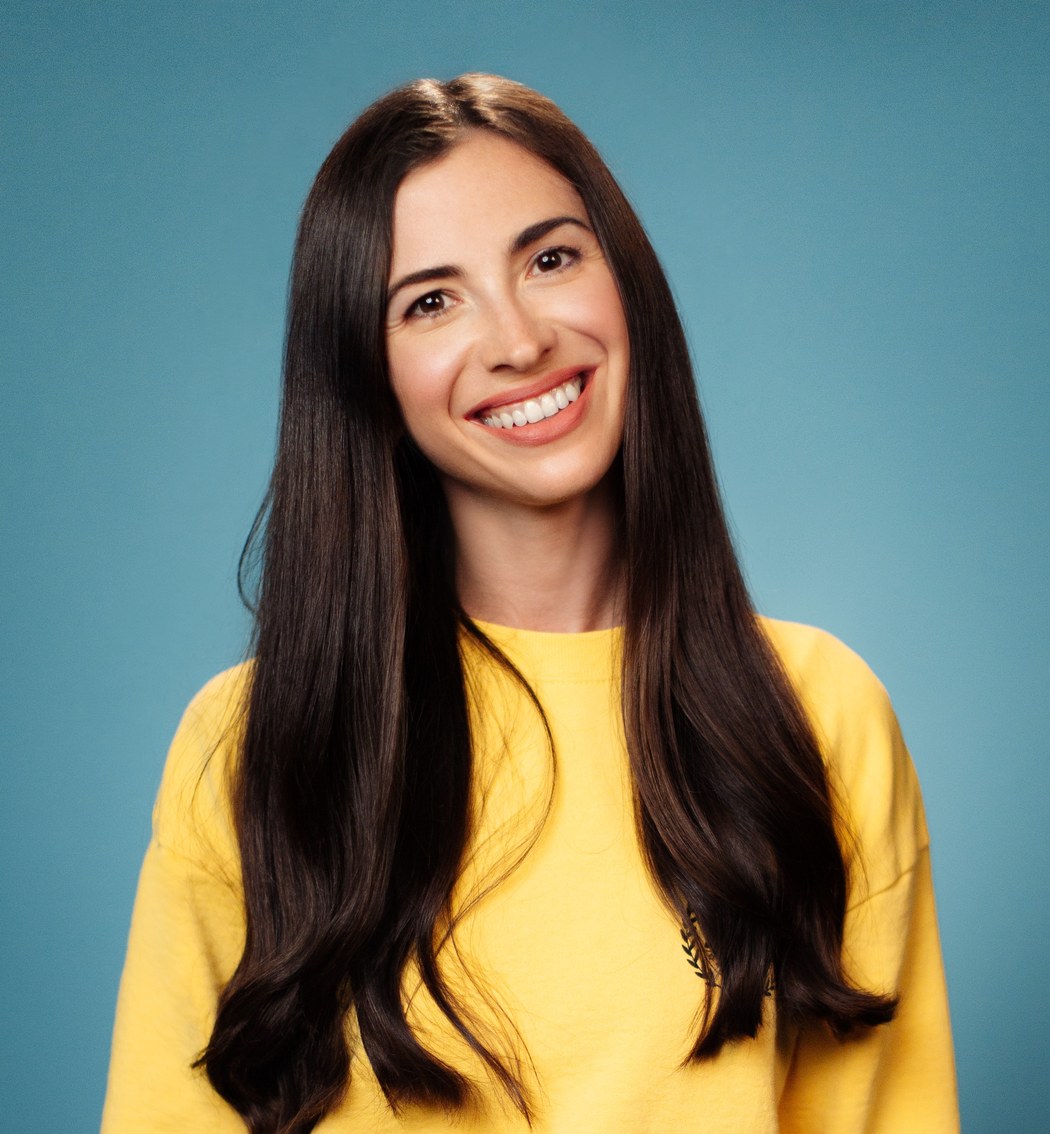
Marina Mogilko Learned to Cross Borders. Then She Built an Audience That Could Follow.
A teenager's do-it-yourself language trip became a company, three YouTube channels and a seat across from Silicon Valley's builders. Marina Mogilko keeps asking the same practical question: how does someone on the outside get in?
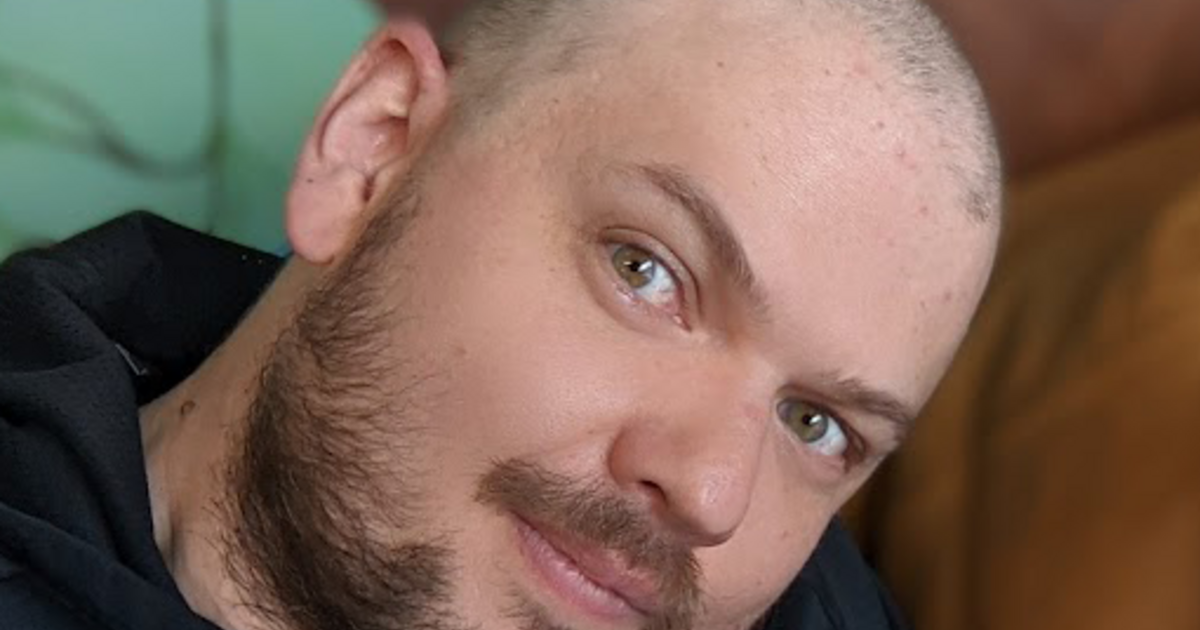
Wes Roth Built an AI Newsroom That Watches the News for Him
From urgent YouTube explainers to a podcast, newsletter and agent-run news site, Wes Roth has turned the speed of AI news into both his subject and his working method.
Dave Lee and the Art of the Useful Tech Review
From laptop keyboards to the price of a new MacBook, Dave2D has spent a decade turning product launches into a simpler question: what is this thing like to live with?
Mark Kashef Built 42 Businesses. The 43rd Began With a $10 Prompt.
A finance student who taught himself Python tried dozens of ventures before a $10 Fiverr listing took hold. Now his work is less about selling prompts than teaching companies to use AI with some discipline.
David Shapiro and the Question After Automation
He spent years keeping large computer systems running. Now David Shapiro is asking who gets paid when increasingly capable systems can do more of the work.
Andrei Jikh Learned to Make Money Visible
A childhood around performers, a film set full of flying cards, and a family lesson in debt led Andrei Jikh to a second act: explaining money on camera.
Michael Fisher Kept the Buttons Everyone Else Removed
The voice behind MrMobile learned to tell stories on stage, then made a career explaining the gadgets in our pockets. Now, as a Clicks co-founder, he is helping build the kind of keyboard phone he never stopped missing.
Arun Prabhudesai and the language of the next upgrade
He started with a business blog, an installment-plan camera and videos few people watched. Nearly two decades later, Arun Prabhudesai runs a Pune media operation built around a deceptively hard question: will this technology be useful to the person paying for it?
Matt Wolfe Built an AI Directory. Then AI Made Directories Look Old.
A spreadsheet, a weekend with Webflow, and a public career reset turned Matt Wolfe into a familiar guide to AI tools. Four years later, the founder of Future Tools is learning to value a shorter list.
Alex Cattoni Sold Her Car, Found Her Voice, and Built a Copywriting Posse
A planned law-school future gave way to an internship in Kuala Lumpur. Two decades later, the Copy Posse founder teaches marketers to sell with empathy - and is learning to put her own name back on the work.
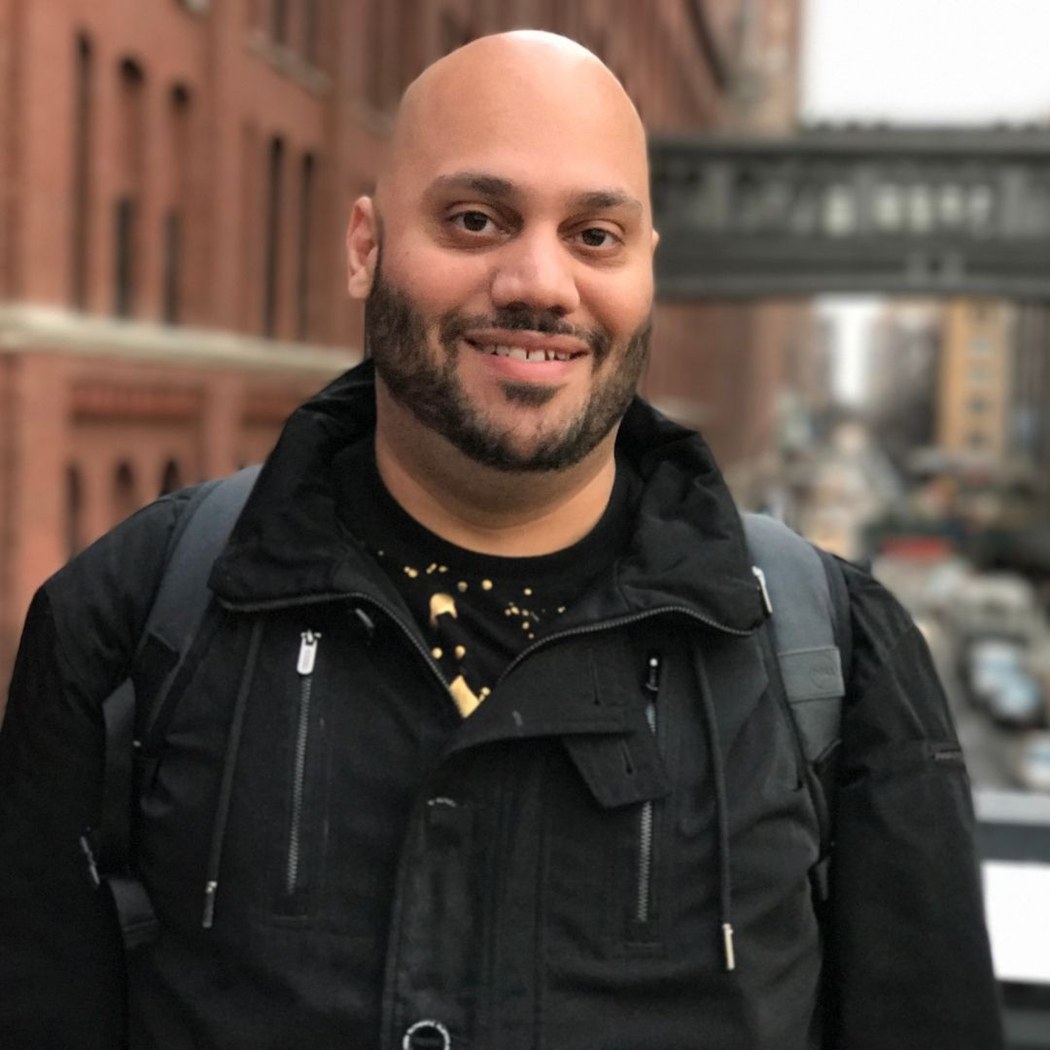
Andru Edwards and the Long Life of an Open Box
He began with a technology blog and found a durable career by making the box-opening ritual useful. Two decades later, his measure of success is still whether someone can make a better choice after watching.
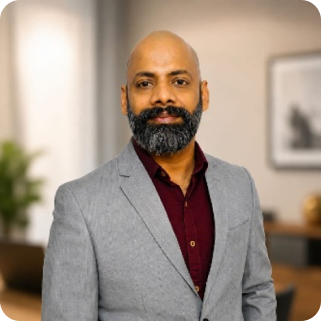
Sajin Nair Is Building a Career on One Uncomfortable Idea: The Funnel Is Tired
After two decades inside B2B sales and marketing, Saicon CMO Sajin Nair has begun questioning the machinery he once helped run. His next act joins an executive mandate with a public experiment in clearer, less theatrical growth.
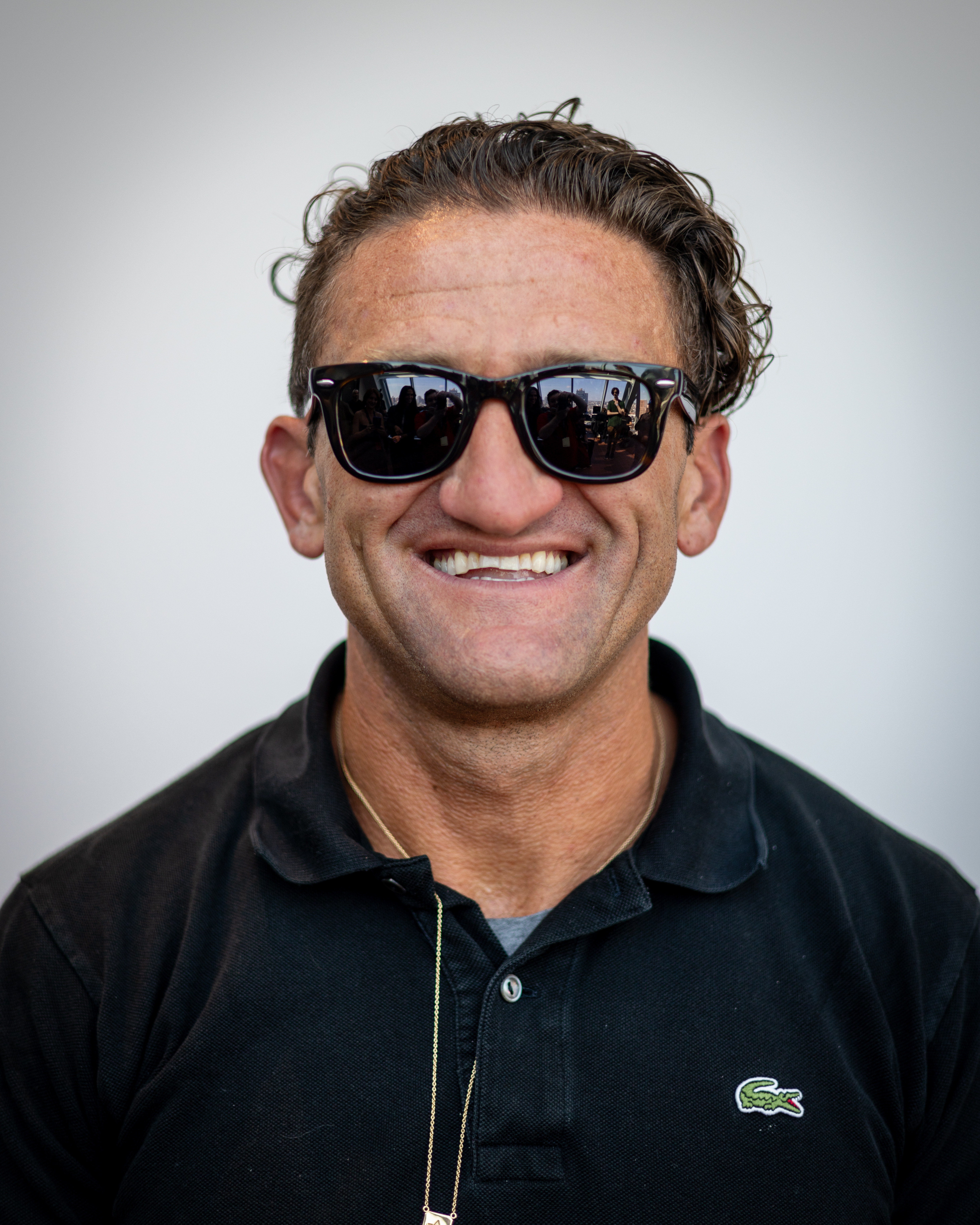
Casey Neistat Still Wants to Make the Thing
He built a career by treating the city as a set, the deadline as an editing tool and the audience as a collaborator. Now the platform he helped define feels unfamiliar, so Casey Neistat is returning to his oldest advantage: making unmistakably human work.
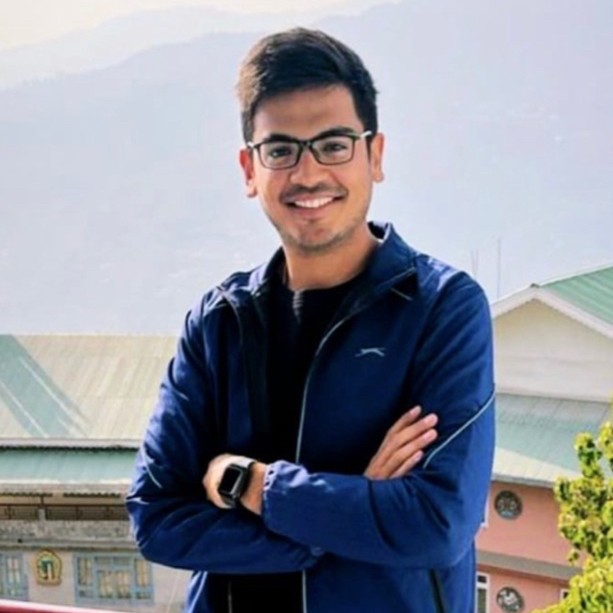
Samay Jain Builds Product Demos - Then Turns History Into Sixty-Second Stories
The Rivia.AI co-founder has spent his career making complicated software easier to grasp. His second act applies the same instinct to history, culture, and a growing YouTube audience.
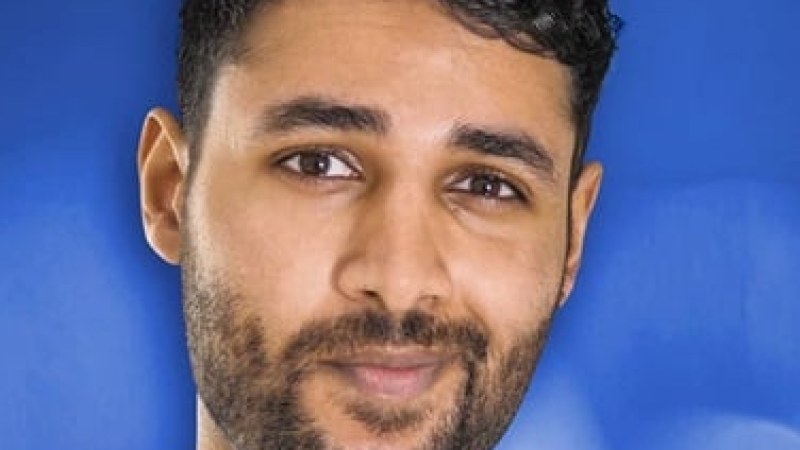
Arun Maini
Arun Maini, known online as Mrwhosetheboss, is the UK's largest tech YouTuber with over 22 million subscribers and 8+ billion views. Born in Nottingham to Indian-origin parents, he turned down a PricewaterhouseCoopers offer after earning a First Class Economics degree from the University of Warwick to pursue YouTube full-time. He holds a Guinness World Record for the largest smartphone replica, has won two Streamy Awards for Technology, and is recognized globally for his witty, authentic reviews of smartphones and gadgets. He married Dhrisha Mehta in June 2024 and the couple are expecting their first child in August 2026.
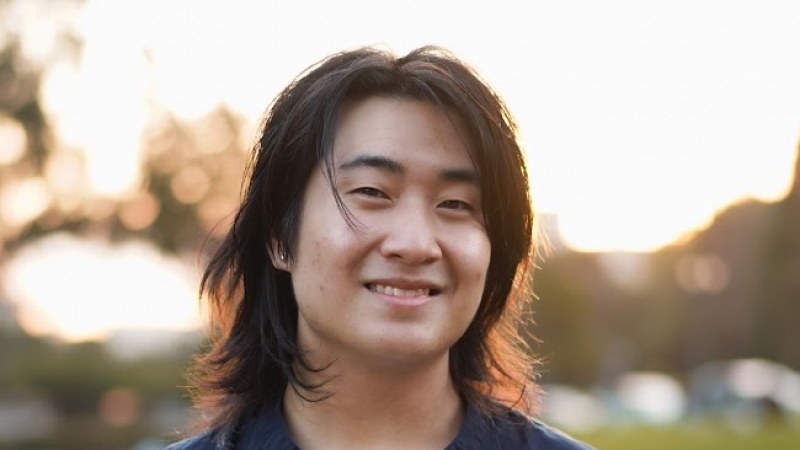
Alan Zhang
Alan Zhang (Rongyu Zhang) is a San Francisco-based founder, aerospace engineer, and YouTube creator who built the first human-carrying eVTOL drone assembled by a high schooler — a 280kg-thrust electric aircraft completed in 327 days with 17 classmates in a Diamond Bar garage. Now at UC Berkeley's MET program (Management, Entrepreneurship & Technology), he is building Prototype 3 of his passenger drone and running a stealth startup, while his YouTube channel @alanzeekk documents his journey building interesting machines.

Will Smith
Will Smith is a Philadelphia-born actor, rapper, and producer who built a $350 million empire spanning music, film, television, and digital media. With over $10 billion in worldwide box office receipts, four Grammy Awards, and an Academy Award for Best Actor (King Richard, 2021), he is one of the most commercially successful entertainers in history. Known as 'The Fresh Prince,' Smith transitioned from teenage rap star to global movie icon before a 2022 Oscars incident with Chris Rock triggered a career reckoning - one he has been navigating with characteristic resilience through his 2025 album comeback, a National Geographic travel series, and an upcoming I Am Legend sequel.