web3
(163)
Tegan Kline and the business of giving power away
She left Wall Street to help build an internet with fewer gatekeepers. At Edge & Node, Tegan Kline discovered that the work involved fundraising, data plumbing and, occasionally, finding everyone a room.

Daniel Wang and the price of pressing play
Before he co-founded Aethir, Daniel Wang helped take League of Legends across borders. Now he is working on a different barrier to entry: who gets access to the computers behind games and AI.

Manav Gupta and the distance between an idea and a business
Before Brinc became a global venture accelerator, Manav Gupta learned the awkward business of getting things made. He has spent the years since helping other founders cross the same gap.

Alon Shavit and the art of opening doors
Before he helped founders find mentors and markets, Alon Shavit programmed a robot to open a gate. At Upright Ventures, the engineering problem has become a human one.

Jutta Steiner and the trouble with trust
A question about online privacy took Jutta Steiner from applied mathematics to Ethereum’s security team and the co-founding of Parity Technologies. Her story follows the awkward distance between a promising idea and software people can depend on.

Kate Laurence Wants Trust to Survive the People in Charge
Growing up in Russia gave Kate Laurence a reason to question institutions. A career at Gartner gave her a way to question technology. At Bloccelerate VC, she has made a business of doing both.

Gavin Wood and the problem with being in charge
He helped build Ethereum, gave Web3 its name and created Polkadot. Gavin Wood keeps returning to a more awkward question: how much power should any one person have?

Prakash Somosundram and the business of bringing people together
From a Singapore digital agency to blockchain games and climate finance, Prakash Somosundram kept returning to the same problem: how to bring people, ideas and capital together. His next chapter begins with a harder look at what happens after the money arrives.

Wilson Bright and the question behind the questionnaire
Before Wilson Bright built BlockSurvey, he wanted to know who could read the answers. His journey from software testing to private surveys now includes AI agents, university research, and a rather useful cardboard box.

Joshua D. Tobkin puts a price on being right
A whitepaper club in San Francisco became a research lab in Taipei, then Supra. Joshua D. Tobkin’s path runs through poker, blockchain design, and a personal token bounty for anyone who could beat his team’s execution engine.

Pengyu Wang and the price of one extra click
The Particle Network co-founder brought a casual-game builder’s eye to crypto’s awkward front door. His work now stretches from familiar logins to accounts that can move across blockchains without making the user manage every step.

Derek Chiang and the price of one more click
A basketball-inspired collectibles startup brought Derek Chiang face to face with crypto’s awkward front door. At ZeroDev, and now Ethlabs, he has kept working on what happens between a promising technology and a person willing to use it.

Jake Brukhman and the value of joining in
A programmer raised by computer scientists turned a blockchain research group into CoinFund. His next question is whether the same networks can help people build and own artificial intelligence.

Cliel Schachter and the value of going first
Before leading teams, Cliel Schachter has a habit of becoming a customer. From a catering shift in San Francisco to a venture studio in Toronto, his career follows the questions that only using a product can answer.

Nathan Montone and the year-long conversation about the future
An early Bitcoin investor found a co-founder in institutional finance. At M31 Capital, Nathan Montone has spent the years since connecting unconventional technology bets with the practical business of making them work.
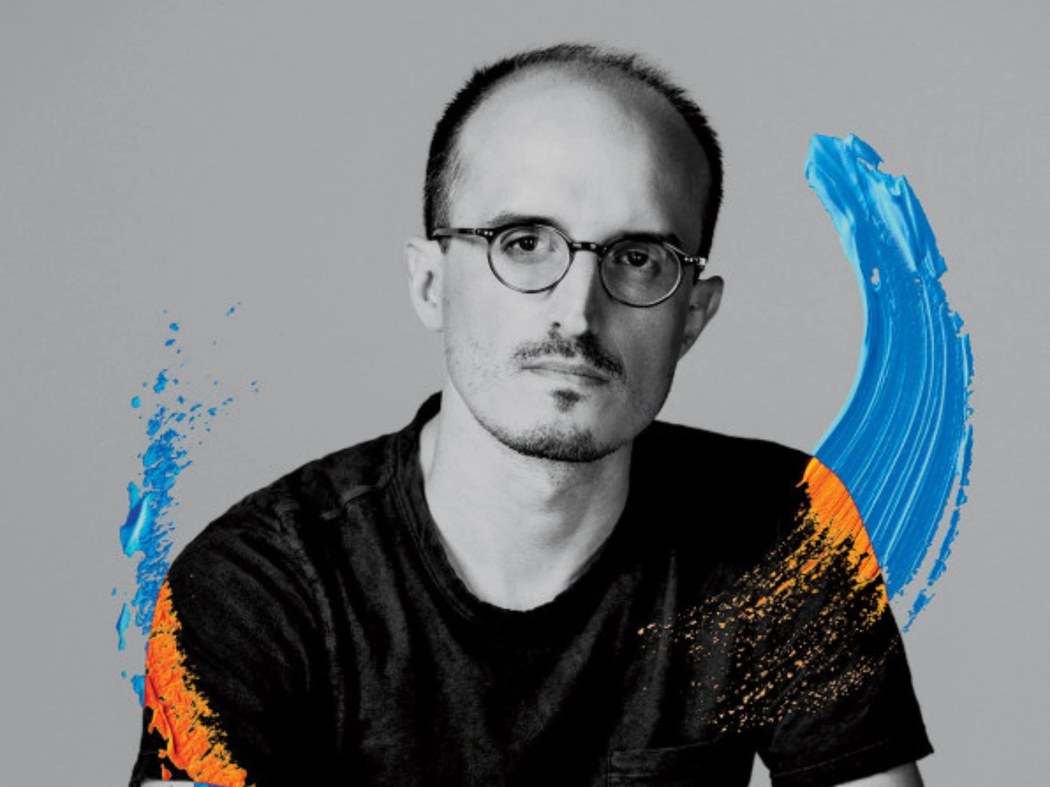
Greg Solano Wrote a Club Into Existence. Now He Gets to Write Again.
The Yuga Labs co-founder turned a joke about bored crypto millionaires into Bored Ape Yacht Club. After two years back in the CEO chair, he has handed daily operations to Michael Figge and returned to the writing and creative direction that started it all.

Sidney Zhang’s Road Back to Crypto Ran Through a Sailboat
He spent his first crypto years building products that vanished almost as quickly as they appeared. After a detour through Uber Eats and Facebook AI, an old friend from Melbourne brought him back to build Magic Eden.
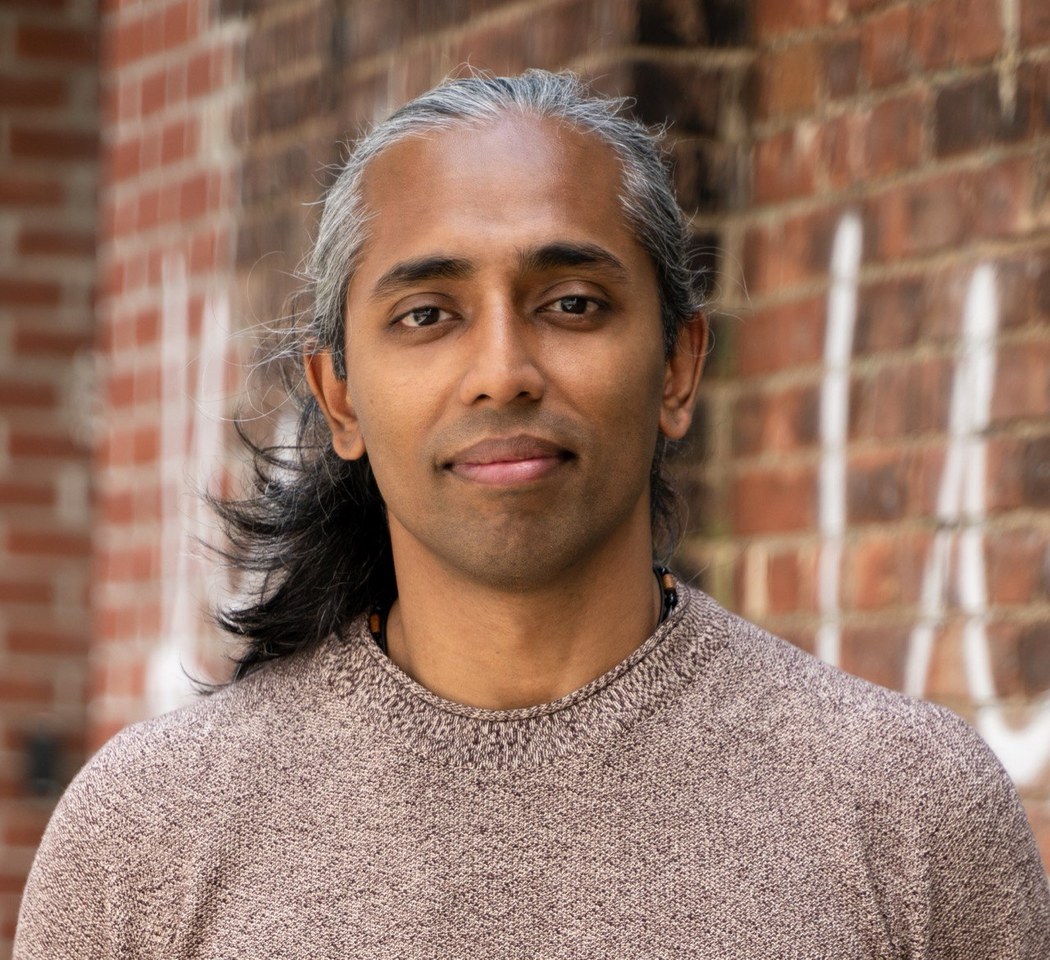
Mo Shaikh and the Missing Forty Dollars
A Brooklyn taxi fare first made Mo Shaikh curious about where money goes. After a real estate experiment and a blockchain born from Meta’s abandoned Diem project, he is putting that question to work as an investor.

Kerem Atalay Built the Door to the Bored Ape Club
Before Bored Ape Yacht Club became a cultural shorthand, Kerem Atalay and Zeshan Ali had to make its website, smart contracts and members-only spaces work together. The co-founder known online as Emperor Tomato Ketchup helped turn a peculiar club into functioning code.

Brandon Millman and the Trouble With Crypto's Front Door
A former Twitter and 0x engineer saw that crypto's first screen was often its hardest. With Phantom, he turned a wallet into an argument about how ordinary people should enter a complicated world.

Evan Cheng Keeps Rewriting the Plumbing
He helped make software run on billions of devices, then left Meta at 50 to build another foundation. The Mysten Labs CEO is still chasing a stubborn question: who gets to control what people create online?

Jack Lu and the Art of Starting Over
The Magic Eden co-founder built a marketplace in two weeks, watched it reach a billion-dollar valuation, then faced a harder task: admitting the market had changed.

Zeshan Ali and the 3 A.M. Call That Made the Apes Real
Before Bored Ape Yacht Club became a public spectacle, two programmers had to make its club work. Zeshan Ali was one of them - and he learned the collection was selling out from a 3 a.m. phone call.

David Post Has Spent a Career Making New Systems Useful
Before Web3 had a name, David Post was studying how institutions change. Now the Helix founder works in the stubborn space between a promising network and a business that actually runs.

Matthew Gould Keeps Renaming the Future
He built a unicorn by turning wallet addresses into names. Now Matthew Gould is betting that the useful future belongs to founders willing to edit their own thesis.
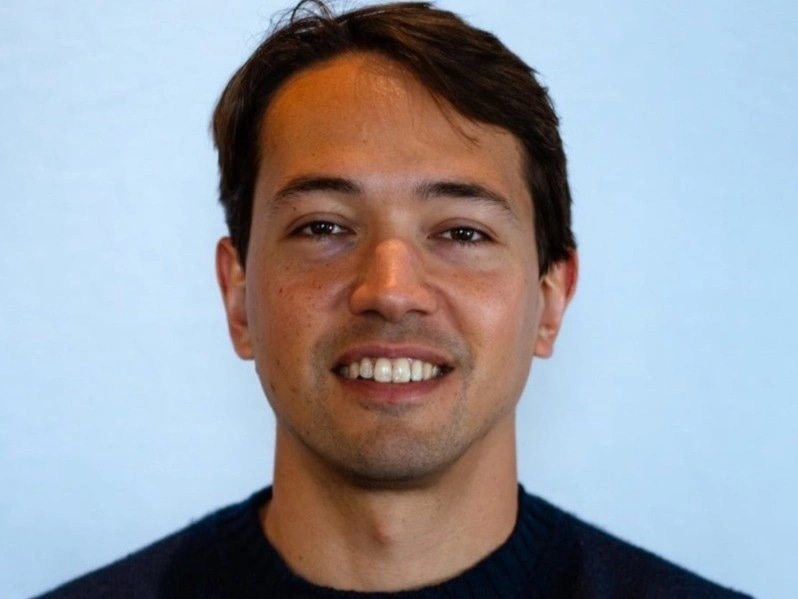
Francesco Agosti Is Making the Wallet Disappear
The Phantom co-founder has spent a decade turning complicated systems into ordinary software. His hardest trick is making crypto feel less like crypto - without taking control away from the user.

Devin Finzer and the Art of the Second Market
He built the bazaar for a digital collecting boom, watched the tide reverse, and chose to rebuild the ship while still at sea. OpenSea's second act may reveal more about Devin Finzer than its first.

Sara Hale Has Spent 25 Years Making Difficult Technology Legible
The Hashgraph CMO built her career translating complicated financial technology for people who cannot afford to misunderstand it. Now she is betting that tokenization can bring two stubborn worlds to the same table.

Jay Kurahashi-Sofue Wants Money to Move Like Music
An art-history graduate turned crypto marketer has spent a decade translating difficult systems into stories people can use. At Eco and SONARA Records, his two worlds now run on the same principle: remove friction, then let the work travel.

Deepanshu Is Turning Wall Street's Most Complicated Product Into a Yes-or-No Question
After years inside quantitative finance, the EthosX co-founder is betting that the next trading interface will look less like a terminal and more like a conversation.